Not every design trend stands the test of time. Some styles begin with strong intentions but eventually make homes feel outdated, impractical, or visually tiring. Personal taste matters, of course, but certain trends have repeatedly led to homeowner regrets because they were too ornate, too uniform, or simply impractical. Below are five interior design styles that often age poorly, why they fall short, and how selective use of elements—rather than wholehearted commitment—can help you avoid buyer’s remorse.
1. Victorian
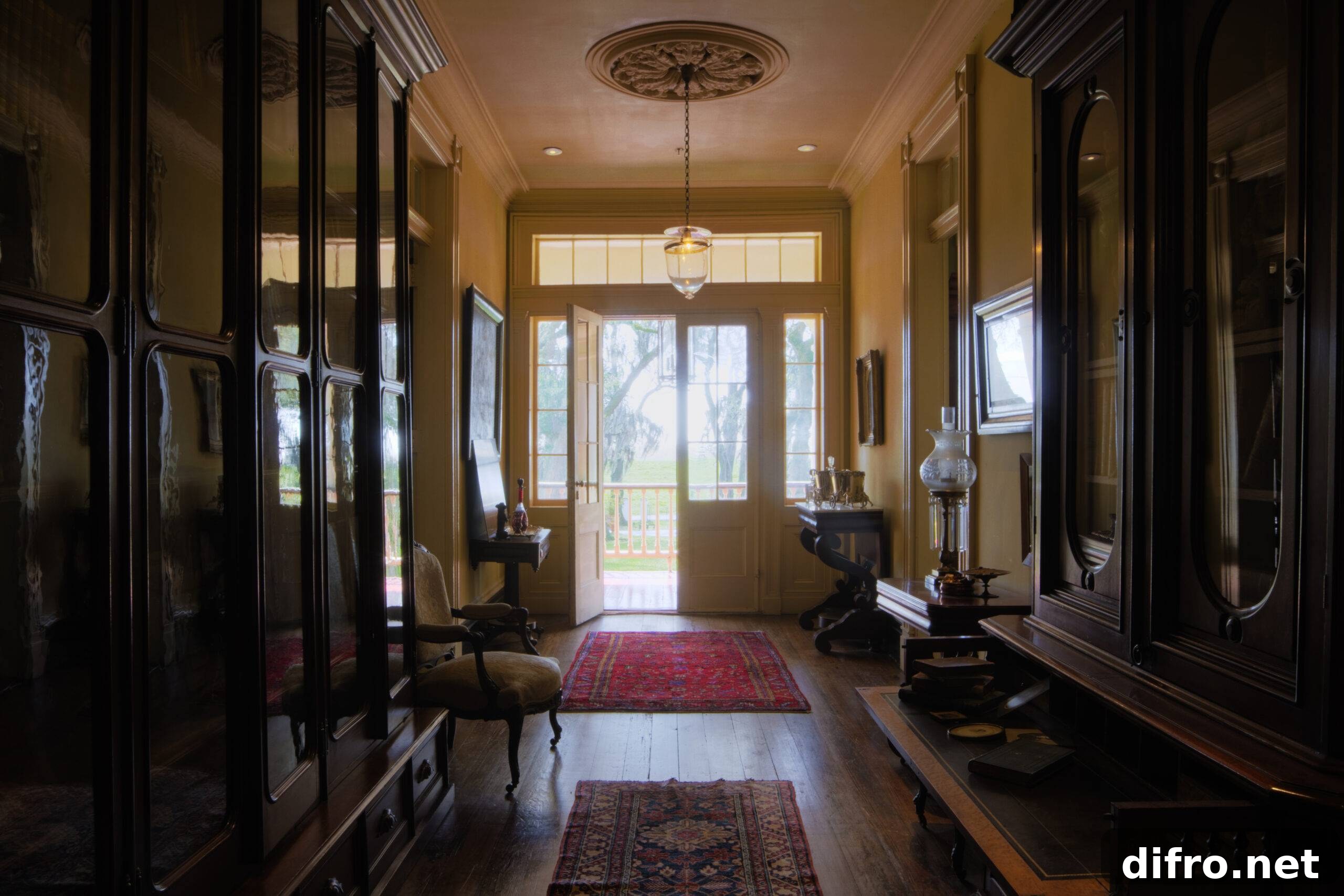
Victorian-inspired interiors were once synonymous with elegance and refinement, but when fully embraced they can quickly overwhelm a space. Heavy drapes, ornate wallpaper, carved furniture, and an abundance of decorative objects can make rooms feel cramped, dim, and difficult to maintain. Instead of feeling luxurious, a maximalist Victorian approach often reads as cluttered or museum-like, losing the warmth expected in a lived-in home. That said, using a few Victorian details—such as a single antique chair, a decorative mirror, or a carefully chosen textile—can add character without turning a room into a period set.
2. Tuscan
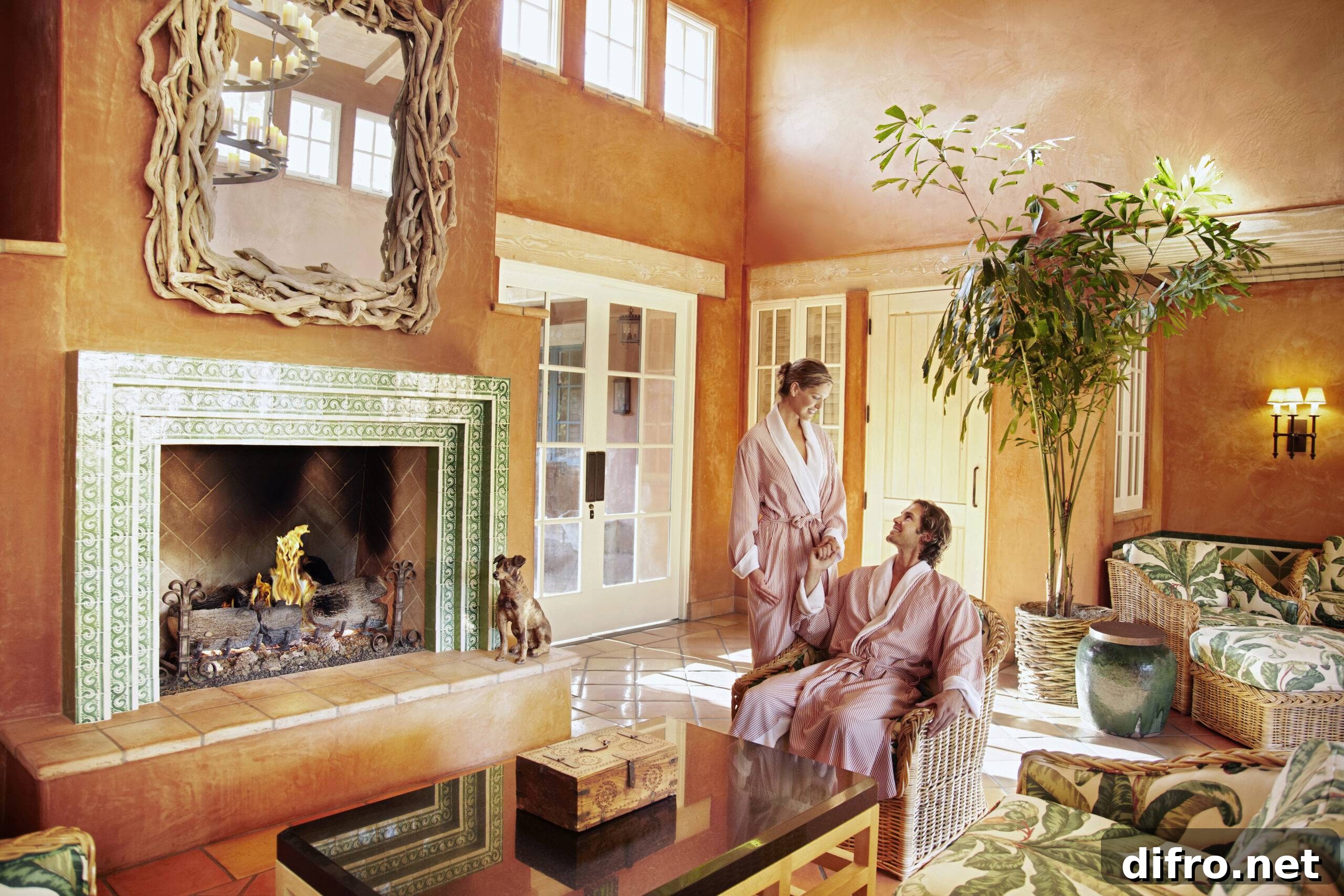
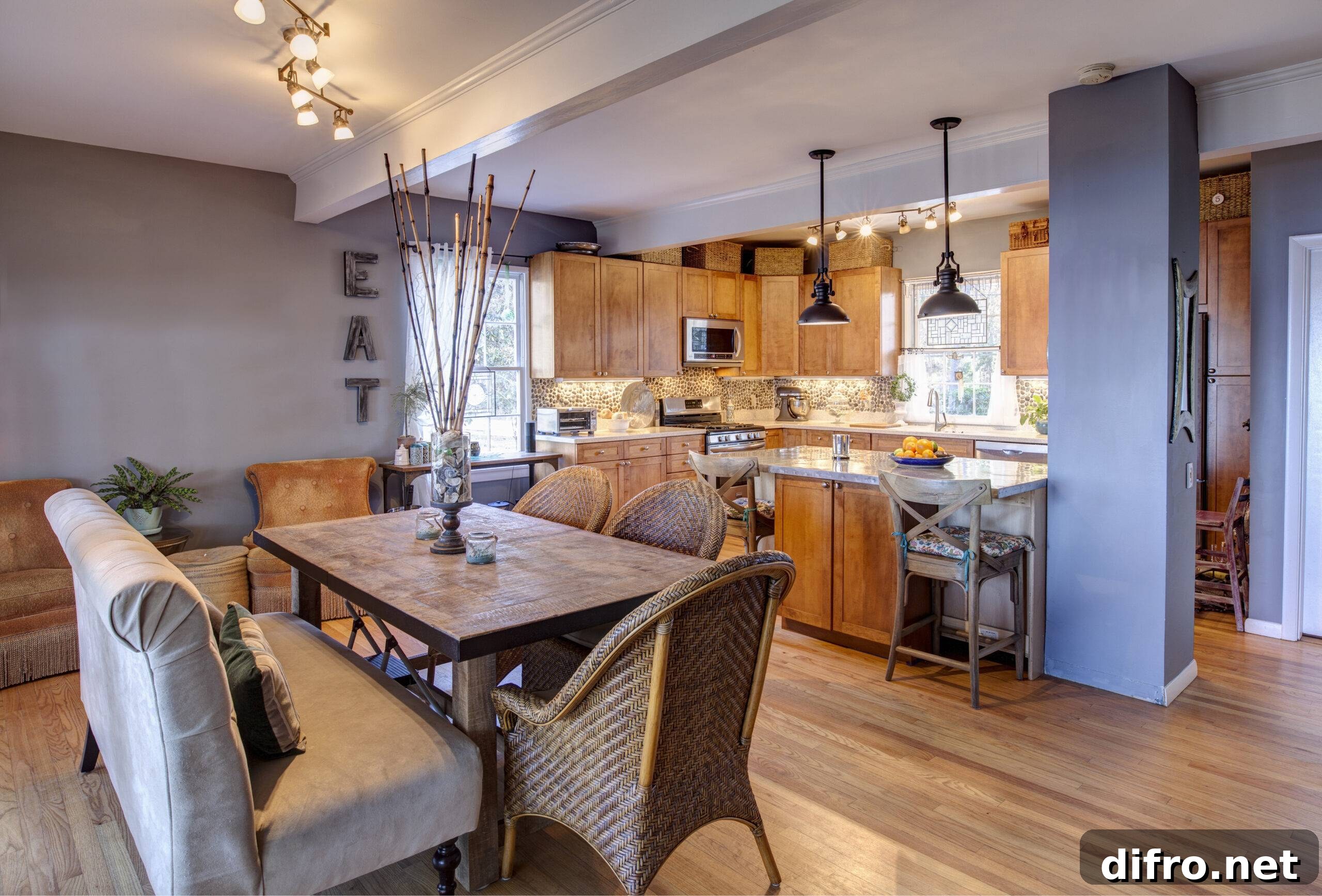
Tuscan decor once felt like a warm embrace—rich earth tones, textured plaster, and heavy wood created an Old-World charm. Over time, however, the trend became synonymous with over-decoration: faux finishes, too much wrought iron, and dark cabinetry can make rooms feel heavy and dated. Overuse of warm oranges and browns and textured walls often reads as visually tiring rather than cozy. A modern take on Mediterranean-inspired design works better when it pares back faux finishes and emphasizes natural materials, light, and a simpler palette.
3. Shabby Chic
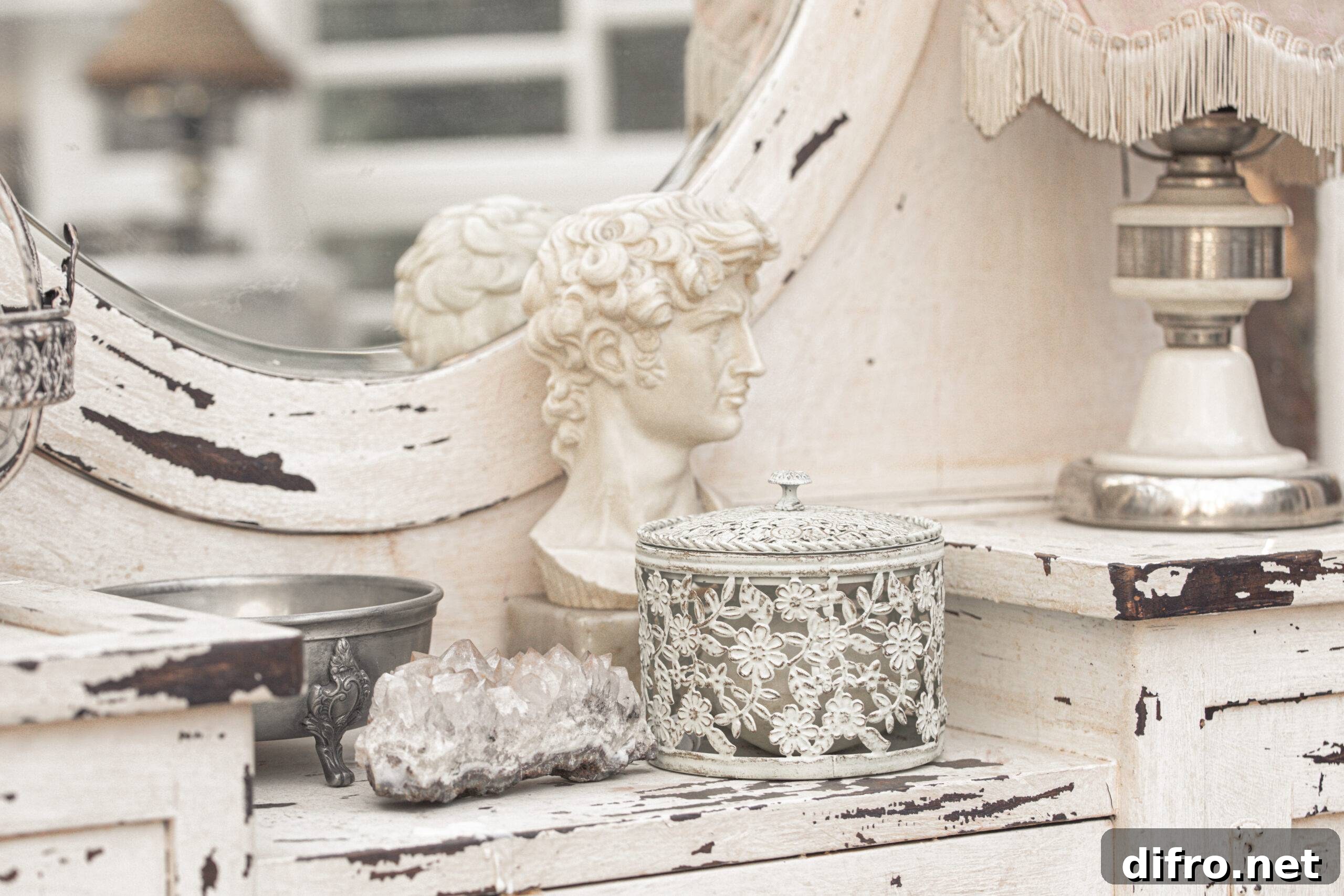
Shabby chic celebrates distressed furniture, soft palettes, and vintage finds. Its charm depends on balance and a discerning eye—without those, the look can quickly become cluttered or feel like a random assortment of thrifted pieces. The appeal of intentional imperfection relies on restraint: curated distressing, consistent color accents, and purposeful layering. When overdone, shabby chic loses its “chic” and ends up looking simply worn and chaotic. If you love vintage pieces, edit deliberately and combine them with modern anchors to keep the overall design cohesive.
4. Early 2000s Minimalism
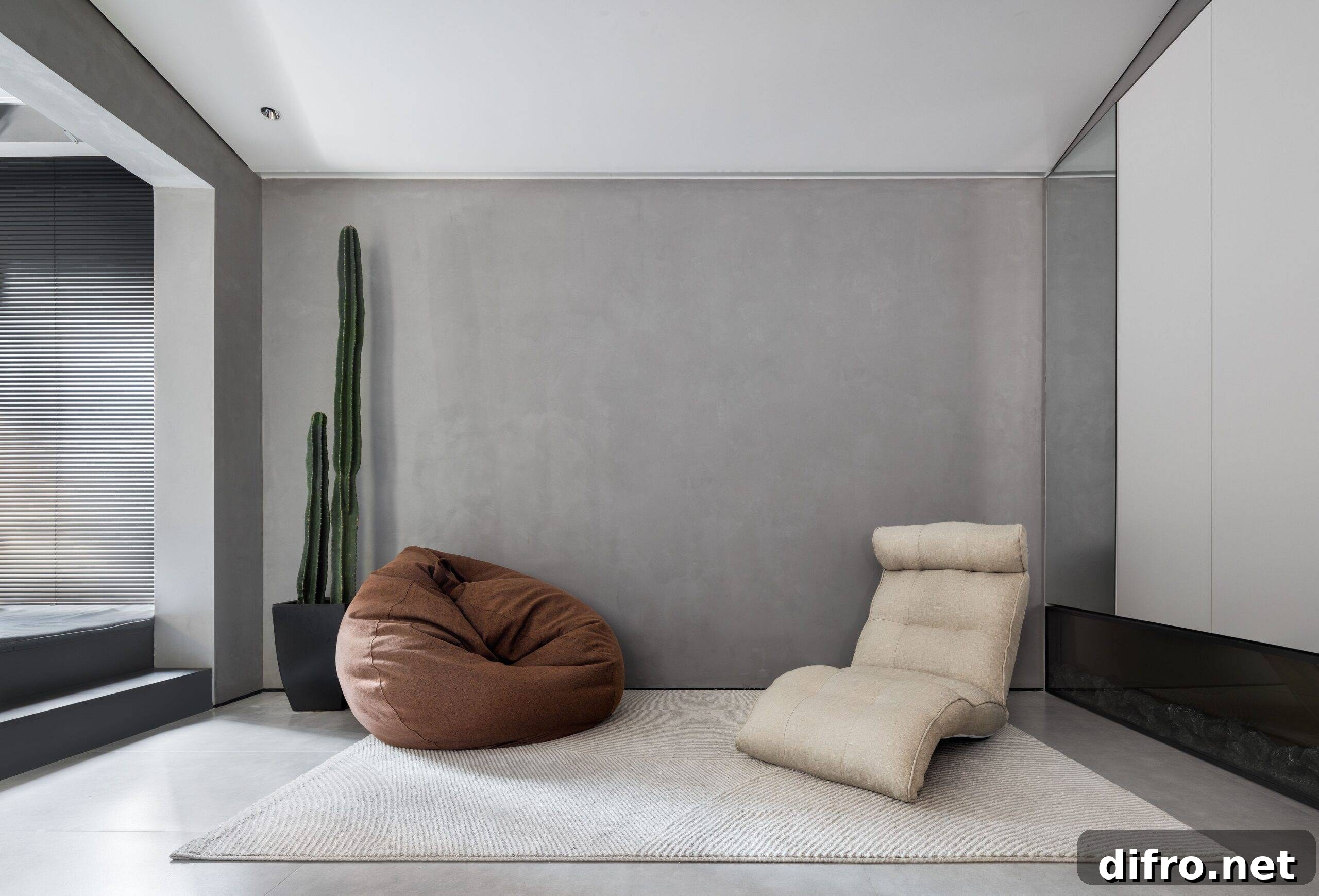
Minimalism can be timeless when it balances form and comfort, but the early-2000s interpretation often went too far. Sterile white walls, cold materials, and overly sparse furnishing left many rooms feeling impersonal and uninviting. The goal of reducing clutter and focusing on essentials is sound, but removing texture and warmth strips a space of personality. The more contemporary “warm minimalism” movement addresses this by introducing natural materials, layered textiles, and soft colors—proof that minimalism can evolve to feel both restrained and cozy.
5. Mid-2010s Farmhouse
The modern farmhouse became a dominant aesthetic in the 2010s, popularized on renovation shows and in mass-market decor. Elements like shiplap walls, sliding barn doors, and distressed finishes were charming at first but became ubiquitous and predictable when quickly reproduced on a large scale. Repetitive white-and-gray palettes, generic wooden signage, and mass-produced “rustic” furniture reduced the authenticity of the look. Today, farmhouse elements can still work—especially when combined with regional materials and personal touches—but be wary of copying the formulaic version that flooded the market.
All design trends have their moments, and elements from any style can be useful when applied thoughtfully. The common thread among trends that age poorly is overcommitment—too much ornament, one-note color schemes, or wholesale adoption of a look that doesn’t fit the home or lifestyle. For a lasting interior, prioritize balance: combine personality with functionality, choose quality over quantity, and introduce trend-driven details in small, reversible ways. And if a particular historical style truly delights you—Victorian, Tuscan or otherwise—use it confidently; personal satisfaction matters most in the spaces where you live.