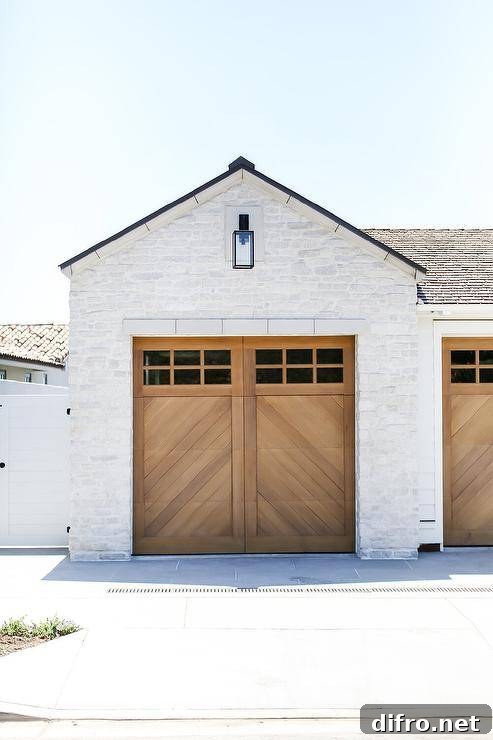
In many homes the garage door can occupy one-third or more of the front façade, so choosing the right style deserves careful attention. A well-selected garage door enhances curb appeal and ties the exterior together; a poorly chosen one can dominate and detract from the overall design. If you’re replacing an older door or planning a remodel, this guide walks you through common garage door styles, materials, and design considerations to help you make a confident choice.
Raised-Panel Doors
Raised-panel doors are the classic, familiar look most people picture when they think of a residential garage door. Traditional raised-panel doors used separate panels framed by rails and stiles, while modern versions are often molded from fiberglass or stamped steel to replicate that profile. These doors are broadly available in wood, fiberglass, aluminum and steel, offering a versatile balance between traditional appearance and modern performance.
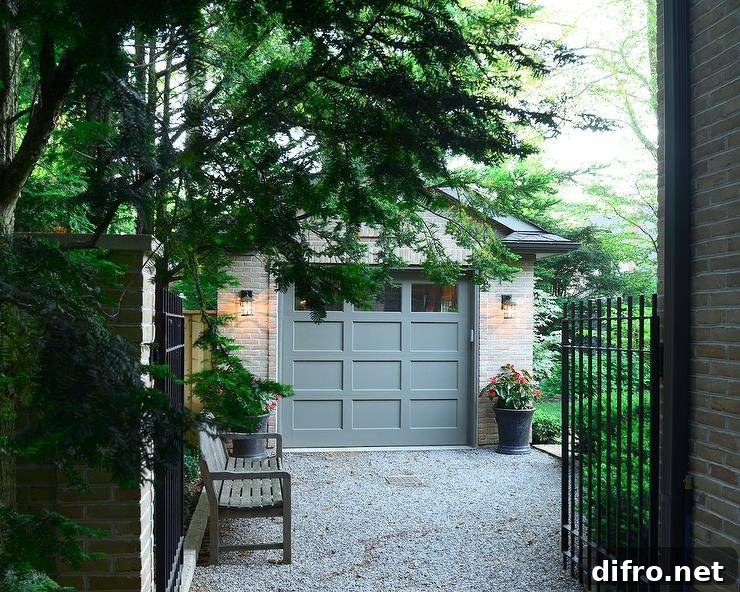
Traditional-Style Doors
Manufacturers produce traditional designs that complement recognizable architectural styles—Cape Cod, Colonial, Victorian, Ranch, Craftsman, and many European influences such as Tudor, Mediterranean, or French Country. These doors can be ordered in different materials and finishes so you can closely match the door to your home’s character, whether you want period-appropriate detailing or a close contemporary interpretation.
Carriage Doors
Carriage-style doors emulate the look of old carriage house doors and remain one of the most popular choices for homes seeking rustic or farmhouse charm. Historically these doors swung open, but modern carriage doors are available in automated, sectional, or folding formats that preserve the traditional appearance with contemporary convenience and hardware.
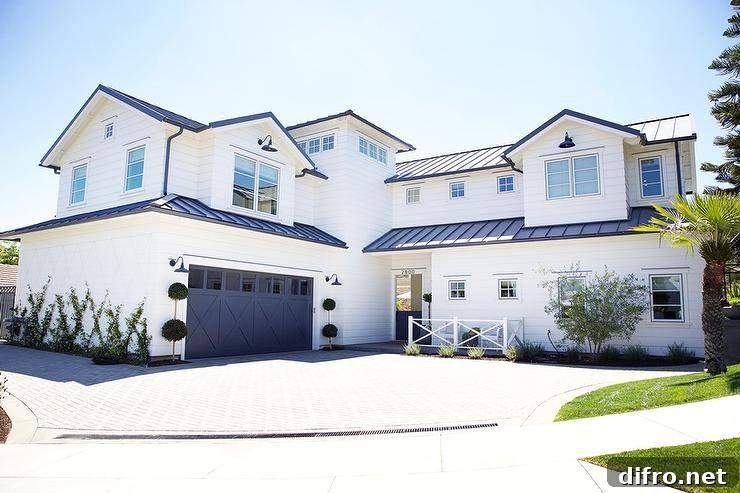
Contemporary Slab Doors
Contemporary homes benefit from sleek garage doors with clean lines—slab doors, full-view aluminum and glass panels, or doors with minimal hardware are common. Glass panels set in aluminum frames (clear, frosted, or tinted) provide natural light and a modern aesthetic. Slab doors lift as a single panel rather than folding into sections and typically require a dedicated automatic opener.
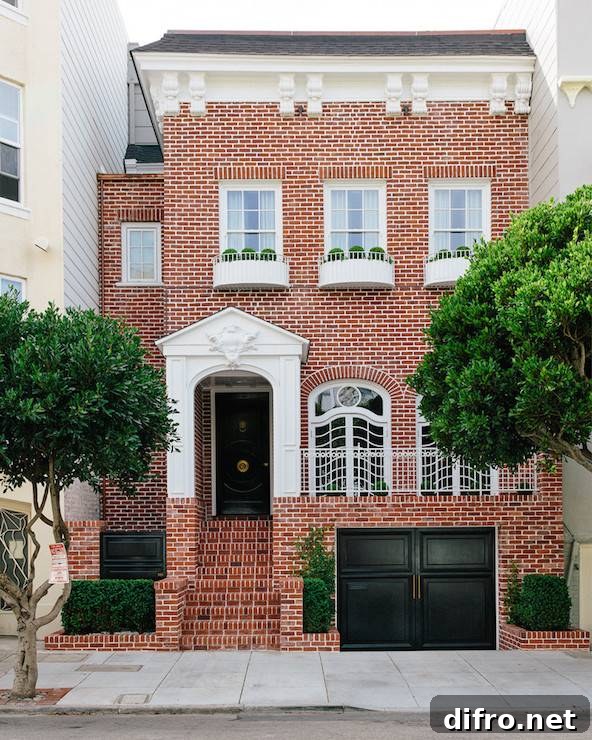
Swing-Out and Bi-Folding Garage Doors
Swing-out doors replicate the traditional carriage house operation, opening outward on hinges. Bi-folding doors fold in vertical panels and are another way to maintain a classic look while using modern hardware. Both types can be constructed in solid wood for authenticity or in engineered materials for better durability and lower maintenance.
Glass-Paneled Garage Doors
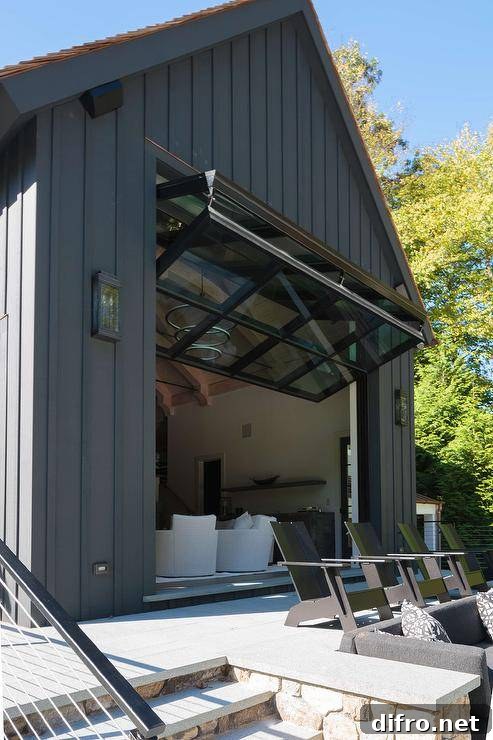
Glass-paneled doors are ideal for homes that emphasize natural light and contemporary design. Translucent or frosted glass panels maintain privacy while filling the garage with daytime light. At night, a backlit glass door can become a striking architectural feature without compromising security when using tempered or laminated glass.
Solid Wood Garage Doors
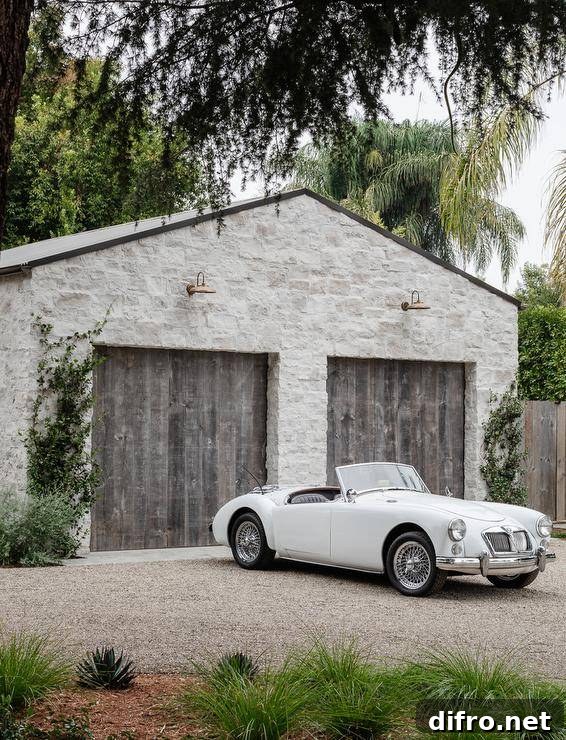
For warmth and natural beauty, solid wood doors remain unmatched. Wood offers rich texture and can be crafted in raised panels, plank styles, or carriage-house configurations. Keep in mind real wood requires periodic maintenance—staining, painting and sealing—to preserve its appearance and resist moisture and UV exposure.
Steel and Vinyl Doors
Steel doors offer strong durability, design flexibility and value; high-quality models use double-layer galvanized steel and optional insulation for weather resistance and energy efficiency. Vinyl doors are an excellent choice in coastal or humid climates because they resist rust, warping and rot, making them low-maintenance while still available in various styles and colors.
Single-Panel vs. Sectional Doors
Most modern installations are sectional doors made of multiple horizontal panels connected by hinges that follow overhead tracks. A less common alternative is the single-panel (up-and-over) door—a single solid slab that pivots on hinges or lifts as one unit. Single-panel doors can offer a clean, uninterrupted look and are often less expensive to buy and install, but they may require more driveway clearance to swing open and can be more costly to repair if damaged.
Advantages of Single-Panel Doors
- Uninterrupted design surface—ideal for flush or continuous finishes.
- Simpler mechanics and fewer parts, which can reduce initial installation costs.
- Vintage or mid-century homes often pair well with single-panel doors.
Drawbacks of Single-Panel Doors
- Safety concerns with older spring systems—modern conversions and properly maintained hardware mitigate most risks.
- When they fail or are damaged, replacement can be more expensive because the entire door is affected.
- They need extra driveway clearance for the swing or tilt as they open.
Choosing a Door Based on Home Style
Ranch
Ranch homes typically suit classic, understated doors. Consider plank styles or raised-panel doors with window inserts to echo vertical exterior details without overpowering the façade.
Contemporary
Contemporary homes benefit from minimalist, high-contrast or industrial-inspired doors—aluminum frames with glass, smooth slab doors, or textured horizontal planks work well. Embrace bold materials and finishes to create a cohesive modern exterior.
Tudor
Tudor homes are well matched to overlay or faux-wood overlay doors that mimic heavy timbering. Choose natural or faux wood tones, or steel doors with distinctive detailing to respect the historic character.
Craftsman
Craftsman exteriors pair well with carriage-style doors, planked designs and doors that incorporate simple, handcrafted detailing. Window inserts and natural wood or wood-look finishes enhance the handcrafted aesthetic.
Modern Farmhouse
Modern farmhouse designs favor carriage-style doors or clean plank doors in black, white or natural wood tones. For a modern twist, consider full-view aluminum and glass doors with a warm wood accent for contrast.
Colonial
Colonial homes benefit from symmetrical, modest garage doors. Carriage-style or raised-panel doors in classic colors help preserve the home’s historic proportions and balance.
Mediterranean
Mediterranean homes with stucco and tile roofs often look best with warm wood doors or high-quality faux-wood finishes that provide the right texture without demanding heavy maintenance.
Frequently Asked Questions
What are the most common garage door styles?
Common types include sectional, roll-up, side-hinged, slide-to-the-side, and tilt-up designs. Within those types you can choose materials such as wood, steel, aluminum, fiberglass and vinyl, plus options like windows, insulation and decorative hardware.
Which garage door style is most popular?
Sectional doors are the most common residential style because they are practical, efficient and available in many materials and finishes.
What is the most durable material for garage doors?
Steel is widely regarded as durable and cost-effective, especially when combined with insulation and proper finishes. High-quality composite and fiberglass doors also offer good longevity with lower maintenance than natural wood.
Are white garage doors out of style?
No—white remains a timeless, versatile choice that suits many architectural styles and contributes to a clean, bright curb appeal.