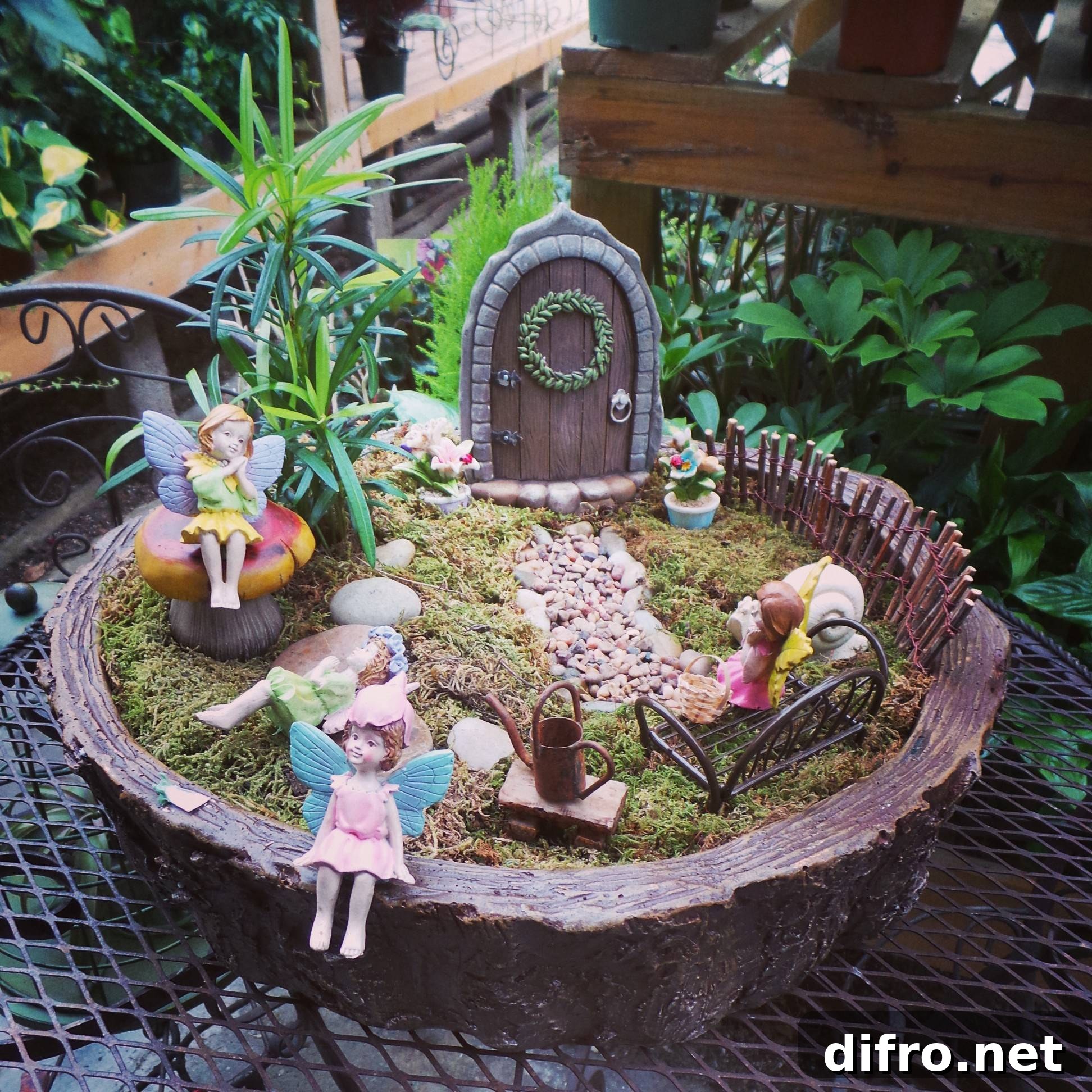
A miniature fairy garden is timeless, endlessly charming, and an easy way to bring magic to any corner of your home or yard. Perfect for hobbyists, families, and anyone short on outdoor space, these tiny landscapes let you build a whimsical scene using plants, found objects, and small decorations. Whether you buy ready-made tiny accessories or craft every element yourself, a fairy garden sparks creativity and adds a delightful focal point to a porch, windowsill, or patio.
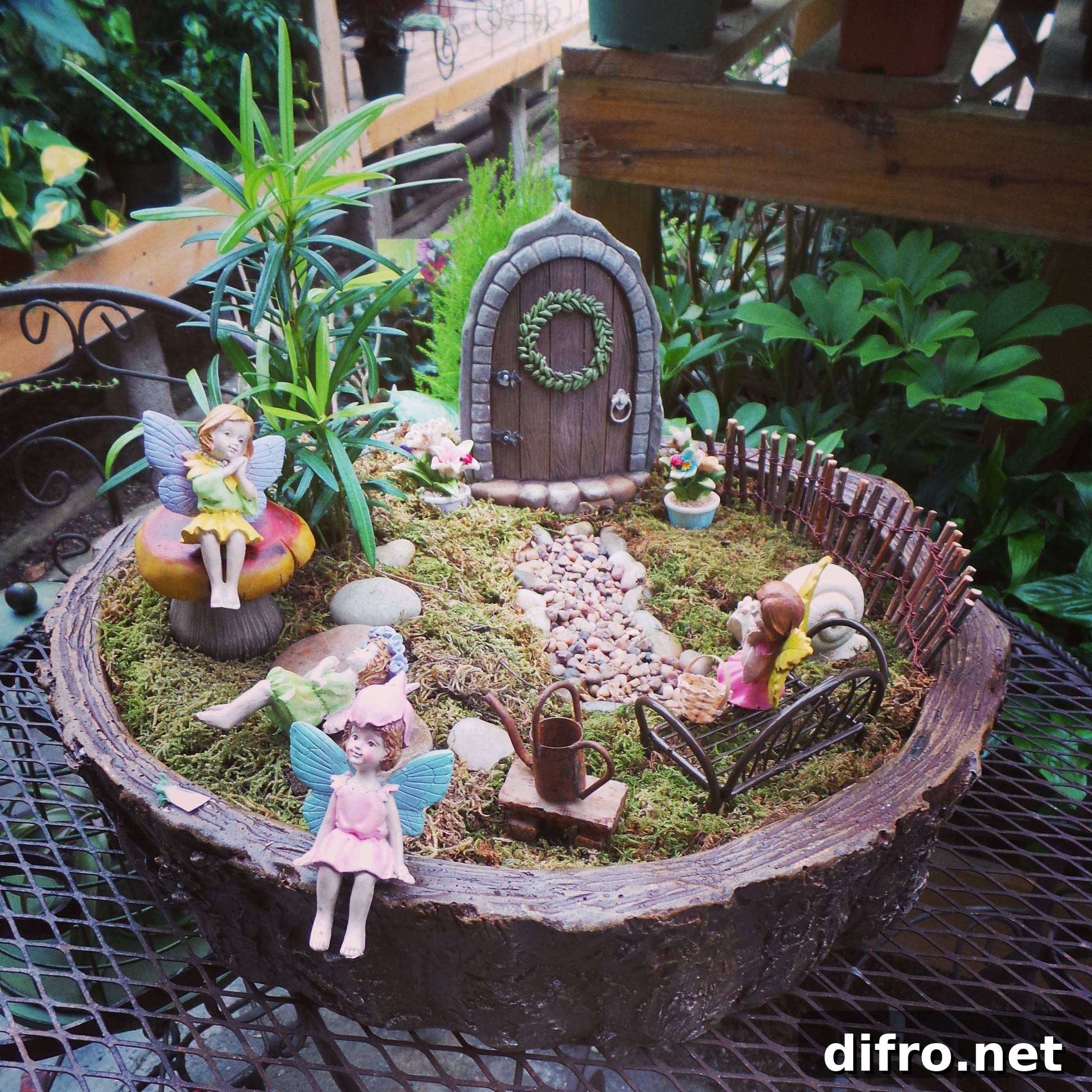
Miniature plants, tiny figurines, and small garden accessories are widely available for purchase, but you can also build memorable fairy gardens from scratch using inexpensive supplies and repurposed containers. Below are practical steps to get started and a collection of inspirational ideas to spark your imagination.
How to Create a Fairy Garden Design
Start by imagining the story you want your fairy garden to tell. Then follow these simple steps:
- Choose a container that fits your space and the scale of your design.
- Sketch a basic layout or map the plan directly with a stick in the soil.
- Select one focal plant—small shrubs, bonsai, or woody herbs like rosemary, lavender, or sage work well.
- Add pathways, rocks, and miniature accessories to bring the scene to life.
These tips will help you plan a balanced miniature garden. Now explore a range of creative setups for inspiration.
Ethereal Miniature Fairy Garden Ideas
Broken Pot Castle
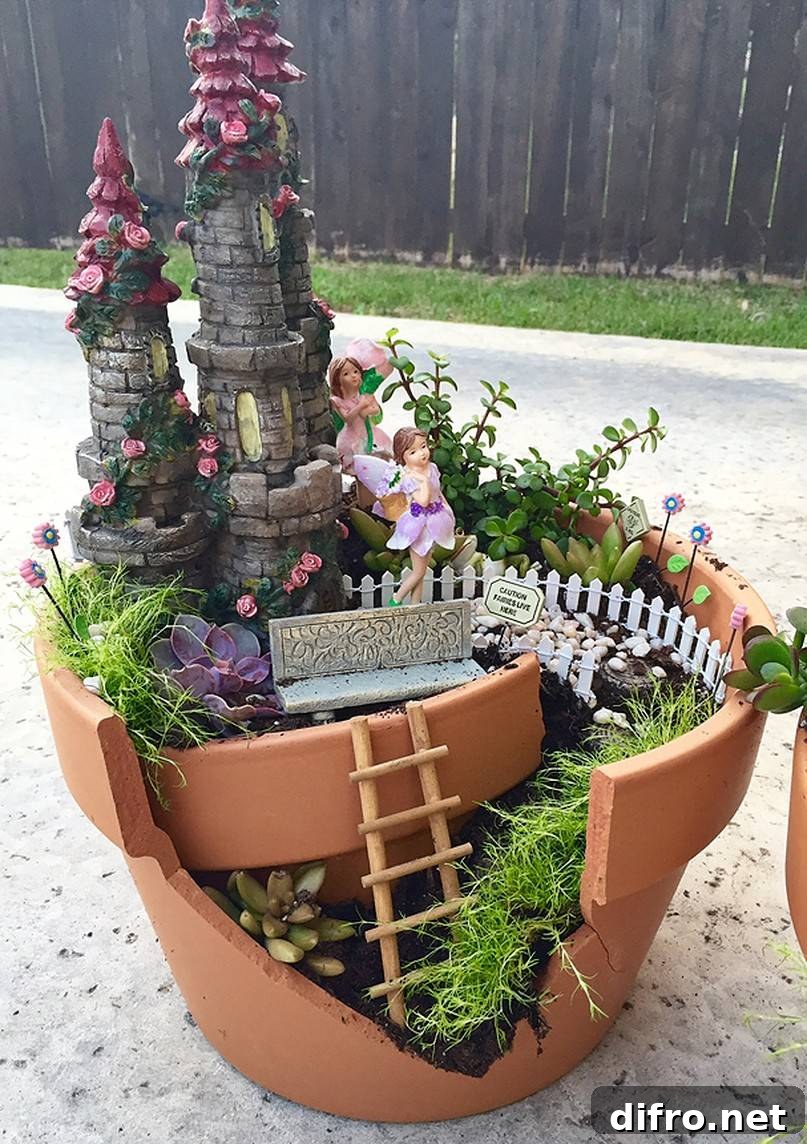
Turn a broken terracotta pot into a layered miniature castle by arranging shards as steps and terraces. Fill crevices with succulents, add a tiny ladder or bench, and finish with pebbles to create a fairy-friendly landscape.
Upcycled Birdbath Garden
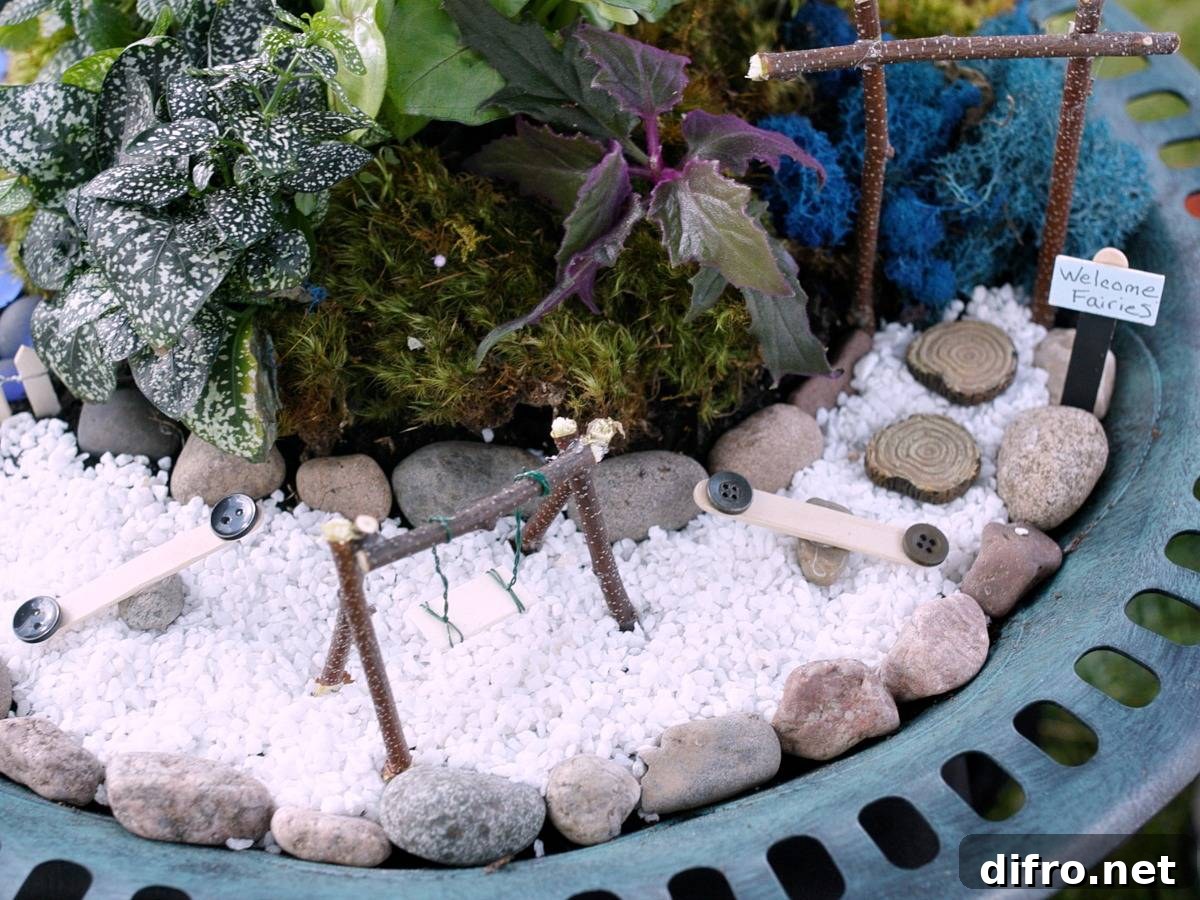
An old birdbath that no longer holds water becomes an ideal shallow garden. Add rocks, small succulents and a few handmade pieces of fairy furniture to create a playful miniature scene.
Painted Clay Pot Gnome House
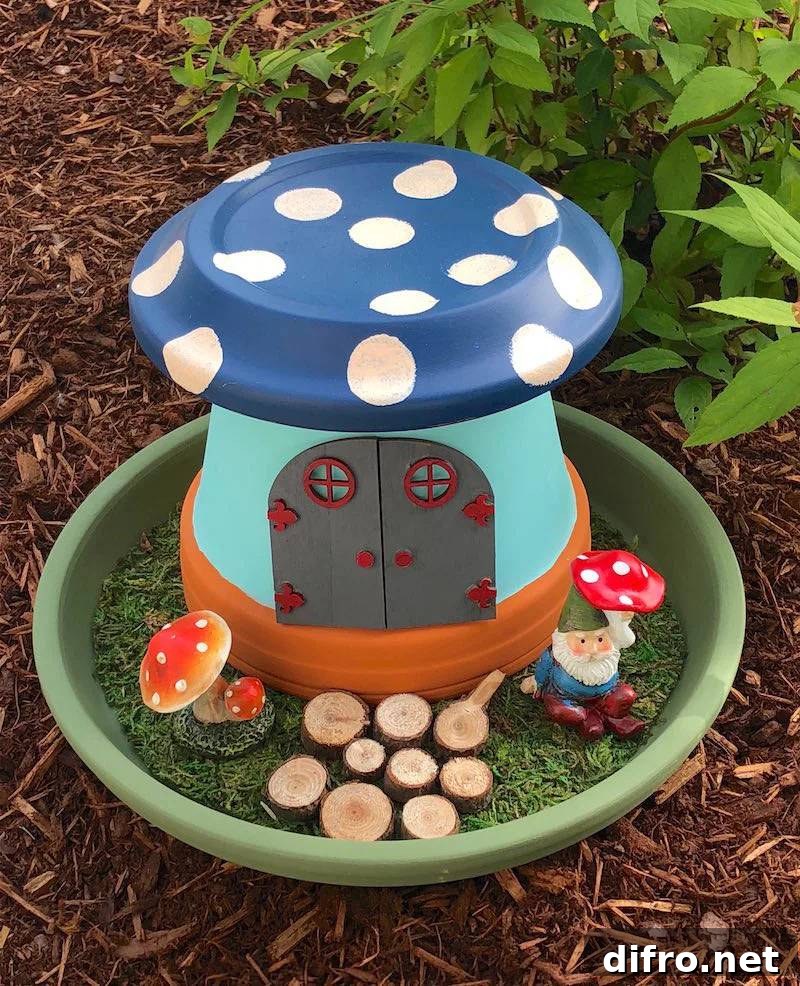
Painted clay pots are perfect for building low-maintenance gnome homes. Use moss, tiny doors, and simple accessories to create a focal piece for your front porch or garden.
No-Mess Glass Bowl Garden
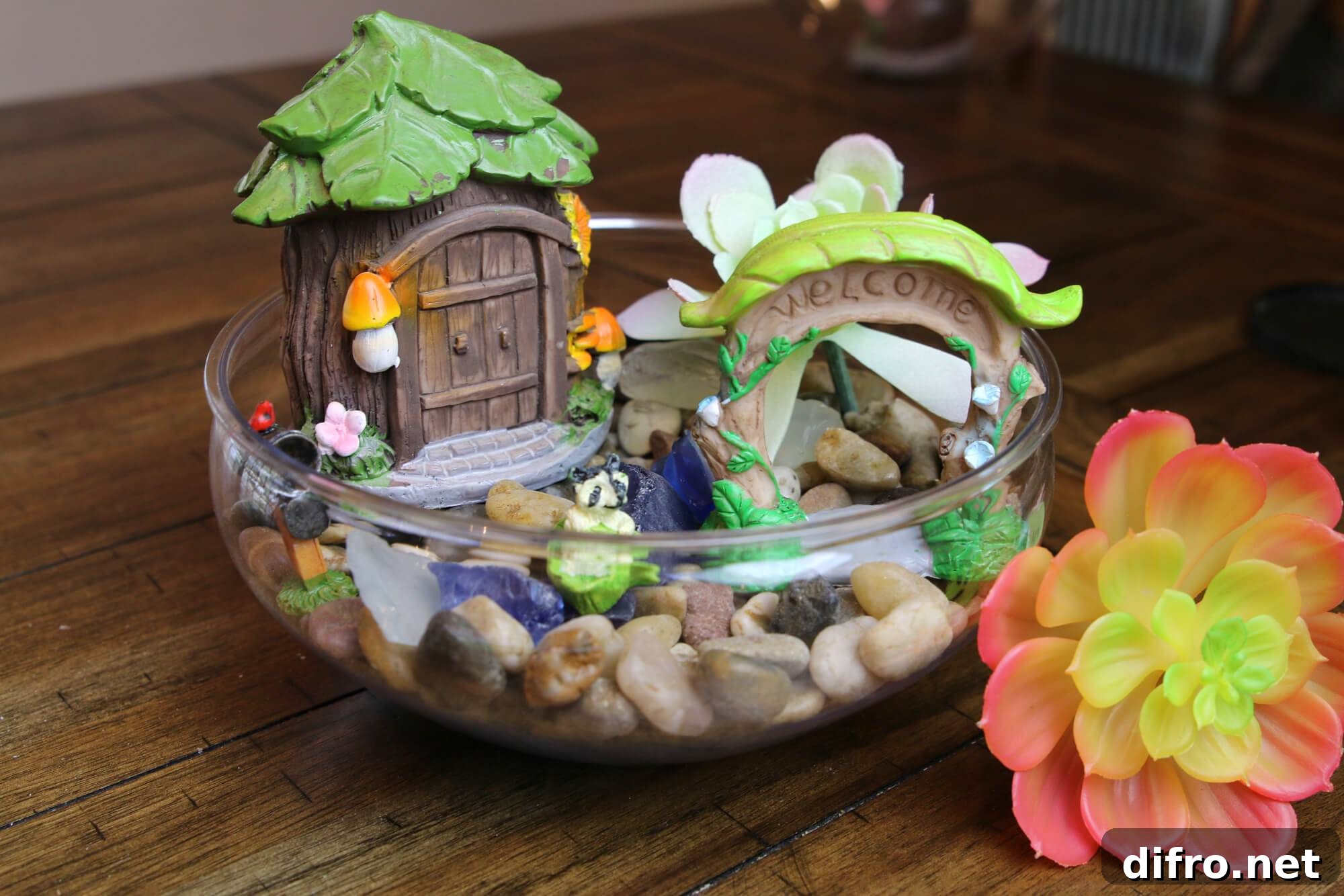
A glass bowl with pebbles and miniature furniture makes a tidy, plant-free fairy garden that kids can assemble easily. Add sea glass or crystals for an ethereal, low-maintenance display.
Camping-Themed Fairy Scene
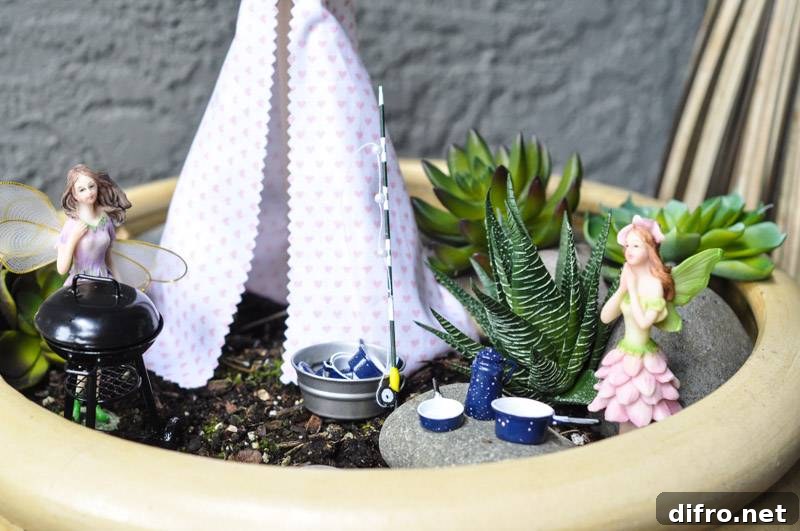
Create an outdoor-loving theme with a tiny tent, faux plants, and miniature camping gear. This joyful scene captures the spirit of backyard adventures.
Teacup Park
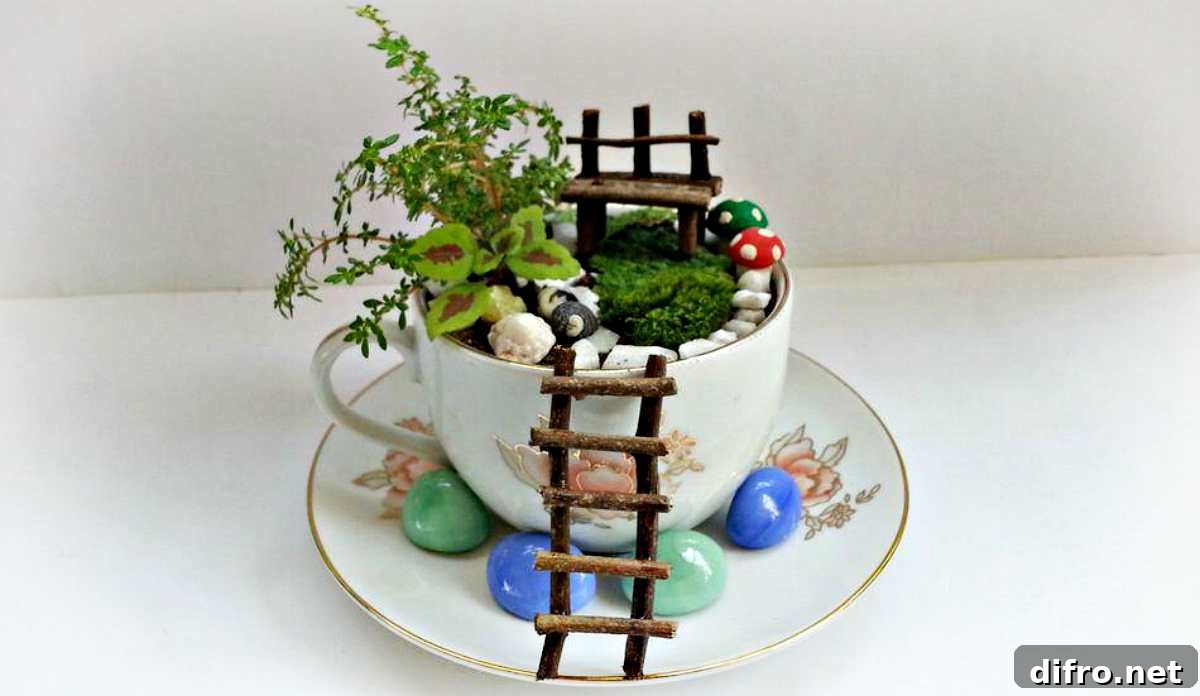
A delicate teacup can become a charming centerpiece. Fill it with soil, moss, pebbles, and tiny benches or lamp posts to create a miniature park that delights visitors.
Repurposed Drawer Garden
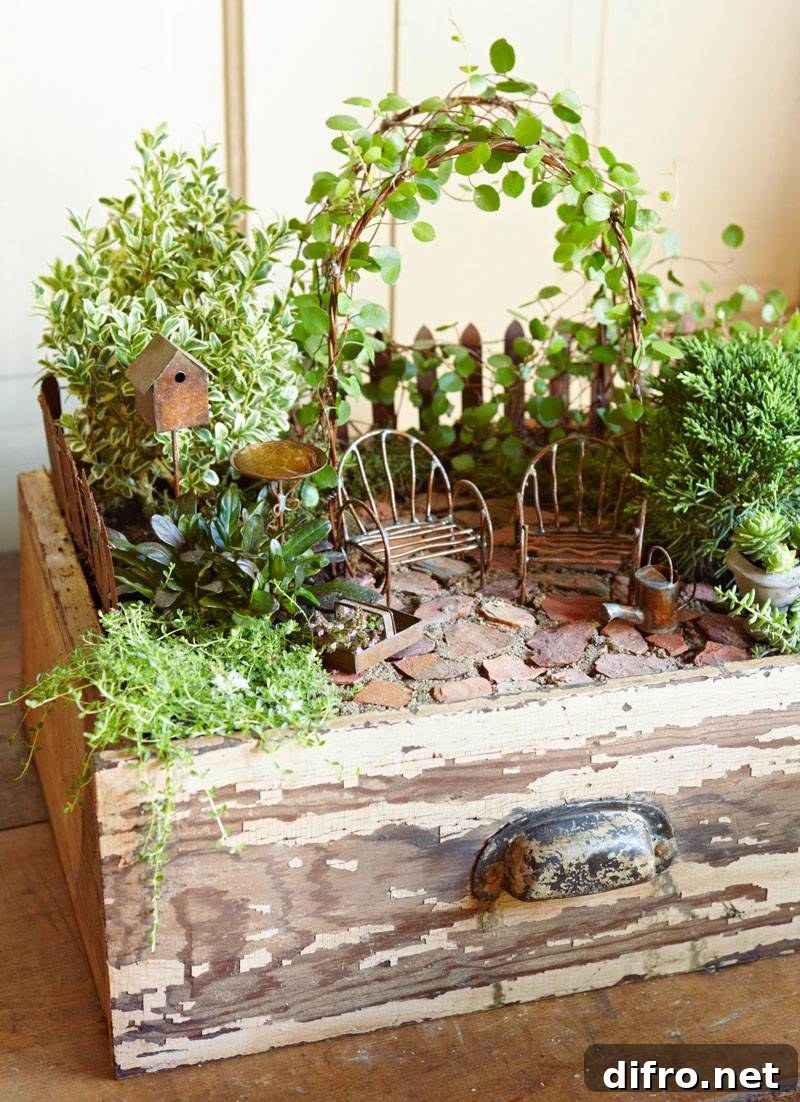
A weathered drawer makes a beautiful rustic planter. Add small shrubs, tiny wooden furniture, and a vintage gate to evoke an English cottage garden in miniature.
Tips for a Successful Miniature Fairy Garden
Choosing the Proper Container
Containers can be anything from teacups and mason jars to galvanized tubs and wicker baskets. Choose something shallow rather than too deep, and if possible use a container with drainage or add drainage material to avoid waterlogging.
The Right Soil
Use a high-quality, weed-free potting mix. Avoid heavy topsoil or garden earth for containers. Moisten the soil before packing it in—slightly damp soil is easier to shape into hills, paths, and planting pockets.
Light and Placement
Place your fairy garden where plants receive appropriate light. A sunny windowsill or a bright outdoor spot works best. For indoor setups, supplement with grow lights if natural light is limited. Rotate plants occasionally so they grow evenly.
Plant Selection and Layout
Choose low-growing plants as fillers and one or two accent plants as focal points. Allow room for growth; you can cover exposed soil with pea gravel, bark, or colored stones. Polished stones and wood slices make excellent paths and accents.
Takeaway
Whether you have a sprawling yard or just a small balcony, a fairy garden brings a touch of wonder to your environment. Use recycled containers and found objects, mix live plants with crafted details, and arrange the scene to tell a story. Gather your materials, let your imagination lead, and start building your own miniature fairy world today.
Frequently Asked Questions (FAQs)
What do you put in a fairy garden?
Include small plants, moss, stones, tiny furniture, miniature houses, and figurines. Natural materials like twigs, shells, and pinecones work well for roofs and decorative elements. Use whatever inspires you and fits the scale of your scene.
What is the point of a fairy garden?
A fairy garden is a small, intentionally designed space that evokes a miniature habitat where fairies might live. It’s a creative project that encourages imagination, fine motor skills for kids, and offers a charming decorative feature for indoor or outdoor spaces.
What soil is best for a fairy garden?
Mix two parts commercial potting mix with one part peat moss or compost to create a light, well-draining medium. Avoid digging soil from your yard, as it can contain weeds and won’t drain properly in containers.
How do I keep weeds out of my fairy garden?
Use fresh, weed-free potting soil and mulch the surface with pea gravel or hardwood mulch. Regularly remove weeds while small—pull them before they flower or set seed to keep the miniature landscape tidy.