Spending long stretches of time indoors during the current global pandemic can be challenging, especially if your routine has changed and you’re adjusting to working from home or limited activity. After the novelty of television and crafts fades, many people look for something fresh, calming and nature-focused they can enjoy inside. A kitchen herb garden is a simple, rewarding way to bring greenery, fragrance and fresh flavors into your home. Below are practical, space-smart and easy-to-follow kitchen herb garden ideas for every home.
An indoor herb garden works year-round in many climates and is especially easy to start in spring. Begin small with a windowsill tray or a few pots, then scale up if you enjoy the process. The right setup will enliven your kitchen, provide fresh ingredients while you cook, and offer a relaxing hobby that connects you with nature indoors.
Working with Limited Space
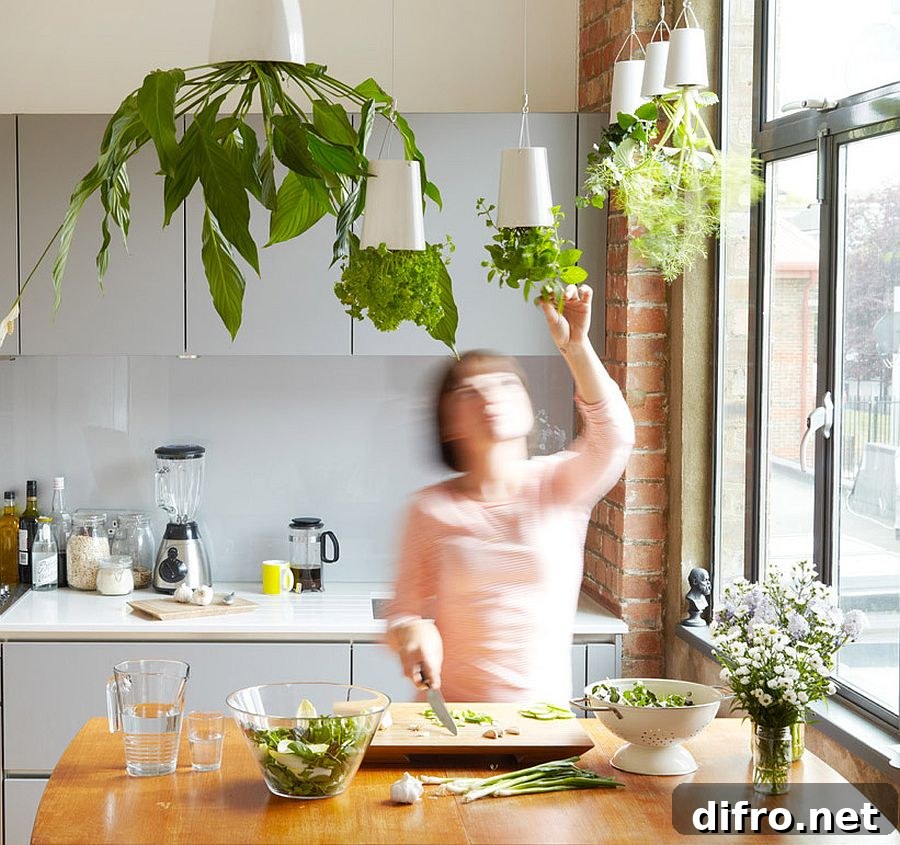
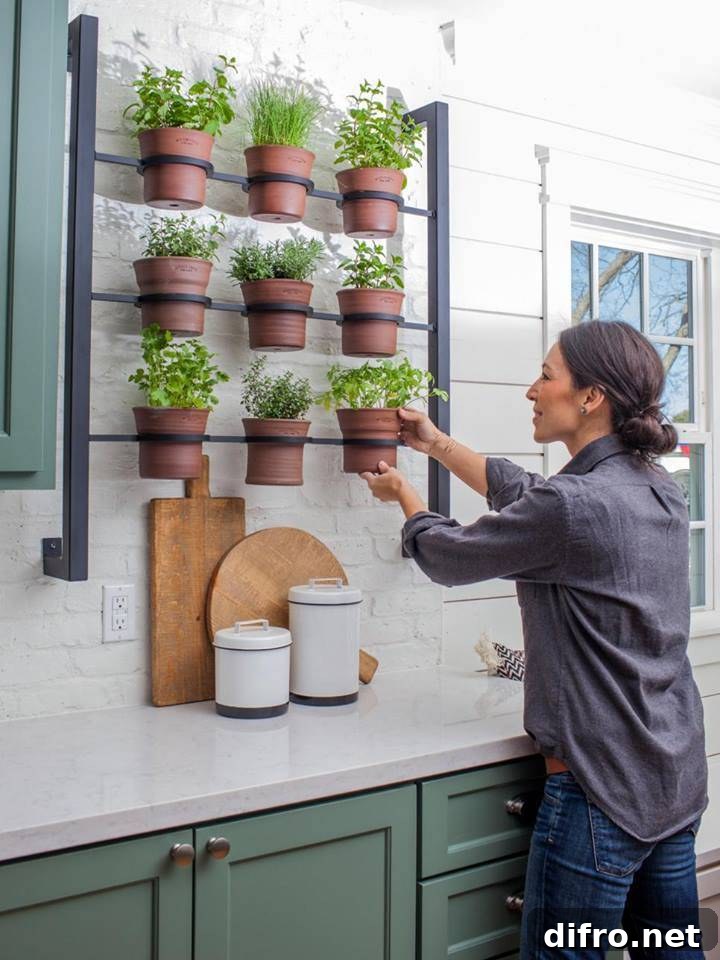
Space is the main constraint in most kitchens. Rather than a single pot, aim for a handful of herbs to form a true mini-garden. Think vertically: walls, windows, and narrow ledges are excellent places for hanging planters, mounted pots or a vertical planter wall. These solutions free up counter space and make a striking visual focal point.
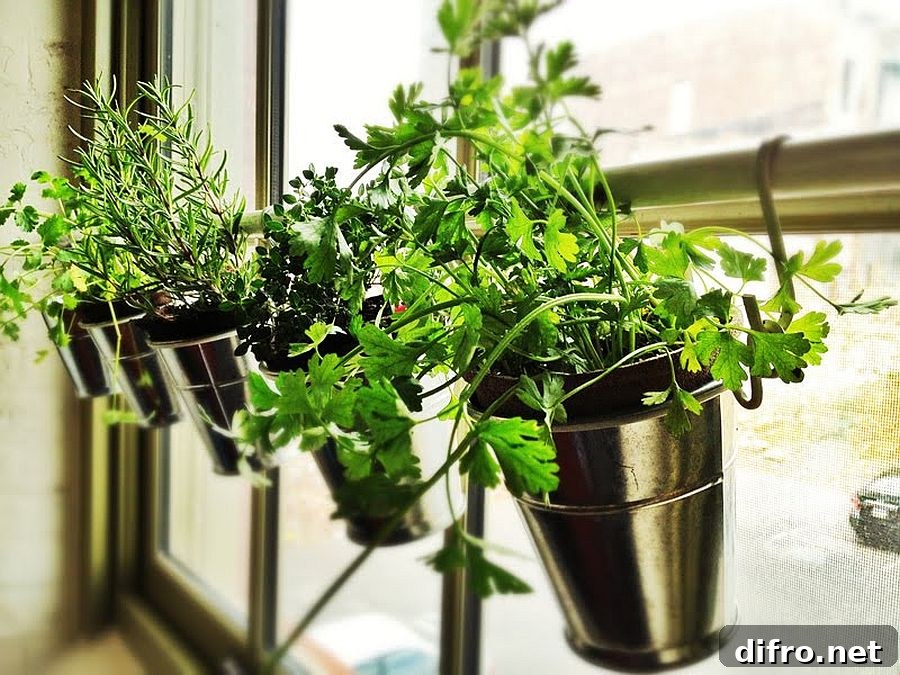
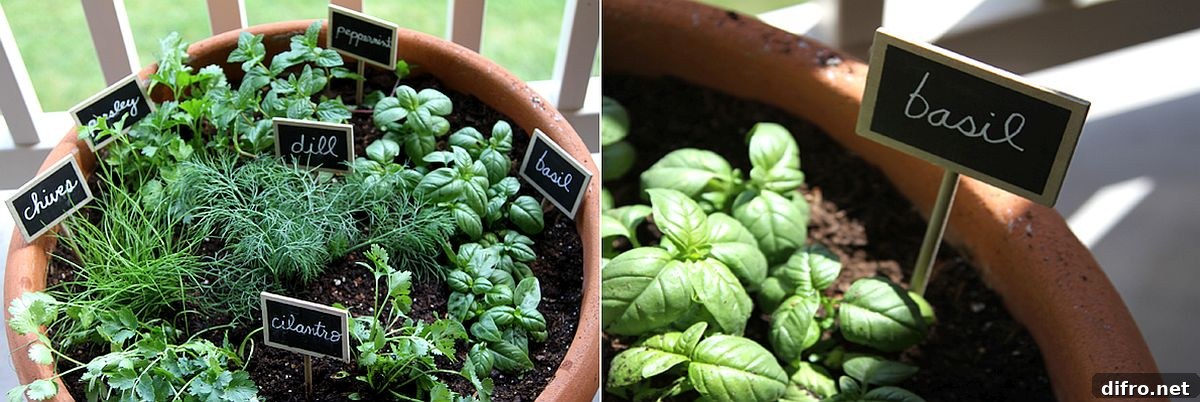
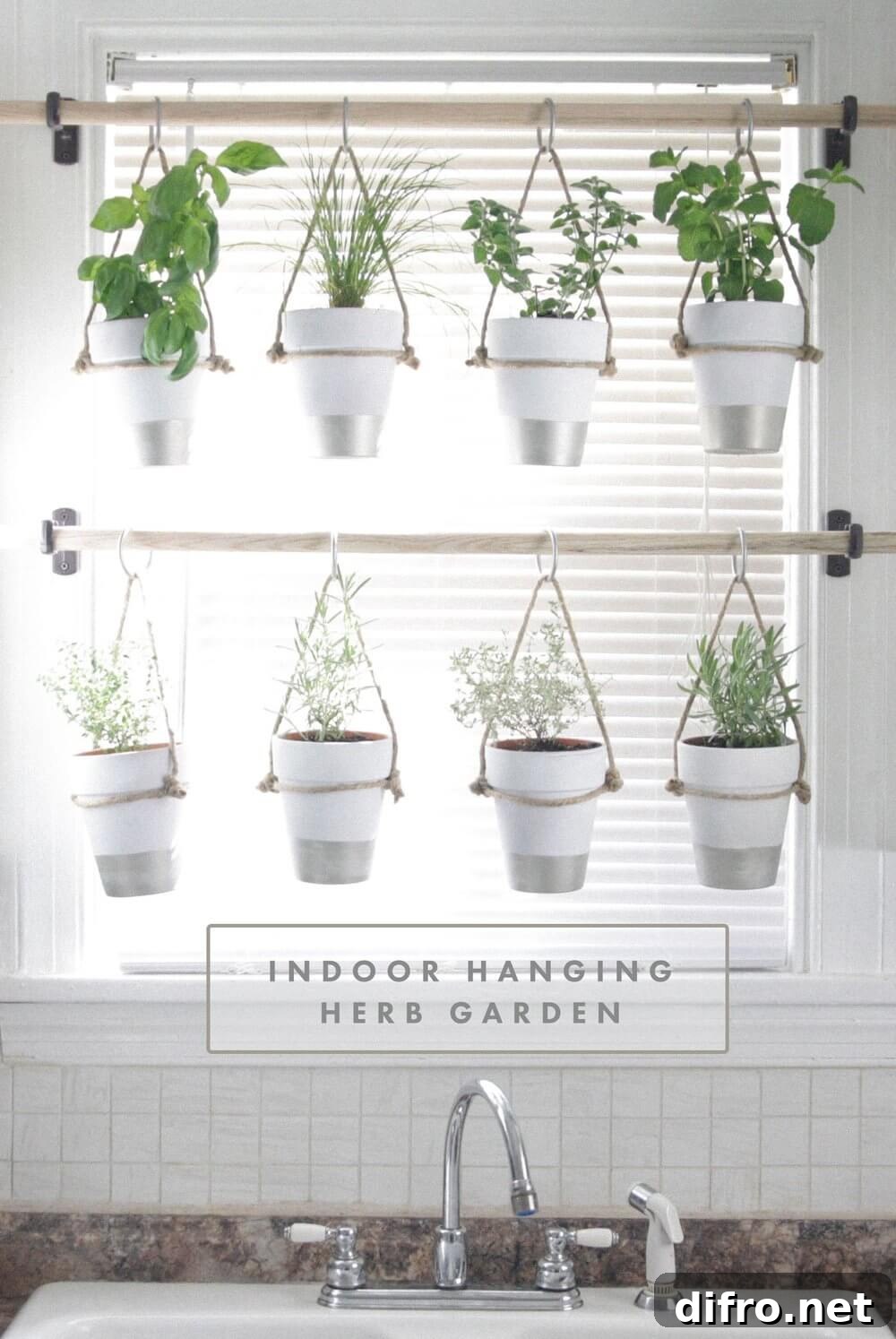
Other compact ideas include grouping several herbs in a single larger terracotta pot, or securing small pots on a metal rod beside the window to maximize sunlight without using valuable counter space. Wall-mounted planters and narrow shelves also work well in tiny kitchens.
Built-in Solutions
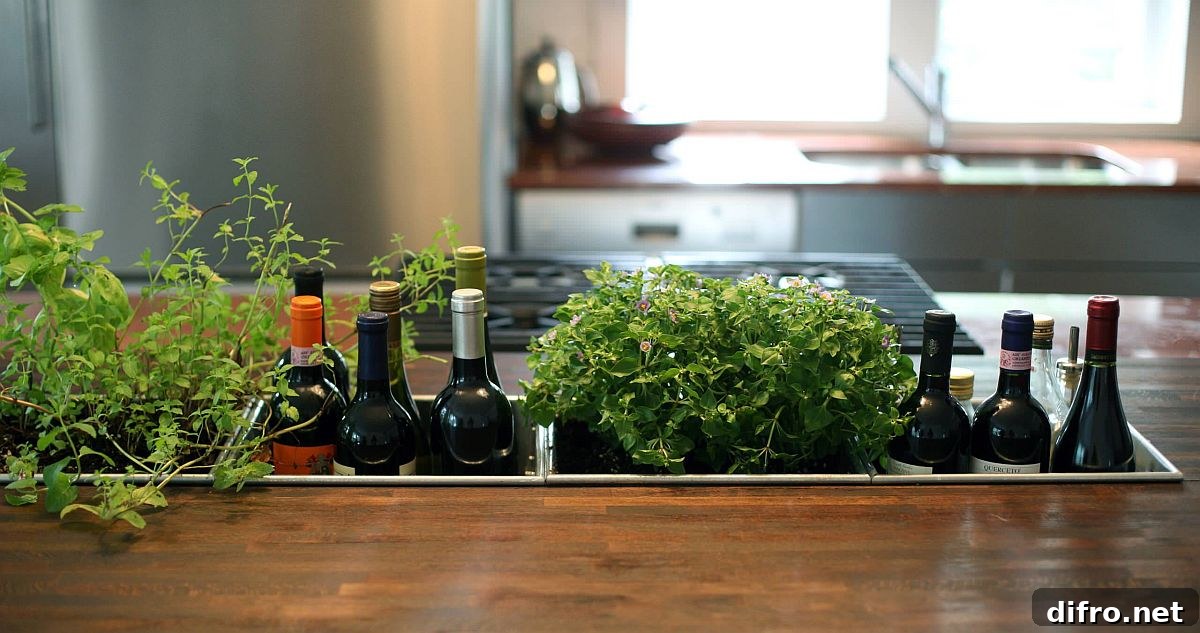
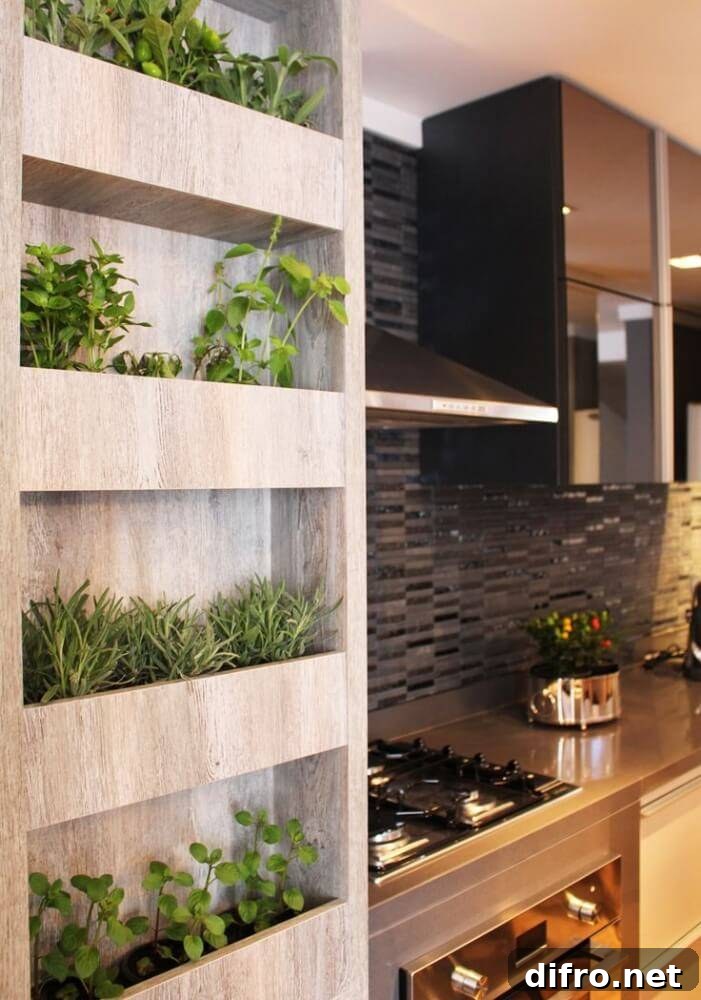
If you’re planning a kitchen remodel or gradual upgrades, consider integrating a built-in herb bin into the counter, island or a window nook. Built-in planters can be both practical and elegant: they keep herbs close to the cooking area, can include drainage into a sink or tray, and turn your kitchen garden into a design feature.
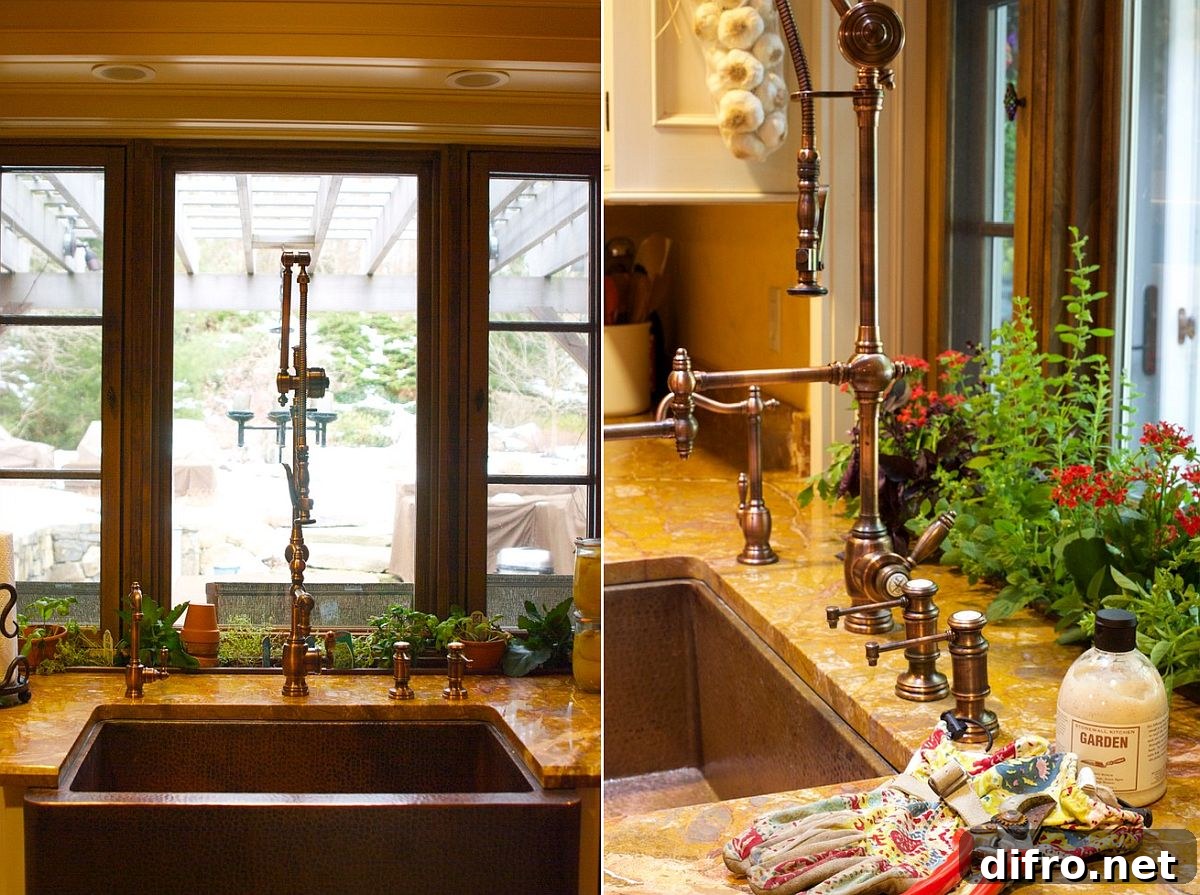
Contemporary planter inserts and modular countertop units are available for a modern look, while simple wooden or terracotta insets fit a more rustic style. If space allows, combine herbs with decorative houseplants for a fuller display.
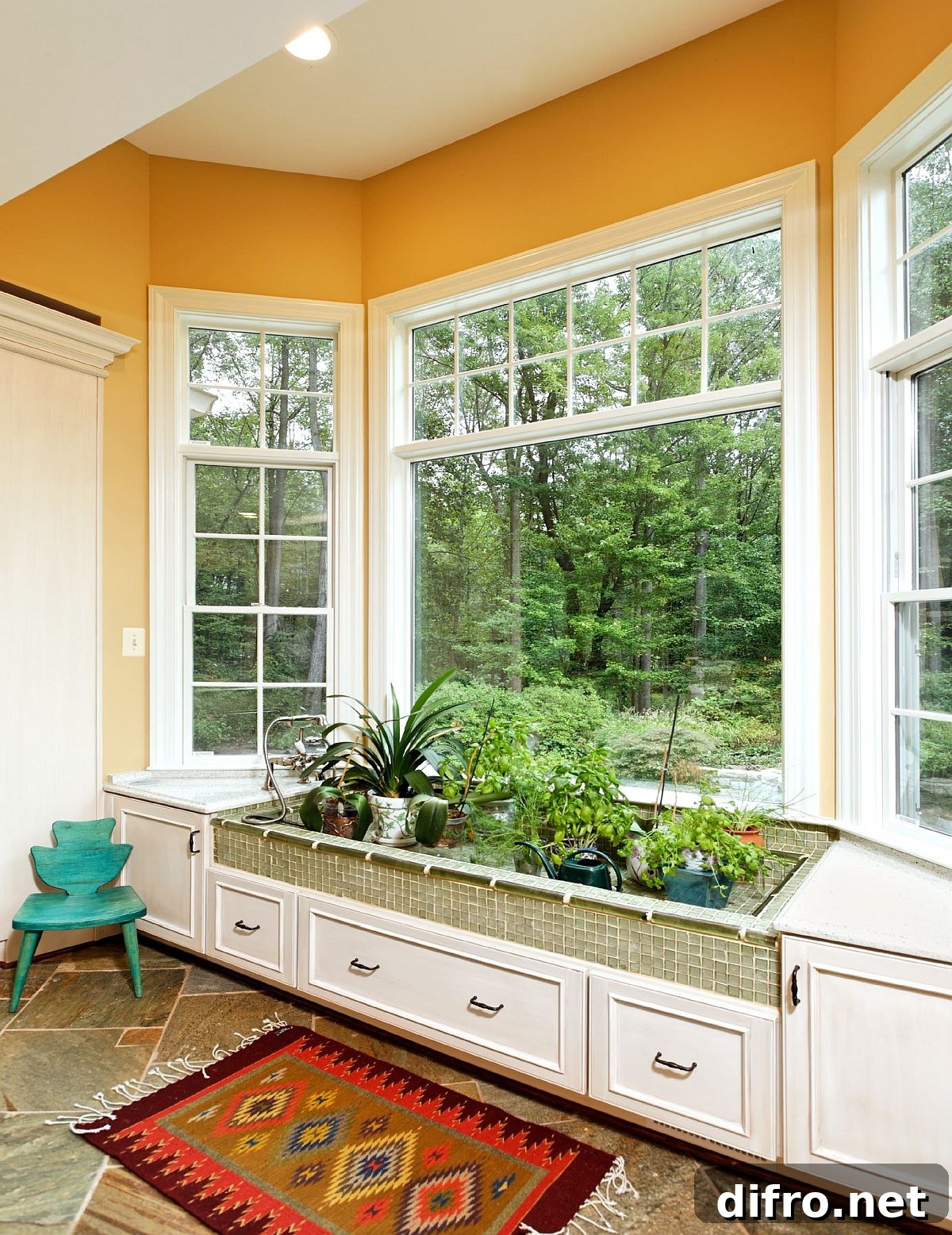
A Place Next to the Window
The area next to a bright window is often the best spot for a kitchen herb garden. Window sills, step-style planters, or hanging pots positioned to catch direct sunlight will help your herbs thrive. Small herb clusters in terracotta pots are easy to maintain, while creative ideas like repurposing an old bar cart or rooting kitchen trimmings in jars add visual charm.
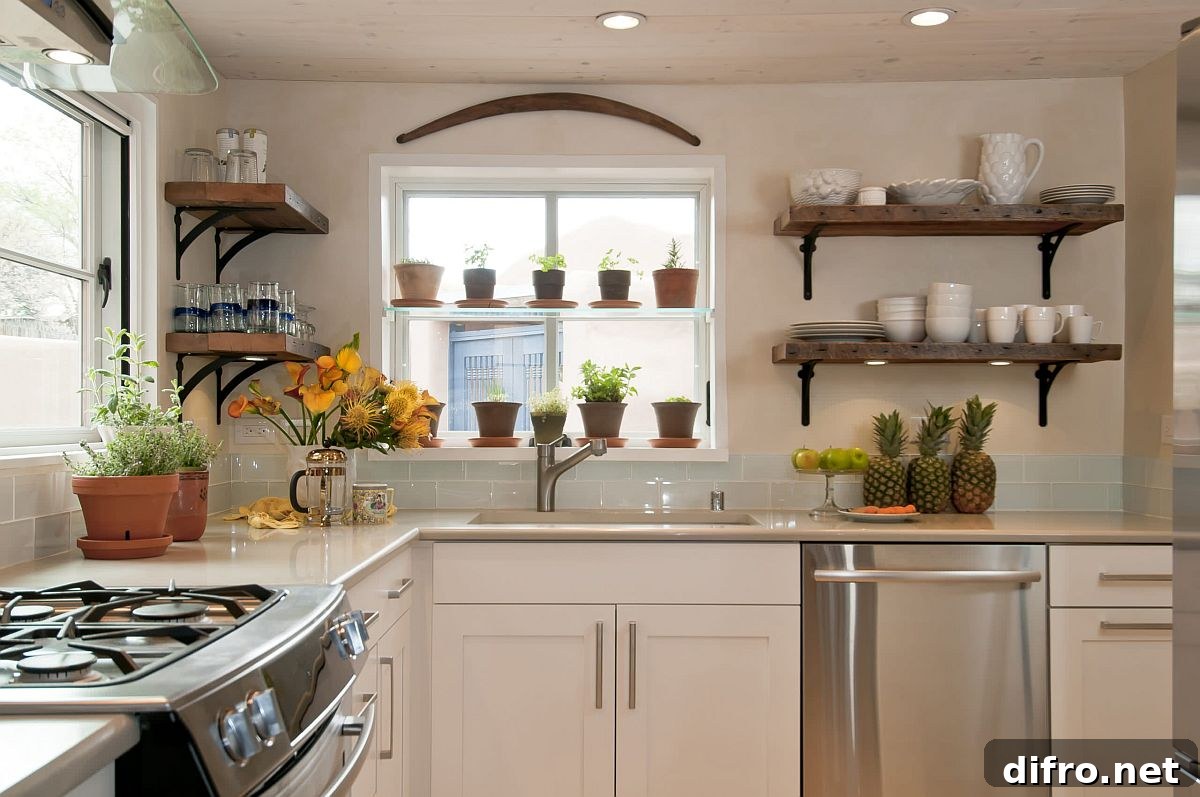
Selecting the Right Herbs
Many herbs do well indoors. If you’re starting a windowsill herb garden for the first time, choose three to five favorites to keep the garden manageable. Common, easy-care herbs include:
- Basil
- Chives
- Lemon balm
- Lemongrass
- Marjoram
- Mint (spearmint, peppermint, chocolate mint)
- Oregano
- Parsley
- Rosemary
- Sage
- Thyme
You can start herbs from seed, cuttings or seedlings purchased from a garden center. Seedlings are often the quickest path to a usable harvest.
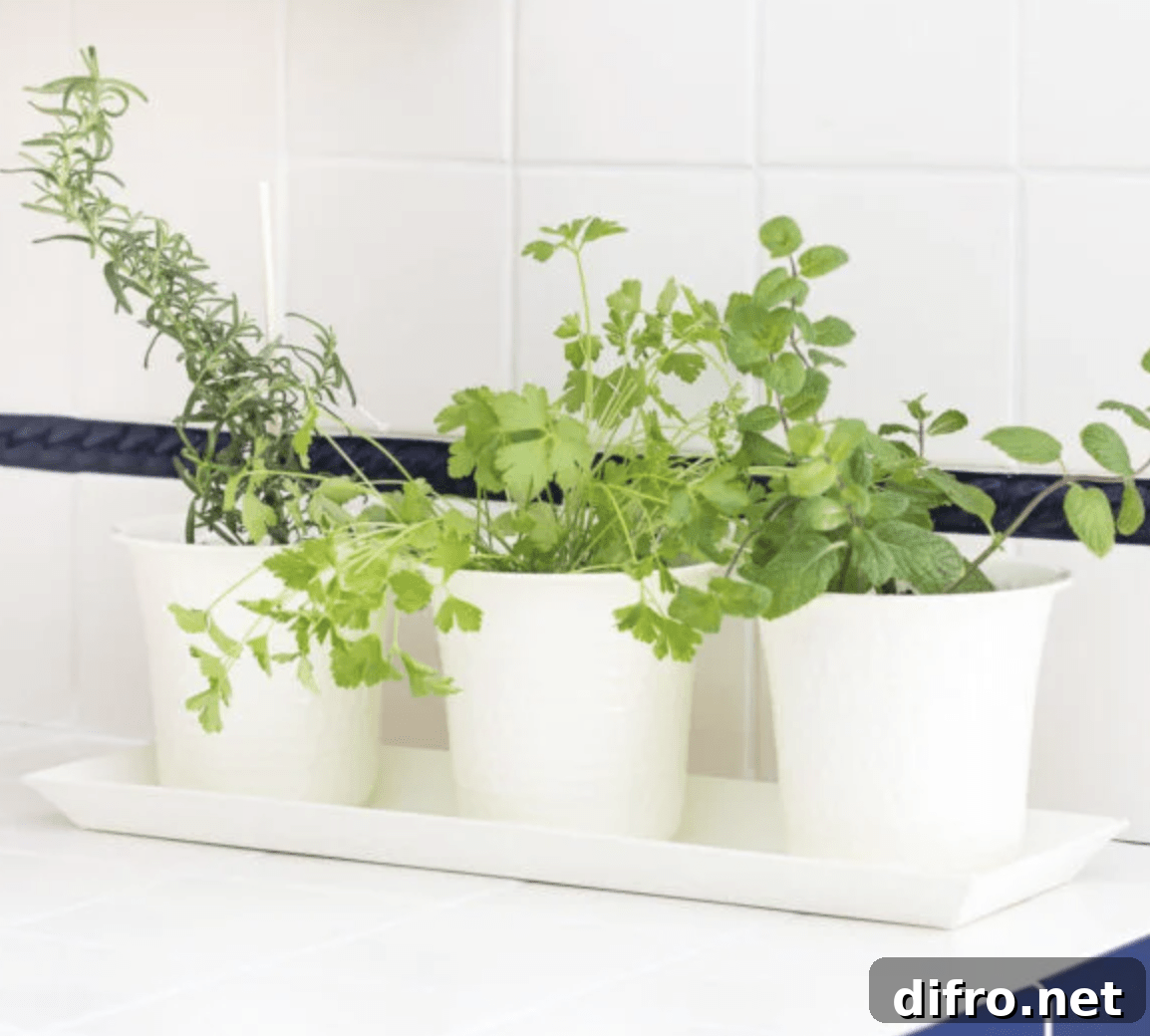
How to Care for Kitchen Herbs
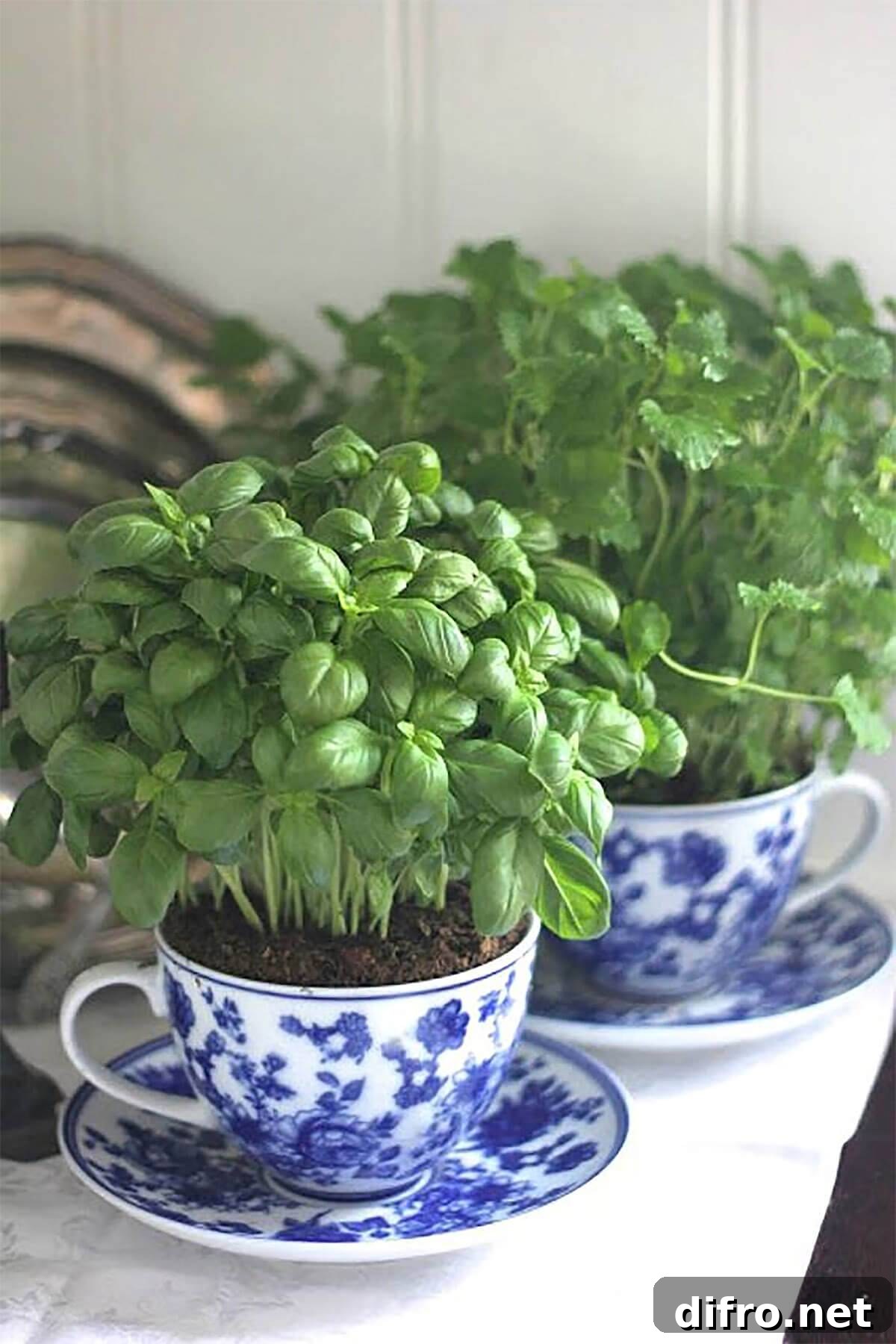
Light and water are the two most important factors. Most culinary herbs prefer at least six hours of bright light daily; a south-facing window is ideal. Water regularly but avoid waterlogging. Allow the topsoil to dry slightly between waterings and empty any excess water from saucers to prevent root rot.
Fertilize sparingly during active growth with a balanced fertilizer formulated for vegetables and herbs—overfertilizing can produce lush foliage with weaker flavor. Indoor herbs also appreciate good air circulation and moderate humidity: mist plants occasionally or place pots on a pebble tray with a little water to increase local humidity.
Use a soil moisture meter if you’re unsure about watering frequency. For consistent light during darker months, consider full-spectrum grow lights and keep plants within about a foot of the bulbs for best results.
Pot Selection and Placement
Any container with drainage works for herbs. Smaller pots need repotting sooner, so choose a size that fits the plant and your space. Nontraditional planters like mason jars require a drainage layer of pebbles at the bottom. Place pots on saucers or trays to protect surfaces.
Keep herbs as close as possible to the brightest window and avoid northern exposure or the center of a room where light is weak. If you notice roots through drainage holes or stunted growth, move plants into larger pots with fresh potting soil.
Harvesting and Transplanting
Harvest with scissors or pinch leaves to encourage fresh growth. Remove no more than a quarter of the plant at a time. When herbs outgrow their containers—roots emerging from holes or plants becoming floppy—transplant to a larger pot or divide perennials. Many perennial herbs started indoors can be moved outdoors after frost danger has passed; annuals may be moved outside during the growing season and returned indoors before cold weather.
Windowsill Herb Garden Basics
To start from seed, follow the seed packet instructions; typically start seeds indoors 6–8 weeks before the last frost. Fill containers with fresh potting soil, sow seeds or transplant seedlings, keep the soil moist and cover lightly to promote germination. Once seedlings appear, remove covers and provide bright light and gentle air circulation.
Frequently Asked Questions (FAQs)
What herbs grow well together?
Group herbs with similar water and light needs. For example, moisture-loving herbs like basil, cilantro and parsley do well together, while drought-tolerant herbs such as rosemary, thyme and oregano should be planted together or kept in separate pots.
Do herbs need full sun?
Yes—most culinary herbs thrive with at least six hours of bright light each day. If natural light is limited, supplement with grow lights.
How often should I water herbs?
As a general rule, water most herbs about once a week, more often in hot or dry conditions. Water in the cooler morning hours and allow the soil to dry slightly between waterings.
Which herb is easiest to start with?
Parsley and chives are forgiving and easy to grow, but many beginners find basil, oregano or mint to be good starter herbs as well.
With a little planning and the right spot, a kitchen herb garden can be an attractive, functional and low-maintenance addition to your home—bringing fresh flavor, scent and a touch of green into everyday life.