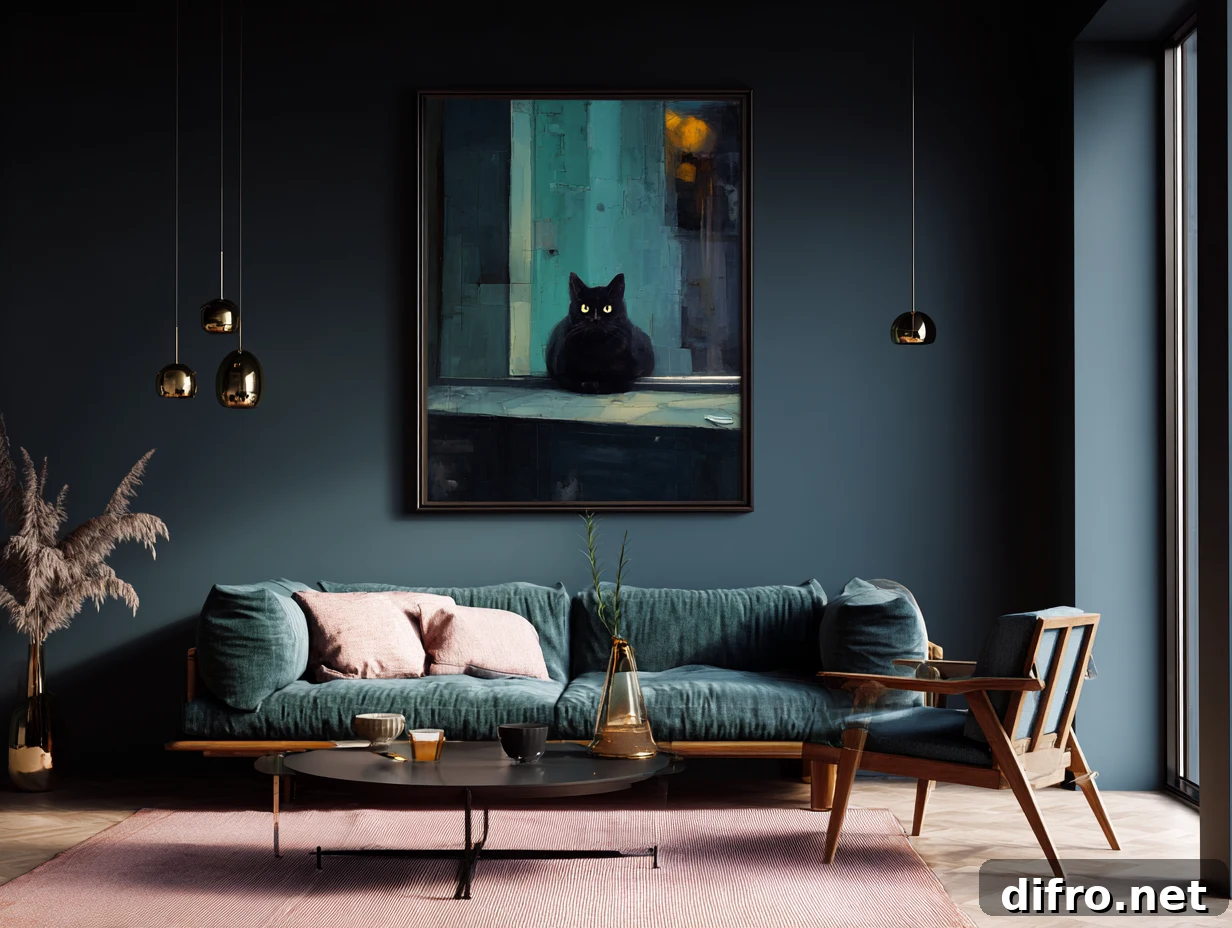
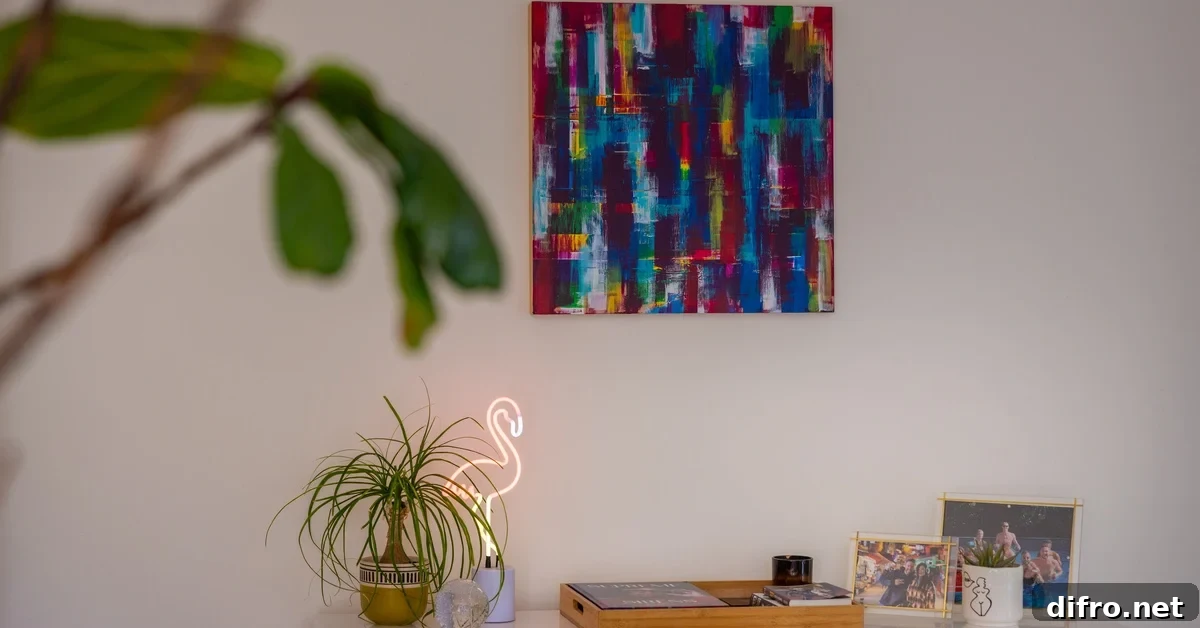
If your living room wall has been whispering “I’ll get to this later,” there’s a simple update for 2026 that’s low-effort and high-impact: intentionally choose unframed art. Designers are calling the frameless look a rising trend this year because it reads relaxed, modern, and more studio-gallery than mass-produced set. That said, the look works best when you follow a few rules so it appears purposeful rather than unfinished.
Why Unframed Art Feels Fresh in 2026
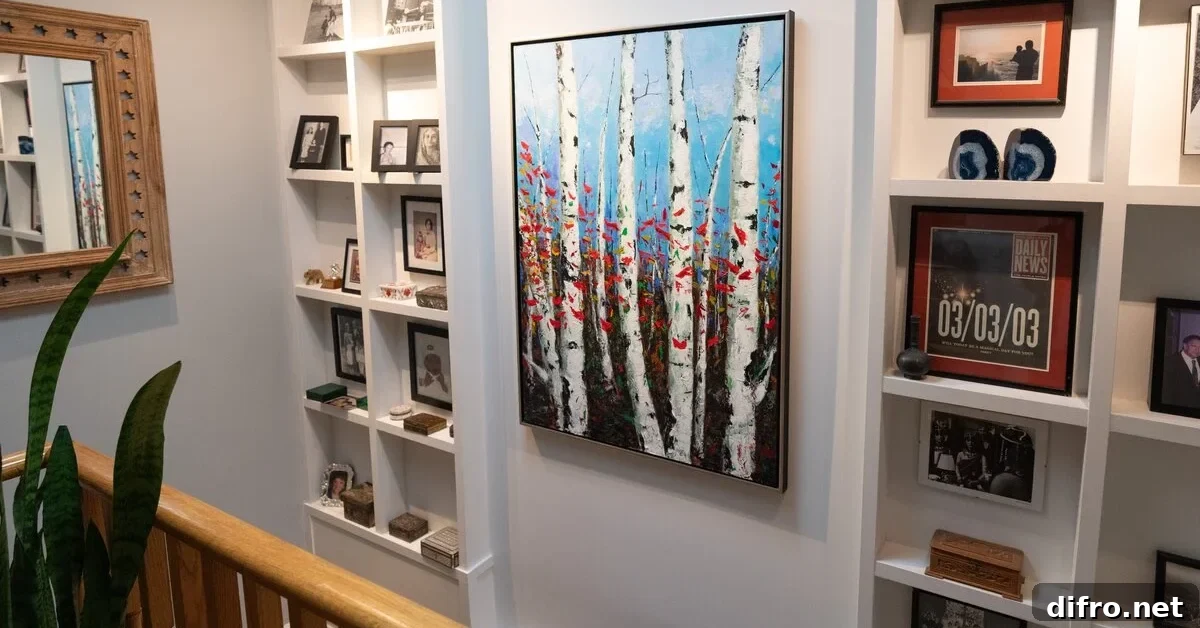
The appeal comes from a change in interior style: rooms are trending toward layered, lived-in looks, and unframed pieces contribute to that casual confidence. When an artwork has visible texture, bold scale, or intentional raw edges—like a canvas that reads finished without a border—it feels collected rather than store-bought. In short, unframed art succeeds when the piece itself has presence and personality.
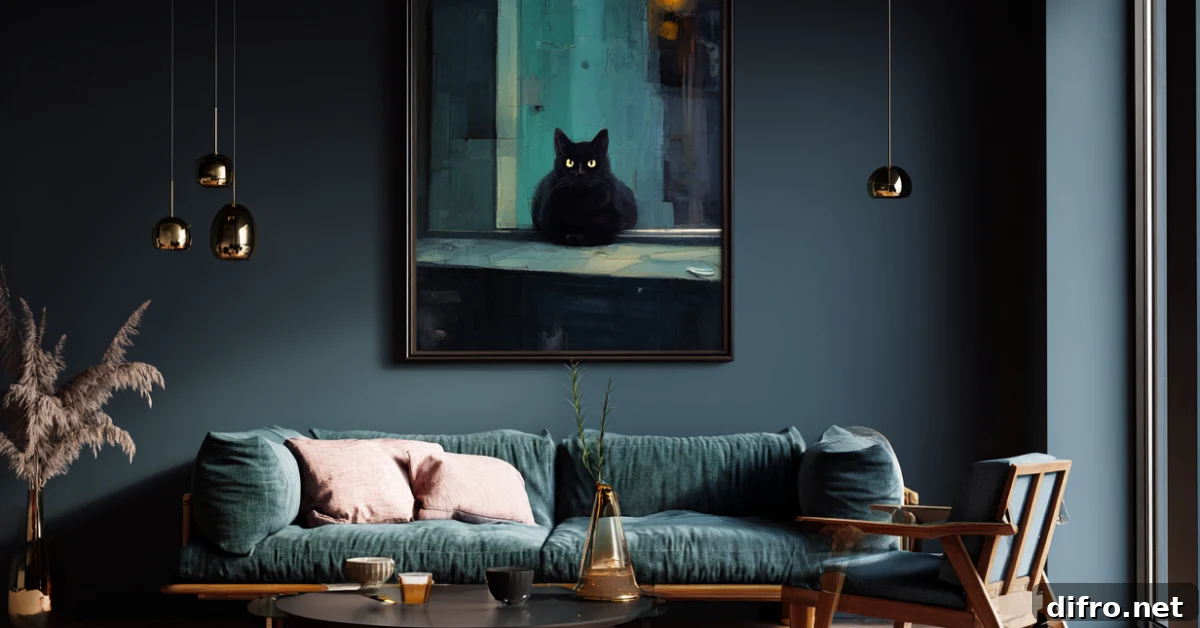
Where Frameless Art Looks Most Intentional
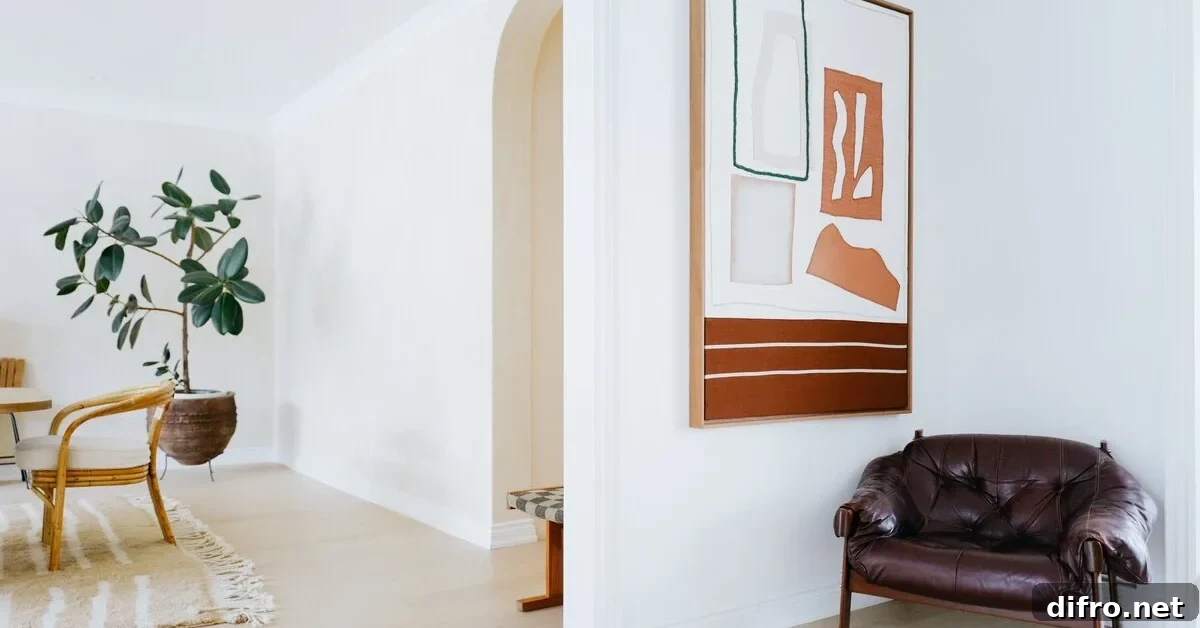
- Large canvas in a clean room. A big, simple canvas reads confident. Proper scale makes unframed work feel deliberate, not incomplete.
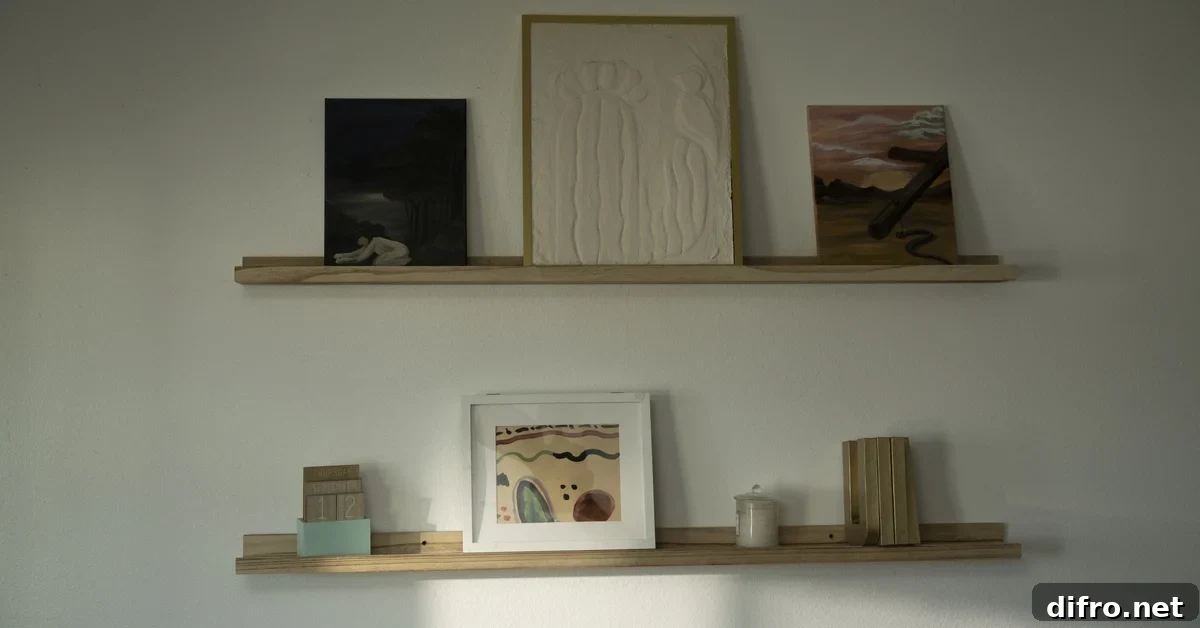
- Picture-ledge walls. Ledges allow you to lean and layer pieces and swap them out whenever you want, creating a relaxed, curated display.
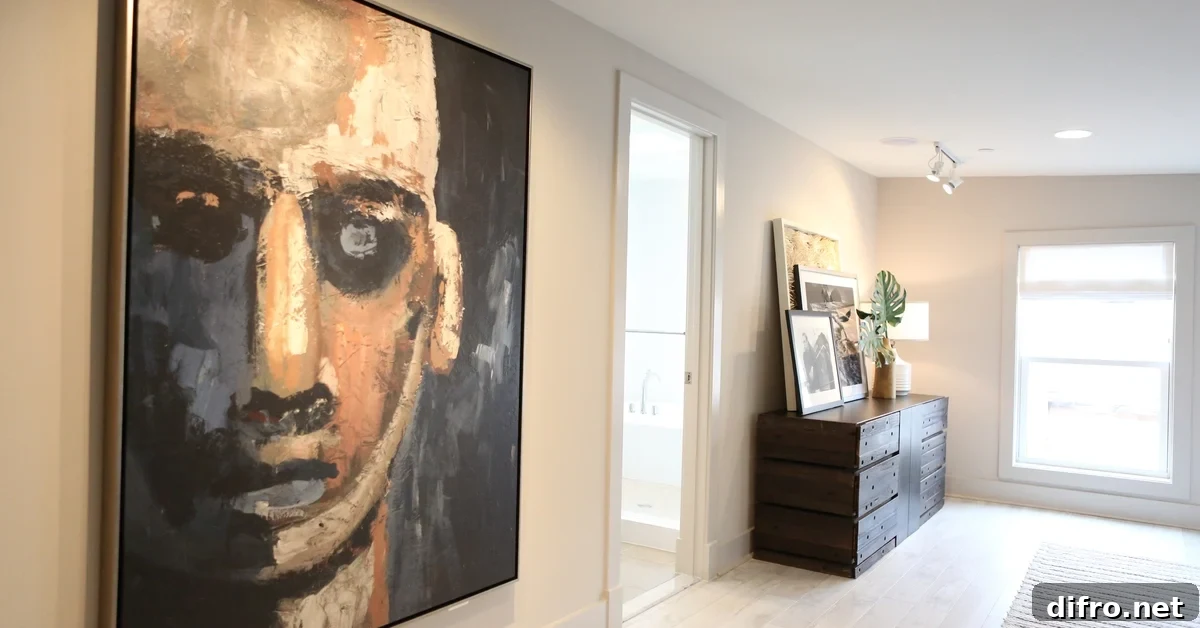
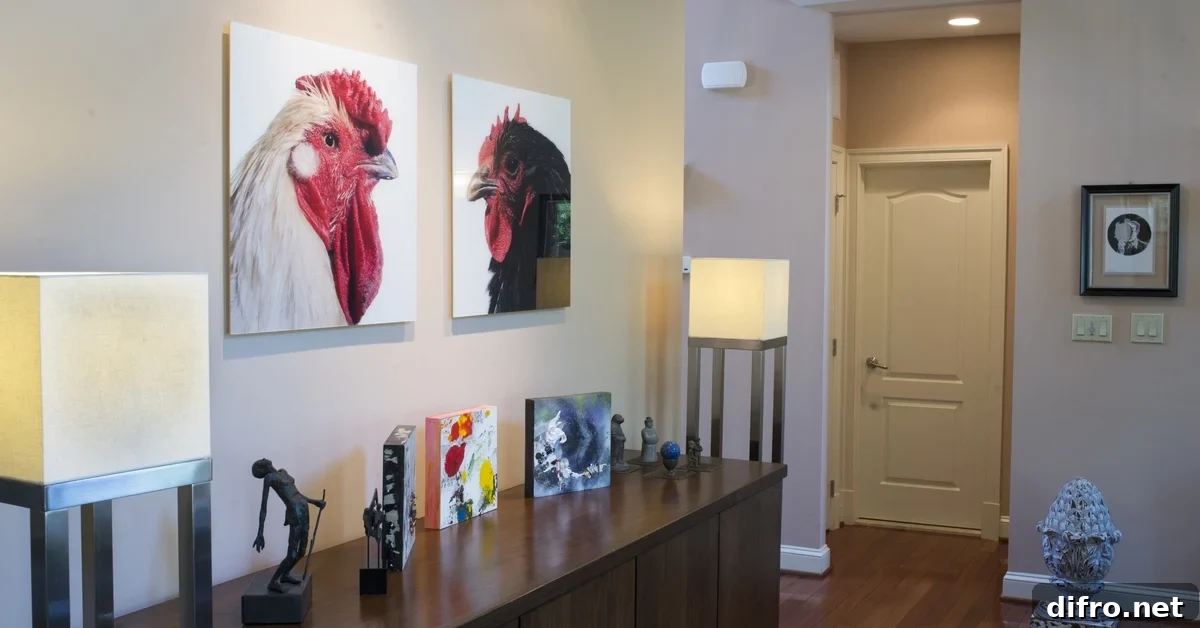
- A soft-gallery setup. One oversized piece above a sofa or console with a single smaller object beneath (a vase, sculpture, or stacked books) creates a refined, effortless focal point.
The DO List: How to Make It Look Intentional
Do:
- Choose larger-than-you-think pieces. Small unframed prints can look like placeholders; generous scale signals intention.
- Check the edges. Canvases with clean, finished sides work best. If edges are rough or stapled visibly, consider another option.
- Give them breathing room. Negative space is important—don’t crowd a frameless piece with too many nearby elements.
- Protect paper-based art. Prints on paper can curl or dent; use ledges, rails, or a float mount to keep them flat and safe.
- Use renter-friendly hanging methods. Removable hanging strips can work if you follow weight limits and surface guidance to avoid wall damage.
The DON’T List: Things That Make It Look Unfinished
Don’t:
- Rely on tiny, flimsy, mass-produced prints and call it a trend—those read temporary.
- Leave irreplaceable or light-sensitive pieces unprotected in direct sun or near water (kitchens, steamy bathrooms). Unframed art is exposed and more vulnerable.
- Adhere precious works directly to painted drywall with tape; that quick hack can peel paint and damage both artwork and wall finish.
Budget-Friendly “Frame-ish” Alternatives That Still Feel Modern
Picture ledges: Ledges are an easy way to make frameless art look curated—lean pieces against the wall and layer for depth. This also lets you swap artwork quickly without rehanging.
Float mounts: A float mount preserves the airy, frameless aesthetic while protecting edges and keeping the piece stable. It reads refined without boxing in the work.
Thrifted or vintage frames: Pairing a contemporary print with an older frame gives personality at low cost. Designers often recommend hunting for vintage frames when you want character without expensive custom framing.
Visual Inspiration and How to Try the Look
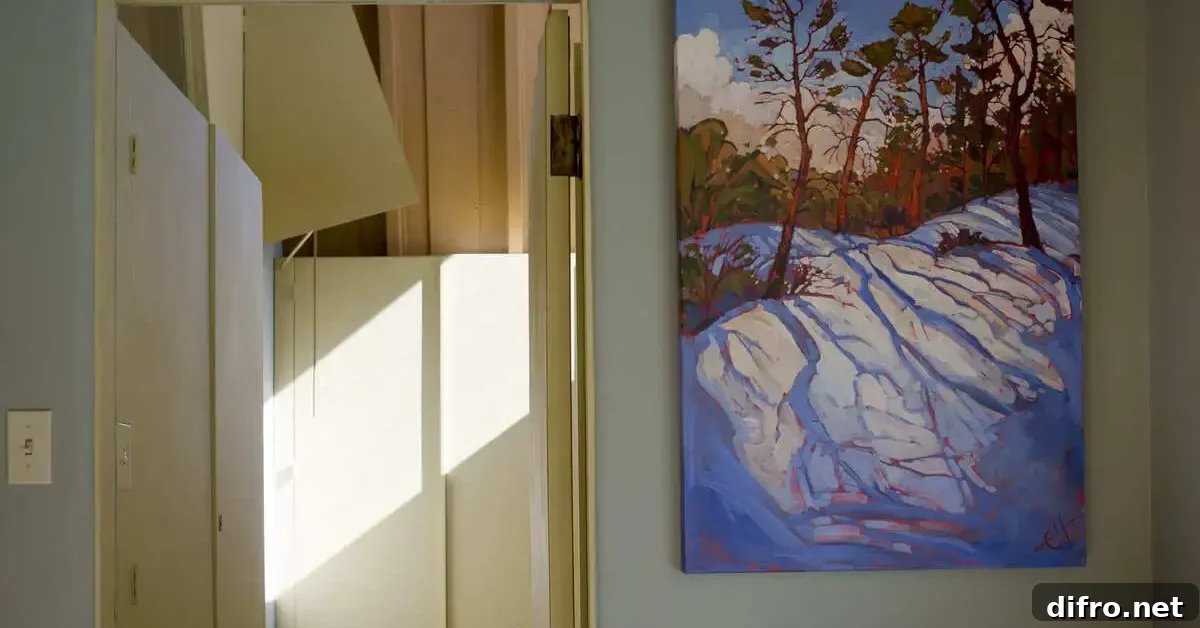
Unframed art works because, like a great outfit, it reads effortless when it’s clearly considered. Choose a piece with presence, allow negative space, and commit to a clean hanging method or a simple ledge so the result reads as a deliberate choice. If you’re not ready to remove frames entirely, float mounts and well-chosen vintage frames deliver the same relaxed, modern energy without the risk. With a few thoughtful decisions, you can transform a blank wall into a cooler, lighter, more personal backdrop—often in an afternoon.
If you enjoyed this topic, consider exploring related trends and ideas for displaying art and decorative frames to refine your approach.