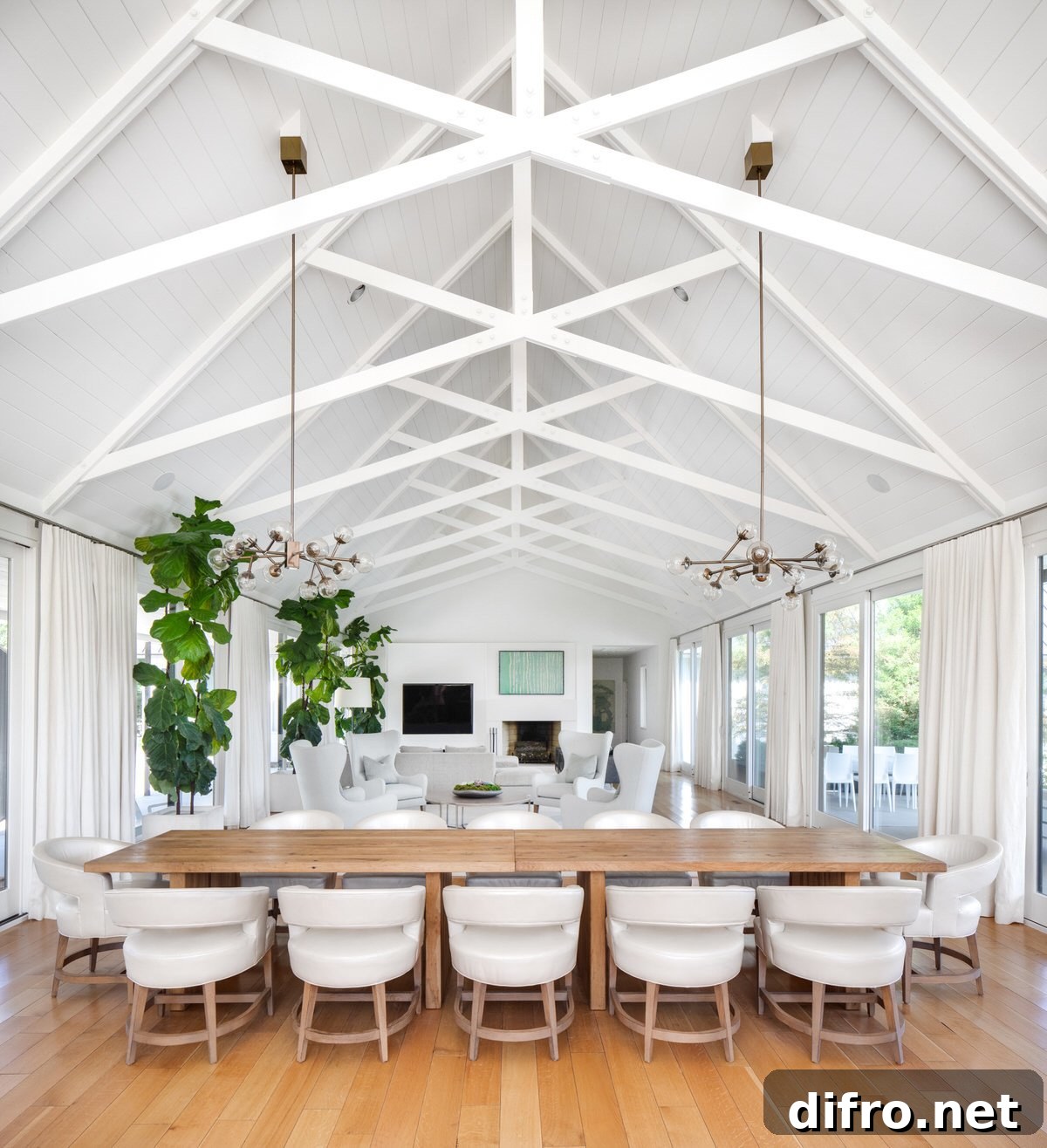
There are important differences between a cathedral ceiling and a vaulted ceiling, although the two terms are often used interchangeably. A cathedral ceiling is characterized by symmetry: it follows the pitch of a roof with two equal slopes meeting at a central ridge. A vaulted ceiling, by contrast, does not have to mirror the roofline or meet in the middle; vaulted designs rise from the walls toward a joining point on the roof and can include a single sloping side, an arched or curved profile, or unequal slopes. Both styles provide dramatic volume and visual interest, so choosing the right form and finish is key to achieving the desired “wow” effect.
When planning a cathedral or vaulted ceiling, focus on three main priorities: the ceiling’s shape, the decorative elements you’ll add, and how the finished ceiling will blend with the rest of the room. Below are eight inspiring ceiling types and design ideas to consider. Each option highlights different aesthetics and functional benefits, whether your goal is to emphasize height, introduce warmth, or create a light-filled, airy space.
1. Cloister Vaulted Ceiling
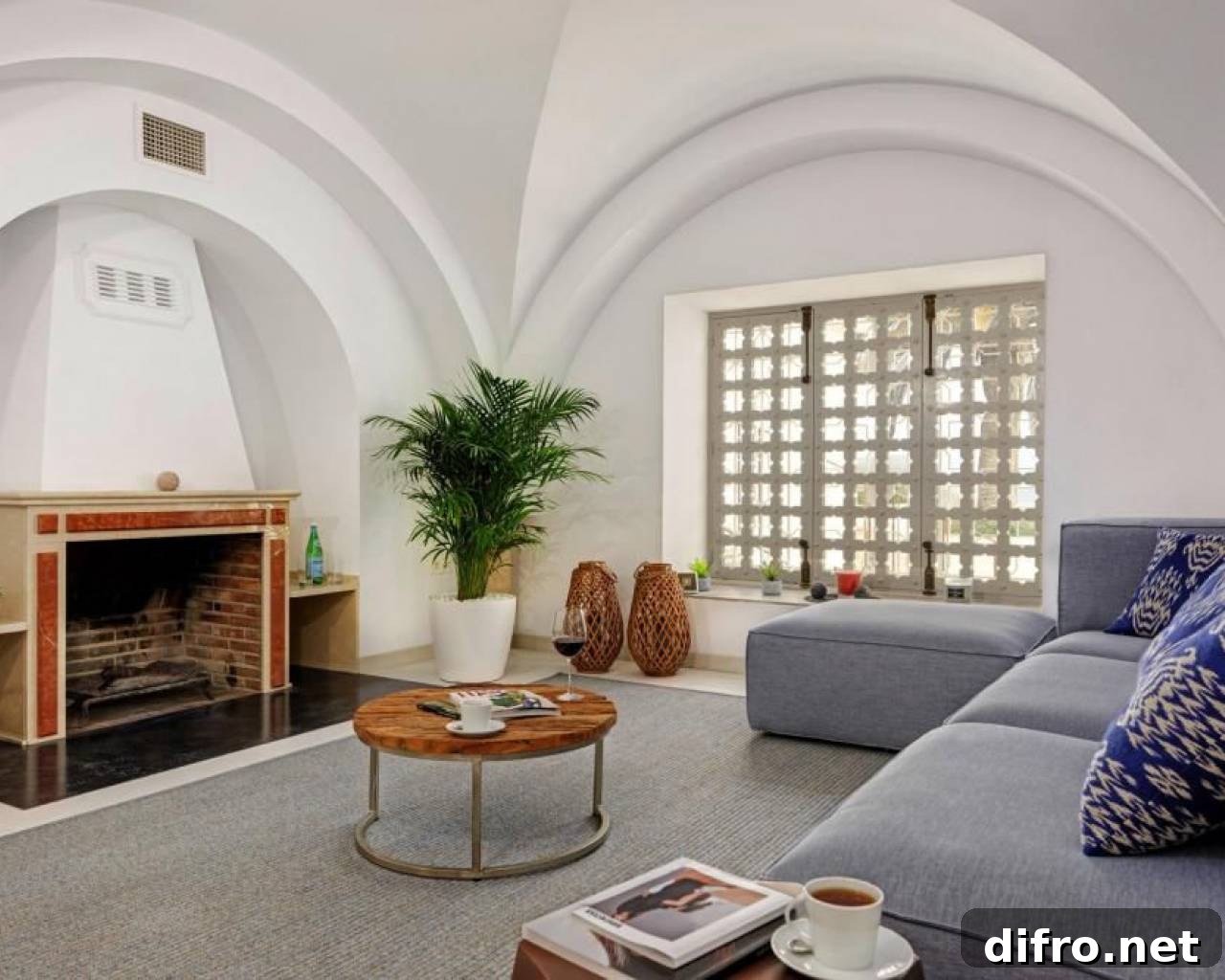
Cloister or dome-like vaulted ceilings are typically circular or softly rounded. The spring points along the walls curve inward toward the center of the roof, drawing the eye upward and creating an intimate vertical focus. Cloister vaults work well in living rooms, bedrooms, and kitchens where you want a gentle, elegant rise without consuming a lot of horizontal space. To accentuate the shape, consider long chandeliers, pendant lighting, ceiling fans, skylights, or subtle architectural trim—these elements keep attention on the ceiling and emphasize its graceful curvature.
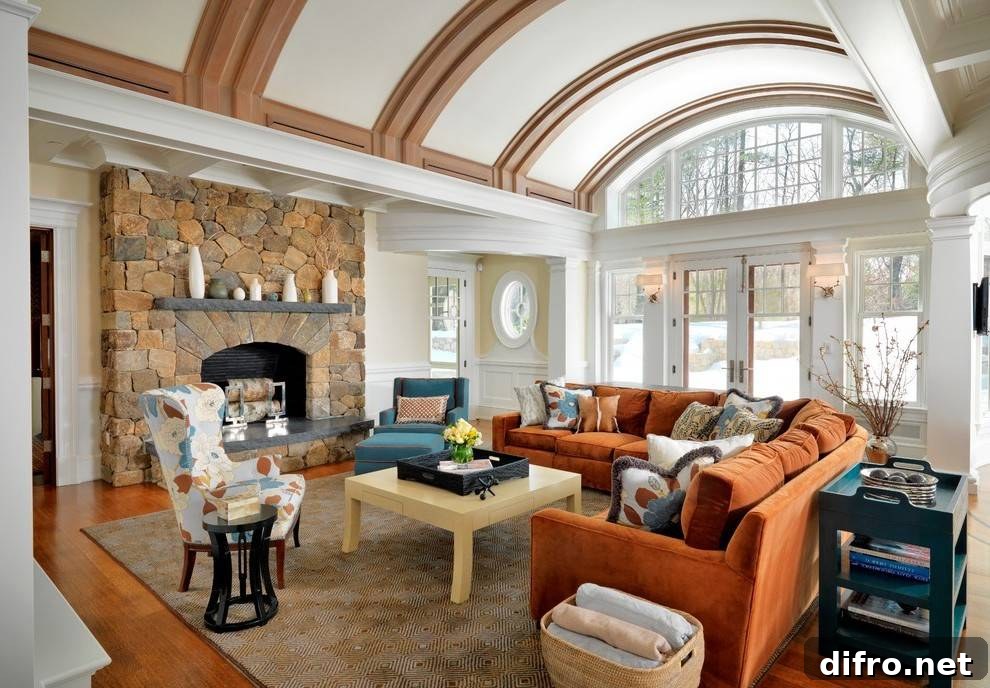
2. Barrel Vault Cathedral Ceilings
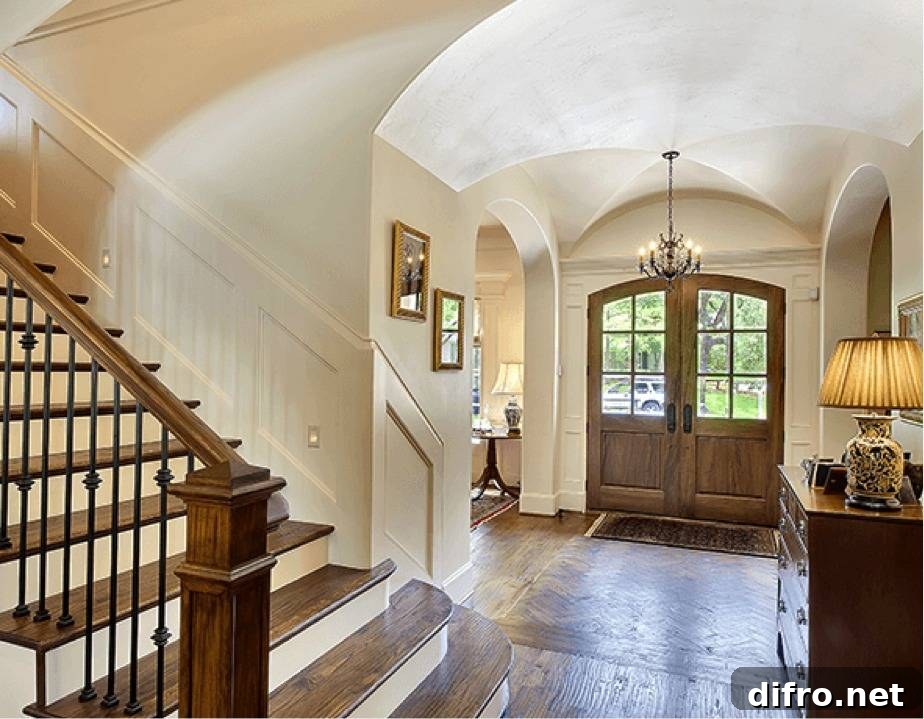
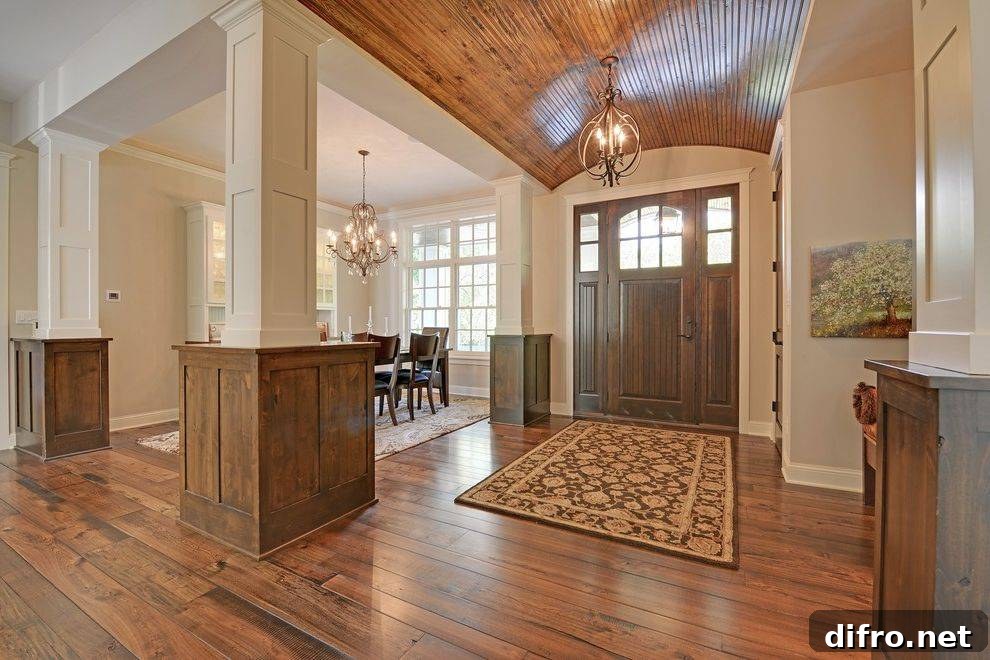
Barrel vaults trace a continuous C-shaped curve from one wall to the other. With roots in ancient construction, this form offers a simple, elegant sweep that suits corridors, entryways, and dining rooms. Barrel vaults are relatively lightweight and straightforward to install. You can keep the surface plain and minimalist for a clean, sculptural look, or dress it with chandeliers, wood trim, or contrasting finishes to introduce rustic character or visual drama. Paint or stain choices can further define the mood—lighter colors brighten and broaden, while darker woods create warmth and depth.
3. Beamed Ceilings
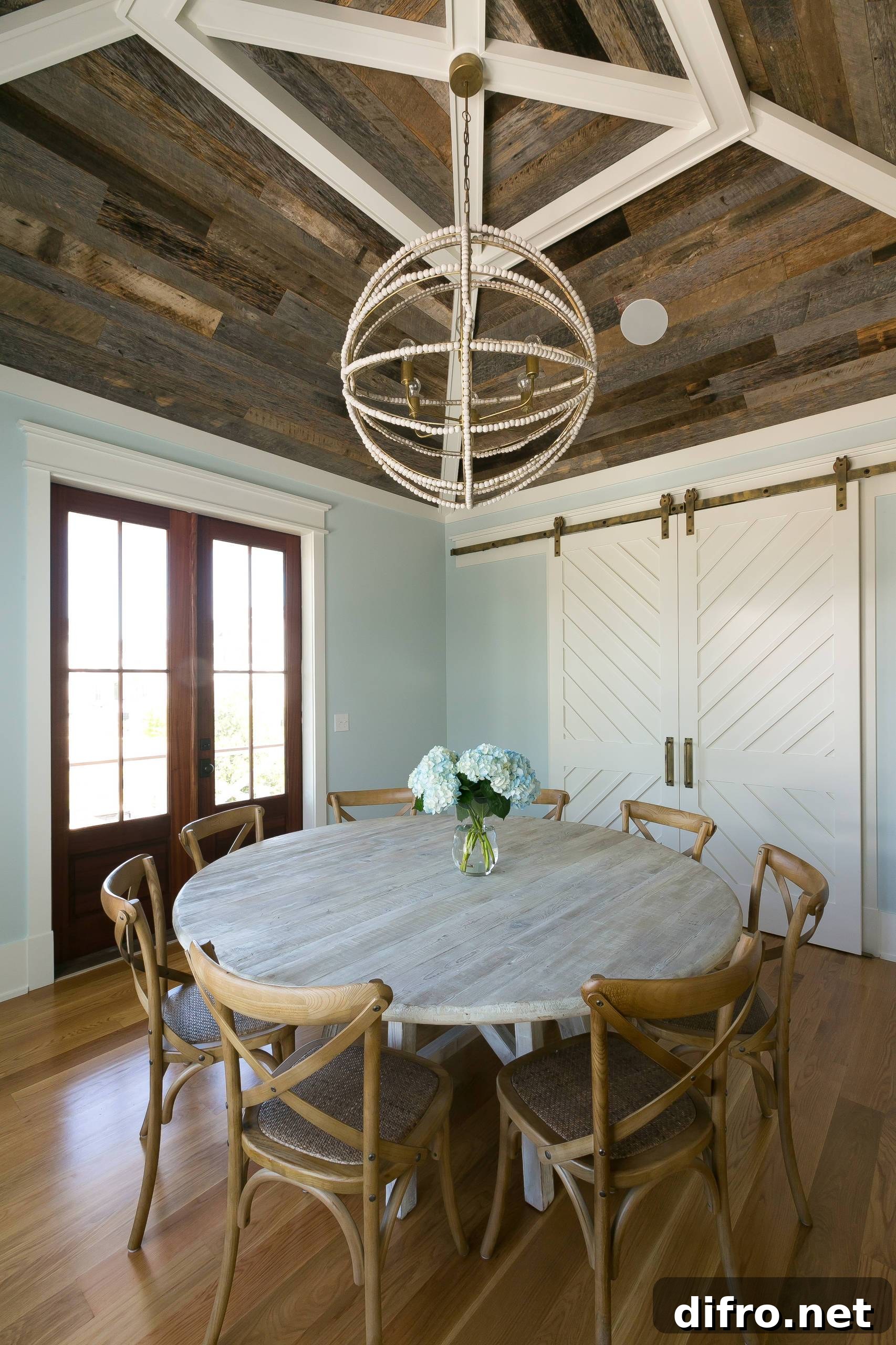
Adding exposed beams to a cathedral or vaulted ceiling instantly introduces character and reduces the sense of emptiness that high ceilings can create. Beams offer many design possibilities: paint them white for a fresh, airy look or choose dark, rustic timbers for cozy warmth. Beam shapes and layouts—straight, cross-beamed, or triangular trusses—allow you to emphasize architectural rhythm and scale. Beamed ceilings are especially effective in living rooms, great rooms, and kitchens where they can complement furniture and finishes while framing the vertical space attractively.
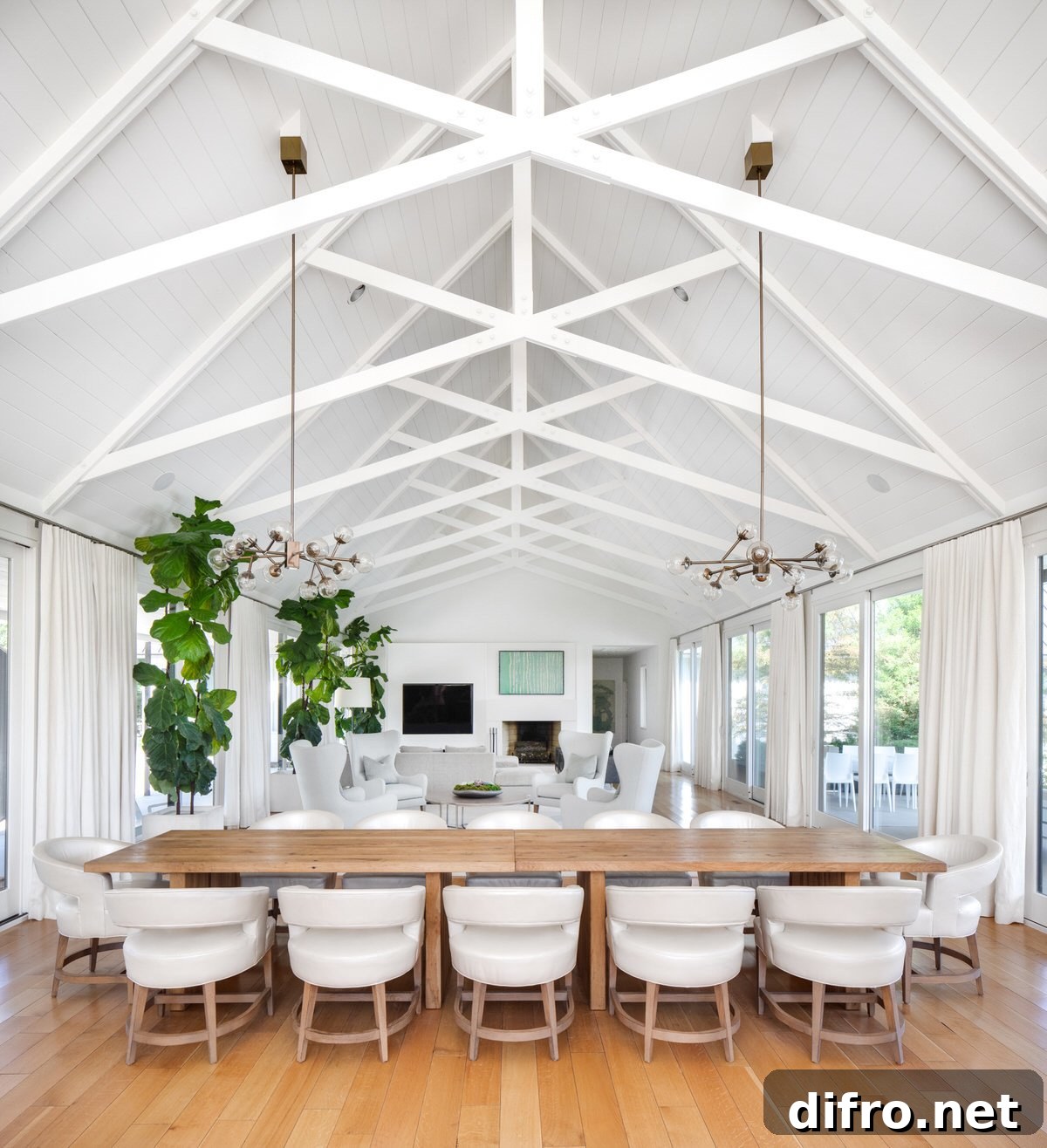
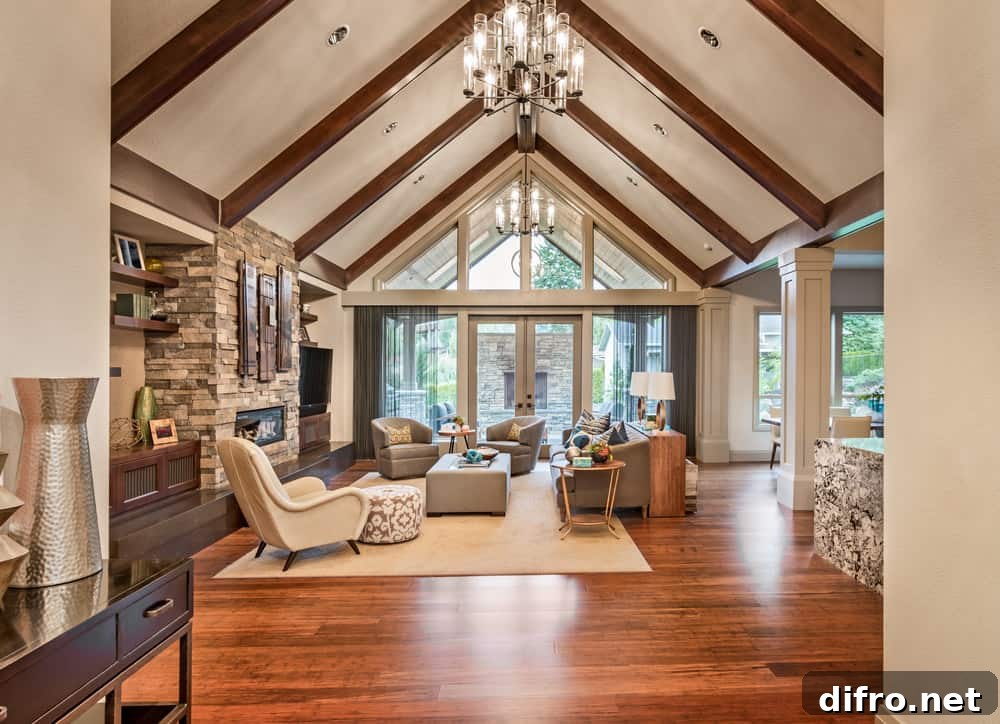
4. Plain White Vaulted Ceilings
Plain white vaulted ceilings convey understated elegance and produce a calm, airy atmosphere. White surfaces maximize reflected light, which enhances brightness and the perceived openness of a room. A simple two-sided cathedral ceiling painted white pairs beautifully with neutral walls, polished or light-colored flooring, and minimalist furnishings. An elegant chandelier or understated pendant can anchor the space without competing with the ceiling’s clean geometry. This approach suits modern, Scandinavian, and transitional interiors that favor clarity and light.
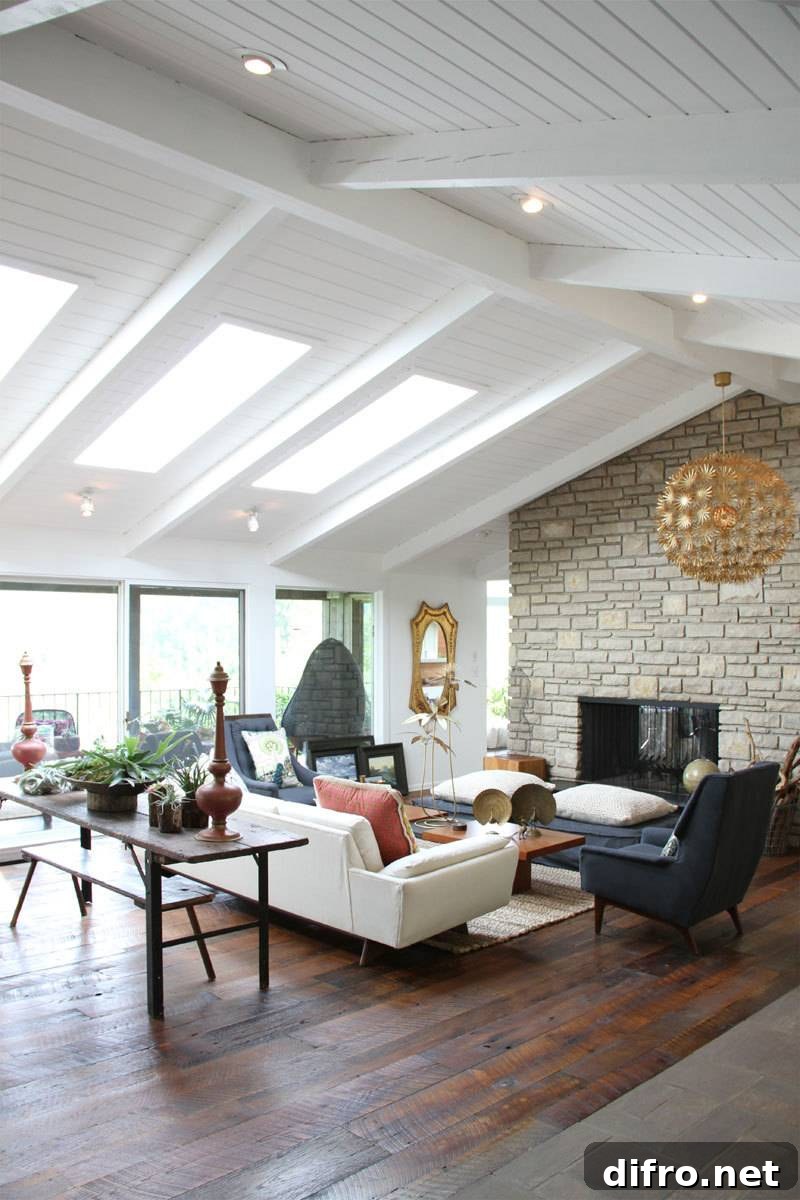
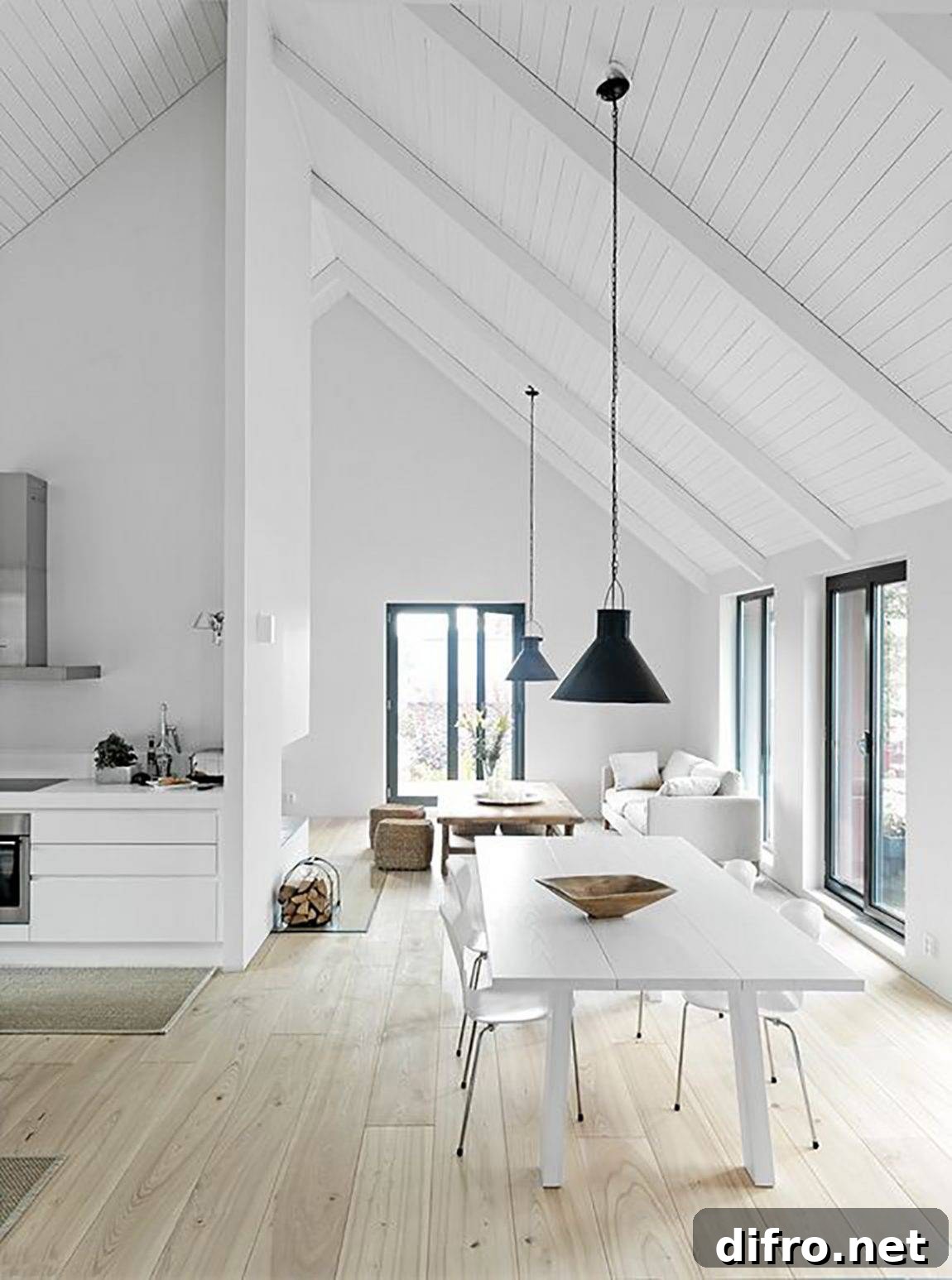
5. Long Planks in Ceilings
Installing long wood planks on a vaulted or cathedral ceiling visually extends the room. In small spaces, plank ceilings create the illusion of greater length or width depending on their orientation—running planks lengthwise makes a room feel longer, while crosswise installation can widen the feel. The simple, linear pattern of planks works well in living rooms, corridors, and bedrooms. Choose plank species, stain, or paint to match your aesthetic: pale, painted planks for a coastal look or rich, stained timber for a rustic or farmhouse vibe.
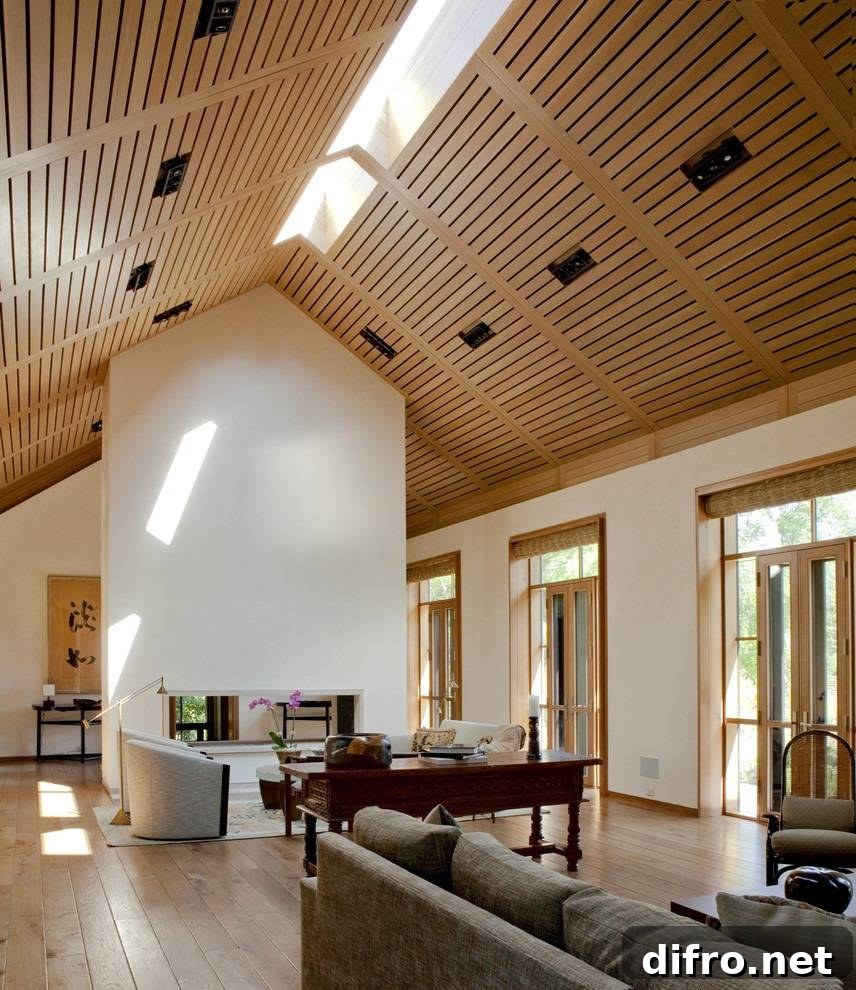
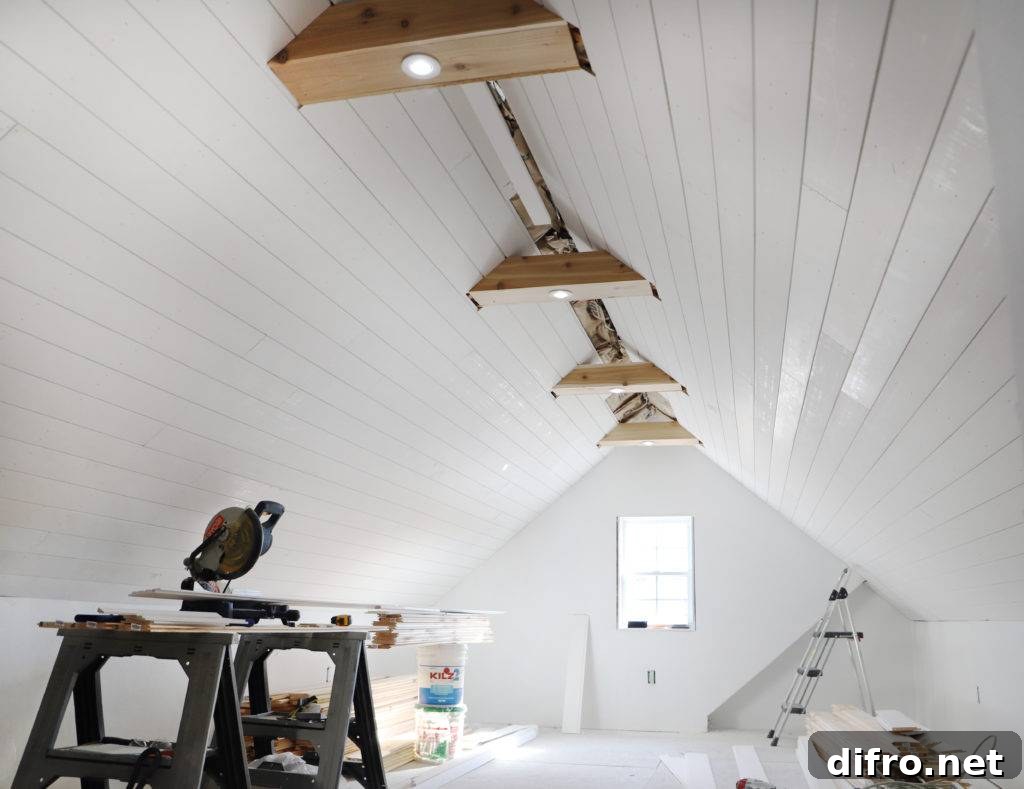
6. Tall and Pointed Ceilings
Tall, pointed ceilings create an immediate focal point. Their steep rise and dramatic silhouette dominate a room, making interiors feel loftier and more expansive. This profile works particularly well in open-plan spaces or rooms without dividing walls, where the ceiling itself defines volume and sense of place. Paired with vertical windows or narrow clerestory glazing, a pointed ceiling enhances natural light and emphasizes vertical circulation in the space.
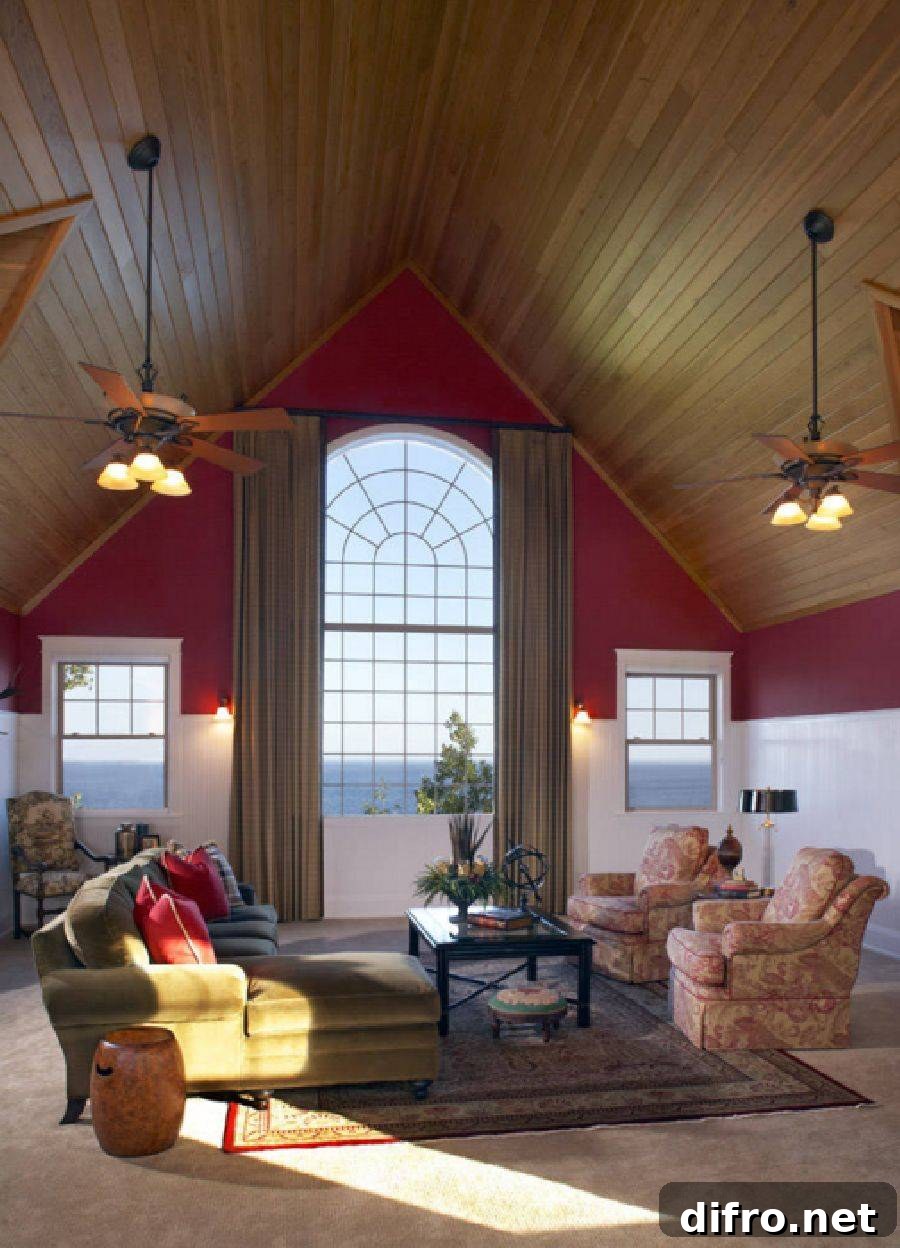
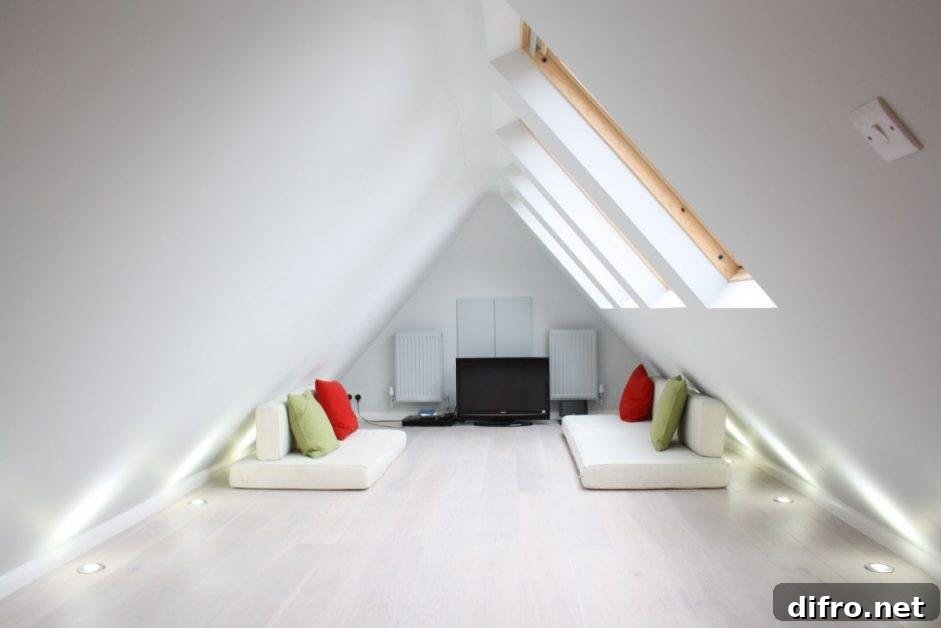
7. Lit Up Ceilings
Strategic lighting transforms high ceilings into warm, inviting features. Adding rooflights, skylights, or recessed LED strips reduces the perceived distance between floor and ceiling and brings a sense of intimacy to tall spaces. Layered lighting—combining ambient, task, and accent fixtures—emphasizes architectural details and creates depth. For vaulted rooms, consider clerestory windows or high-positioned glazing to introduce natural daylight that shifts throughout the day and highlights the ceiling’s form.
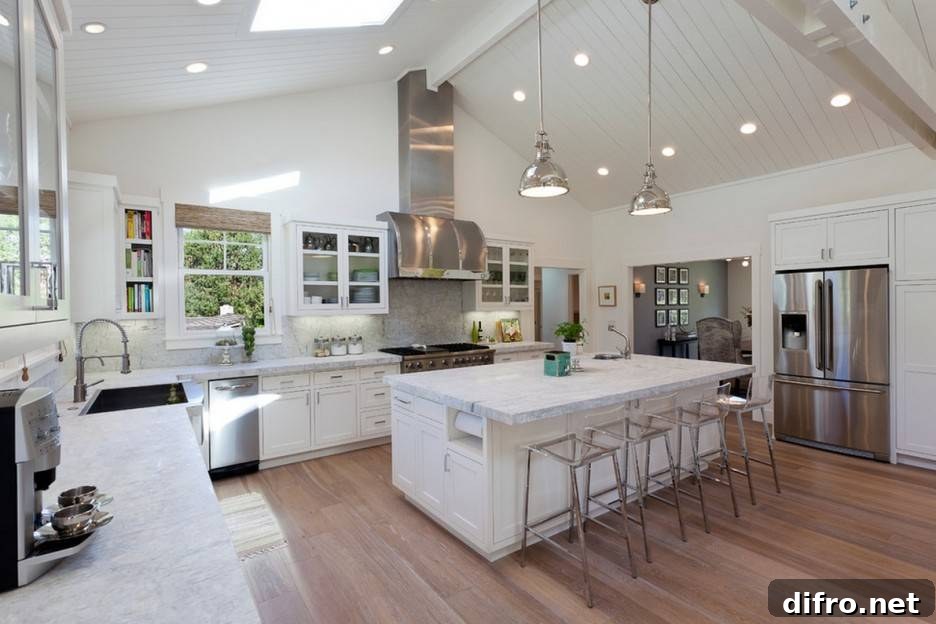
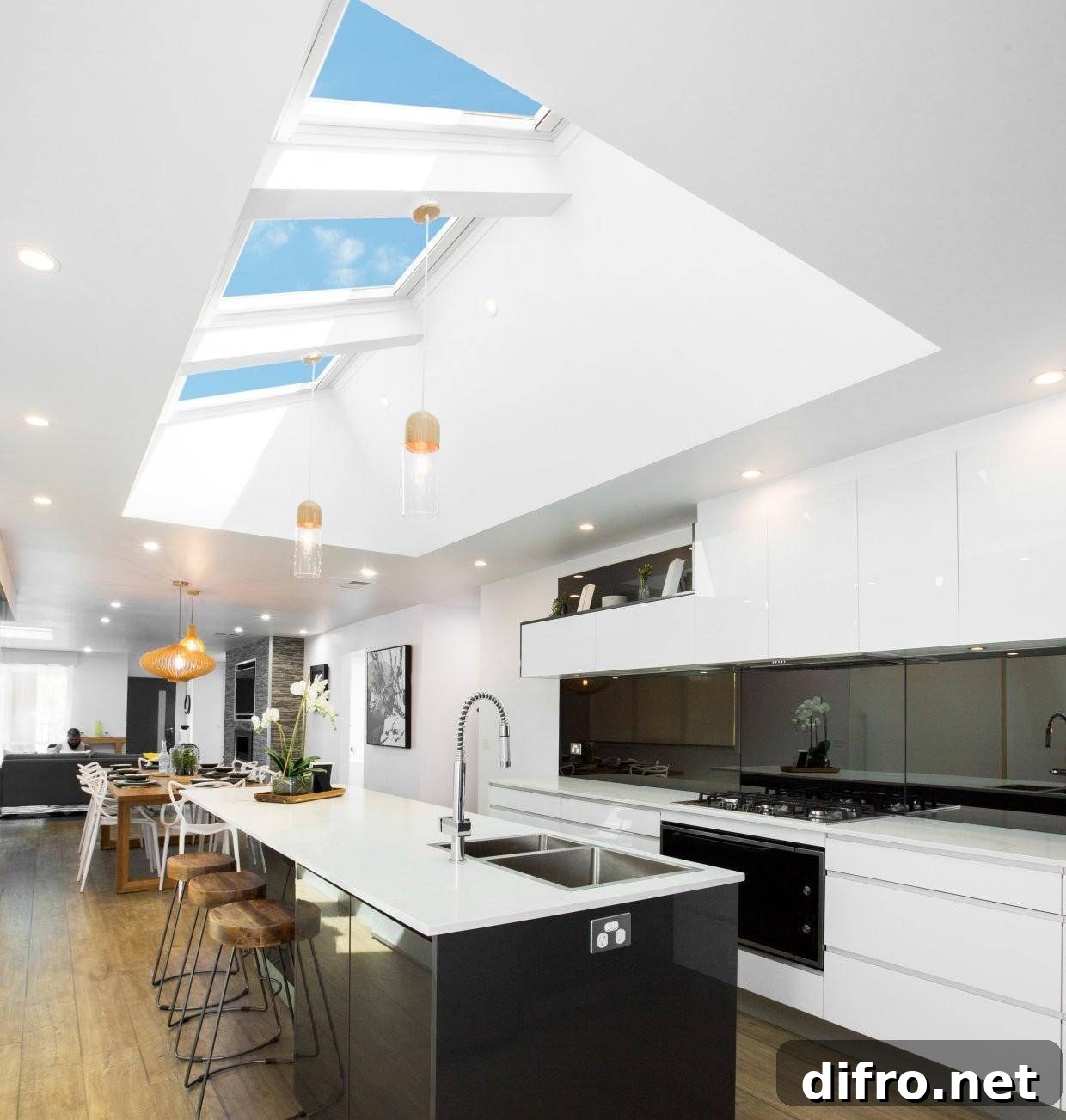
8. Contrasting Wood
Using contrasting wood tones on a vaulted ceiling creates a bold, attention-grabbing focal point. Dark beams or planks set against lighter surfaces add depth and visual rhythm, while varied wood species and finishes introduce texture and warmth. Contrasting timber works well in nearly any room; it can lend a rustic farmhouse character or an upscale, contemporary feel depending on the species and finish chosen. Ensure the wood tones coordinate with other interior elements—floors, cabinetry, and furniture—to create a cohesive, polished look.

Choosing the right cathedral or vaulted ceiling involves balancing style with practical considerations: how much space you have, how the ceiling will relate to furniture and wall finishes, installation complexity, and ease of access for lighting or fixture maintenance. Explore variations in color, texture, and shape, and make sure the ceiling blends smoothly with other room elements. With thoughtful design, a cathedral or vaulted ceiling can become the defining feature of your home and a reason visitors fall in love with your space.