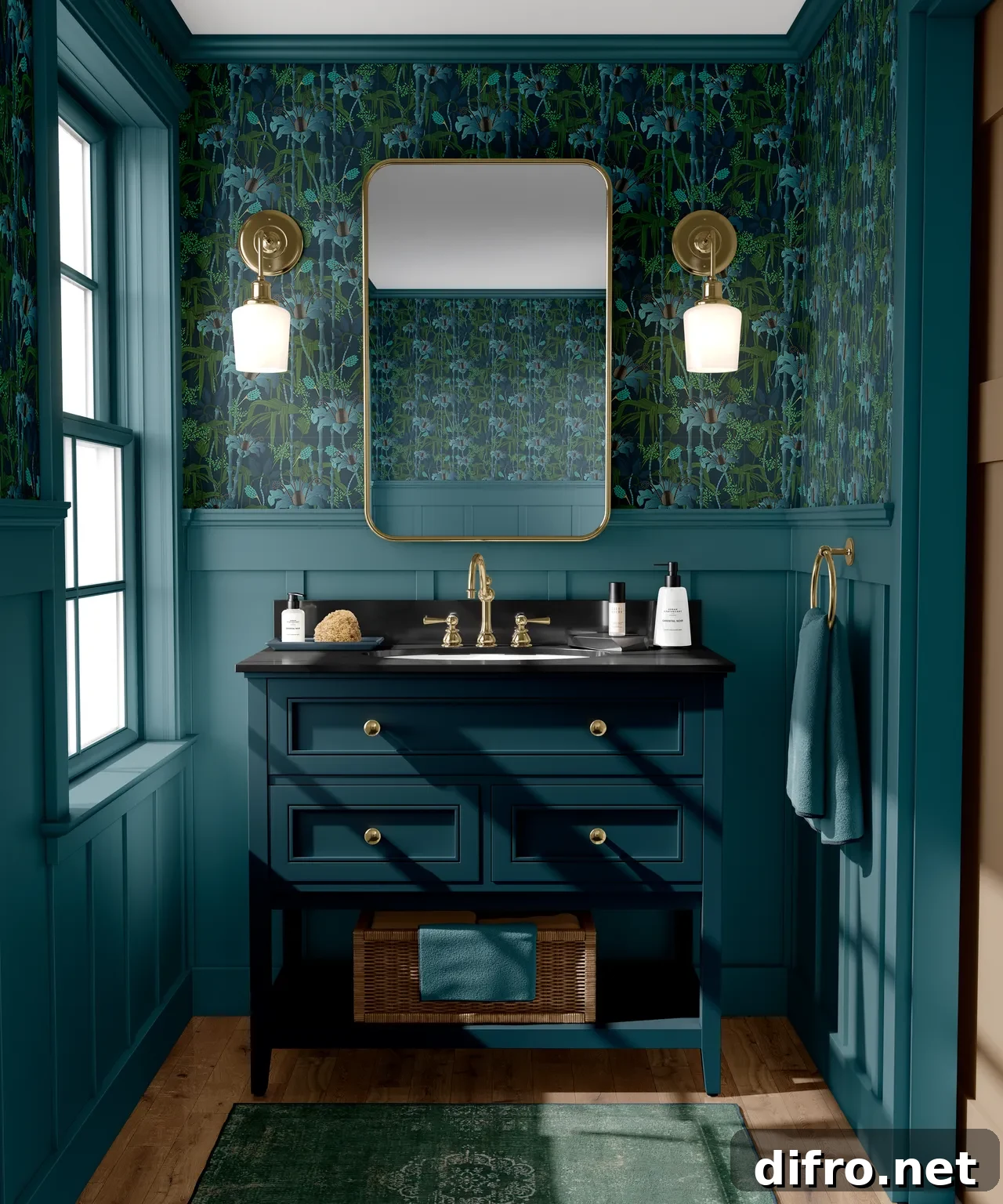
Teal is a captivating blend of blue and green that has become a favorite in contemporary interior design. This rich, medium-to-deep blue-green hue is simultaneously calming and bold, offering versatility that suits a range of styles from modern minimalism to eclectic boho. In this article we answer the question “What color is teal?”, explore its common variations, examine the psychological effects of the color, and offer practical ideas for using teal in home decor.
Defining What Color is Teal
Teal occupies the color space between blue and green, combining the serenity of blue with the freshness of green. Technically, teal is a medium to deep blue-green, often darker and more muted than turquoise and more blue-leaning than pure aquamarine. Think of the deeper tones of coastal water or the surface of a shaded lagoon: that balance of depth and clarity is the essence of teal.
Where turquoise tends to be brighter and more blue, and aquamarine tilts toward lighter, clearer greens, teal finds a middle ground that can read as either cool or warm depending on its mix. The subtle interplay of blue and green in teal is what gives it such design appeal: it can be calming without feeling cold, and rich without appearing heavy.
Variations of Teal
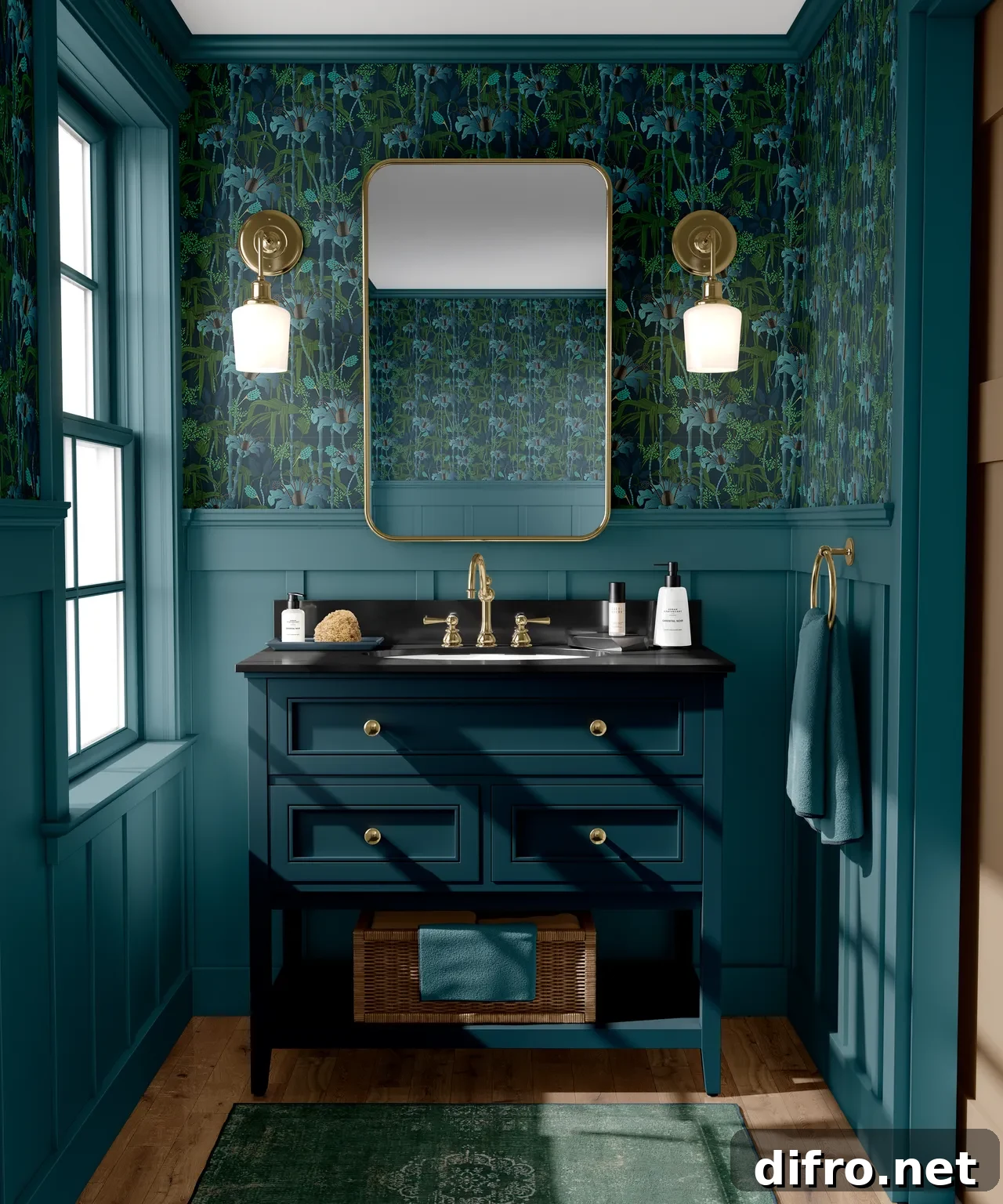
Teal comes in a spectrum of tones, each creating a distinct mood and effect in a room:
- Light teal: Airy and fresh, light teal introduces a soft, tranquil feel. It’s ideal for bedrooms, bathrooms, or any space where you want a delicate wash of color without overwhelming the room.
- Classic or medium teal: This balanced hue is the archetypal teal many imagine—rich, elegant, and versatile. It works well on walls, large furniture pieces, and upholstery when you want a color that grounds a space but remains visually inviting.
- Dark teal: Deep and dramatic, dark teal brings sophistication and depth. Use it as an accent wall, a statement piece of furniture, or cabinetry to create contrast and visual weight.
Shading teal up or down is simply a matter of adjusting the mix of blue and green and adding white, gray, or black for brightness or depth. More blue creates a cooler, sleeker tone, while more green warms the color toward an earthy, natural palette.
The Psychology of Teal
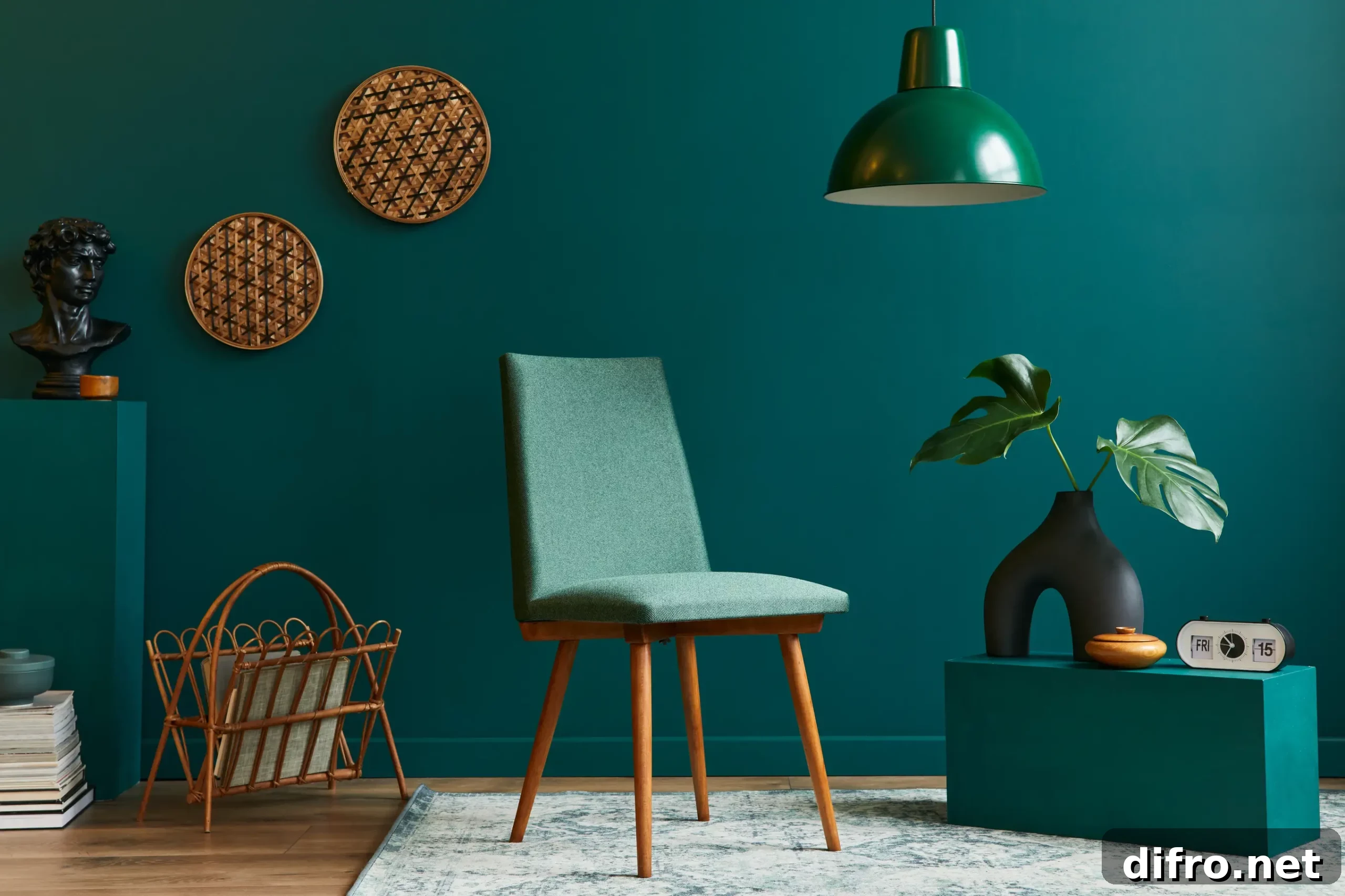
Teal combines the calming influence of blue with the restorative qualities of green, giving it a distinctive psychological profile. It often evokes feelings of calm, balance, and clarity—making it well suited to spaces meant for relaxation or concentration, such as bedrooms, studies, or home offices.
At the same time, teal retains enough vibrancy to inspire creativity and engagement. In communal rooms like living areas or dining spaces, teal can foster a sense of harmony and encourage conversation. Because it balances tranquility with subtle stimulation, teal is an excellent choice when you want a room to feel peaceful but still lively.
Teal in Home Decor
Teal’s adaptability makes it a powerful tool for interior design. Whether you want a bold focal point or a subtle color thread throughout your home, teal can be applied in many ways:
- Accent walls: A teal accent wall adds depth and interest without committing the whole room to color. It pairs beautifully with neutrals like white, cream, gray, and warm wood tones.
- Furniture and upholstery: A teal sofa, armchair, or upholstered headboard can act as a centerpiece. Smaller textiles—pillows, throws, and rugs—are an easy way to introduce teal gradually.
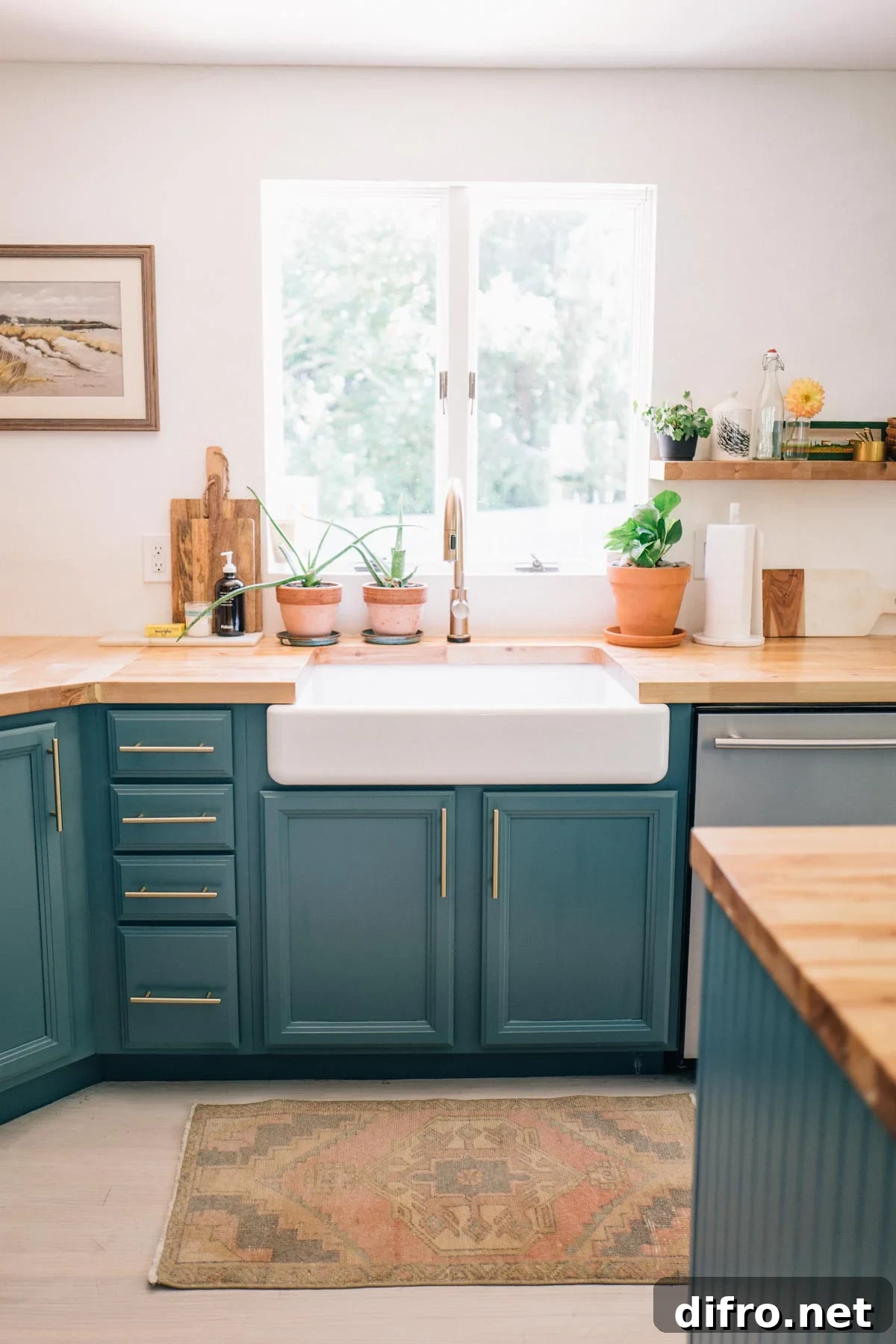
- Cabinetry: Teal cabinets in kitchens or bathrooms create a fresh, modern look. Combine teal with brass or matte black hardware for contrast and a curated finish.
- Window treatments: Teal curtains or draperies frame windows in dramatic, elegant fashion, especially when natural light accentuates the color’s depth.
- Artwork and accessories: For a low-commitment update, choose teal artwork, ceramics, vases, or decorative books. These accents allow you to test the color and layer it with other tones.
Teal complements a wide array of palettes. It works with warm metals like brass and gold, pairs well with blush and terracotta for a modern-retro feel, and sits comfortably alongside natural textures such as rattan, wood, or stone.
Related Articles
- 11 Stylish Colors That Go With Blue: Your Ultimate Guide
- Your Guide to Understanding Analogous Color Schemes
- Discover the Best Bathroom Colors for a Stunning Space
If you’re considering teal for your home, choose a shade that reflects the atmosphere you want to create—light teal for softness, classic teal for balanced richness, or dark teal for dramatic depth. Experiment with accents and textiles before committing to large surfaces, and use teal’s versatility to create spaces that feel both calm and confidently styled.