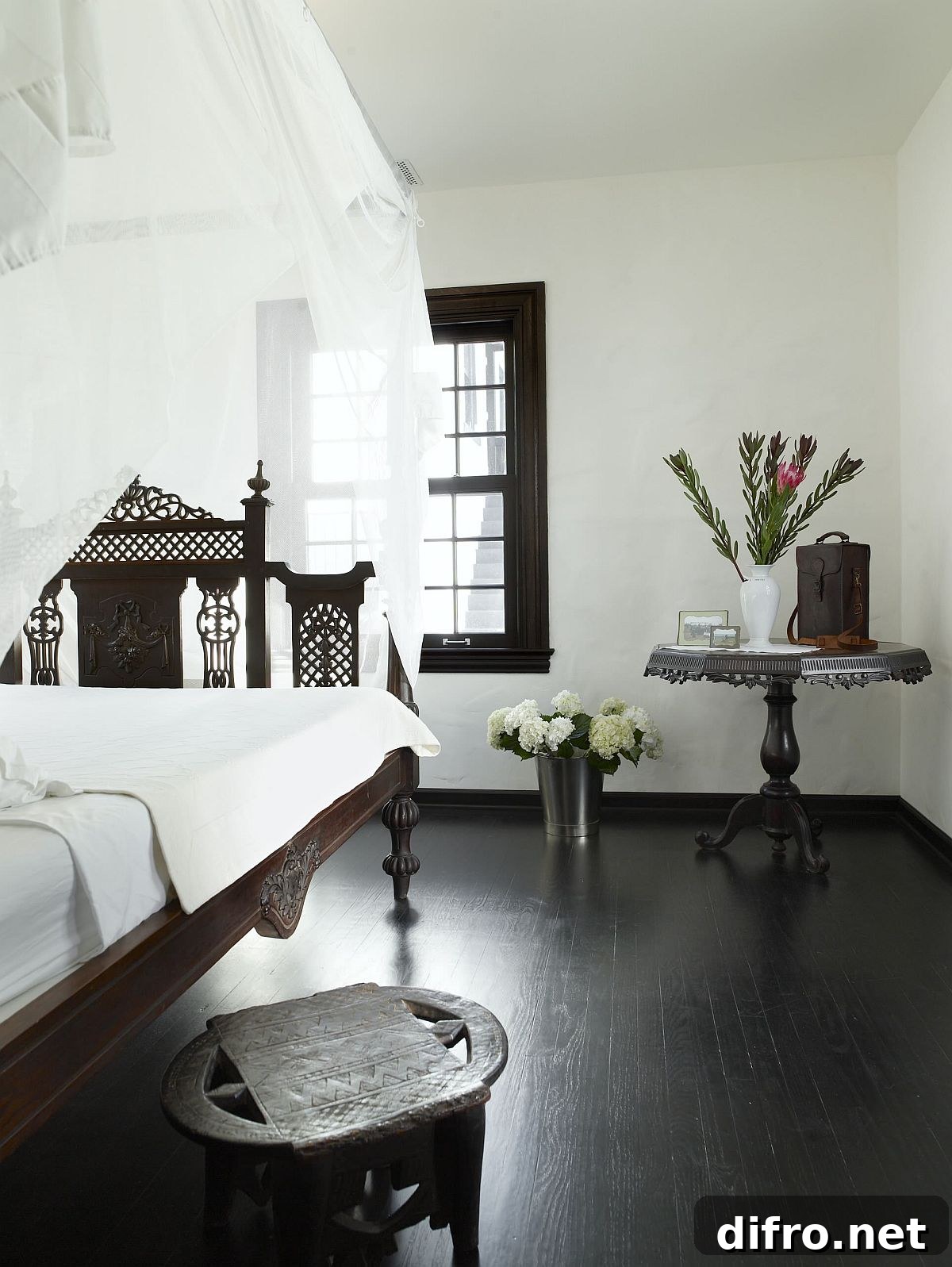
When planning a room refresh or a full redesign, color choices often take center stage. We focus first on walls, textiles and accessories, and sometimes the ceiling gets a subtle update. The floor, however, is frequently viewed only through the lens of material—wood, stone, or tile—rather than color. Yet a dramatic, well-chosen floor color can transform a space. Black floors, while uncommon, deliver striking visual impact and can redefine a room’s character. Bold and unexpected, black flooring introduces depth and contrast that can elevate both modern and traditional interiors.
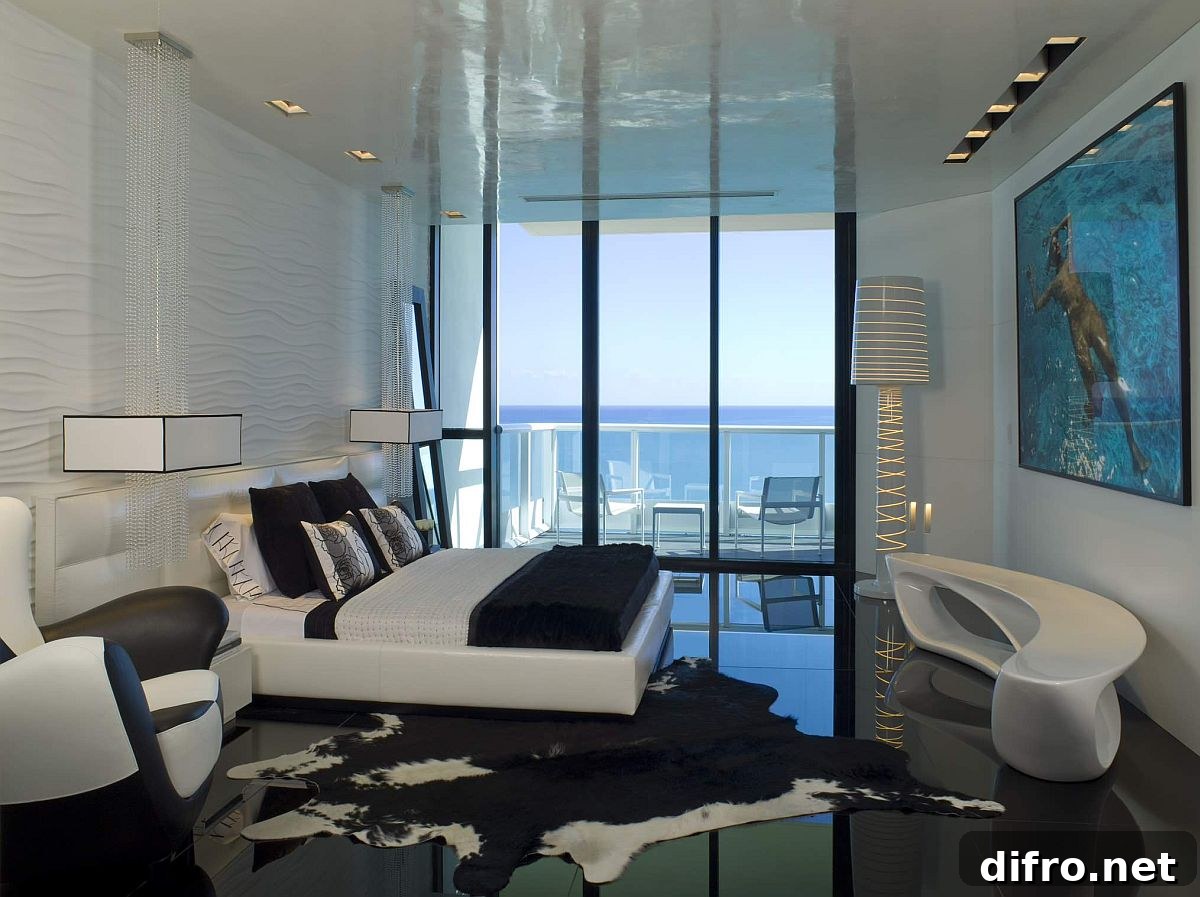
Many homeowners hesitate to use large amounts of black, fearing it will make small rooms feel cramped or overly heavy. In larger spaces, designers often use black selectively—on walls, window frames or decor elements—to anchor a room and create elegant accents. Extending that dramatic effect to the floor introduces a powerful foundation that can be surprisingly versatile. Recently, black floors have become a popular choice in bathrooms and bedrooms where the contrast against softer finishes creates a sophisticated, modern look.
Giving Balance to the White Interior
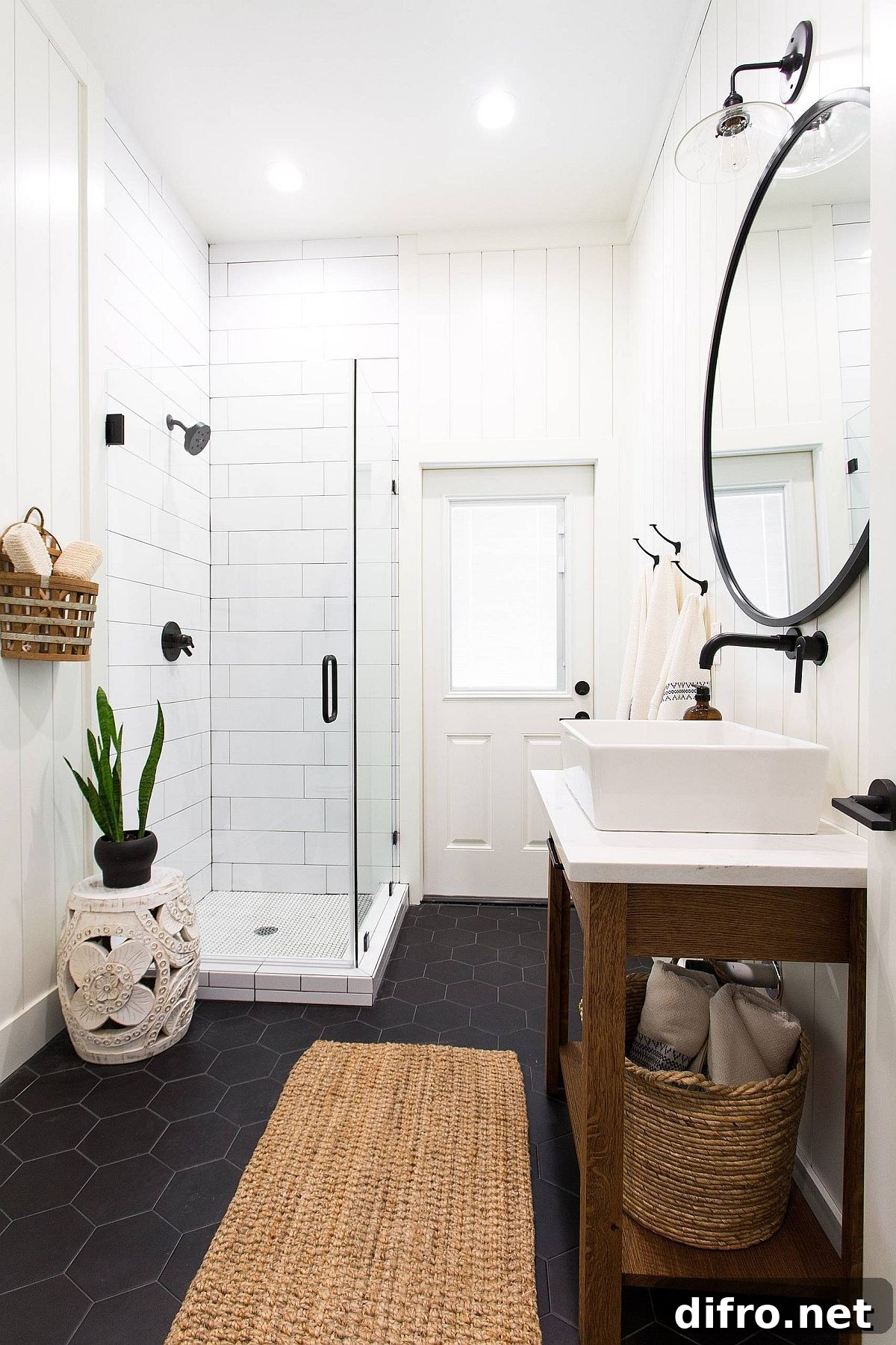
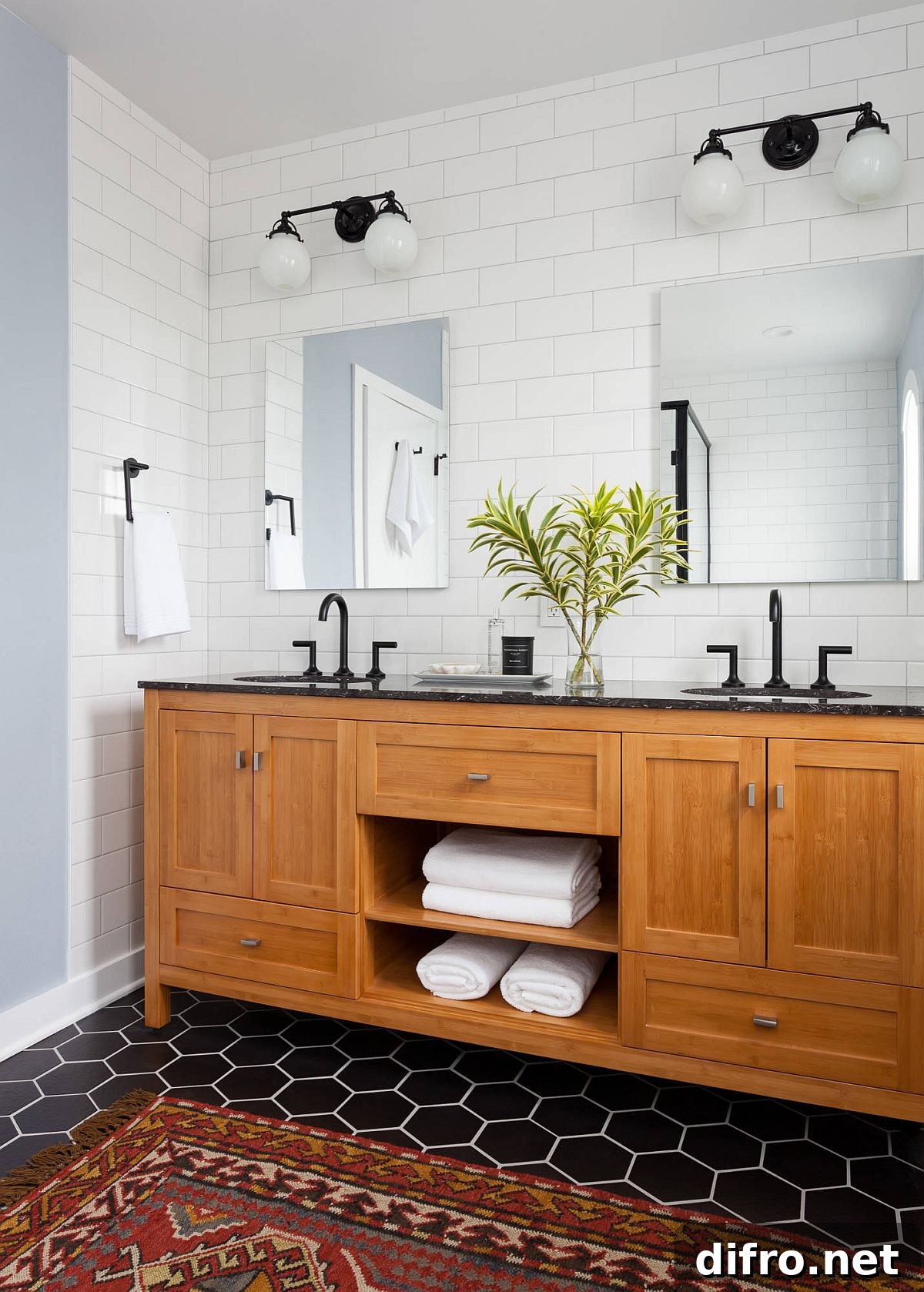
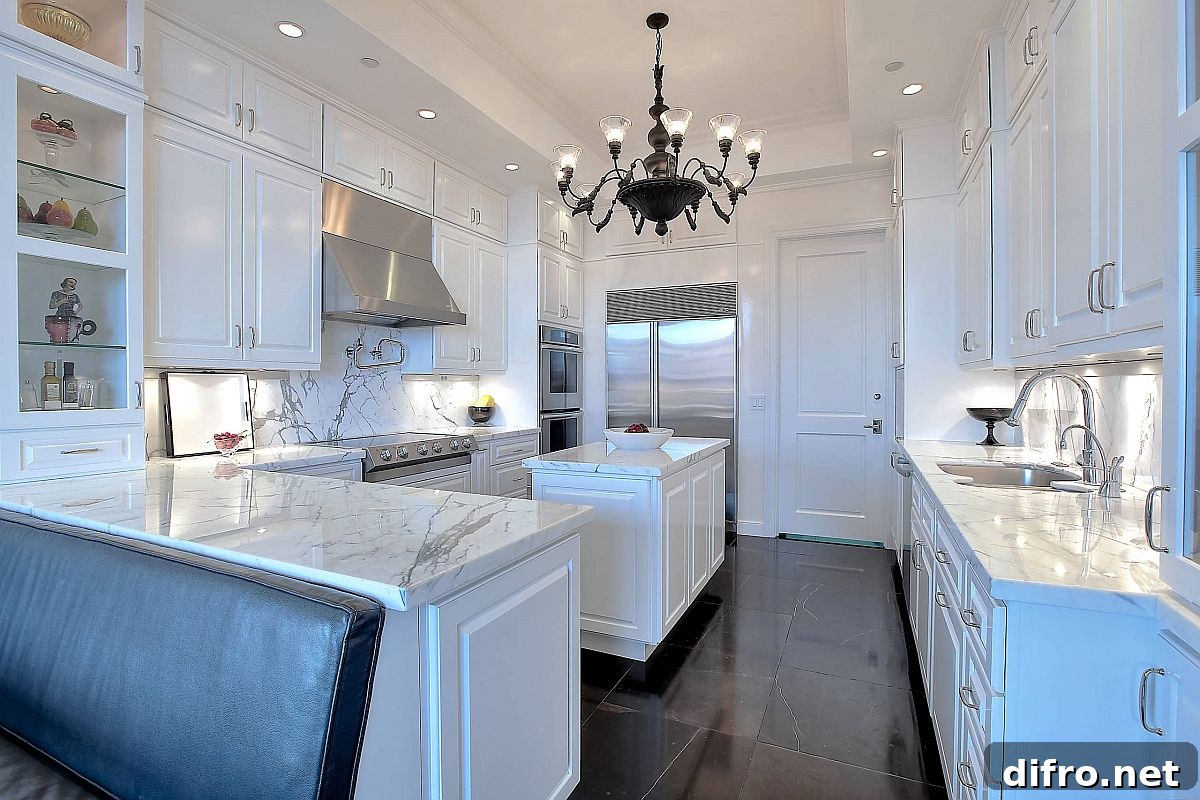
A black floor provides perfect visual contrast in a predominantly white interior while also anchoring the entire room. This high-contrast pairing is easy to style: neutral walls let the floor stand out, and seasonal accents can be swapped in and out without overwhelming the palette. To create a cohesive look, echo the floor’s tone with curated black accents—lighting fixtures, mirror frames, bedside tables or a vanity—so the space feels intentional and balanced rather than stark.
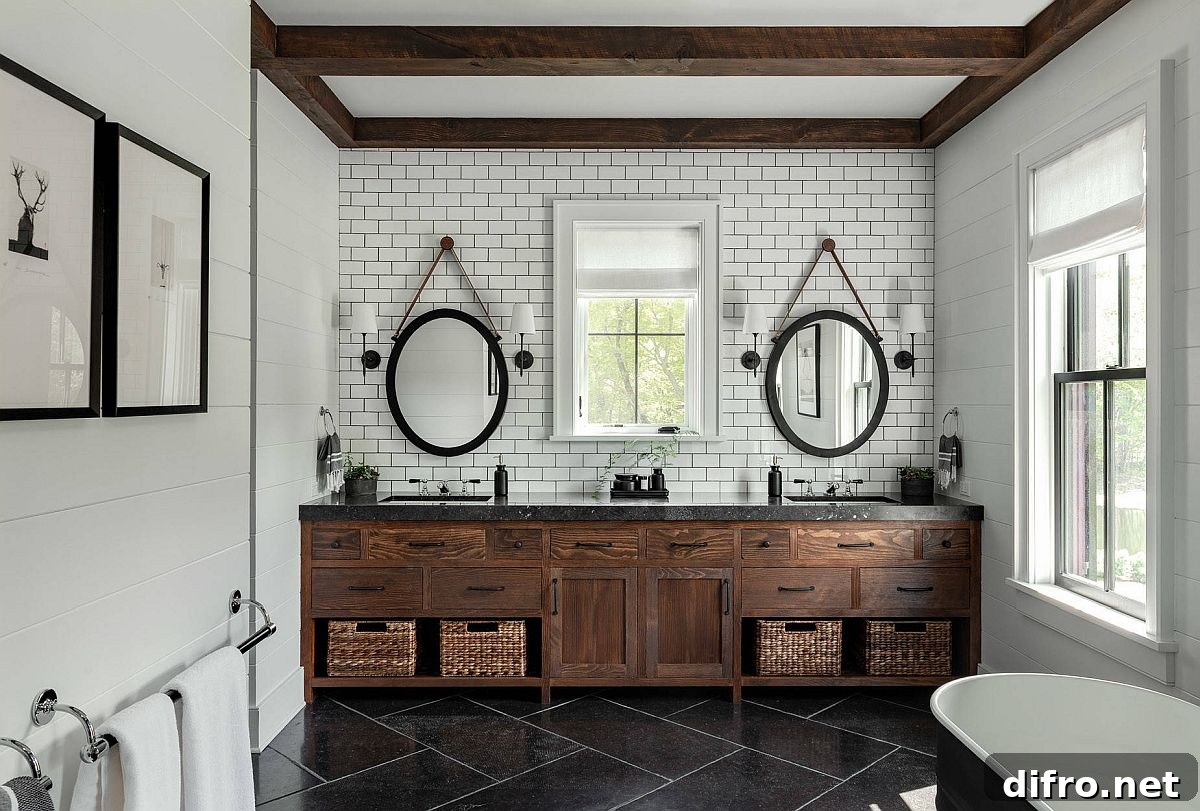
Fitting in with Different Styles
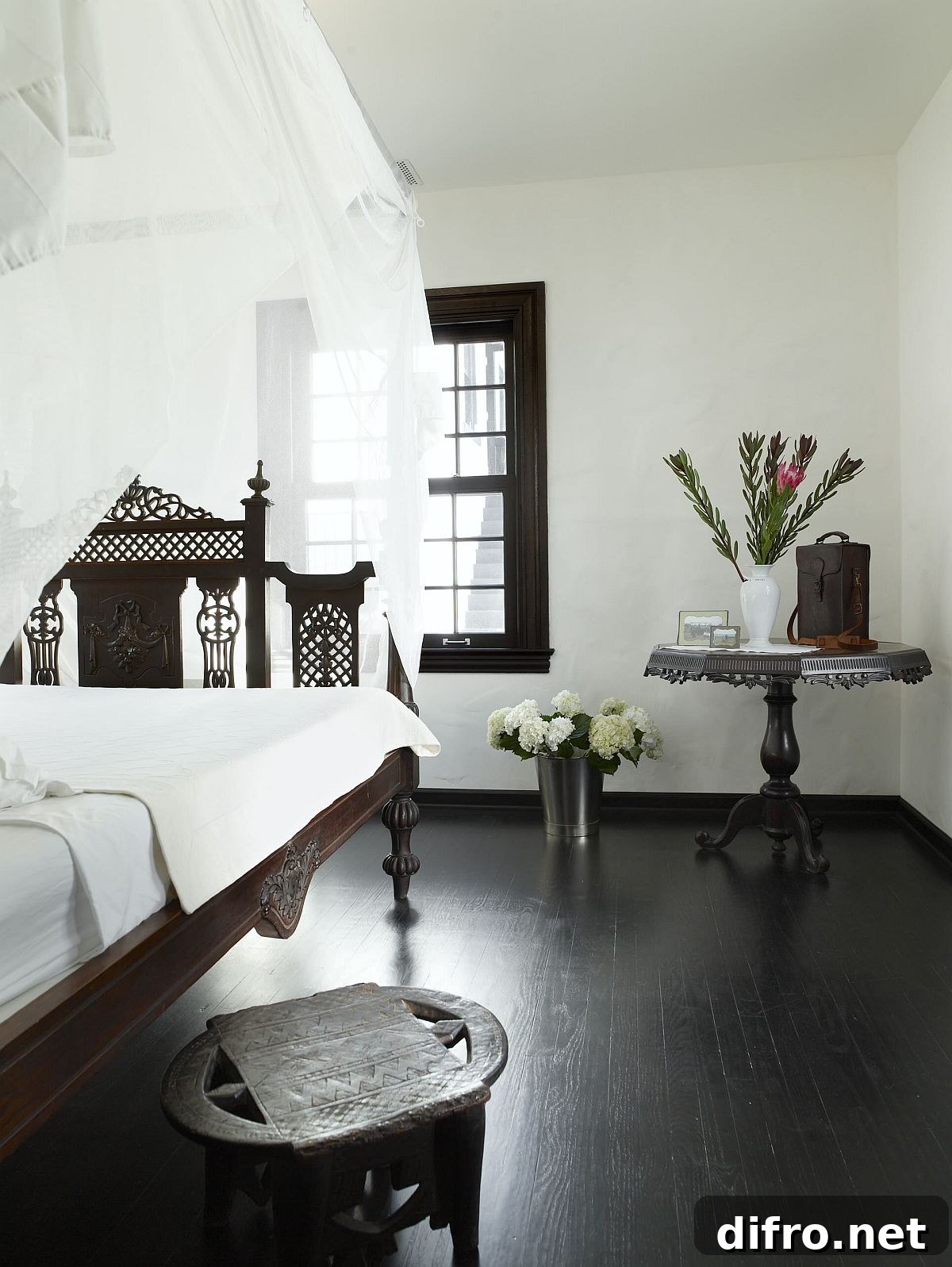
Black flooring adapts to many design languages. In neutral contemporary interiors—where walls are often white, beige, cream or gray—the floor plays a defining role in setting the tone. The material you choose will shape the style: dark-stained wood suits farmhouse, traditional and shabby-chic settings, while polished black stone or porcelain works beautifully in minimal and modern spaces. But with black floors the rules are flexible: a matte black plank can feel rustic and warm with soft textiles, while a glossy black tile reads sleek and urban with chrome or glass accents.
Illuminating the Room with a Dark Floor
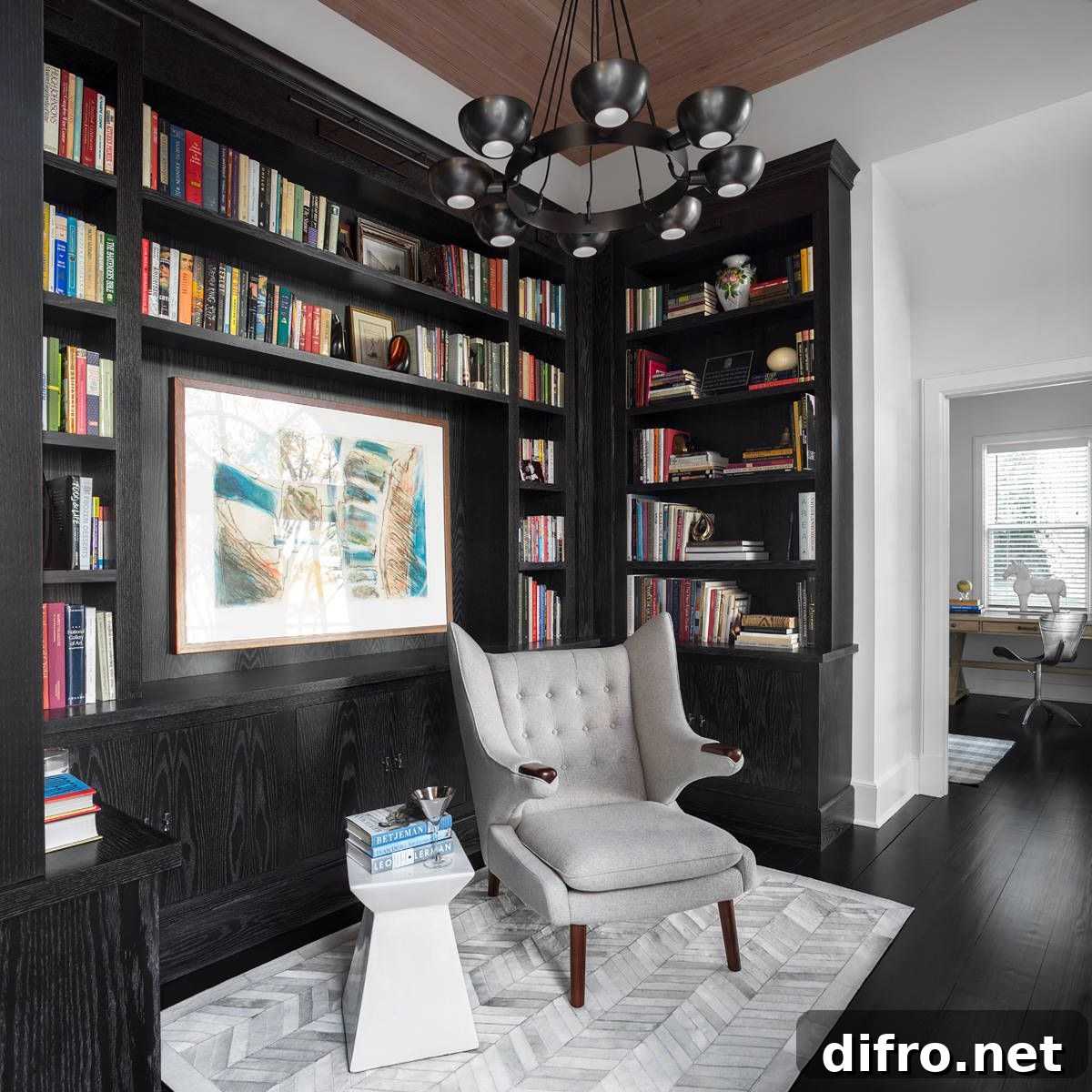
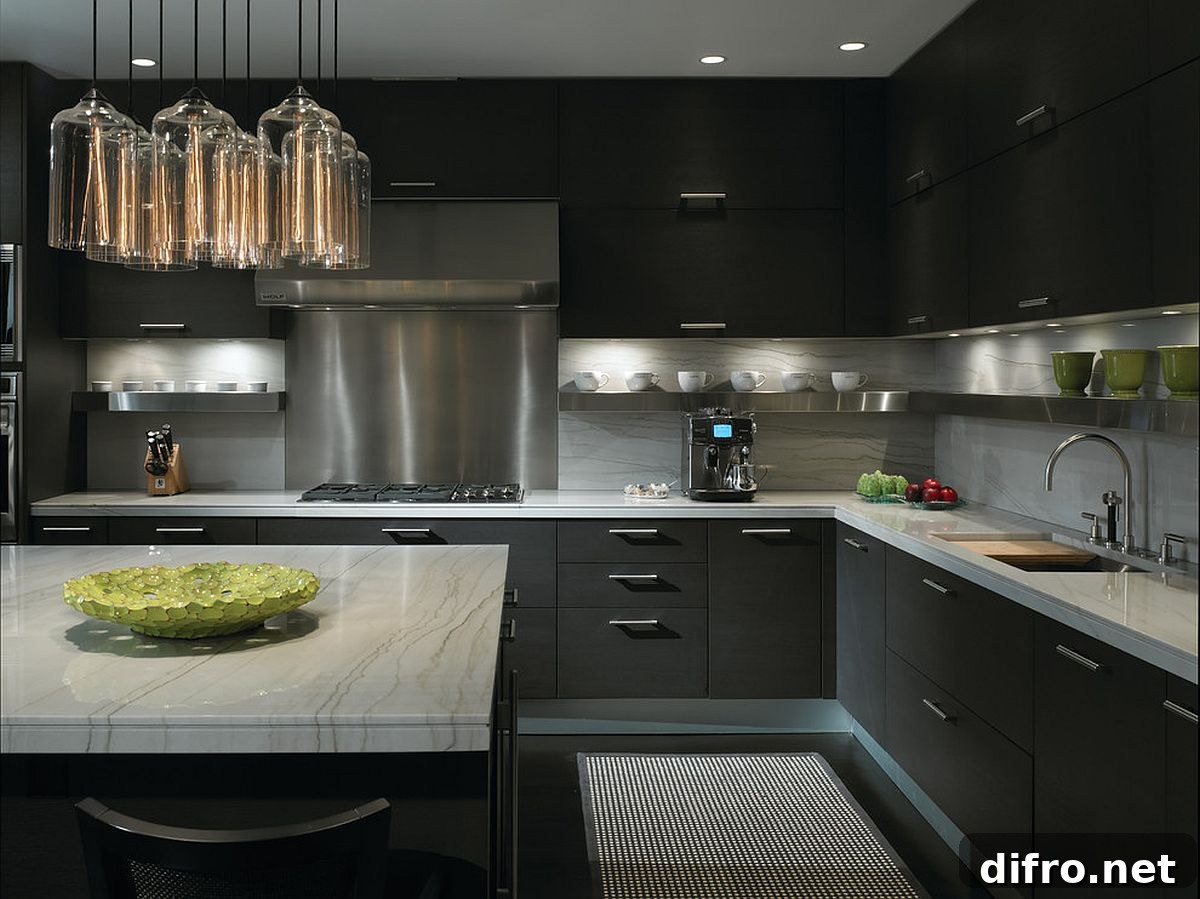
Lighting is essential in rooms with dark floors. Good lighting prevents the space from feeling closed in and avoids dark, uninviting corners. Layered lighting—combining recessed fixtures, wall sconces, pendant lights and well-placed task lighting—ensures even illumination. Accent lighting helps highlight architectural features and creates depth. Matching black fixtures to a black floor can produce a refined, cohesive look; alternatively, brass or warm metallic accents add contrast and soften the overall palette.
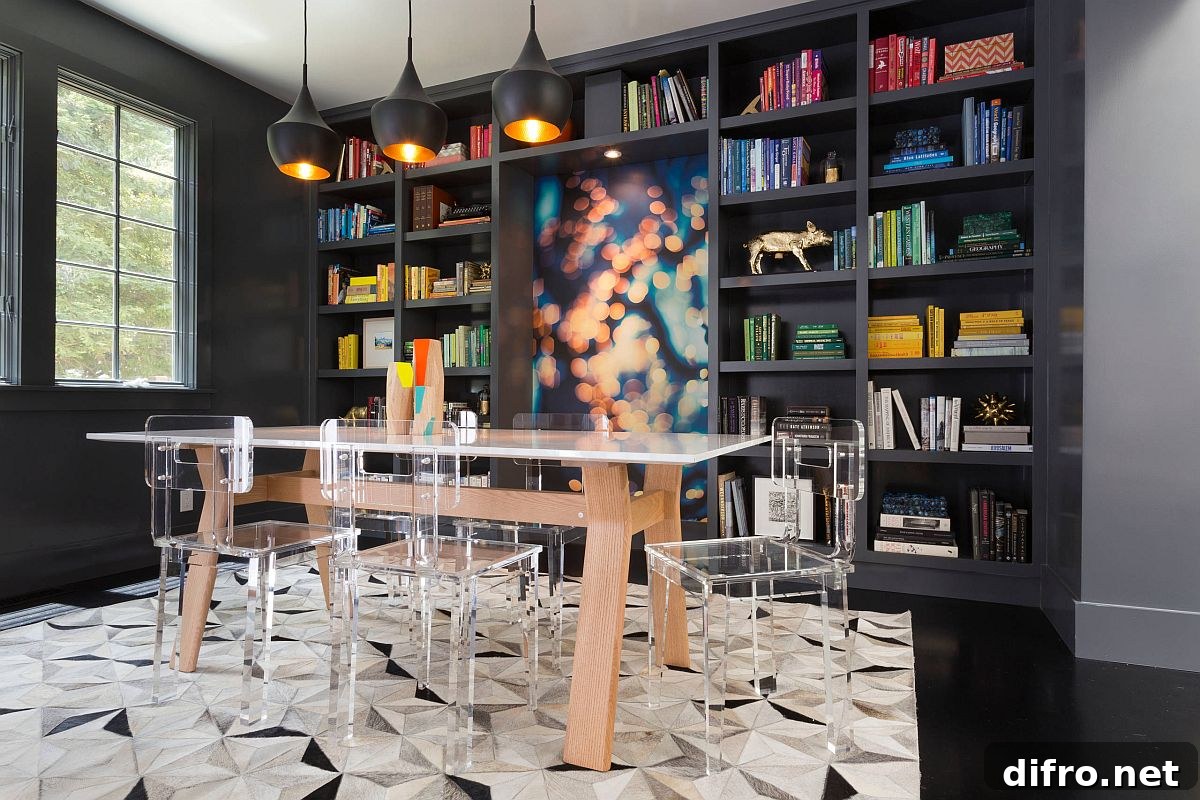
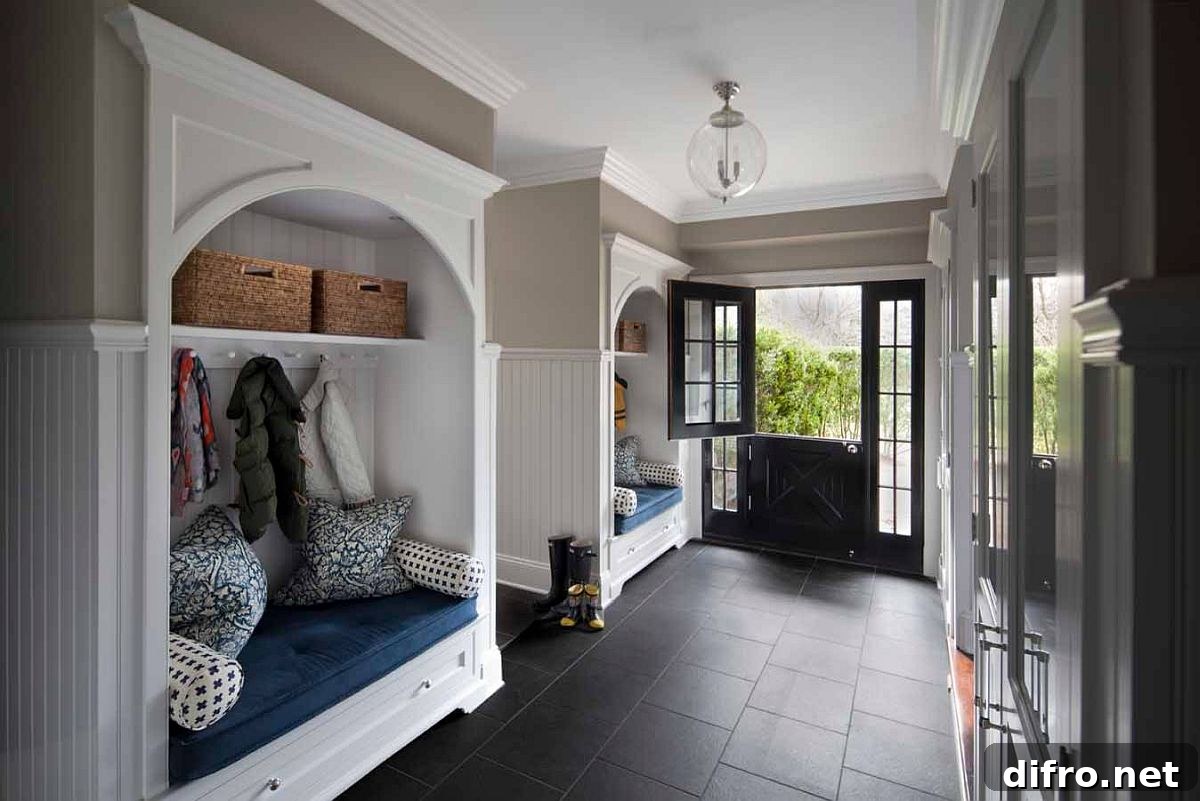
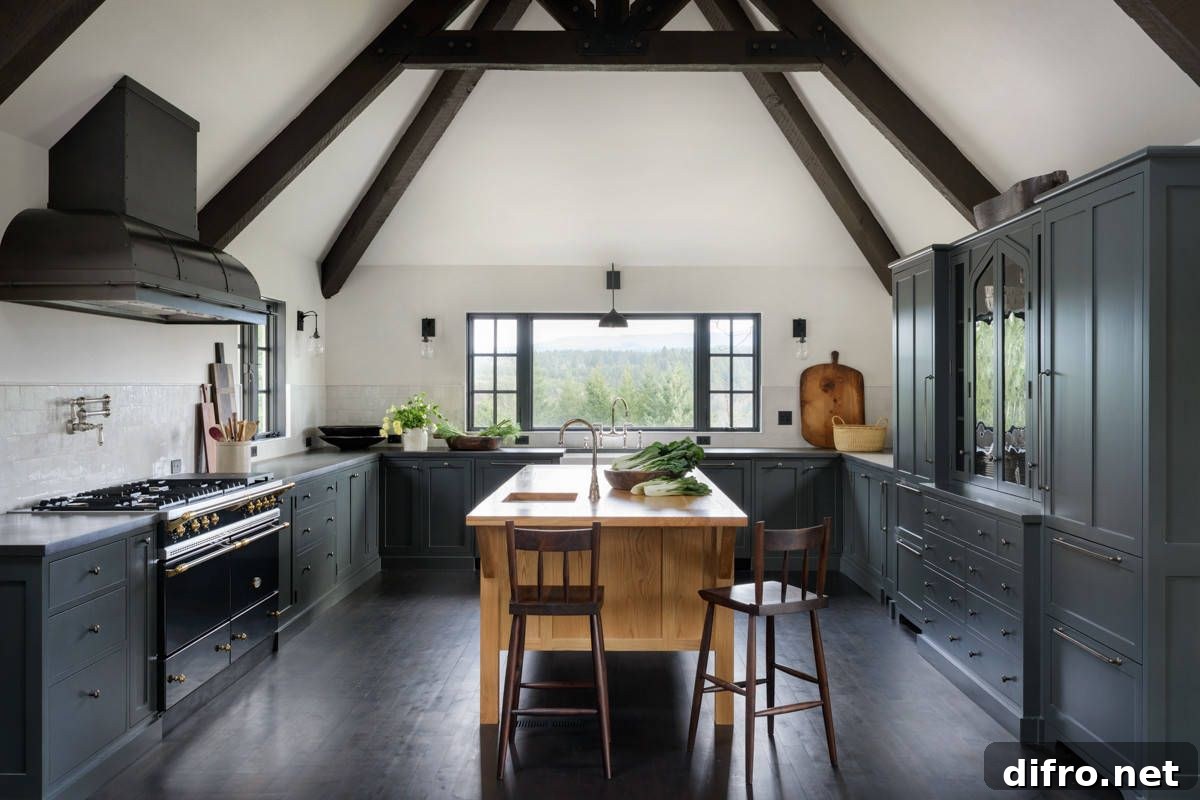
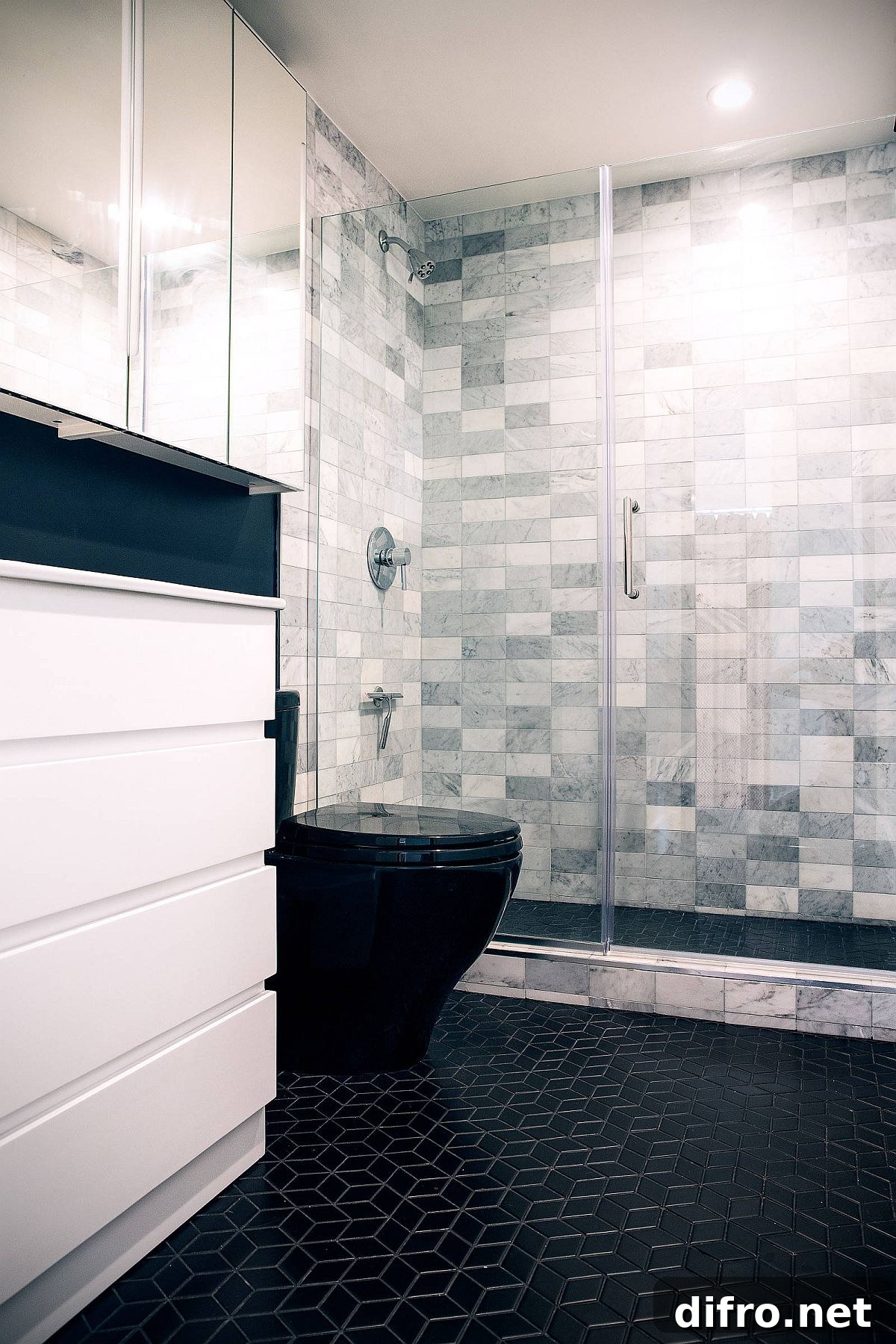
Practical tips when considering black floors: choose a finish that suits your lifestyle (matte for concealed wear, gloss for dramatic reflection), test paint or stain samples under your room’s natural and artificial light, and coordinate baseboards and trim to avoid harsh edges. Rugs and textured textiles soften the look where needed and help define functional zones. With thoughtful lighting, complementary accents and the right materials, a black floor can be a powerful design choice—timeless, versatile and full of character.