Room dividers are an often-overlooked design tool that can define zones, add privacy, and improve how a room functions. Whether you live in an open-plan house or a compact, multi-purpose apartment, a thoughtfully chosen divider can dramatically improve flow and usability. The trick is selecting a style that meets your needs—privacy, light, acoustics, or storage—without feeling like an obstacle. Below are practical, room-by-room ideas for using dividers to enhance your home.
Living Room
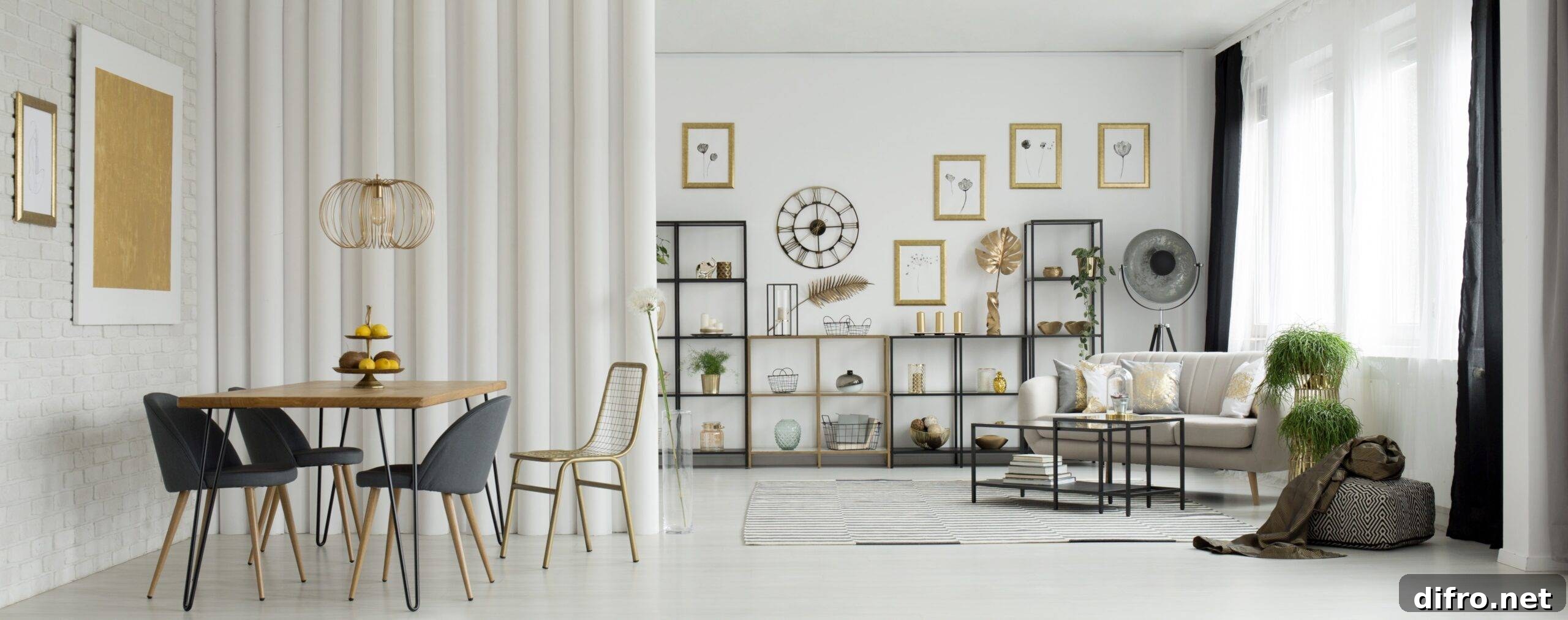
Your living room should feel welcoming and flexible, especially when it needs to accommodate different activities. Sliding panel dividers are an excellent option for creating temporary zones—a reading nook, a small home office, or a play corner—while keeping the room adaptable. They slide away when you want one open, and they avoid the permanence of built walls. For a softer, more atmospheric divide, consider a ceiling-mounted curtain in sheer or lightweight fabric. It defines space and allows natural light to pass through, preserving an airy feel while adding texture and color.
Bedroom
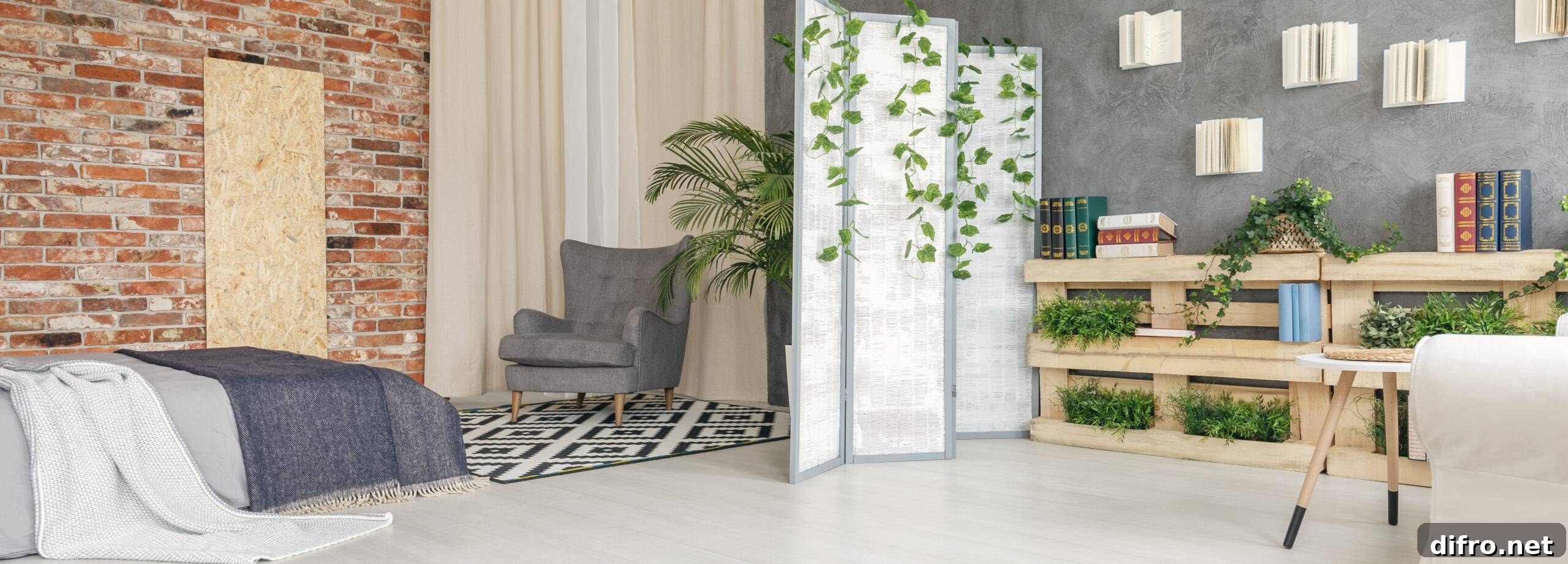
Modern bedrooms often pull double duty as dressing areas, workspaces, or quiet corners. A folding privacy screen is a portable, affordable way to carve out a dressing area or hide a workspace when you want the room to feel purely restful. Folding screens are easy to move and reconfigure as your needs change. For a refined, minimalist look, a shoji screen using translucent panels offers privacy without blocking light. This solution keeps smaller bedrooms from feeling cramped while providing enough separation for function and comfort.
Bathroom
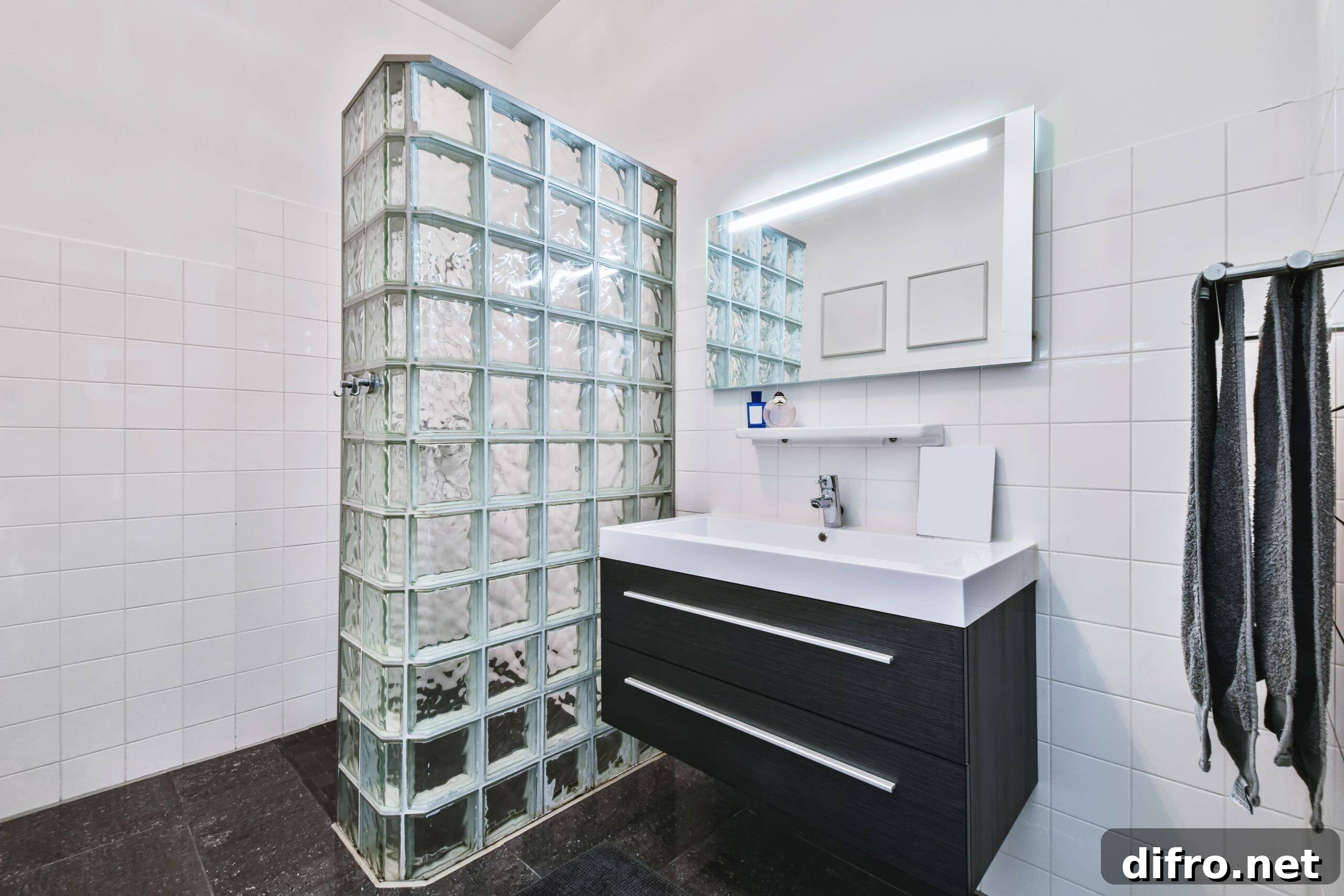
Bathrooms require privacy but should avoid feeling confined. Frosted glass panels are a popular choice for partitioning showers or toilets from the rest of the room: they provide visual privacy while still letting light through, keeping the bathroom bright and open. If you prefer a non-permanent option, a freestanding privacy screen lets you divide a vanity or dressing area on demand and move it as needed. When choosing materials, prioritize moisture-resistant finishes and easy-to-clean surfaces to maintain hygiene and appearance.
Home Office
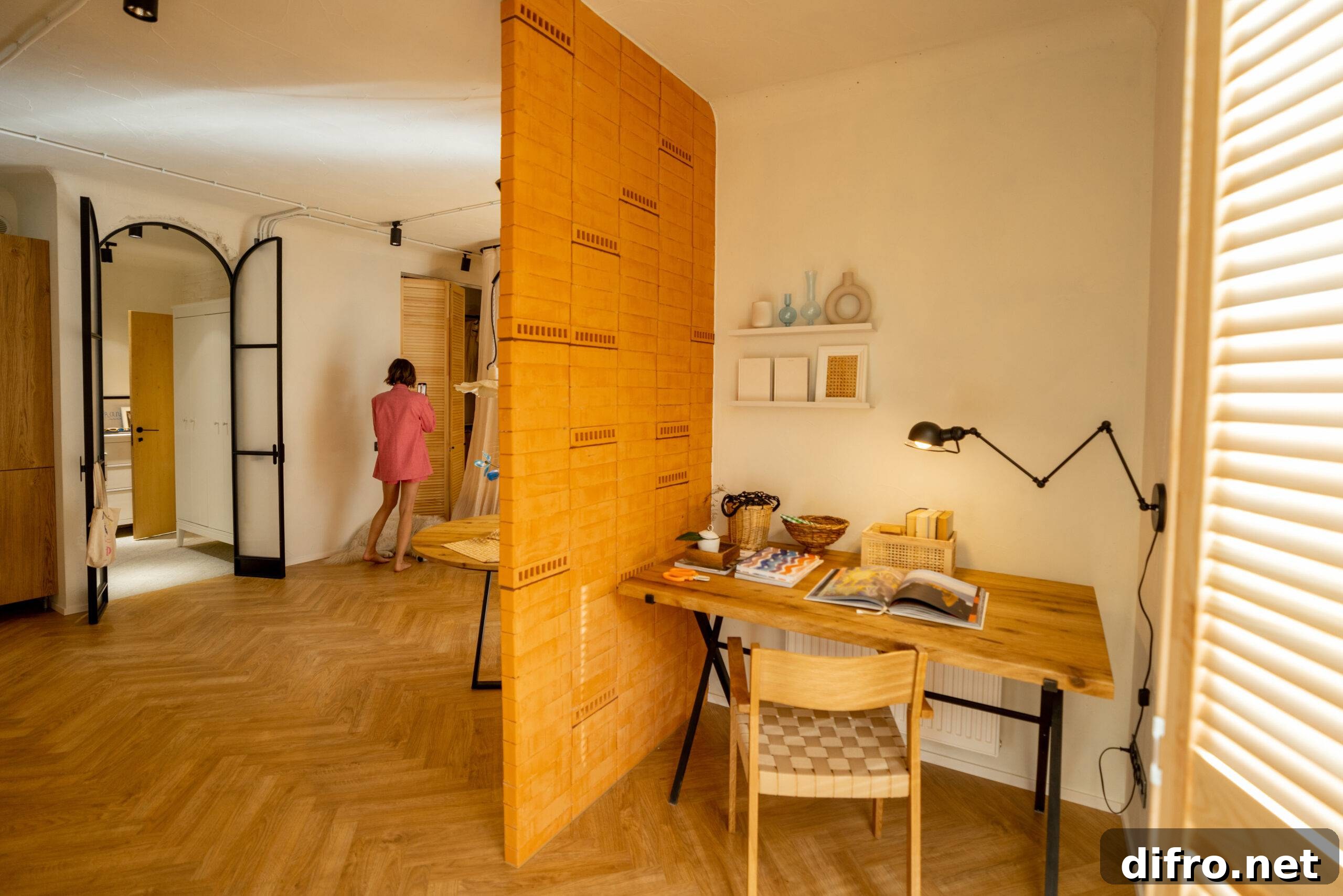
Creating a productive home office requires a clear separation between work and home life. A floor-to-ceiling panel divider creates the visual presence of a dedicated room without permanent construction and helps set boundaries that aid focus. For improved acoustics in noisy homes, folding screens with sound-absorbing panels can reduce distractions and improve calls or recordings. When selecting a divider for work, consider integrated storage or shelving to keep supplies organized and to make the workspace feel complete and intentional.
Kids’ Room
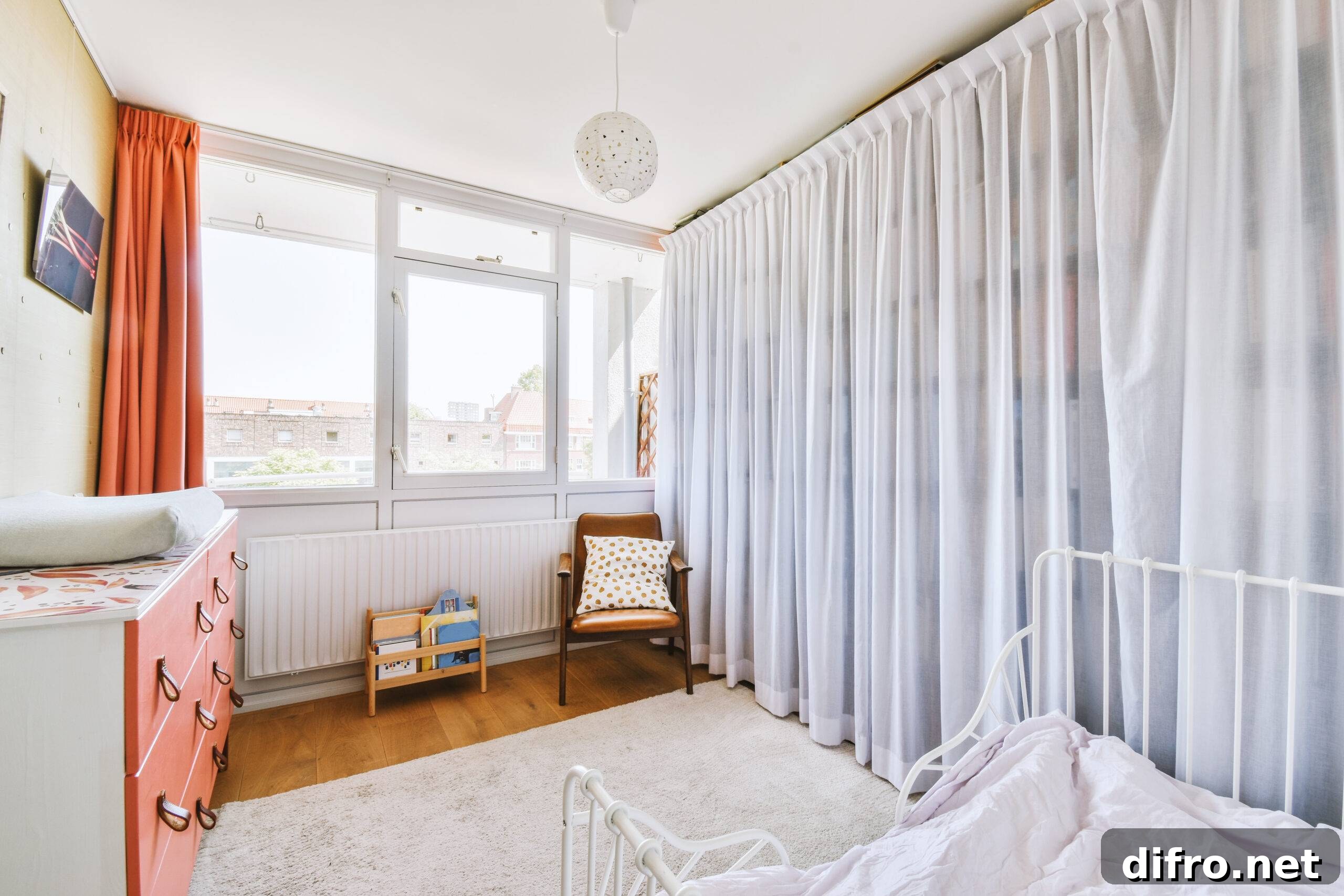
Shared kids’ rooms benefit from flexible solutions that change with the children. Sliding track dividers are ideal for quickly creating private sleeping areas or study corners, and they can be retracted for play or when the space is needed for shared activities. Fabric panel dividers provide a softer visual separation and can introduce playful patterns or colors without the permanence of a wall. Choose durable, washable materials and consider lightweight designs that kids can help adjust safely as they grow.
Entryway
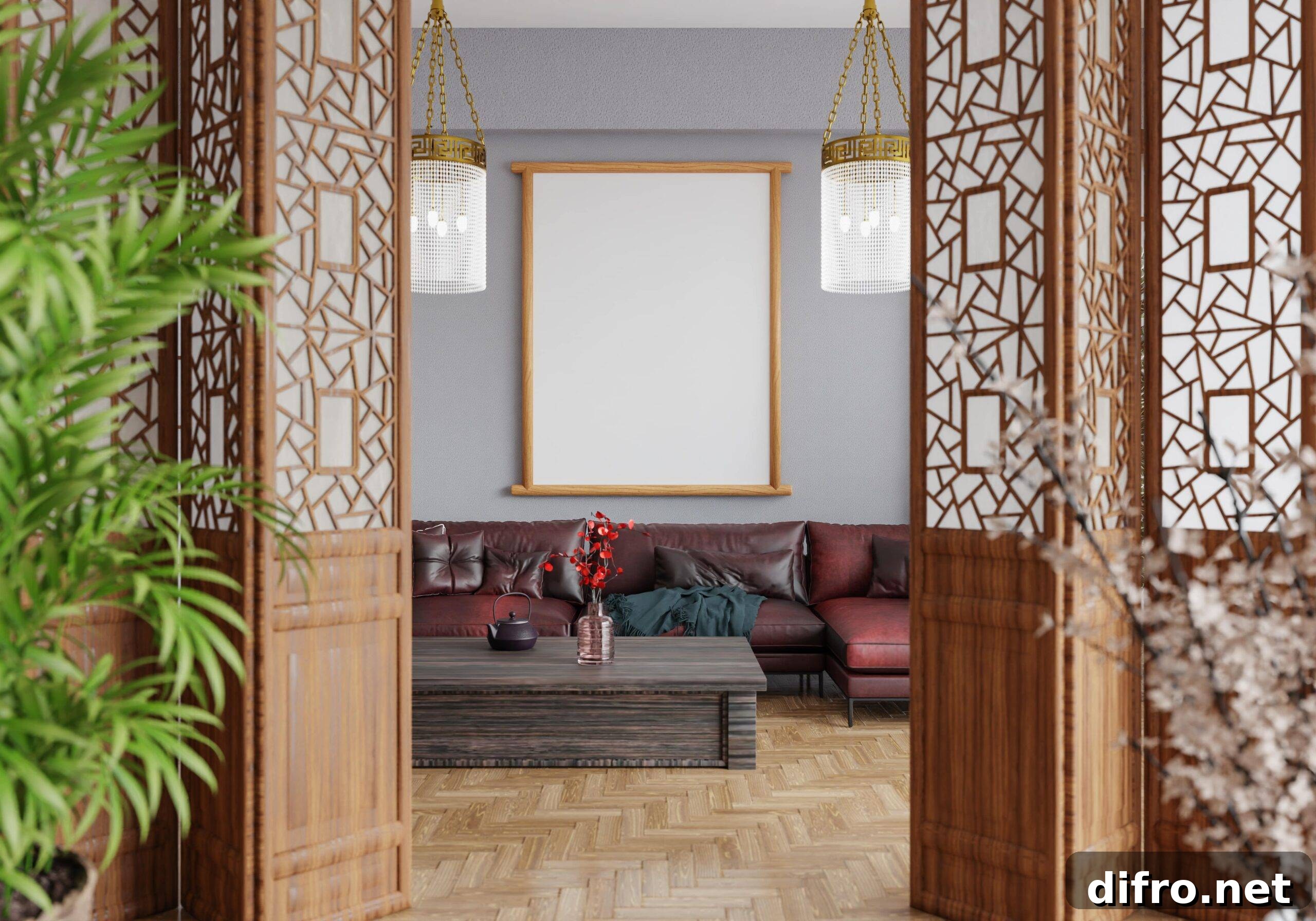
The entryway sets the tone for your home. Decorative panel dividers with open cut-out patterns make a striking first impression while delineating the entrance from the living areas. Openwork designs allow sightlines and light to pass through, keeping the house feeling connected. A slatted wood partition brings warmth and texture, offering a natural accent that maintains visual flow while suggesting a clear boundary. Choose a height and density of slats that balance privacy and openness according to your layout.
Choosing the right room divider is about balancing function and aesthetics. Consider how much light, sound control, and privacy you need, then select materials and styles that complement your interior. Try different configurations and remain flexible—the best divider is the one that adapts to your lifestyle, improves flow, and enhances the overall comfort and appearance of your home.