Decorating an entire room from scratch can feel overwhelming. Beyond picking a style or choosing individual pieces, you also face logistics, measurements, and the cost of furnishing a whole space. To make the process easier and more sustainable, a team of experienced interior designers developed a simple guideline that helps you save money while giving clear direction on how to begin your decorating journey.
Decor Drawbacks
It’s no secret that decorating can get expensive, particularly when you’re buying large furniture pieces or replacing several items at once. In addition to the financial cost, purchasing a lot of new items contributes to waste and increased manufacturing impact. Filling a room solely with brand-new goods can be unnecessary and environmentally unfriendly—especially when existing pieces are perfectly usable.
If you want to design a beautiful, functional room without overspending or contributing to waste, the solution isn’t always to start from zero. There’s a thoughtful approach that balances fresh purchases with reused, vintage, or secondhand finds, and it’s easier to follow than you might expect.
The Rule’s Solution
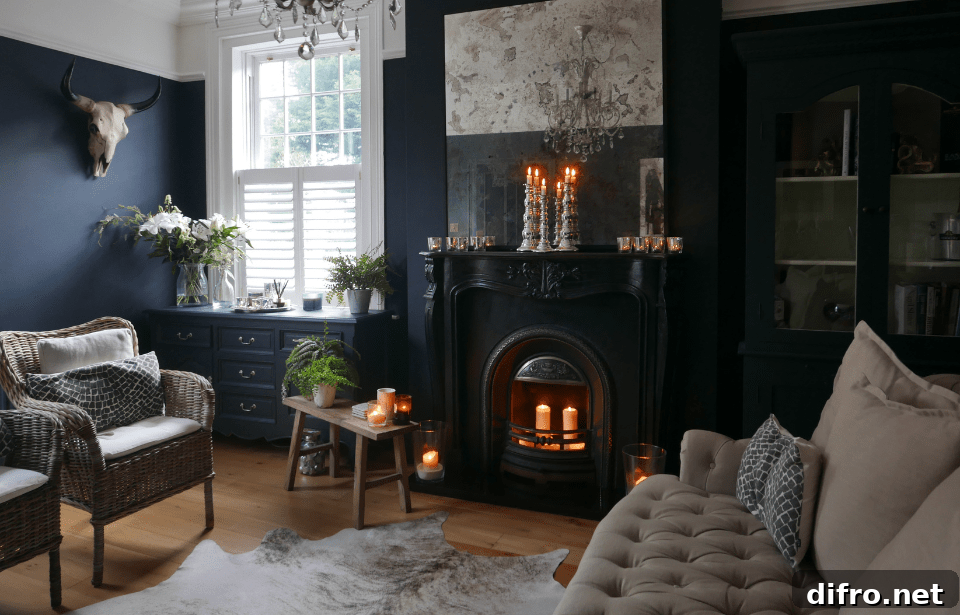
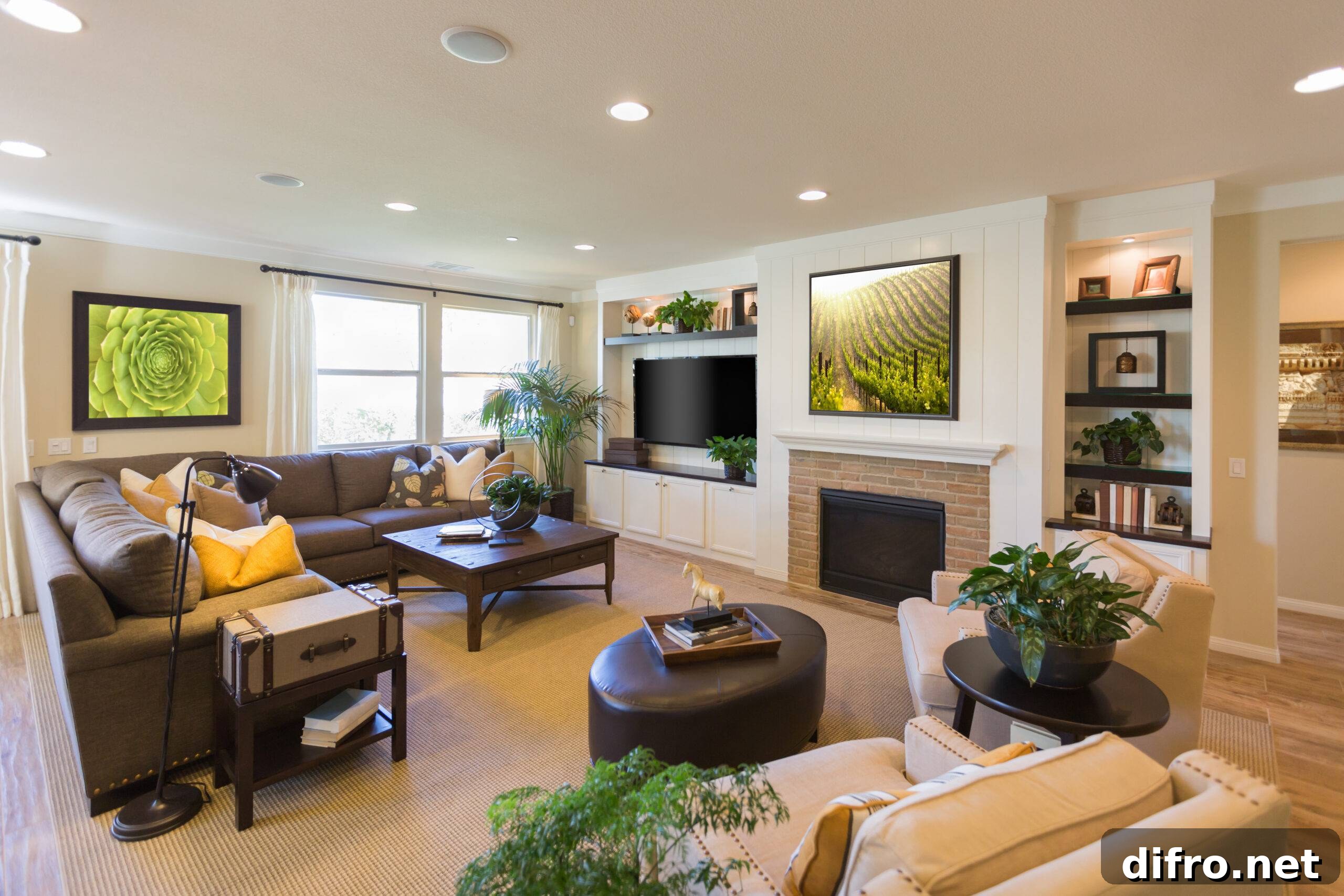
Light and Dwell, an interior design firm, recommends following a 50/50 rule: when outfitting a room, aim for roughly half of the pieces to be new and half to be used, secondhand, or vintage. The idea is straightforward but powerful—balance fresh, reliable items with characterful, pre-loved pieces.
The primary motivation behind this rule is sustainability. Sourcing a substantial portion of your decor secondhand helps reduce demand for new manufacturing and keeps items out of landfills by extending their useful lives. At the same time, buying some new pieces lets you select reliable textiles, foundational furniture, or items that require guaranteed dimensions and durability.
The Personal Benefit
Beyond its environmental advantages, the 50/50 approach is budget-friendly. Secondhand items are generally less expensive than brand-new pieces, so you can achieve a layered, high-end look without the high-end price tag. Hunting for secondhand furniture or vintage accents takes time and patience, but many find the search part of the fun: you’ll discover unique pieces that tell a story and give your space personality.
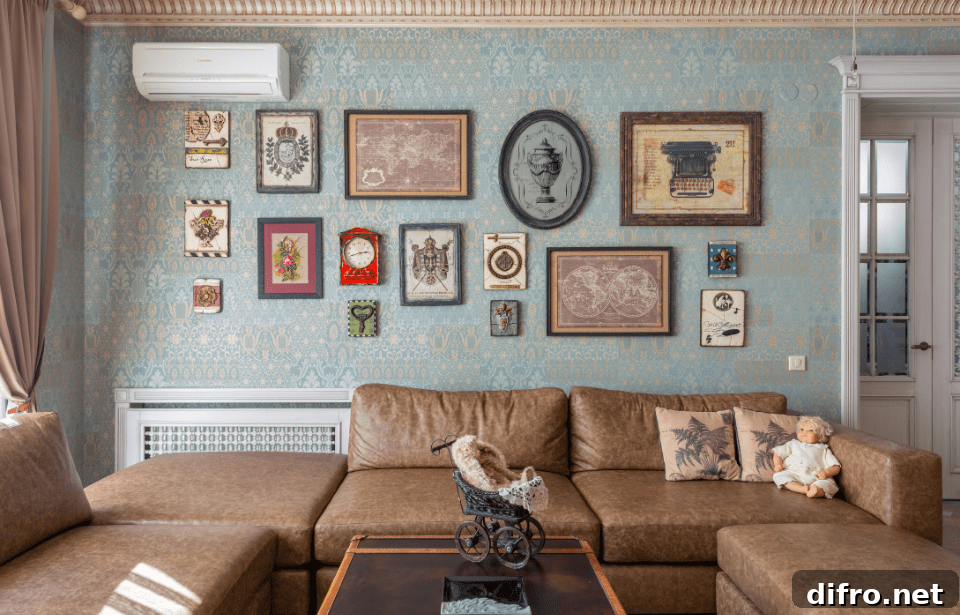
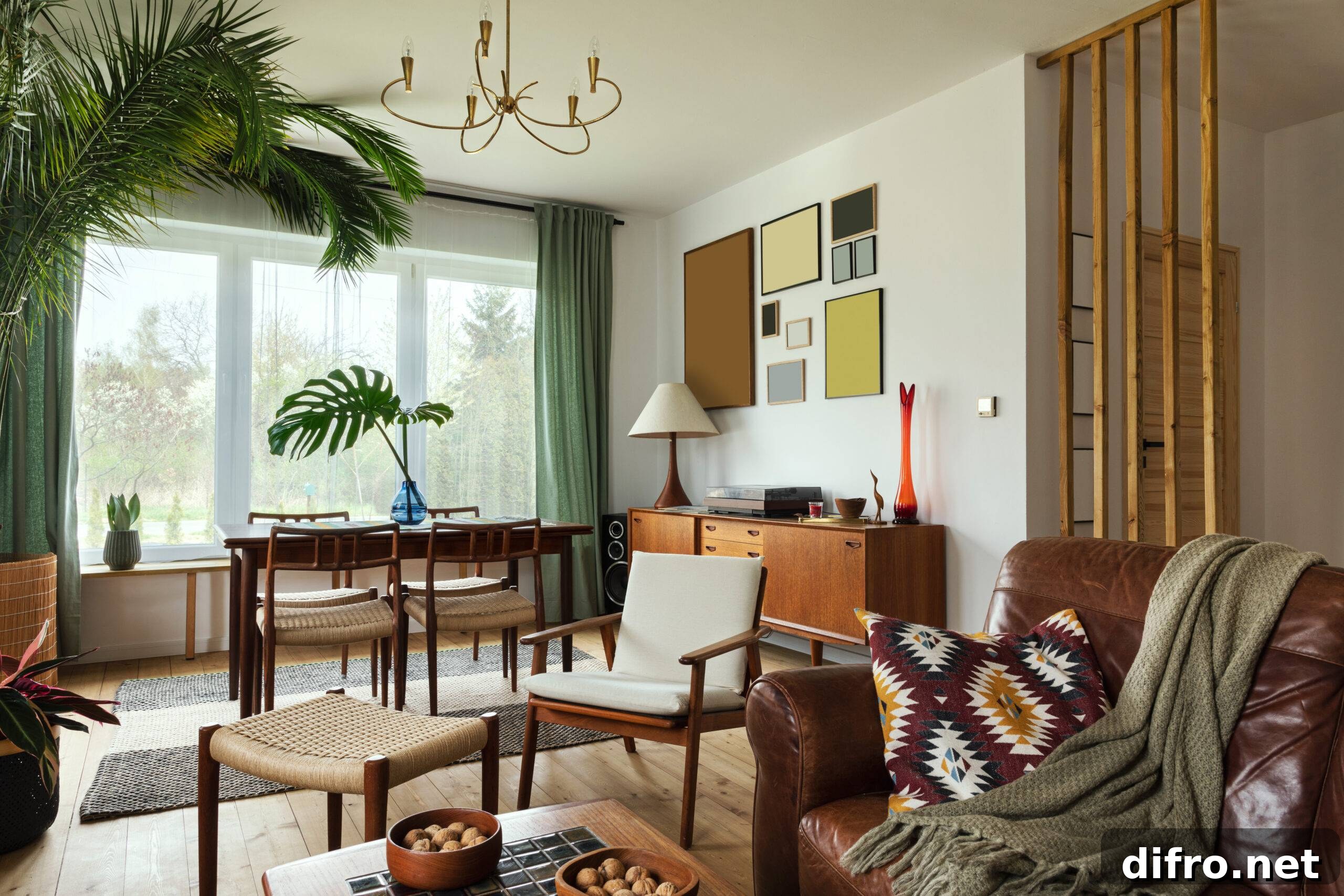
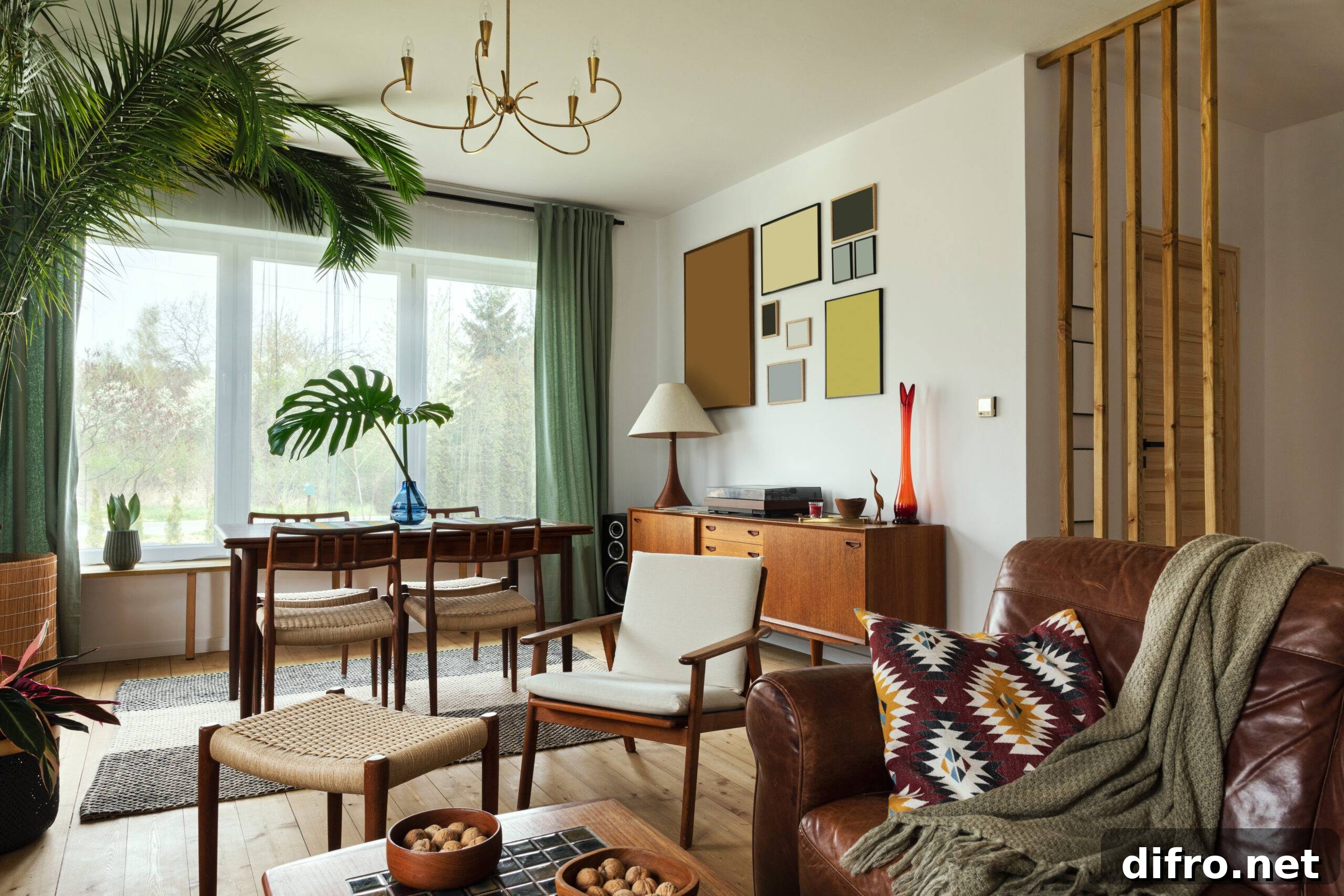
Vintage and well-made older pieces—particularly mid-century modern items—remain popular because of their timeless designs and adaptability. Mixing a few vintage finds with modern elements often yields a more interesting and resilient aesthetic than buying a roomful of matchy, mass-produced decor.
What to Buy New and What to Source Secondhand
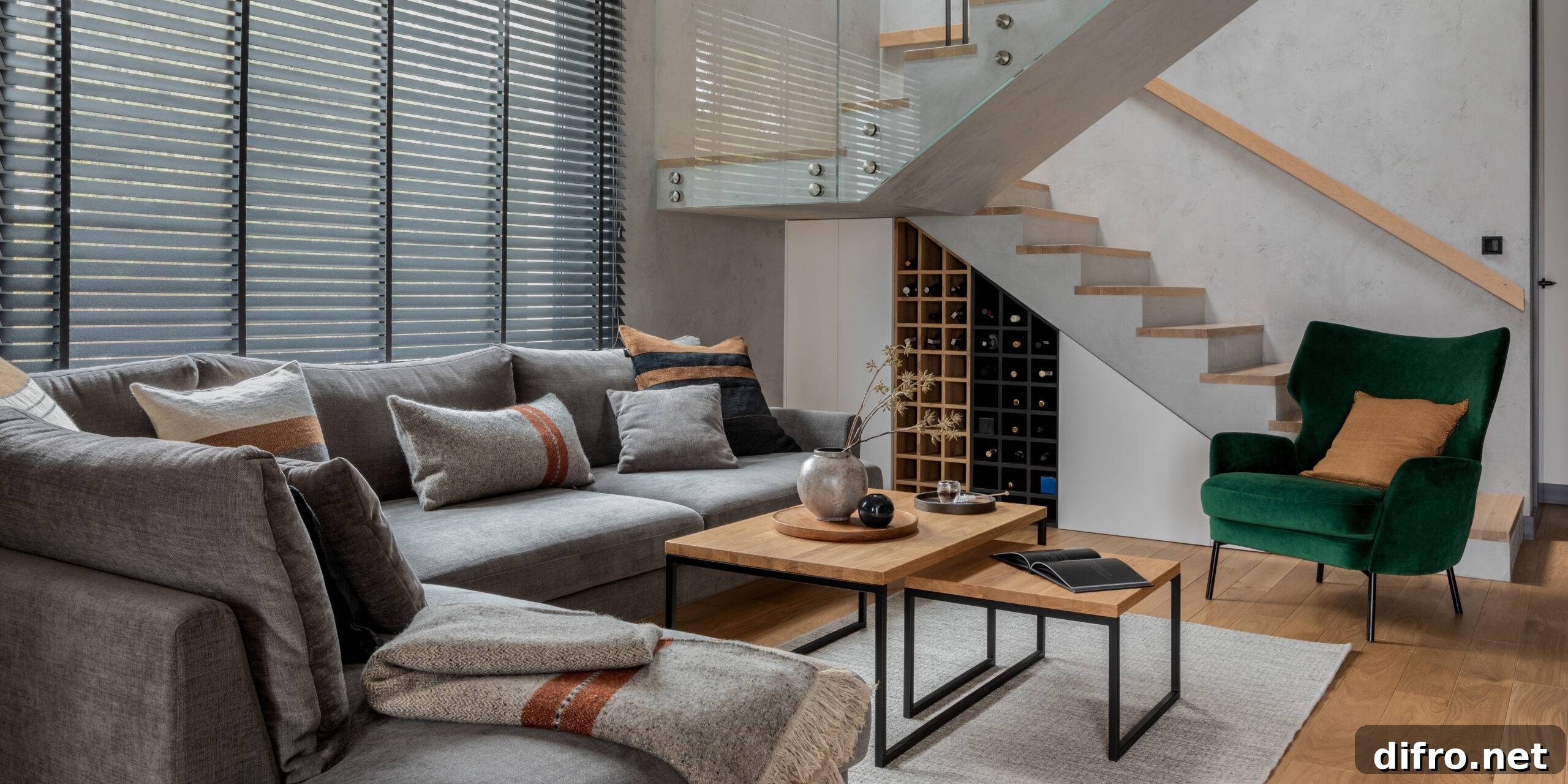
Molly Kidd, principal designer at Light and Dwell, recommends starting with the pieces you want to buy new. New purchases tend to serve as anchors or focal points for the room, so planning these first helps define scale, color, and function. Upholstery, rugs, and major textiles are often best when purchased new: they come in the exact colors and sizes you need, and new fabrics offer predictable wear and hygiene advantages.
Smaller furnishings and decorative items are ideal candidates for secondhand sourcing. Look for side tables, chairs, lamps, mirrors, artwork, and household items like dishware in thrift stores, consignment shops, estate sales, flea markets, or online marketplaces. Many of these finds only need a little cleaning, a new coat of paint, or fresh hardware to shine. Items that show wear can add warmth and authenticity—those imperfections often contribute character that brand-new items can’t replicate.
Practical tips: measure your space before you buy, inspect secondhand pieces for structural issues, be ready to do small repairs or upholstery work, and prioritize durability for high-use items. If you prefer a neutral base, invest your new purchases there and layer in vintage pieces to add texture and interest.
Ultimately, how you choose to split the 50/50 balance is personal. You can start by purchasing the major, functional pieces new and then hunt for secondhand accents, or you can find a remarkable vintage sofa and build around it with new textiles. Either way, following this rule gives you a thoughtful, sustainable framework that makes decorating less daunting and more rewarding. Enjoy the process—and the treasure hunts that come with building a room that feels uniquely yours.