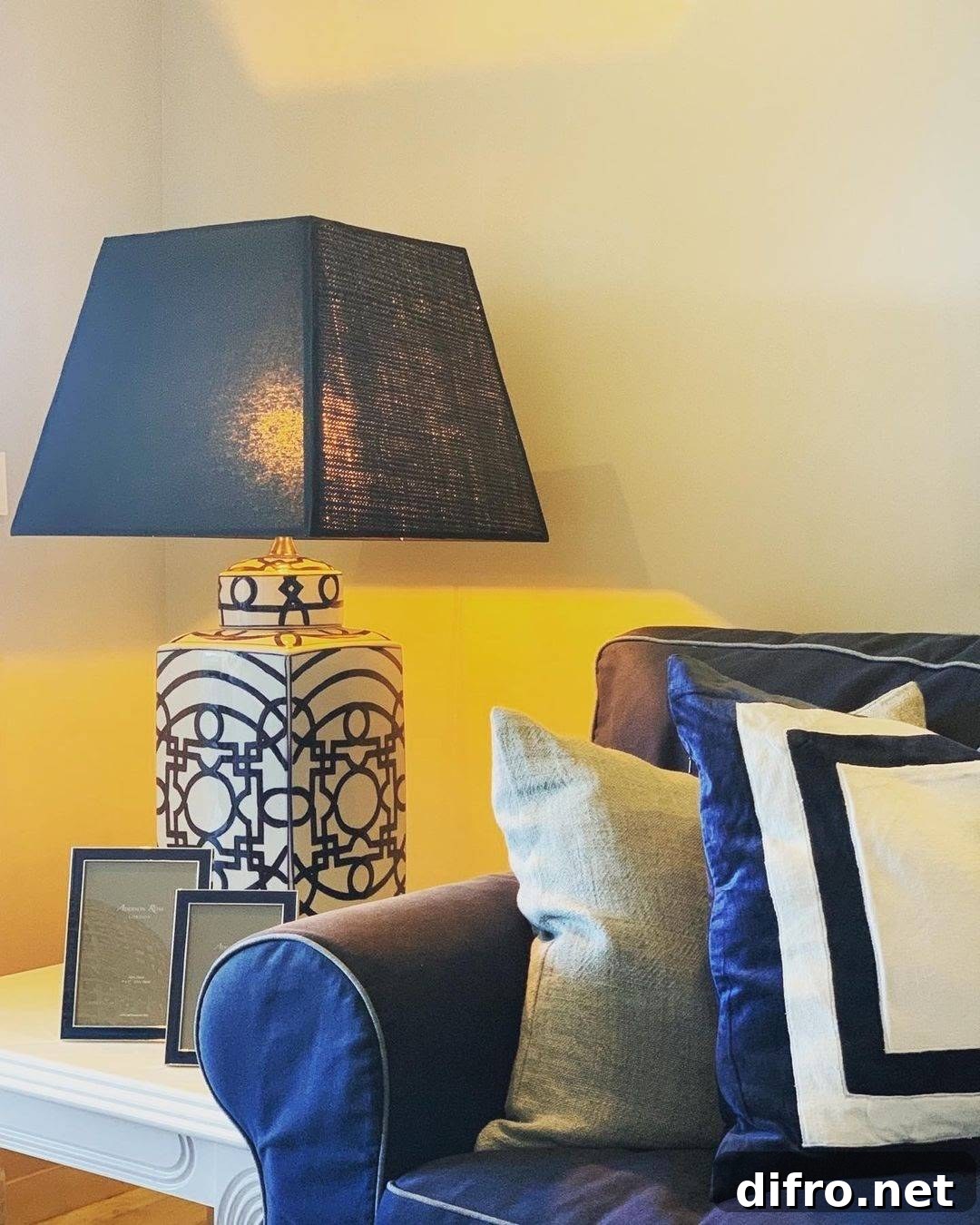
You have picked the paint, chosen the rug, arranged the furniture — but one finishing touch is still missing: the lampshade. The right shade not only completes a room’s look but also shapes light, mood and functionality. These practical tips will help you choose a lampshade that’s safe, stylish and perfectly suited to each space in your home.
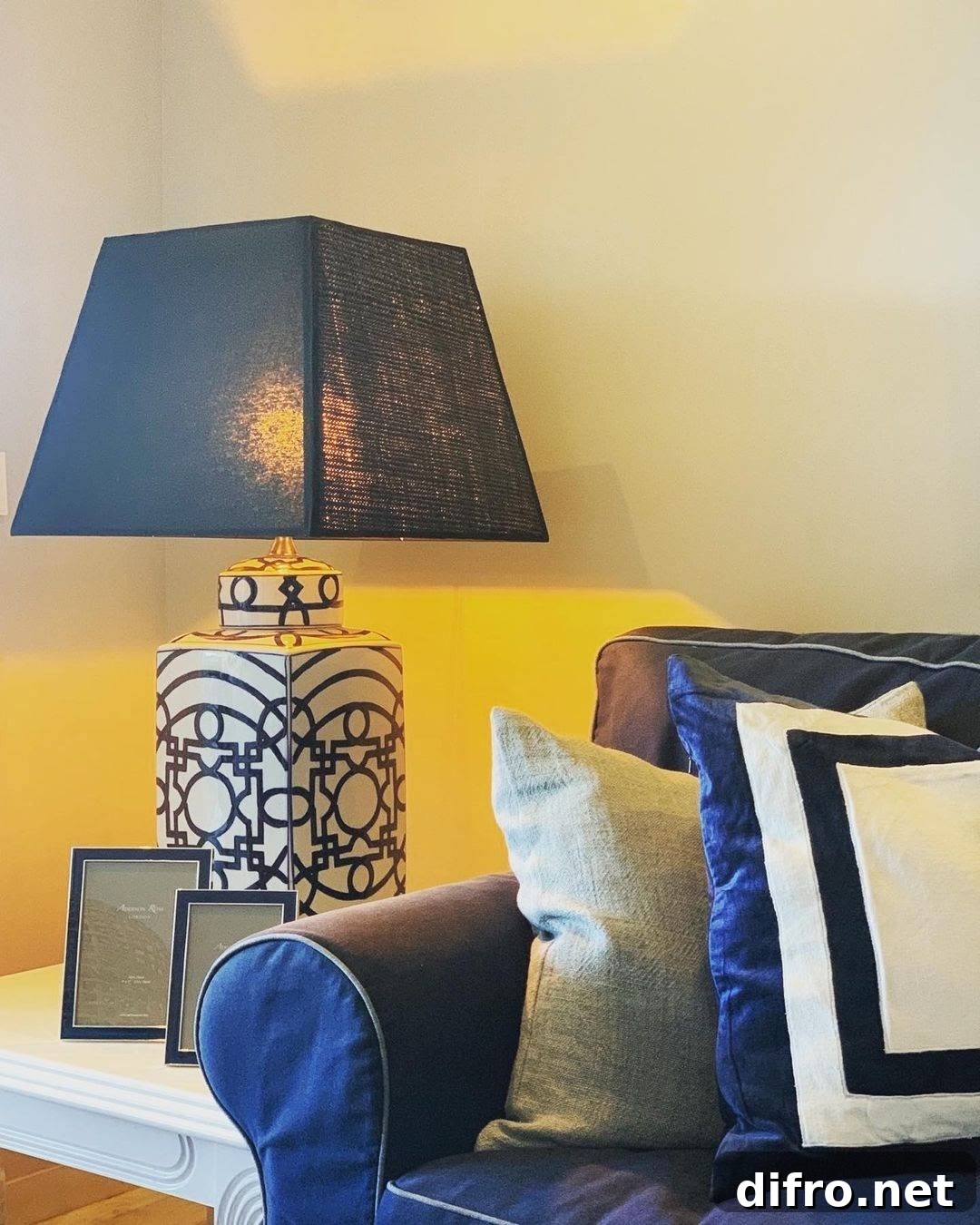
Lighting is one of the most influential elements in interior design. A lampshade controls the direction and quality of light, reduces glare, and becomes a decorative detail in its own right. Follow these guidelines to find the right shade for any room, from cozy bedrooms to utility spaces.
1. Prioritize safety
Safety is the first consideration when selecting a lampshade. Lamps and bulbs generate heat, so the shade needs to sit a safe distance from the bulb. Check the lamp’s fitting and make sure the shade does not come into direct contact with the bulb. If needed, use a fitter that raises the shade away from the bulb to improve ventilation and reduce heat buildup.
Also choose bulbs appropriate for the fixture’s maximum wattage. Modern LEDs produce far less heat than incandescent bulbs and can be a safer choice for many shades, especially fabric or paper styles. Always follow the manufacturer’s guidelines for bulb type and wattage.
2. Complement your room colors
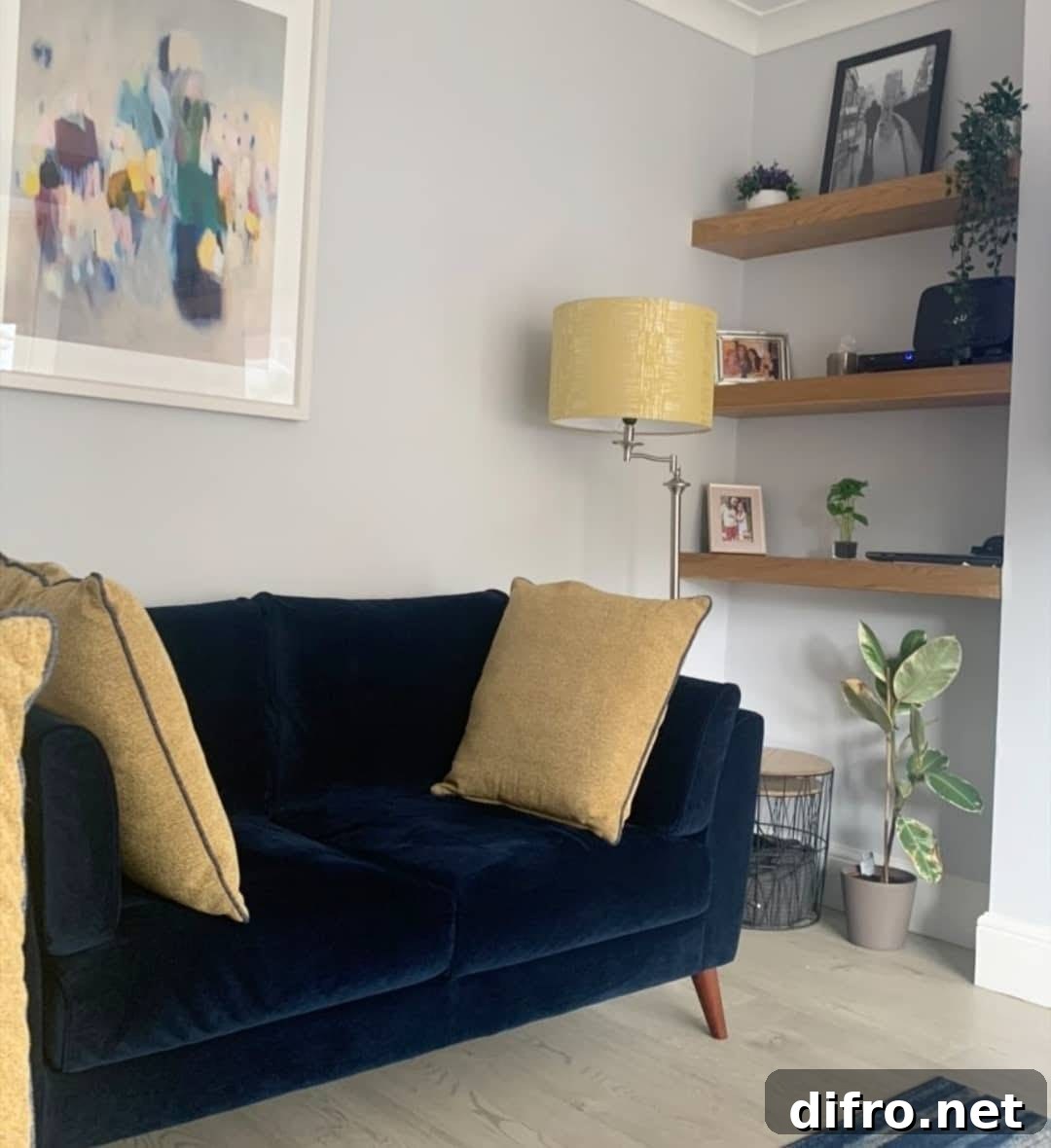
Consider the room’s palette when choosing a shade. In calm, neutral spaces a bold or saturated shade can provide a welcome accent and visual focal point. Conversely, in rooms with busy patterns or strong color schemes, a neutral or subtly textured shade will blend in and maintain balance.
Think about how the shade’s color and material affect the light. A white or translucent shade will produce brighter, more diffused light, while a darker lining or colored fabric can create warmer, moodier illumination.

3. Match the shade to the base
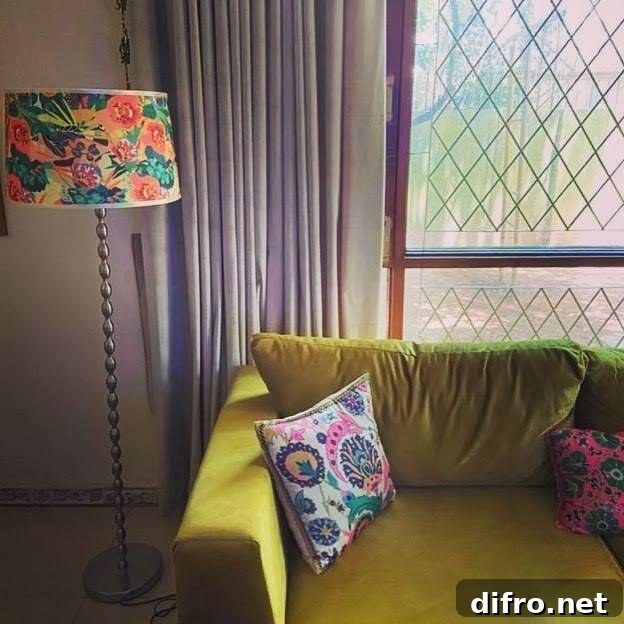
Proportion is key. A tall, slender base pairs best with a narrower shade, while a low or wide base benefits from a broader, more substantial shade. The overall silhouette should feel balanced: the shade’s width is often roughly two-thirds the height of the lamp, though personal taste and style can shift that proportion.
The shade should be low enough to hide the lamp’s socket and switch, but not so low that operating the lamp requires reaching under the shade. Test the fit in person when possible.
4. Fit the scale to the space
The lampshade should integrate with the room without competing for attention unless you intend it to be a statement piece. Consider the lamp’s placement: a bedside lamp with limited tabletop space needs a smaller profile so it doesn’t feel cramped or get knocked over. By contrast, a floor lamp beside a reading chair can carry a larger, wider shade.
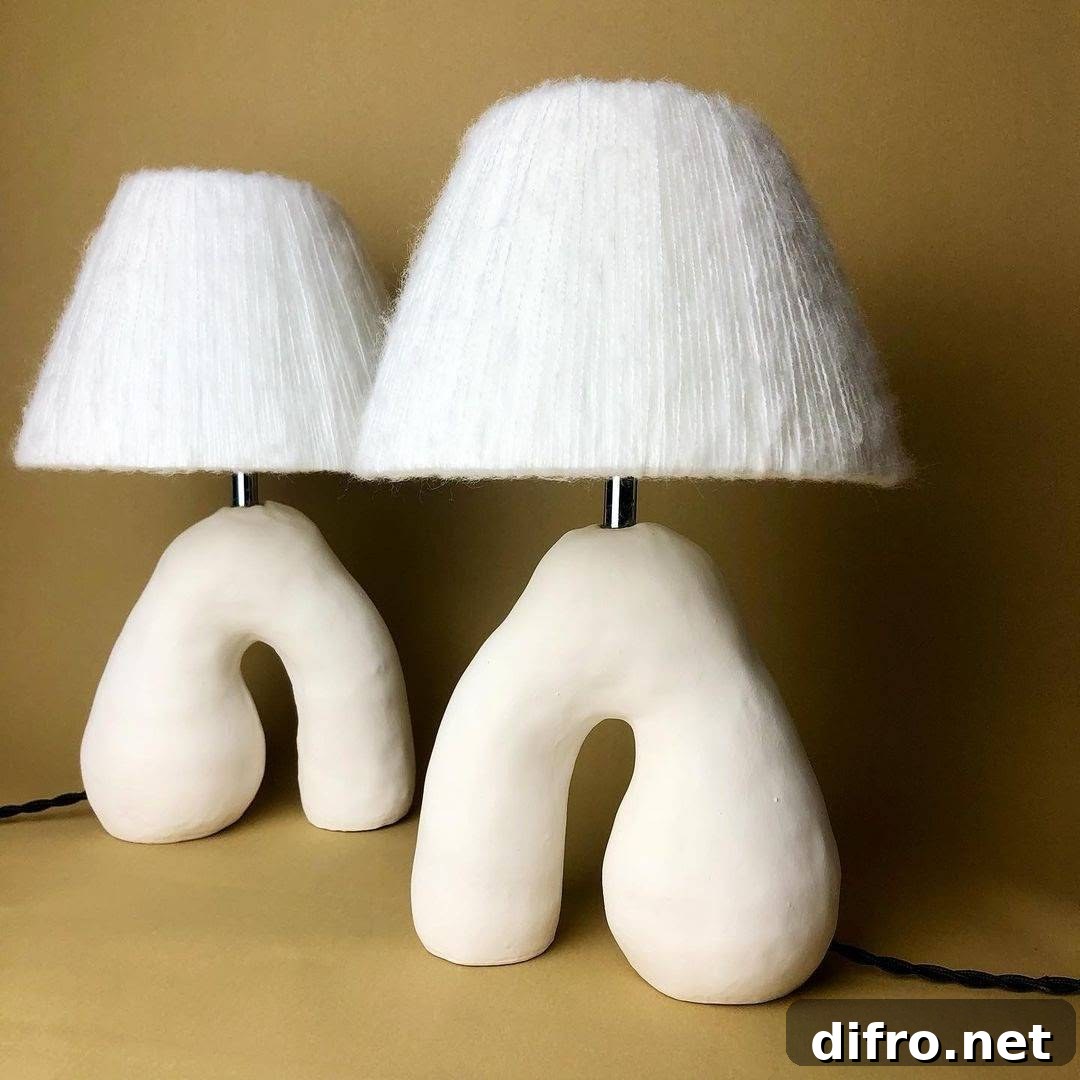
5. Use lampshades throughout the home

Lamps aren’t limited to living rooms and bedrooms. Small lamps add warmth and safety in hallways, laundry rooms and basements; pendant drum shades can create a dramatic focal point over a freestanding bathtub; and a compact lamp on a countertop or landing can serve as a gentle night light. Choosing the right shade can transform even ordinary spaces into thoughtful, well-lit corners.
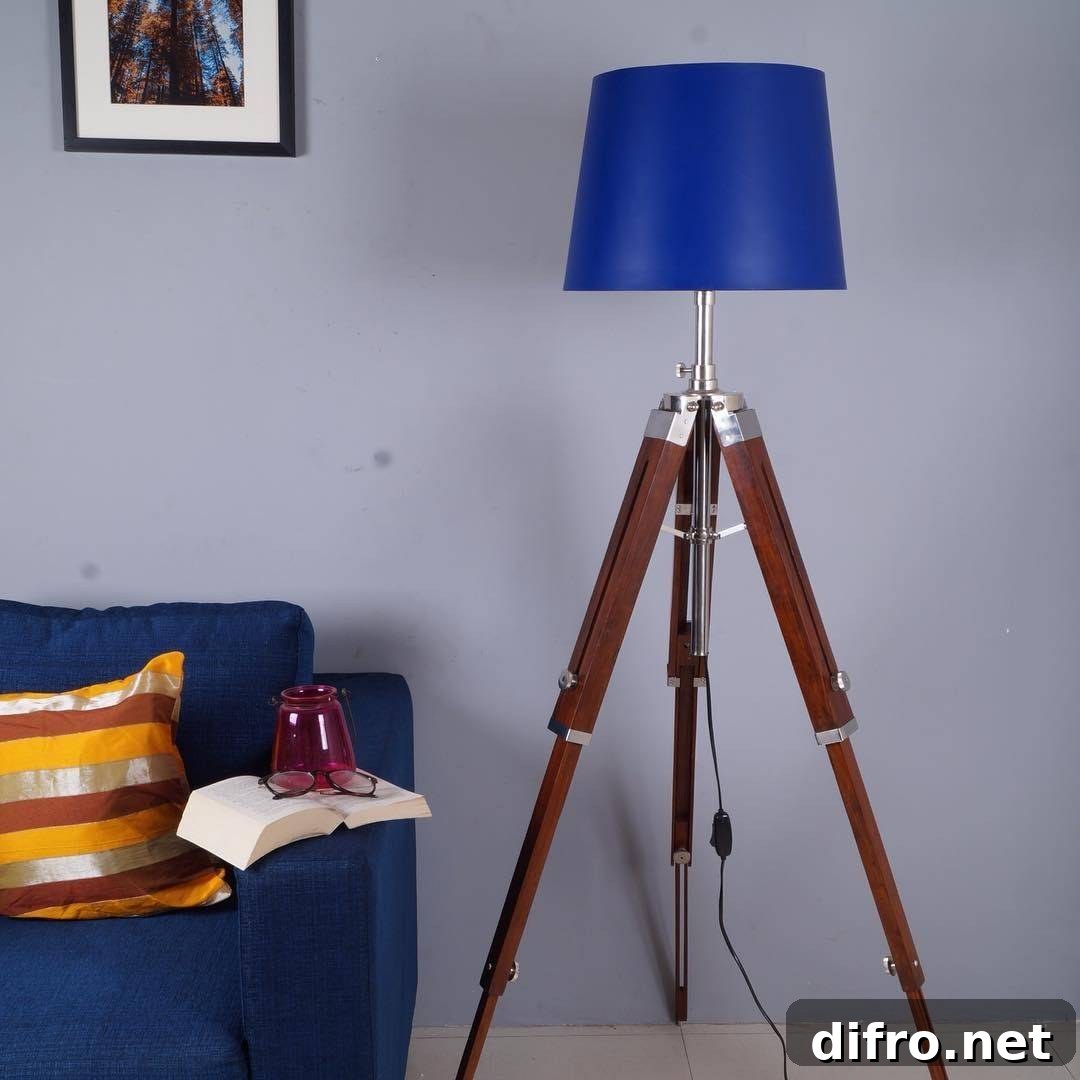
6. Be creative with style and texture
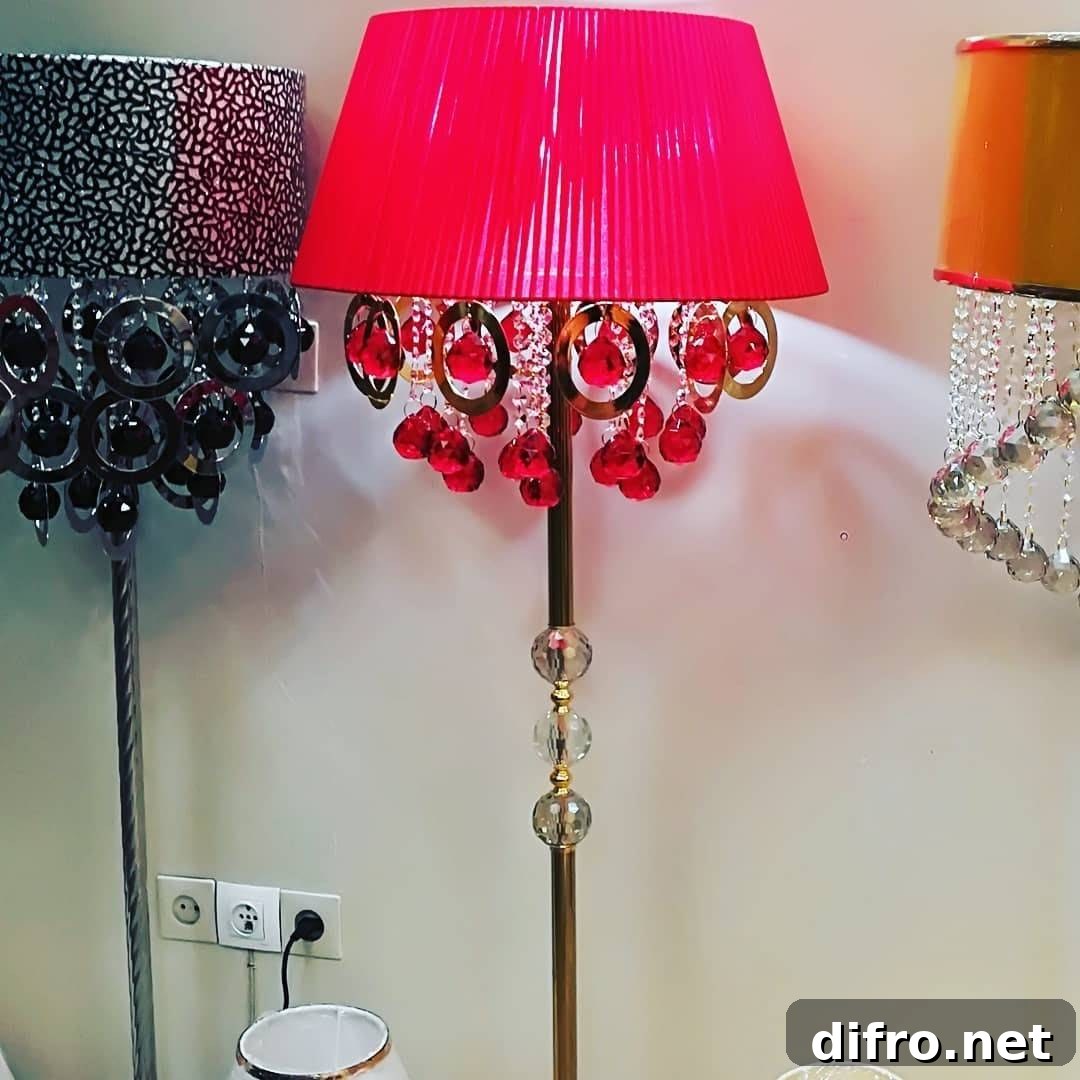
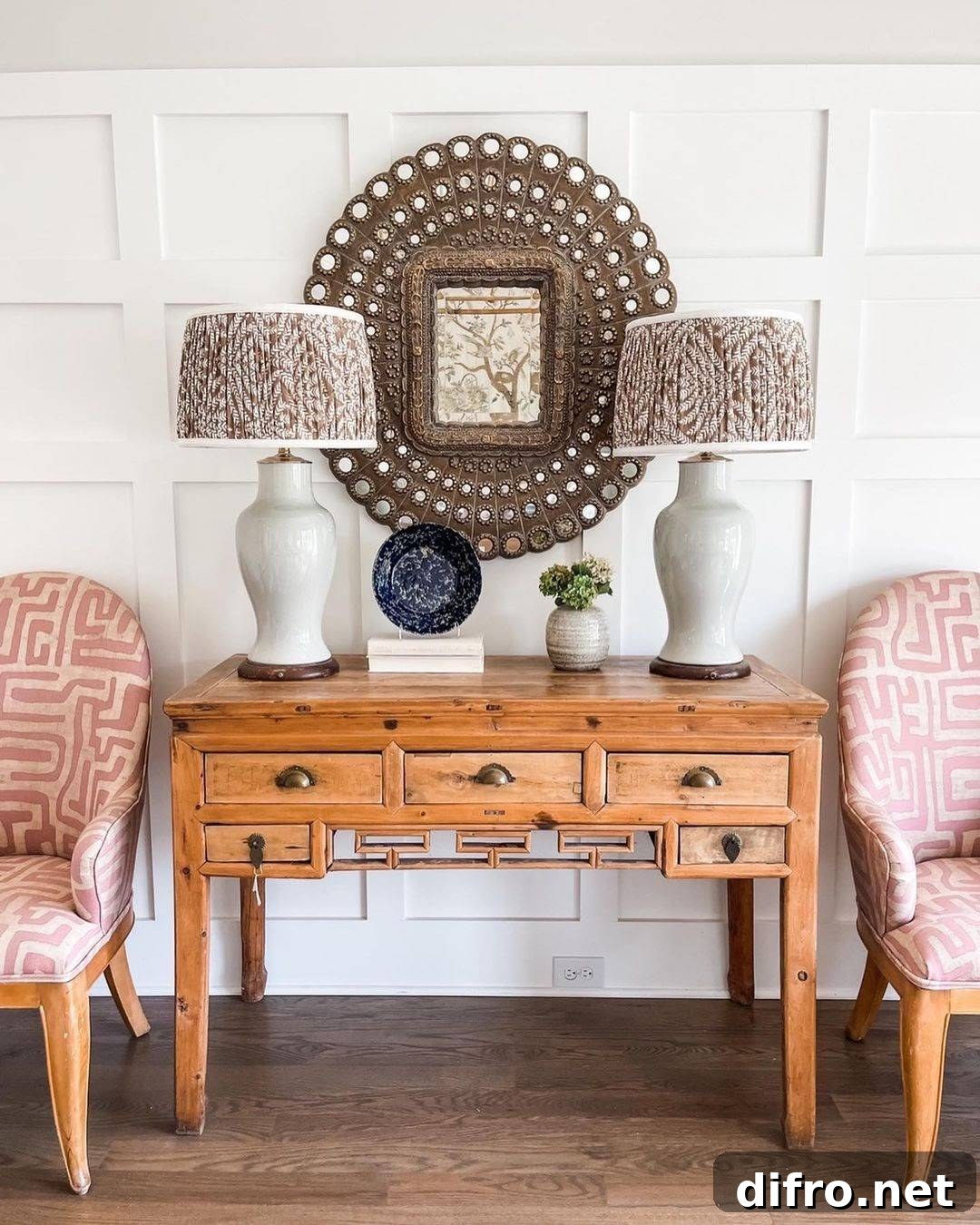
Shades don’t have to match perfectly across a room. Mixing complementary textures, sizes and finishes can feel curated rather than contrived. Try pairing a woven linen shade with a metallic base, a patterned shade with a simple lamp, or different shapes that repeat a color or material elsewhere in the room. The goal is cohesion, not uniformity.

Choosing the perfect lampshade is a balance of safety, scale, color and style. A carefully selected shade improves how a room looks and how it feels — brightening tasks, softening corners and adding personality. Take time to test proportions and consider how the material affects light, and you’ll find a shade that both works and delights.