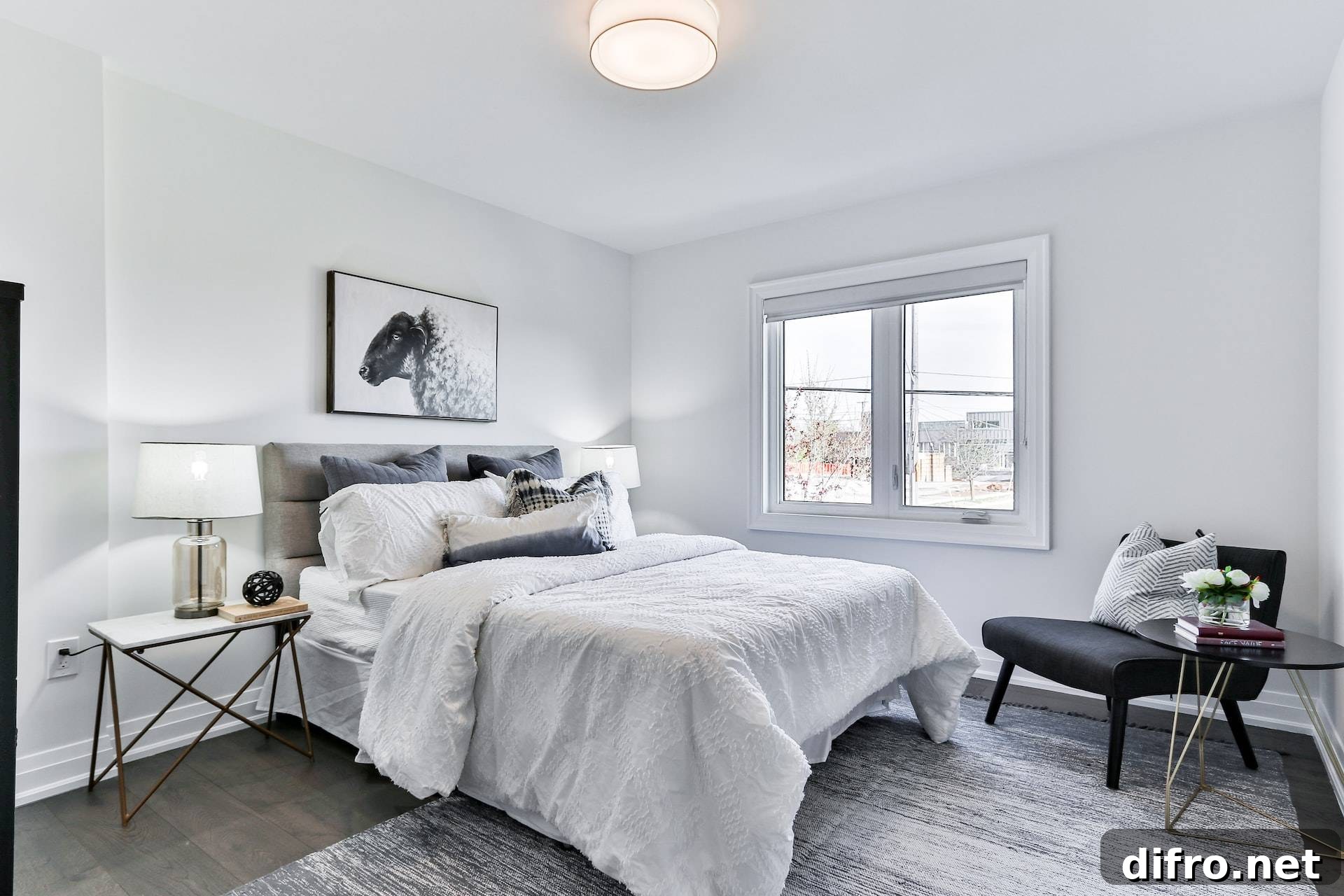
Renovating your home lets you tailor the space to your lifestyle, but if you plan to sell in the future, thoughtful choices matter. The right improvements can make your property more attractive to buyers and maximize your return on investment. Overly custom features or luxury upgrades that don’t match neighborhood expectations can reduce appeal, so focus on renovations that broaden buyer interest and deliver measurable value.
Below are practical renovation projects that typically perform well on the market, along with considerations to help you prioritize work, manage costs, and avoid common pitfalls.
Increase square footage
Adding livable square footage is one of the most effective ways to boost a home’s marketability. Extra space can accommodate a growing family, create a guest or in-law suite, or be leased for income. Common, high-impact options include finishing a basement, converting a garage into living space, or building an addition to expand a kitchen or bedroom.
When planning an expansion, check zoning rules and required permits, and keep design consistent with the rest of the house and neighborhood. Practical, well-lit spaces with flexible layouts tend to appeal to the widest group of buyers. Avoid overly personalized finishes; instead choose neutral materials and durable surfaces that prospective buyers can easily imagine as their own.
Bathroom remodel
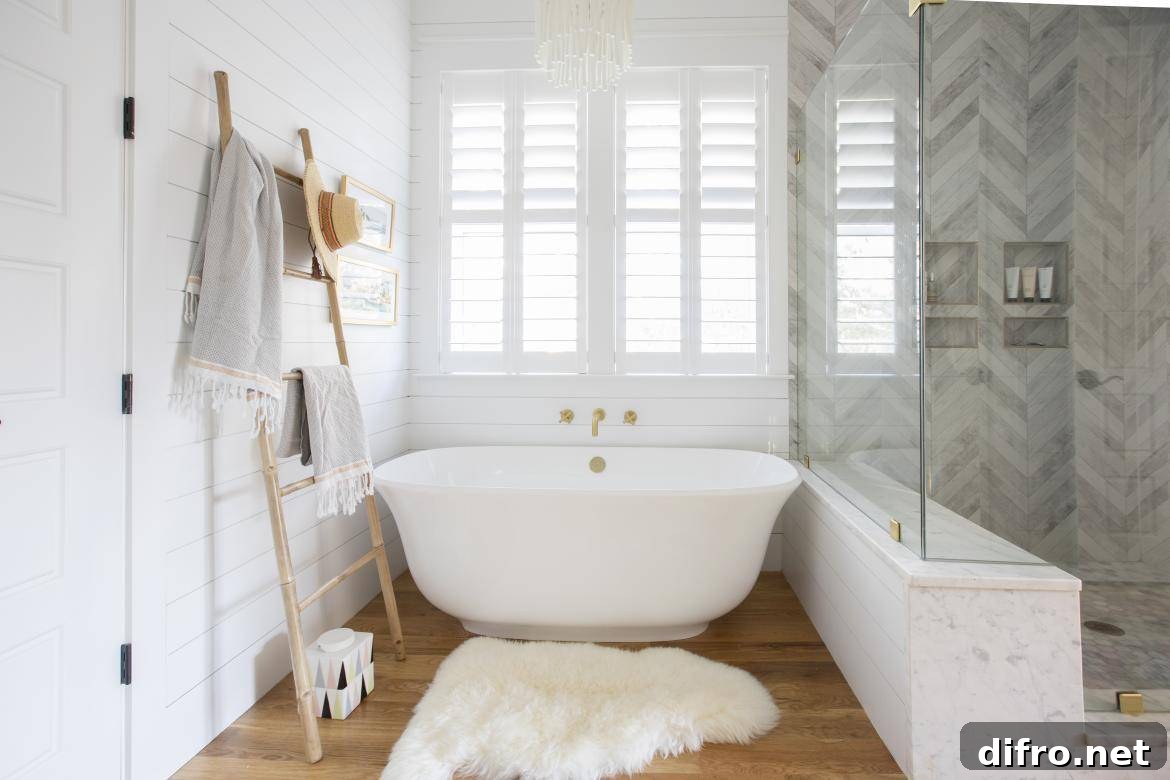
Bathrooms are a major selling point, and even modest updates can offer strong returns. Small-scale bathroom projects—like fresh paint, upgraded fixtures, new hardware, or modern lighting—are affordable and often yield an average ROI around 102% for minor remodels. Replacing worn tile or refinishing a vanity can refresh the space without a full gut renovation.
If budget allows, a full bathroom overhaul can also be worthwhile. When renovating, prioritize good lighting, ventilation, efficient fixtures, and easy-to-clean surfaces. Neutral colors and timeless tile choices help future buyers picture the space as their own, while adding storage and improving layout can make the room feel noticeably more functional.
Additional bathroom
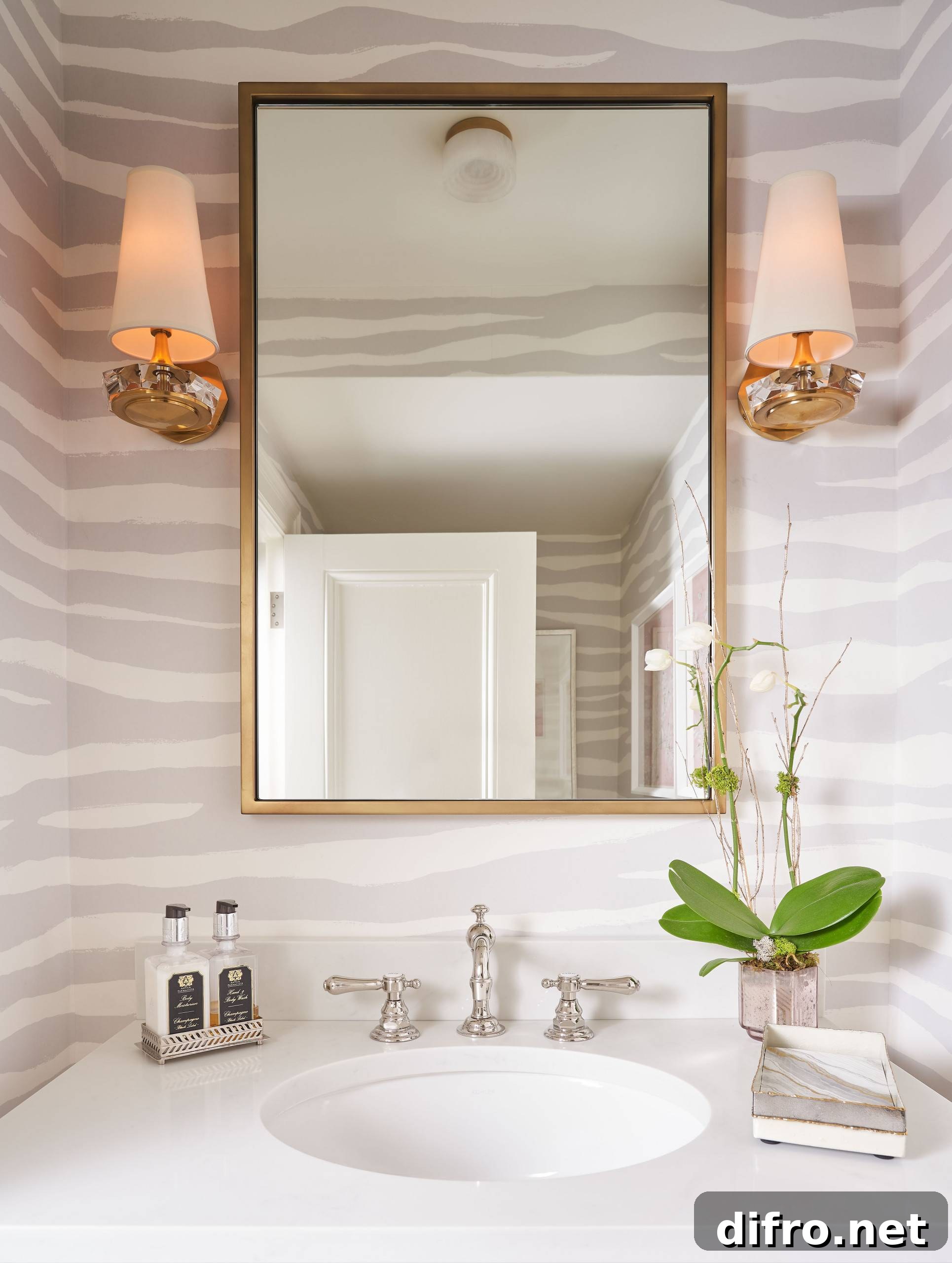
Adding a second bathroom is an improvement that strongly appeals to buyers, even in smaller homes. A guest bathroom or a full second bath removes morning-time bottlenecks for families and increases functionality. When space or budget is limited, consider installing a powder room (half bath) with a sink and toilet—this small convenience can make a big difference in showings and appraisals.
Kitchen remodel
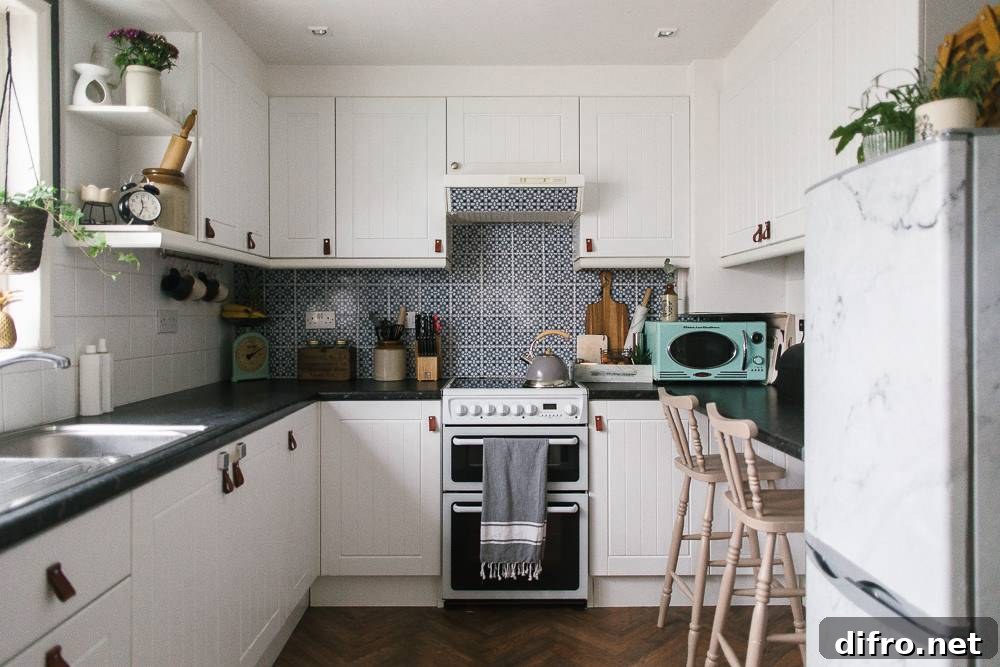
The kitchen is often the heart of the home and one of the first spaces buyers inspect. An updated, functional kitchen typically recoups a significant portion of the investment—commonly cited around 52% or more—when planned with resale in mind. Focus on layout, storage, and durable, attractive surfaces rather than high-end customizations that might not appeal to everyone.
Consider neutral cabinetry, long-lasting countertops, energy-efficient appliances, and bright, layered lighting. Small upgrades such as modern cabinet hardware, a new backsplash, or under-cabinet lighting can modernize the space at a modest cost. If you add luxury items, choose options that have broad appeal—like a practical island, a double sink, or built-in storage—rather than unique custom features that limit buyer interest.
Outdoor living space
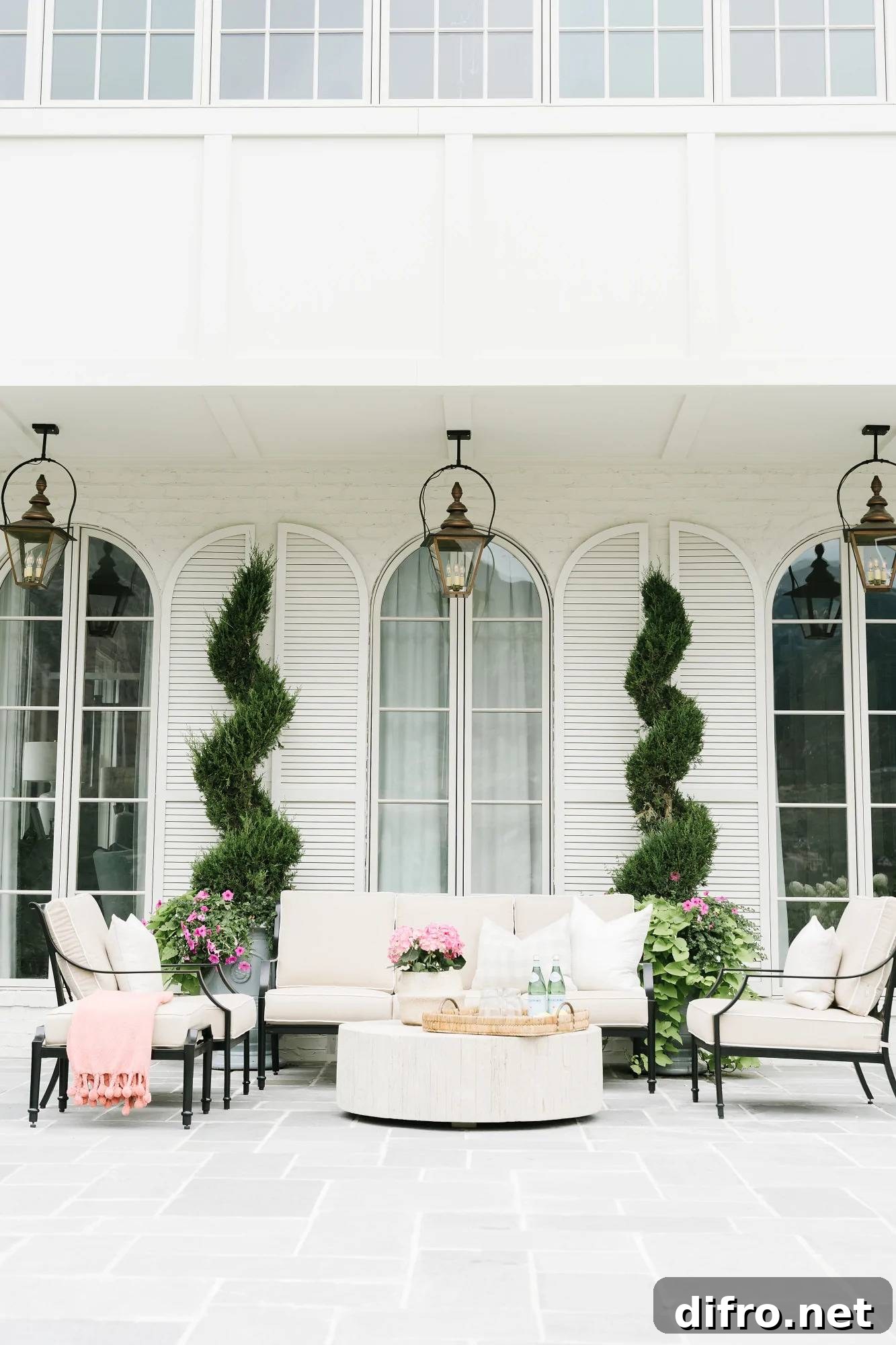
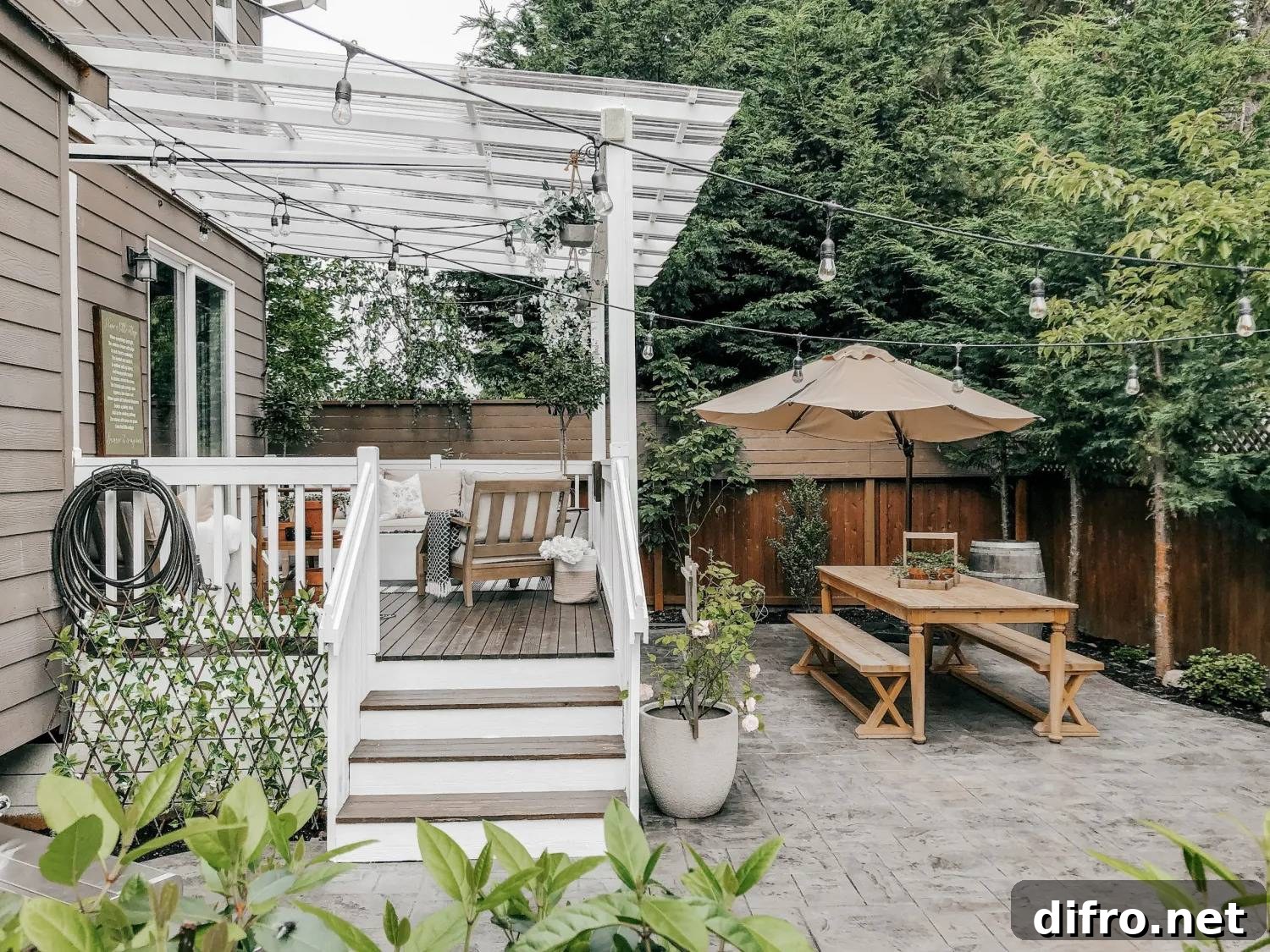
Outdoor living areas expand usable square footage and are increasingly important for buyers seeking entertaining space and relaxation. A tidy porch, a well-laid patio, a shaded pergola, or a multi-level deck can transform a backyard into an inviting extension of the home. Landscaping, functional seating areas, and durable flooring materials create a low-maintenance outdoor environment that makes a strong first impression.
When improving outdoor spaces, prioritize durability and year-round usability. Adding shade, lighting, and weather-resistant finishes will appeal to a wider audience and improve the property’s overall presentation.
Entry door
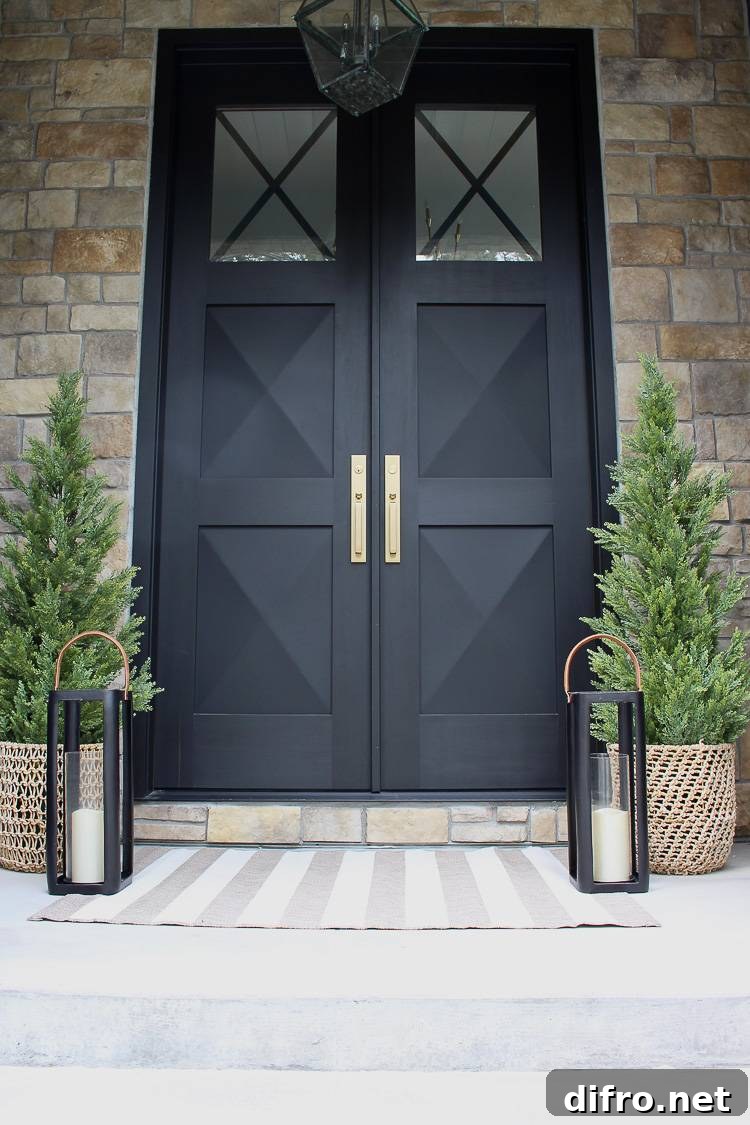
Curb appeal sets the tone for a buyer’s first impression. A fresh, attractive front door often provides strong value—an updated entry can yield an ROI around 90%—and conveys care and attention to the entire property. Consider replacing a worn door with a durable, well-insulated model or simply repainting and upgrading hardware for an immediate boost.
Final tips: match improvements to neighborhood standards, avoid over-personalizing finishes, and prioritize repairs and maintenance before cosmetic upgrades. Consult a local real estate agent to understand buyer preferences in your market and get cost estimates from reputable contractors. Thoughtful updates that improve function, curb appeal, and general condition will help your home sell faster and for a better price.