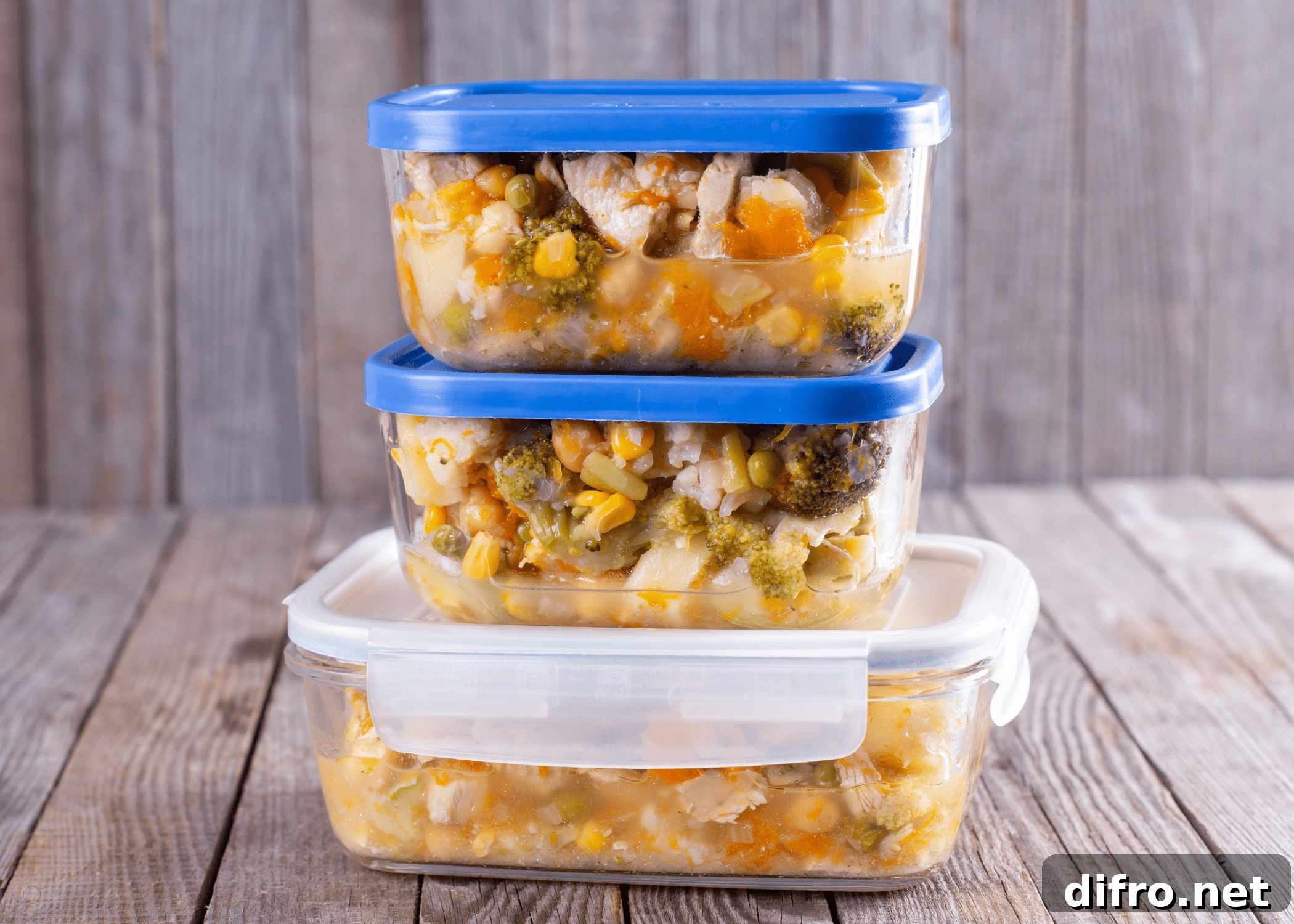
Choosing the right food storage containers has a big impact on how long your food stays fresh, how safe it is, and how organized your kitchen becomes. Whether you’re preparing meals for the week, preserving leftovers, or organizing pantry staples, selecting the best food storage containers will help you save time, reduce waste, and maintain flavor and quality.
This guide reviews the top container types—glass and plastic—along with airtight, stackable, freezer-safe, and specialty options. Read on to learn the advantages and drawbacks of each, and get practical tips for picking containers that match your cooking and storage habits.
Glass vs. Plastic: Which Is Better?
One of the most common choices is between glass and plastic containers. Glass is non-reactive, resists stains and odors, and is typically microwave-, oven- (without lids), and dishwasher-safe. Its clarity makes it easy to identify contents, and it doesn’t leach chemicals, which is why many people prefer glass for long-term storage.
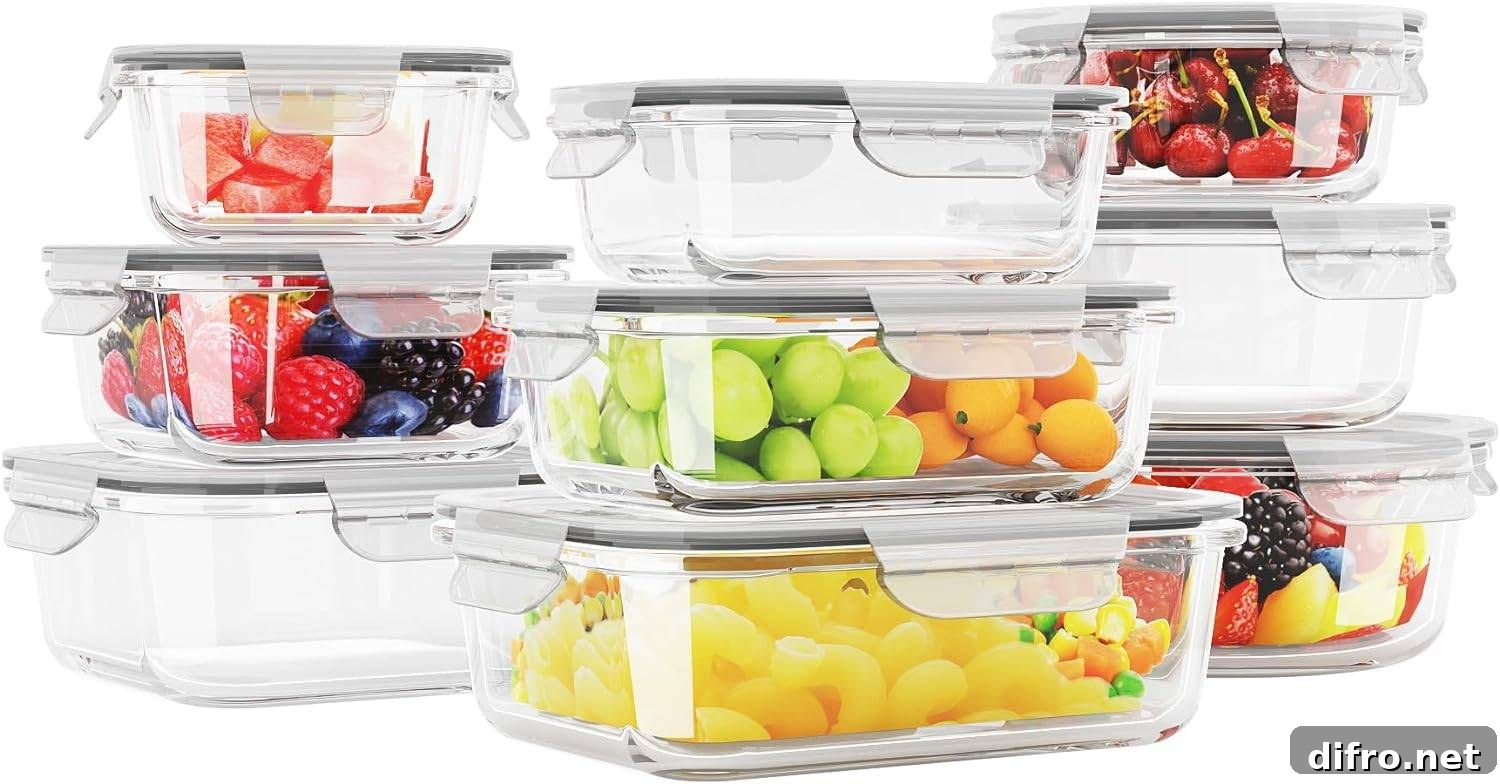
Plastic containers are lighter, inexpensive, and less likely to break when dropped. Many modern plastics are BPA-free and suitable for everyday use. However, plastic can retain strong odors, stain from pigmented foods, and some types are not microwave-safe. Your choice should depend on what you store, how you use containers, and whether durability or weight matters more.
Benefits of Airtight Containers
Airtight containers form a secure seal that prevents air and moisture from reaching food. This reduces oxidation, slows spoilage, and helps preserve flavor and texture. Airtight storage is especially useful for dry goods like flour, sugar, beans, and cereals, as well as for leftovers and sauces. A reliable seal also prevents leaks during transport, making these containers ideal for packed lunches and picnics.
Best Containers for Meal Prep
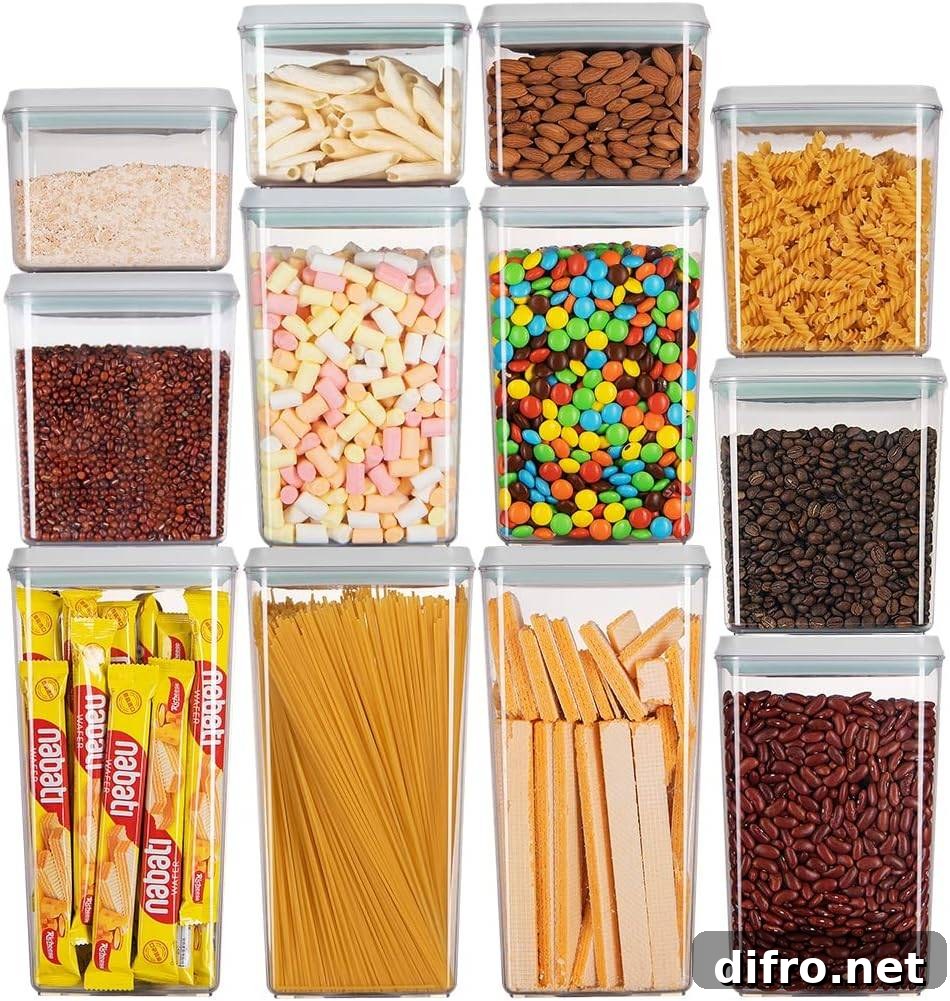
For meal prep, choose containers that are durable, stackable, and easy to clean. Microwave- and dishwasher-safe materials make reheating and cleanup effortless. Containers with compartments are helpful for keeping proteins, grains, and vegetables separate until mealtime, preserving texture and flavor. Look for a range of sizes so meals can be portioned accurately for lunches or dinner prep.
Stackable Containers for Space Efficiency
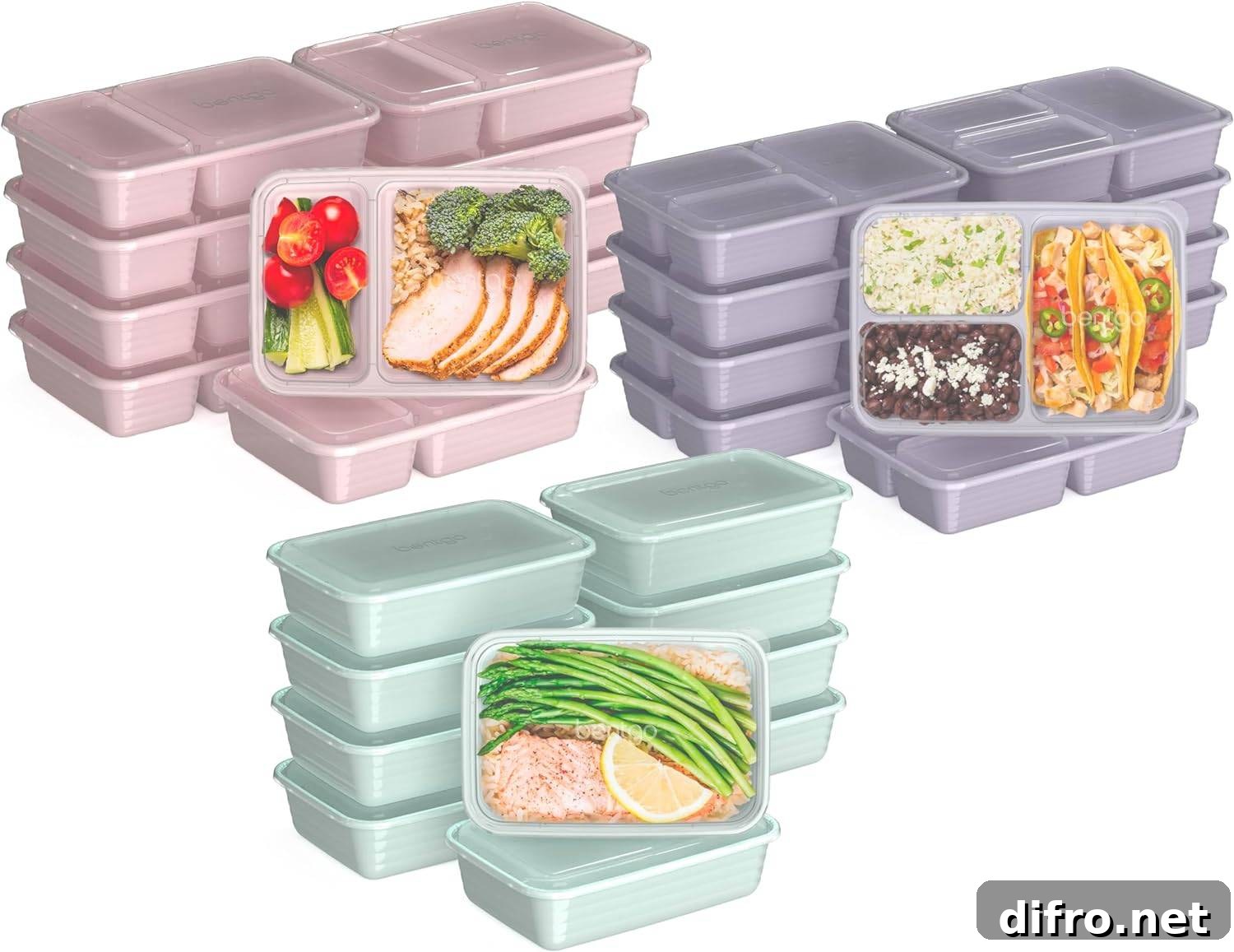
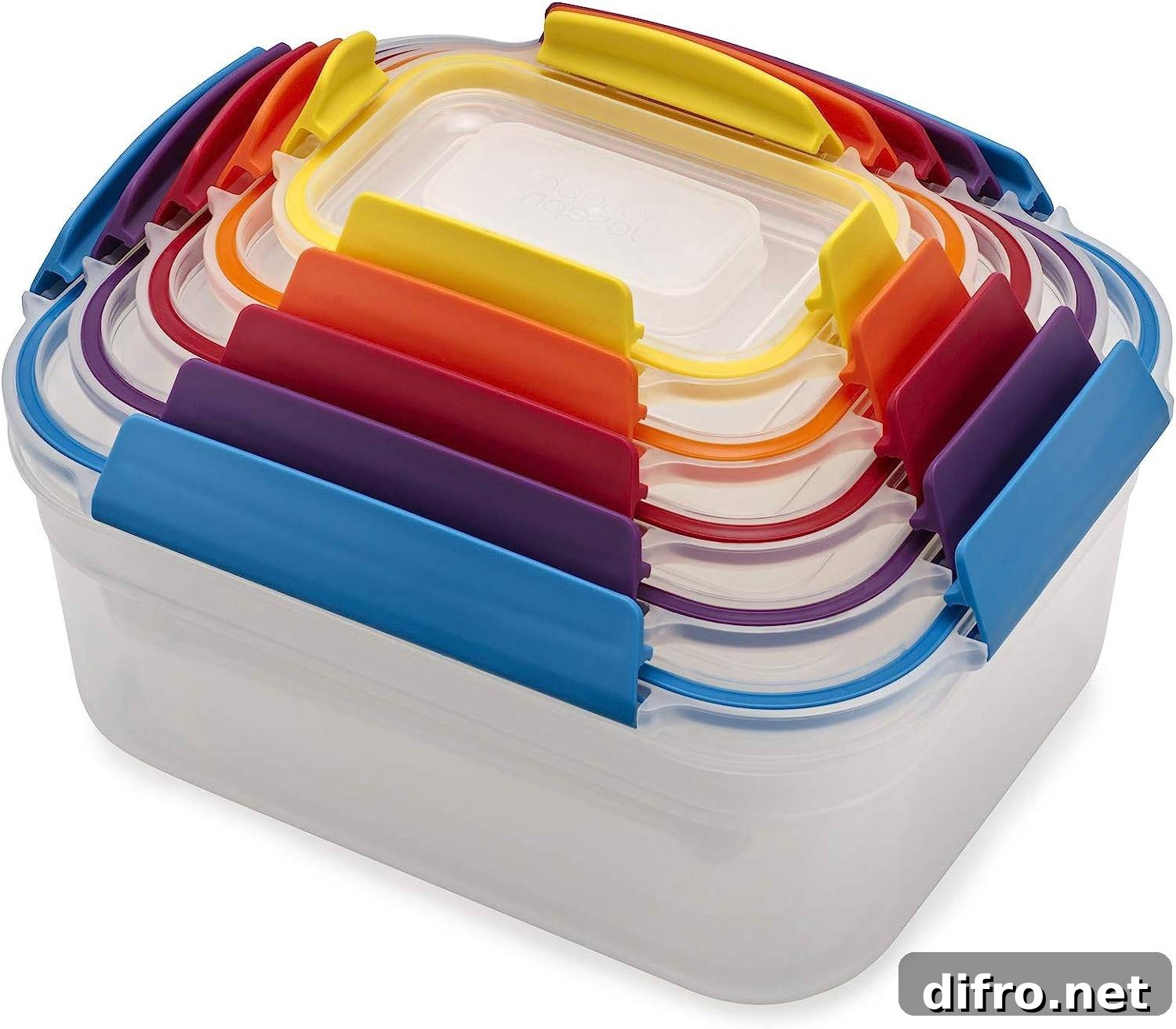
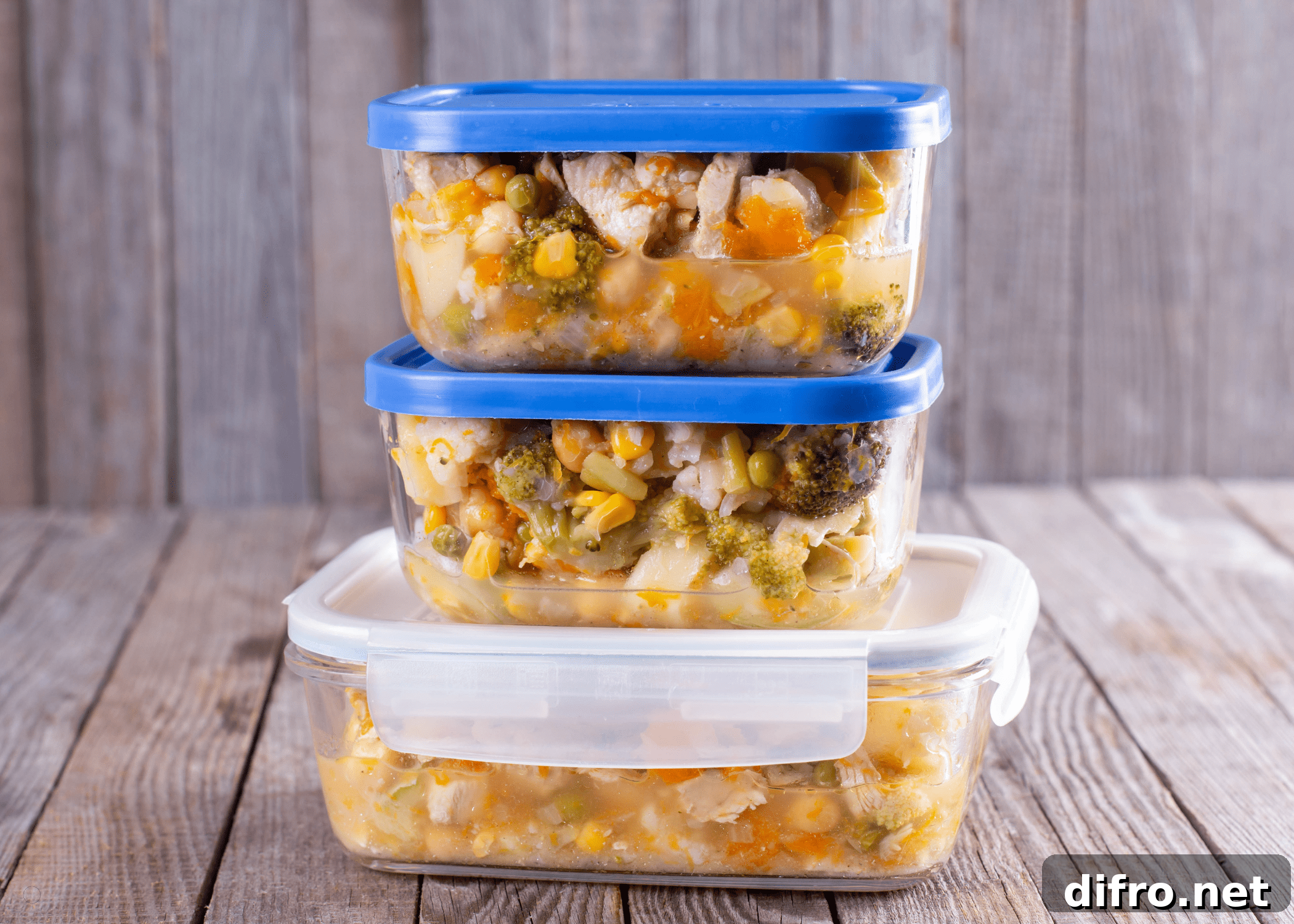
Stackable containers are essential for maximizing limited pantry or refrigerator space. Uniform shapes and sizes stack neatly and often nest inside one another when empty, saving cabinet space. Choosing containers with flat, secure lids helps create stable stacks and makes it easier to organize food by type or date.
Glass Storage Containers: Pros and Cons
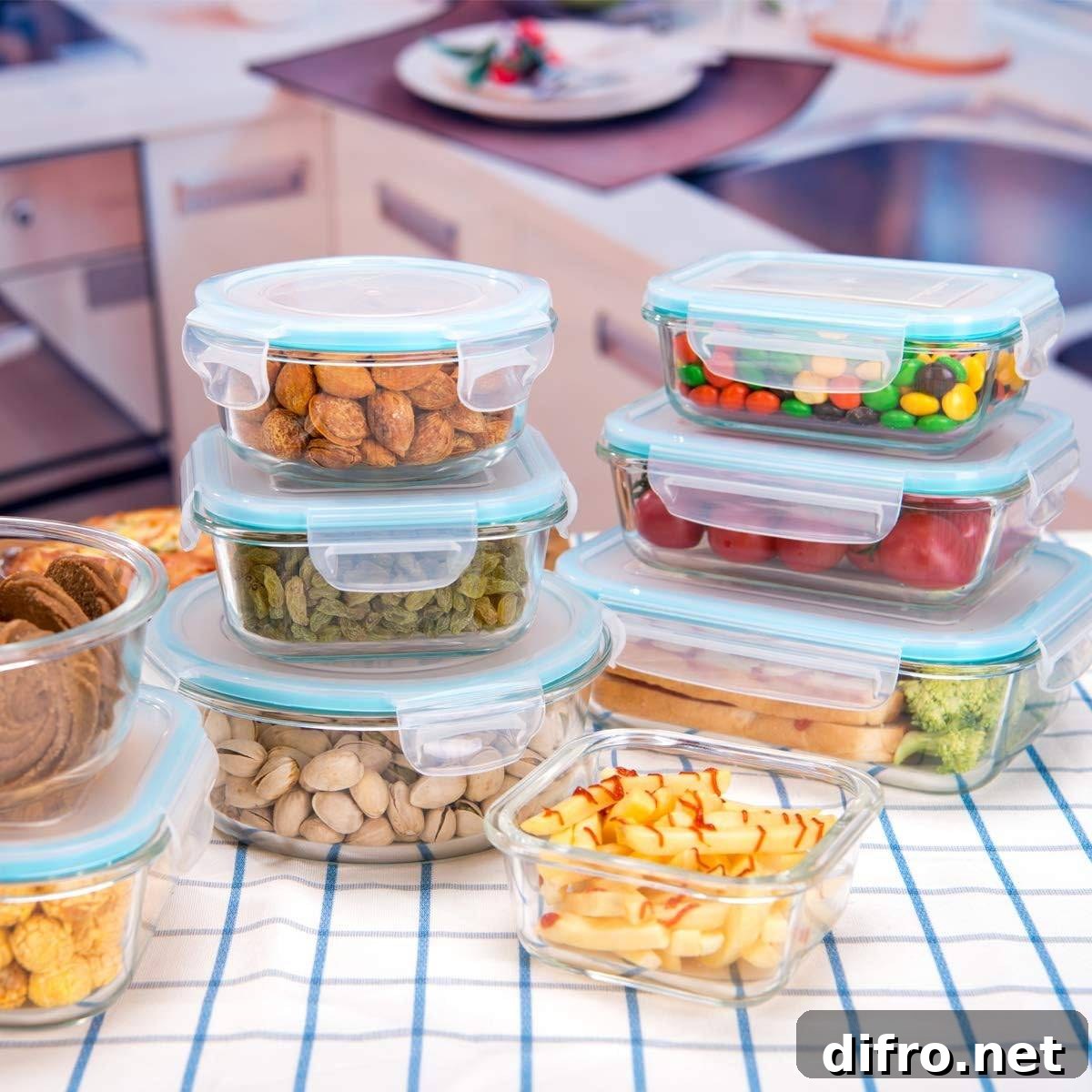
Glass containers are prized for being chemical-free, durable, and resistant to stains and odors. They’re ideal for reheating in the microwave or warming in the oven (without lids) and are easy to sanitize. The main drawbacks are weight and fragility—glass will break if dropped. Also, glass heats up quickly in the microwave, so handle it carefully when reheating hot foods.
Plastic Storage Containers: Pros and Cons
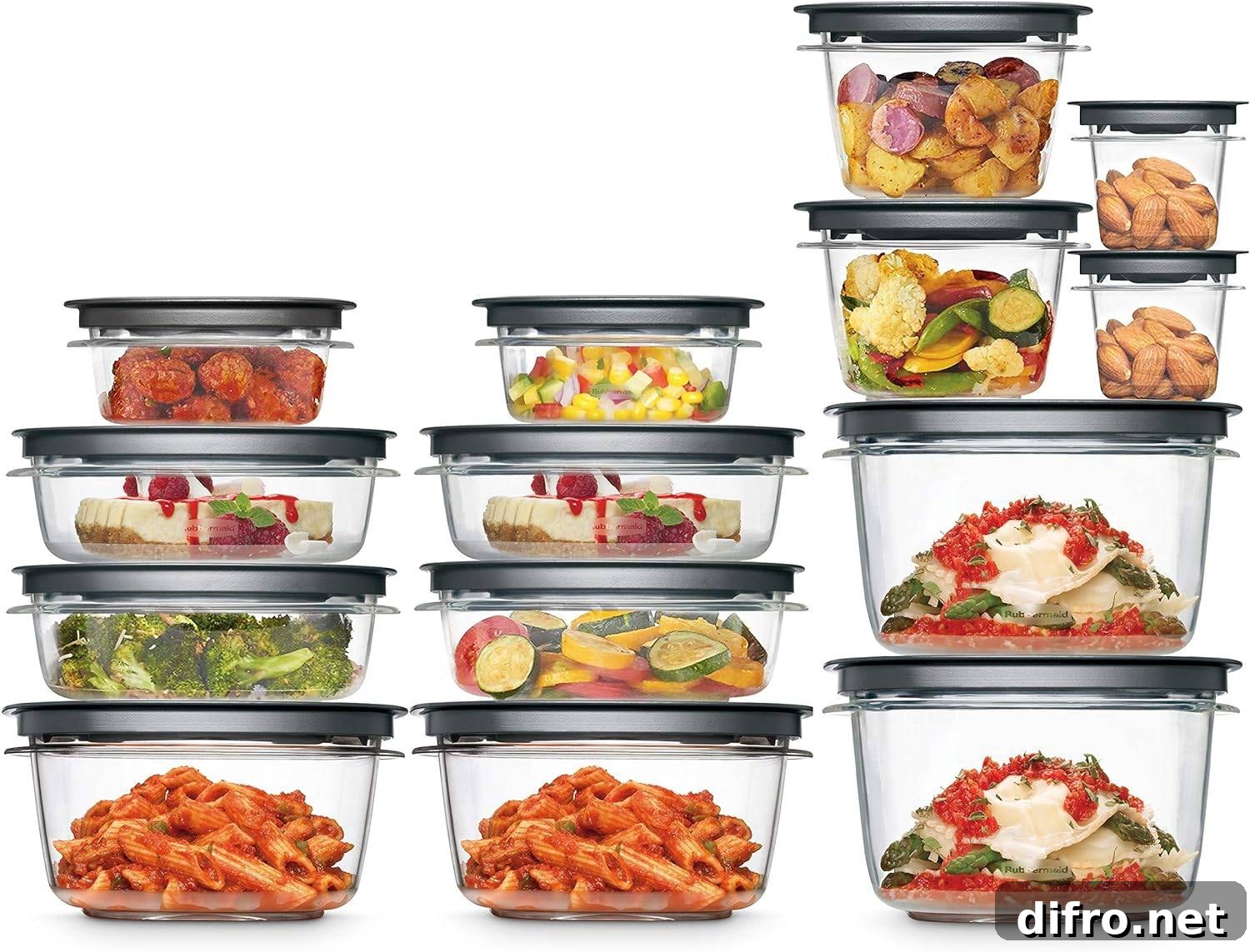
Plastic containers are affordable, lightweight, and available in many shapes and sizes. They’re great for on-the-go meals, transporting food, or using in situations where breakage is a concern. Choose BPA-free plastics and check manufacturer labels for microwave and freezer safety. Keep in mind that plastic can stain and retain odors, particularly with oily or spicy foods.
Specialty Containers for Specific Needs
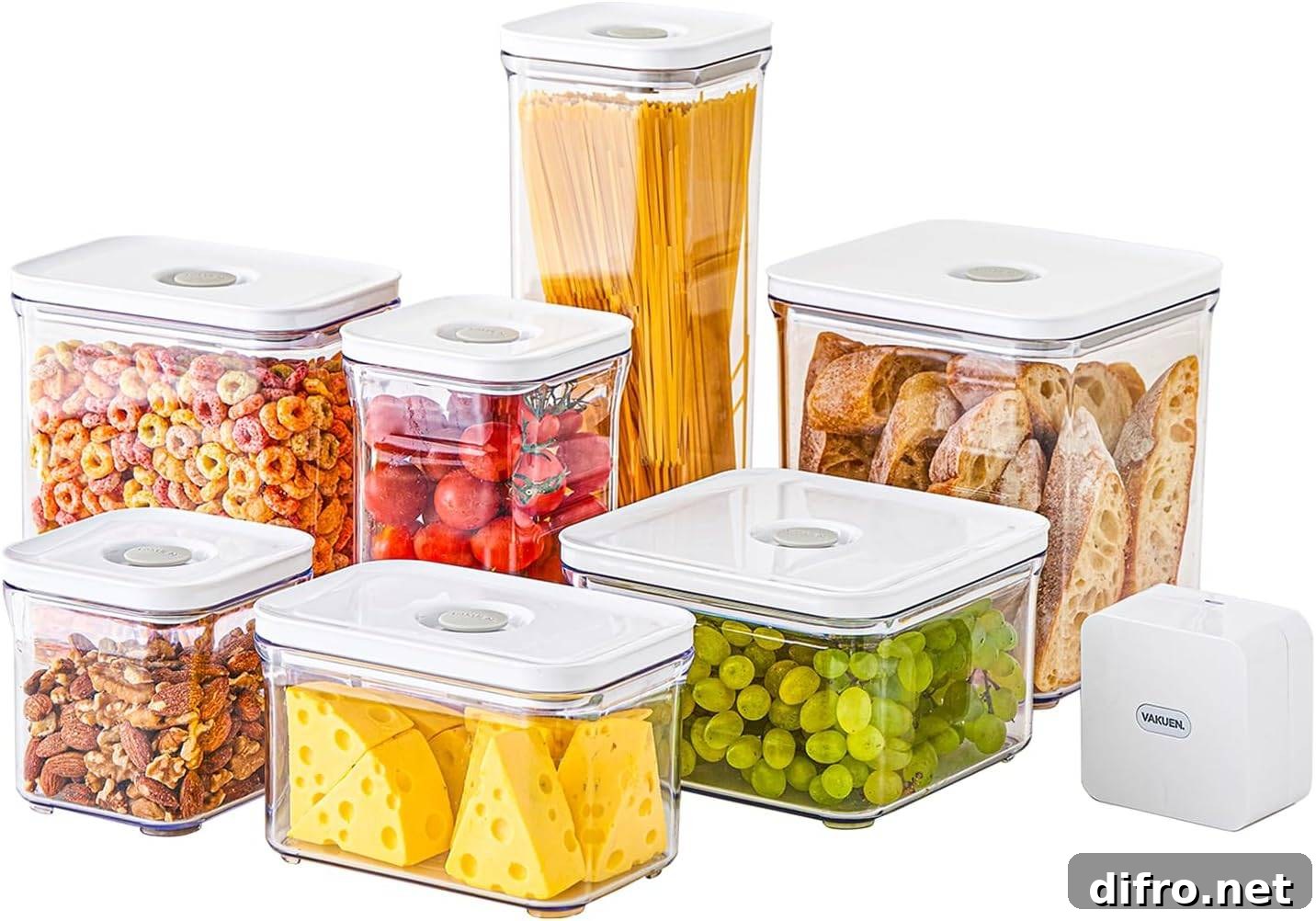
Specialty containers solve particular storage challenges. Vacuum-sealed containers remove air to slow oxidation, extending shelf life for leftovers and prepared meals. Freezer-safe containers are designed to resist cracking at low temperatures and minimize freezer burn. Containers with vents or breathable lids are useful for storing produce, since controlled airflow can prolong freshness for fruits and vegetables.
Tips for Choosing the Right Food Storage Containers
Keep these factors in mind when selecting containers:
- Material: Pick glass for longevity and chemical-free storage; choose BPA-free plastic for lightness and portability.
- Functionality: Confirm microwave, dishwasher, and freezer compatibility based on how you plan to use the containers.
- Seal quality: Durable, leak-proof seals are essential for liquids and preventing air intrusion.
- Size and shape: Mix sizes for versatility; uniform shapes simplify stacking and storage.
- Easy cleaning: Wide mouths and dishwasher-safe pieces save time and reduce odor retention.
Related Articles
- Make the Most of Your Kitchen Space with These 15 Storage Hacks
- Crafting the Ultimate DIY Spice Rack for Your Kitchen
- 10 Kitchen Organization Products You Didn’t Know You Needed
Subscribe to our newsletter for interior design tips, trends, and ideas to refresh your home.
Frequently Asked Questions (FAQs)
Are glass containers better than plastic for food storage?
Both have benefits. Glass is non-reactive, resists stains and odors, and offers chemical-free storage, while plastic is lighter, less expensive, and more resistant to breakage. Choose based on use: glass for reheating and long-term storage, plastic for portability and outdoor use.
Can I use plastic containers in the microwave?
Only use plastic containers labeled microwave-safe. Look for BPA-free options and follow manufacturer instructions to avoid warping or chemical leaching.
How do I prevent my containers from staining?
Avoid storing highly pigmented foods like tomato sauce in plastic. Clean containers promptly, and use a baking soda paste to remove stains. Glass is less likely to stain than plastic.
What are the benefits of using airtight containers?
Airtight containers keep out air and moisture, slowing spoilage and preserving flavor. They also prevent leaks and are ideal for transporting food safely.
Are stackable containers worth the investment?
Yes—stackable containers save space and improve organization in the pantry and fridge. Uniform shapes and stable lids make stacking efficient and safe.
What should I look for in meal prep containers?
Choose containers that are durable, easy to clean, and available in multiple sizes. Microwave- and dishwasher-safe options with compartments help keep meals fresh and separate.
How do vacuum-sealed containers work?
Vacuum-sealed containers remove air before sealing, which reduces oxidation and slows the growth of bacteria and mold, extending the food’s shelf life.
What are the benefits of using freezer-safe containers?
Freezer-safe containers are built to withstand low temperatures without cracking and to reduce freezer burn, keeping food quality intact for longer storage periods.