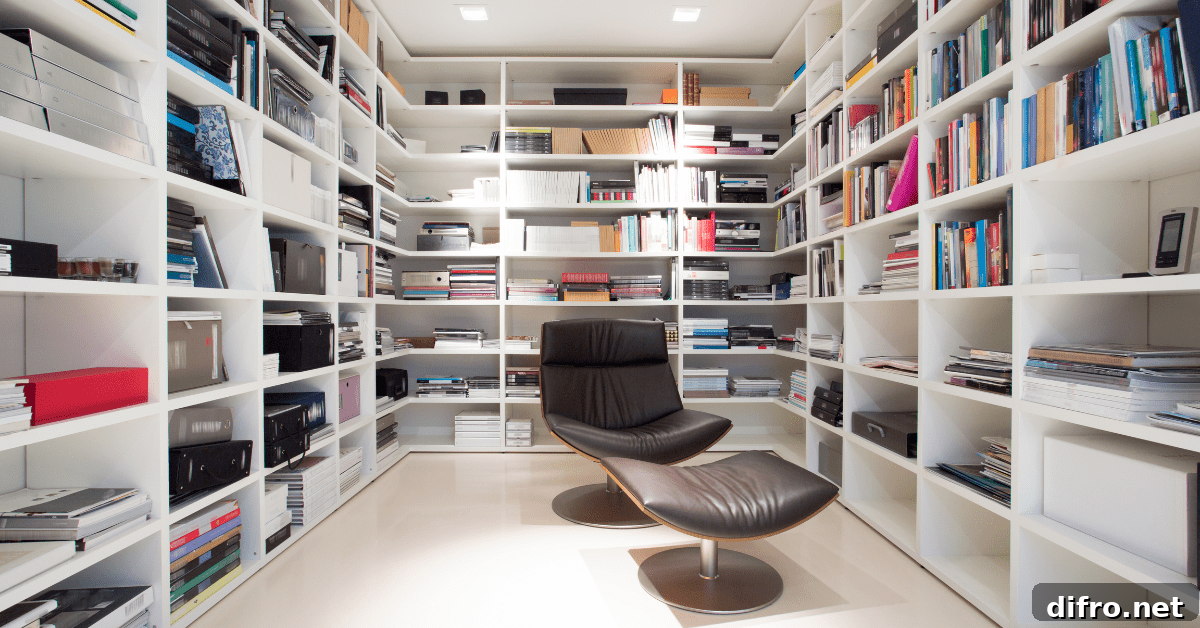
Imagine entering a room where shelves climb from floor to ceiling, surrounding you with books and creating an immediate sense of warmth and purpose. Floor-to-ceiling bookshelves can transform any room into a striking, functional focal point. They offer abundant storage without consuming precious floor area and bring architectural interest, texture, and character to your home. Whether you want a dedicated library, a cozy reading nook, or a polished backdrop for a living area, these tall shelves make a powerful design statement.
The Appeal of Floor-to-Ceiling Bookshelves
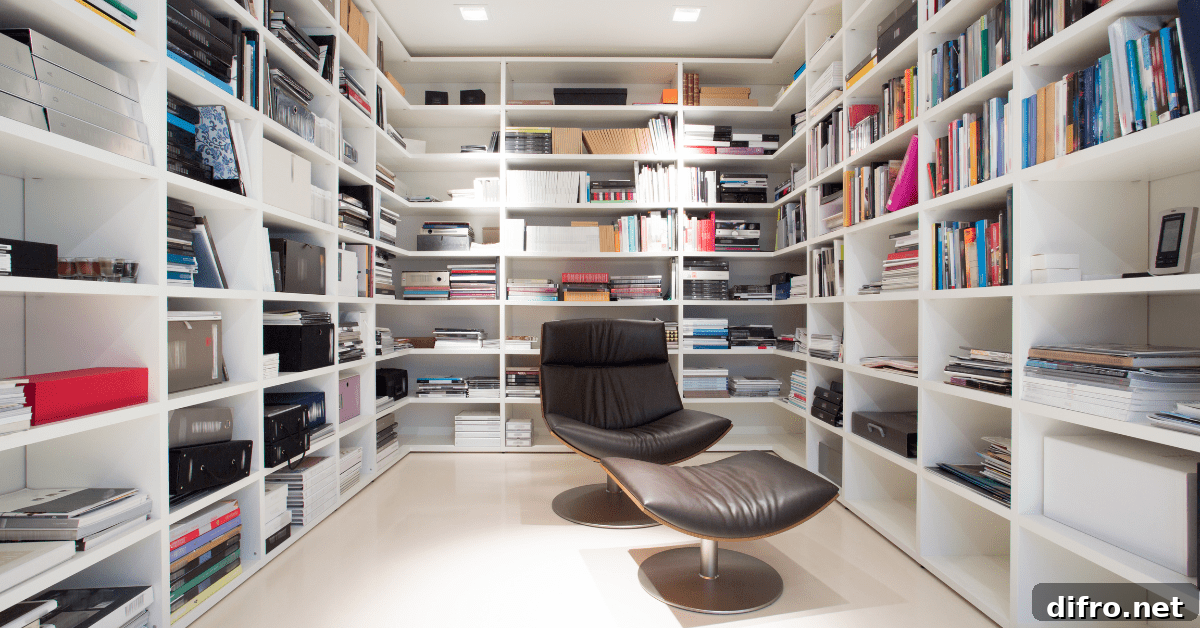
Floor-to-ceiling bookshelves function as more than storage: they are architectural elements that change how a room reads. By drawing the eye upward, they create the perception of added height and scale, making smaller rooms feel more expansive. Using vertical space effectively increases storage capacity while preserving circulation space at ground level, a key advantage for compact homes and apartments.
The versatility of full-height shelving is a major draw. You can have them built in for a seamless, custom appearance or choose freestanding units for flexibility and easier installation. They can frame a fireplace, define a reading corner, or run along an entire wall to anchor a living room. These shelves also work as display space for art, ceramics, plants, or personal collections, allowing you to blend utility and decoration in one continuous feature.
Designing Your Floor-to-Ceiling Bookshelf

Start by aligning the bookshelf design with your home’s overall style. Traditional interiors benefit from warm woods and crown moldings; contemporary spaces often favor clean lines, painted finishes, or metal accents. Consider whether you want the shelves to blend in with the wall color for a subtle effect or stand out as a contrasting feature.
Practical decisions matter: plan shelf heights to accommodate different book sizes and objects, and consider making some sections adjustable. Decide if you need deeper shelves for large-format books or art pieces, or shallower ones for novels and paperbacks. If your ceiling is especially high, think about access—rolling or sliding ladders not only make reaching the top shelves easy but also add a classic library aesthetic.
Lighting should be integral to the design. Built-in LED strips, sconces, or picture lights will illuminate collections and prevent dark, hard-to-read corners. Also think about finishing details such as backing materials, trim, and handles for cabinet doors at the base, which can hide storage for items you want out of sight.
Styling Your Floor-to-Ceiling Bookshelf

Styling a wall of shelves is part art and part organization. Start by arranging books in a system that works for you—alphabetically, by genre, or even by color for a graphic display. Mix horizontal stacks and vertical rows to create rhythm and avoid monotony.
Add decorative objects to create interest and balance. Plants, framed photos, small sculptures, and curated keepsakes break up rows of spines and introduce texture. Leave some open space to let the eye rest and to make featured objects stand out. Group items in threes or fives for pleasing compositions, and vary heights to maintain a dynamic visual flow.
Floor-to-Ceiling Bookshelves in Different Rooms
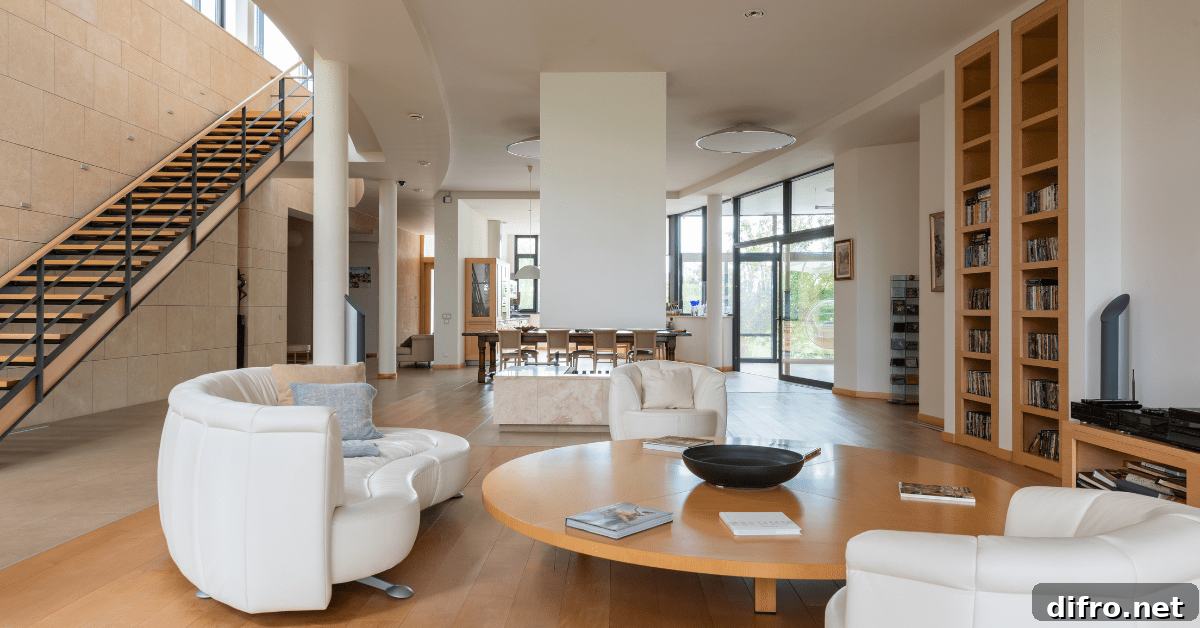
While studies and home offices are obvious locations, full-height bookshelves can enhance nearly any room. In a living room they create an intimate, library-like backdrop for seating. In a dining room, they offer display space for serving pieces and curated objects. Bedrooms can gain personality and function from built-in shelving that frames a bed or creates a private reading alcove.
Even kitchens can benefit: open shelving for cookbooks and pretty dishware brings warmth and keeps essentials accessible. The secret is adapting the shelving scale and materials to the room’s specific needs—moisture-resistant finishes in kitchens and protective glazing for sun-exposed living spaces, for example.
Practical Considerations for Floor-to-Ceiling Bookshelves
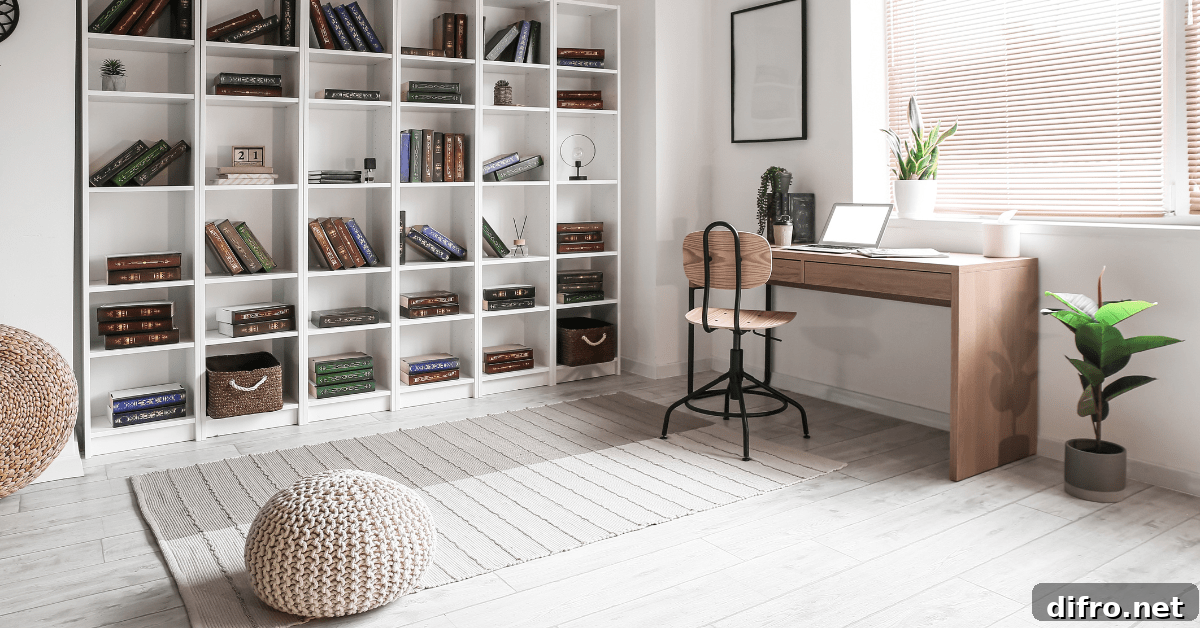
Before installation, assess structural support: full-height shelving can be heavy once filled, so floors and walls must bear the load safely. For built-in units, consult a professional carpenter or contractor to ensure shelves are anchored correctly and meet local building standards.
Maintenance and book care are also important. Dust builds up on both books and shelves, so pick finishes that are easy to wipe down. Protect books from prolonged direct sunlight to prevent fading; use UV-protective glazing on display doors or position valuable volumes lower on the shelves. If you live in a humid climate, consider climate control options or sealed storage for fragile collections.
Finally, plan for flexibility. Your collection and display needs will change over time, so choose designs that allow you to rearrange shelving heights, add cabinet doors, or incorporate enclosed storage at the base. Thoughtful planning at the outset will keep your bookshelf useful and beautiful for years.
Related Articles
- Finding the Right Living Room Bookshelf: 20 Ideas to Choose From
- 7 Mistakes to Avoid When Styling Bookshelves
- Built-In Bookshelf Ideas For A Finely Curated Focal Point
Floor-to-ceiling bookshelves offer an elegant way to combine storage and style. By considering design, access, lighting, and materials up front—and by styling your shelves thoughtfully—you can create a distinctive feature that supports both everyday use and long-term enjoyment. Whether you’re building a grand library wall or adding a single tall unit to a cozy room, these shelves are a lasting investment in beauty and function.
Turn your house into the home of your dreams. Our newsletter delivers design ideas and decor trends—subscribe to receive regular inspiration for creating a stunning home.