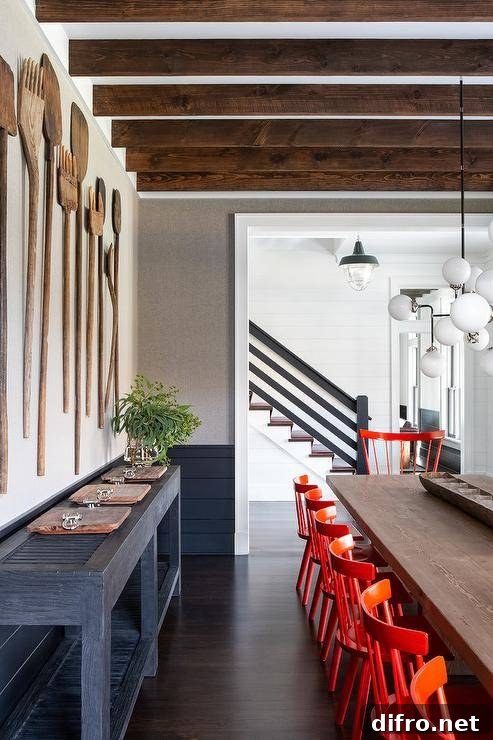
Farmhouse decor has surged in popularity because it celebrates simplicity, comfort, and practical beauty. Rooted in the rustic charm of traditional farmhouses, this style blends vintage and antique pieces with contemporary touches. It favors natural materials like wood, stone, and linen, a neutral color palette with occasional pops of color, and finishes that feel lived-in and authentic.
More than a visual trend, farmhouse decor is a lifestyle approach that aims to create warm, welcoming interiors that are functional as well as attractive. Whether you live in the countryside or a city apartment, farmhouse elements can bring a cozy, relaxed atmosphere to any room. This style is ideal for people who value the honest appeal of country living while appreciating modern comforts and clean lines.
What is Farmhouse Decor?
Farmhouse decor is an interior design style known for its rustic, cozy aesthetic. It draws inspiration from traditional rural homes, emphasizing simplicity, practicality, and enduring comfort. The look balances rough, natural materials with softer textiles and thoughtful finishes, making spaces feel both robust and inviting.
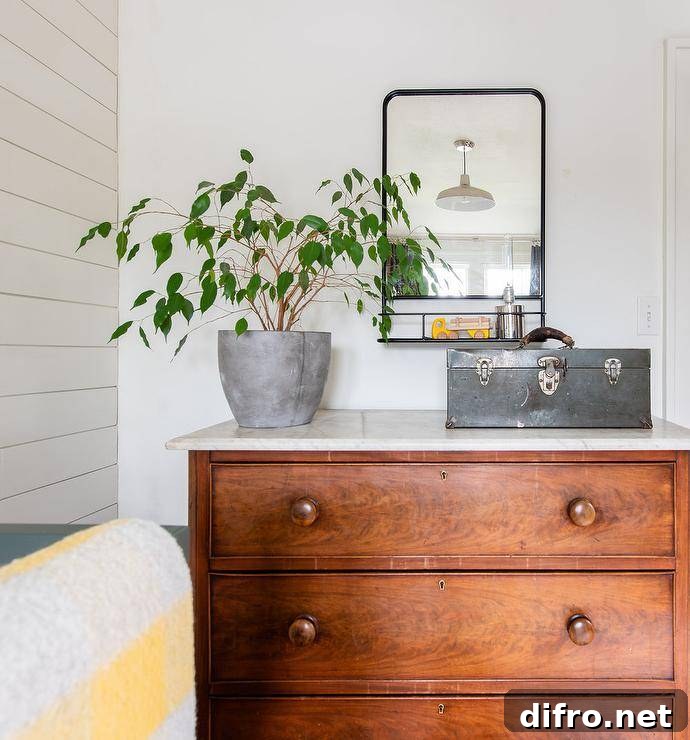
Key characteristics include the use of natural materials—wood, stone, and metal—paired with a neutral palette dominated by white, beige, cream, and gray. Texture is essential: rough-hewn wood, burlap, and linen add tactile interest, while distressed finishes and vintage finds provide history and character.
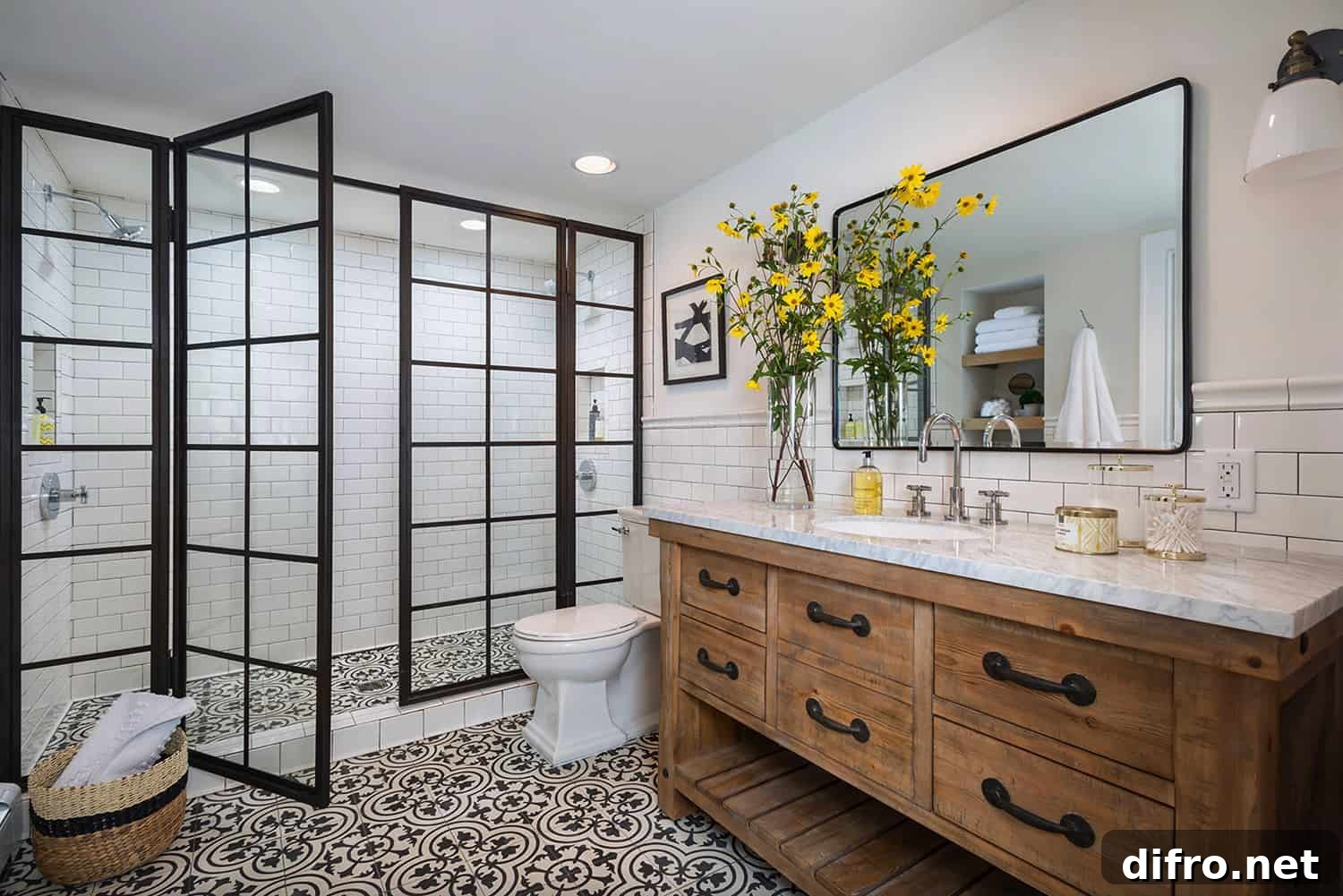
Popularity
Farmhouse decor appeals to many because it blends practicality with visual warmth. Functional elements like open shelving, sturdy furniture, and well-used accessories complement an aesthetic that feels approachable rather than fussy. Exposure on renovation shows, blogs, and social media has reinforced the style’s popularity, encouraging homeowners to adopt its relaxed, timeless sensibility.
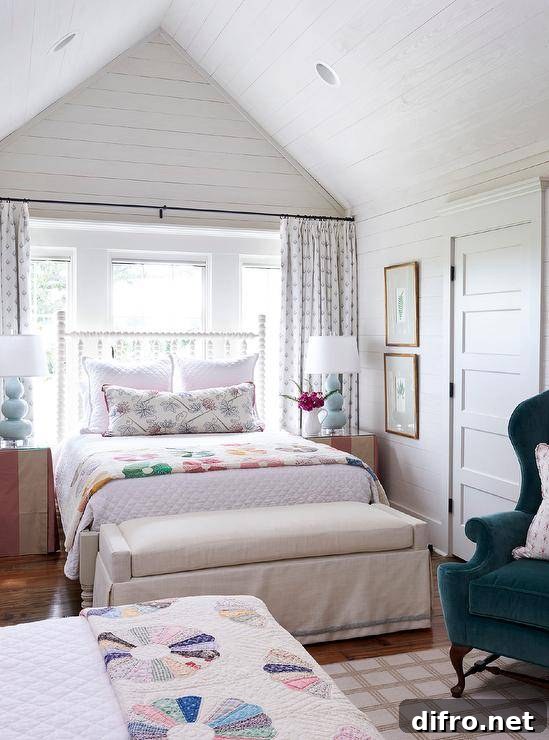
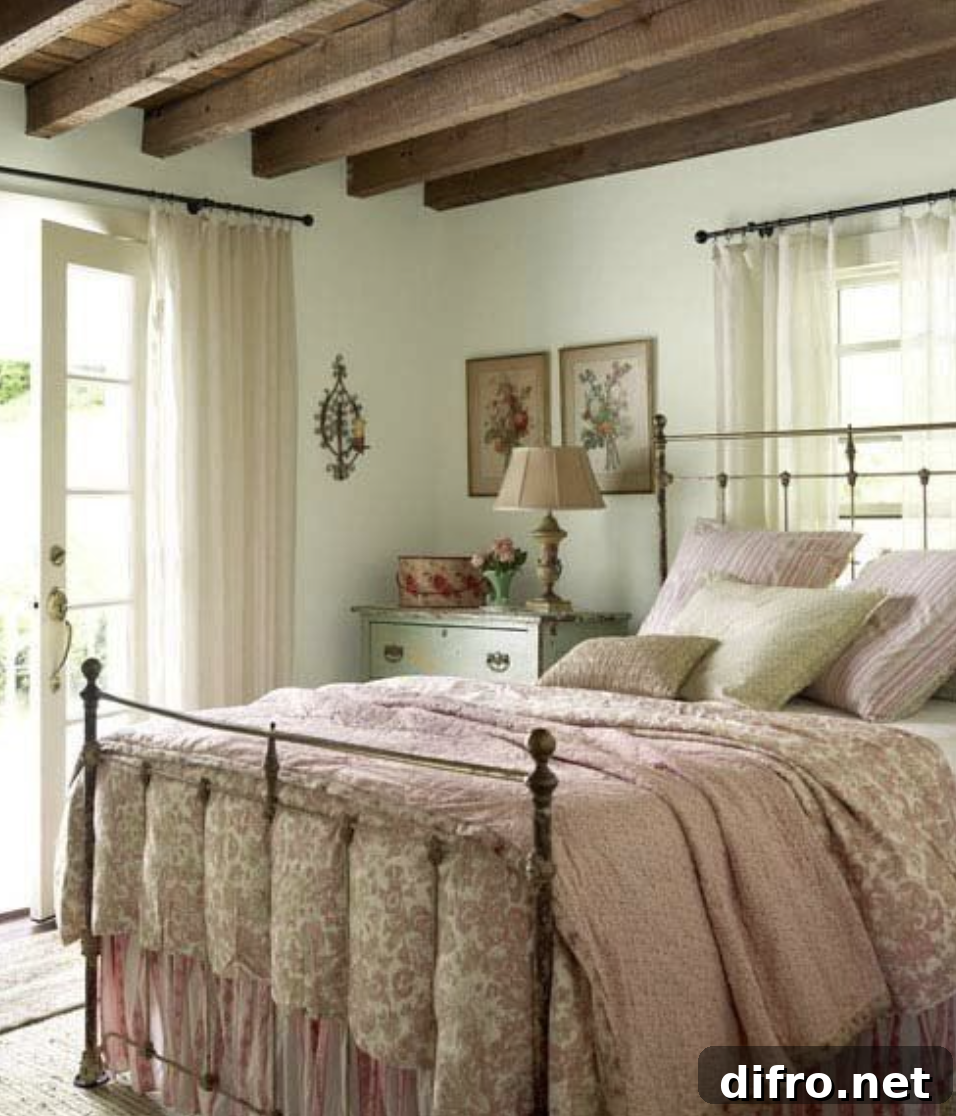
Elements of Farmhouse Decor
The core of farmhouse decor is its color palette and choice of materials. Neutral and muted tones—whites, creams, soft grays, and earthy hues—create a calm backdrop that highlights textures and architectural details. Pair these with wood, stone, and metal to add depth and an organic feel.
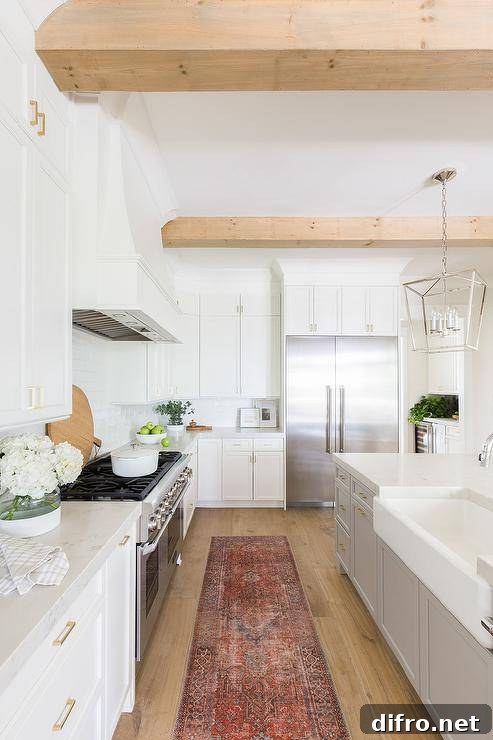
Wood appears in furniture, flooring, and accent details, ranging from pale washed finishes to deeper, reclaimed tones. Stone is often used for fireplaces and accent walls, while metal elements—wrought iron, blackened steel, or copper—add contrast and character. Incorporating vintage or antique pieces reinforces a sense of history: think a weathered dining table, an old chandelier, or found objects repurposed as decor.
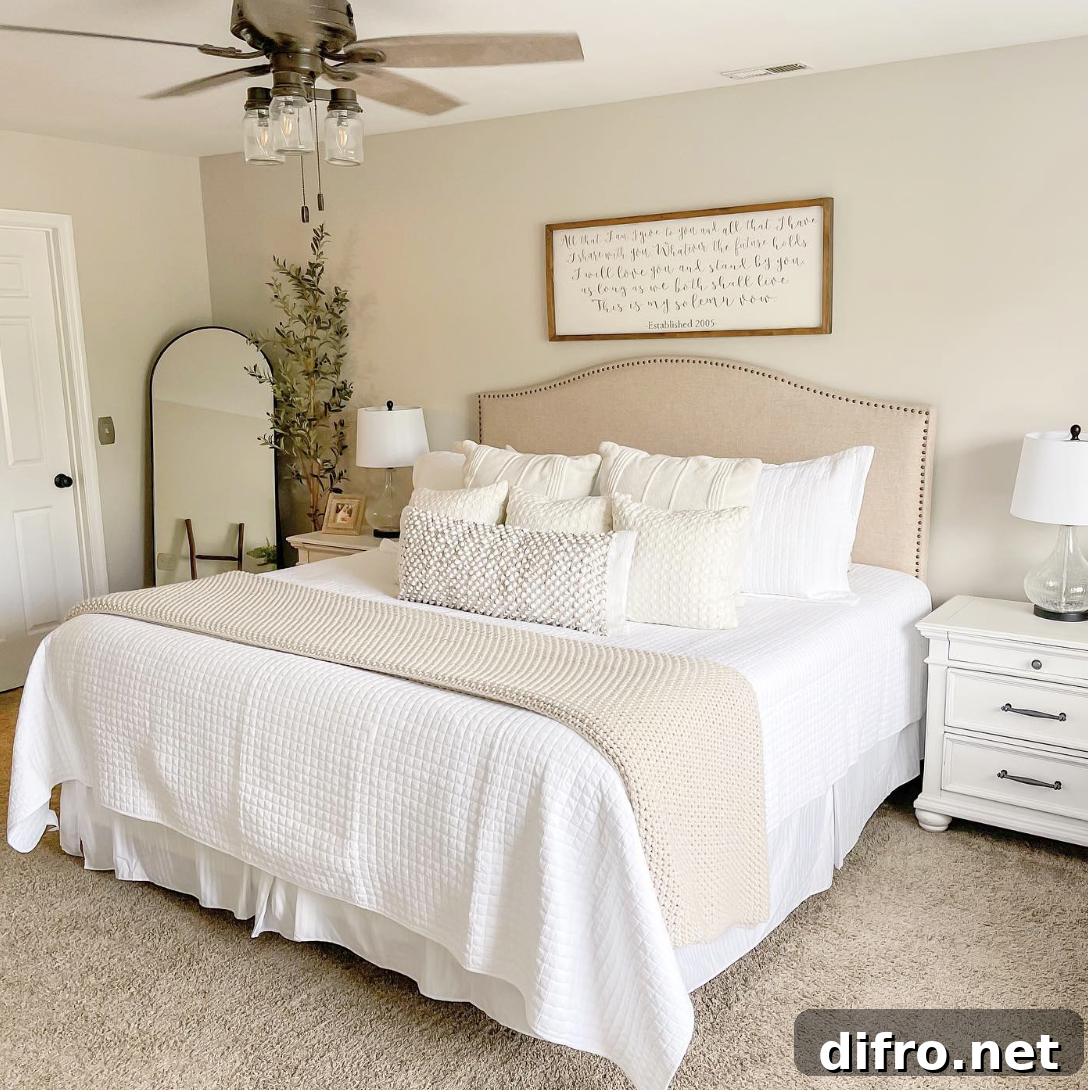
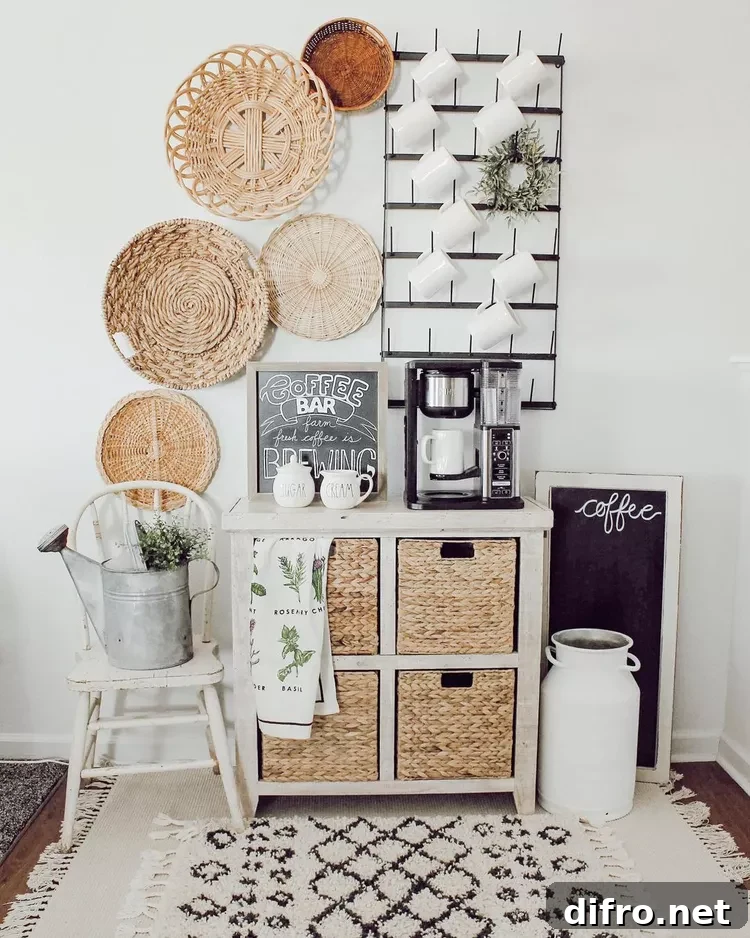
Vintage and antique finds play a crucial role in defining farmhouse style. A single focal piece—an antique table, a reclaimed door, or a vintage light fixture—can set the tone for a room and provide a layer of authenticity. Mixing these older items with contemporary pieces creates a curated, personal look.
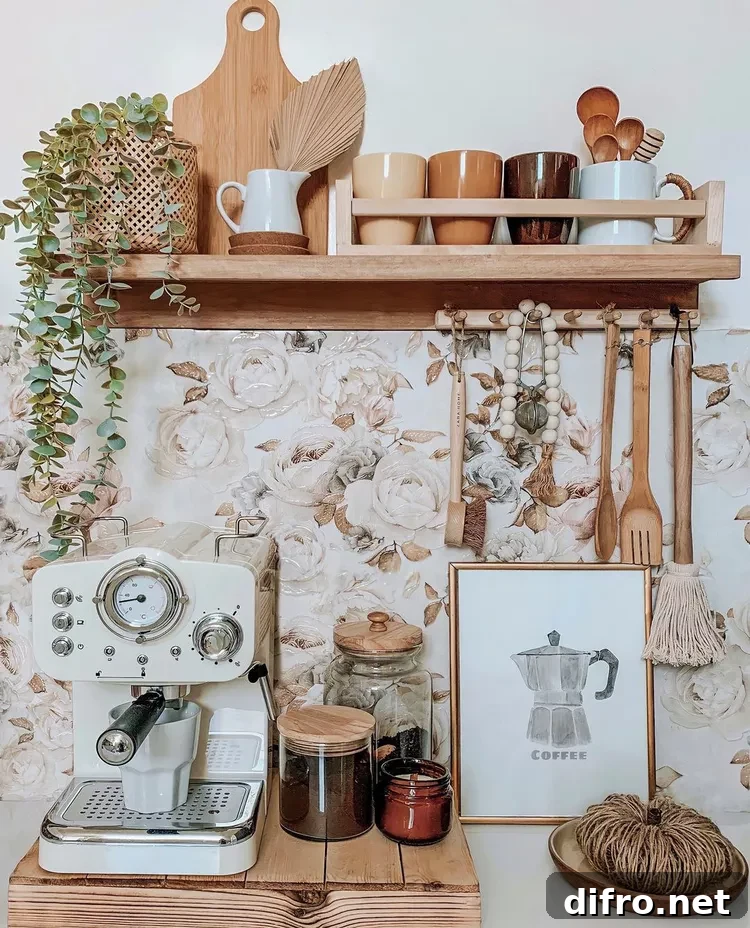
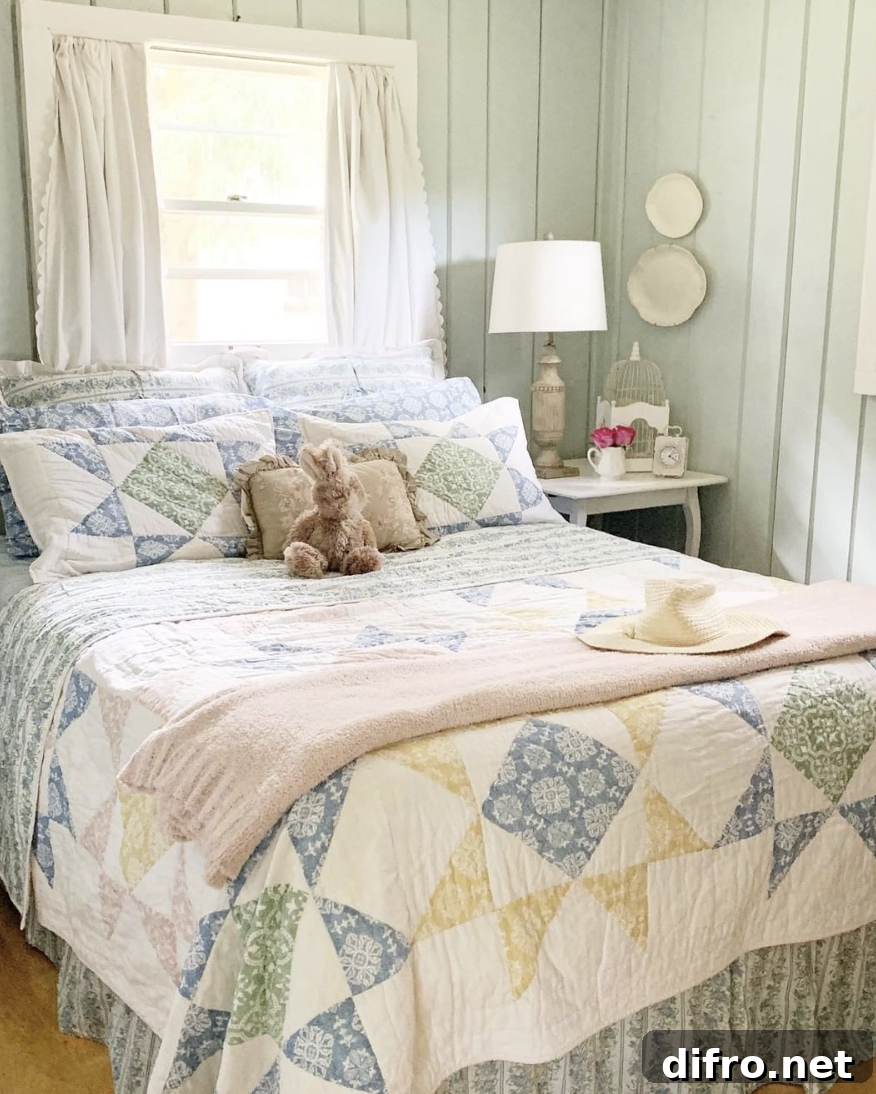
Creating a Farmhouse Look
To craft a cohesive farmhouse interior, combine rustic and refined elements thoughtfully. Layering textures is one of the simplest and most effective strategies: a plush rug, a chunky knit throw, and a mix of linen and cotton pillows instantly warm a space. Natural materials such as wood, stone, and metal introduce visual weight and texture while keeping the look grounded.
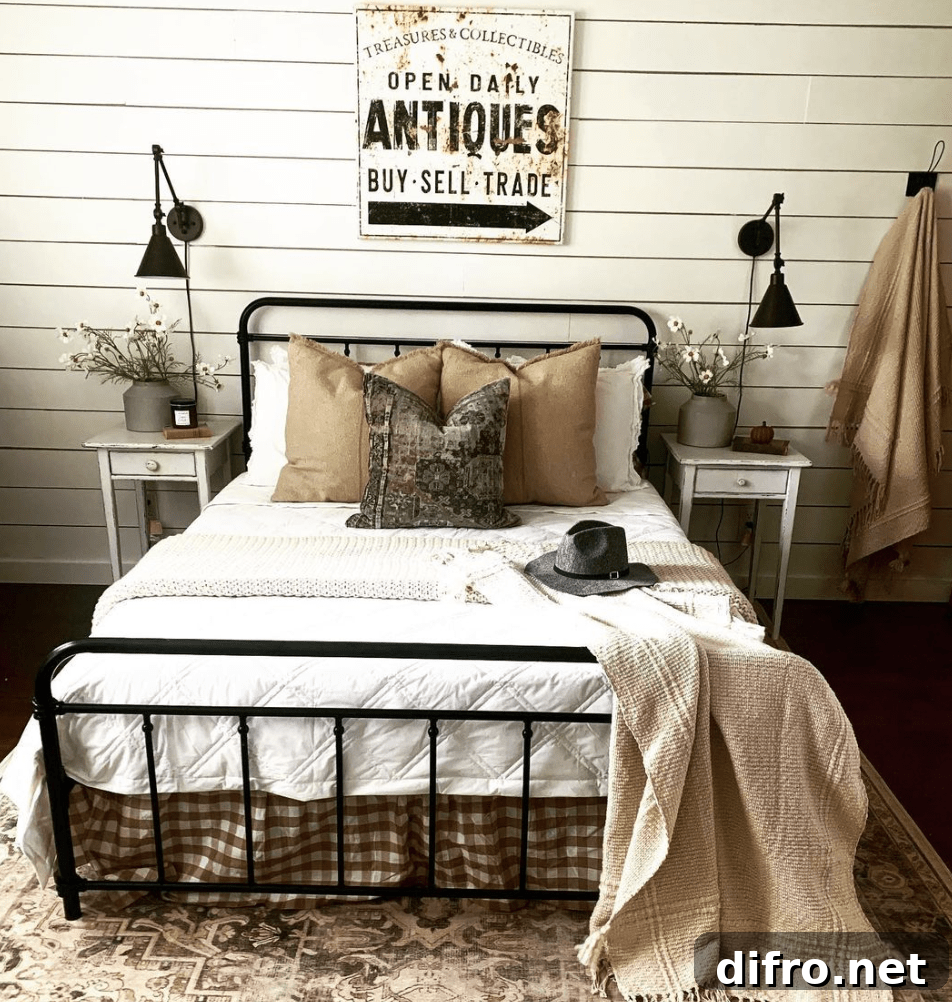
Texture should be balanced: mix rough-hewn wood with soft textiles, and pair matte finishes with a few subtle metallic or glossy accents. Woven baskets, antique textiles, and repurposed containers add utility while reinforcing the farmhouse aesthetic. The result should feel curated but comfortable—like a home that’s lived in and loved.
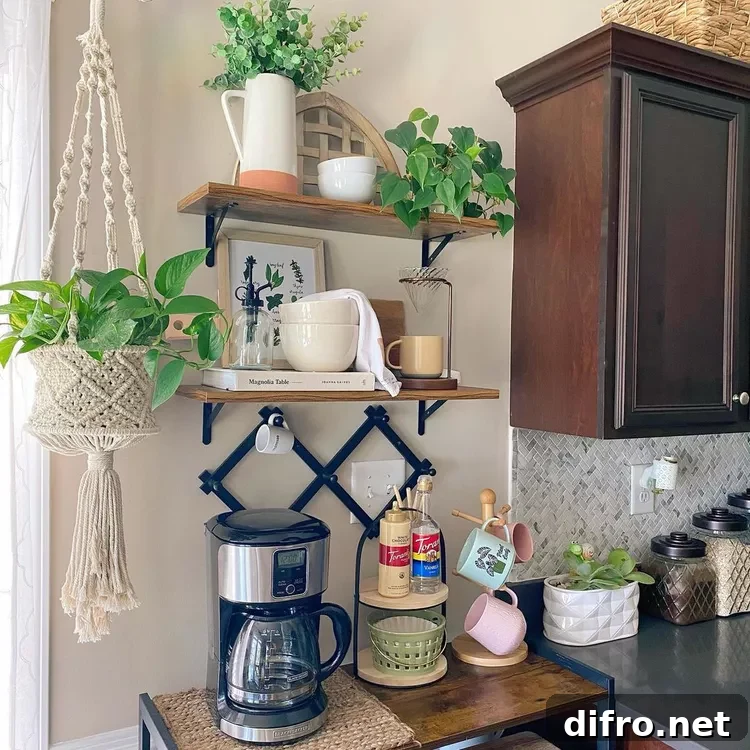
Farmhouse touches work well in every room. In living areas, a vintage trunk can function as a coffee table and open shelving displays books and cherished objects. In bedrooms, layered bedding, textured throws, and vintage pillows create a restful retreat. In kitchens, a farmhouse sink, open shelving, and display-ready mason jars or antique dishes reinforce both charm and functionality.
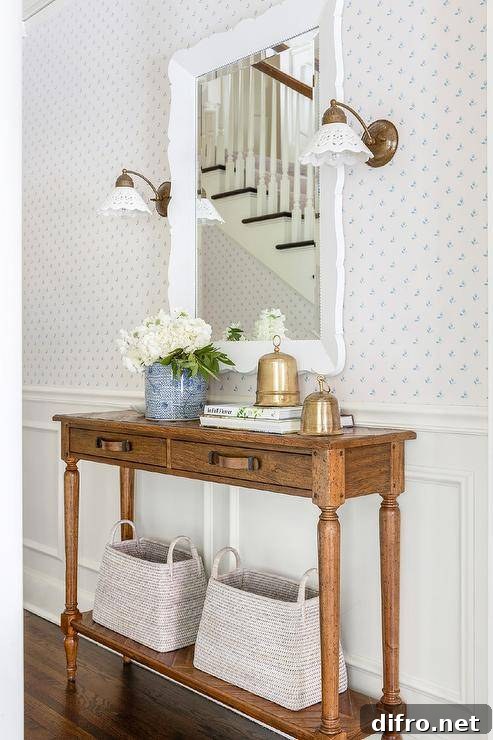
Quick Tips for Farmhouse Style
If you want to introduce farmhouse decor into your home, try these practical tips:
- Start with neutrals. Use whites, beiges, and soft grays as a calm backdrop that highlights texture and vintage pieces.
- Choose natural materials. Wood, wicker, jute, and stone add warmth and authenticity to a room.
- Mix old and new. Combine vintage rugs or furniture with modern pieces for contrast and personality.
- Prioritize function. Use baskets, crates, and durable furniture that look good and serve a purpose.
- Add greenery. Plants and fresh flowers brighten spaces and bring an outdoor element indoors.
Ultimately, farmhouse decor is about creating a comfortable, lived-in feel. Don’t stress over perfection—focus on a welcoming atmosphere that reflects your tastes and the way you live.
Frequently Asked Questions (FAQs)
What is farmhouse decor?
Farmhouse decor is a design approach that favors rustic and vintage elements inspired by traditional farmhouses. It uses natural materials, neutral palettes, and practical furnishings to create spaces that feel warm and unpretentious.
What are common features of farmhouse decor?
Look for distressed finishes, shiplap or beadboard, exposed beams, vintage or antique furniture, and natural accents like woven baskets and houseplants.
How can I incorporate farmhouse decor into my home?
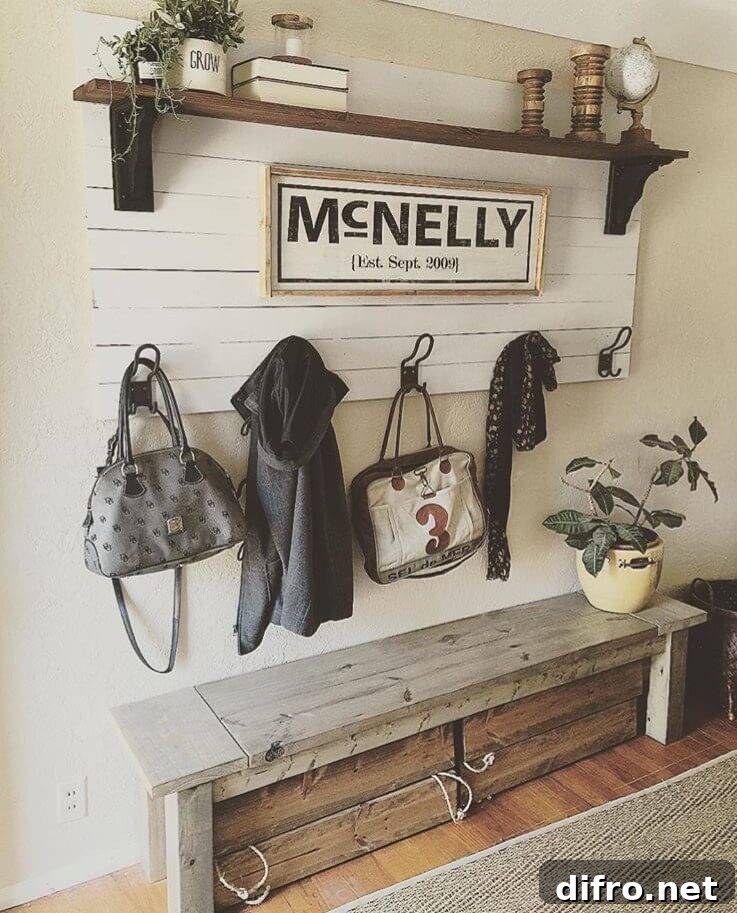
Introduce rustic elements such as wooden signs or distressed furniture, choose neutral textiles like burlap or linen, and display vintage finds alongside modern essentials for a balanced look.
How does farmhouse differ from country decor?
Country decor is a broad category of rural-inspired styles. Farmhouse decor is a focused subset that tends toward simpler, more minimalist palettes and a mix of vintage and functional modern elements.
What are easy DIY farmhouse projects?
Popular DIY ideas include creating a shiplap accent wall, distressing furniture with chalk paint, making wooden signs, repurposing crates, or assembling rustic gallery walls with vintage frames.
What trends are popular in farmhouse decor now?
Current trends emphasize black accents, textured elements like woven baskets or macramé, and the use of durable natural woods such as oak and pine to add richness and depth.