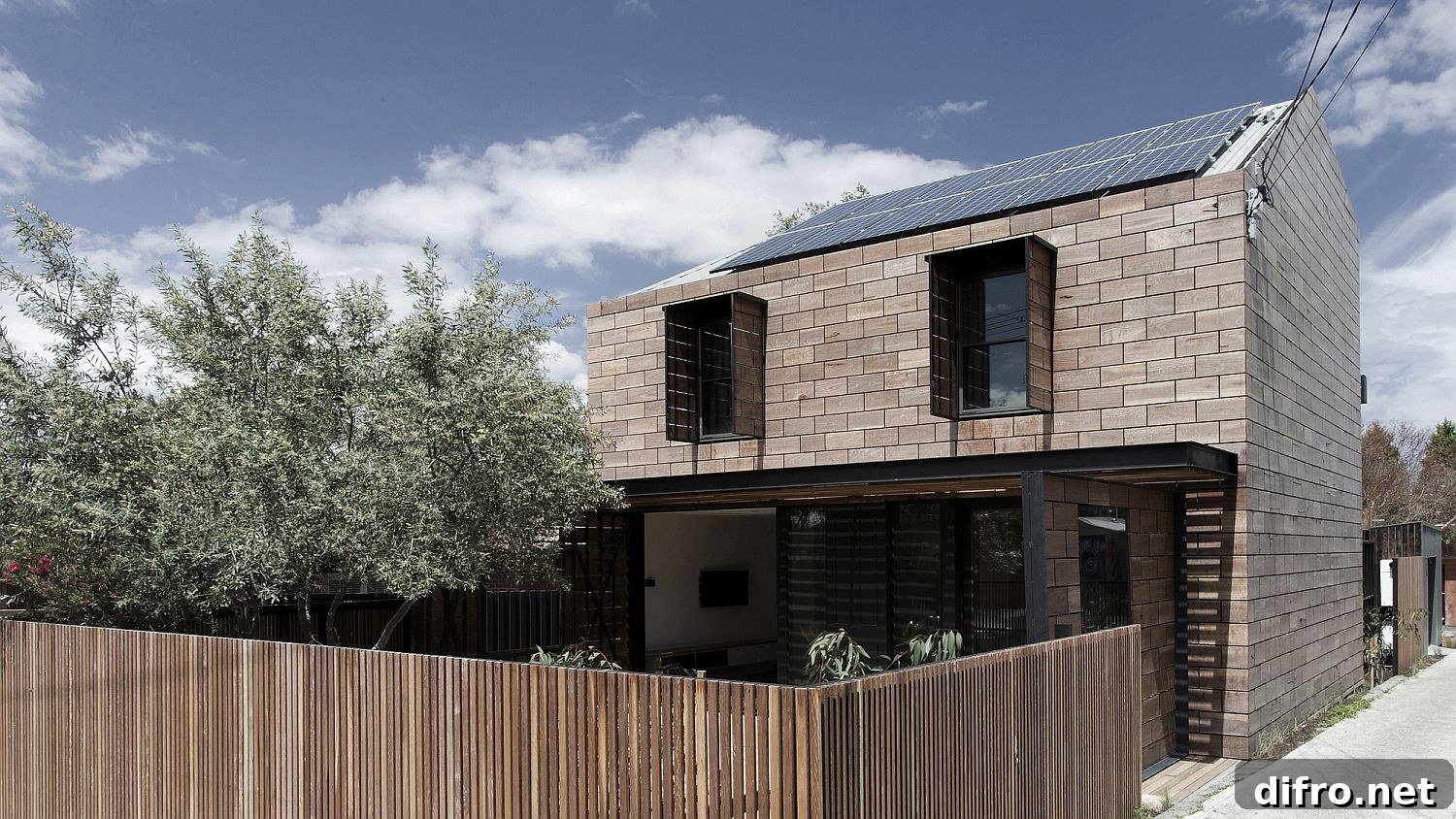
Extravagant mansions with every modern amenity can certainly impress, but smaller homes that maximize space, budget and resources are often more inspiring. Stonewood House by Breathe Architecture in Northcote, Melbourne, is a compact residence that demonstrates how thoughtful design can deliver privacy, flexibility and a strong connection to the outdoors without excess. The house balances a private, street-front presence with an open rear yard and a generous deck that create a feeling of openness and extend living areas outdoors. A defining exterior feature is the façade’s operable blinds, which allow occupants to modulate ventilation, daylight and viewlines with ease.
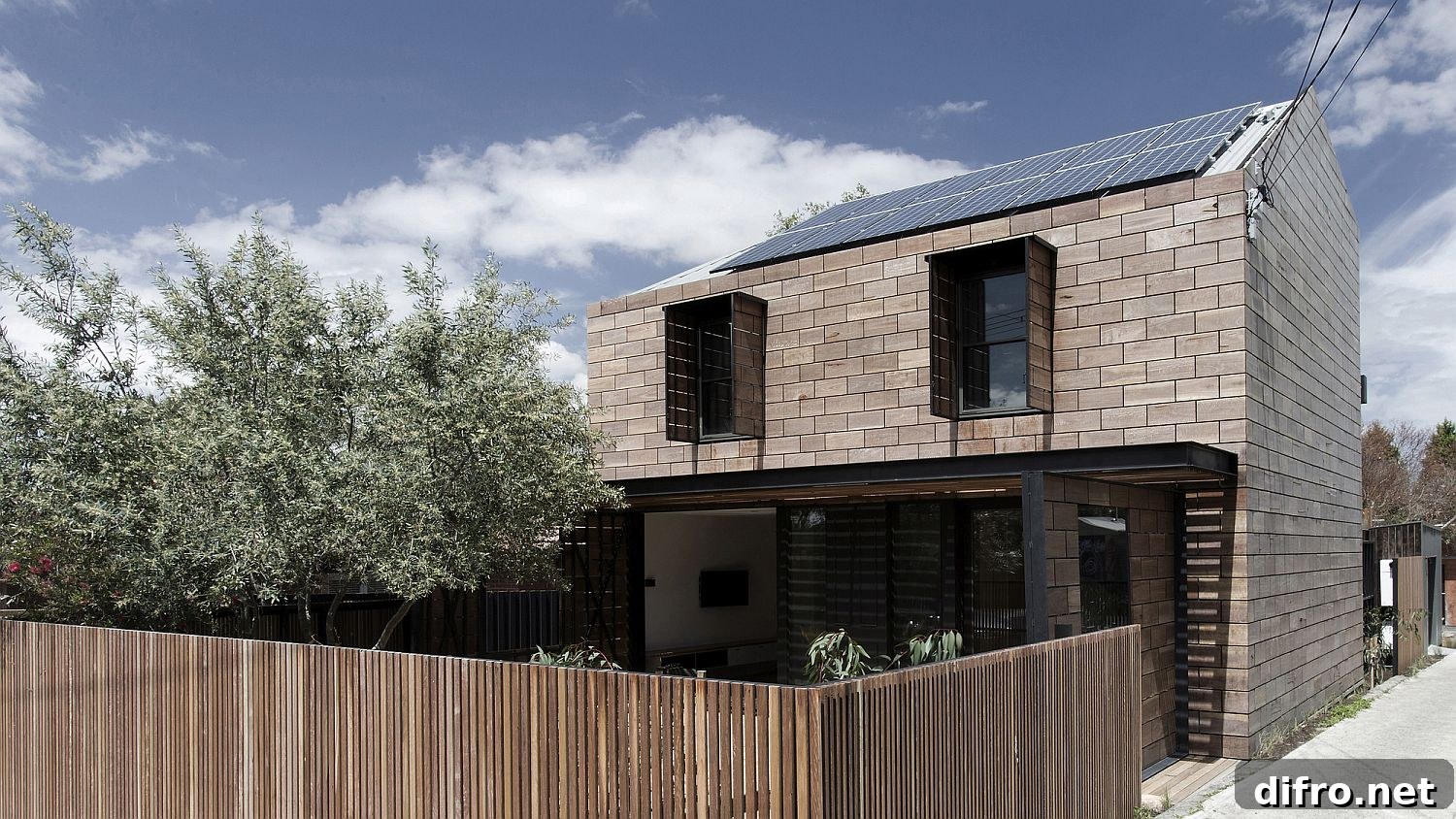
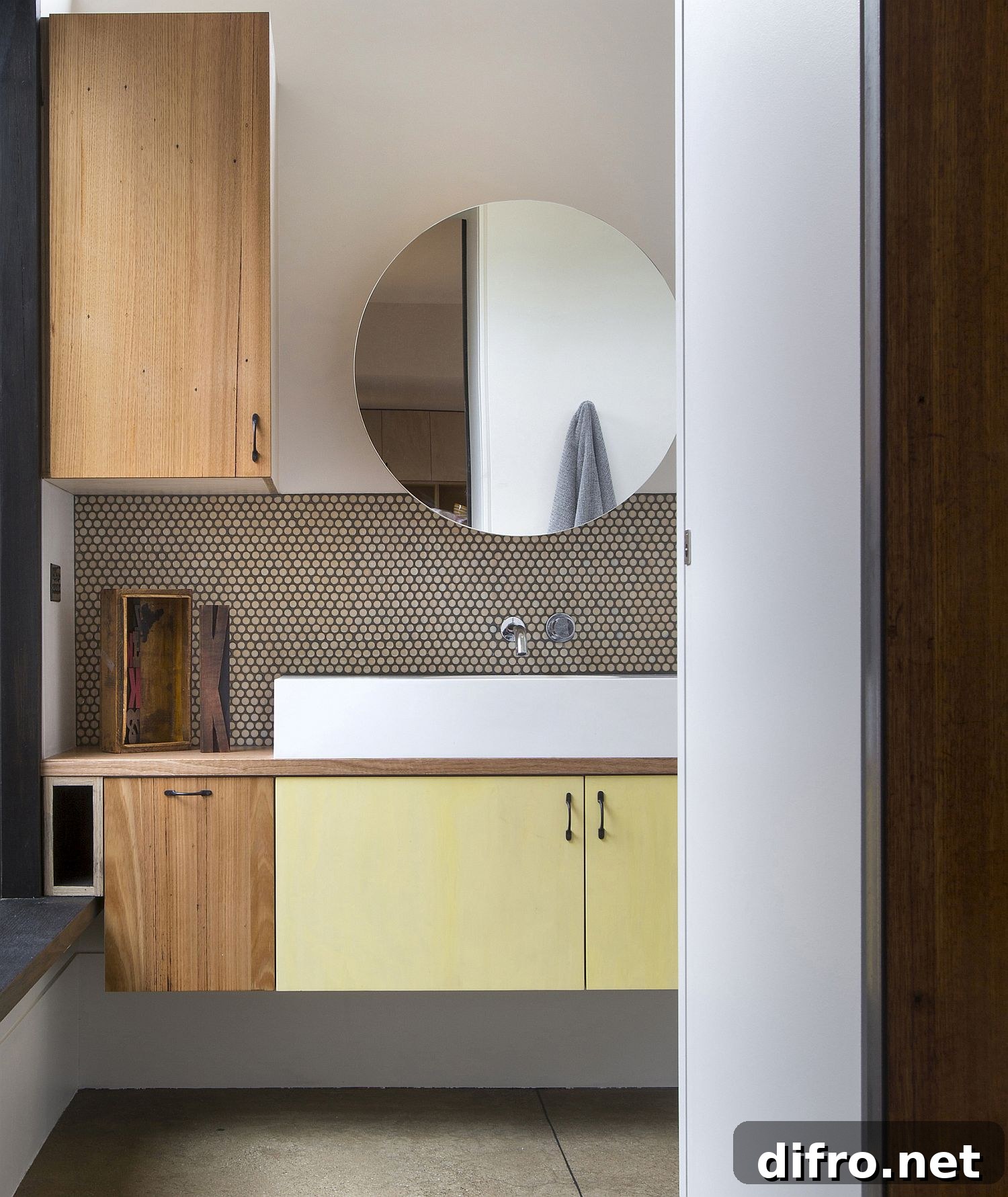
Beyond the compact footprint, Stonewood House is designed with sustainability in mind. Passive heating and cooling strategies reduce dependence on mechanical systems, while carefully considered glazing, shading and natural ventilation help keep interiors comfortable year-round. During daylight hours, the home is oriented and arranged to capture and distribute natural light so artificial lighting is reduced. Internally, a restrained palette of wood tones and neutral hues creates a warm, modern backdrop that feels both timeless and calming. Photography for the project was captured by Andrew Wuttke.
RELATED: Sustainable Architecture and Space-Savvy Design Transform This Small Aussie Home
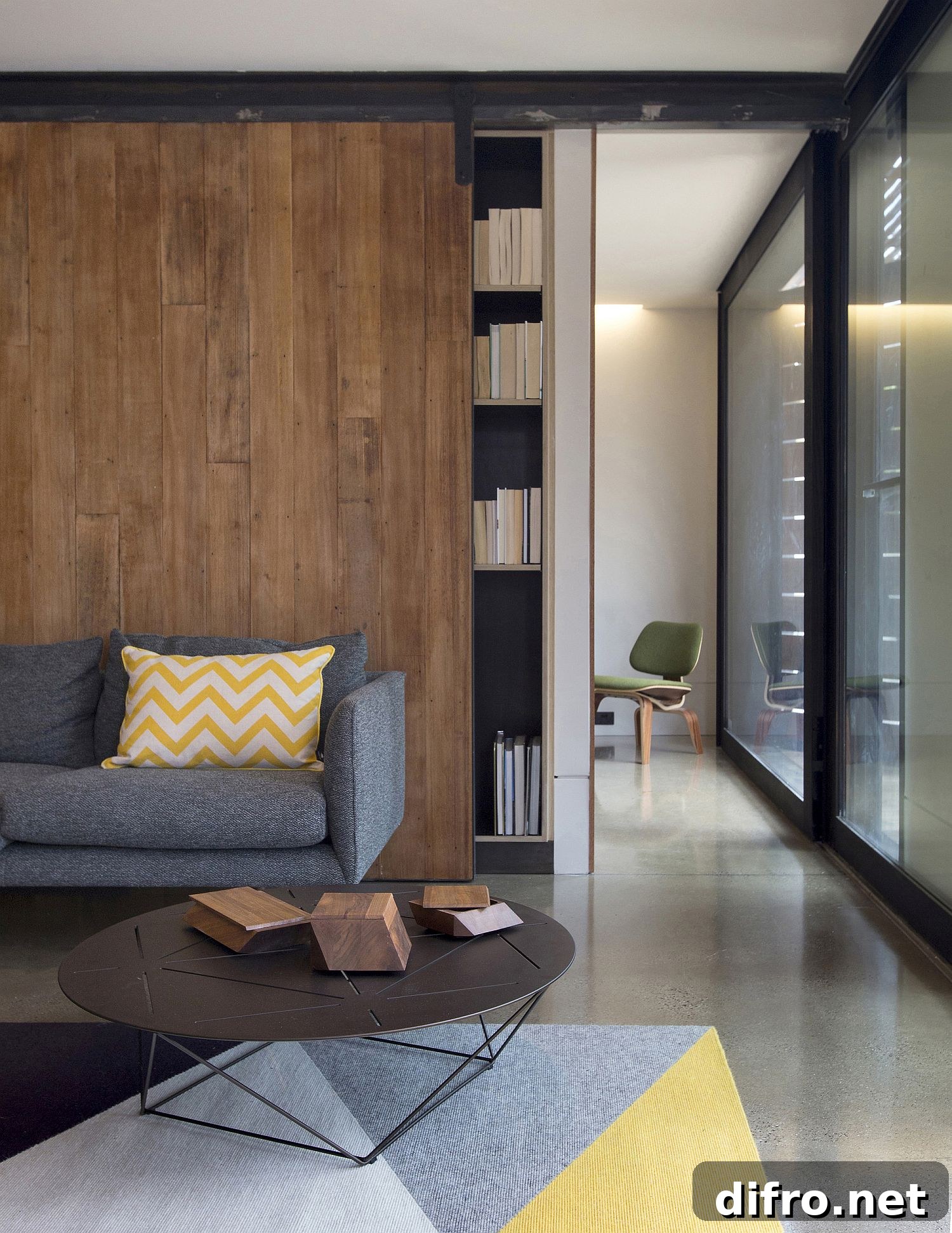
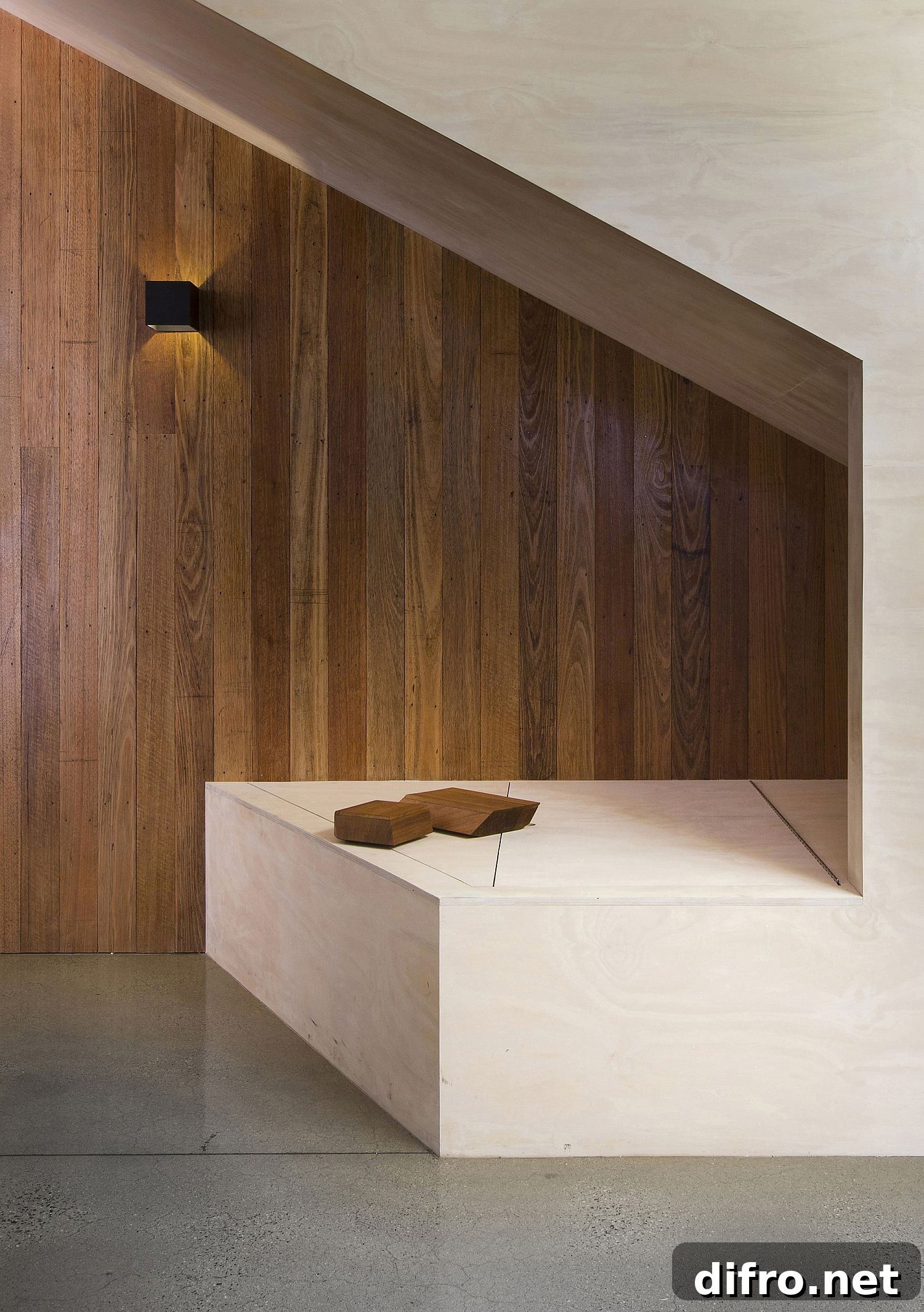
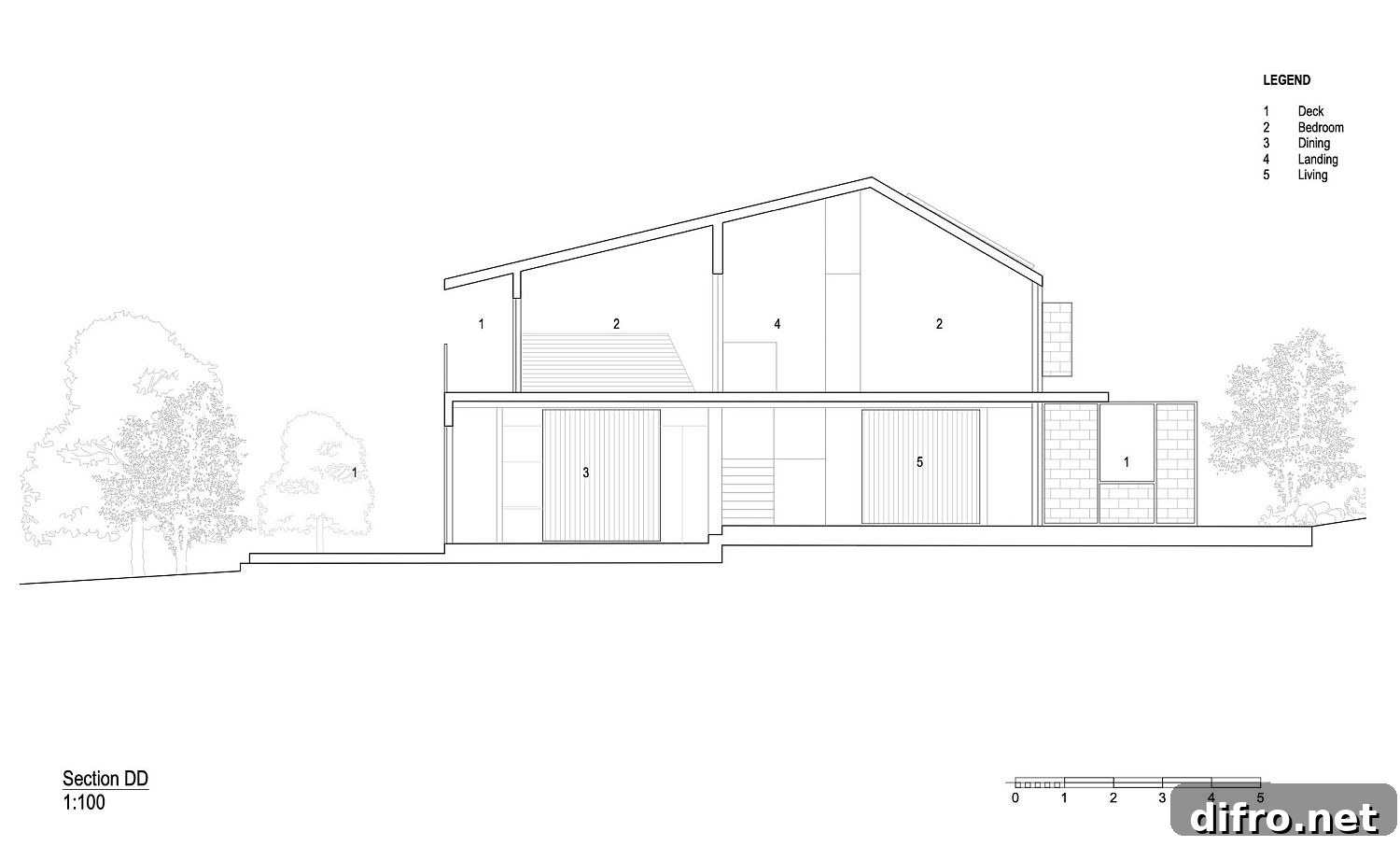
The home’s interior layout focuses on adaptability and efficient circulation. Flexible living zones can be opened up or subdivided to suit changing household needs. Side-shifting recycled Tasmanian oak panels are used as adjustable devices that transform spaces according to weather, activity or privacy requirements. These panels can redirect views, channel breezes, and create intimate pockets within interconnected living areas, allowing the house to operate differently depending on how it’s configured.
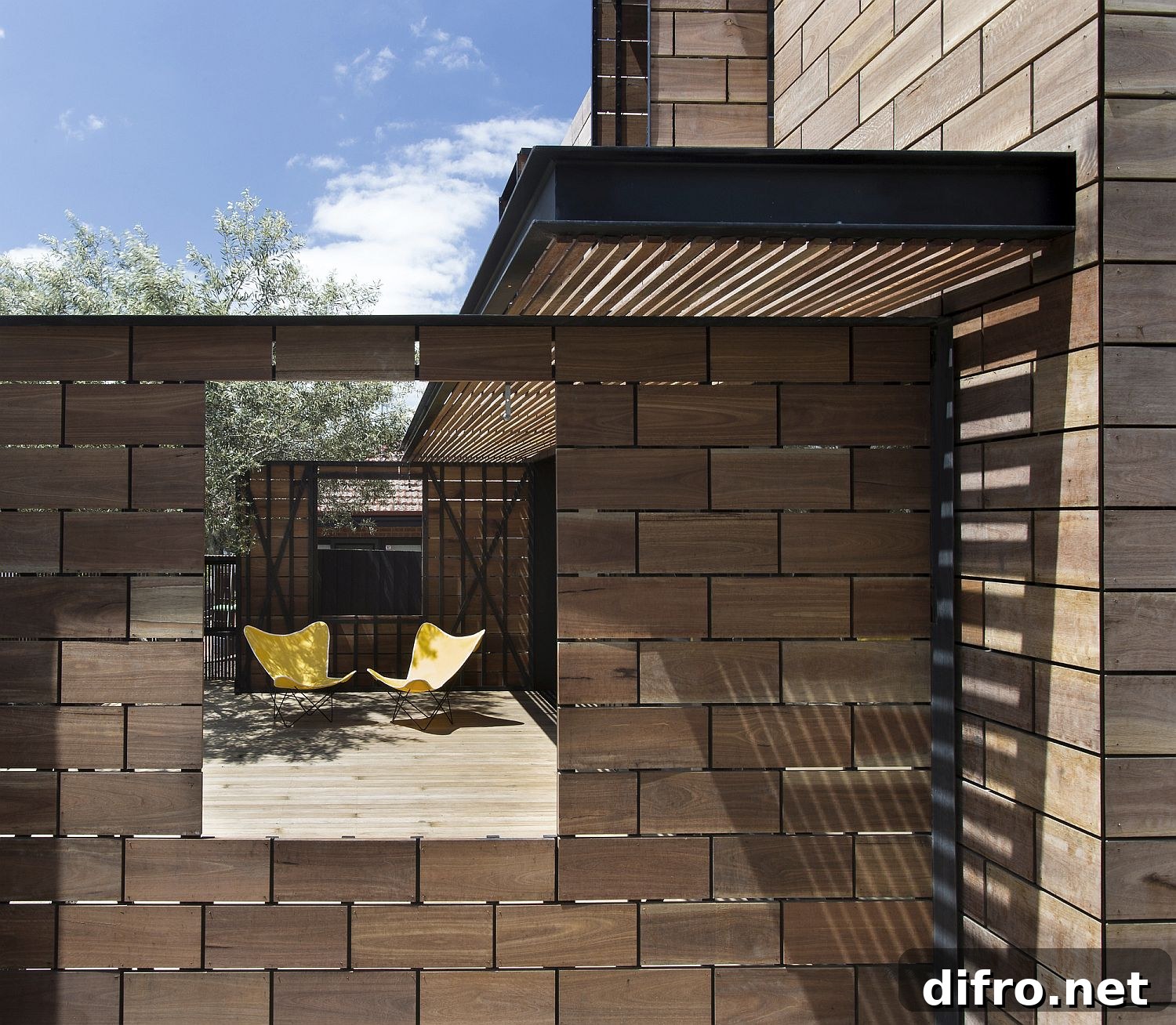
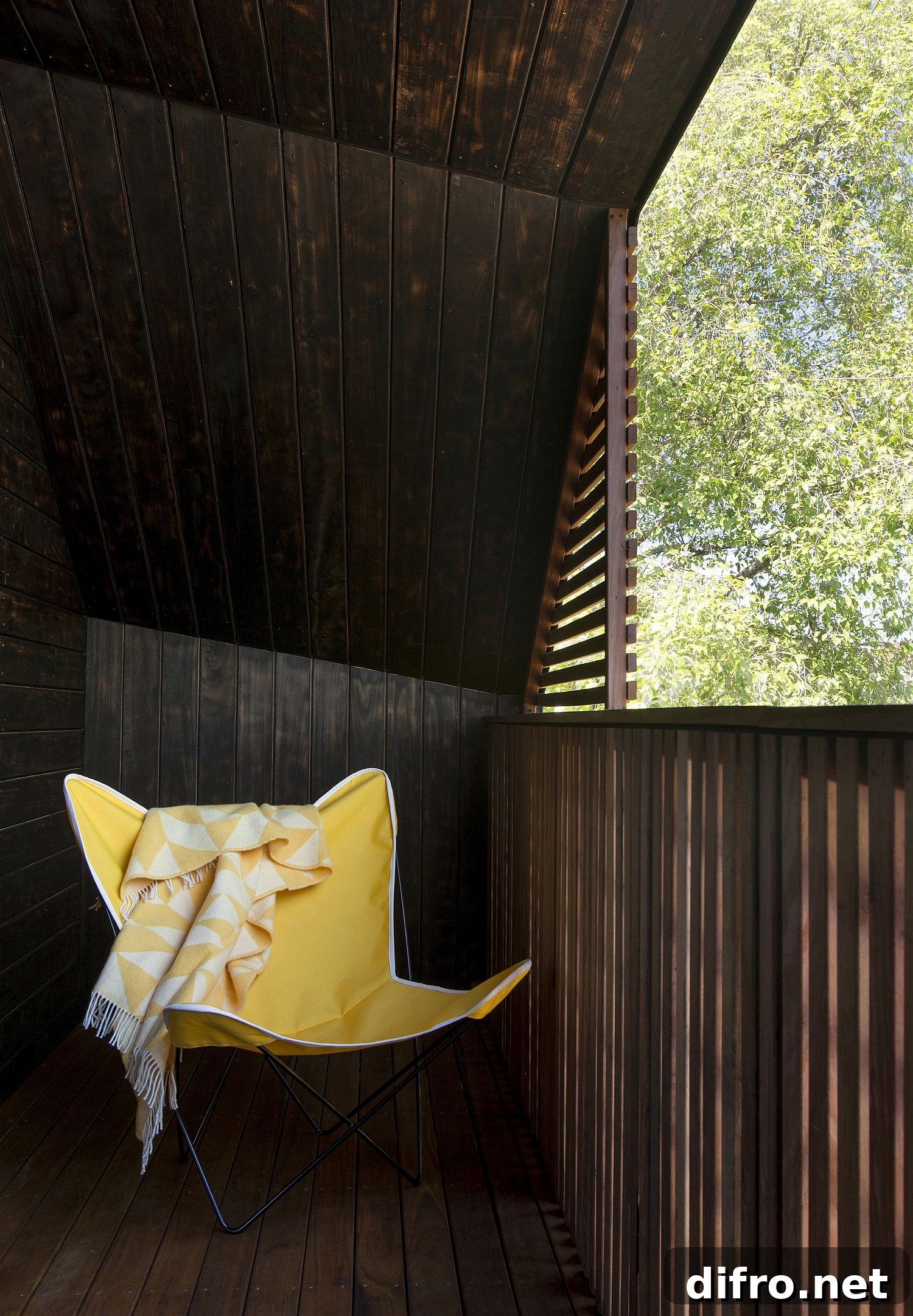
The rear yard and deck are key components of the home’s spatial strategy, extending the living area outside and offering a private, sheltered outdoor room. Bright, simple furniture and thoughtful orientation make this compact outdoor space feel generous and inviting. The relationship between inside and outside is carefully managed so that the deck can function as an additional living or dining space, while the operable façade elements and sliding or folding panels give occupants control over openness, light and airflow.
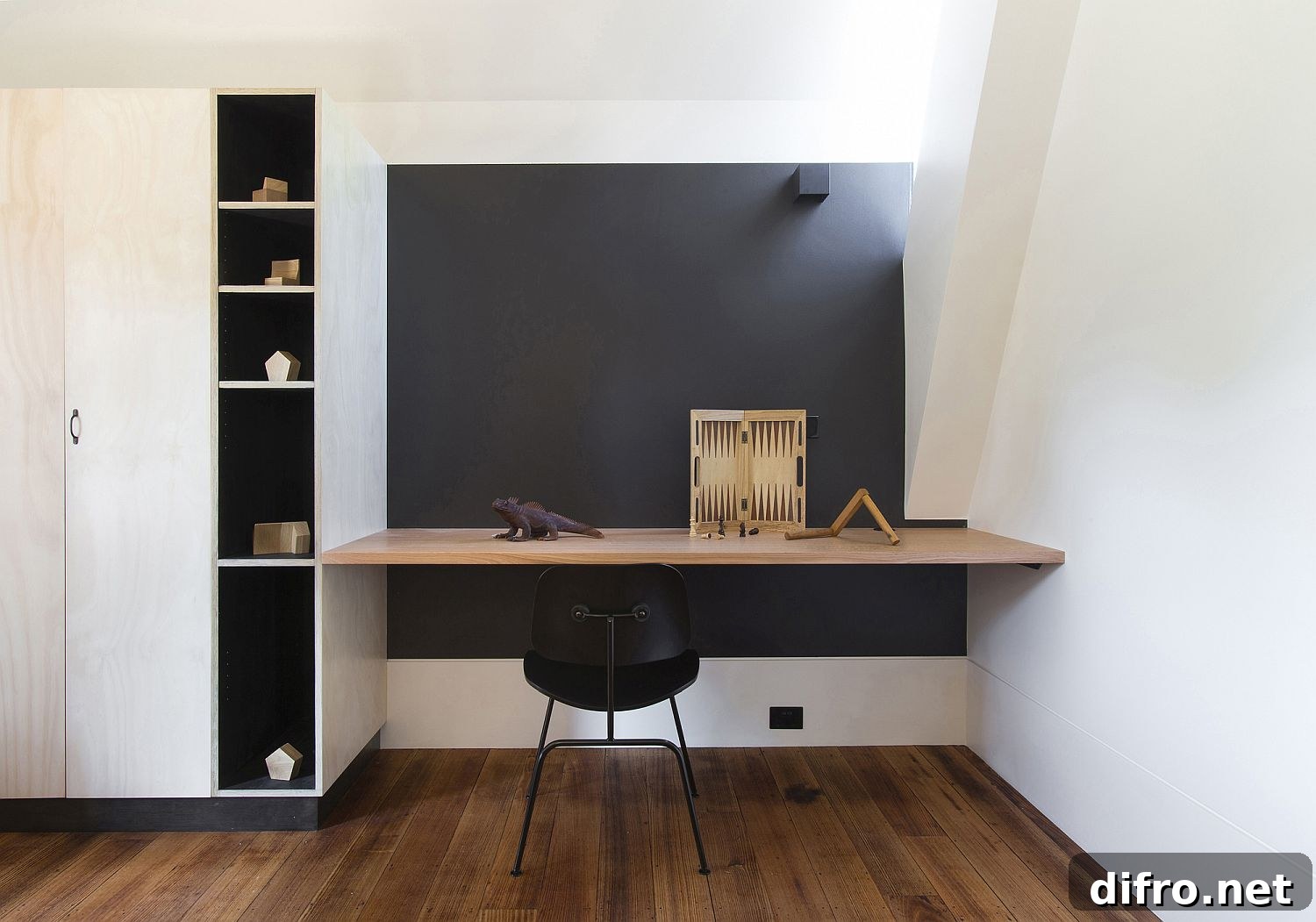
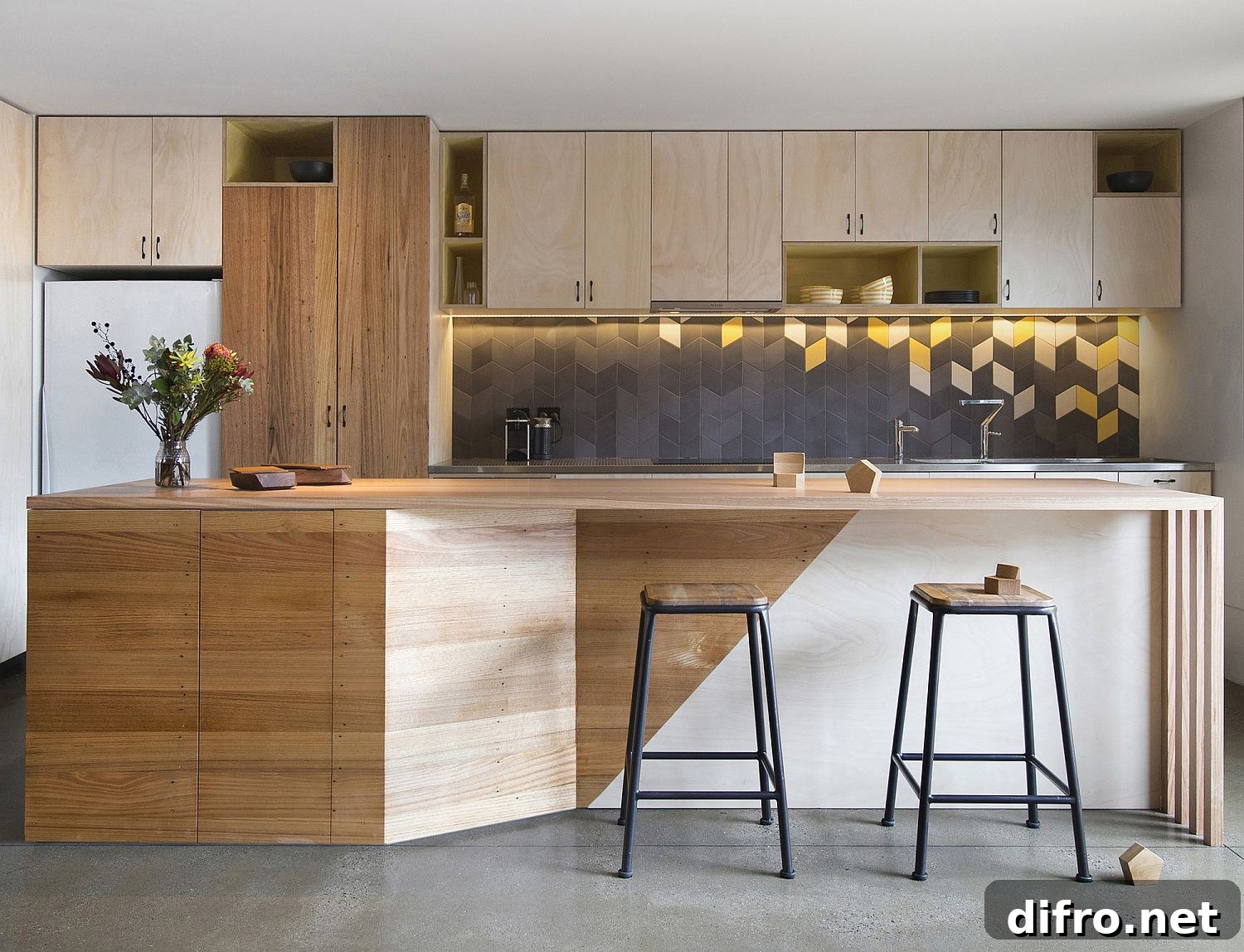
Inside, careful detailing supports everyday living. A compact home workstation benefits from generous natural light and a considered orientation, making it a comfortable place to work without requiring additional space. The living area pairs wood, white and gray tones to achieve a refined yet relaxed atmosphere. Small touches such as a single accent cushion introduce color and pattern without overwhelming the calm, neutral palette.
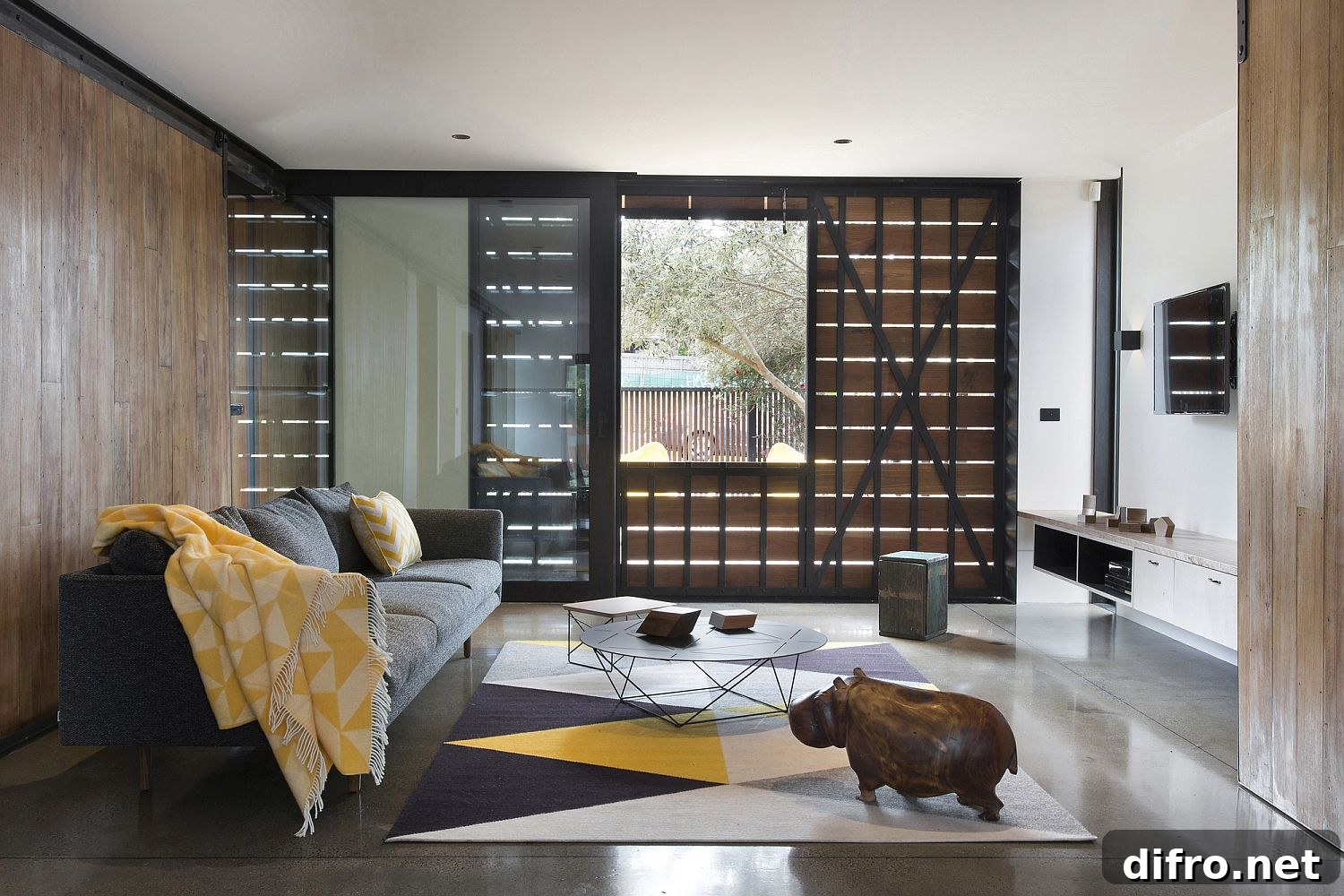
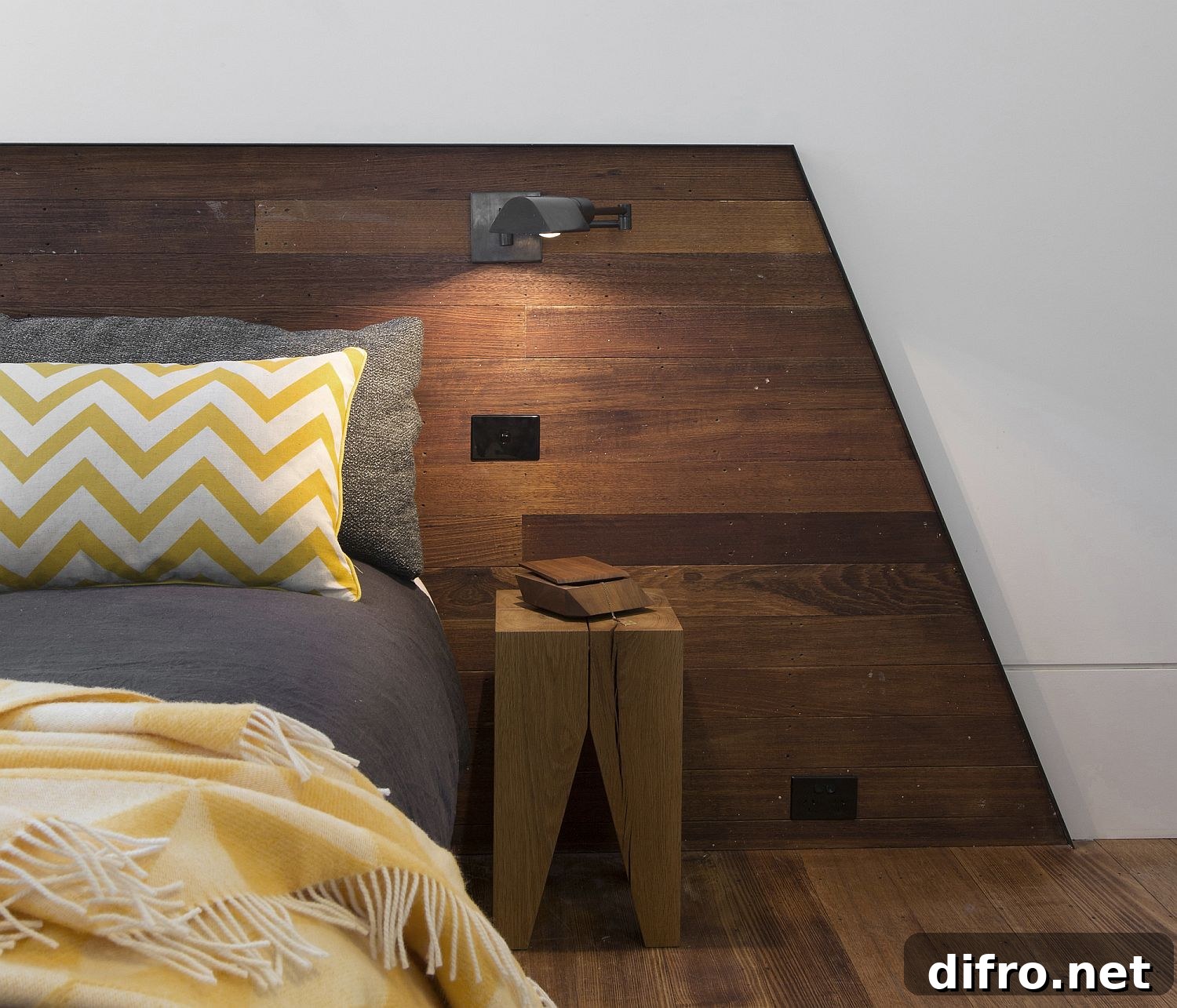
Stonewood is efficient: its elegant plan offers flexibility for a humble family. Side-shifting recycled Tasmanian oak panels act as devices to transform as desire or weather dictates; directing views, channelling breezes and transitioning interconnected living spaces into cosy zones for isolated use. Folding/ unfolding according to use, Stonewood reveals a different story in each configuration.
RELATED: Picturesque Aussie Home Wraps Itself Around a Relaxing Central Courtyard
Stonewood House demonstrates how a small footprint, careful material choices and adaptable detailing can produce a home that feels generous, comfortable and resilient. For homeowners and designers seeking efficient, sustainable solutions in an urban context, this project offers clear lessons about daylighting, ventilation, privacy and the power of simple, well-resolved interiors to enhance everyday life.