Buying a family home is one of the most important decisions you will make. When you plan to have children, your priorities shift: space, safety, schools and local amenities become central concerns. Your current home may soon feel cramped, and small inconveniences can multiply when you’re juggling strollers, groceries and little ones. Below are practical considerations to keep in mind when viewing properties so you can choose a house that works for your growing family and avoid common mistakes.
Location
Location is a top priority when buying a family home. Research neighborhood schools and check their performance, distance and how they fit your child’s needs. Also consider the proximity of child-friendly amenities: parks, playgrounds, walking and cycling paths, family restaurants and healthcare services. Think about commute times to work and access to public transport if that’s part of your routine. As family priorities change quickly, prioritize a neighborhood that supports family life rather than features you might outgrow.
Layout
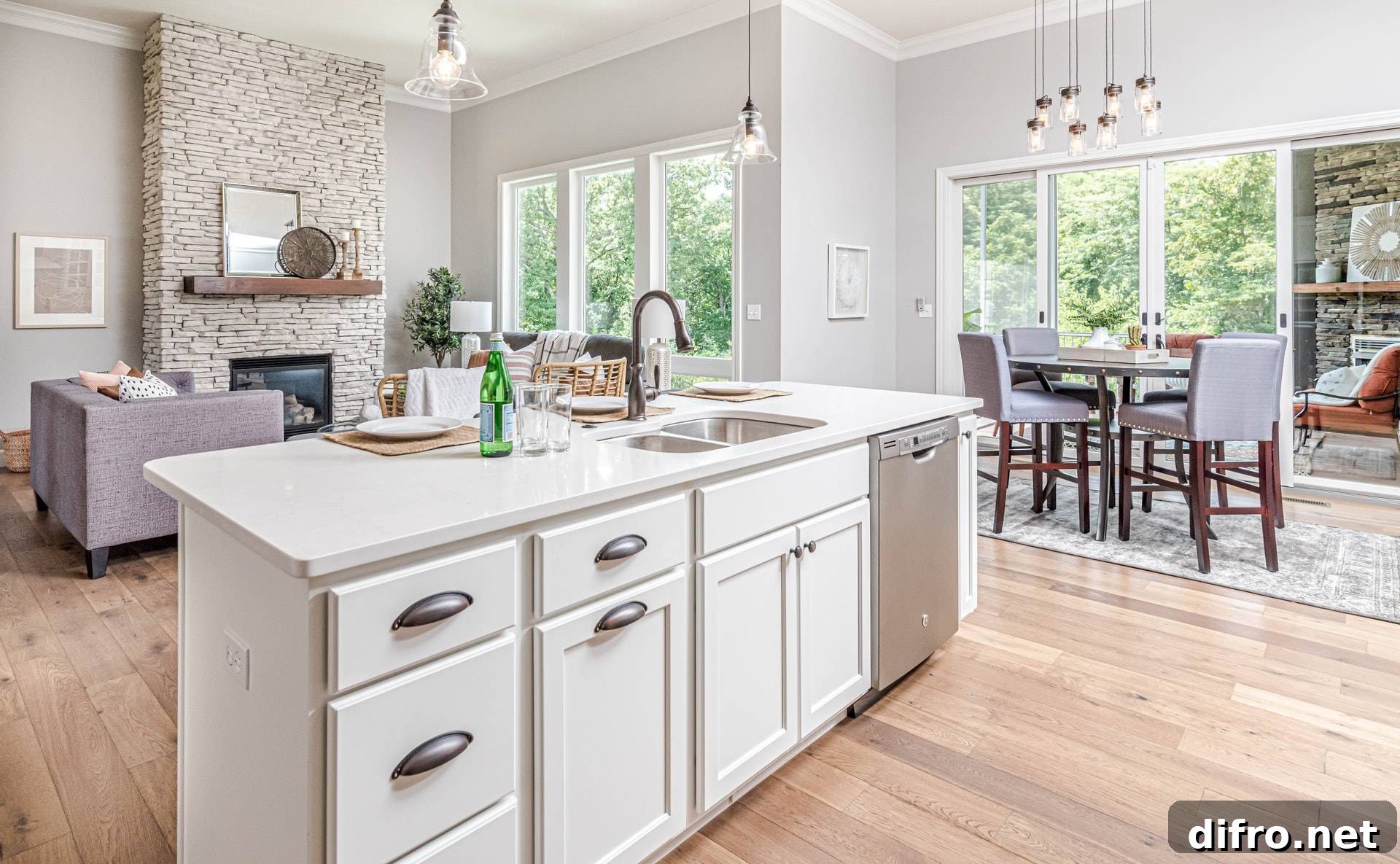
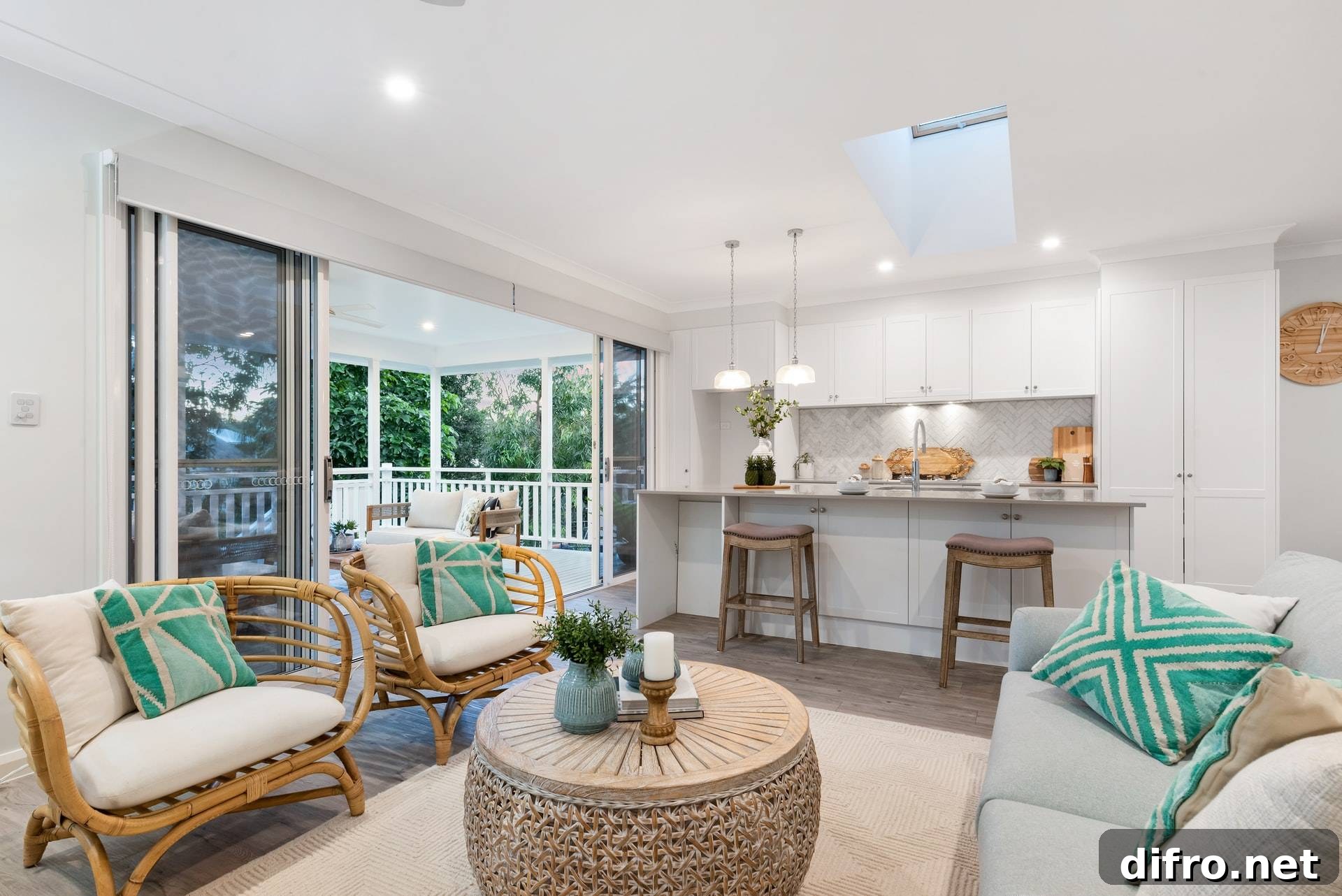
A practical layout balances private and shared spaces. Open-plan living areas are popular for families because they allow parents to supervise young children while preparing meals or working from home. Look for sightlines between the kitchen and play or living areas, and consider whether the floor plan supports flexible living as your children grow.
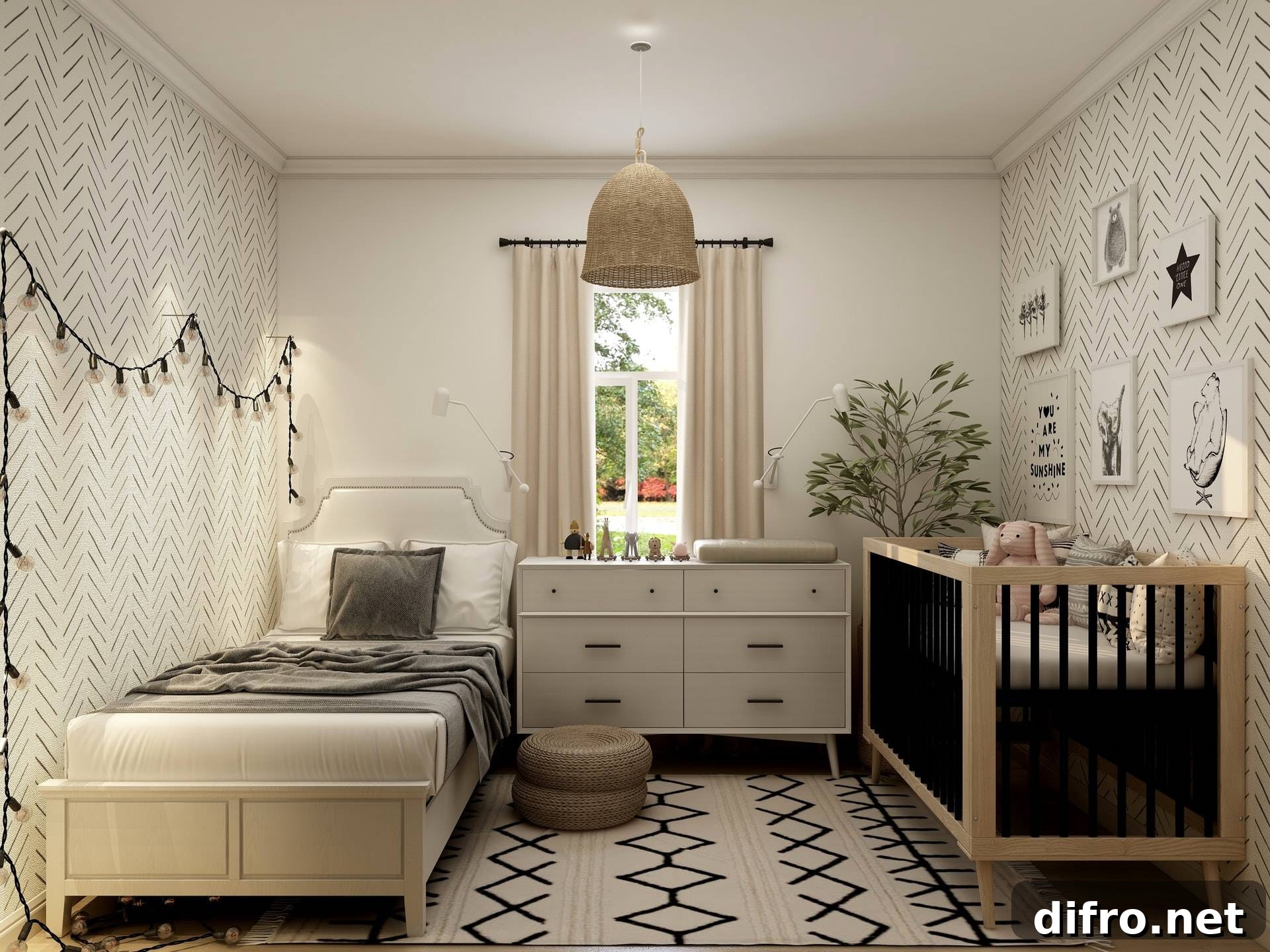
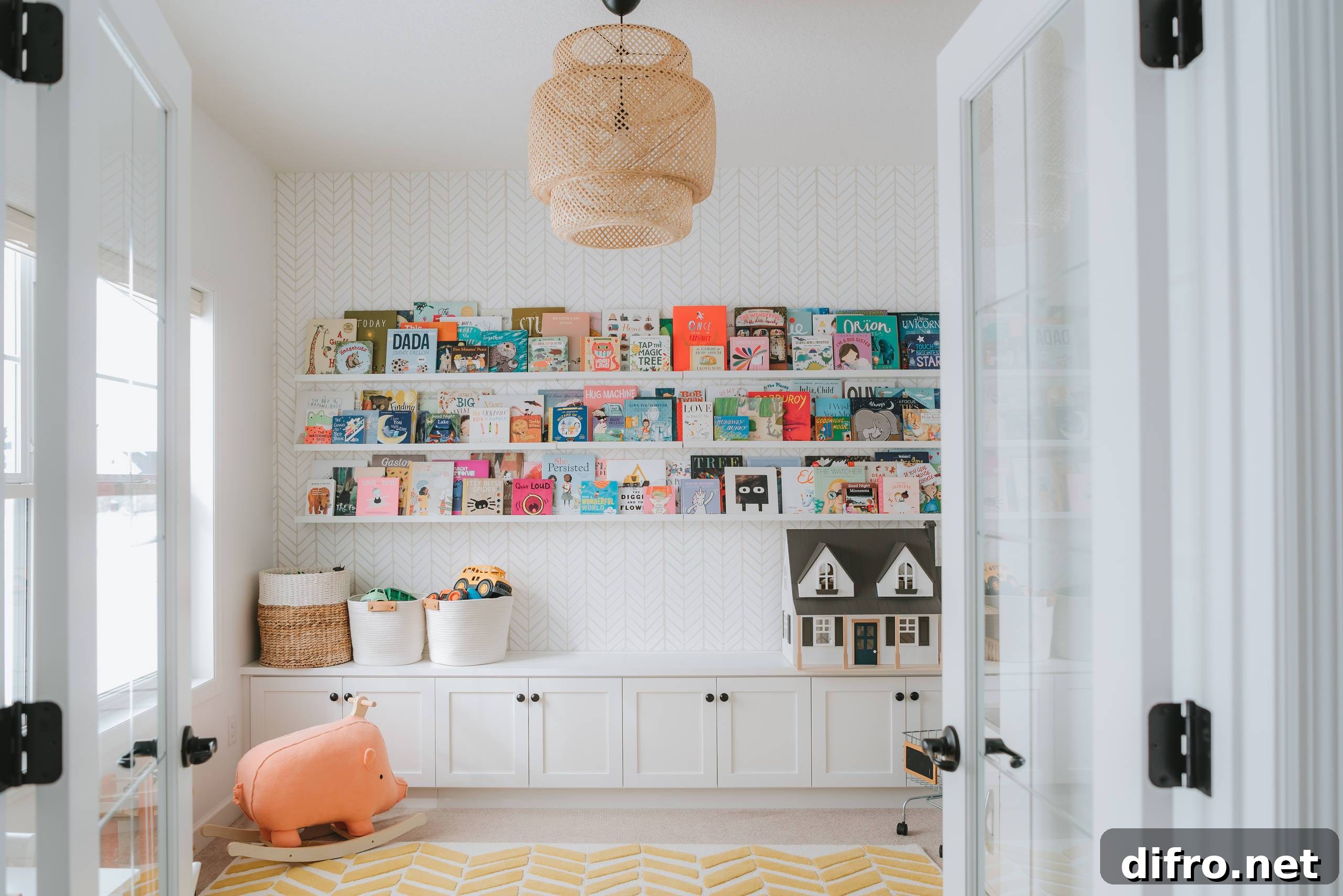
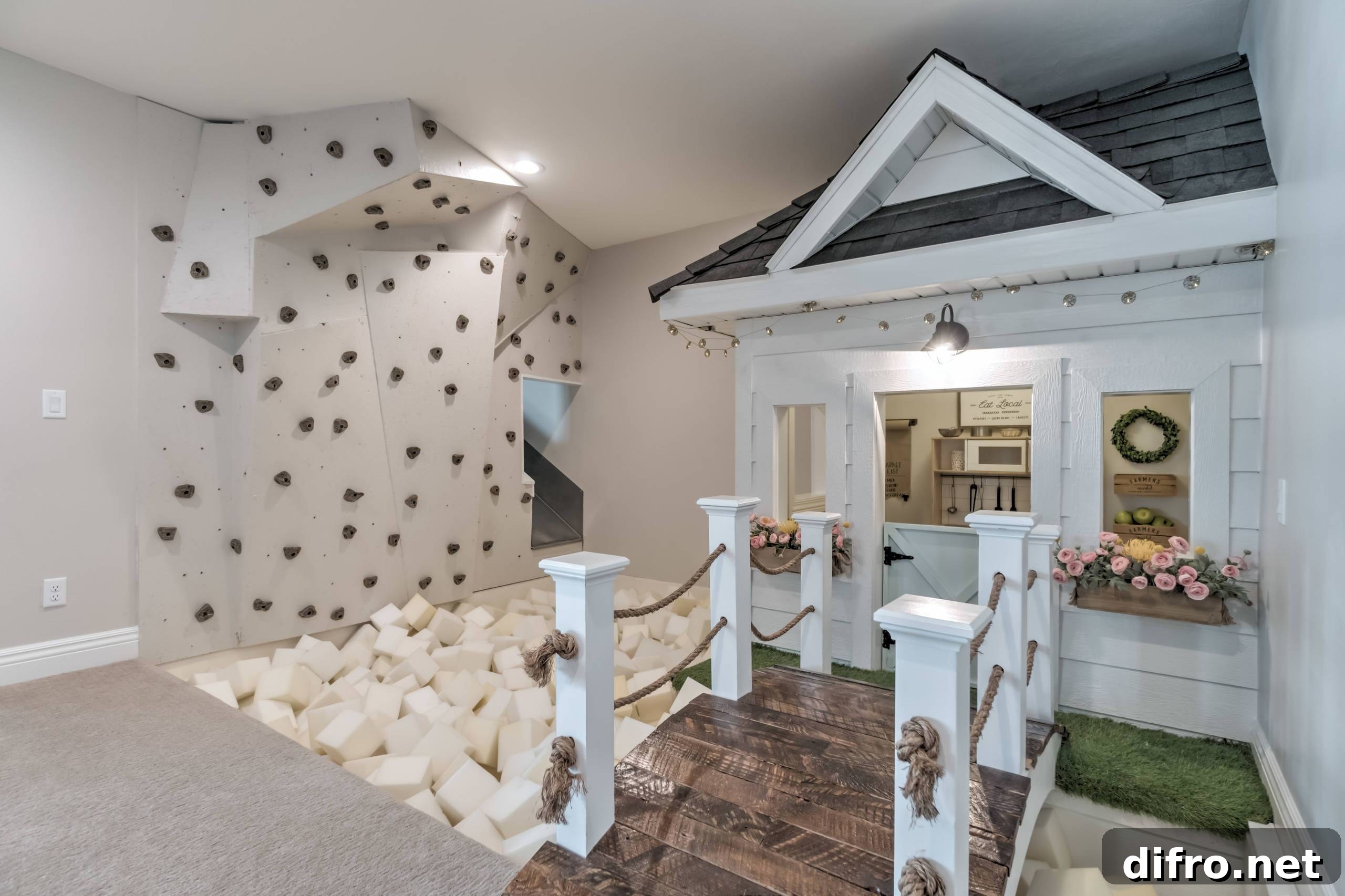
Plan ahead for changing needs. Children often require privacy and their own bedrooms sooner than expected. Rather than immediately upgrading to a much larger property later, choose a home with potential for expansion. Basements can be finished into extra living rooms, playrooms or guest suites. Attic or loft conversions and single-storey extensions are other ways to add square footage. Evaluate load-bearing walls, roof height and planning rules in the area so future renovations are feasible.
Storage
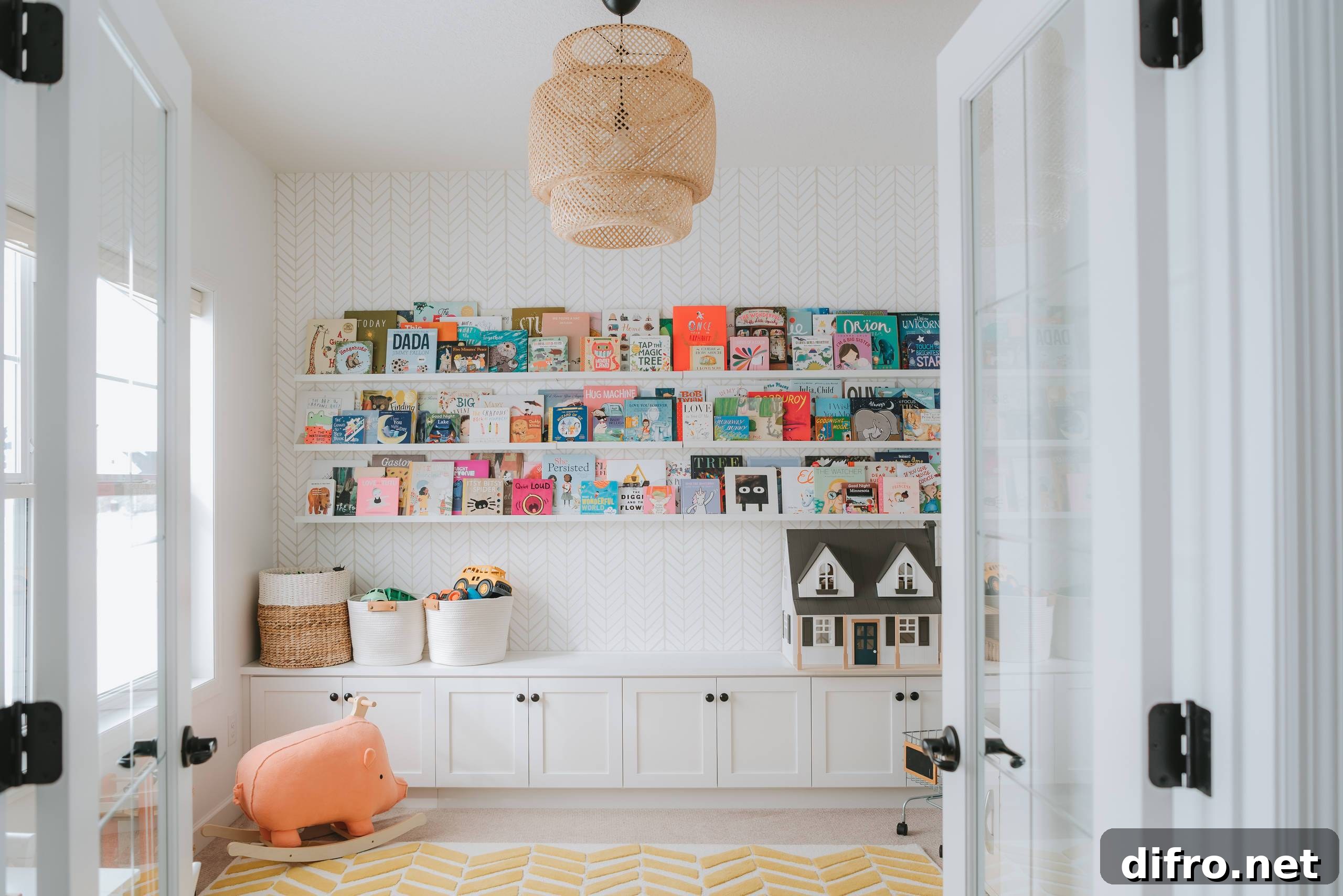
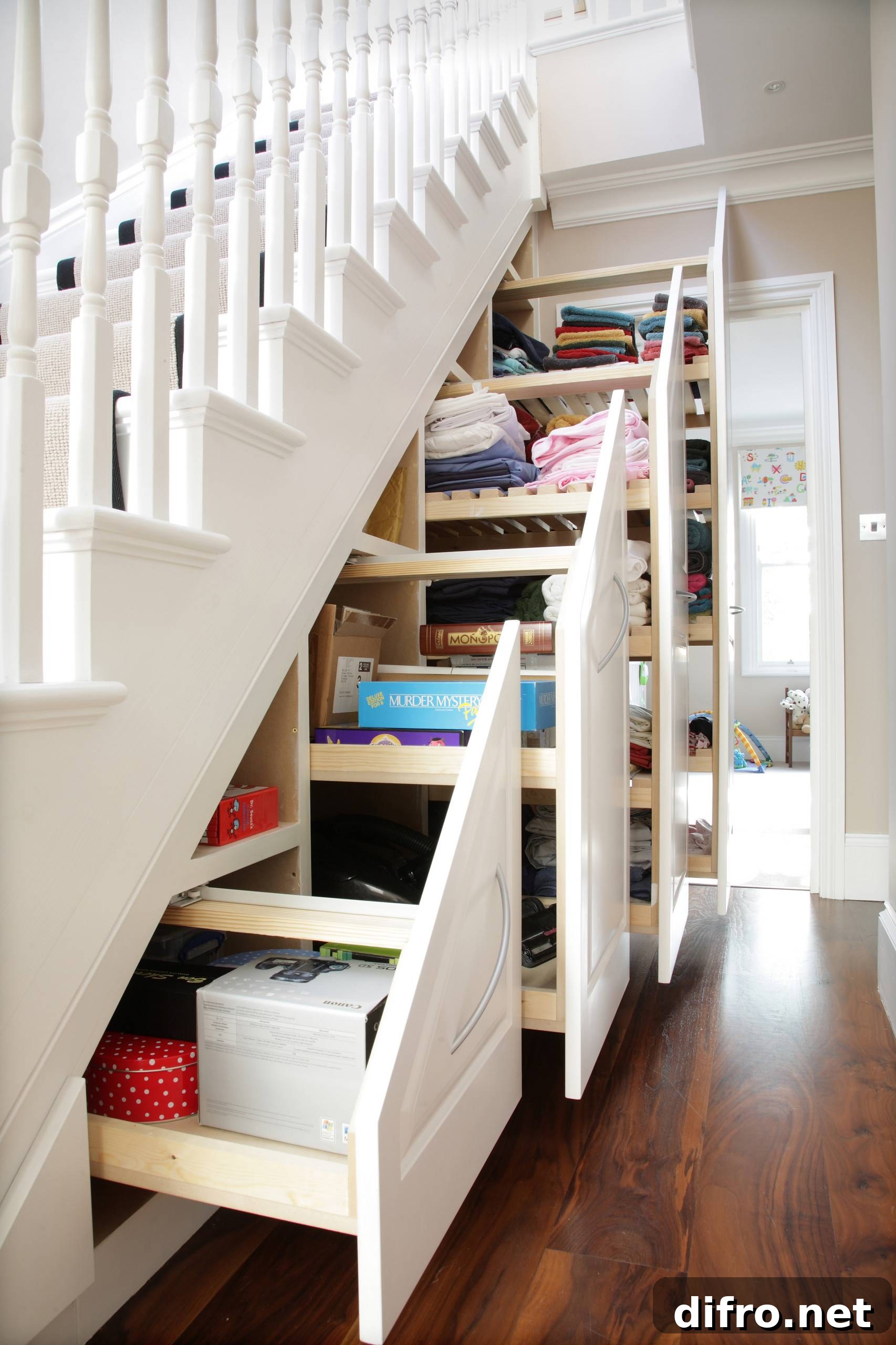
Storage is easy to underestimate. Toys, seasonal clothing, sports gear and baby equipment accumulate quickly and can make a home feel chaotic. Seek properties with built-in storage solutions—wardrobes, cupboards, under-stair storage and attic space. Even if current storage is adequate, check whether there is room to add shelving, closets or a mudroom later. Adequate storage keeps the home organized, reduces clutter and makes daily life smoother for busy families.
Ample outdoor space
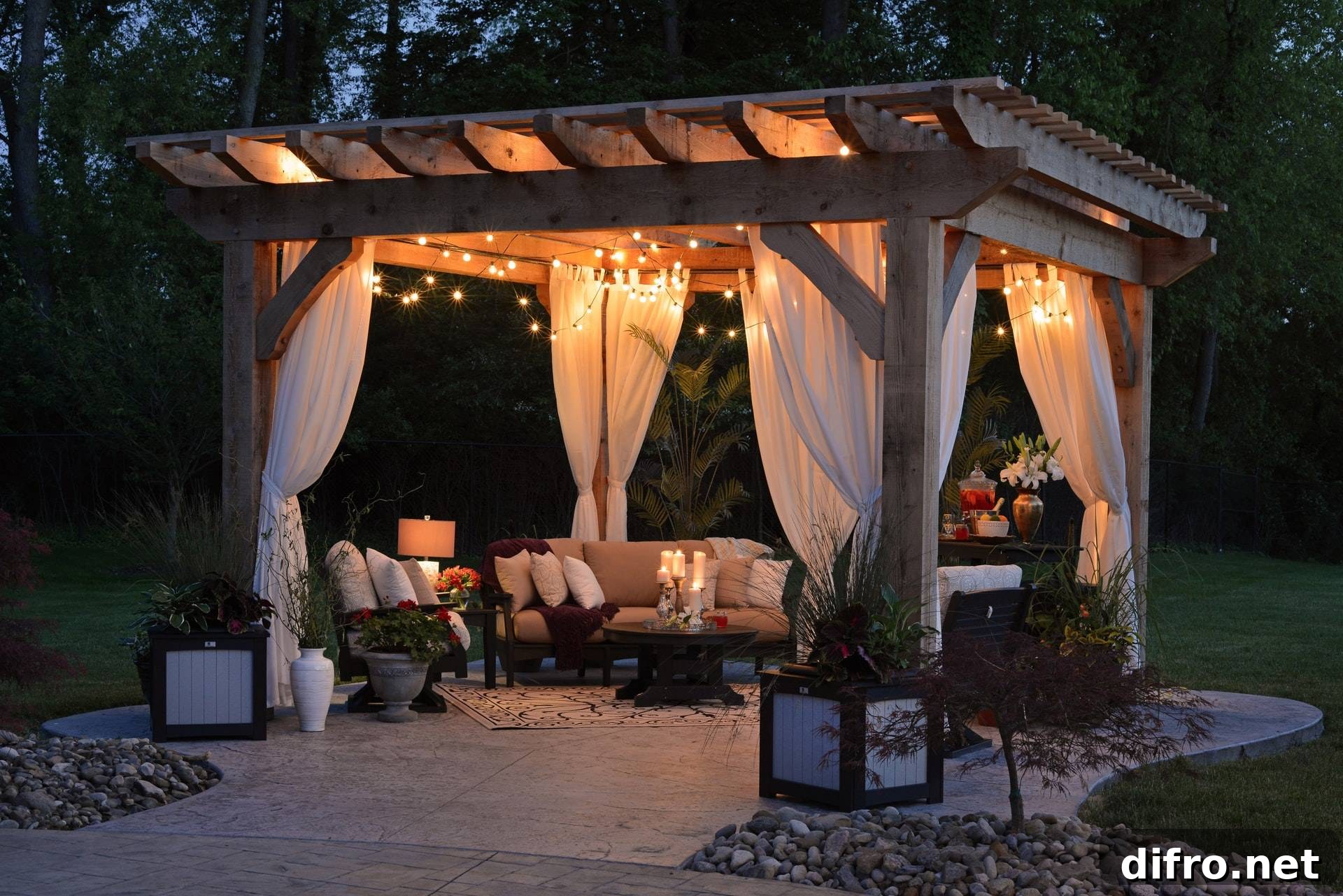
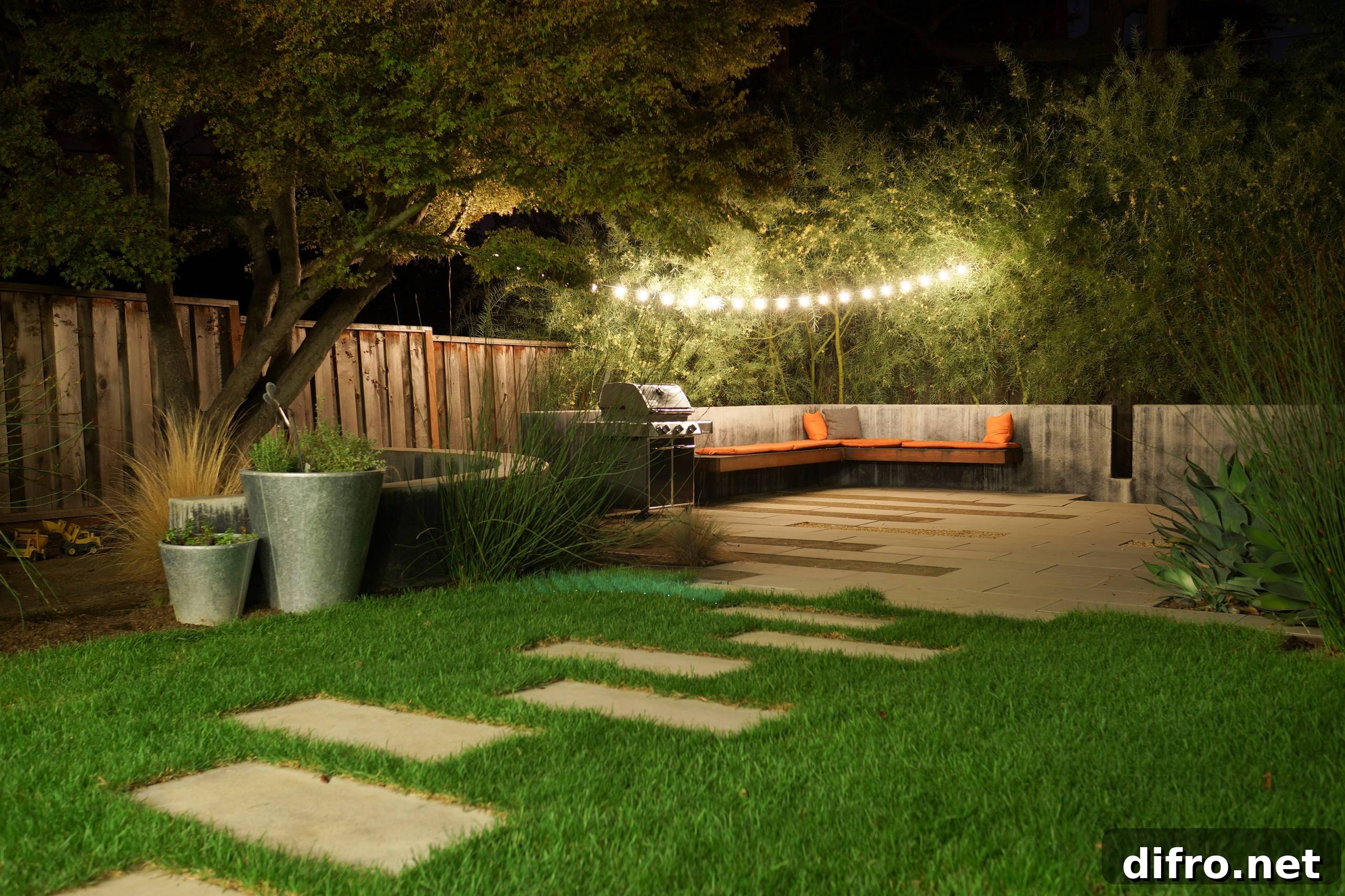
Outdoor space is a major advantage for families. A private garden provides a secure area for children to play, explore and burn off energy. Consider the layout and safety of the yard—level ground, fencing, shade and the ability to supervise from the house are all important. Outdoor living areas, such as a patio or deck, extend your usable space for entertaining, al fresco meals and family gatherings. Think about low-maintenance landscaping if you prefer less upkeep, or the potential to add a play structure or vegetable garden as your family grows.
Convenient parking
Convenient parking can greatly improve daily routines. Parents often juggle strollers, shopping and children—having a driveway or garage close to the entrance reduces strain and improves safety. Street parking can be inconvenient and unsafe for loading and unloading young kids. Also consider long-term vehicle needs: as families grow, multiple cars or a larger vehicle may be necessary. Look for homes with ample off-street parking or space to create additional parking if needed.

Choosing a family-friendly house involves careful thought about present needs and future changes. Focus on safe, convenient locations with good schools and local amenities. Prioritize layouts that offer both communal spaces and private rooms, and plan for storage and potential expansions like finished basements or loft conversions. Outdoor space and reliable parking improve daily life, while thoughtful storage solutions reduce clutter. With these factors in mind, you can find a home that supports your family’s lifestyle now and adapts as your children grow.