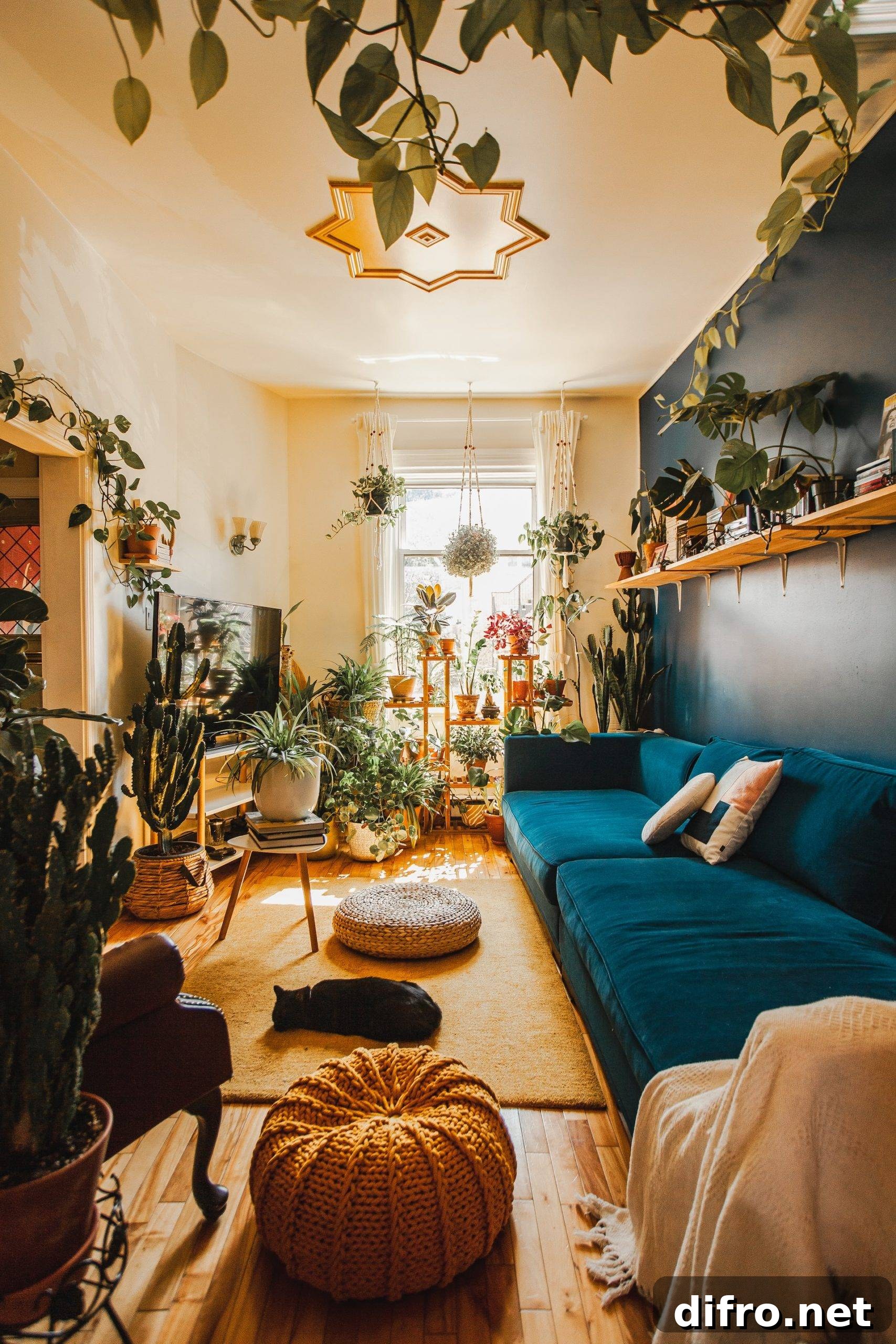
Biophilic interior design celebrates our connection with nature by bringing natural elements into indoor spaces. Literally meaning “love of nature,” this design approach creates tranquil, restorative environments that improve wellbeing and comfort. Whether you want a lush bedroom, a calming living room, or a compact balcony garden, these practical, easy-to-apply ideas will help you design beautiful biophilic interiors that feel both modern and naturally inviting.
Jungle-like bedroom
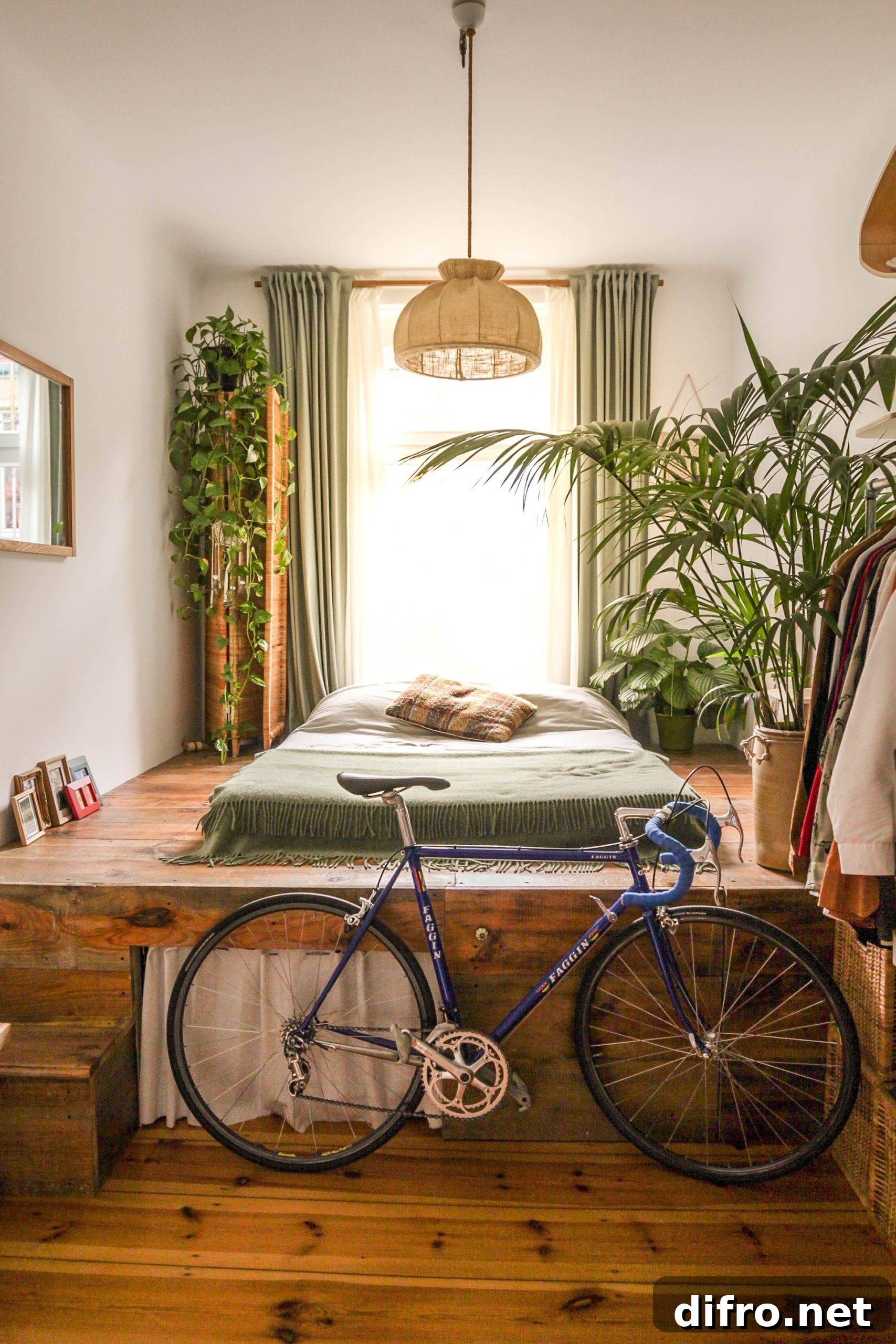
Adding live greenery is one of the simplest and most effective ways to achieve a biophilic bedroom. Large potted plants—such as majesty palms, monstera deliciosa, snake plants, and fiddle leaf figs—can transform a bare corner into a leafy retreat. Position taller plants near the bed or a reading nook to create a sense of enclosure and privacy, and use smaller pots on bedside tables and windowsills to layer foliage at different heights. Choose plants that match your light conditions and maintenance preferences: some species tolerate low light, while others need bright, indirect sun.
Biophilic living room
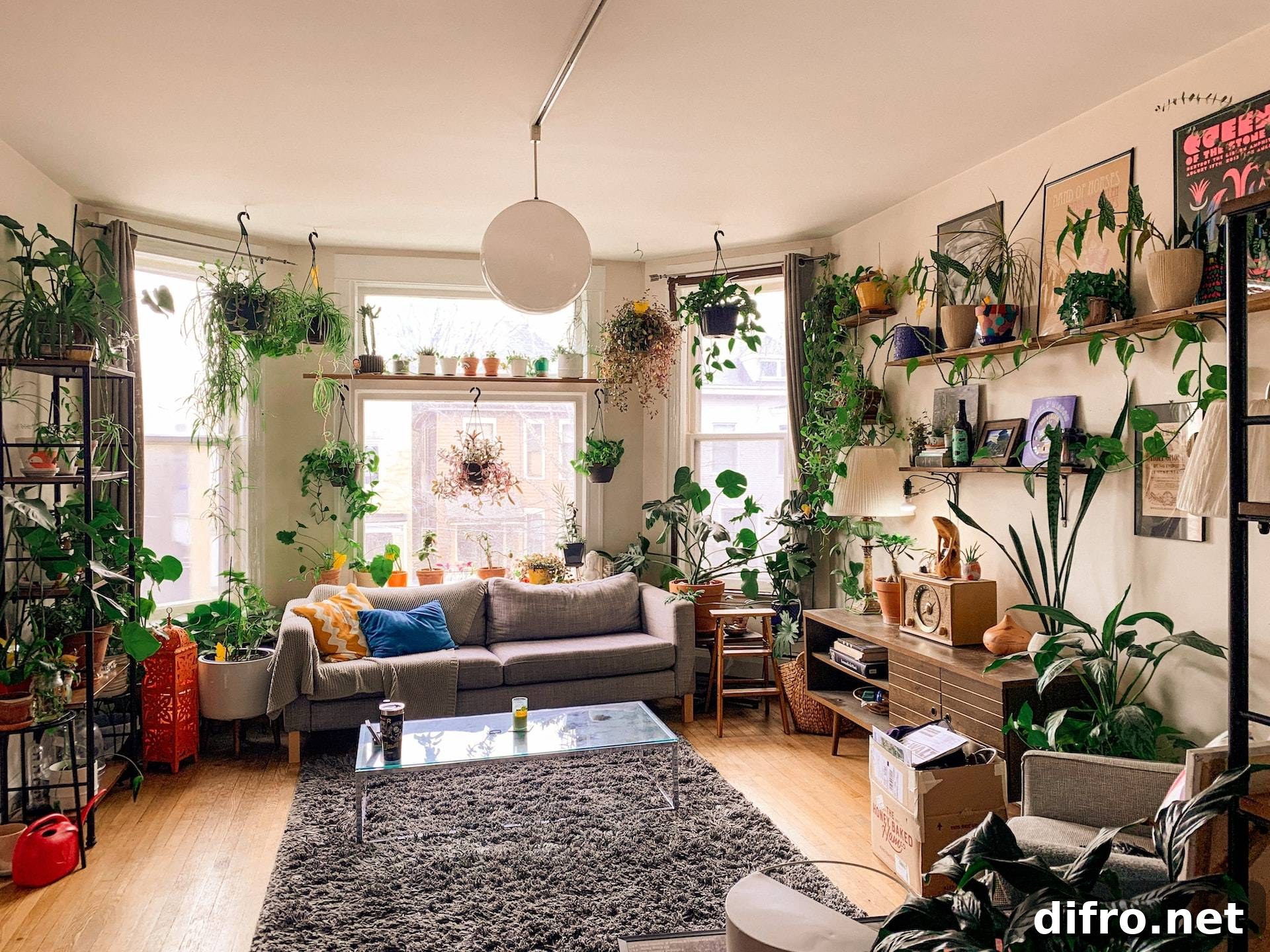
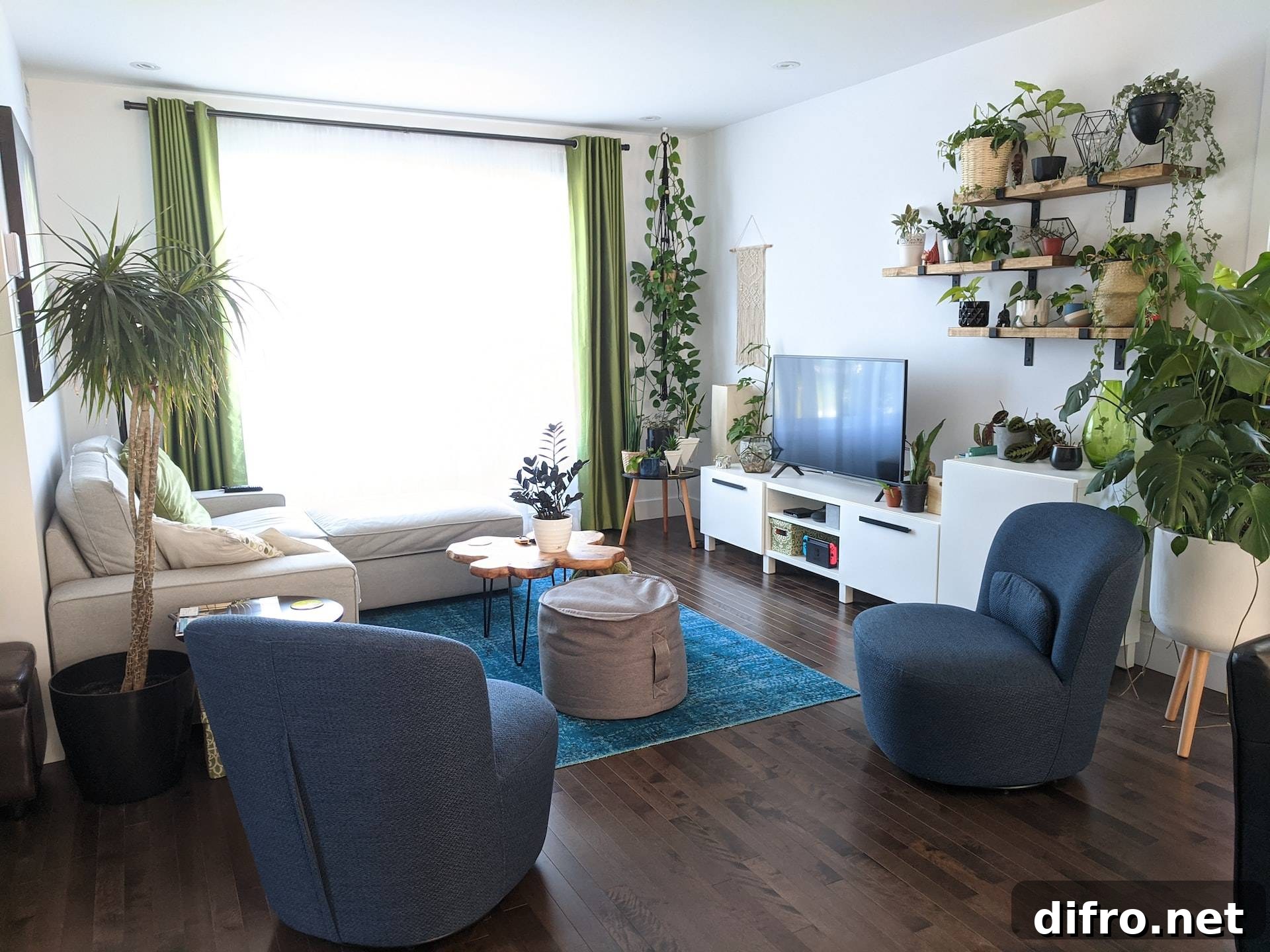
The living room is ideal for showcasing a variety of houseplants that enhance mood and indoor air quality. Varieties commonly used for air-purifying benefits include aloe vera, English ivy, snake plant, and spider plant. Display plants on open shelving, side tables, and in hanging planters to introduce texture and color without overwhelming the space. Climbing plants such as pothos or philodendron work well when trained along a trellis or shelf, creating a natural, soft backdrop that complements seating areas and focal points.
Natural materials
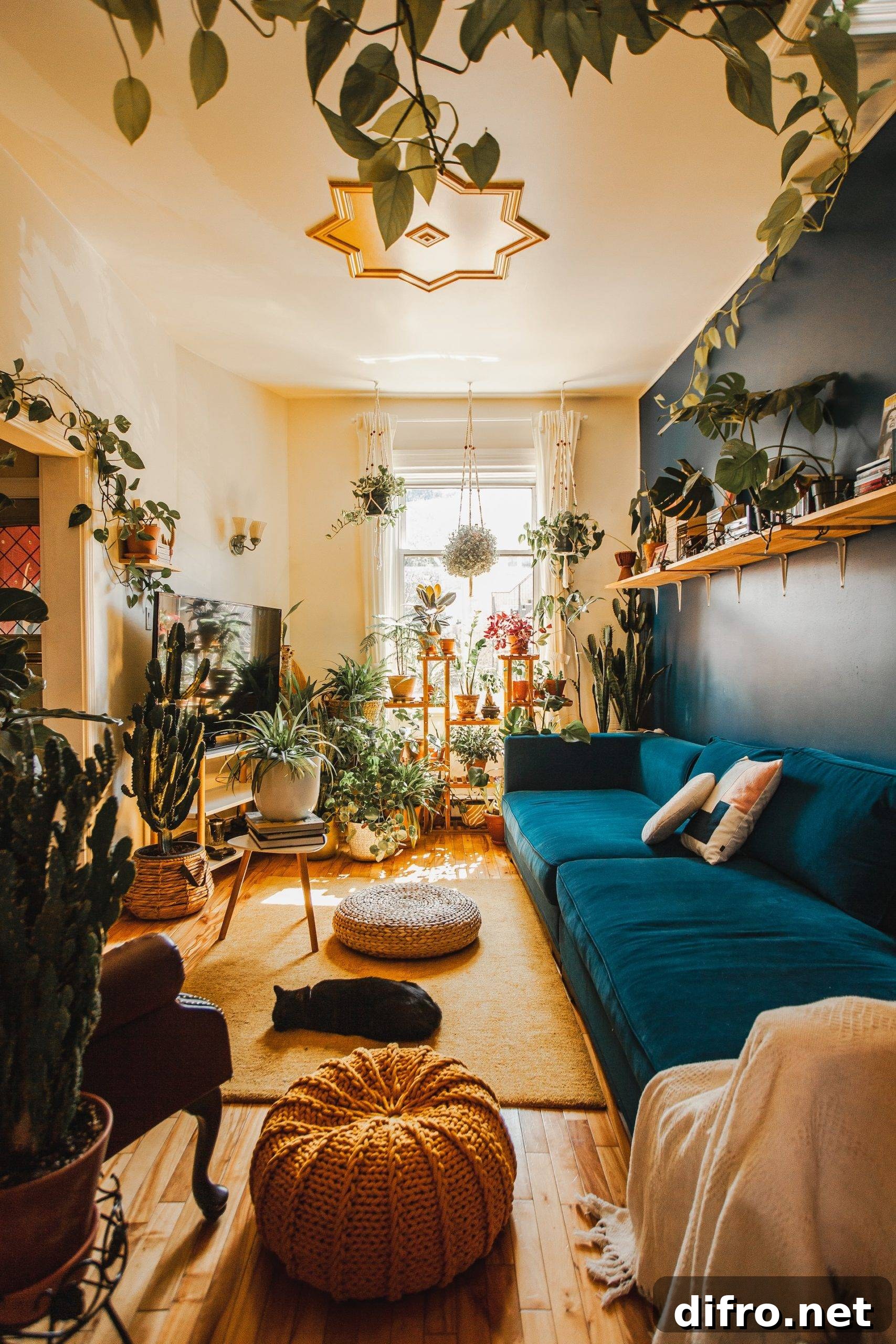
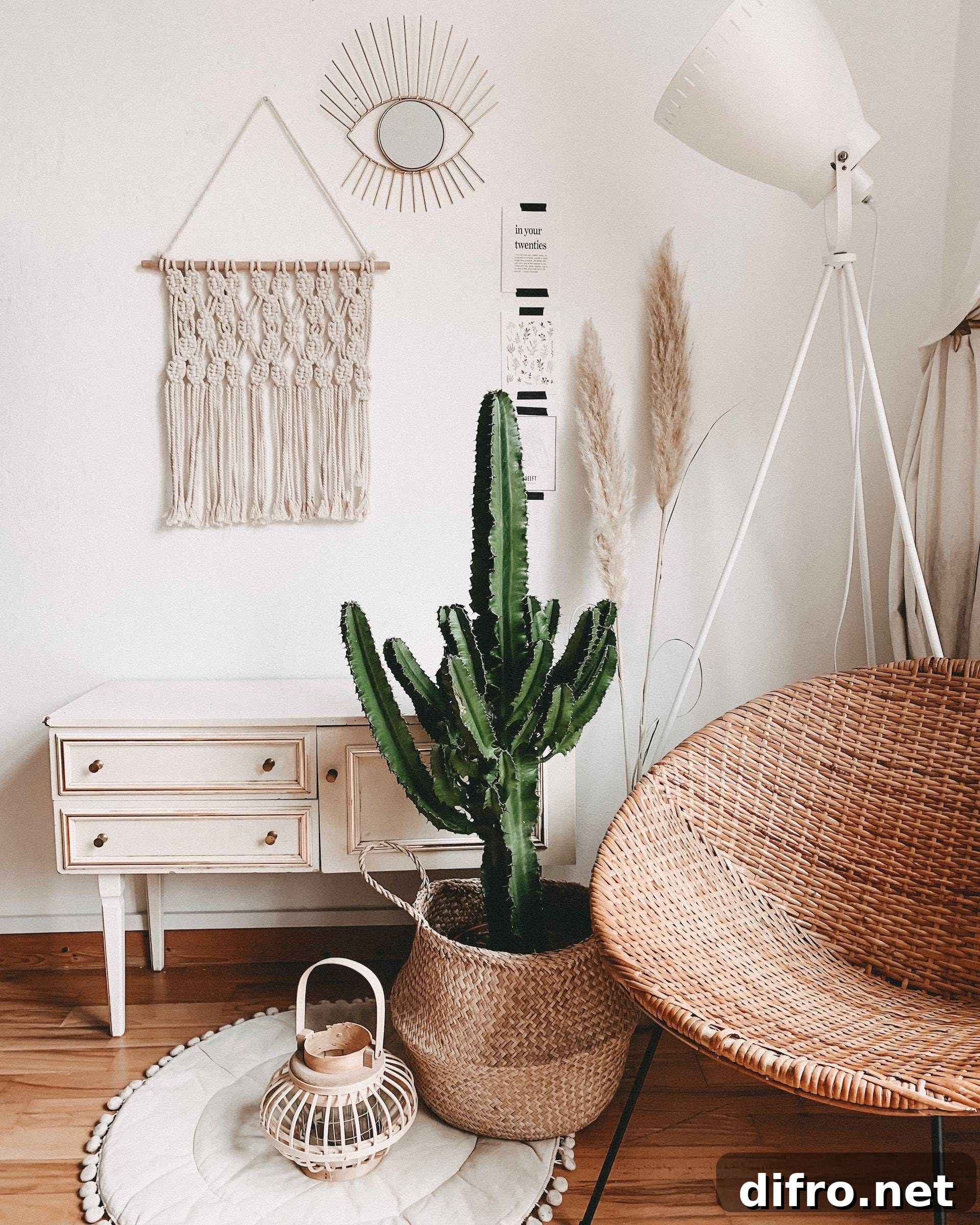
Incorporating natural materials strengthens the organic feel of a biophilic interior. Choose furniture and accents in rattan, jute, untreated wood, clay, and stone to add warmth and tactile interest. Woven rugs, wooden side tables, ceramic planters, and linen textiles create a layered, earthy palette that pairs well with green plants. Aim for a mix of smooth and textured surfaces to enhance sensory connection—rough jute, soft cotton, warm timber—while keeping colors subdued and inspired by nature: greens, warm browns, soft beiges, and muted blues.
Dress your home in greenery
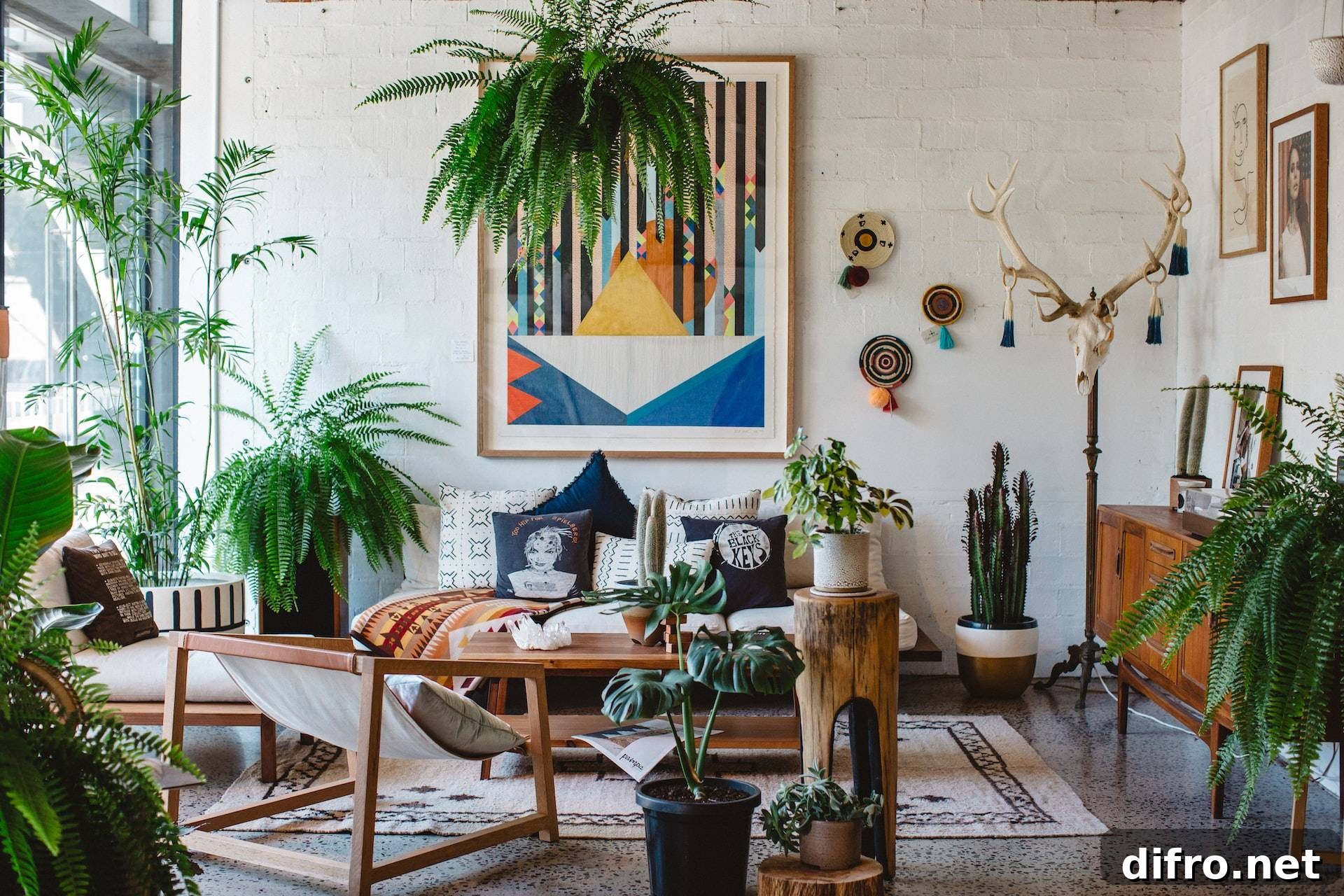
You don’t need gardening experience to build a green home. Start with hardy, low-maintenance species that tolerate occasional neglect—cacti and succulents are great for sunny spots and busy lifestyles, while pothos, ZZ plants, and snake plants thrive in lower light and need less frequent watering. Group plants with similar care needs together to simplify watering and maintenance. Use decorative pots and stands to create cohesion and make plant care part of your daily routine rather than a chore.
Balcony greenhouse
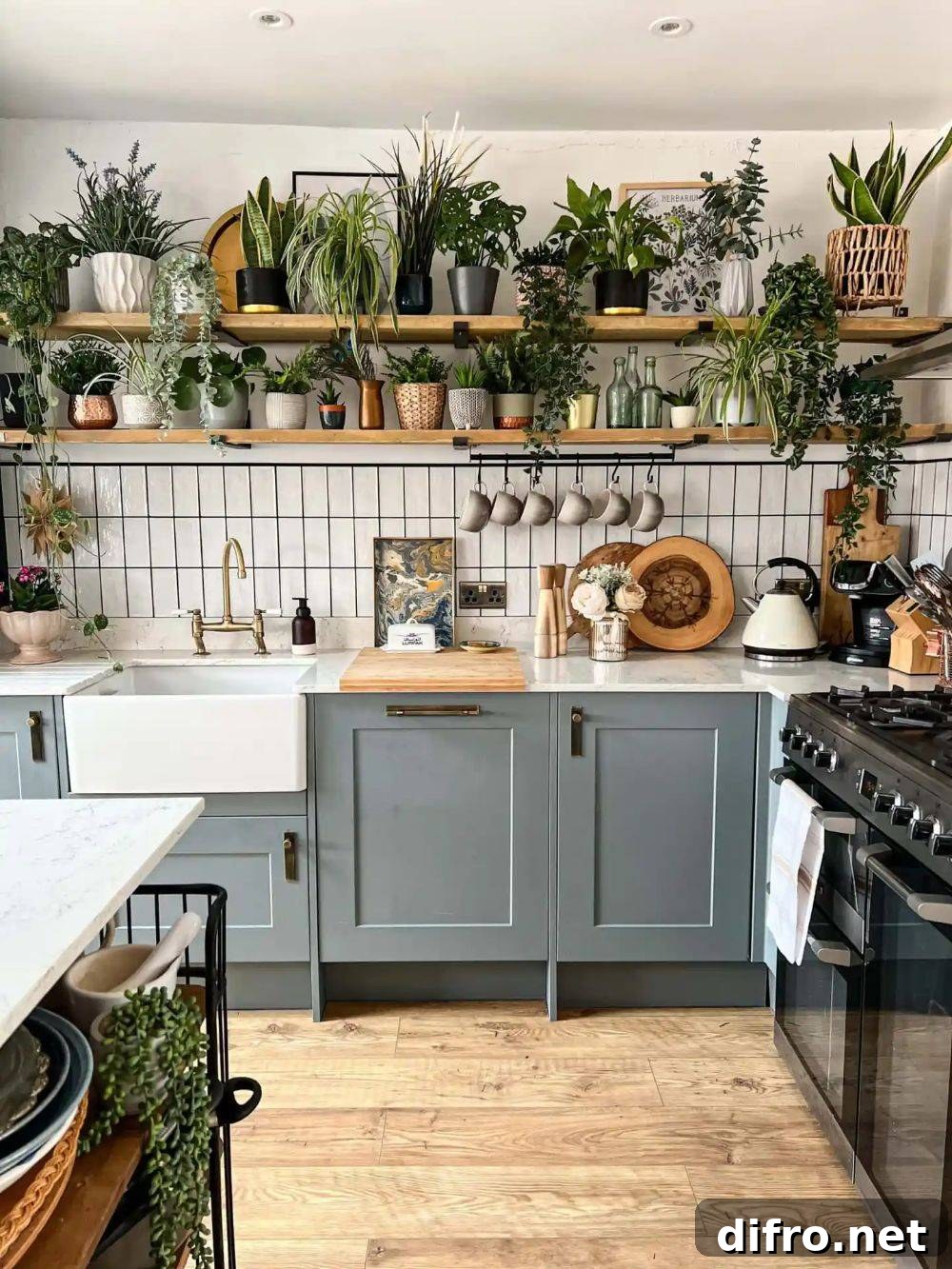
Even a small balcony can become a thriving green corner. Maximize vertical space with planter ladders, wall-mounted pots, or tiered shelving to increase capacity without sacrificing floor area. A compact herb garden is a practical addition: basil, parsley, thyme, and mint grow well in pots and provide fresh flavors for cooking. Consider light exposure and microclimate when selecting plants—sunnier balconies suit Mediterranean herbs and succulents, while shadier ones are better for ferns and leafy greens.
Enhance the natural light
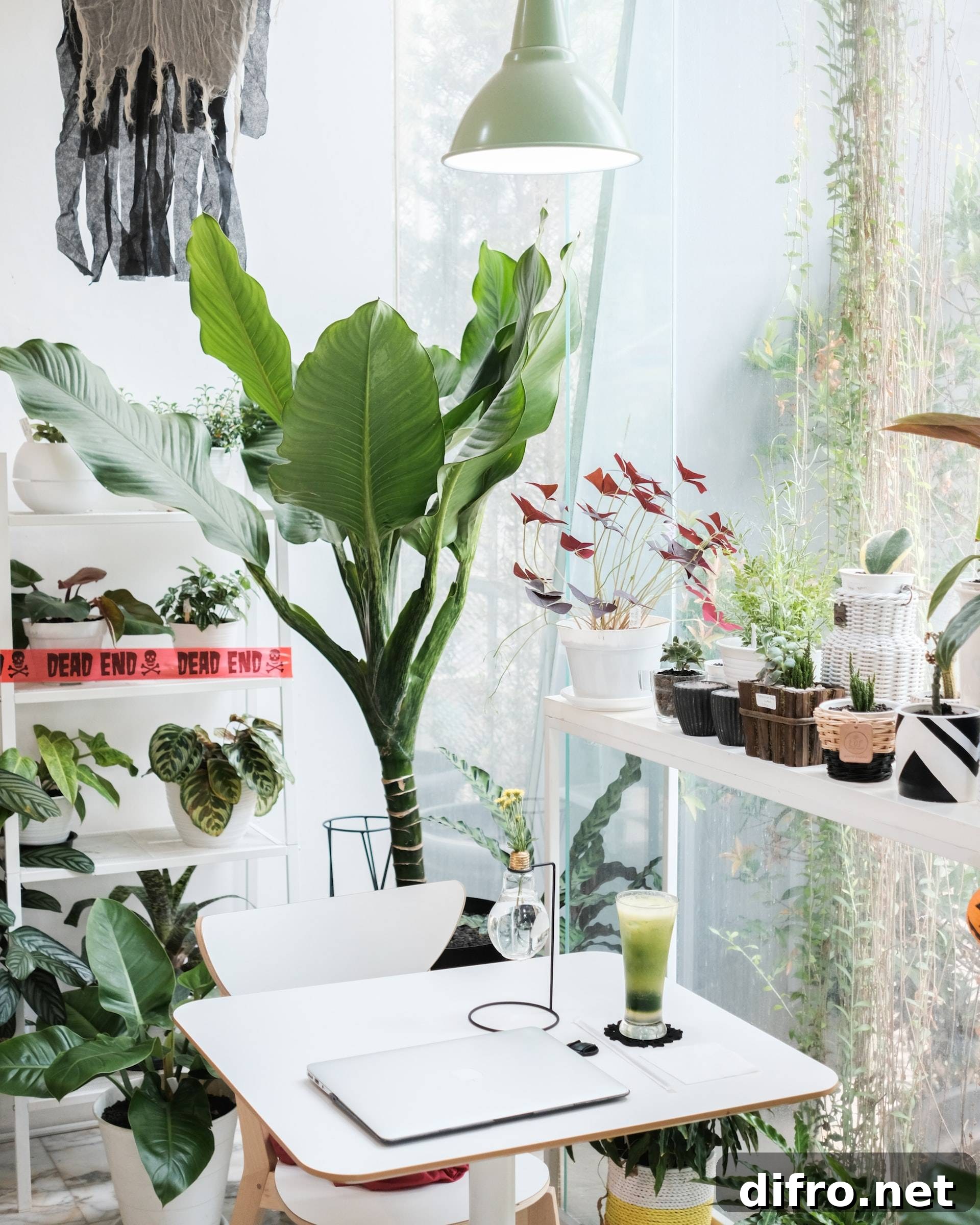
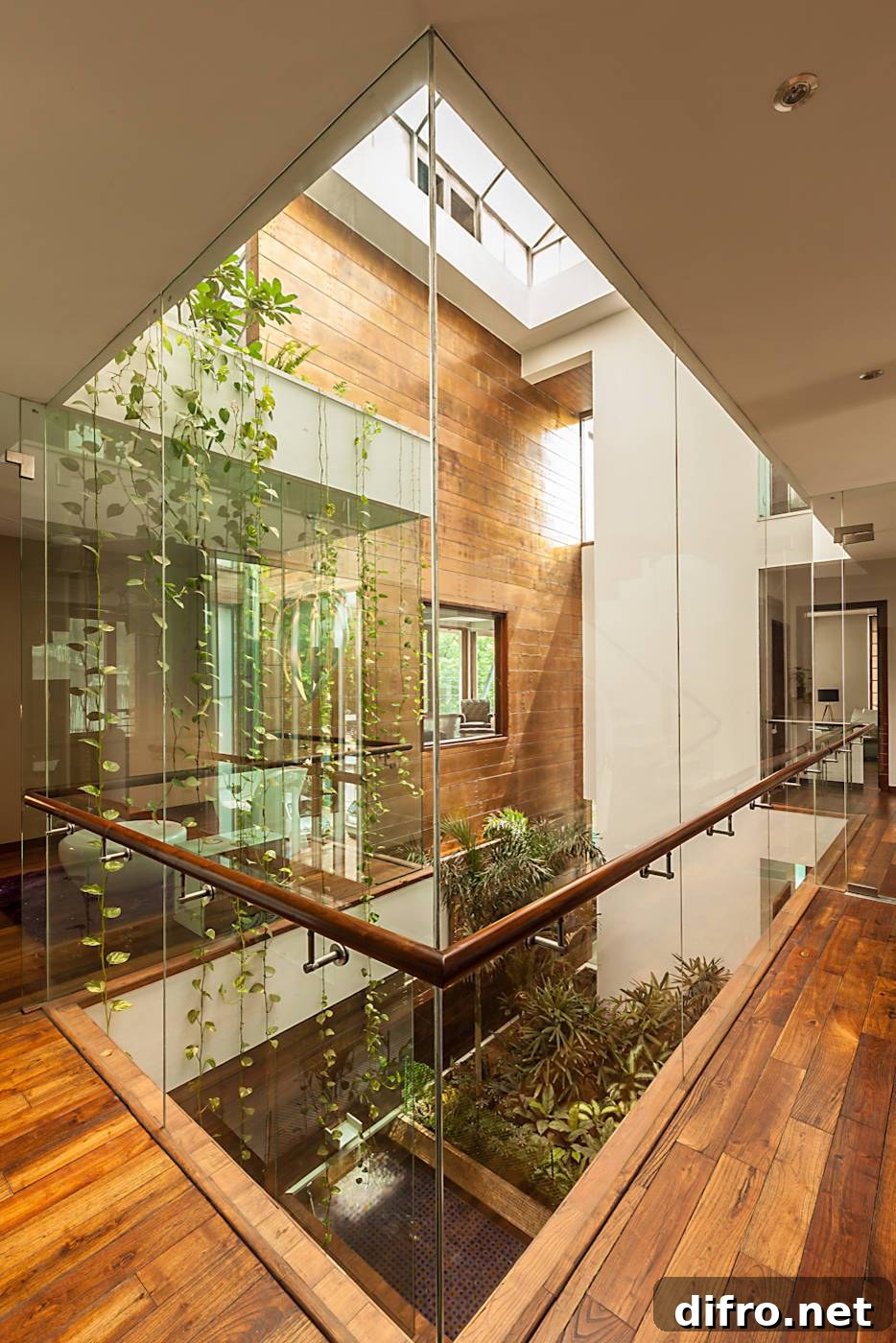
Light is essential for many houseplants and for creating an uplifting interior. Keep large furniture away from windows so sunlight can reach plants and living areas. Choose sheer or lightweight window coverings that allow diffused light to enter while reducing glare. Reflective surfaces such as mirrors and light-colored walls help distribute natural light deeper into the room. If natural light is limited, supplement with full-spectrum grow lights to support plant health and maintain vibrant foliage.
Introduce tropical prints
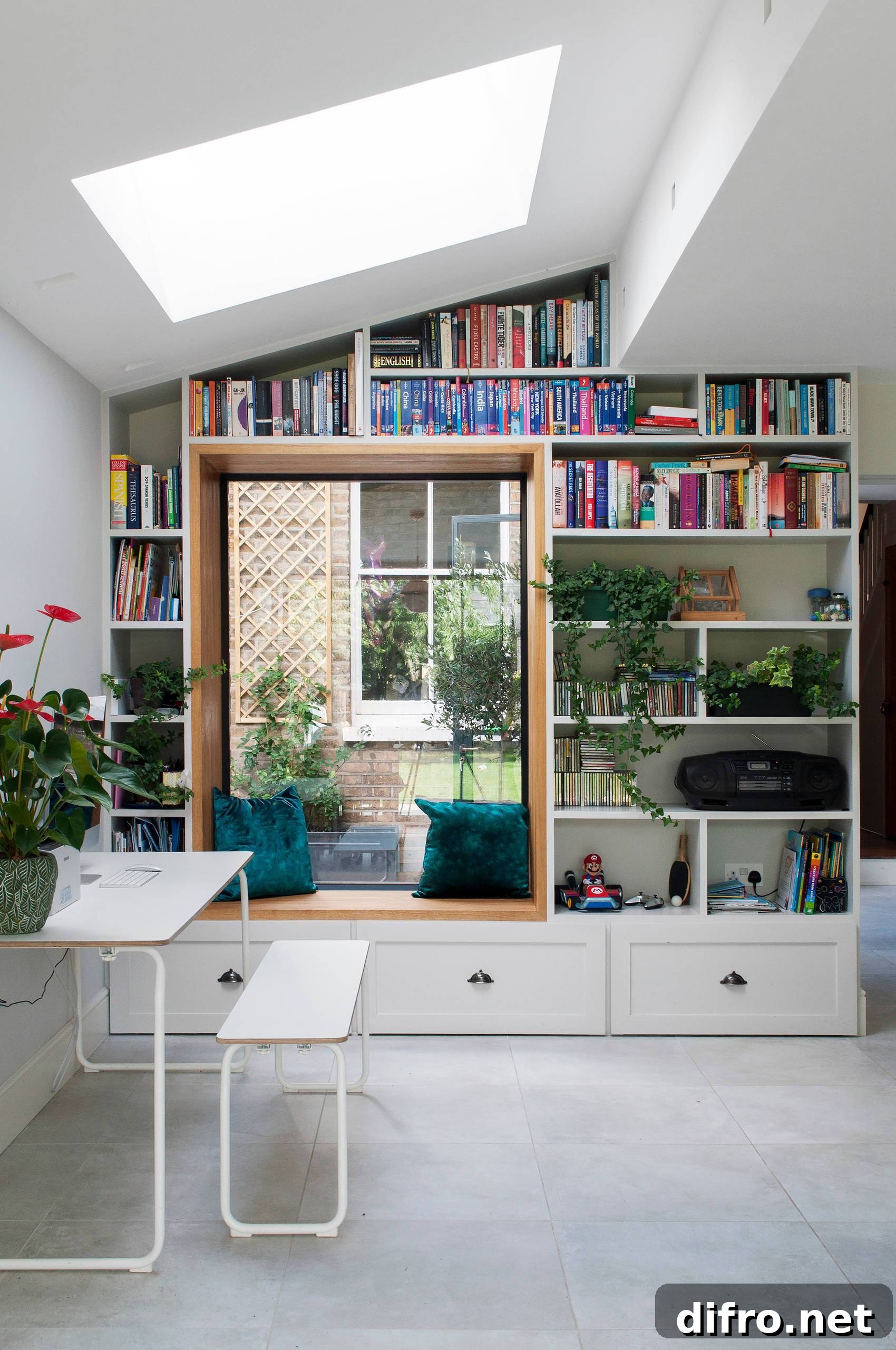
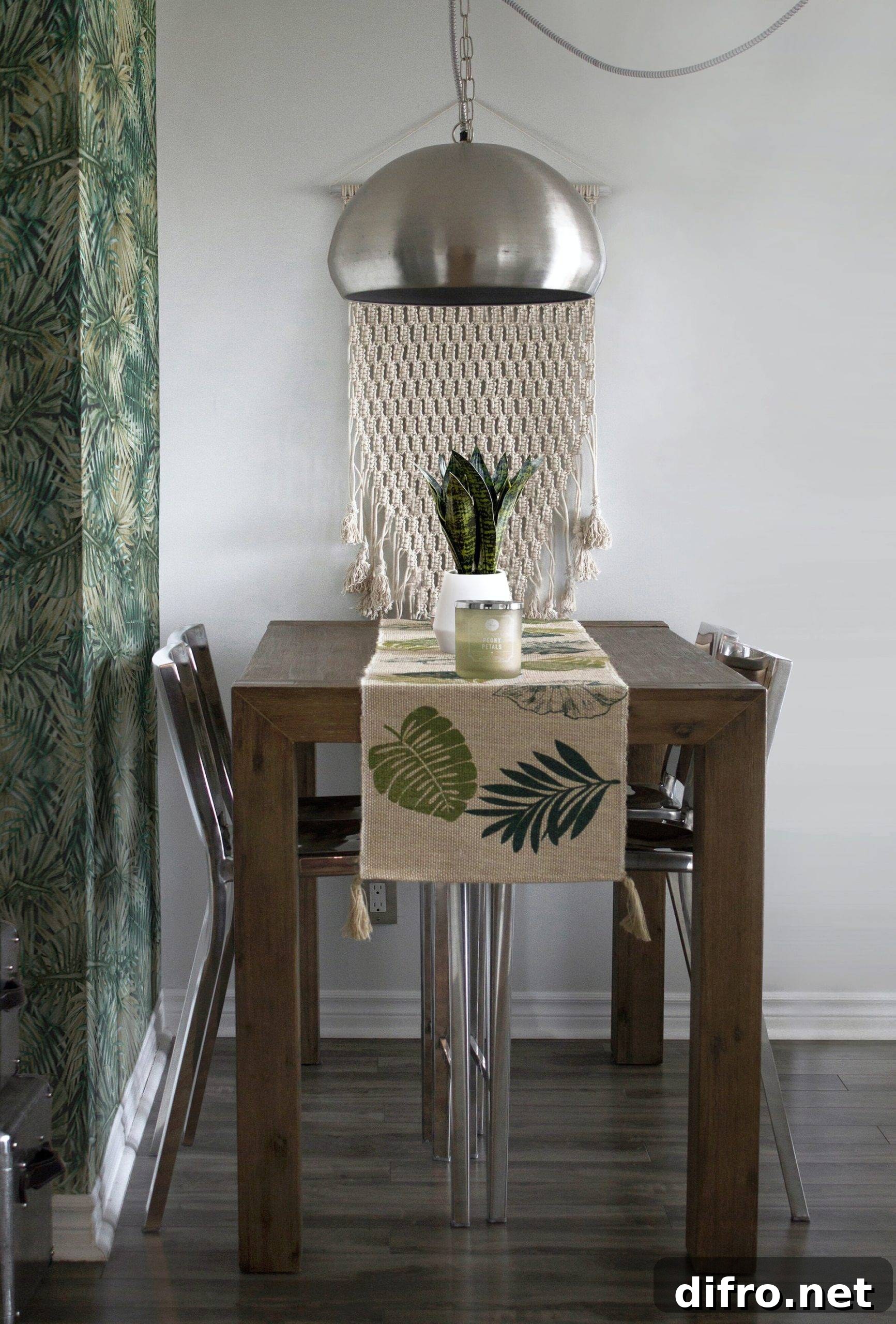
To reinforce a biophilic theme, add botanical or tropical prints in moderation. Wallpaper, cushions, table runners, or framed botanical art can introduce visual interest and reinforce the natural motif. Balance bold patterns with neutral furnishings and natural textures so the look stays fresh rather than overpowering. Use green tones from the plant palette to tie printed textiles into the room’s overall scheme for a cohesive, inviting space.
Biophilic design is flexible and scalable: start small with a few well-placed plants and natural accents, then expand as you learn what thrives in your home. Combining greenery, natural materials, light optimization, and thoughtful patterns will create a peaceful, healthy interior that feels connected to the outdoors.