Design trends evolve, and while some elements remain timeless, others can make a home look dated. You don’t need to chase every new fad, but it’s useful to identify features that are aging your space. The good news is many of these updates are straightforward and affordable. A few targeted changes can refresh the look and feel of your home. Below are common dated design elements to watch for and practical ways to modernize them.
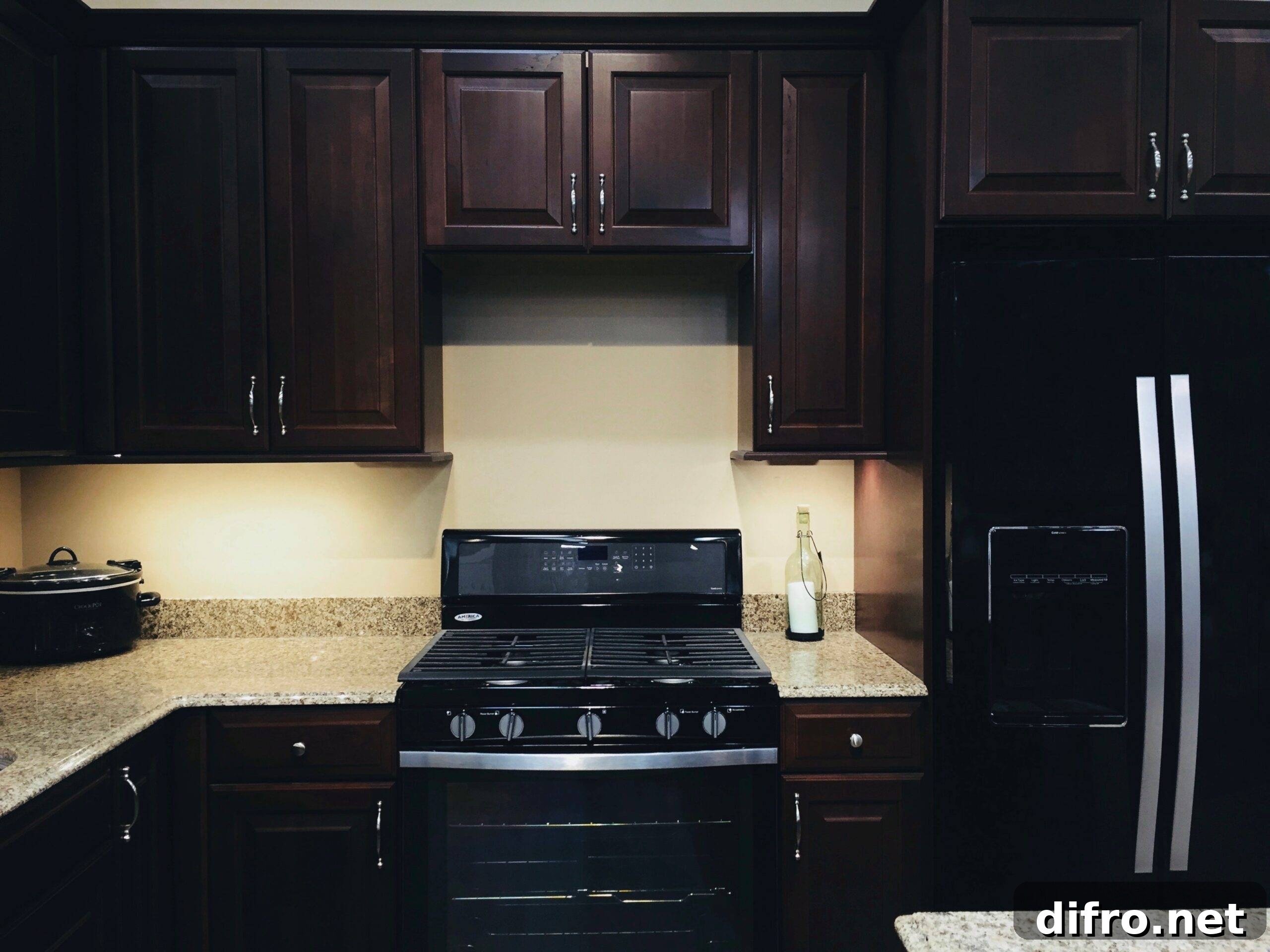
1. Heavy, Dark Wood Cabinets
Dark cherry, mahogany, or very deep-stained kitchen cabinets were once the standard, but they now often read as heavy and closed-in. Contemporary kitchens favor lighter finishes and surfaces that reflect natural light—think painted cabinets, light woods, or warm neutrals. If a full cabinet replacement isn’t practical, paint is one of the most effective updates: a fresh coat in a soft white, warm gray, or muted greige opens the room immediately. Swapping dated hardware for sleeker pulls and knobs, removing a few upper doors to create open shelving, or introducing glass-front cabinets can also lighten the visual weight without a major remodel. Even changing the countertop or adding under-cabinet lighting helps balance darker cabinetry.
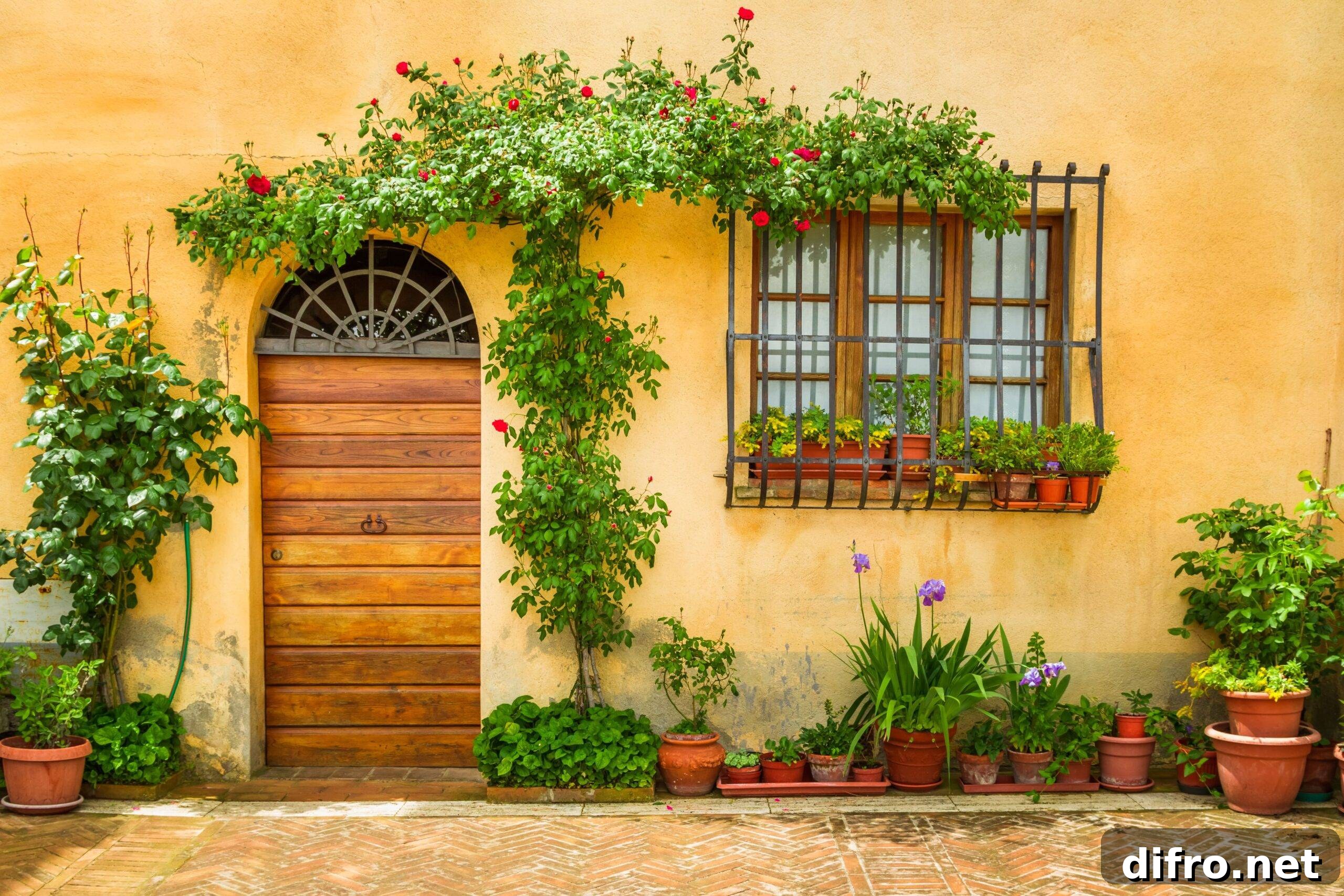
2. Tuscan-Style Faux Finishes
Textured walls, sponge painting, and heavy faux finishes were popular for creating a warm, aged look, but today they often read as busy and dated. Smooth, neutral walls give rooms a cleaner, more timeless backdrop that lets furniture and accents stand out. If your walls have heavy texture, consider a skim coat to level the surface, or apply modern, low-sheen paint in neutral tones like soft taupe, warm gray, or muted greyscales. Updating trim and baseboards in crisp white or an off-white can instantly refresh the room. These changes simplify the visual field and make the space feel more contemporary and flexible.
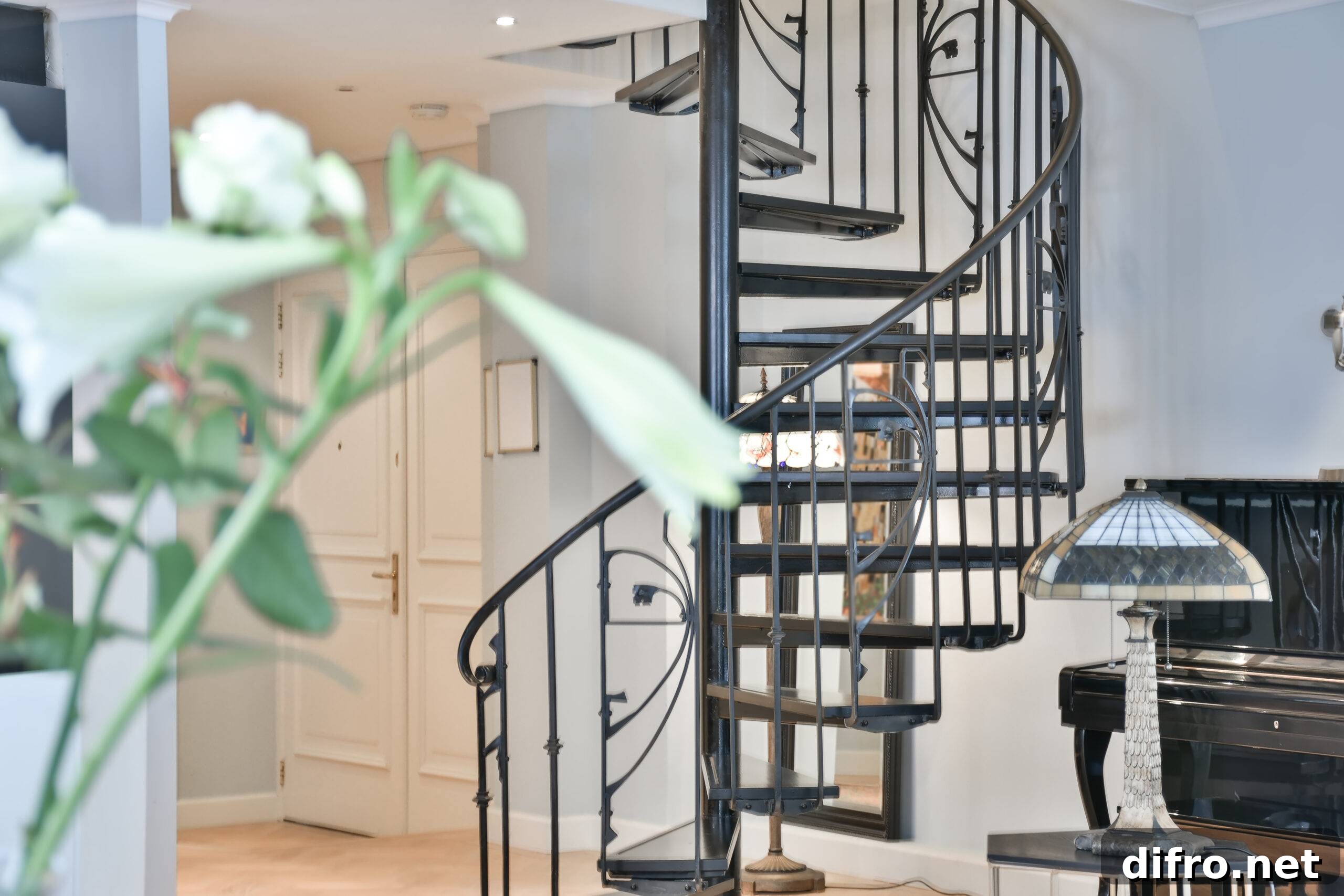
3. Ornate Wrought Iron Details
Intricate wrought iron scrollwork once conveyed craftsmanship and elegance, but heavily ornate railings, fixtures, and furniture can now feel anchored to an older style. Simple, streamlined metalwork—matte black, brushed nickel, or mixed metal finishes—feels fresher and integrates better with diverse decor styles. For a low-cost update, paint ironwork in a matte black or dark bronze to simplify the look. Replacing an overly fussy chandelier with a more minimalist fixture or swapping ornate balusters for cleaner vertical spindles are effective ways to modernize without losing character.
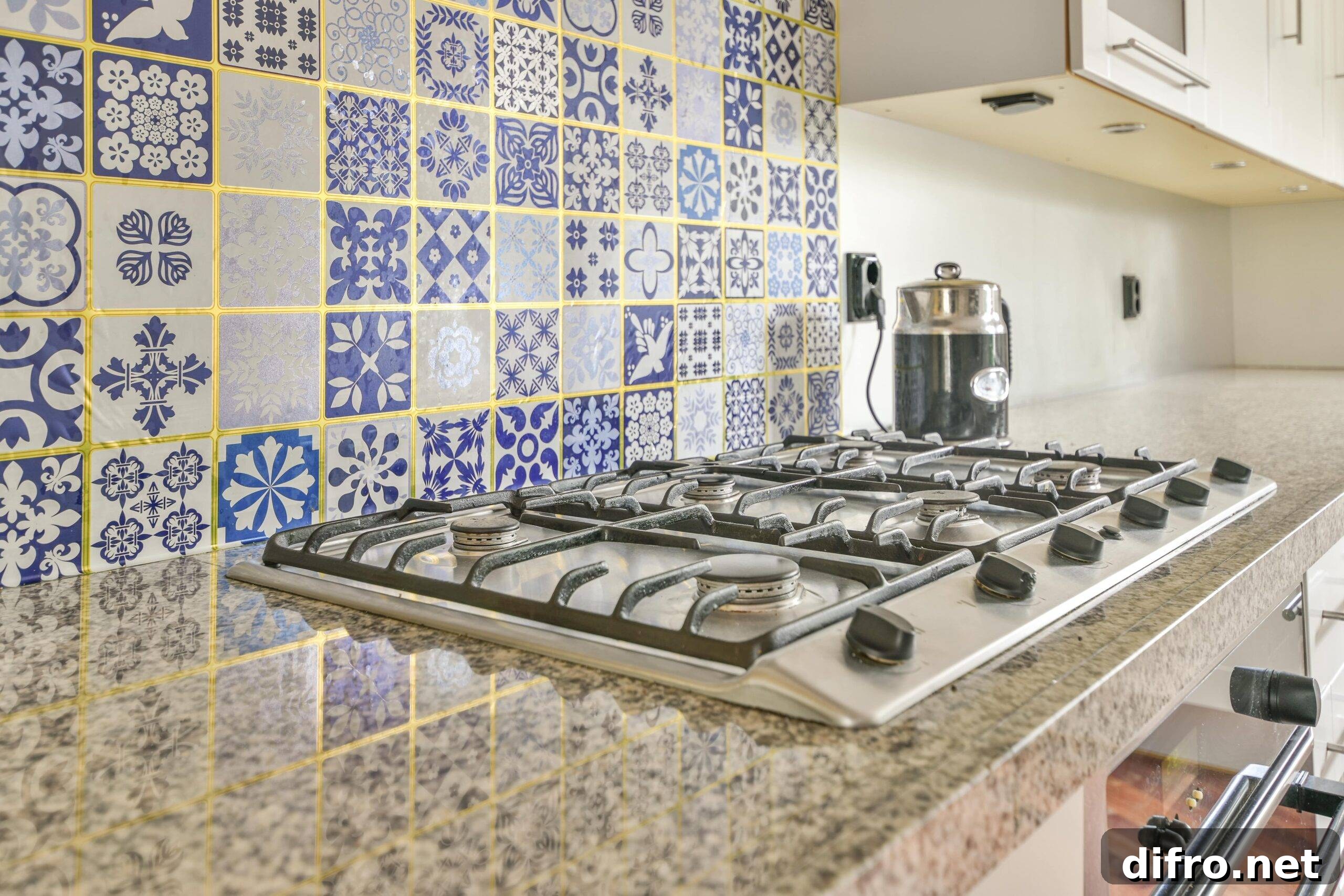
4. Overly Decorative Tile Backsplashes
Bold, highly patterned tile backsplashes can dominate a kitchen and make the space feel visually cluttered. Modern kitchens often use simple subway tile, large-format tiles, natural stone, or textured tiles in understated colors to create a clean, cohesive backdrop. If replacing tile is not feasible, peel-and-stick tiles, tile paint, or a pared-back grout color can tone down an overly busy backsplash. Choosing a neutral palette and a simpler tile pattern allows other design elements—cabinets, countertops, and lighting—to shine without competing for attention.
5. Boxy, Closed-Off Floor Plans
Older homes often feature many small, separate rooms that can feel cramped compared with today’s preference for open, connected living spaces. While removing walls and creating a true open-plan layout can be costly or impractical, there are other ways to improve flow and brightness. Remove heavy window treatments in favor of lighter fabrics, repaint interiors in lighter tones, and choose furniture with lower profiles to open sightlines. Strategically placed rugs and lighting can help define functional zones without erecting physical barriers. Even small changes—like using a consistent flooring material between adjacent rooms or replacing bulky pieces with streamlined alternatives—create a more cohesive, contemporary feel.
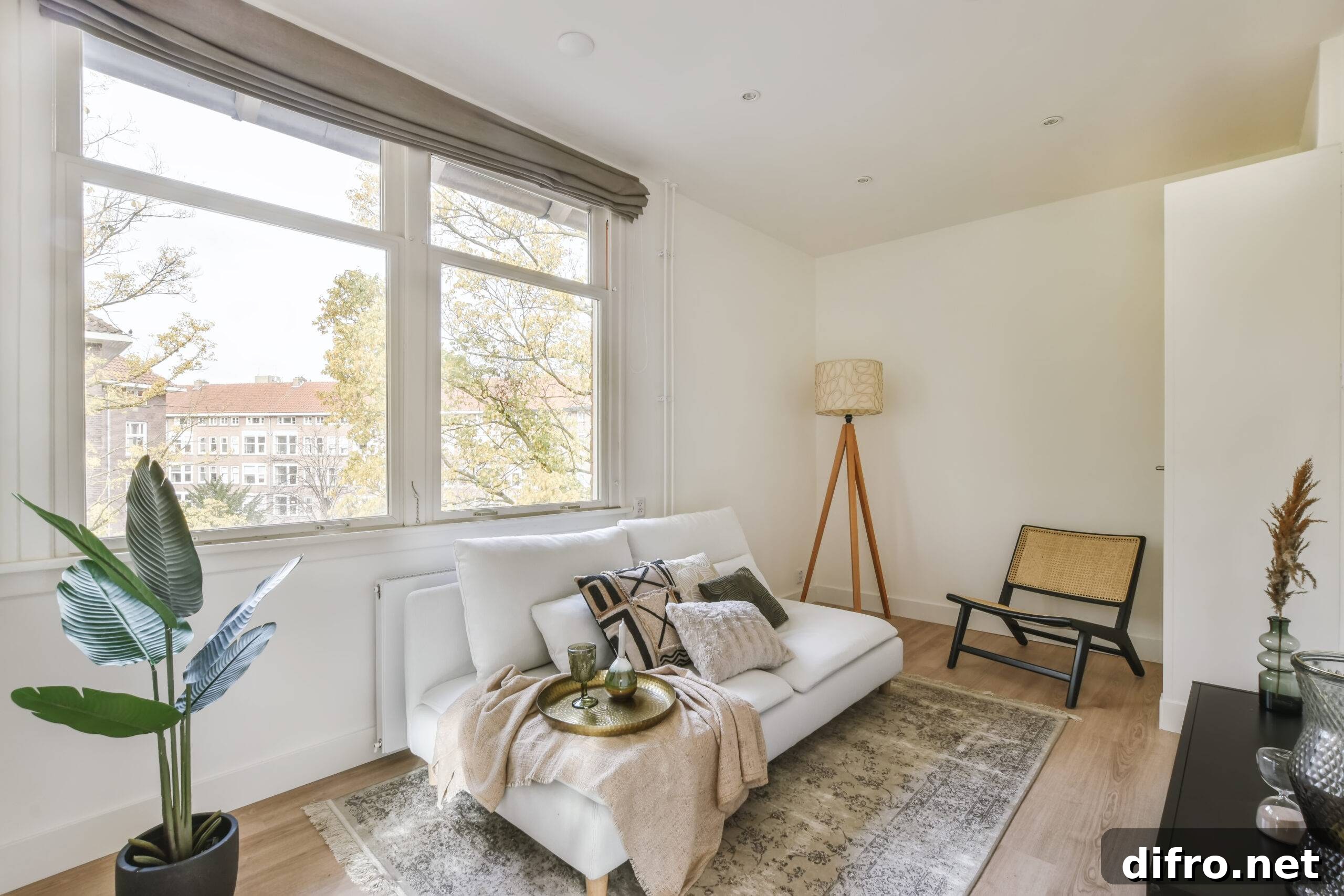
Refreshing your home doesn’t require following every trend. Thoughtful, selective updates—painting, swapping hardware, simplifying finishes, and improving light and flow—can modernize a space while preserving its character. Prioritize changes that improve how you live in the home: increase natural light, reduce visual clutter, and choose finishes that will adapt as styles change. These practical tweaks will help your house feel current, comfortable, and ready for years to come.