A pleasant-smelling home feels welcoming and peaceful, whether you prefer vanilla, sandalwood, lavender, or the clean scent of freshly laundered linens. Candles are a common option for adding fragrance, but they’re not the only way to scent a room. Many people avoid candles because of allergies, safety concerns, or a desire for a longer-lasting solution. Fortunately, there are numerous safe, natural, and creative alternatives that will keep your home smelling great without lighting a wick.
1. Natural Reed Diffusers
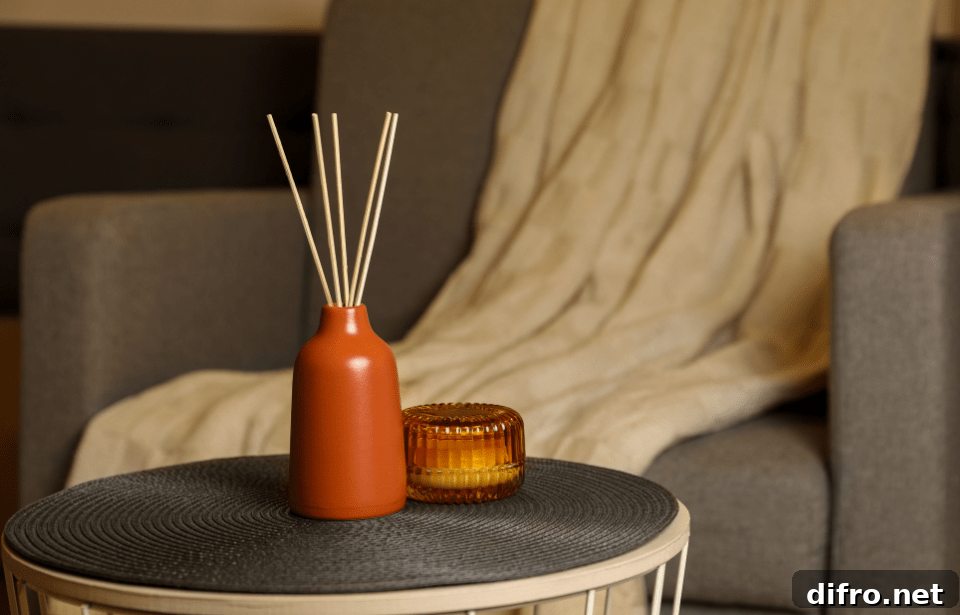
Reed diffusers are an elegant, low-maintenance way to maintain a continuous fragrance. Fill a glass jar with a mixture of water and a carrier oil such as fractionated coconut or sweet almond oil, then add a few drops of your favorite essential oil. Insert reed sticks and let the oil travel up the reeds; as it evaporates it releases a gentle, persistent scent. Reed diffusers are easy to customize by season—choose florals for spring, citrus for summer, and warm spices for winter—and they provide steady fragrance without heat or flame, making them a safe choice for homes with children or pets.
2. Baking as a Natural Air Freshener
Baking is one of the most inviting ways to scent a home. The aroma of bread, cookies, or a warm spice cake fills rooms with a comforting, appetizing fragrance. If you don’t have time to bake from scratch, a simple trick is to warm a small oven-safe dish with a tablespoon of vanilla extract or a few orange peels at a low temperature for 10–15 minutes—this releases a soft, cozy scent. For autumnal notes, roast a cinnamon-coated apple or a tray of cloves and citrus slices to create a naturally festive aroma that also leaves you with a tasty treat.

3. Fresh Herbs in Water
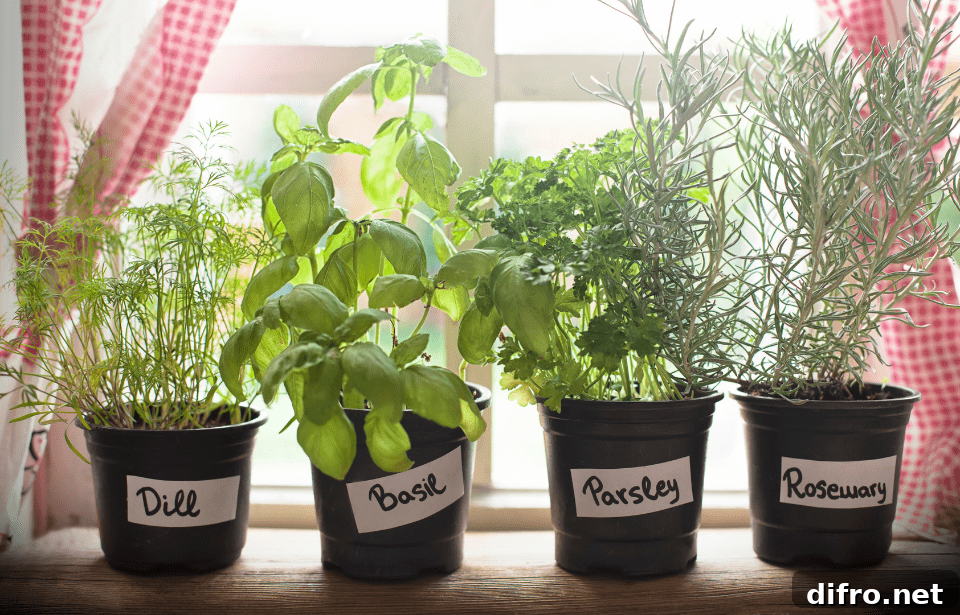
Using fresh herbs is a simple, attractive way to bring natural scents into your rooms. Place sprigs of basil, rosemary, mint, or lavender in small vases of water and position them around the house—on a kitchen counter, bedside table, or bathroom shelf. As the stems absorb water, they continue to release subtle fragrance. Gently crushing a few leaves every few days helps boost the aroma. Besides scent, small herb displays add a touch of greenery and can be a handy source of fresh herbs for cooking.
4. Essential Oils on Fabrics
Essential oils are versatile and effective for refreshing fabrics and soft furnishings. Add a few drops of lavender, eucalyptus, or citrus oil to a damp cloth and toss it into the dryer with a load of towels or bedding for a gentle scent boost. Alternatively, mix a few drops of essential oil with water in a spray bottle and lightly mist curtains, upholstery, and area rugs—test a small hidden area first to ensure there’s no staining. This method avoids many synthetic chemicals found in commercial room sprays while giving you control over scent intensity and blend.

5. DIY Scented Wood or Pinecones
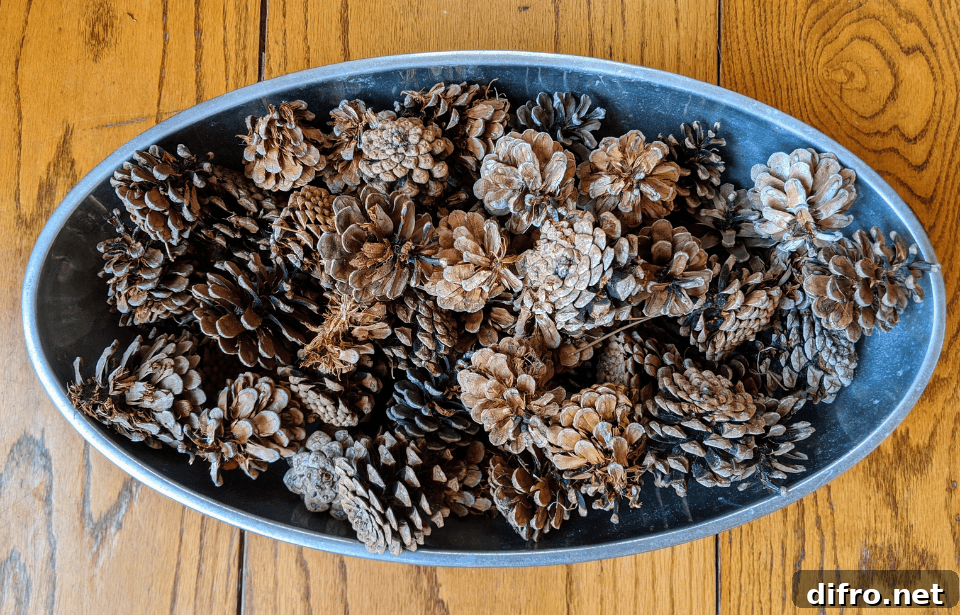
For a long-lasting, decorative option, infuse small wooden pieces, beads, or pinecones with essential oils. Put the items in a sealed container or plastic bag, add several drops of your chosen oil, shake gently, and let them sit for 24 hours to absorb the fragrance. Once scented, arrange them in bowls or trays around the home. This approach works well for seasonal displays—cedar or clove for winter and lemongrass or citrus for summer—while adding natural texture to your decor.
6. A Regular Cleaning Routine
Nothing replaces basic cleanliness when it comes to a fresh-smelling home. Regularly wiping surfaces, laundering bedding and curtains, cleaning sinks and drains, and taking out the trash prevents lingering odors. Adding a few drops of lemon or peppermint essential oil to mop water provides a pleasant, natural scent while cleaning. Keep shoes and pet items stored near the entry to limit tracked-in smells. A consistent cleaning routine reduces the need for heavy artificial fragrances and helps your chosen natural scents stand out.

Creating a naturally fragrant home doesn’t require candles. With reed diffusers, baking, fresh herbs, essential oils on fabrics, scented wooden decorations, and a steady cleaning routine, you can maintain an inviting atmosphere that reflects your personal scent preferences. Try different combinations to find what works best in each room—lighter, citrus-based scents often suit kitchens and bathrooms, while floral or woody blends are comforting in living areas and bedrooms. Small, consistent steps will keep your space smelling clean, welcoming, and uniquely yours.