Minimalism can sometimes seem cold or overly sparse, but it doesn’t have to feel that way. Warm minimalism softens the “less is more” approach with natural textures, cozy accents, and carefully chosen decor. Rather than stark white rooms and stripped-back surfaces, this style blends simplicity with welcoming details: comfortable materials, considered objects, and a restrained, earthy palette. The objective is a clean, uncluttered home that still feels lived-in and inviting. If you want a minimalist interior that prioritizes comfort and calm, here are practical ways to bring warm minimalism into your space.
Prioritize Natural Materials
Warm minimalism is rooted in organic, tactile materials. Choose furniture and accessories made from wood, linen, wool, stone, and clay. Instead of glossy plastics or heavily manufactured finishes, opt for pieces with visible grain, soft woven textures, and matte surfaces. A solid wood dining table with characterful knots, a linen throw on a sofa, stone countertops, or a handmade clay vase give rooms depth and authenticity. Natural materials age gracefully, developing patina and warmth over time, which keeps a minimalist space feeling comfortable rather than clinical.
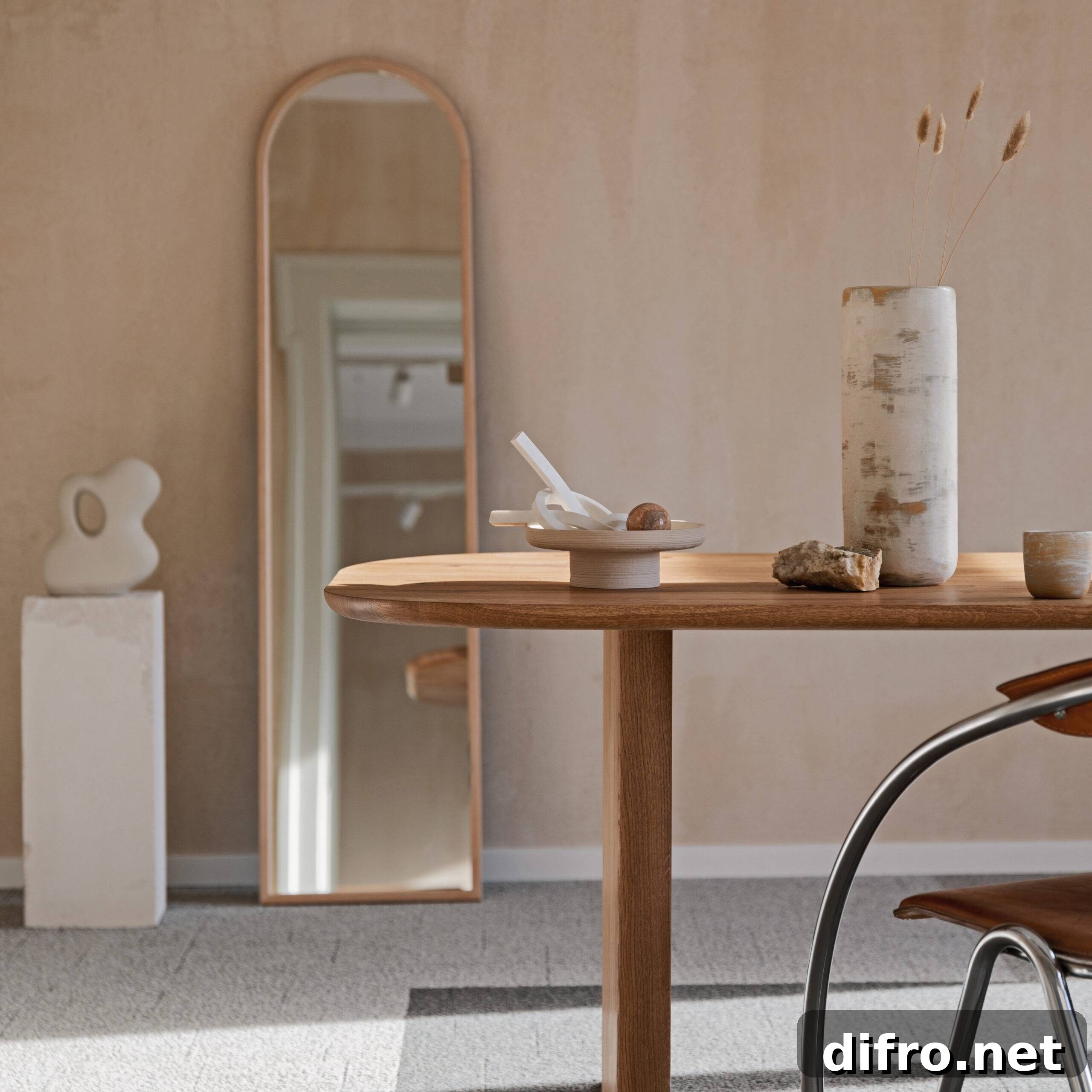
Use a Muted, Earthy Palette
Color is a simple but powerful way to make minimalism feel warmer. Move away from stark whites and icy grays toward warm neutrals like beige, sand, and taupe. Complement those with subdued earthy tones—soft terracotta, olive green, and warm gray—to bring subtle depth without overwhelming the space. The aim is to create a harmonious flow where colors support each other instead of competing. Even a mostly monochrome room will feel more inviting when the undertones lean warm rather than cool, making the interior feel relaxed and approachable.
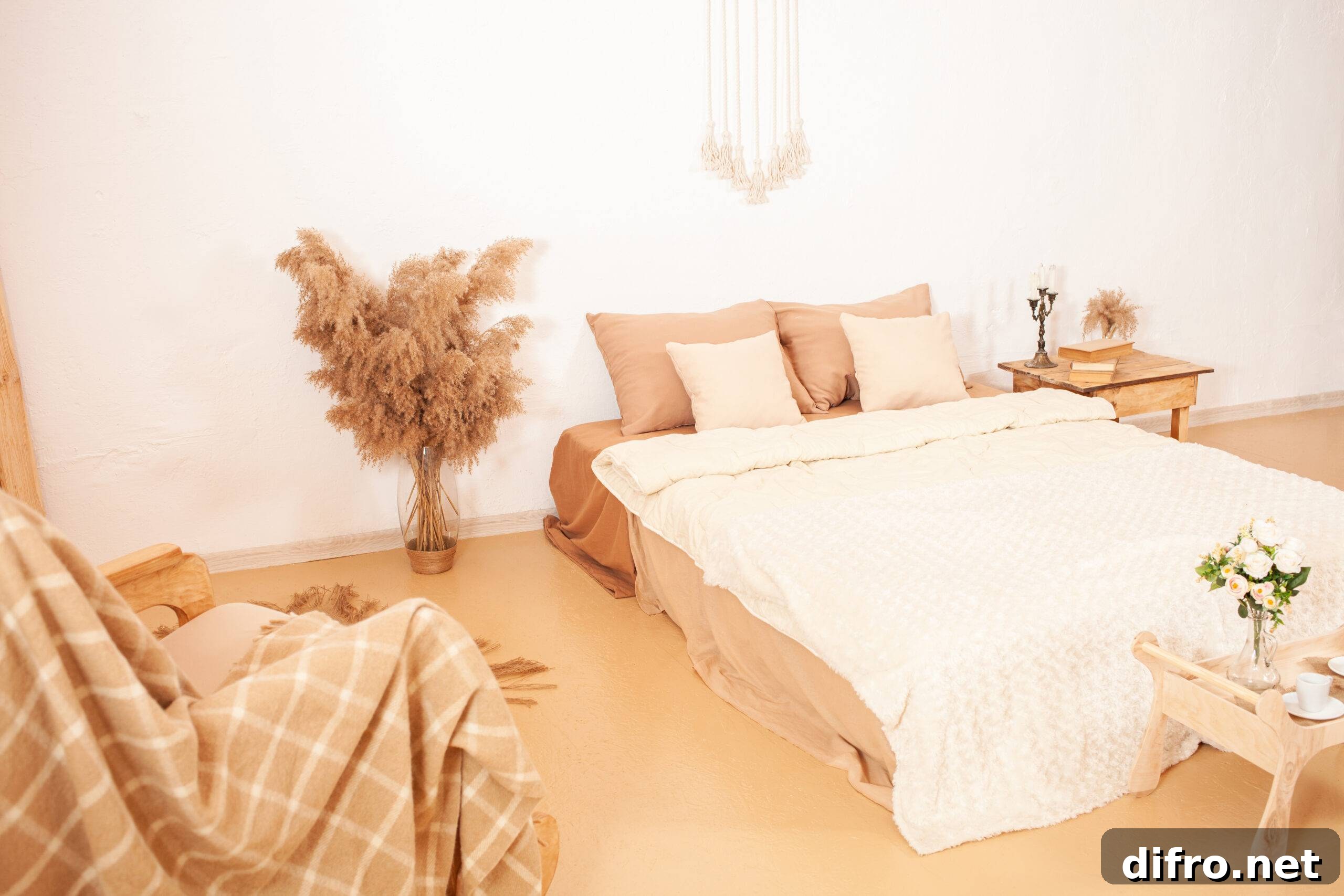
Focus on Meaningful Objects
Minimalism is about intention: every object should have purpose or personal value. Warm minimalism doesn’t demand bare shelves; it asks for fewer, more meaningful items. Choose pieces that tell a story or are useful—handmade ceramics collected on a trip, a vintage lamp passed down in the family, or artwork that resonates with you. When you limit the number of items, each one gains presence and significance. Surrounding yourself with thoughtfully selected objects makes a minimalist home feel curated and warm, not empty.
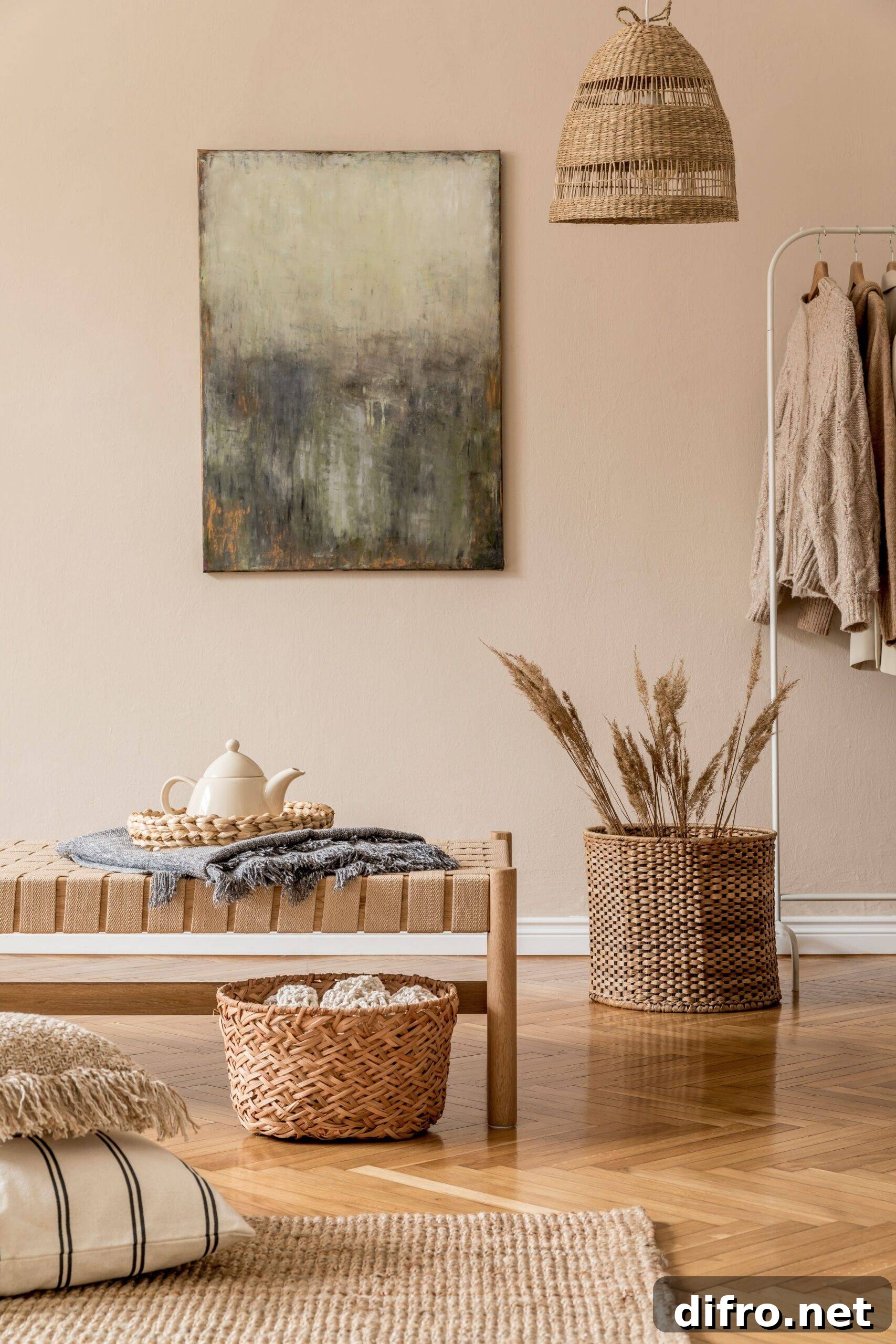
Let Light Shape the Space
Lighting plays a central role in warm minimalist design. Maximize natural light with sheer curtains, unobstructed windows, and reflective surfaces like well-placed mirrors. In the evening, favor soft, ambient sources—warm-toned bulbs, dimmable fixtures, floor and table lamps, and candles—to create a gentle, layered glow. Avoid harsh overhead illumination; instead use multiple low-level lights to sculpt and warm the room. Thoughtful lighting enhances textures, highlights architectural features, and makes open spaces feel cozy and calm.
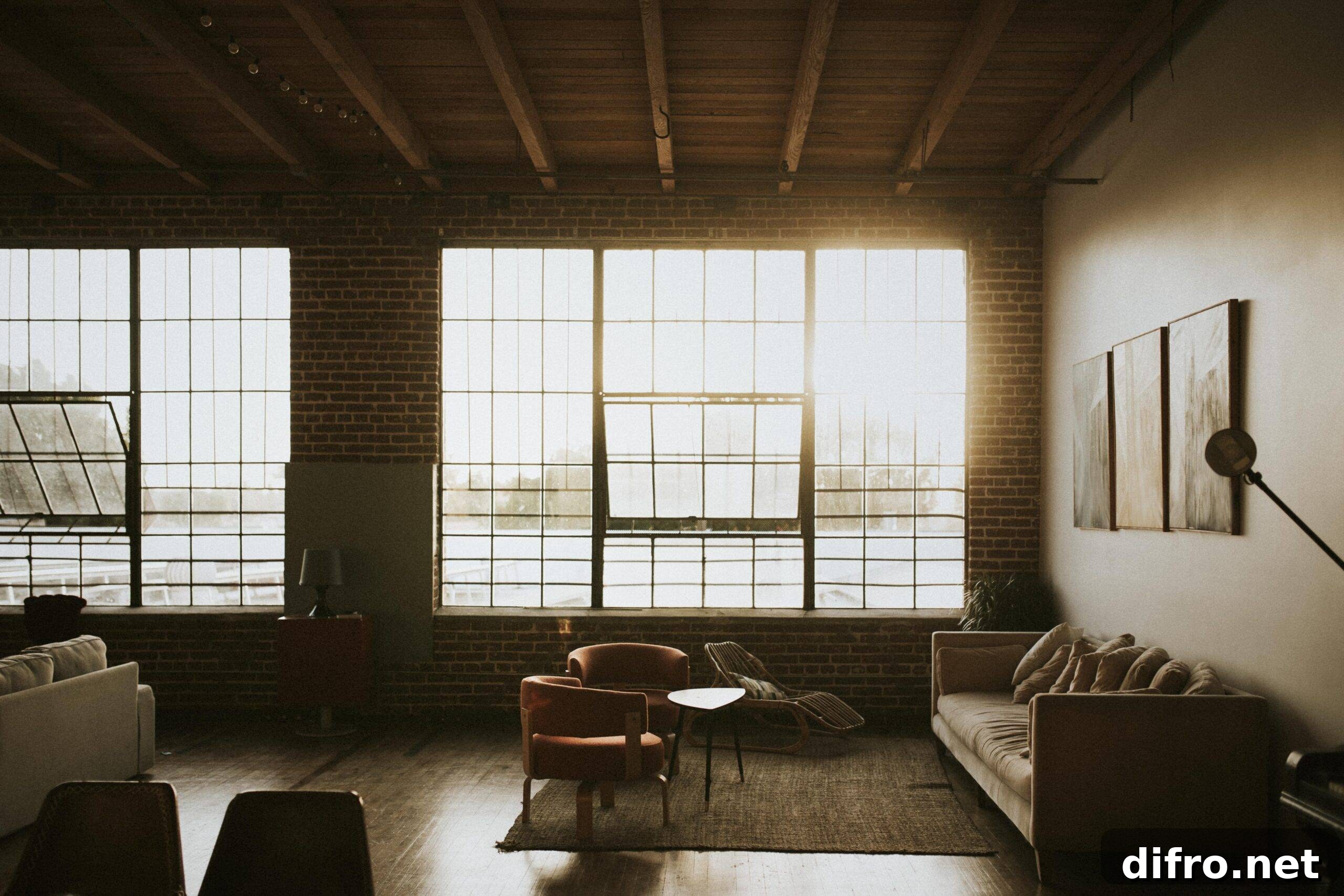
Embrace Negative Space
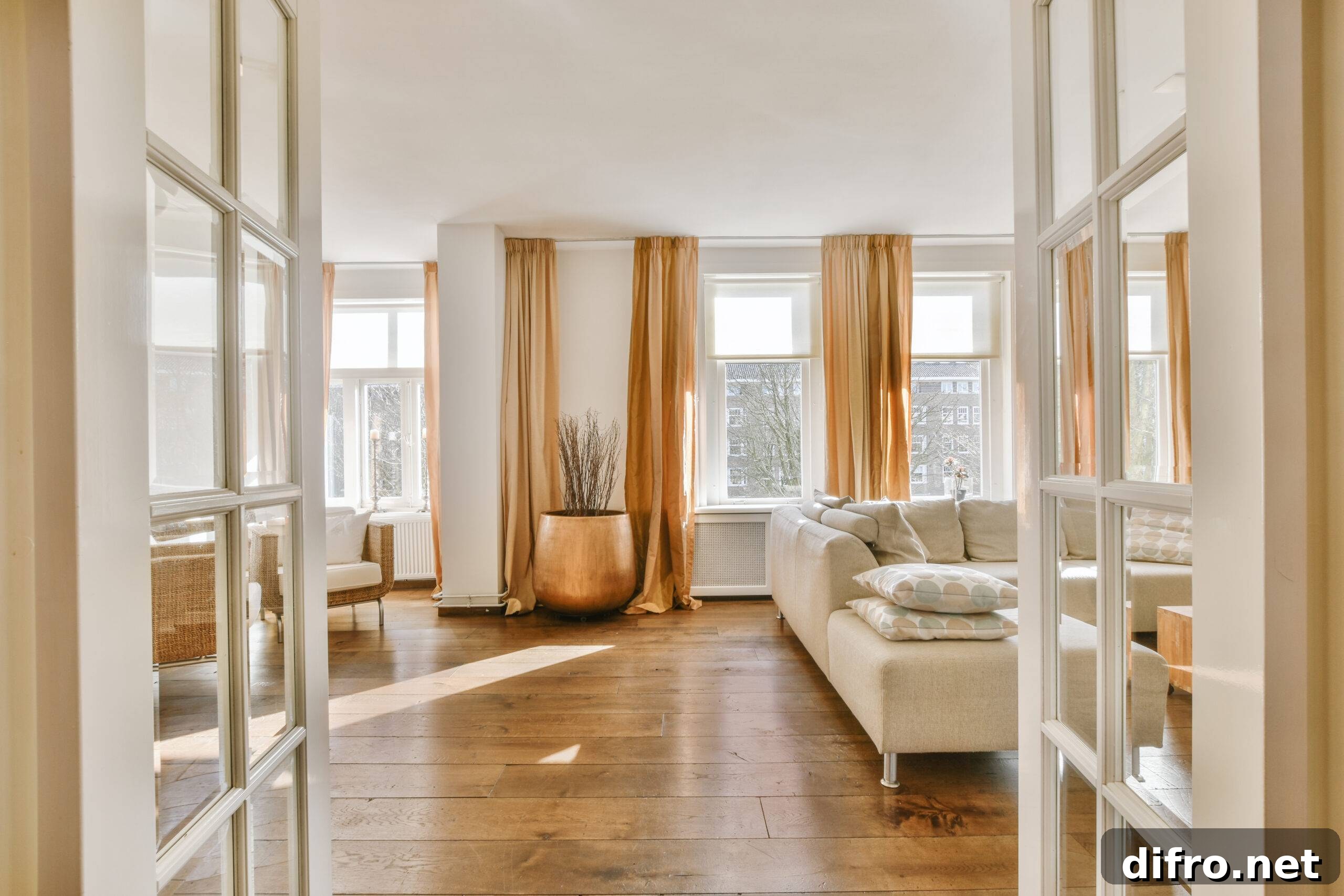
Negative space is a deliberate and beneficial element of warm minimalism. Allowing areas to remain open gives rooms breathing room and highlights the items you do choose to display. A single art piece on a clear wall can create a stronger visual impact than a crowded gallery, and a tidy, uncluttered entryway will feel more welcoming than one overloaded with storage. Negative space reduces visual noise, supports a sense of calm, and makes the whole environment feel more intentional and restful.
Keep Function at the Core
Functionality is the backbone of minimalism, and warm minimalism balances simplicity with real comfort. Select furniture and layouts that support daily life: comfortable seating placed for conversation or views, a kitchen arranged for efficient cooking, and a cozy reading nook with layered lighting. Prioritize multipurpose pieces and thoughtful storage so surfaces stay tidy without sacrificing convenience. A home that’s easy to live in will naturally feel more inviting and enduring.
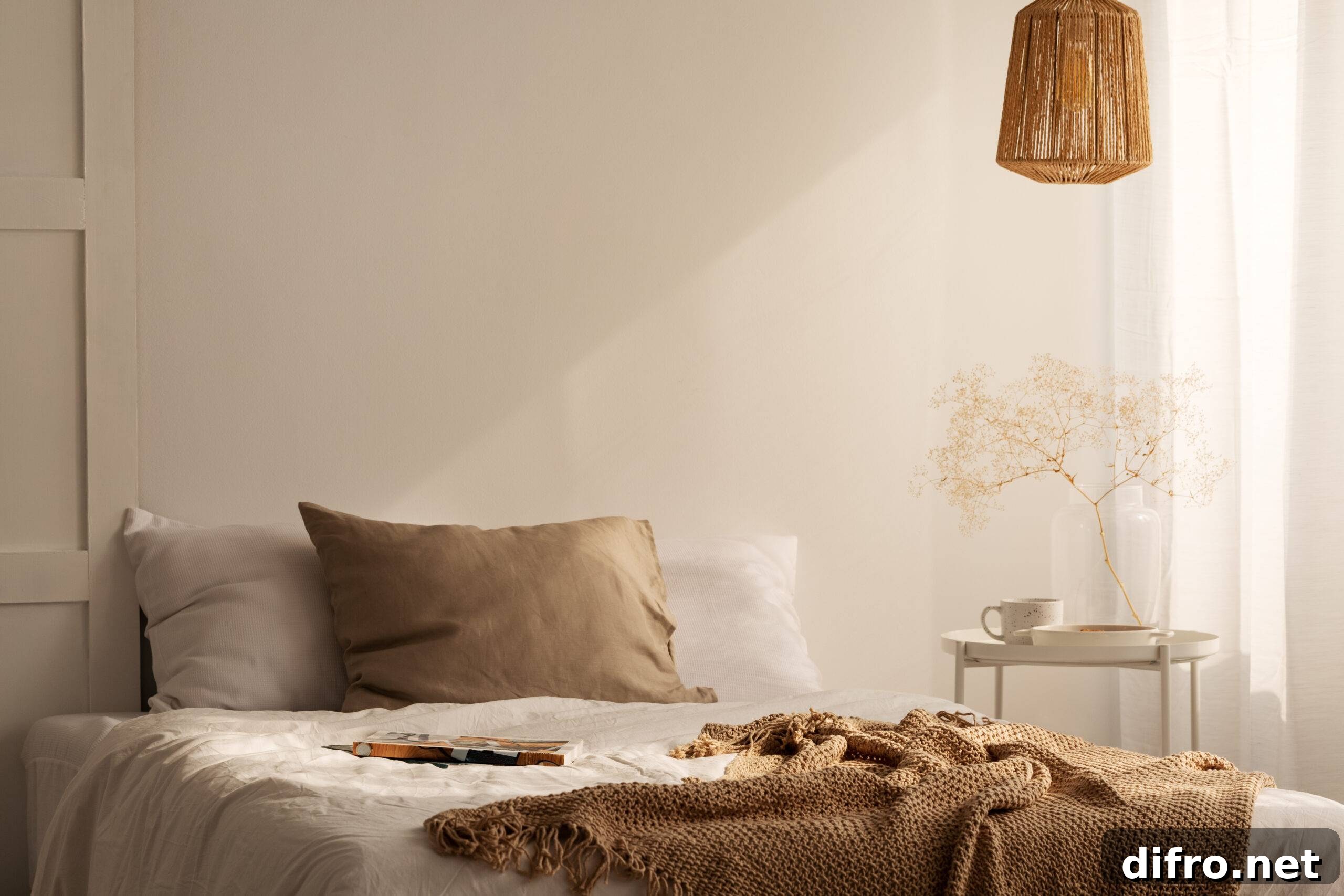
Warm minimalism is ultimately about balance—removing excess while keeping comfort and personality intact. It favors natural textures, warm colors, intentional objects, and considered lighting to create spaces that are simple, functional, and welcoming. You don’t need to overhaul your entire home at once; start with one room or even one corner. Introduce natural materials, pare down to items that matter, and tune your lighting and palette. Over time, these small, thoughtful changes will transform a minimalist approach into a warm, livable style that supports everyday life and well-being.