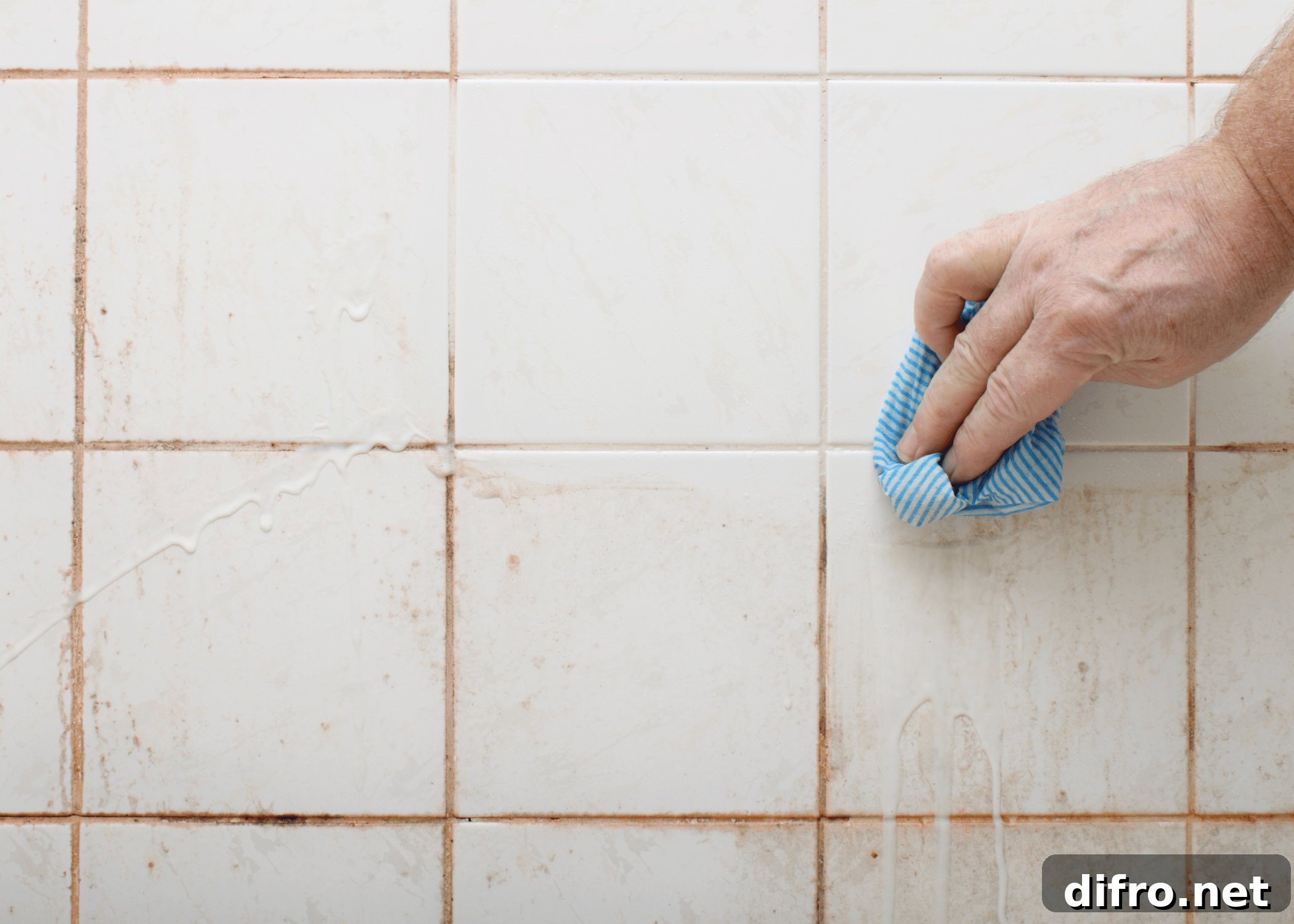
Soap scum is a common and frustrating problem in bathrooms, appearing on shower doors, tiles, grout, and bathtubs. It forms when soap or body-care products meet hard water minerals like calcium and magnesium, leaving a filmy, sticky residue. Besides looking unattractive, soap scum can trap bacteria and mildew, which reduces bathroom hygiene. With the right approach—using the correct cleaners, tools, and preventative habits—you can remove soap scum effectively and keep bathroom surfaces bright and sanitary.
This article explains why soap scum forms, how to choose supplies, and step-by-step methods for removing it from different surfaces. Whether you prefer commercial cleaners or natural home remedies, you’ll find practical, safe options to banish soap scum and maintain a clean bathroom.
Understanding Soap Scum and Its Causes
Soap scum is the result of a chemical reaction between soap and the minerals in hard water. When soap molecules combine with minerals like calcium and magnesium, they form insoluble salts that coat shower glass, tile, and porcelain. Over time, repeated showers cause this film to build up, darken, and become more difficult to remove.
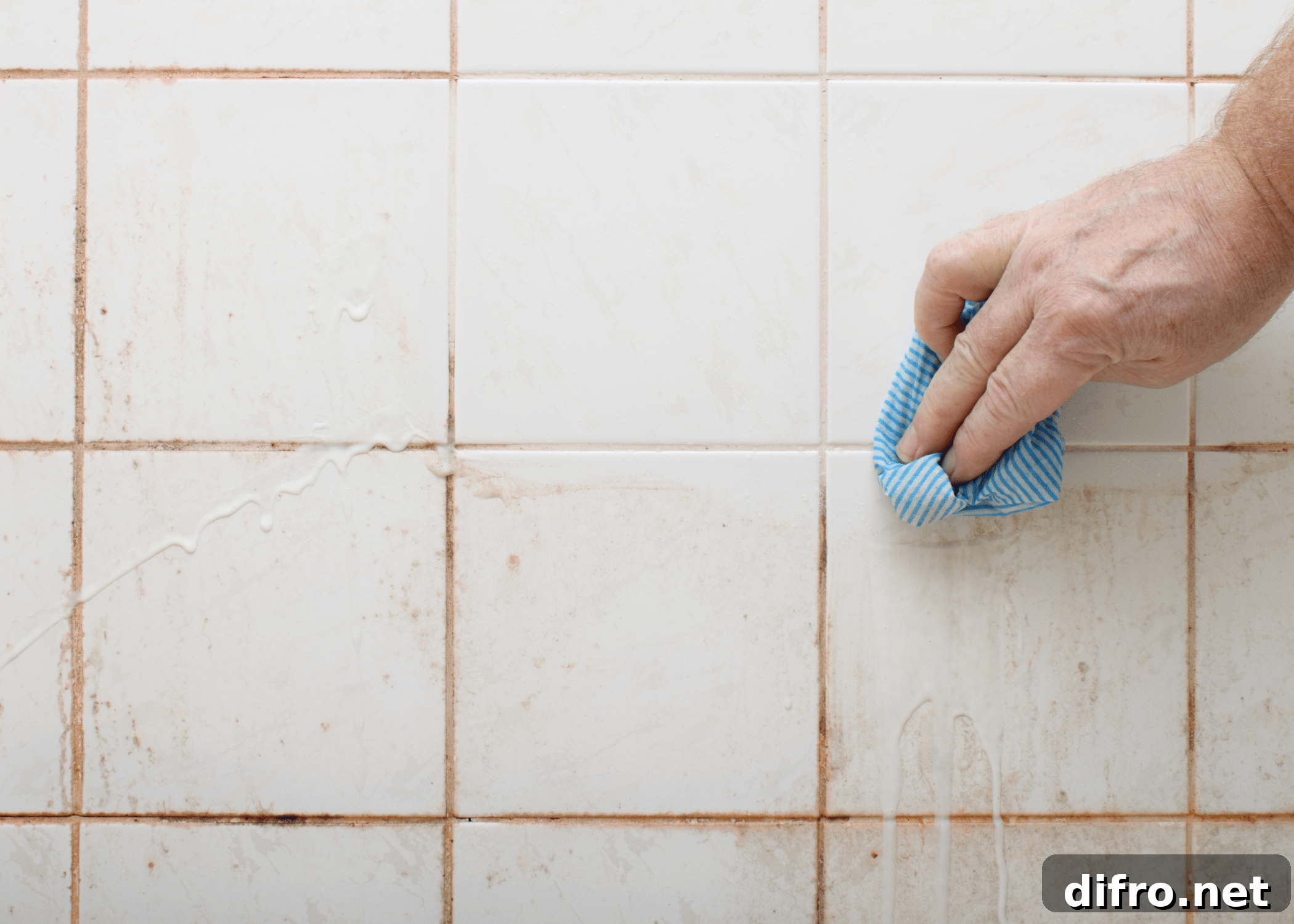
Hard water varies by region, so homes with harder water will typically see more soap scum. Understanding this cause helps you choose the most effective cleaners and decide whether solutions like a water softener might be a long-term fix.
Preparing Your Cleaning Supplies
Gathering the right tools before you start makes cleaning faster and reduces frustration. Useful supplies include a spray bottle, white vinegar, baking soda, a non-scratch scrub brush or sponge, microfiber cloths, rubber gloves, and a squeegee. If you prefer store-bought products, look for cleaners specifically formulated for soap scum and hard water stains.
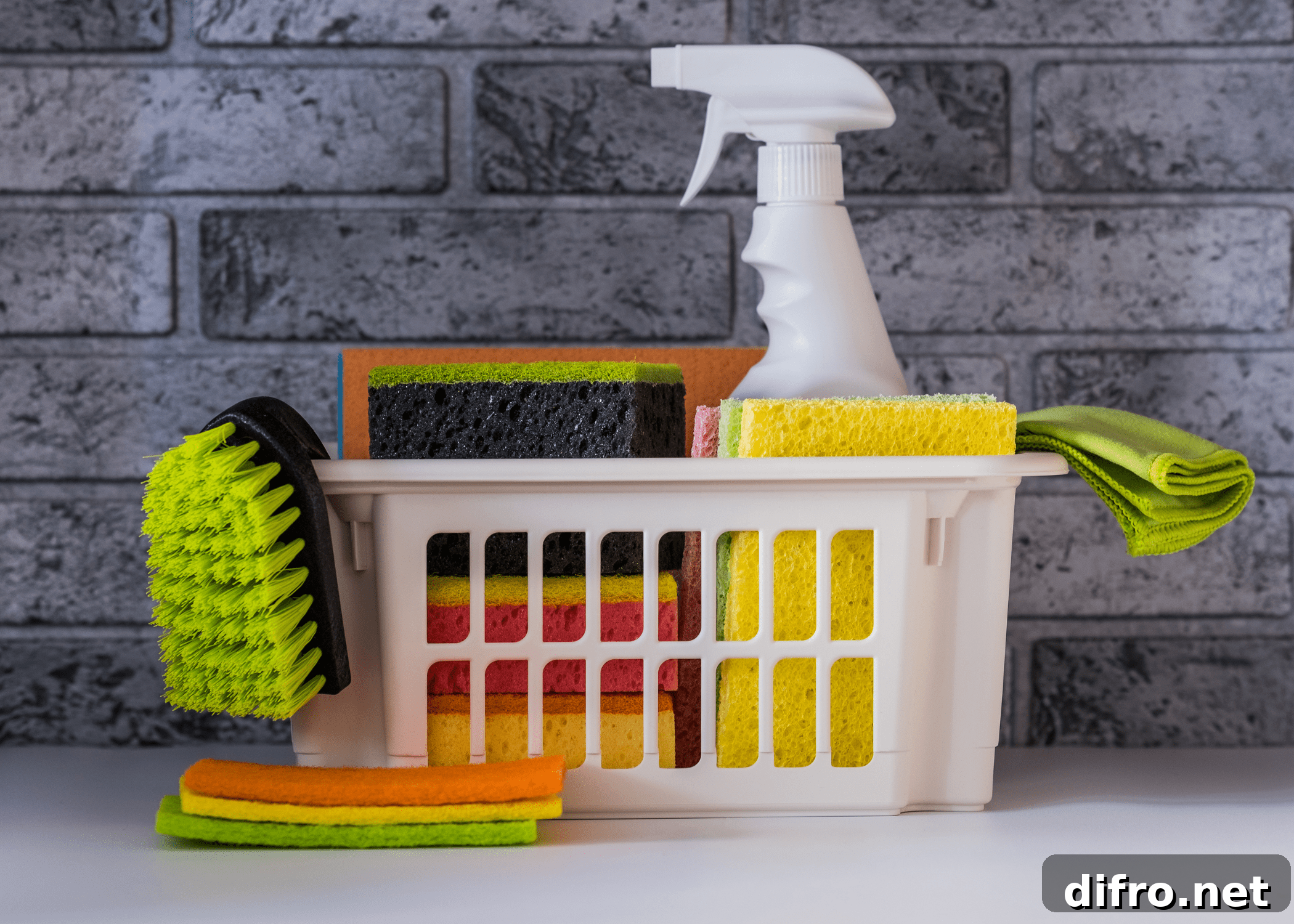
Using gloves and ensuring good ventilation protects your skin and lungs, especially when working with stronger commercial cleaners. Keep a microfiber cloth on hand for final polishing to prevent water spots and streaks.
Using Commercial Cleaners to Remove Soap Scum
Commercial cleaners designed for soap scum and hard water are effective and generally speed up the process. Apply the cleaner evenly to affected areas, let it soak for the time recommended on the product label, then scrub with a sponge or brush. Focus on corners, grout lines, and any stubborn areas where residue accumulates.

Rinse thoroughly with warm water and dry surfaces with a microfiber cloth to minimize water spots. Follow safety instructions and use these products in a ventilated space. For persistent buildup, repeat the application or combine with mechanical scrubbing from a brush designed for bathroom surfaces.
Effective Homemade Cleaning Solutions
Natural homemade cleaners can be highly effective, economical, and less harsh than some commercial products. A simple and popular solution is a 1:1 mix of white vinegar and water. Spray the solution onto soap scum and let it sit for 15 minutes to dissolve residue. For tougher spots, sprinkle baking soda over the area and scrub with a sponge or brush—the mild abrasion helps lift the scum without damaging most surfaces.
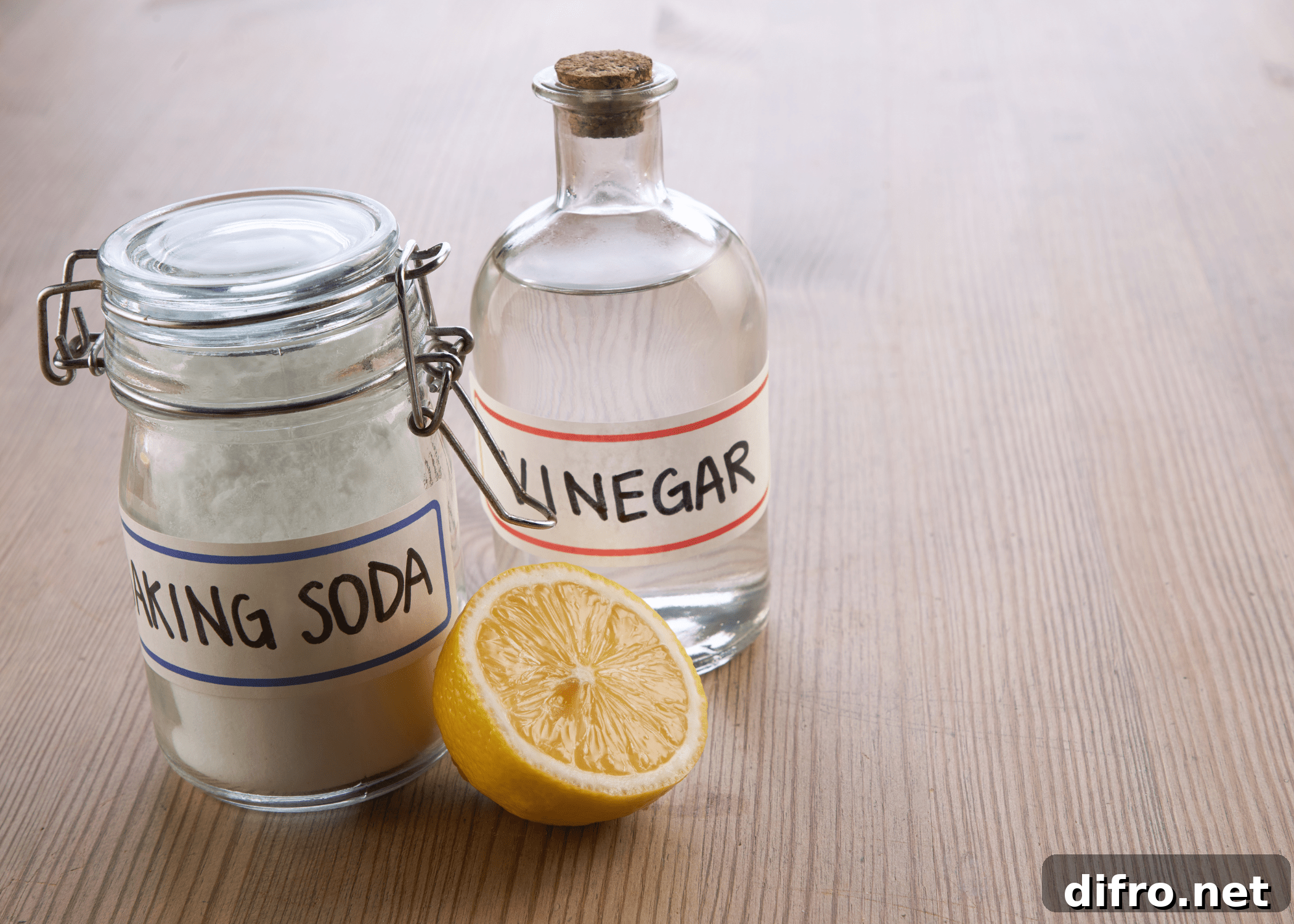
Rinse well and dry with a microfiber cloth. This vinegar-and-baking-soda method is eco-friendly, economical, and safe for most tile, glass, and porcelain surfaces—always test a small hidden area first.
Preventing Soap Scum Build-Up
Preventative habits dramatically reduce soap scum formation and the frequency of deep cleaning. After each shower, use a squeegee to remove excess water from glass doors and tiles. Consider switching from bar soap to liquid body wash, which typically leaves less residue. Installing a water softener addresses the root cause by reducing mineral content in your water and can decrease soap scum over time.
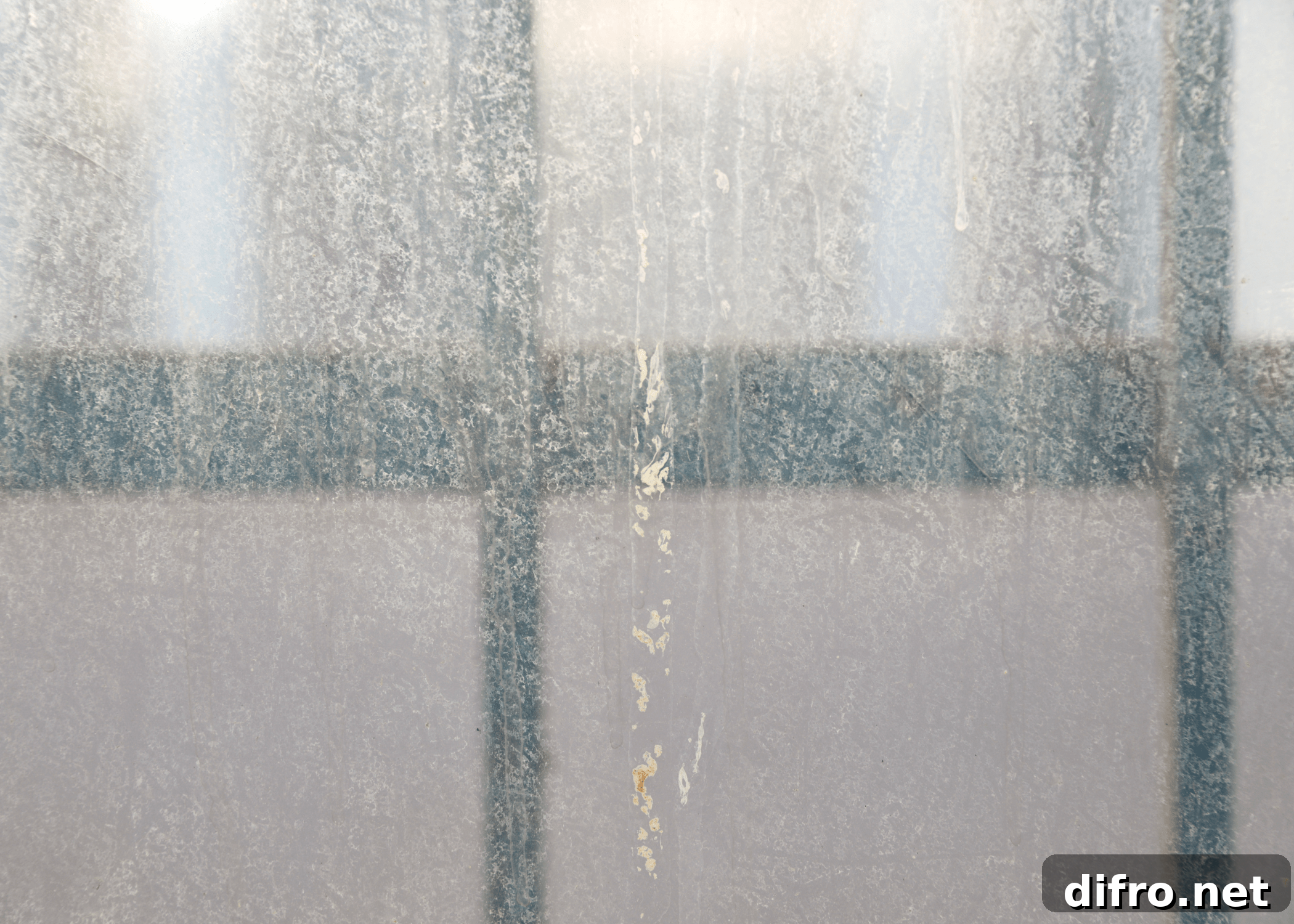
Regular light maintenance—wiping down surfaces, squeegeeing, and spot-cleaning—prevents soap scum from becoming a major problem.
Cleaning Tips for Different Bathroom Surfaces
Different materials respond better to specific cleaning methods. For glass shower doors, vinegar-and-water spray followed by a rinse and microfiber wipe works well. For ceramic or porcelain tile and grout, apply a baking soda paste, scrub gently with a brush, then rinse. For porcelain tubs, use non-abrasive cleaners to avoid scratching. Always test cleaners in an inconspicuous area first to confirm compatibility.
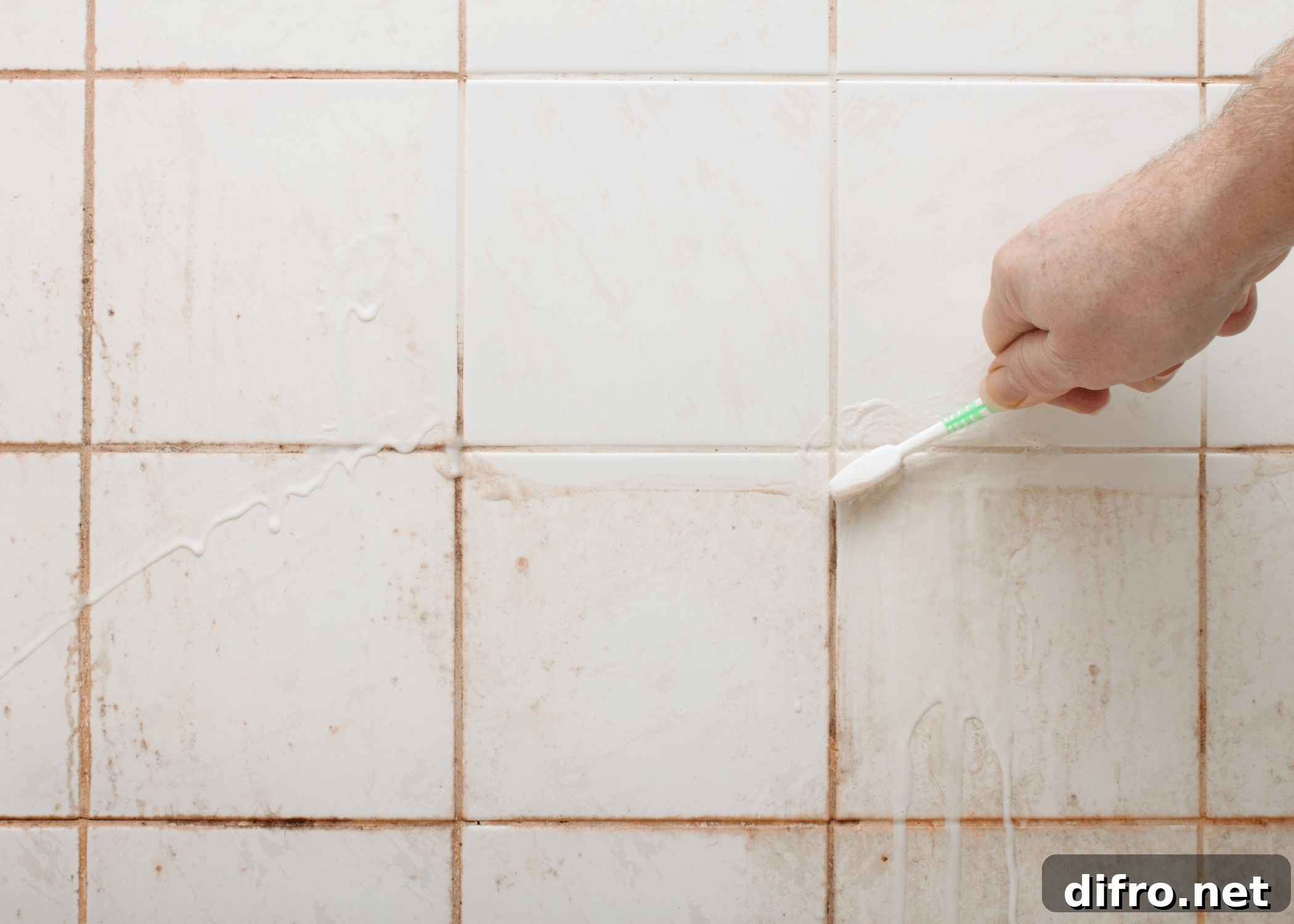
For grout lines, a toothbrush or grout brush with a baking soda paste helps lift stains without damaging tiles. After cleaning, rinse thoroughly and dry surfaces to reduce the chance of mineral deposits and soap residue returning.
Maintaining a Clean, Fresh Bathroom
Consistent upkeep keeps soap scum under control. Establish a routine of weekly wipe-downs and monthly deep cleans. Ensure adequate ventilation—use an exhaust fan or open a window to lower humidity, which helps prevent mildew and slows soap scum buildup. Keep basic cleaning supplies accessible for quick spot treatments between deep cleans.
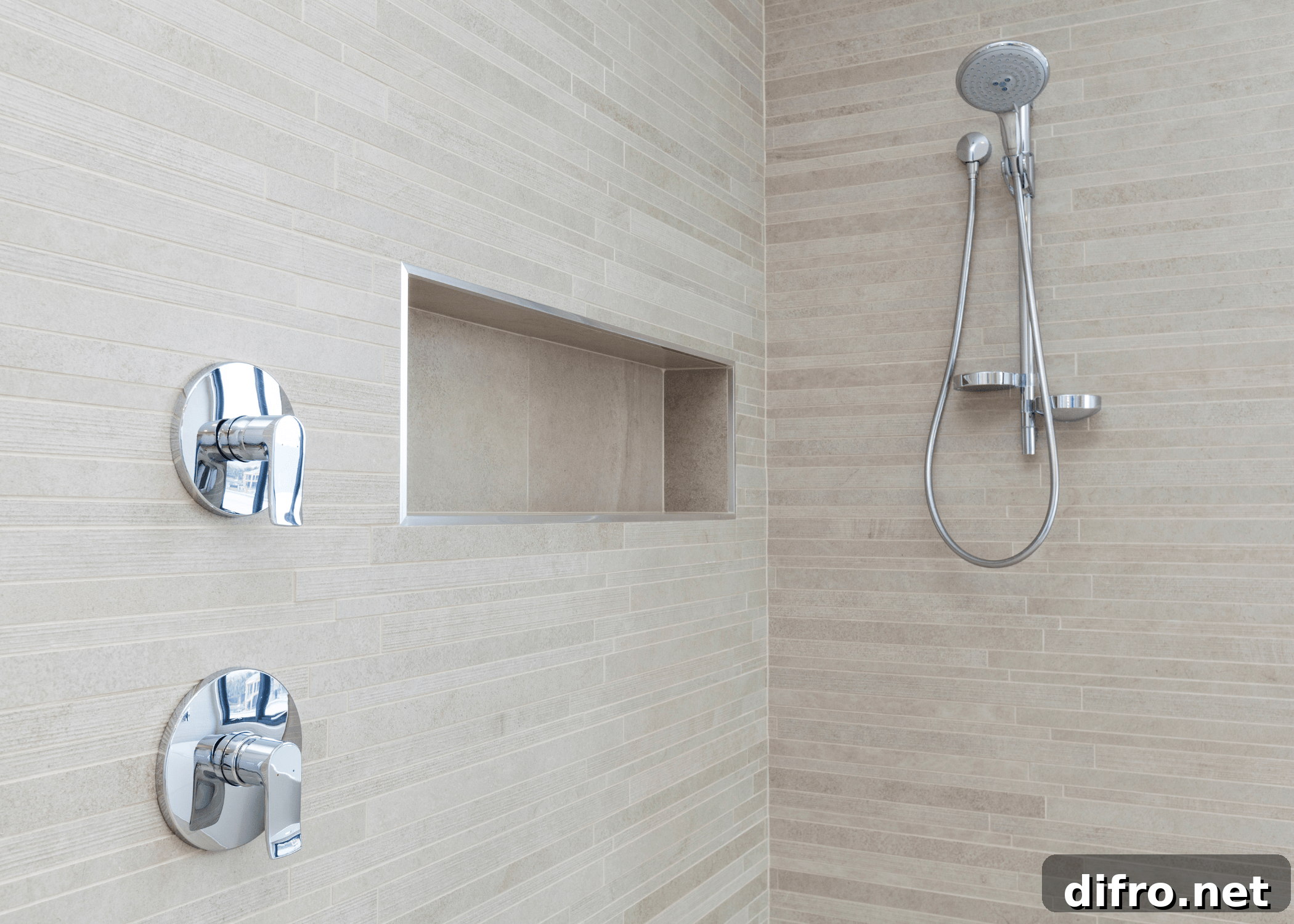
By combining the right cleaners, regular maintenance, and preventative measures, you can keep your shower doors, tiles, and bathtub free of soap scum and looking refreshed with minimal effort.