Using rocks in landscape design can instantly elevate your outdoor space, adding texture, contrast, and a timeless natural aesthetic. Beyond their beauty, rocks are durable, low-maintenance, and versatile—suitable for small urban yards or expansive estates. With thoughtful placement and the right materials, stone elements can create looks that range from rugged and rustic to minimalist and modern.
This guide outlines nine creative, practical ways to incorporate rocks into your landscaping. Each idea includes simple steps and design tips so you can choose the techniques that best fit your site, climate, and maintenance preference. Whether you’re interested in erosion control, water-wise planting, or creating focal points, rock-based landscaping offers lasting value and visual impact.
1. Rock Gardens
Rock gardens blend stones and drought-tolerant plants to produce a natural, low-maintenance display. Combine a variety of stone sizes—gravel, pebbles, and larger boulders—with plants that thrive in rocky, well-drained conditions, such as succulents, alpine species, and ornamental grasses. These plant choices reduce water needs and upkeep while complementing the stones’ textures and colors.
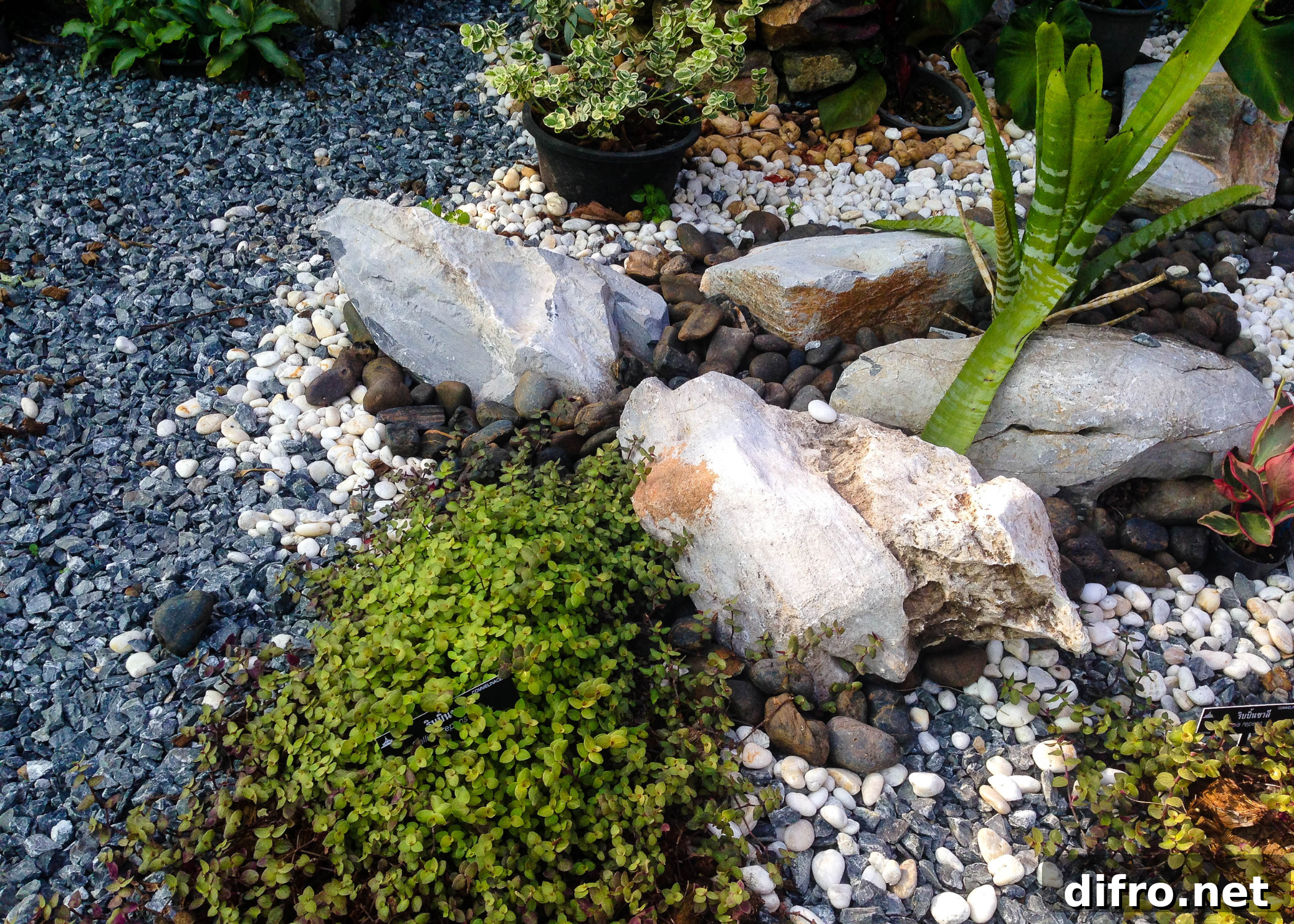
To build a rock garden, choose a sunny, well-drained spot. Place larger rocks first to create structure, then position smaller stones and gravel to mimic a natural setting. Fill spaces with soil and plant pockets, giving roots room to establish between rocks. Group plants by water needs for easier maintenance and a cohesive appearance.
2. Dry River Beds
Dry river beds recreate the look of a natural stream without water, adding movement and interest while improving drainage. Start by mapping a meandering path that fits the slope and flow of your yard. Dig a shallow trench, line it with landscape fabric to limit weed growth, and lay larger stones along the edges with smaller pebbles and gravel in the center.
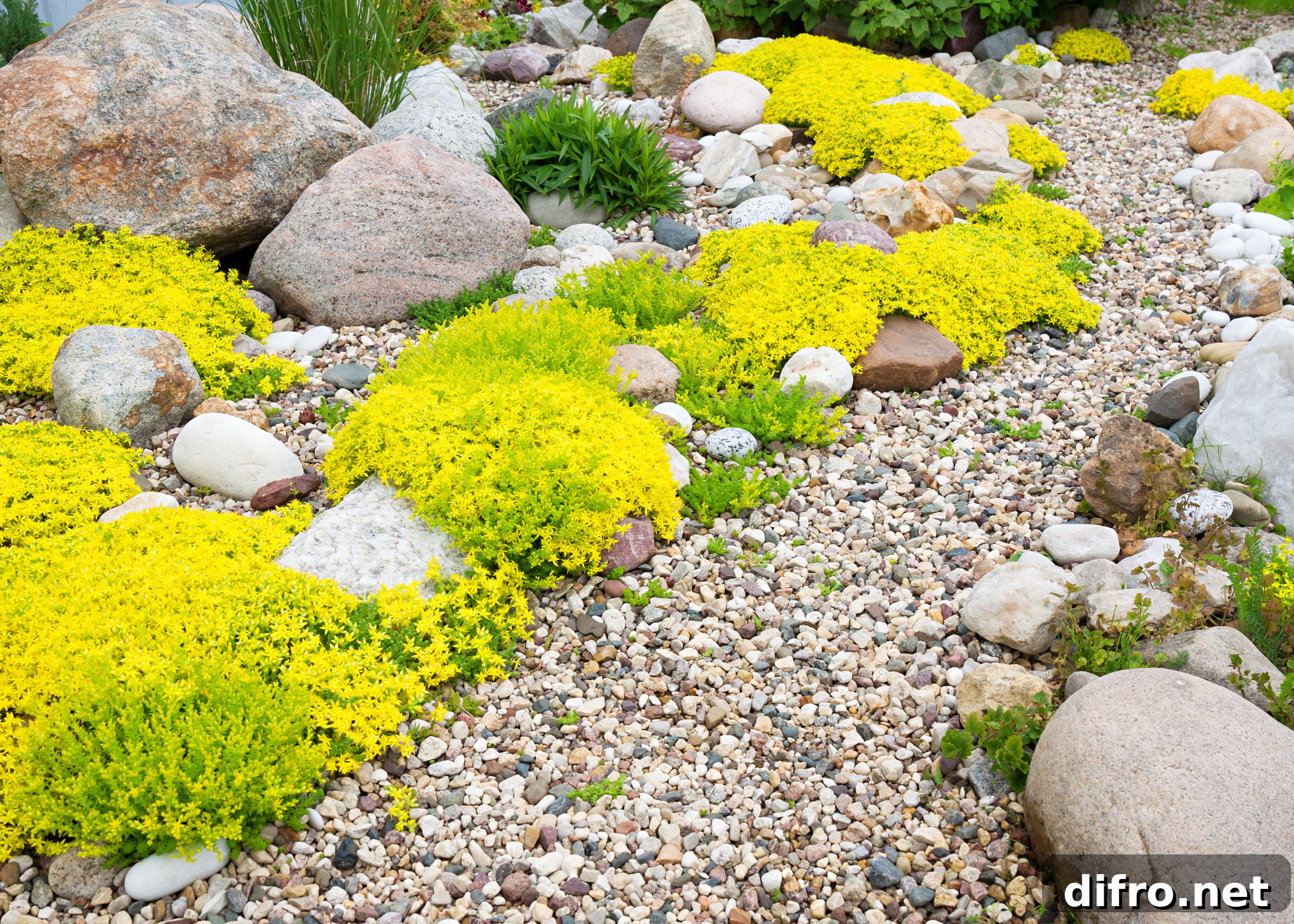
Plant shrubs and moisture-loving plants along the banks to create a lush contrast and to help control erosion. Dry river beds are especially effective where seasonal runoff needs management or where you want the appearance of a natural watercourse without ongoing maintenance.
3. Rock Walls
Rock walls serve functional and aesthetic roles: they retain soil on slopes, define terraces, and create raised beds. Choose stone types—such as fieldstone, limestone, or slate—based on the local style and structural needs. Excavate a firm footing, place larger stones at the base, and fit successive layers like a puzzle. Use mortar for permanence or dry-stack for a more organic look.
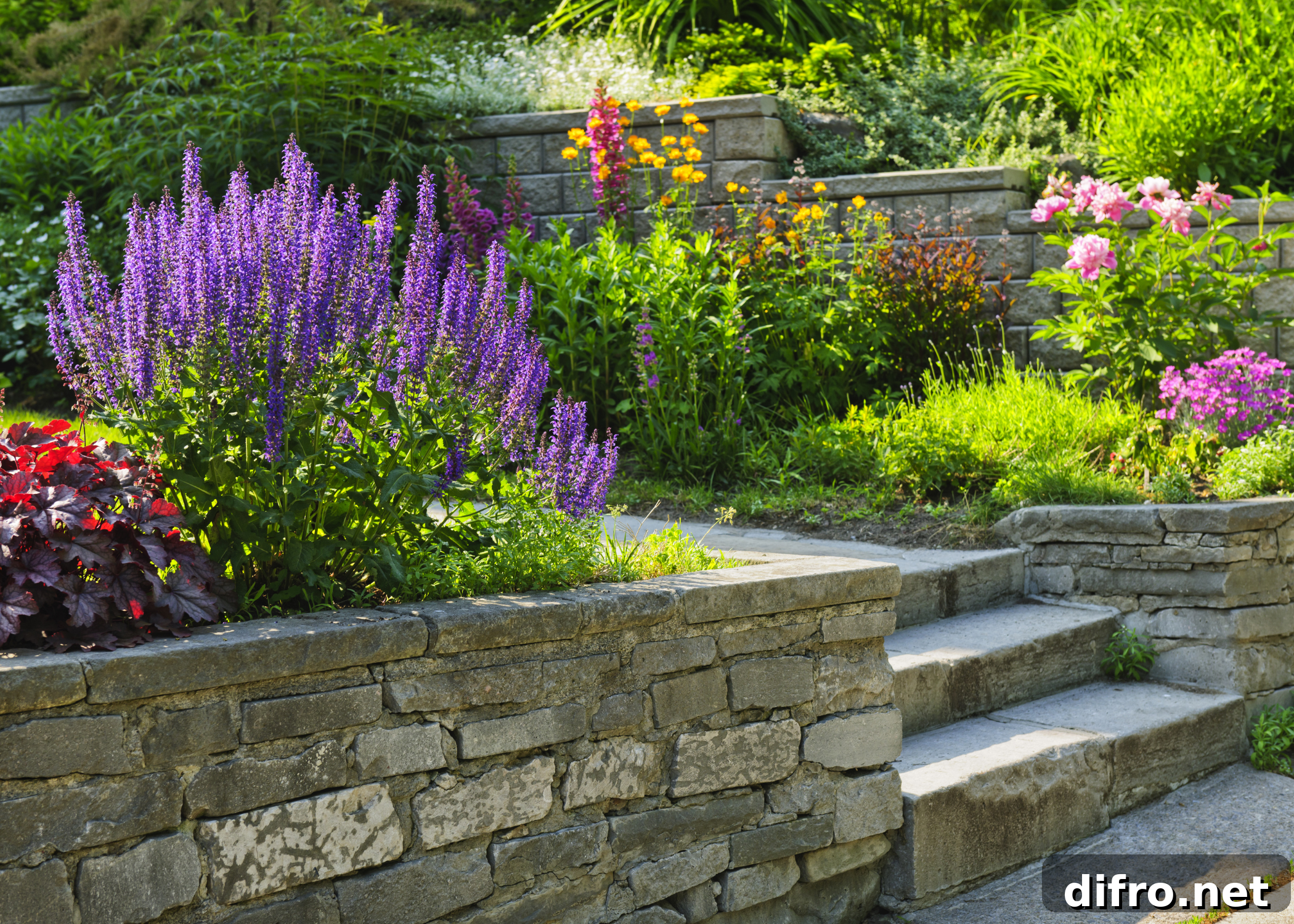
Beyond structure, rock walls create microhabitats for small wildlife and can be punctuated with planting pockets or cascading groundcovers for added softness and biodiversity.
4. Pathways and Walkways
Stone pathways guide the eye and the journey through your garden while offering a durable surface that handles foot traffic. Materials like flagstone, gravel, and stepping stones each set a different tone—from formal to casual. Prepare a level base with sand or compacted gravel to ensure good drainage and stability, then place stones in your chosen pattern.
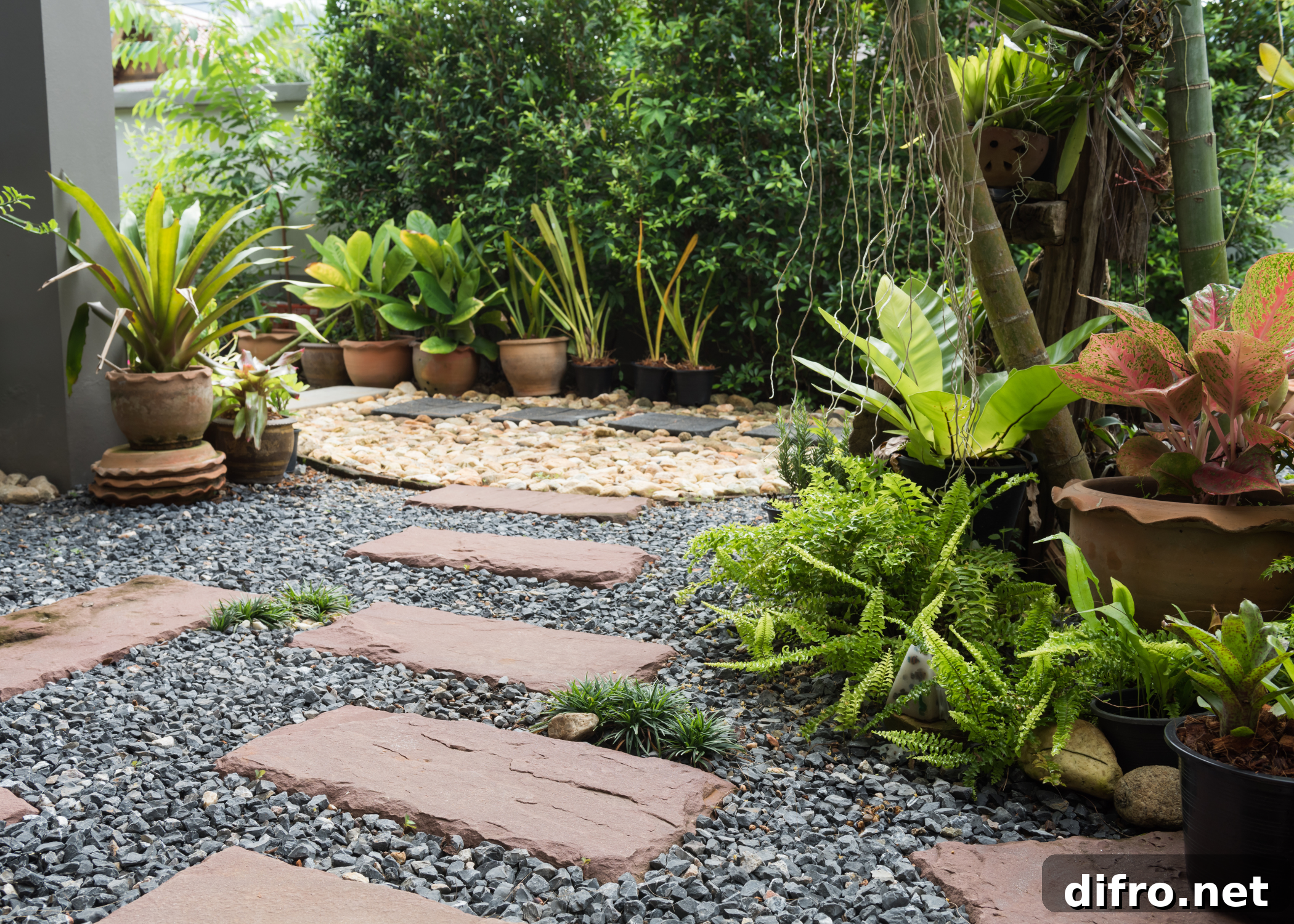
Leave narrow gaps for ground cover or grass between stones to soften the edges and help the path blend into the surrounding planting.
5. Rock Mulch
Rock mulch—gravel, crushed stone, or decorative pebbles—provides a stable, long-lasting ground cover that suppresses weeds, reduces evaporation, and moderates soil temperature. Because rocks don’t break down like organic mulches, they require less frequent replacement, making them a cost-effective option over time.
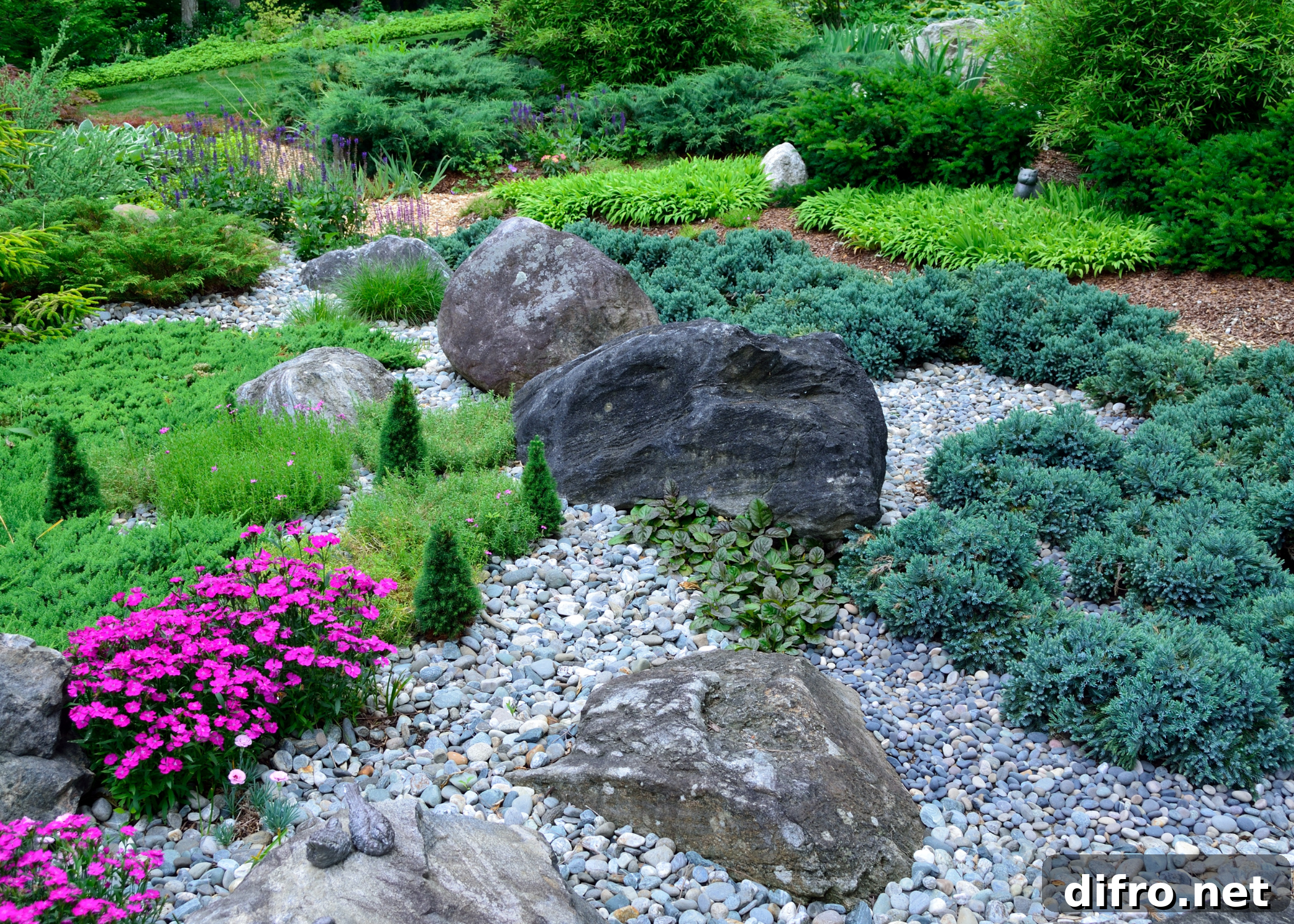
Install landscape fabric to limit weeds, then spread rock mulch to the recommended depth. Choose colors and textures that complement your plants and hardscape to create a polished, drought-tolerant landscape.
6. Water Features
Rocks play a crucial role in ponds, fountains, and waterfalls—helping form edges, create tiers, and provide natural hiding spots for aquatic life. Use larger boulders for shorelines and smaller stones to line the bottom and edges. For cascades, stack flat rocks to form ledges so water flows smoothly from one tier to the next, producing soothing sounds and visual motion.
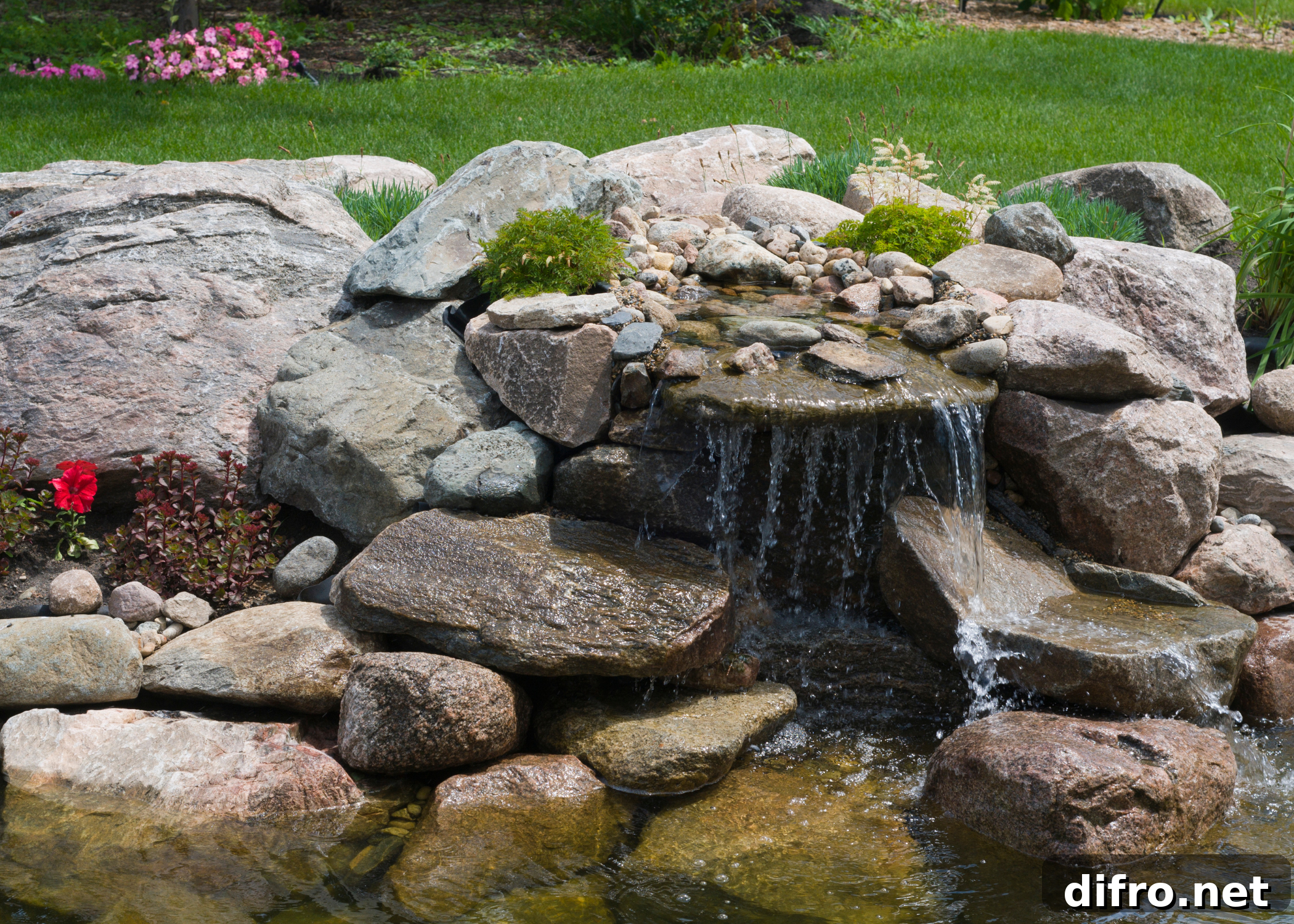
Use stones rated safe for aquatic environments and consult a professional for larger pond installations to ensure proper liners and filtration.
7. Rock Sculptures and Art
Rock sculptures and artistic stone arrangements create focal points that reflect personal style and garden theme. From simple balanced stacks to carved or assembled pieces, stone art is durable and low-maintenance. Position sculptures to anchor views, mark transitions between garden rooms, or highlight seating areas.
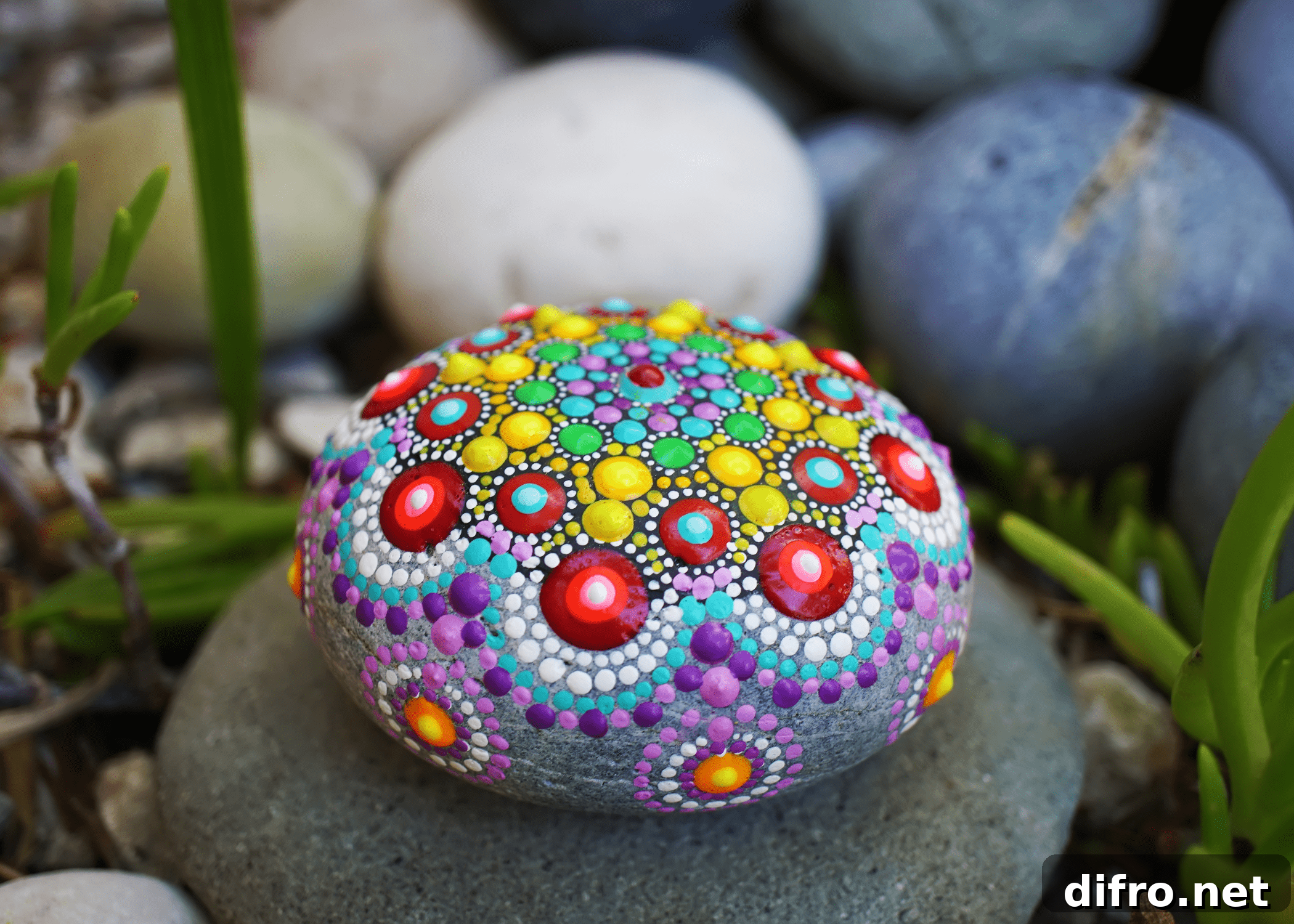
For longevity, select stones appropriate for your climate and secure larger pieces to prevent movement or tipping.
8. Fire Pits
Natural stone fire pits create inviting outdoor gathering spots. Choose a safe location away from structures and overhanging branches. Excavate a shallow base and add gravel for drainage. Arrange sturdy stones in a circular formation and secure them with mortar if you want a permanent structure. Surround the fire pit with seating—stone benches, logs, or chairs—to create a welcoming focal area.
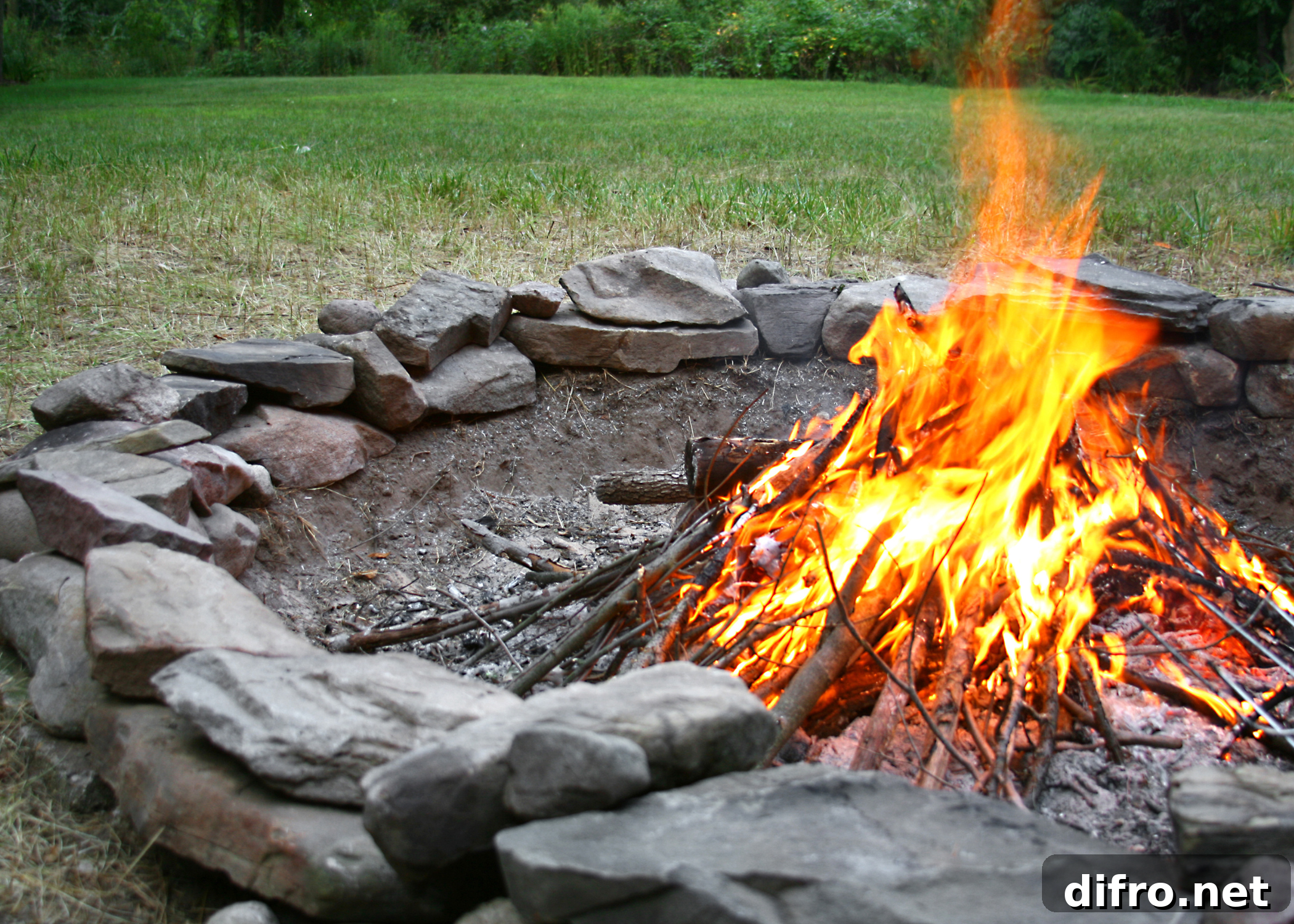
Check local regulations for safe burning practices and recommended construction methods before building.
9. Stepping Stones
Stepping stones combine charm and function, protecting turf and guiding visitors through flower beds or lawns. Available in natural flagstone, cast concrete, or custom engraved options, they create informal paths or direct circulation to features like benches or water elements. Dig a shallow recess for each stone so it sits level with the ground to prevent tripping, and fill gaps with soil, gravel, or low-growing groundcover.
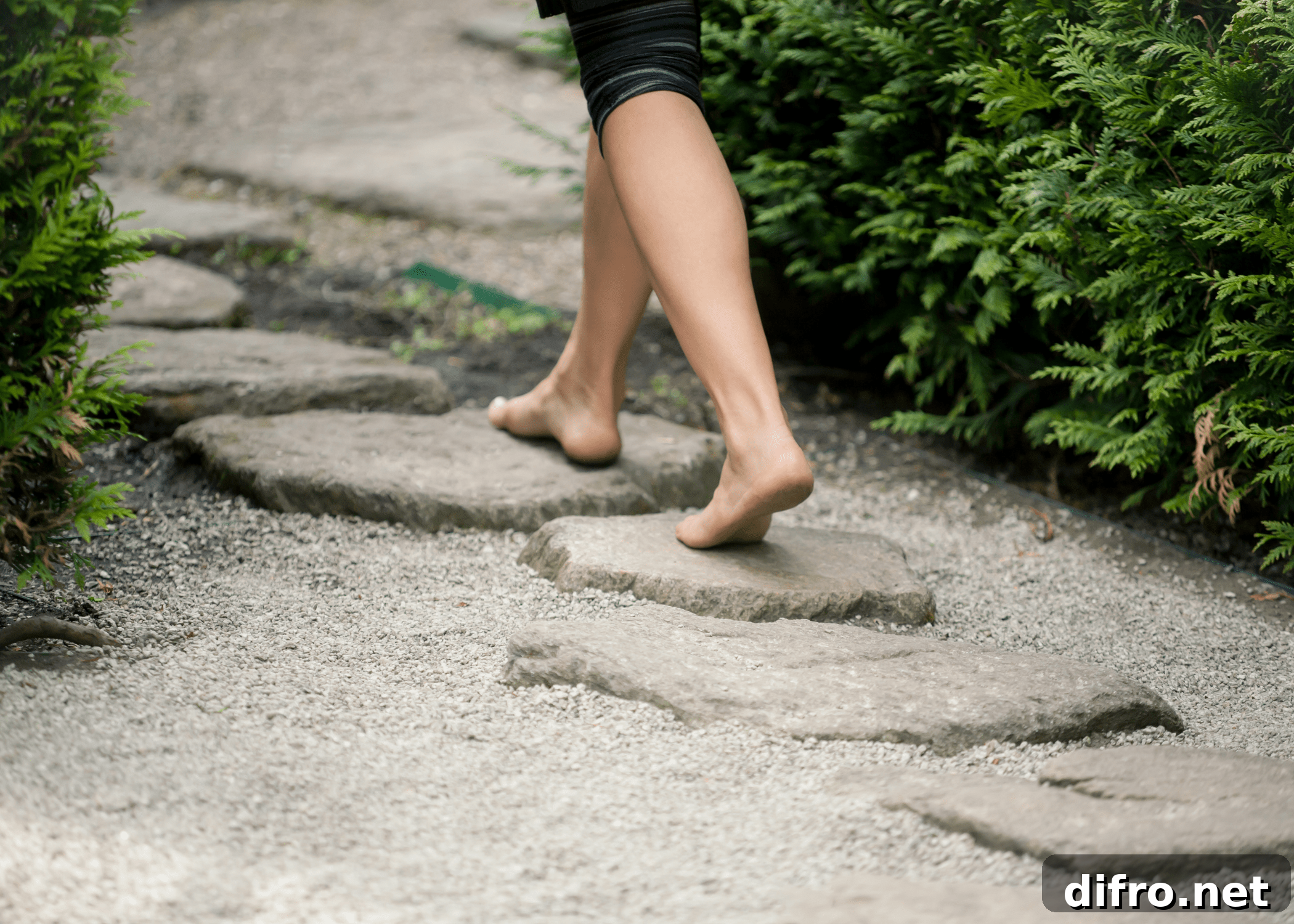
Stepping stones are an easy DIY upgrade that instantly improves garden accessibility and visual structure.
Related Articles
- 10 Stepping Stone Walkway Ideas Perfect For Enhancing Your Outdoor Landscape
- Outdated Landscape Trends and Techniques to Avoid
- 40 Best Landscape Lighting Ideas
Rocks offer endless possibilities in landscaping: as structural elements, decorative accents, or functional components for water management and low-water gardens. By combining thoughtful design with appropriate plant choices and proper installation, you can create a durable, attractive landscape that requires minimal upkeep. Whether you build a rock garden, a dry river bed, or a stone pathway, these elements help define outdoor spaces and connect your yard to the natural world.
Ready to begin your next project? Consider joining a local DIY or gardening community to exchange tips, learn new techniques, and find inspiration for hands-on stonework and landscaping projects.