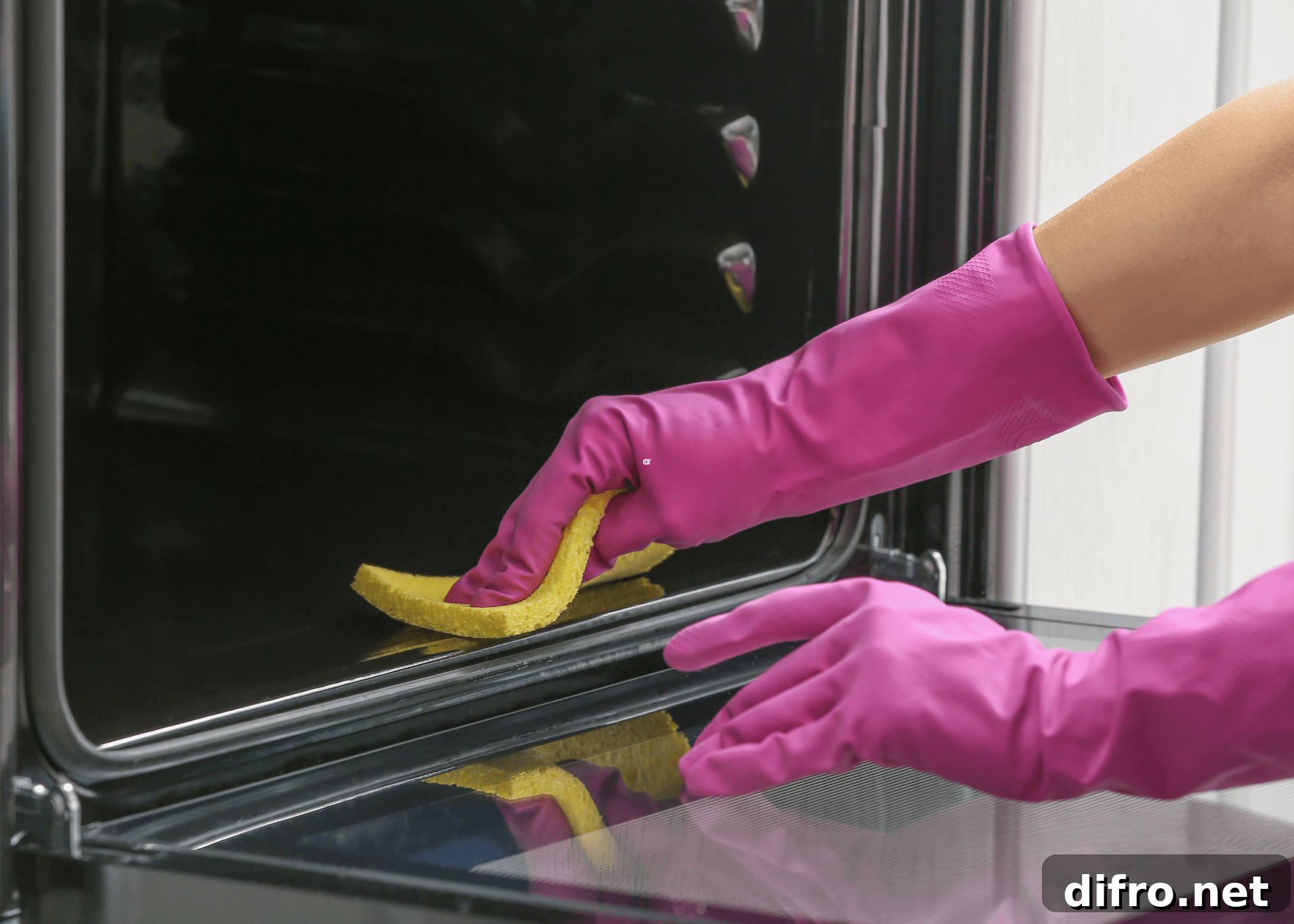
Cleaning an oven is often one of the most avoided household chores, but it doesn’t have to be difficult. With a few common pantry ingredients, some basic tools, and the right technique, you can restore a greasy oven to a fresh, sanitary state without resorting to harsh commercial chemicals. This guide explains a reliable method using vinegar and lemon—an eco-friendly, inexpensive way to get a sparkling oven and maintain a healthier kitchen environment.
Vinegar’s acidity helps break down grease and baked-on food, while lemon adds natural degreasing power and a pleasant scent. When combined with a little baking soda for tough spots, these ingredients create an effective, low-toxicity cleaning system. Read on for step-by-step instructions, safety tips, and simple maintenance habits that keep your oven cleaner for longer.
Why Choose Natural Cleaners?
Natural cleaners such as white vinegar and fresh lemon juice are effective, affordable, and better for indoor air quality than many commercial oven cleaners. They don’t release strong fumes, so they are safer to use in kitchens where food is prepared and around family members and pets. Using simple ingredients reduces exposure to harsh chemicals and is an environmentally friendly option for routine oven care.

Preparing Your Oven for Cleaning
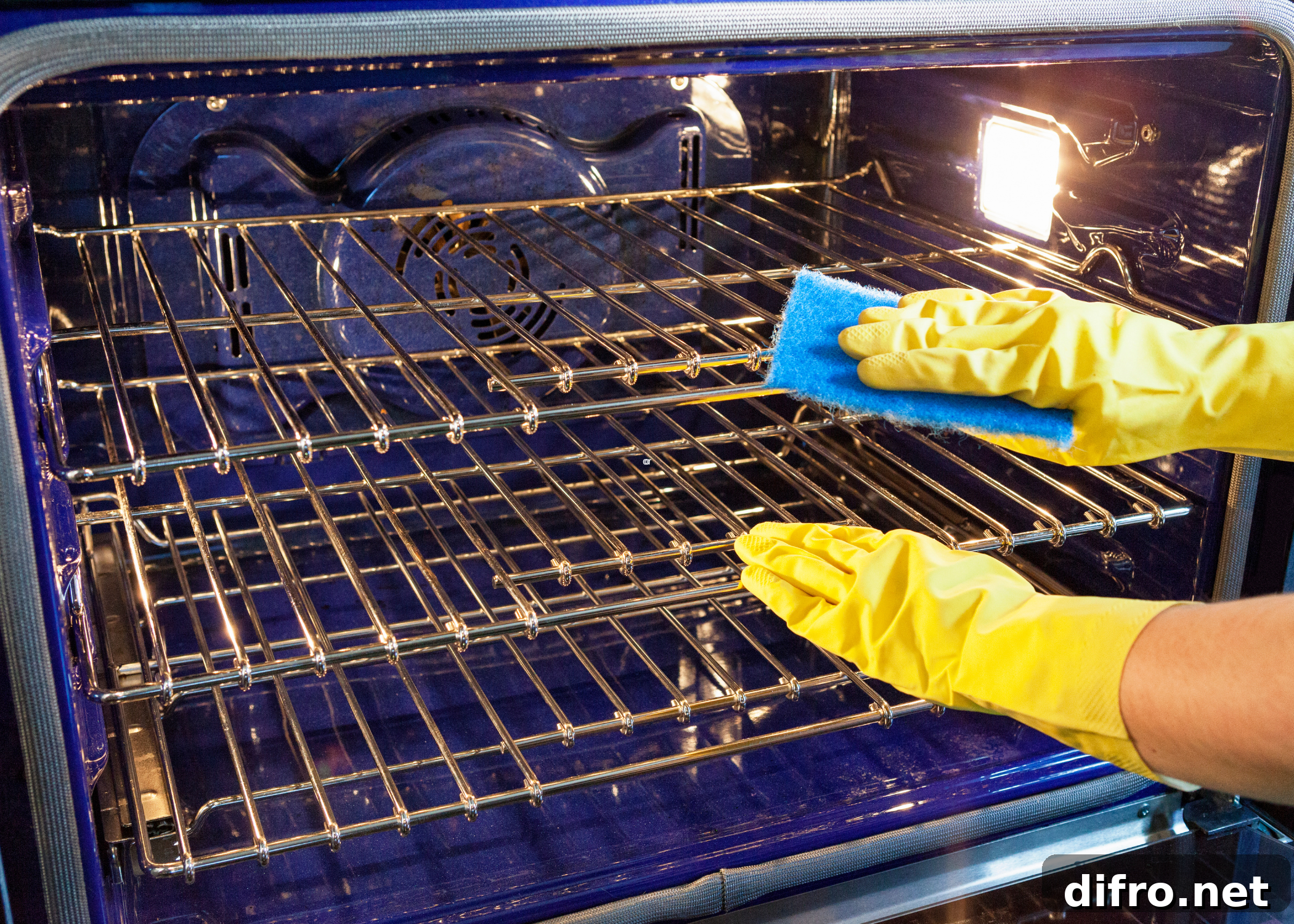
Preparation makes oven cleaning faster and safer. First, ensure the oven is completely cool. Remove oven racks and any loose crumbs or food particles with a dry cloth or small brush. Place the racks in a sink or large basin and soak them in warm, soapy water to loosen baked-on residue while you work on the oven interior.
Wear gloves to protect your hands and lay down old towels or paper around the oven opening to catch drips. If your oven has removable door panels or other detachable parts, consult the owner’s manual and remove those components if recommended for cleaning.
Creating the Cleaning Solution
Mix a simple spray solution of equal parts white vinegar and warm water in a clean spray bottle. Squeeze in the juice of one lemon for additional acidity and a fresh scent. If you prefer, add lemon zest or a few drops of lemon essential oil to intensify the aroma. This mixture is safe for most oven interiors, but always check your oven manufacturer’s care instructions first—some specialty finishes and self-cleaning oven interiors may require different care.
Applying the Solution
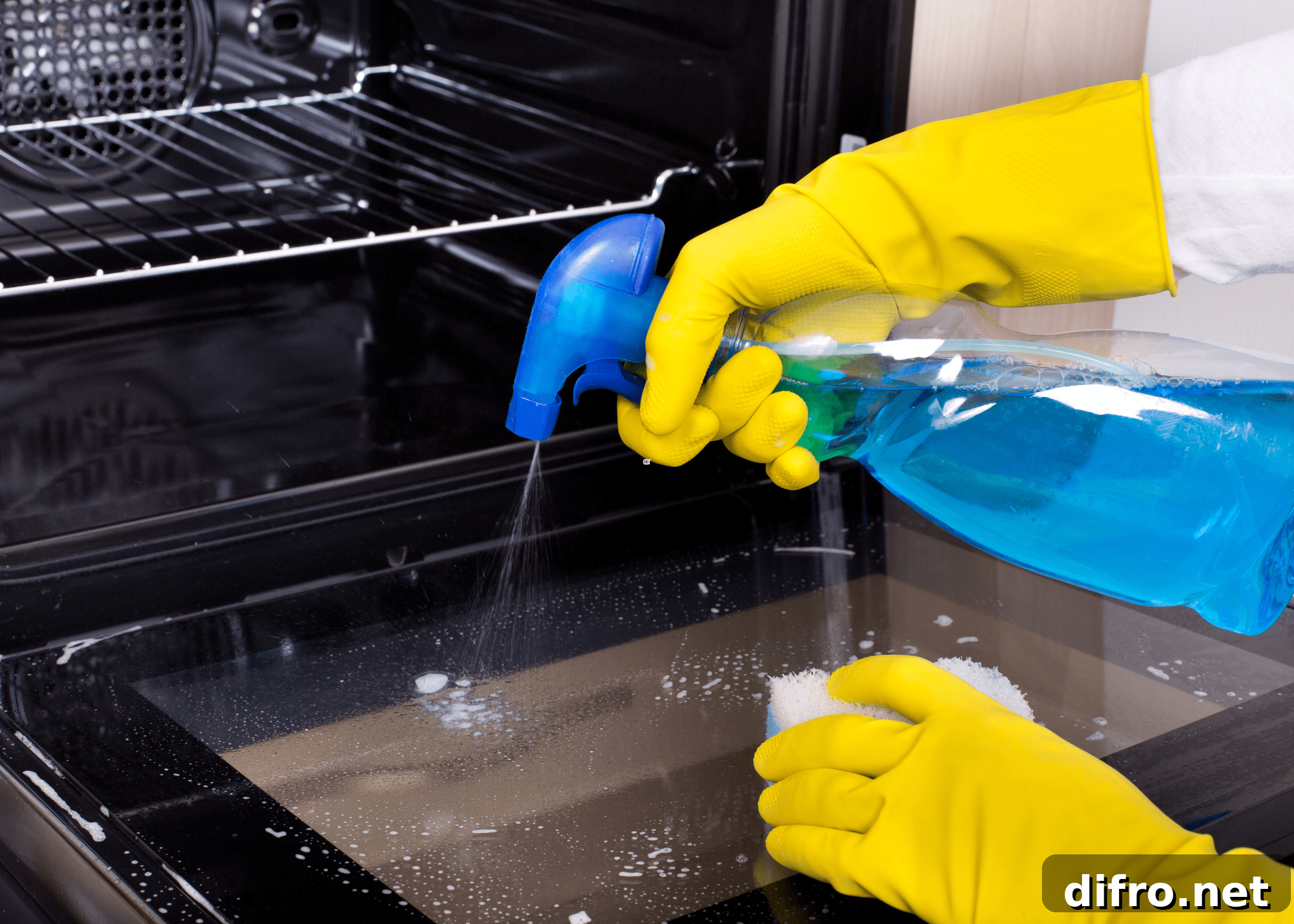
Spray the vinegar-lemon mixture generously across the oven’s interior surfaces, concentrating on the back, base, and any heavily soiled areas. For stubborn, baked-on grease, sprinkle a light layer of baking soda over the spot before spraying. The vinegar and baking soda will react, fizzing and helping to lift grime from the surface. Avoid using abrasive steel wool or harsh scouring pads that can scratch the oven’s finish; choose a soft non-abrasive scrubber instead.
Letting the Solution Work Its Magic
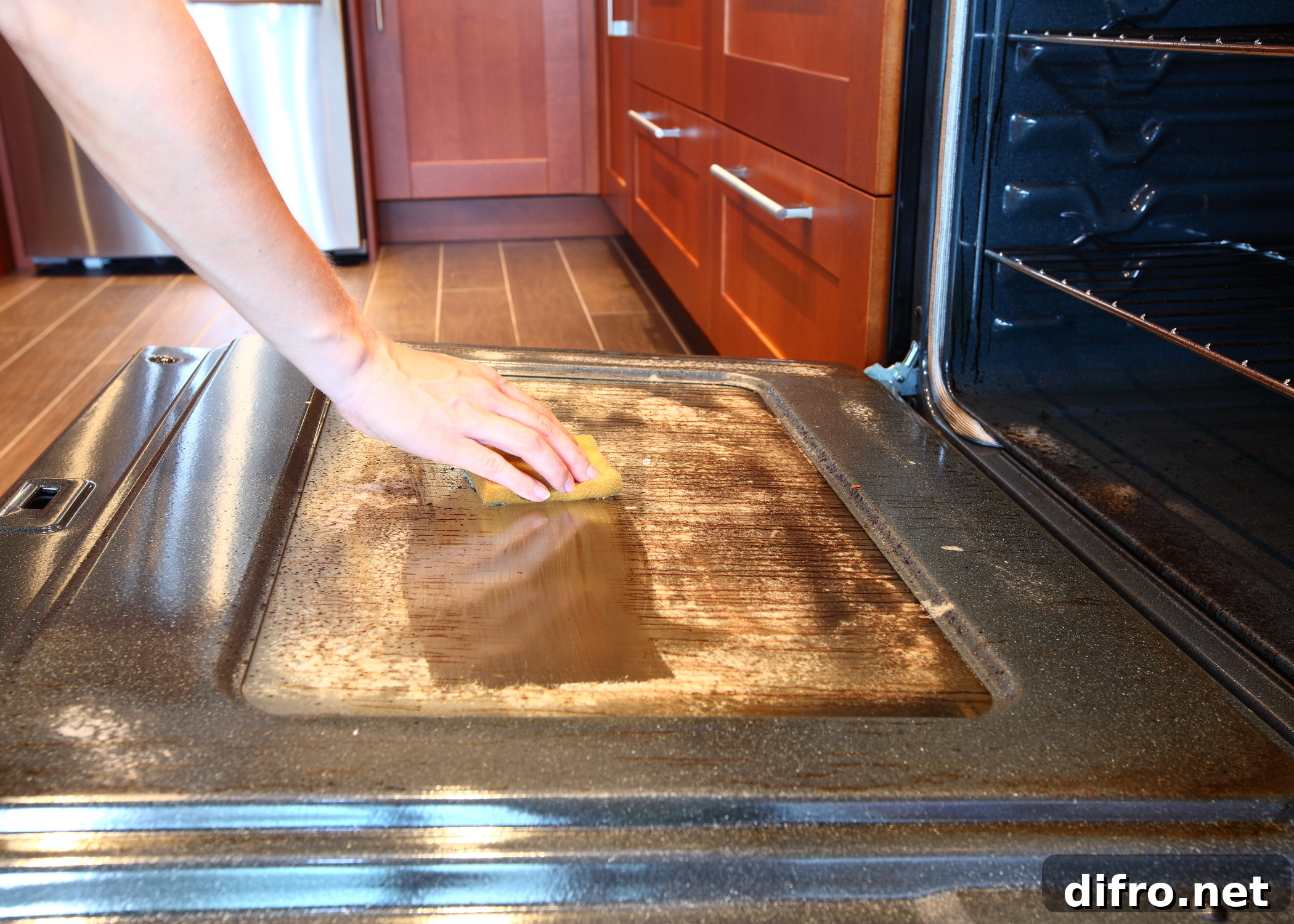
Allow the solution to sit for at least 30 minutes to soften grease and food residue. For heavily soiled ovens, extend the wait time to 45–60 minutes. During this period the acid in the vinegar and lemon loosens grime, and the baking soda reaction helps lift it away from the oven surfaces. The longer you let it work (within reason), the less heavy scrubbing you’ll need to do.
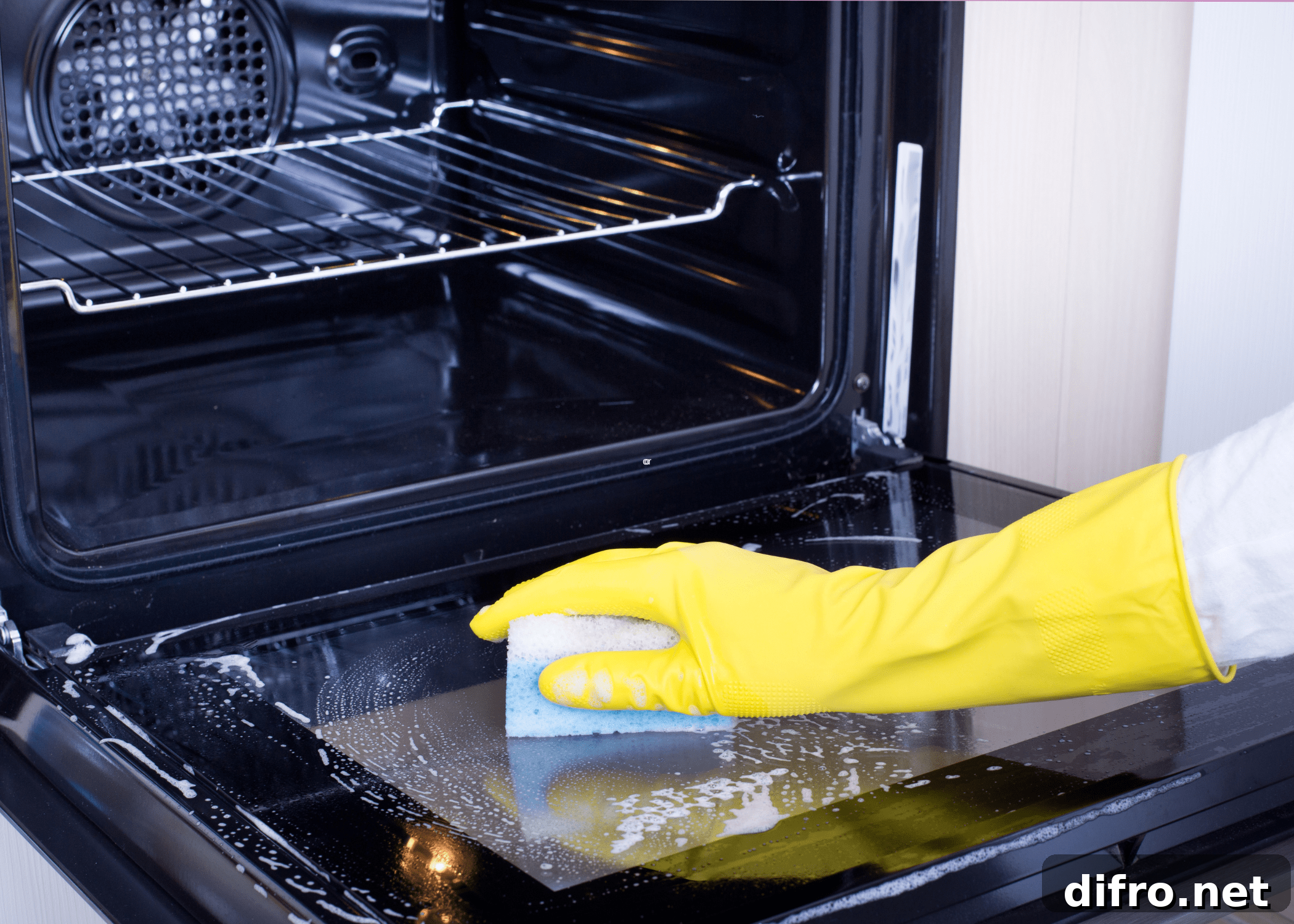
Scrubbing and Wiping
After soaking, use a soft non-abrasive scrubber or sponge to remove loosened residue. Focus on edges, corners, and the area beneath the oven floor where crumbs collect. For tight crevices, an old toothbrush can be effective. Once the grime has been loosened, wipe away residue with a clean, damp microfiber cloth. Rinse the cloth frequently in warm water to avoid redistributing dirt.
If stubborn spots remain, repeat the baking soda and vinegar application briefly and let it sit a few more minutes before scrubbing again. Finish by wiping all surfaces with a damp cloth to remove any traces of vinegar or baking soda, then dry with a clean towel.
Final Touches and Maintenance Tips
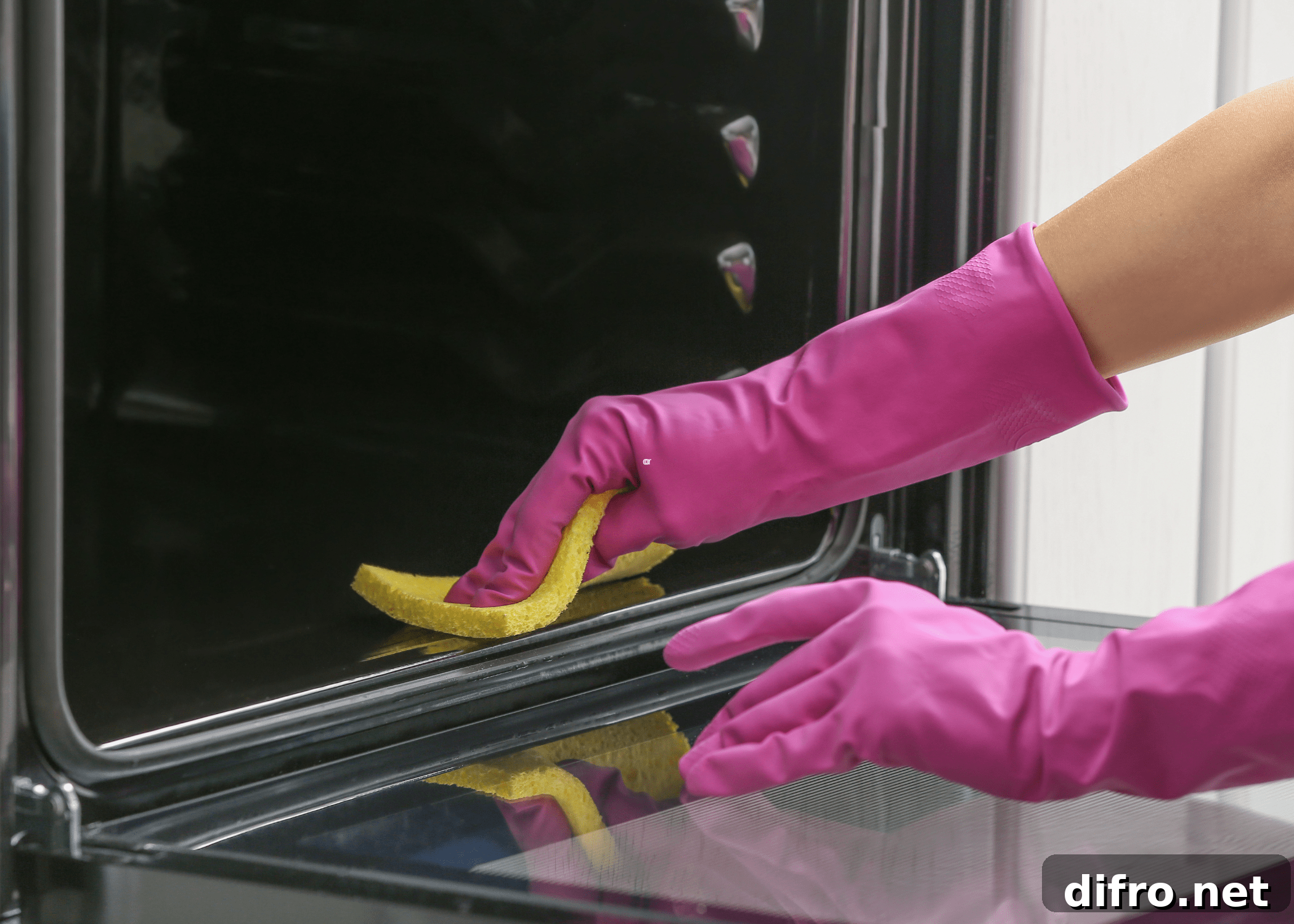
Scrub the oven racks you soaked earlier with a sponge or brush, rinse thoroughly, and dry before returning them to the oven. Wipe down the oven door glass with the same vinegar-lemon solution for streak-free clarity. Regular maintenance will reduce the need for deep cleaning: wipe up spills as soon as the oven cools, and do a quick spray-and-wipe once a week if you use the oven frequently.
For safety, always consult your oven’s manual before using homemade cleaners on specialty coatings or self-cleaning ovens. If you notice any damage to seals, enamel, or wiring, contact a qualified service technician rather than attempting repairs yourself.

Related Articles
- Tile Grout Cleaner for Sparkling Cleanliness in Any Room
- 6 Sleek Storage Solutions for Cleaning Supplies
- How to Use Glass Cleaner for Keeping Shower Doors Stylish and Clean
Following these steps will help you achieve a spotless oven using simple, natural ingredients you likely already have at home. Vinegar and lemon offer an effective, low-toxicity alternative to harsh cleaners, helping keep your kitchen safe and fresh. With routine care and occasional deep cleaning, you can maintain a hygienic oven that performs well and looks great for years.
Want more home cleaning and interior tips? Subscribe to receive practical ideas and seasonal advice to keep your home looking its best.