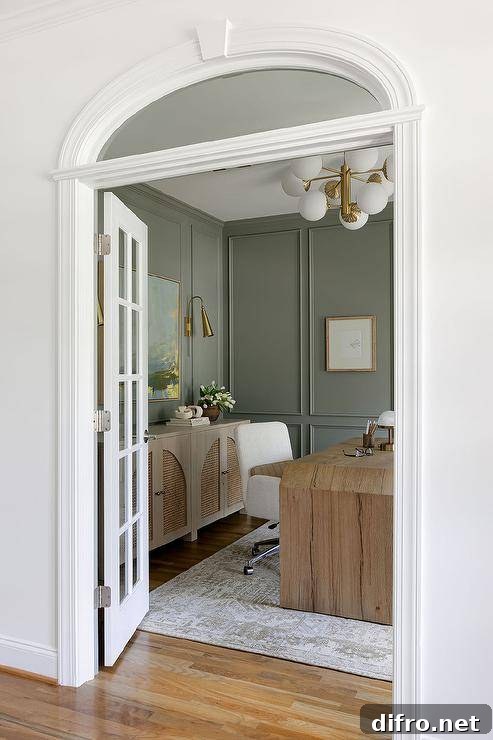
Transom windows are a subtle but powerful architectural feature that combine beauty and function. These narrow, horizontal windows are typically placed above doors or larger windows and have been used for centuries to admit natural light and promote air circulation. While their origins are rooted in practical needs—lighting and ventilation in pre-electricity eras—today transoms are prized for their aesthetic versatility and ability to enhance both interior and exterior design.
This article explains the history, design advantages, materials, and practical tips for integrating transom windows into modern homes and commercial spaces. Whether you’re renovating an older house or planning new construction, understanding how transom windows contribute to light, air flow, and visual character will help you make informed design choices.
The History and Purpose of Transom Windows
Transom windows date back to medieval and early modern architecture, commonly appearing in European and North American buildings from the 14th century onward. Historically, they provided much-needed daylight and cross-ventilation while preserving privacy and security. Before electric lighting and modern HVAC systems, transoms played an essential role in making interiors habitable and comfortable.
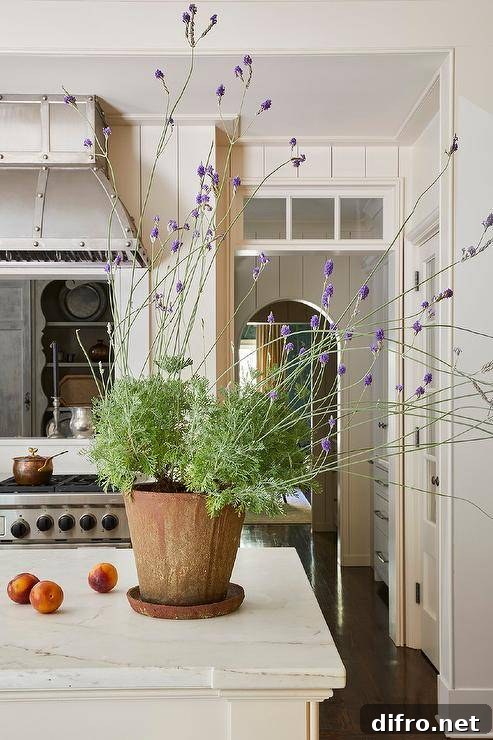
In contemporary architecture, transom windows still accomplish the practical tasks of lighting and ventilation but are often selected for their decorative value as well. They can subtly elevate entryways, frame views, and add architectural rhythm to façades and interior partitions.
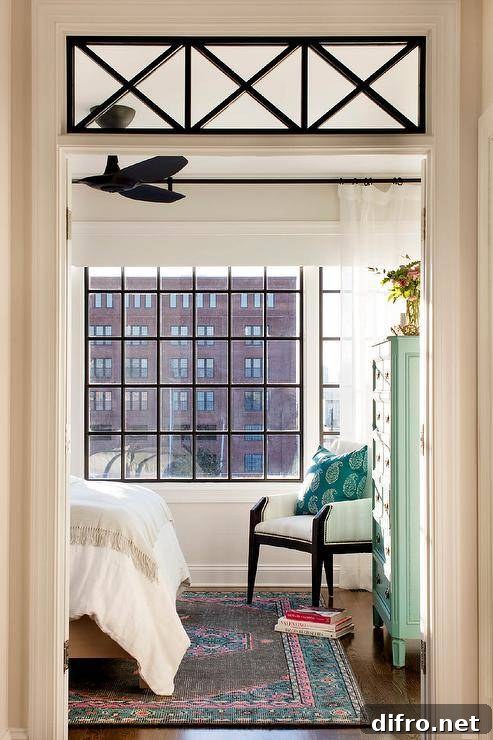
Design and Aesthetic Appeal
Types of Transom Windows
Transom windows are available in several forms, each suited to different architectural styles and functional needs. Fixed transoms are stationary and primarily decorative, letting light pass through while maintaining privacy or security. Operable transoms open to allow ventilation—useful above interior doors, in kitchens, and in bathrooms.
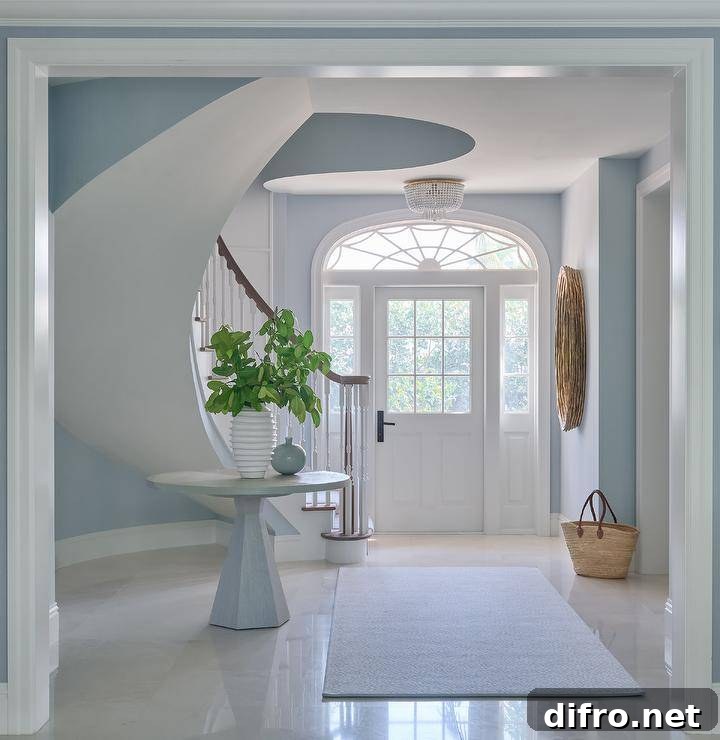
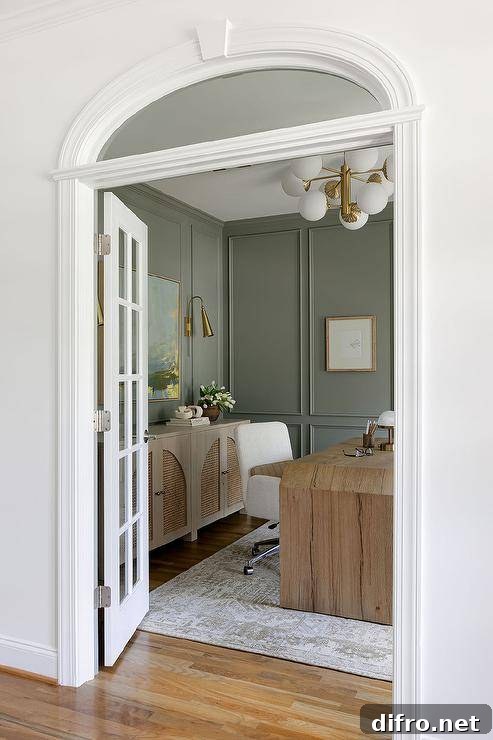
Fan-shaped or arched transoms carry a traditional, sometimes historic sensibility and can become focal points above entryways. Rectangular transoms are the most adaptable, fitting seamlessly into contemporary, minimalist, or transitional designs with clean, simple lines.
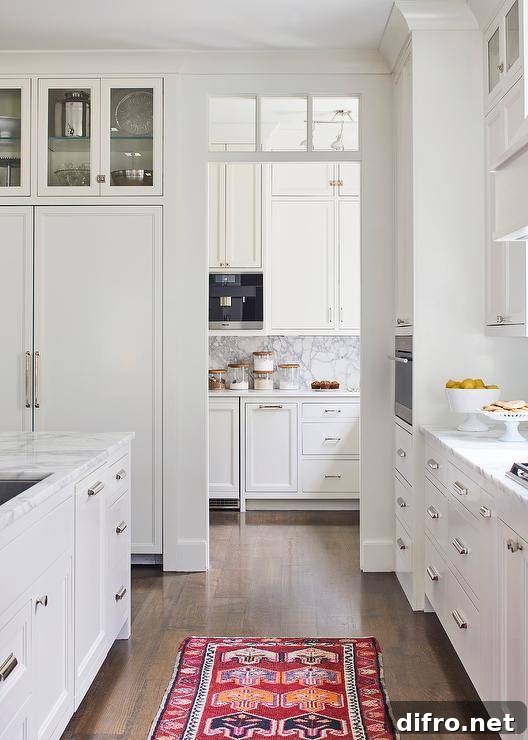
Materials and Styles
The frame and glazing choices define a transom’s look and performance. Wood provides warmth and traditional charm and can be painted or stained to match surrounding trim. Metal frames—aluminum or steel—lend a slim, modern profile and can be used to create slender mullions or intricate grilles.
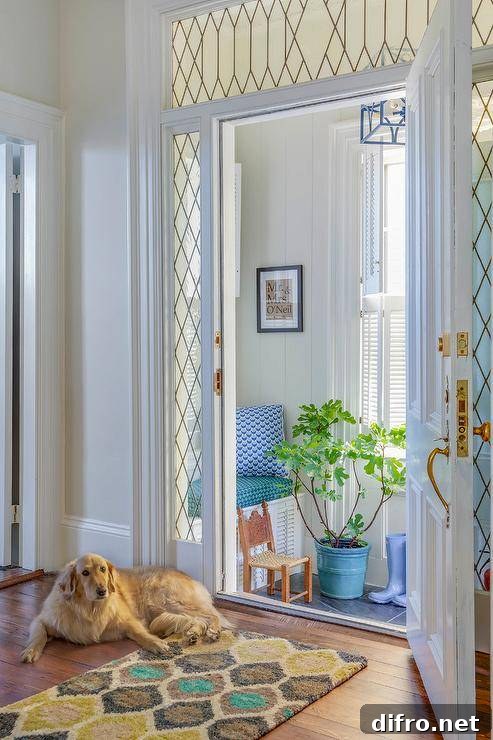
Glass options range from clear for maximum light to frosted or textured for privacy. Stained or leaded glass introduces color and artisanal detail, while etched or patterned glazing adds elegance without compromising daylight. Choosing double-glazed units with proper seals will also help maintain energy efficiency.
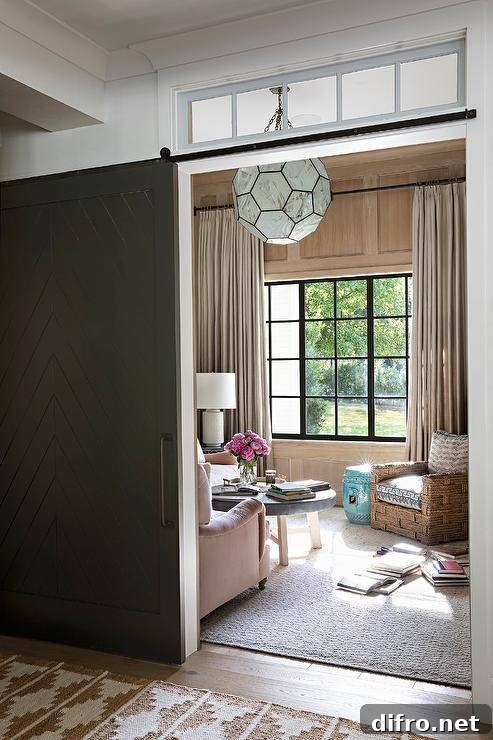
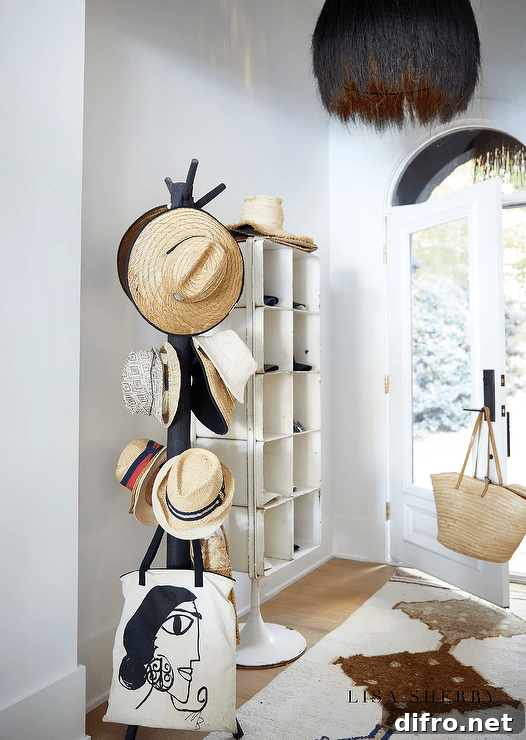
Enhancing Interior and Exterior Aesthetics
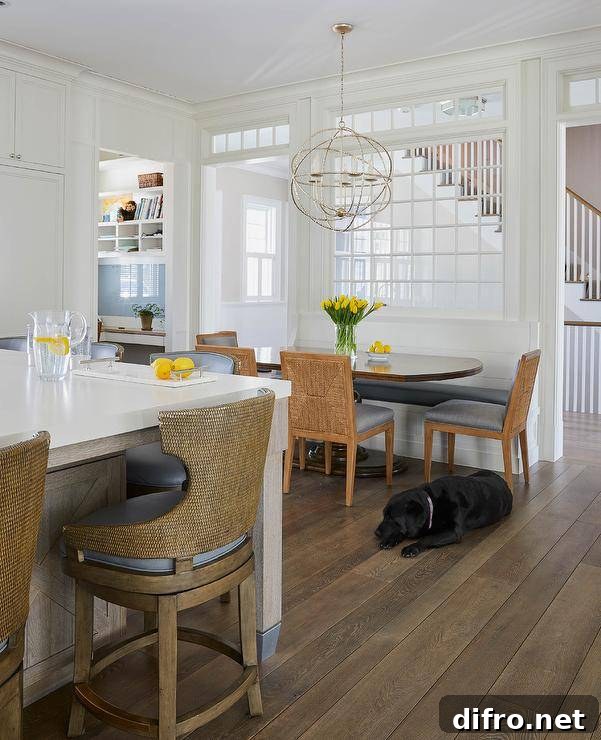
Inside the home, transom windows distribute daylight into deeper parts of rooms and corridors, creating a lighter, more open atmosphere. They can make compact areas feel larger and improve the mood and usability of spaces that might otherwise be dim.
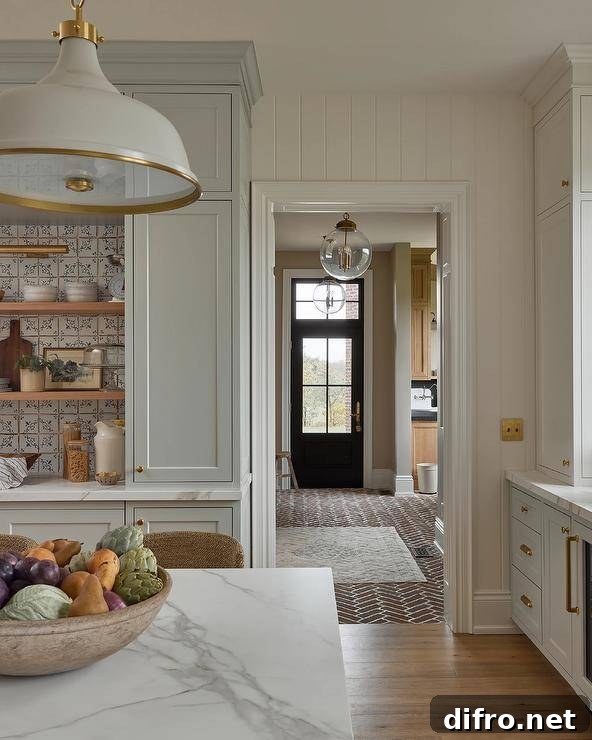
On the exterior, transoms add architectural detail to façades and can emphasize entryways or align with other compositional elements to achieve balance and symmetry. Well-designed transoms integrate with door and window proportions to amplify curb appeal and refine a building’s character.
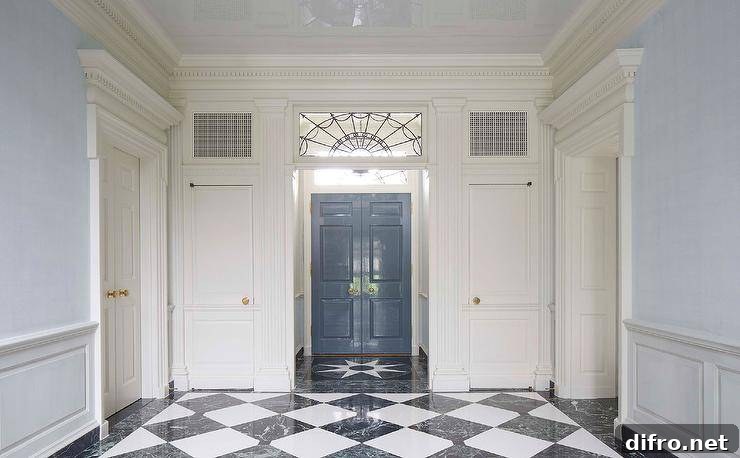
Design Benefits of Transom Windows
Enhanced Natural Light
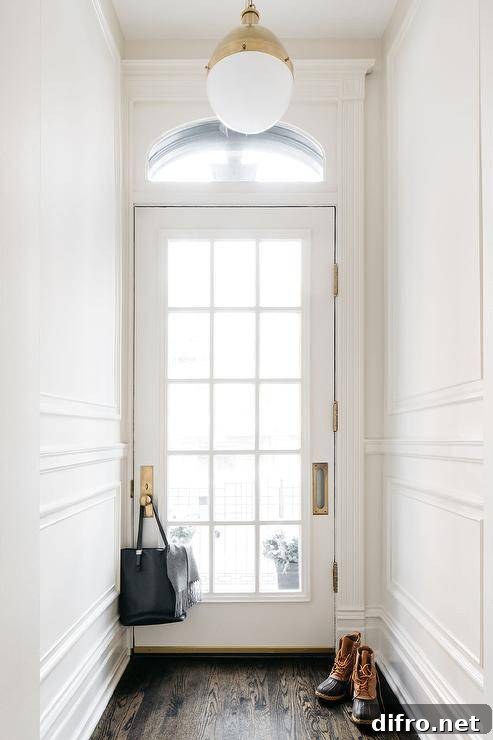
Transom windows are especially effective at introducing daylight to rooms that receive limited direct light. Positioned above doors or interior openings, they let sunlight travel further into hallways, bathrooms, and interior rooms, reducing reliance on artificial lighting and making spaces more welcoming.
Improved Ventilation
Operable transom windows enable passive ventilation, allowing hot air to escape while drawing in cooler air elsewhere. This simple strategy improves indoor air quality and comfort, especially in kitchens, bathrooms, and rooms where moisture or odors tend to accumulate.
Aesthetic Appeal
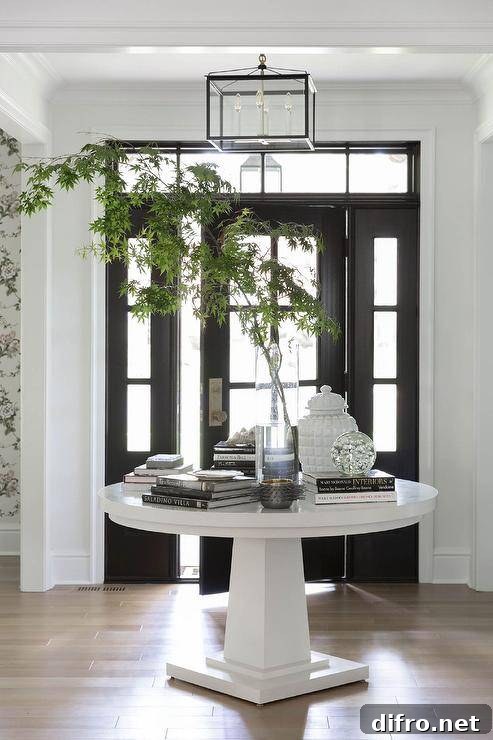
Beyond their technical benefits, transoms are a design statement. Whether you select simple, clear glass for understated elegance or stained and leaded glass for strong visual impact, transoms can be tailored to complement any interior style. Decorative grilles, mullion patterns, or colored glazing give architects and homeowners a range of expressive options.
Tips for Decorating with Transom Windows
Frame Them with Curtains
Transom windows look elegant when framed with appropriate window treatments. Use sheer fabrics to preserve daylight while adding softness, or pair transoms with floor-to-ceiling drapes that coordinate with the room’s palette. Make sure treatments do not block the transom’s light or interrupt its clean lines.
Use Transoms as Art
Decorative transoms—with stained, leaded, or etched glass—work like built-in artwork. Keep the surrounding décor simple and use neutral tones to allow the transom’s pattern or color to stand out. Accent lighting, such as recessed fixtures or subtle wall sconces, will showcase detailed glasswork after dark.
Coordinate with Door and Window Trim
To achieve a cohesive look, match transom trim with the surrounding doors and windows. Painting the trim in a contrasting color can make transoms more prominent, while consistent staining or finishes produce a harmonious, integrated aesthetic. Proper trim detailing ties the transom into the room’s architectural language.
Related Articles
- Floor to Ceiling Windows That Will Expand Your Space
- Drapes vs Curtains – Understanding the Differences and Choosing the Right Window Treatments
- Sparkling Solutions: DIY Homemade Window Cleaner
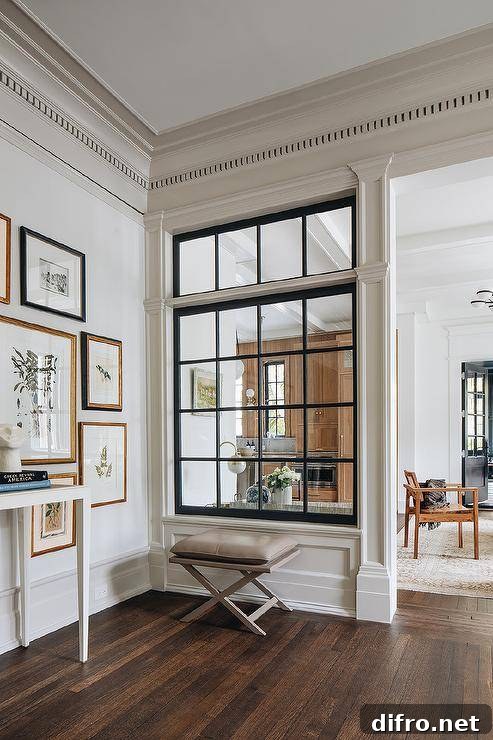
We hope these insights help you consider transom windows as both a practical and decorative addition to your home. Whether adding one above a doorway or incorporating a band of transoms along an interior wall, these windows can lift natural light, improve airflow, and add timeless character to your space.
Subscribe to design newsletters to receive ideas and trends that can help you transform your house into a home.
Frequently Asked Questions (FAQs)
What is a transom window?
A transom window is a horizontal window installed above a door or window opening to admit light and sometimes ventilation.
Are transom windows operable?
Some transoms are operable and can open for ventilation; others are fixed and serve only to admit light or add architectural detail.
What materials are transom windows made from?
Common materials include wood, aluminum, vinyl, and fiberglass for frames, with glass options ranging from clear to frosted, textured, or stained.
Can transom windows be added to existing homes?
Yes. Installing transoms in an existing home is possible but often requires professional assessment and installation to ensure proper structural support and weatherproofing.
How do I clean transom windows?
Cleaning can be done with a ladder and a long-handled squeegee or brush. For high or hard-to-reach transoms, consider hiring a professional window cleaner for safety and efficiency.
Do transom windows affect energy efficiency?
Quality glazing and tight seals help transoms maintain energy performance. Double-glazed or thermally broken units reduce heat transfer compared to single-pane installations.
Are transom windows expensive?
Costs vary with size, material, and custom details. Simple, standard transoms are affordable, while custom shapes, specialty glass, and historic restorations increase expense.