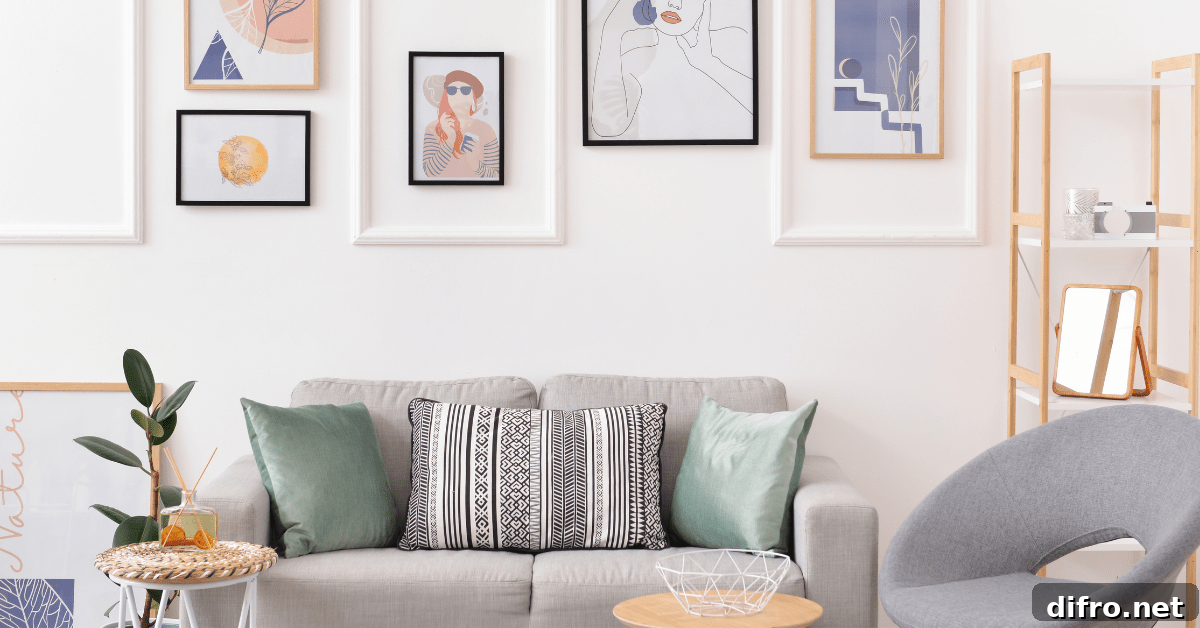
Transforming your home into a stylish, comfortable living space is a rewarding process—but it’s easy to fall into common decor mistakes that can undermine your efforts. Small choices in scale, lighting, and personal detail have a big impact on whether a space reads as polished and cohesive or feels unfinished and impersonal. Below are practical, easy-to-follow tips to help you avoid the most frequent pitfalls and make your home look thoughtfully designed and welcoming.
Overlooking Scale and Proportion
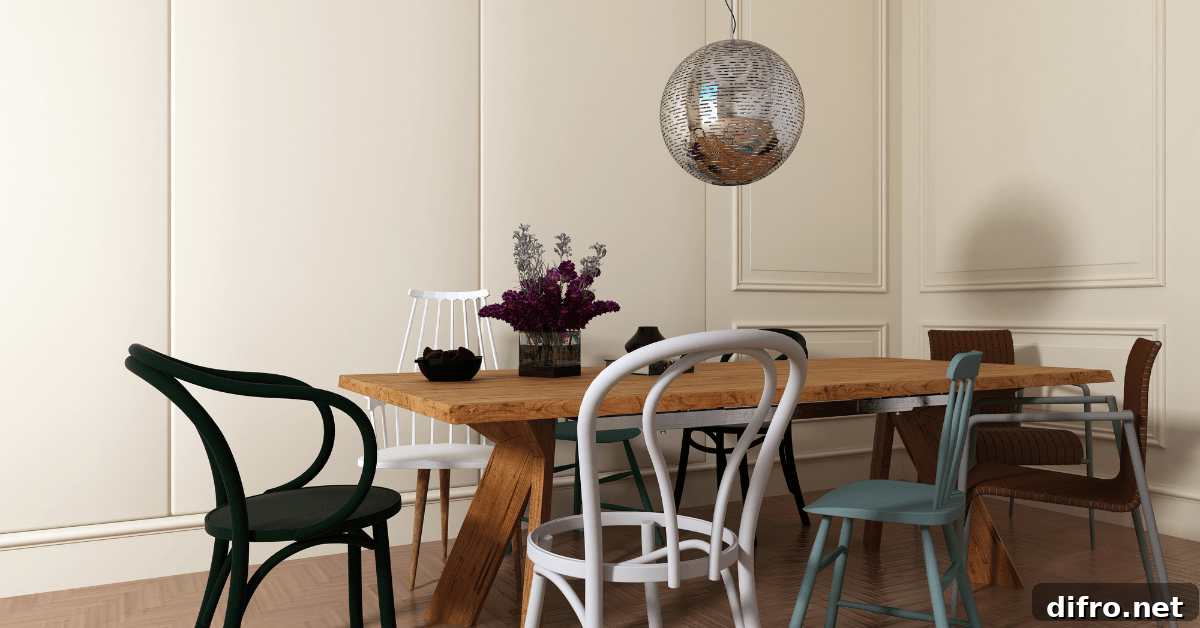
One of the quickest ways to make a room feel off-balance is to ignore scale and proportion. Oversized furniture can crowd a room and block sightlines, while pieces that are too small can make a space feel fragmented and underfurnished. Think about each item in relation to the room’s dimensions, ceiling height, and other furniture.
When arranging seating, choose a coffee table proportional to your sofa and allow enough circulation space around it. Hang art at eye level and consider grouping pieces so they relate to each other rather than scattering small frames randomly. The rule of thirds and using larger statement pieces to anchor a room are simple strategies that immediately improve visual harmony.
The Pitfall of Matching Everything Too Perfectly
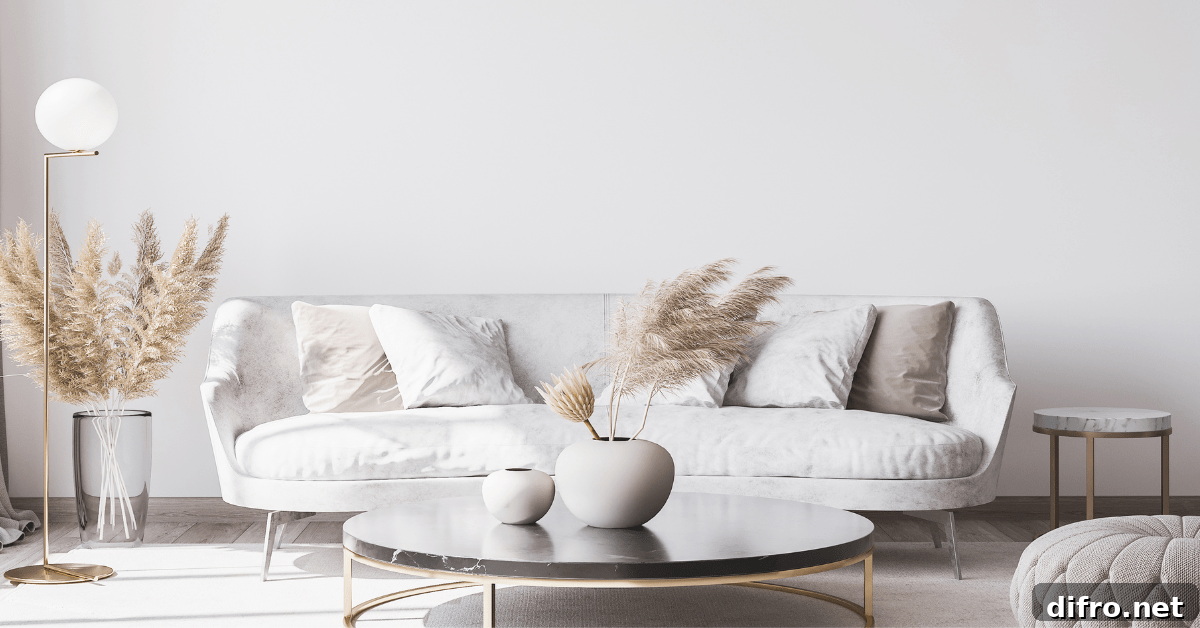
A perfectly matched room can look serene, but when everything is too coordinated it often lacks personality. Avoid buying entire matching sets or sticking rigidly to a single color or style. Instead, layer textures, patterns, and finishes to create depth. Mixing vintage and contemporary pieces, or combining warm woods with sleek metals, gives a curated, lived-in look.
Start with a base palette and introduce contrast through textiles, rugs, and accent pieces. A mismatched chair, an eclectic lamp, or a patterned cushion can provide character without disrupting cohesion—provided the items share at least one unifying element, such as color tone or material.
Underestimating the Power of Lighting
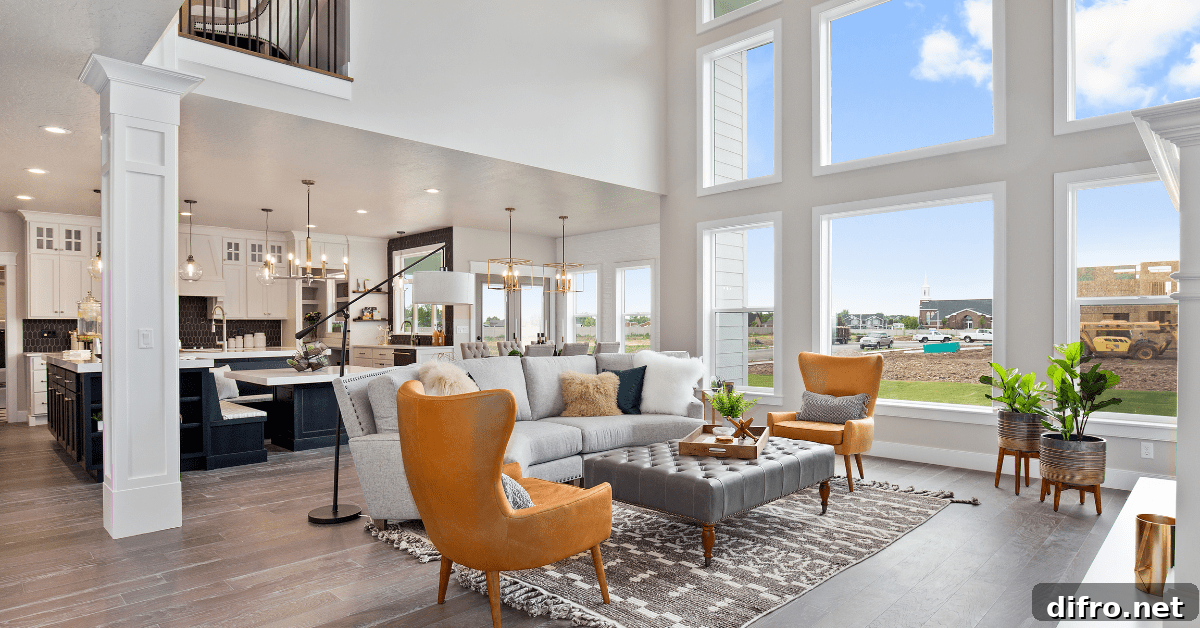
Lighting is one of the most transformative elements in interior design and frequently gets overlooked. Relying solely on a single overhead fixture creates flat, harsh light. For a warm, inviting atmosphere, layer ambient, task, and accent lighting—pendants or chandeliers for general light, table and floor lamps for reading and ambiance, and spot or picture lights to highlight art or architectural features.
Choose bulbs with appropriate color temperature: warm white (2700K–3000K) for living rooms and bedrooms for a cozy feel, and cooler temperatures for workspaces if needed. Dimmers and smart controls make it simple to change moods and improve both the function and feel of each room.
Choosing Quantity Over Quality
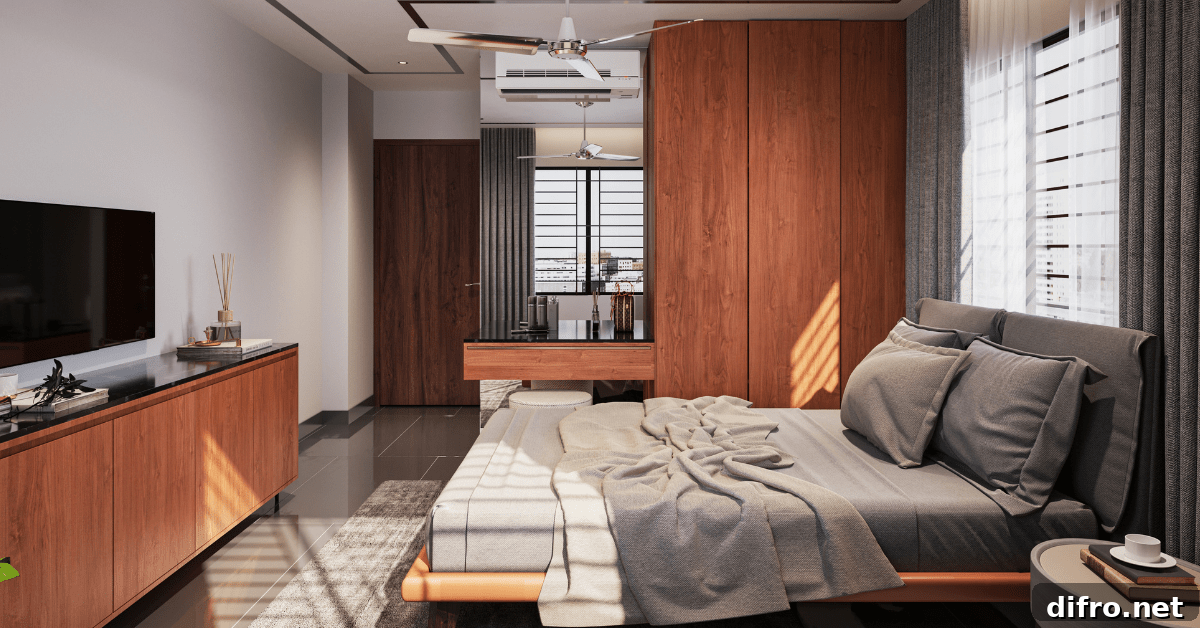
Filling a room with lots of inexpensive items can feel like progress, but it often yields a cheap or cluttered look. Prioritize a few well-made pieces over many low-quality ones. Durable furniture, hand-crafted textiles, or a solid wood table will age better, look more refined, and often deliver better comfort and value long term.
Buy thoughtfully: invest in a reliable sofa or a quality mattress first, then layer with accessories over time. High-quality statement pieces act as anchors around which you can add seasonal or inexpensive accents without sacrificing overall cohesion.
Neglecting Personal Touches
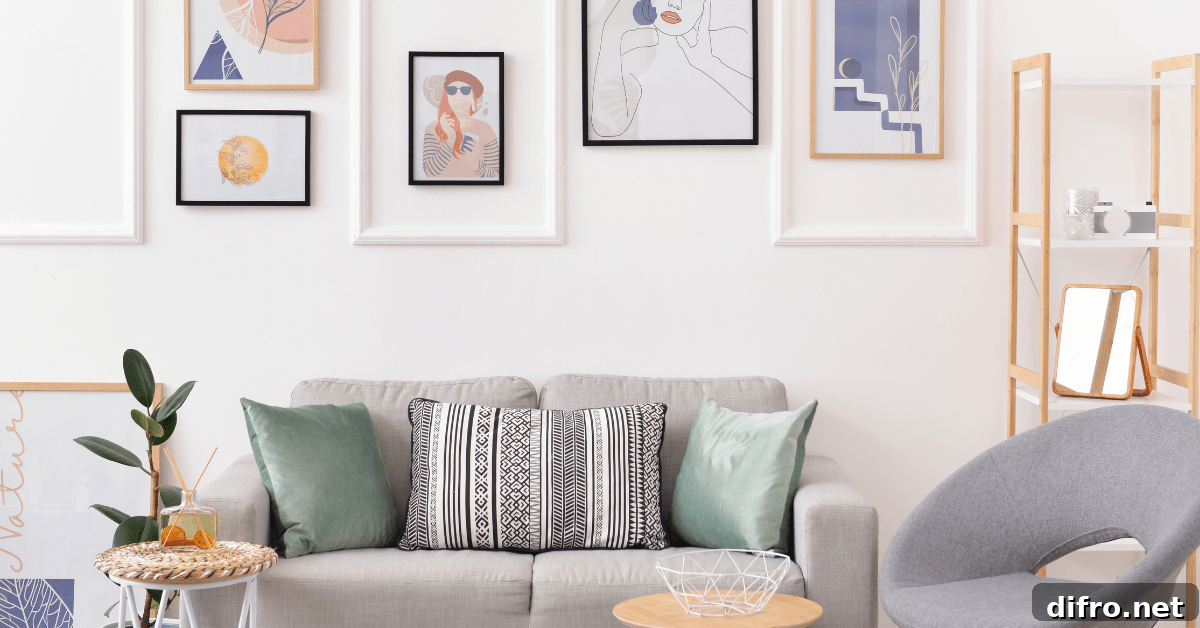
Homes that look like showrooms often lack warmth because they miss personal details. Incorporate meaningful items—family photos, travel souvenirs, heirlooms, or handmade textiles—to make your space feel lived-in and authentic. These elements tell your story and make a design unique.
Personal touches don’t need to be elaborate: a stack of favorite books, a framed print you love, or a sculptural vase with fresh flowers can instantly make a room feel cared for and reflective of your taste.
Related Articles
- Color Wheel and Opposites – Mastering Complementary Colors in Design and Decor
- Explore Amazon Decor Styles – A Practical Guide to Popular Home Looks
- Top Decor Trends for Spring – Fresh Ideas to Revitalize Your Home
Avoiding common decor mistakes comes down to thoughtful choices: respect scale and proportion, mix styles for depth, layer lighting, invest in quality, and personalize your space. These principles help you create a home that feels elegant and uniquely yours. Use them as guidelines, not rigid rules—your personal taste and lifestyle should ultimately shape the final result.
Ready to refresh your home? Subscribe to receive interior design tips, trends, and practical ideas to transform your space.