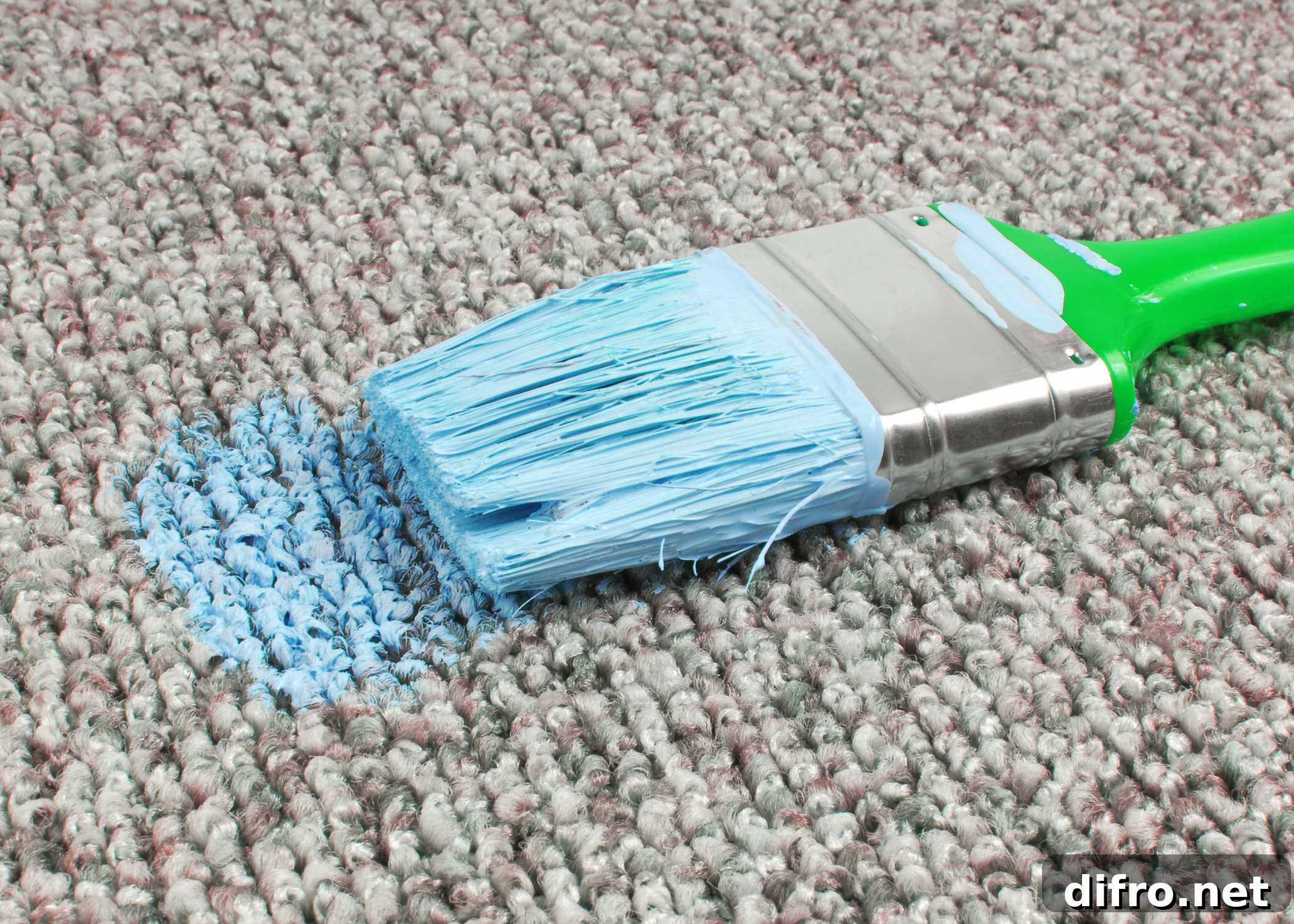
Paint on carpet can be stressful, but it doesn’t have to be permanent. Whether you’re an experienced DIYer or tackling a one-off spill, the right approach prevents long-term damage and restores your carpet’s appearance. This guide explains practical, natural methods to remove paint from carpet, what tools to keep on hand, and how to protect your flooring before you start a project.
The methods below cover water-based and oil-based paints, quick-response techniques for fresh spills, and options for older or dried stains. Acting promptly, testing solutions on an inconspicuous area, and using gentle motions will help you remove paint without harming carpet fibers.
Introduction to Carpet Care: A Natural Approach to Removing Paint
Discovering a paint spill on your carpet doesn’t automatically mean a trip to a professional. Many common household ingredients and careful techniques can lift paint while remaining gentle on fibers and safe for homes with children and pets. The most important factors are identifying the paint type, responding quickly, and using mild, non-abrasive methods that preserve color and texture.
Understanding the Type of Paint Spill for Effective Removal
Before applying any remedy, identify whether the paint is water-based (latex, acrylic) or oil-based. Water-based paints are usually easier to remove with warm water and mild detergent, while oil-based paints often require solvents such as rubbing alcohol or a paint thinner designed for fabrics. If the paint can is available, follow the manufacturer’s cleanup guidance. If not, test a small hidden area to make sure your chosen cleaner won’t cause discoloration or fiber damage.
Essential Items You’ll Need for Natural Paint Extraction
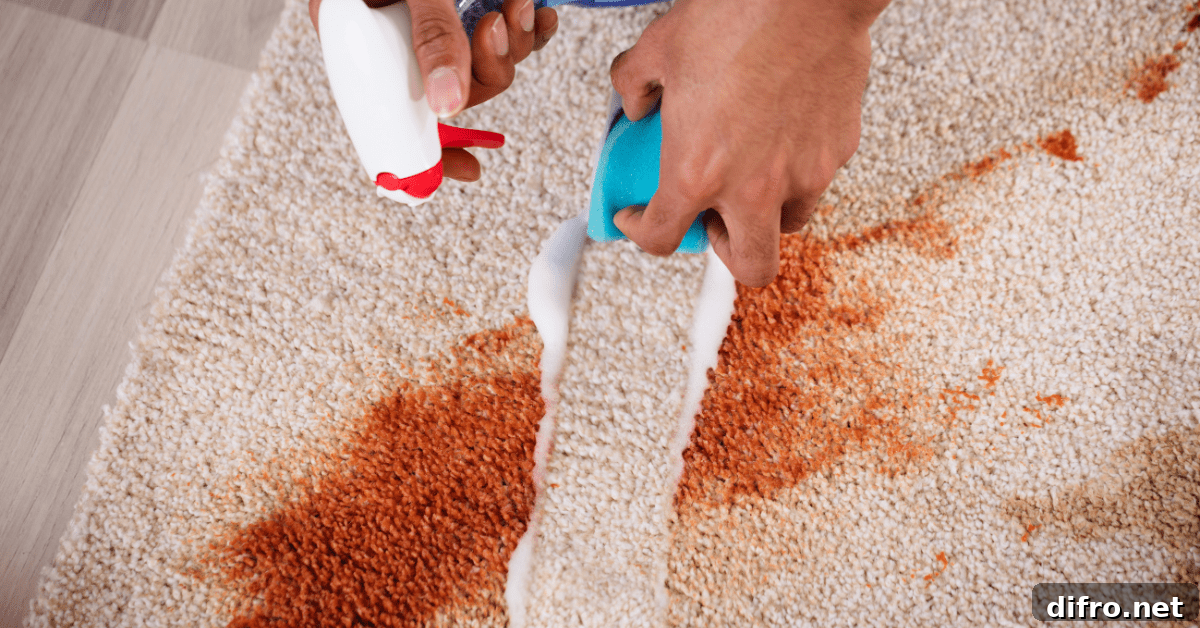
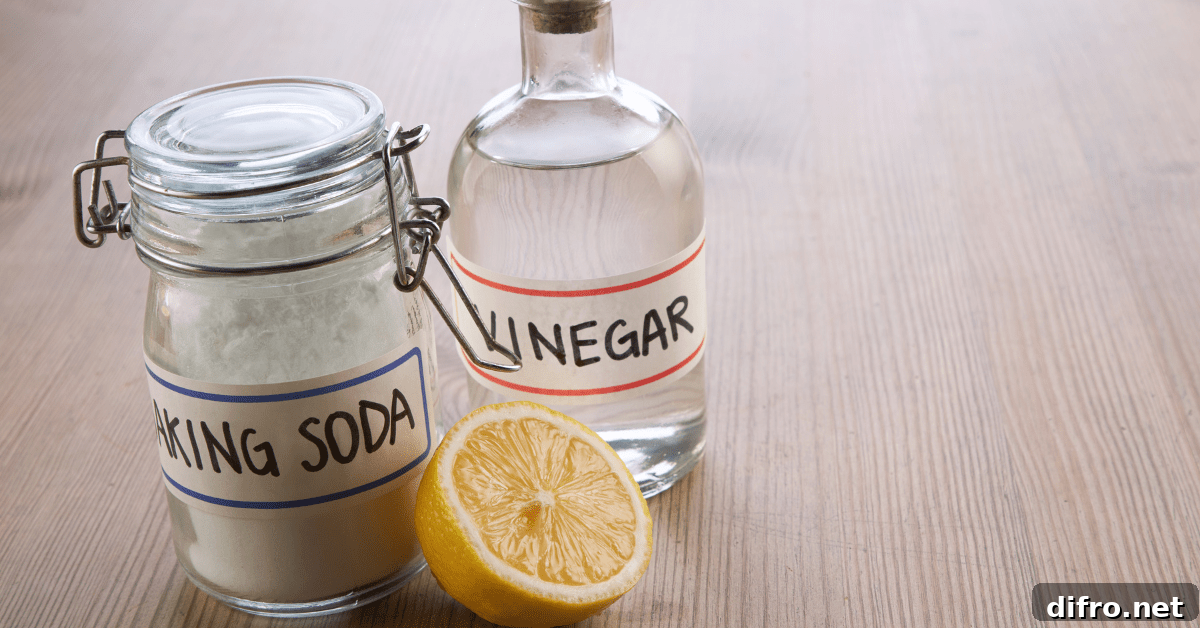
Stock a small emergency kit for paint spills: white vinegar, baking soda, mild dish soap, rubbing alcohol (isopropyl), clean white cloths or paper towels, a soft-bristled brush, a plastic scraper, and a spray bottle with warm water. These items handle most fresh paint incidents and minimize the need for harsh chemicals.
Work with small amounts of cleaning solution and always blot rather than rub to avoid pushing paint deeper into the carpet pile.
Pre-Treatment Tactics: Preparing the Carpet Before the Clean-Up
Start immediately for the best result. Gently blot excess wet paint with a clean cloth, moving from the outer edge toward the center to contain the stain. For water-based paint, a mix of warm water and a few drops of dish soap can loosen pigment. For oil-based paint, test rubbing alcohol on a hidden area before use. After removing surface paint, proceed to targeted cleaning with whichever solution is safe for your carpet type.
Gentle Blotting Techniques to Minimize Carpet Damage
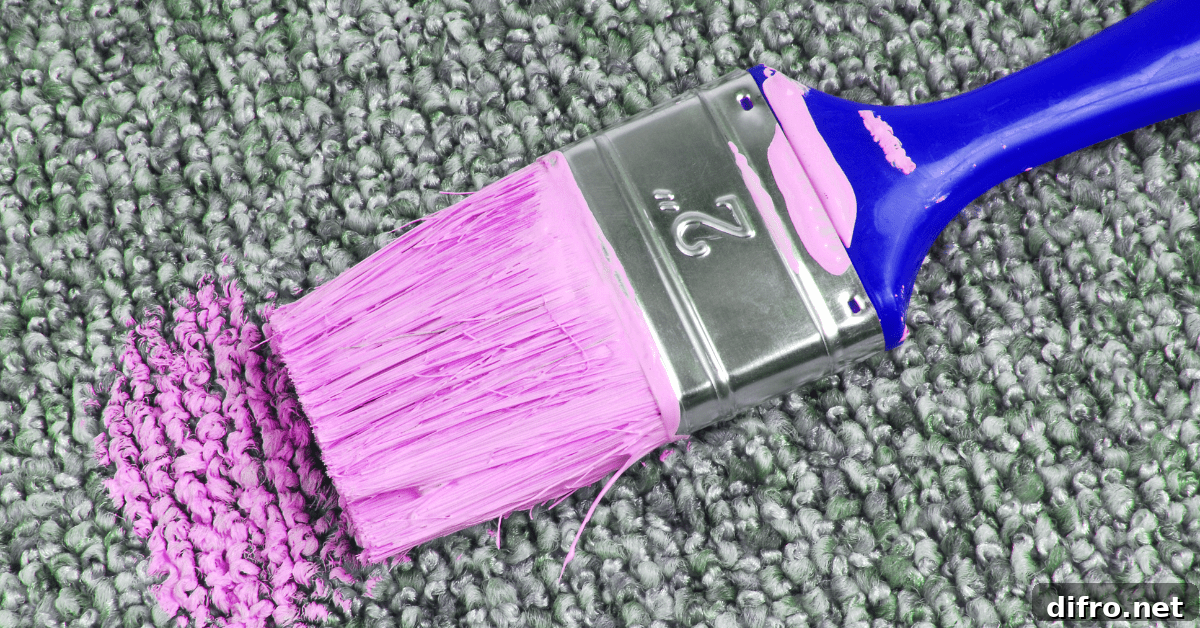
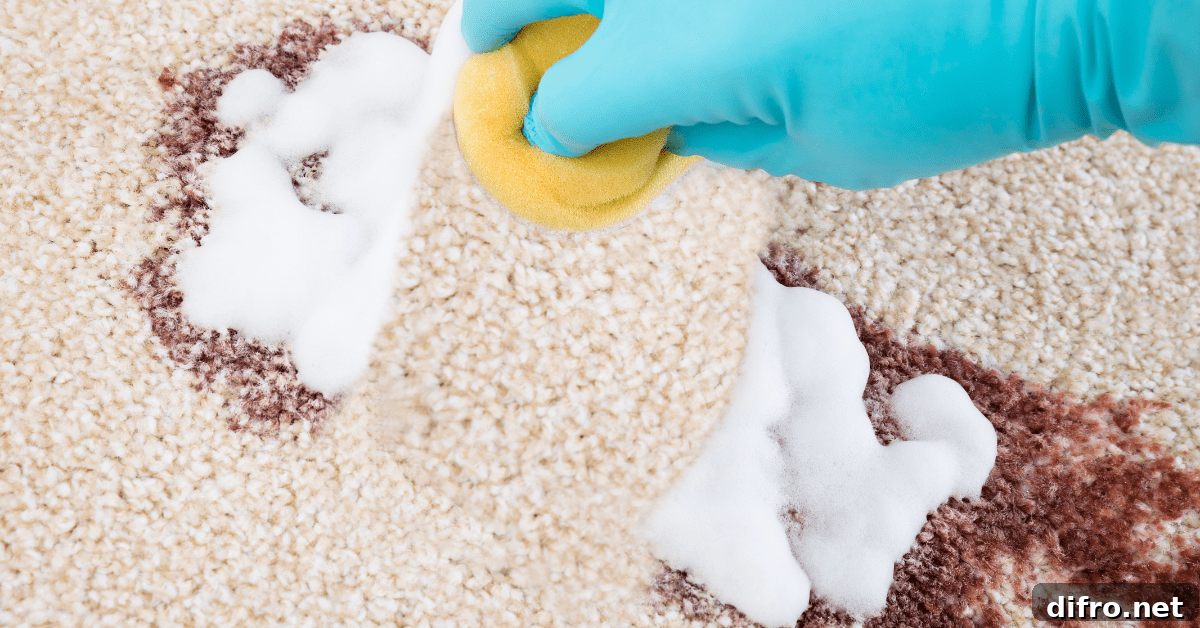
Blotting is essential. Use a clean, white cloth and press gently to lift paint—avoid scrubbing, which spreads the stain and roughens fibers. Replace the cloth as it becomes stained to prevent redepositing paint. Patience and repeated blotting often remove much of the spill before applying a cleaner.
DIY Natural Solutions: Vinegar and Water Mix for Paint Dislodging
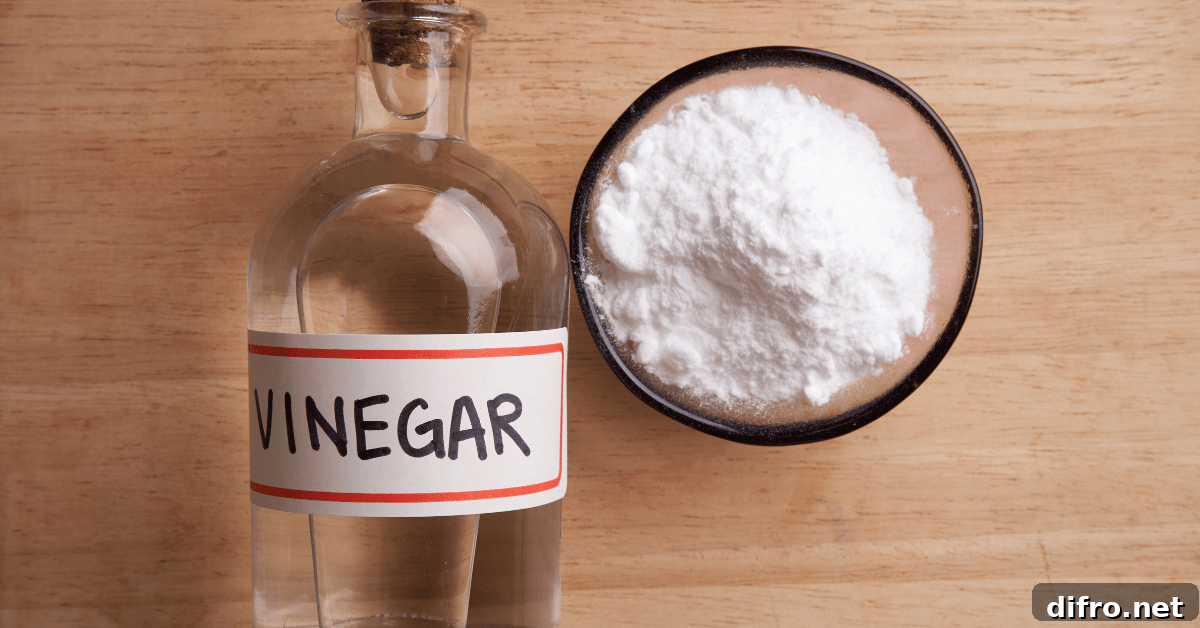
White vinegar diluted with warm water (equal parts) is a mild, effective option for many water-based paints. Spray or dab the mixture lightly onto the stain, wait a few minutes for the acidity to soften the paint, then blot with a clean cloth. Do not over-saturate the carpet, and always test first in a hidden spot. Finish by rinsing with a small amount of warm water and blotting dry.
The Magic of Citrus: Using Lemon as a Natural Paint Dissolver
Fresh lemon juice can help with small stains. Apply a little juice, allow it to sit briefly, then gently blot. Lemon’s natural acidity can loosen paint pigments, but test first to avoid bleaching or discoloration on sensitive carpets.
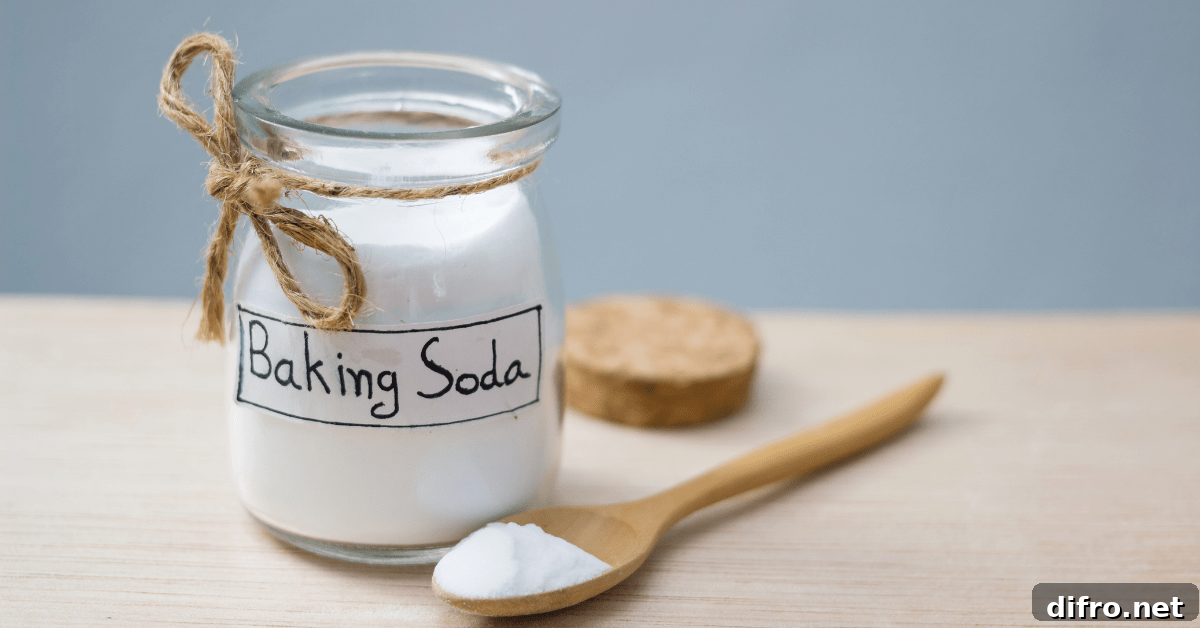
Harnessing the Power of Baking Soda for Paint Absorption
For wet spills, sprinkle baking soda over the paint to absorb moisture and prevent the stain from spreading. Let it sit until it forms a crust, then vacuum or scoop it away. Afterward, treat remaining residue with a mild soap solution and continuing gentle blotting.
Steam Cleaning: A Natural Deep-Cleaning Method to Lift Stubborn Paint
Steam cleaning can be effective on less stubborn stains or after initial treatments. The heat and moisture help loosen paint particles so they can be blotted away. Only use a steam cleaner if your carpet’s care instructions allow it, and work in short passes to avoid overwetting.
Maintaining Carpet Integrity During the Paint Removal Process
Preserve fiber integrity by avoiding abrasive actions and choosing cleaners appropriate for your carpet material. Test any method on an unseen area first. After paint removal, groom the pile with a soft brush to restore texture and vacuum to remove any residual particles.
Tips to Avoid Future Paint Spills on Carpets
Prevent spills by covering carpeted areas with drop cloths or plastic sheeting and securing them with tape. Keep paint cans and trays on a stable surface away from edges, and always have paper towels or a damp cloth nearby for quick cleanups. For overhead or trim painting, extend your protective coverage to catch drips and splatters.
Embracing Natural Remedies for a Paint-Free Carpet
Natural remedies—vinegar, lemon, baking soda, and careful blotting—offer safe, economical ways to restore carpets after a paint mishap. These techniques may require a little patience and repetition, but they minimize chemical exposure and help keep carpets looking good for longer.
Frequently Asked Questions (FAQs)
What’s the best way to remove paint from carpet?
Act quickly: blot up excess paint, use warm water with mild dish soap for water-based paints, and try rubbing alcohol for small oil-based spots. Work gently and test any solution in a hidden area first.
Can I use a commercial paint remover on carpet?
Commercial paint removers can be harsh and may discolor or damage carpet fibers, so they’re not generally recommended without professional advice. Opt for milder household solutions first.
What if the paint has already dried on the carpet?
Dried paint is harder to remove. Try softening it with a vinegar-and-water solution or rubbing alcohol, then lift gently with a plastic scraper and follow with a carpet-safe cleaner.
Will rubbing alcohol remove paint from carpet?
Rubbing alcohol can dissolve certain paints and is often effective on small stains. Apply sparingly, blot, and test on an inconspicuous area beforehand.
What if the paint stain is still visible after cleaning?
If a stain persists, repeat the gentle treatments, consider professional carpet cleaning, or consult a flooring specialist for a targeted solution that preserves color and fiber quality.
How can I prevent paint from getting on my carpet in the first place?
Use drop cloths and painter’s tape, keep paint containers stable, and clear the area before painting. Quick response to drips and a well-covered workspace are the best prevention.