
How to Reupholster a Chair: Step-by-Step Guide
Upholstery can transform furniture and refresh a room. If you have an old or worn chair, reupholstering it is a rewarding DIY project that can turn the piece into a striking focal point in your home. This guide walks you through the process—from tools and fabric selection to final touches and long-term care—so you can reupholster a chair with confidence.
Table of Contents:
- Materials and Tools You’ll Need
- Preparing Your Workspace
- Selecting the Right Upholstery Fabric
- Stripping Down the Old Upholstery
- Measuring and Cutting Fabric
- Padding and Reupholstering
- Finishing Touches
- Caring for Your Reupholstered Chair
Materials and Tools You’ll Need
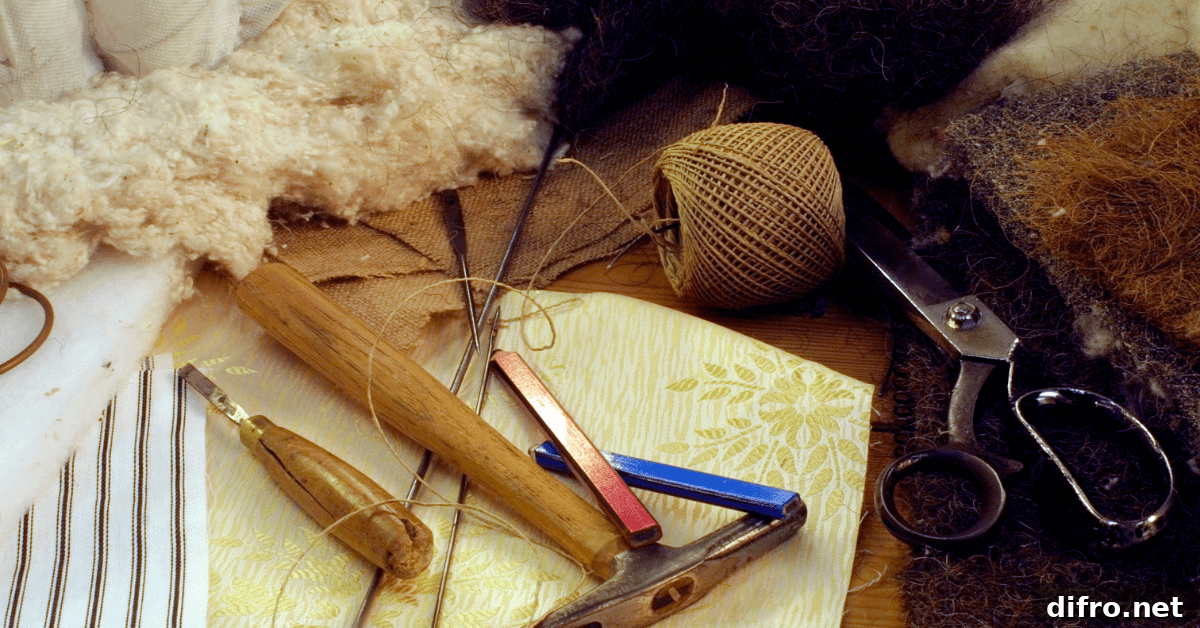
Before you begin, gather these essentials to keep the job efficient and safe:
- Upholstery fabric: Choose a durable fabric suited to the chair’s use and the room’s decor.
- Staple gun: A reliable staple gun to secure the fabric to the frame.
- Screwdrivers and basic hand tools: For removing trim, screws, and parts.
- Foam padding and batting: To renew comfort and shape.
- Pliers and a tack lifter: For removing old staples and tacks.
- Sharp scissors or rotary cutter: For precise fabric cutting.
- Measuring tape, chalk, and a marker: For accurate measurements and pattern marking.
Choosing quality materials and the right tools will influence the durability and finish of your reupholstered chair.
Preparing Your Workspace
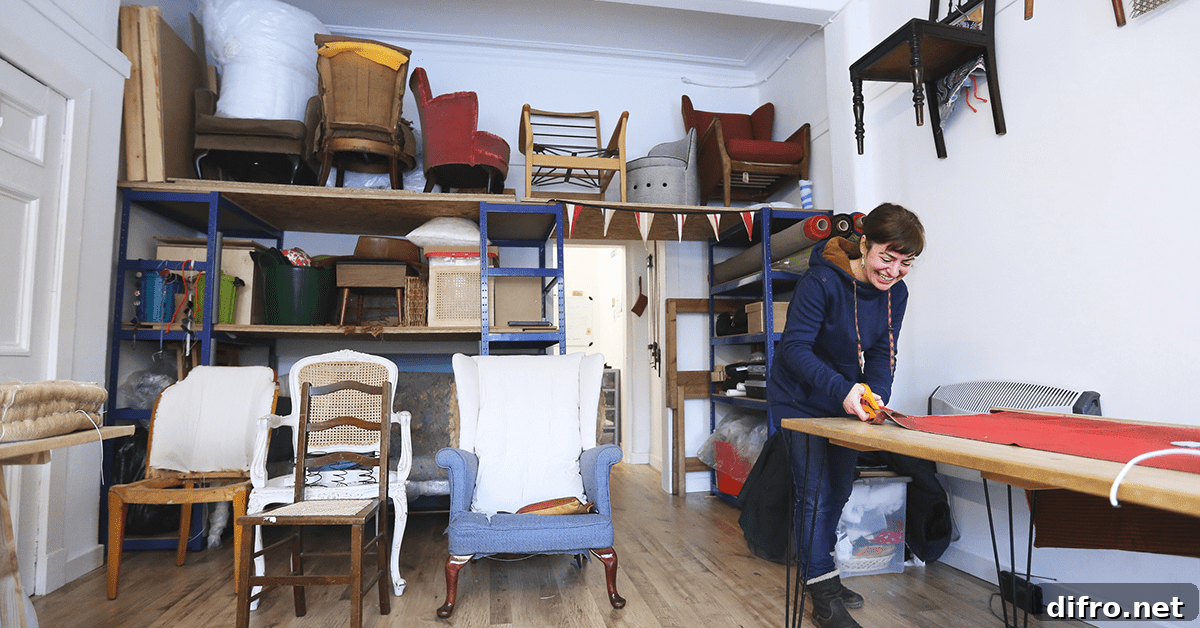
Set up a clean, well-lit workspace with room to move the chair around. Cover surfaces to protect them from glue, dust, and loose threads. Wear safety goggles and gloves if you’ll be using tools or chemical cleaners. Remove any decorative trim or loose parts before you start and keep small pieces in labeled containers so reassembly is straightforward.
Selecting the Right Upholstery Fabric
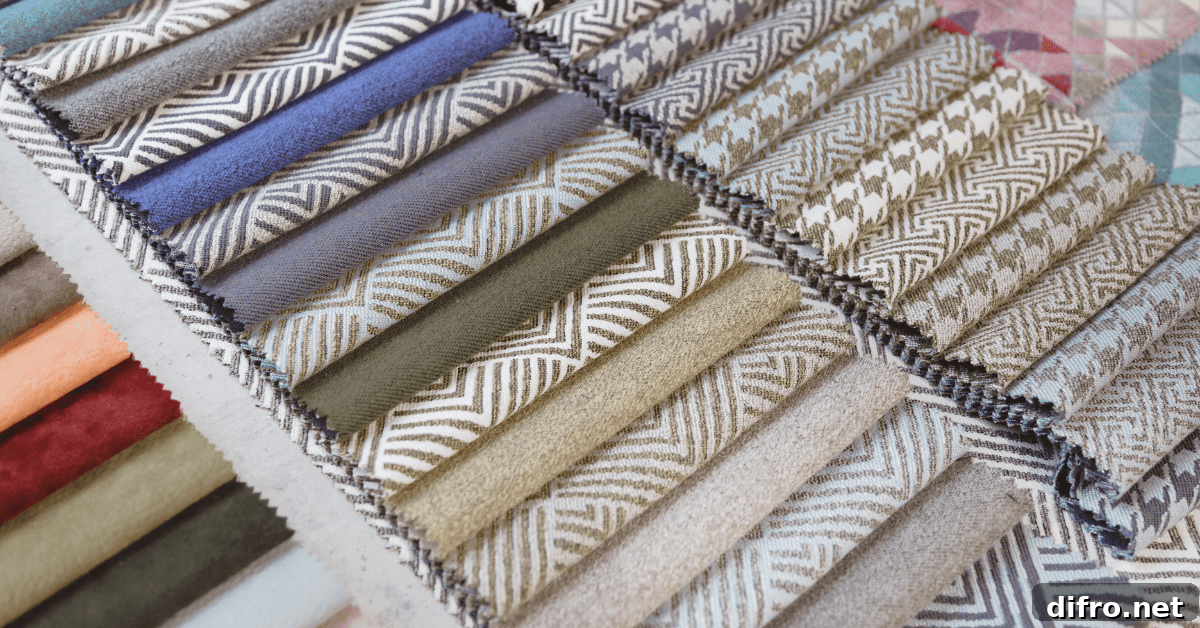
The fabric you choose affects comfort, appearance, and durability. Consider these points when selecting upholstery fabric:
- Use and location: For high-traffic areas choose robust, stain-resistant fabrics. For occasional pieces you can prioritize texture and luxury.
- Fabric types: Cotton blends and performance fabrics are practical; linen offers a relaxed look; velvet gives a plush, elegant finish. Each type has care requirements, so match fabric to lifestyle.
- Color and pattern: Coordinate with the room. Solids and subtle textures blend easily, while bold patterns or contrasting colors turn the chair into a statement piece.
Order extra fabric to account for pattern matching, seams, and mistakes—typically 10–20% more than calculated for simple pieces. Always check the manufacturer’s cleaning instructions before finalizing your choice.
Stripping Down the Old Upholstery
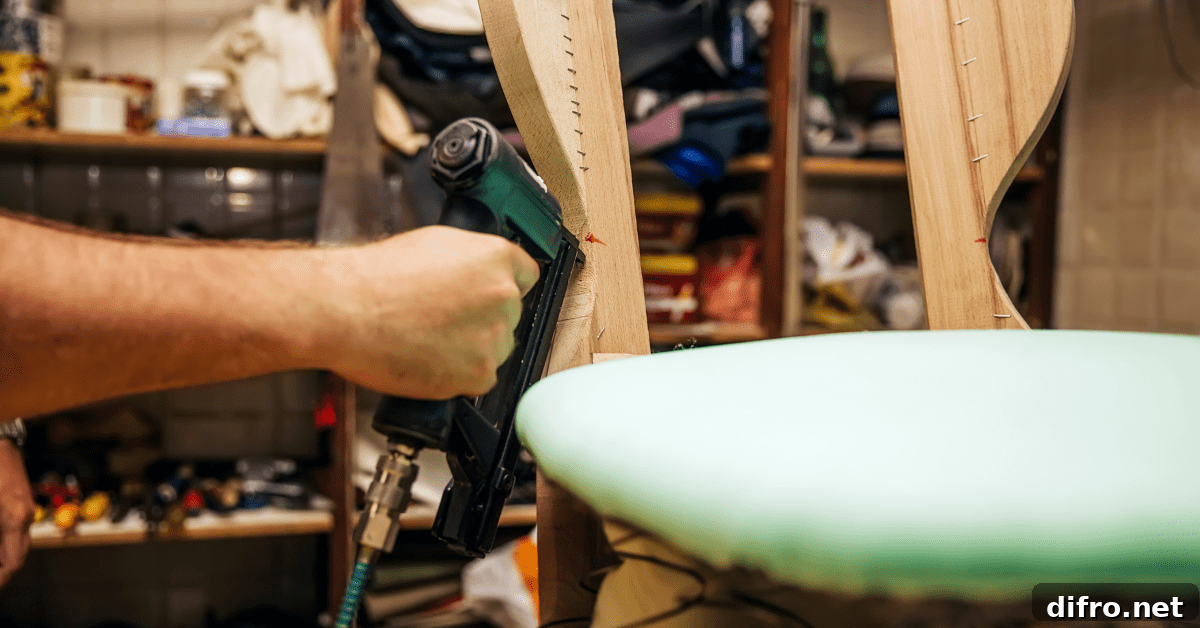
Carefully remove the existing fabric, taking note of how pieces were attached. Work slowly to preserve template pieces that you can use as patterns. As you strip the chair:
- Use pliers and a tack lifter to remove staples and tacks. Keep any reusable trim and screws in labeled bags.
- Inspect the frame for loose joints, cracked wood, or worn springs. Repair with wood glue, clamps, or replacement hardware before continuing.
- Remove old padding and batting if it’s damaged or compressed, but salvage pieces that remain in good condition to use as templates.
Measuring and Cutting Fabric
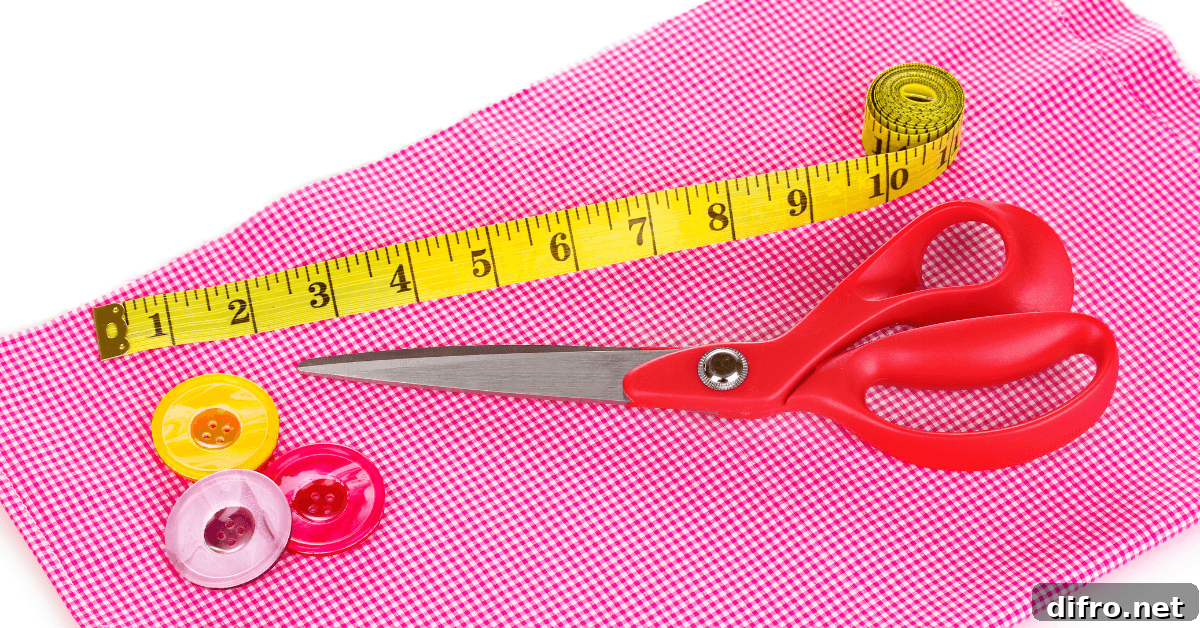
Accurate measurements and careful cutting are essential for a professional look:
- Measure each section of the chair—seat, back, arms—taking account of curves and seams.
- Add extra fabric for wrapping, tucking, and staple allowance. Better to have a little more than to come up short.
- Use the old fabric pieces as templates when possible, and lay pattern pieces to minimize waste and ensure directional patterns align correctly.
Padding and Reupholstering
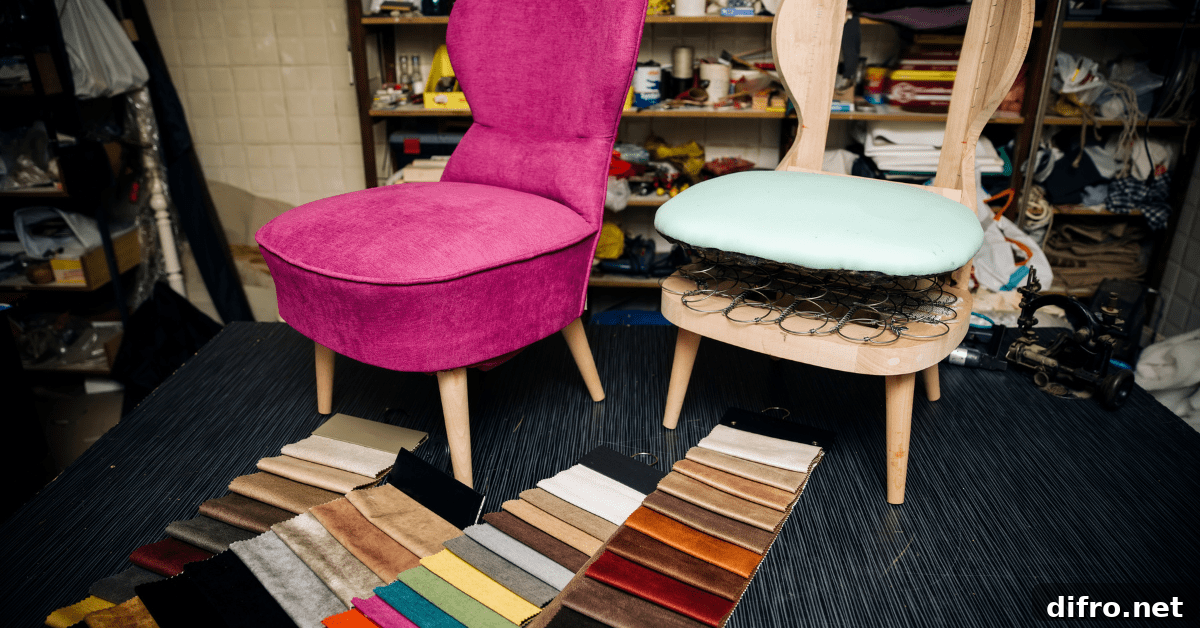
Replace or add foam and batting to restore comfort and shape. Cut foam to size and glue in place if needed. When attaching fabric:
- Start stapling at the center of each side and work toward the corners, pulling fabric taut to avoid wrinkles.
- Take care around curves and corners—make small, neat folds or pleats and staple them securely.
- Maintain even tension and check alignment frequently to keep patterns straight and seams even.
Finishing Touches

Complete the project with careful trimming and reassembly:
- Trim excess fabric close to the staples for a neat edge, taking care not to cut too close to the frame.
- Reattach any hardware, buttons, piping, or decorative trim removed earlier and ensure everything is secure.
- Inspect the chair for loose staples, uneven fabric, or imperfections and correct them before considering the job finished.
Caring for Your Reupholstered Chair
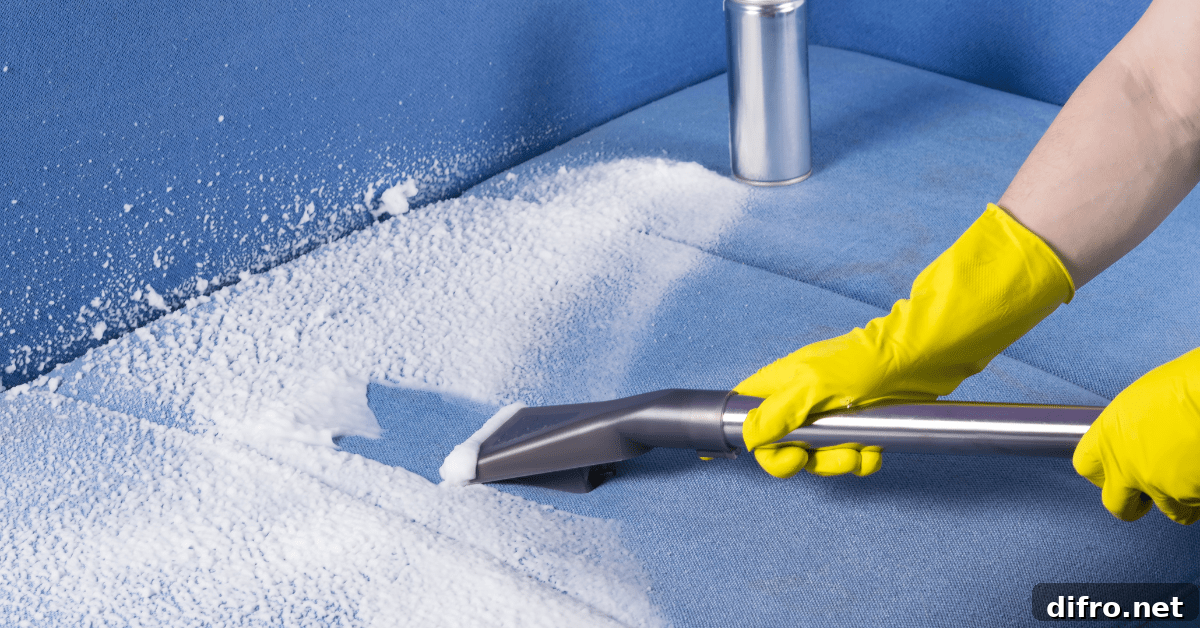
To keep your newly reupholstered chair looking its best:
- Vacuum or brush upholstery regularly to remove dust and debris.
- Address spills immediately following the fabric manufacturer’s care instructions to avoid stains.
- Consider using a fabric protector to add a stain-resistant layer, especially for high-use pieces.
Reupholstering a chair is a practical and creative way to renew furniture and personalize your interior. With the right materials, careful preparation, and attention to detail, you can achieve a durable, attractive finish that reflects your style and extends the life of a treasured piece. Roll up your sleeves, take your time, and enjoy the process of turning an old chair into something fresh and beautiful.