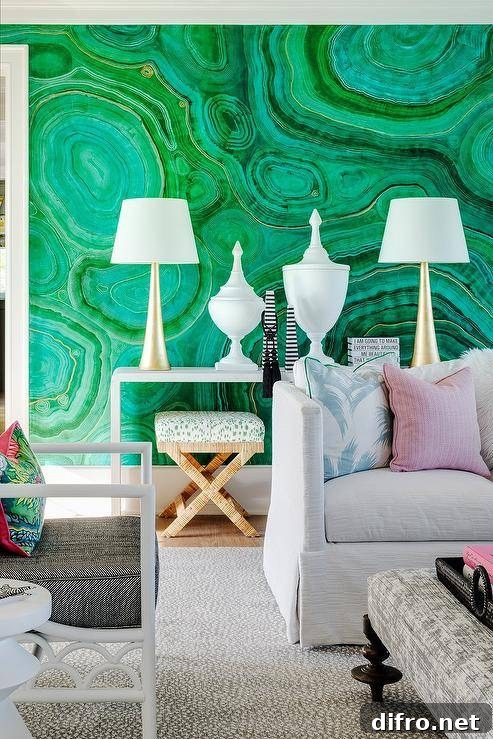
When you’re choosing a paint color for your living room, consider embracing green. From botanical art and palm prints to thriving houseplants, green is having a major moment in interior design. Whether you prefer a deep emerald, a muted sage, or a bright lime, green offers a versatile palette that can feel fresh, calming, or dramatic depending on how you use it.
If painting all the walls feels like too much, adding green through furniture and accessories is an effective alternative. A green sofa, accent chair, or even large plants can make a space feel more connected to the outdoors. Below are inspirational ideas and practical tips for designing a green living room that fits your style.
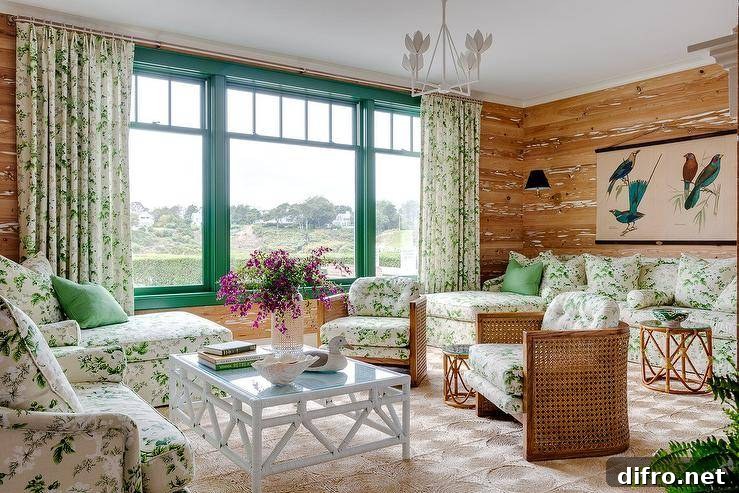
Pair muted greens with warm wood tones to create a tranquil, natural atmosphere. In a north-facing room, wooden accents will warm up cool green paint and keep the space inviting.
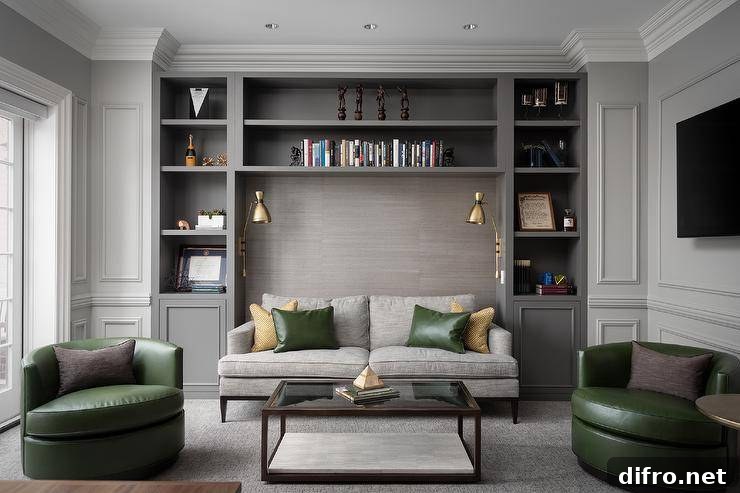
Grey pairs beautifully with many greens. Look for greys with cool undertones and combine them with deep olive or mid-tone greens for a contemporary scheme. Add darker wood finishes to introduce a retro or mid-century modern sensibility.
Introduce pattern when you want both color and texture. Wallpaper is one of the most effective ways to do this: from soft floral motifs to bold tropical murals and retro geometric prints. A patterned wall can anchor a room and let you keep the remaining walls simple and bright.
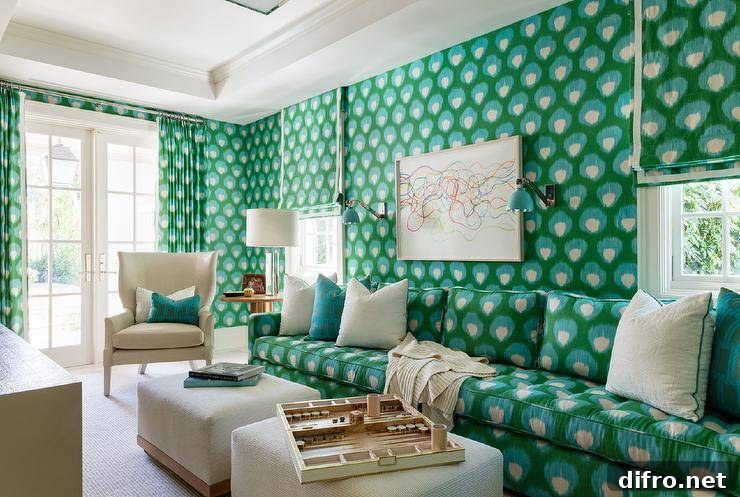
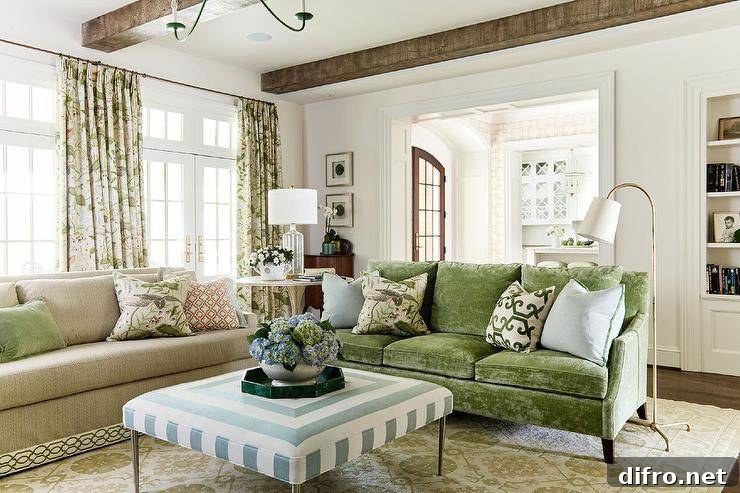
Furniture is another simple way to bring green into a living room. A deep green velvet sofa creates a focal point, while a retro accent chair adds character. Houseplants also contribute instantly to a green scheme, providing texture and life.
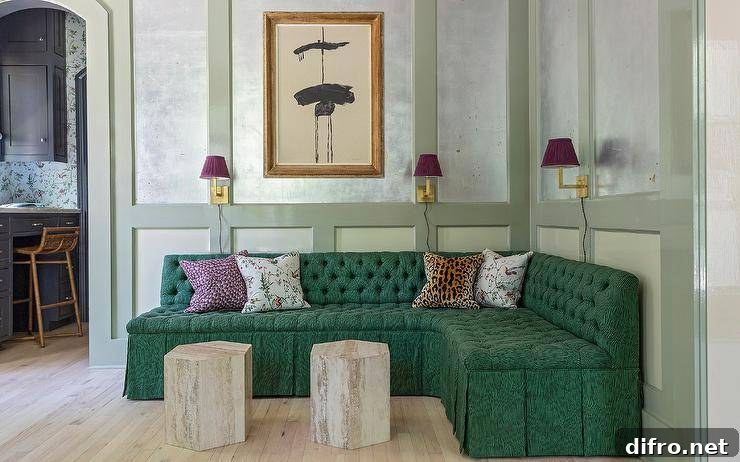
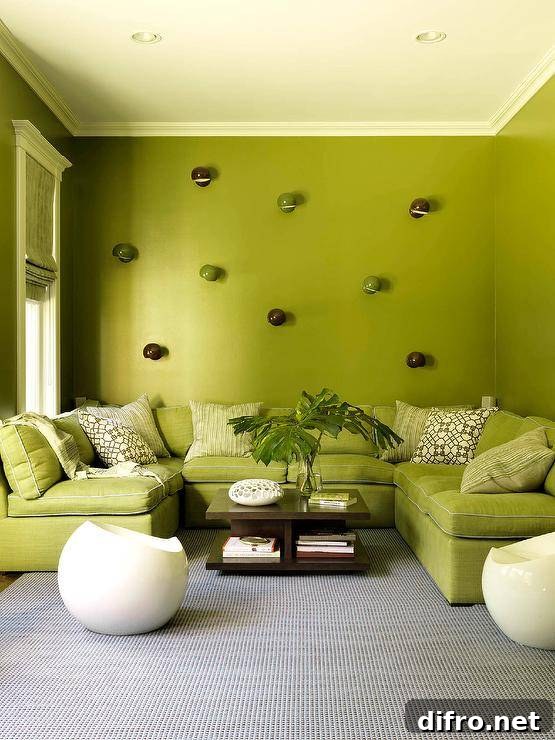
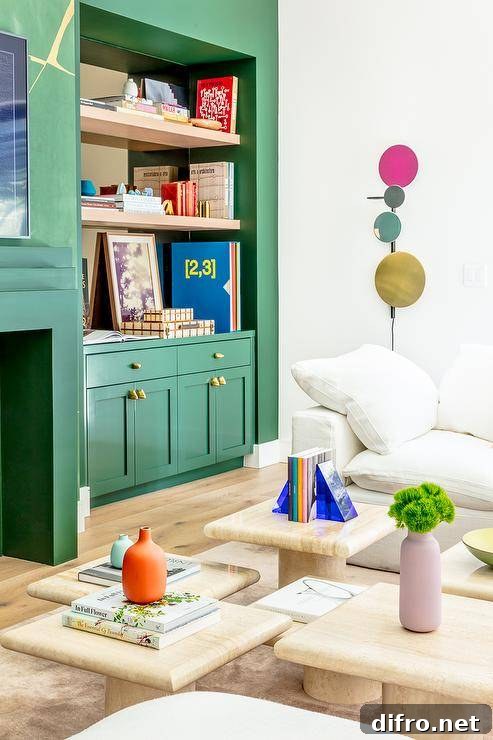
Going monochrome with one green shade across trim, windows, and cabinetry can be surprisingly elegant in small spaces. A single consistent color reduces visual clutter and allows fabrics and accessories to introduce contrast without overwhelming the room.
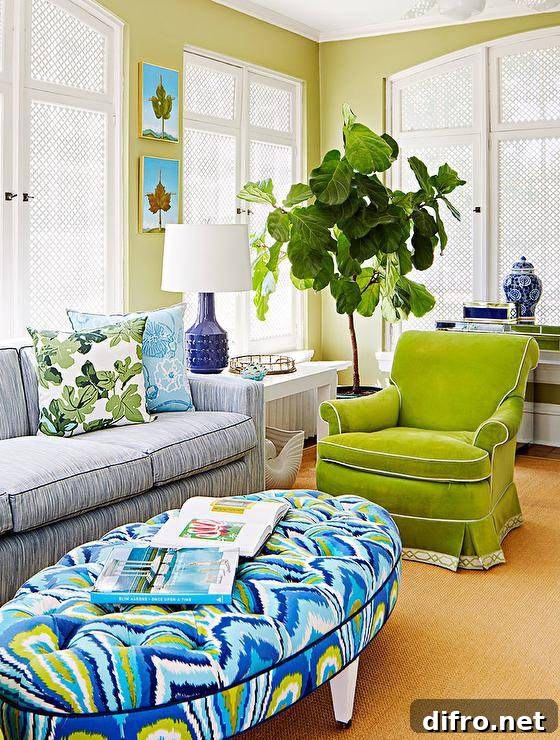
Blue and green are natural companions because they sit close together on the color wheel. Combined, they produce a calming environment ideal for relaxing spaces. Navy or cobalt can add contrast, while softer blue tones keep the atmosphere serene.
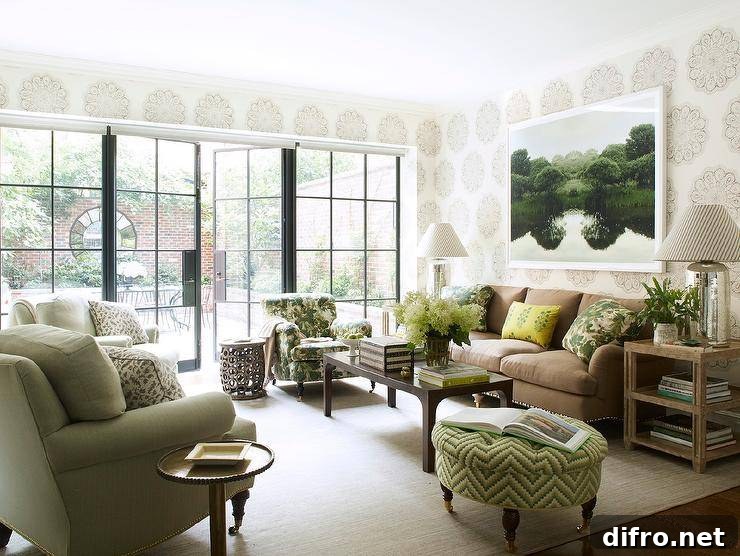
Olive green is an adaptable choice that works in rooms with varying light levels. To avoid a dull result, pair olive with crisp white ceilings and trim to brighten the space. Olive also lends itself well to richer accents—think leather, brass, and warm woods.
Sage Green: Versatile and Calming
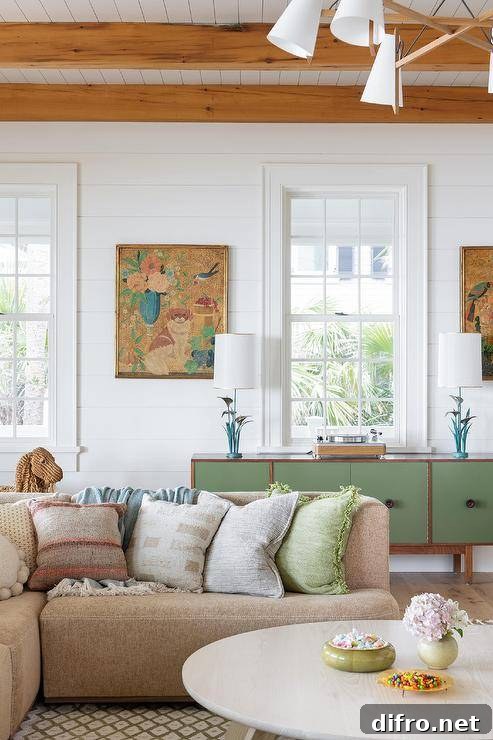
Sage green has become a go-to because of its muted, natural qualities. It works equally well as a neutral backdrop and as an accent color. Use sage on walls for a soft, grounding backdrop or introduce it through furniture, textiles, and accessories.
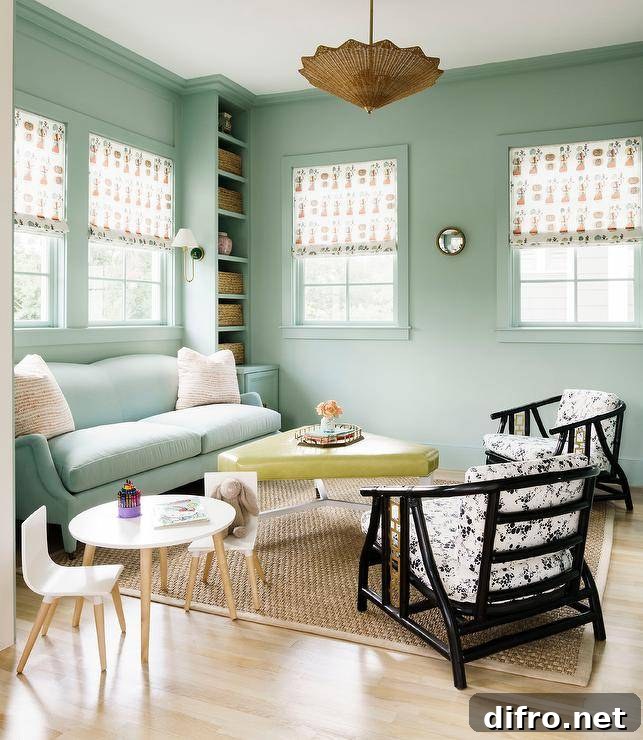
Sage pairs beautifully with whites, creams, and warm wood tones for a soft, timeless palette. For bolder contrast, combine sage with navy, charcoal, or rich burgundy. Accent with coral, mustard, or gold for pops of personality.
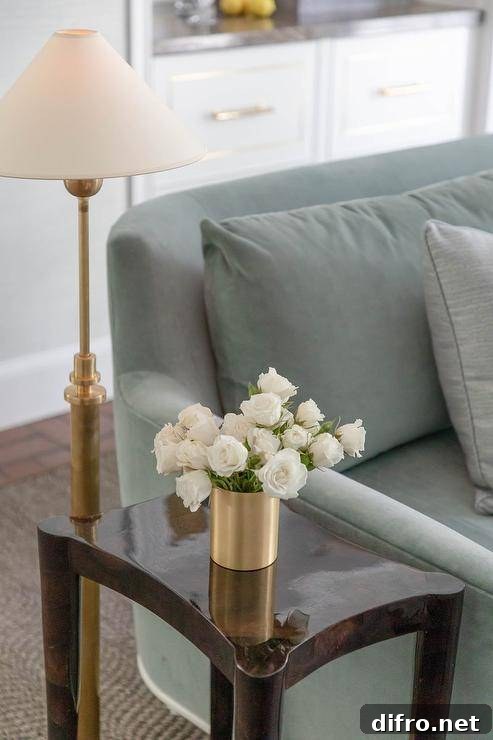
To incorporate sage without overwhelming a room, introduce it through pillows, curtains, or a single upholstered piece. This lets you enjoy the calming effect of sage while staying flexible with other decor choices.
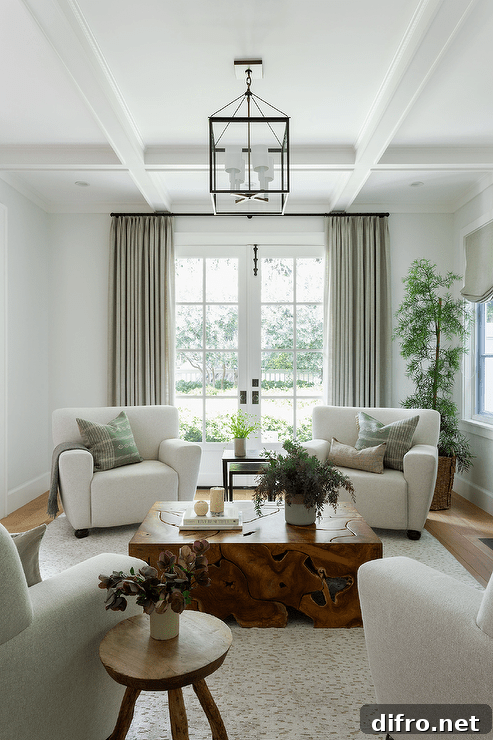
Ultimately, green gives you many stylistic directions: botanical and rustic, elegant and traditional, or bold and contemporary. With thoughtful pairings, green can transform your living room into a soothing, stylish retreat.
Frequently Asked Questions (FAQs)
What colors go with green in a living room?
Neutral tones like white, beige, tan, and grey pair nicely with green. For a cooler palette, combine green with blues; for warmth, bring in browns, golds, and rich wood finishes. Accent colors such as mustard, coral, or navy add personality.
Is green a good color to paint a living room?
Yes. Green evokes nature and calm, making it an excellent choice for living spaces. Choose a shade that suits the room’s light—lighter greens brighten small rooms, while deeper greens add drama and depth.
Does green go with grey in a living room?
Absolutely. Grey and green together balance neutral sophistication with botanical warmth, ideal for rooms that lack natural light or for contemporary schemes.
How can I use sage green without overwhelming the space?
Use sage as an accent through pillows, rugs, curtains, or a single piece of furniture. If you want more impact, paint one accent wall instead of the whole room.