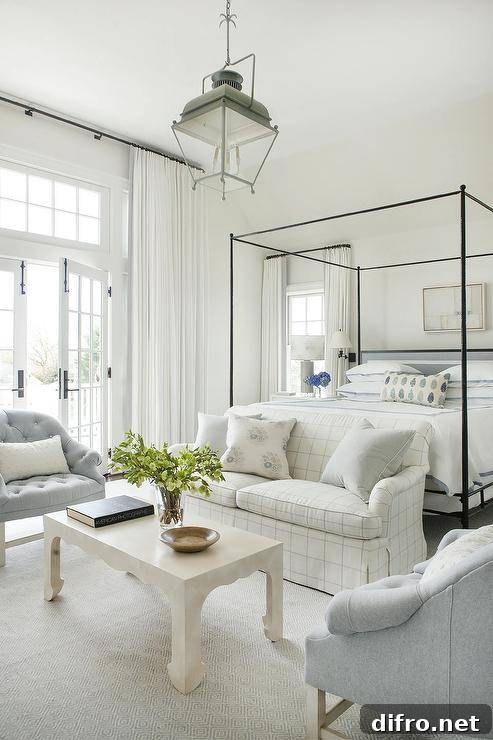
Choosing the right paint color for your bedroom takes time and thought. The right hue sets the mood, makes the space feel larger or cozier, and should coordinate with your furniture, lighting, and décor. To help you decide, here are 13 timeless bedroom paint colors with thoughtful descriptions and images to inspire your next refresh.
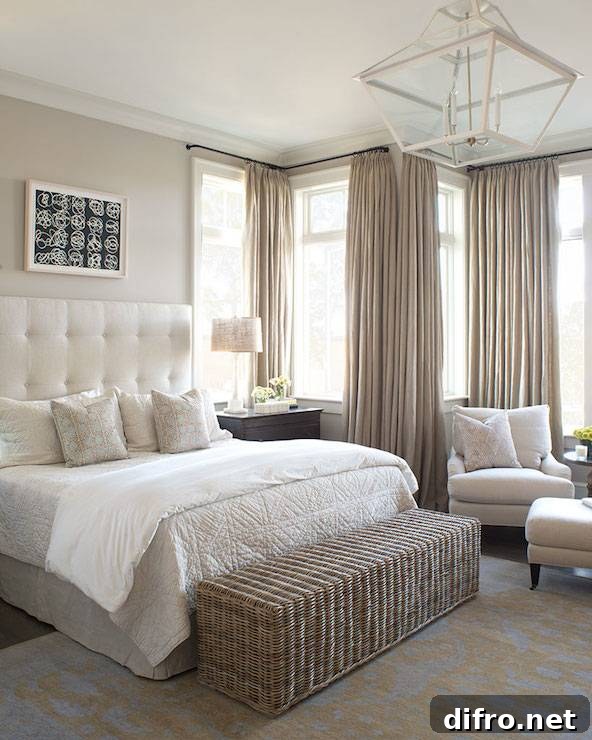
Warm Greige
Greige—an elegant blend of gray and beige—remains a favorite because it reads as warm and neutral in most light. A warm greige feels refined without appearing cold, and it pairs well with both modern and traditional furnishing palettes.
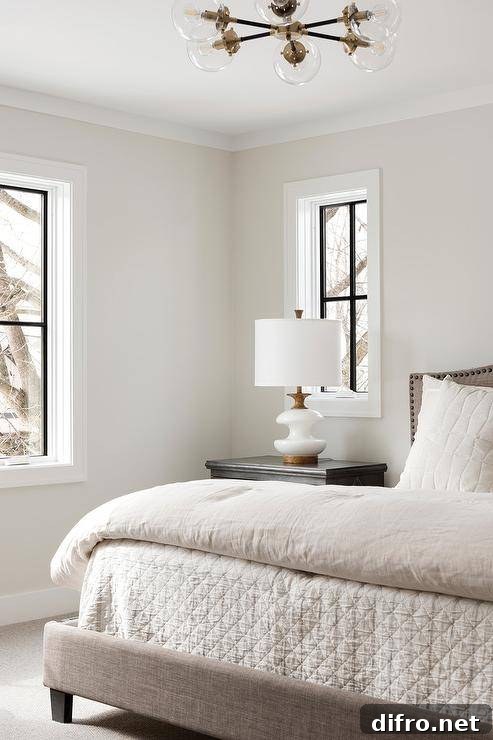
Dusty or Light Blue
Light and dusty blues create a tranquil, restful atmosphere. These shades are classic bedroom choices that soothe the mind and encourage relaxation—ideal for creating a calming retreat.
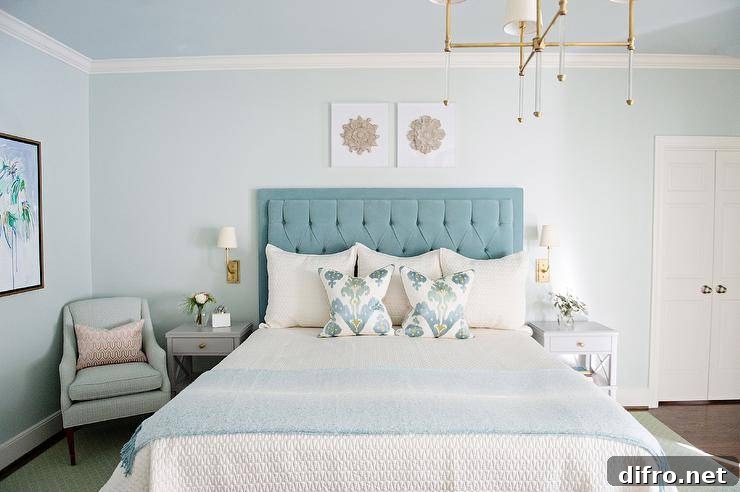
Warm White
Warm white with creamy undertones keeps a room feeling bright while avoiding stark, cold sterility. It’s versatile, timeless, and provides a clean backdrop that warms textiles and wood tones.
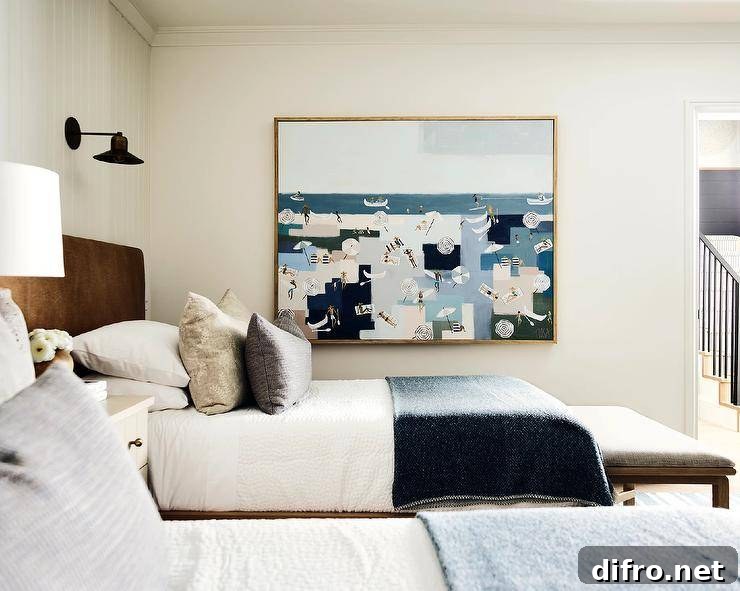
Complex Cream
Complex creams contain subtle undertones—yellow, green, pink, or orange—that make the color richer and more layered than a basic cream. These nuanced neutrals look warm and sophisticated in any bedroom.
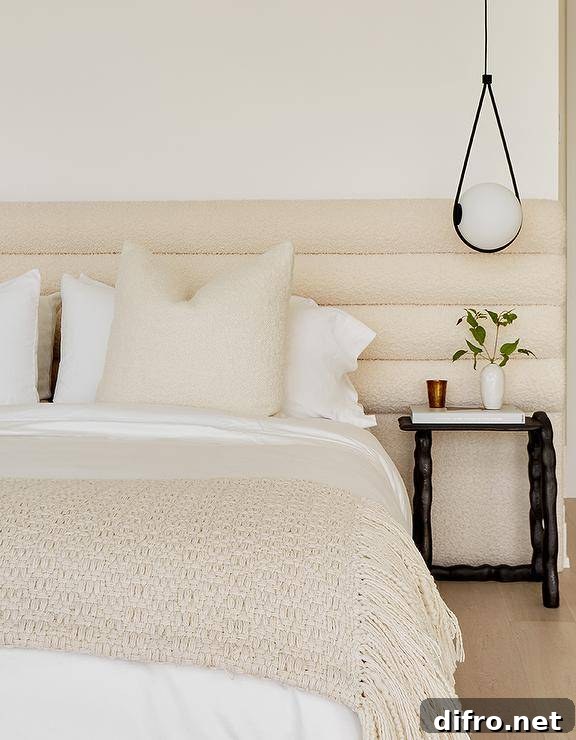
Taupe
Taupe is a versatile neutral that has stood the test of time. It balances gray and brown tones, offering a warm base that complements natural woods, metallic accents, and a broad range of textiles.
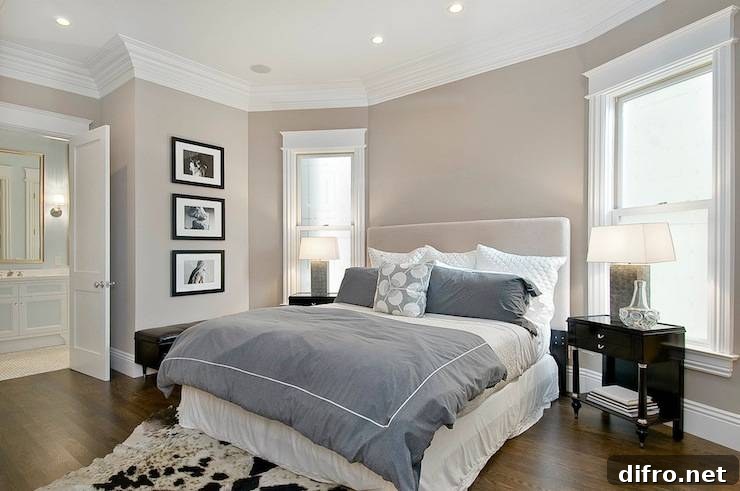
Gray
A soft gray is a modern neutral that works across styles. It’s less stark than white and can range from cool to warm depending on undertones—pair it with white trim for crisp contrast or warmer accents for a cozier feel.
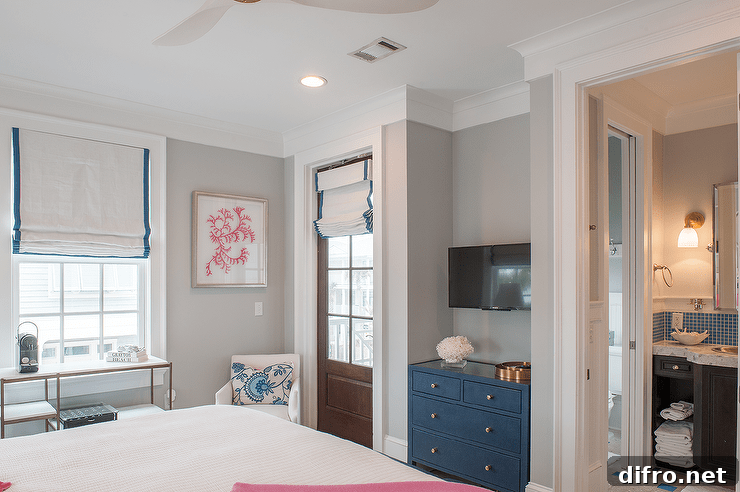
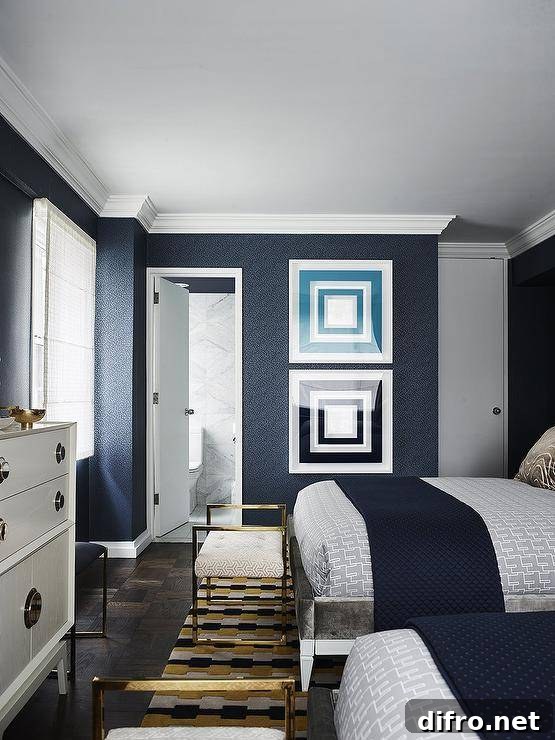
Navy
Navy blue adds depth and sophistication without feeling gimmicky. Use it on all walls for dramatic elegance or as an accent to anchor the room. It pairs beautifully with brass, white trim, and warm woods.
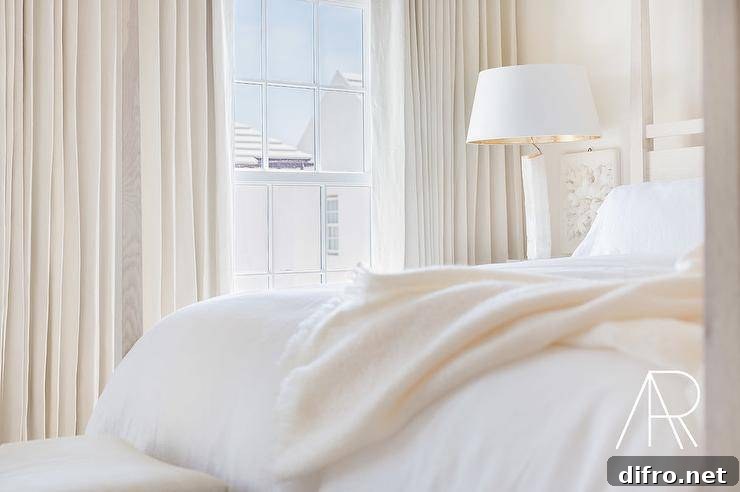
Antique White
Antique white gives an all-white scheme a softer, lived-in quality. Paint walls in antique white and trim in a brighter white to highlight architectural details and create subtle tone-on-tone interest.
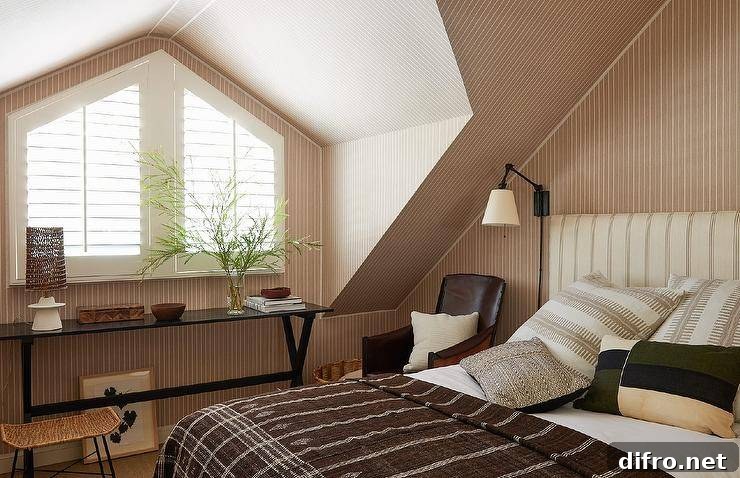
Warm Brown
A medium, warm brown feels grounding and masculine without overpowering the space. It brings warmth when paired with crisp white trim and natural textures like leather and wood.
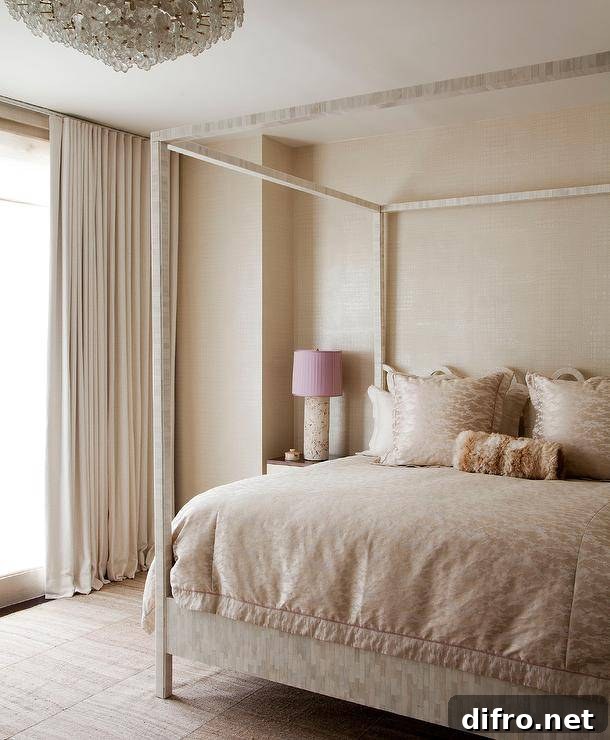
Beige
Beige is a timeless neutral that offers a subtle warmth and pairs easily with virtually any accent color. It’s a safe, evergreen choice for a relaxed bedroom environment.
Light French Gray
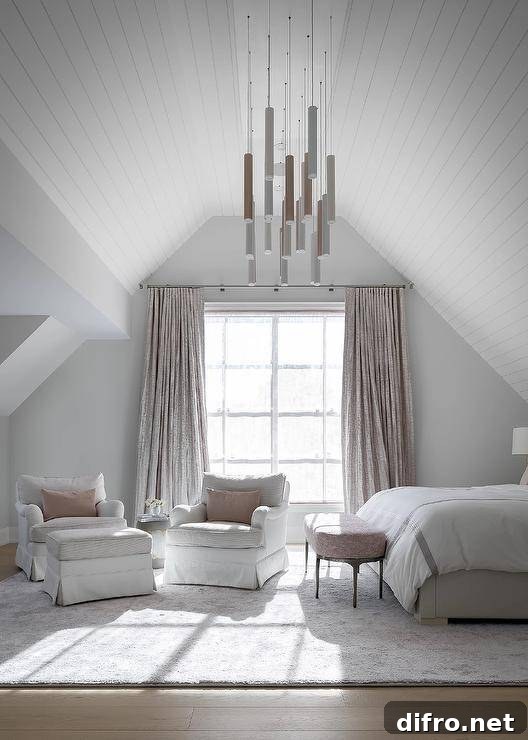
Light French gray offers cool, subtle undertones of blue or brown that open smaller rooms visually while still feeling soft and serene. It looks particularly nice against honey oak or natural wood floors.
Earthy Green
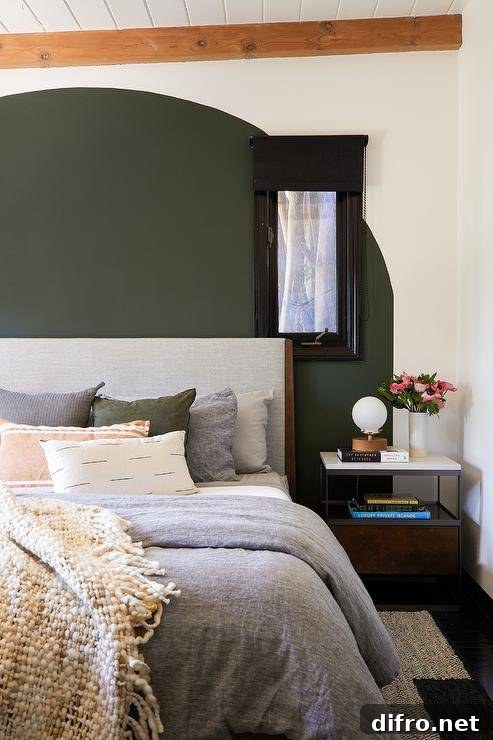
Mossy, olive, or muted forest greens bring nature indoors for a grounding, restorative feel. These shades are warm and versatile, working beautifully with brass, leather, and natural wood.
Minty Bluish-Green
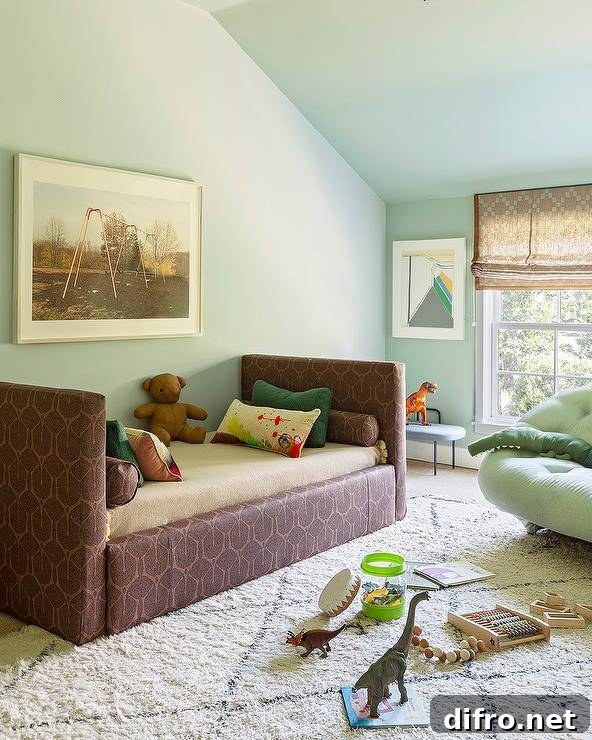
This soft sea-inspired shade is calming and elegant. Minty bluish-greens feel airy and fresh, making them excellent for a peaceful bedroom that still feels modern and inviting.
Tips for Choosing the Right Colors
Colors that may help you sleep
Muted colors are generally best for bedrooms. Blues, greens, and soft yellows tend to promote relaxation and calm the nervous system. Stick to lighter, pastel, or desaturated versions of these hues for the most soothing effect.
Blue
Light blue tones are especially calming and are commonly recommended for better sleep. They create a tranquil and dependable atmosphere.
Green
Greens evoke nature and harmony, helping to reduce stress and promote a restful mood—mossy or olive shades work well.
Yellow
Soft yellow can feel warm and cheerful without being overstimulating; choose pale, muted yellows rather than bright, saturated tones.
Earth Tones
Beige, complex creams, and softer browns can create a peaceful environment as long as they aren’t too dark or heavy.
Avoid glossy paint
Matte or eggshell finishes are best for bedrooms. High-gloss finishes reflect light and can be visually stimulating; eggshell provides a gentle sheen while remaining easy to clean.
Worst Colors for Sleep
Overly vibrant colors—bright reds, intense oranges, neon pinks, or highly saturated purples—tend to be stimulating and may make it harder to wind down. Dark, muddy shades that feel heavy or oppressive should also be used sparingly.
If you love a bold color, consider a muted or pastel version, or use the vibrant shade as an accent rather than the main wall color.
Interior Bedroom Color Advice
For durability and ease of maintenance, an eggshell finish is often recommended for bedroom walls. It hides minor imperfections better than high-gloss paint and is easier to clean than flat paint—useful where headboards or furniture may rub against walls.
Frequently Asked Questions (FAQs)
Which is the most beautiful colour for a bedroom?
Beauty is subjective, but many designers favor warm whites, soft blues, and muted greens for bedrooms because they feel clean, calming, and timeless.
What colors are calming for sleep?
Calming colors include light blues, soft greens, muted yellows, and neutral earth tones. Select desaturated or pastel versions to create a restful environment.
What is the most restful color for a bedroom?
Light blue is frequently cited as one of the most restful colors, but soft greens and neutral grays can be equally soothing depending on personal preference and room lighting.
What color makes a bedroom feel happy?
Soft, warm tones like pale yellow, peach, and light coral can lift the mood without overstimulating. For a bright effect, use these colors in accents rather than on every wall.