That beautiful dresser in your home is more than a piece of furniture — it’s a blank canvas ready to enhance any room. Whether placed in a bedroom, entryway, or living room, a thoughtfully styled dresser strengthens your décor and ties the space together. With a few simple principles and intentional choices, you can style your dresser like a pro without overwhelming the surface.
Below are clear, practical tips for creating a balanced, attractive dresser vignette. Follow these ideas to build layers, add visual interest, and keep the top clutter-free while reflecting your personal style.
Anchor the dresser
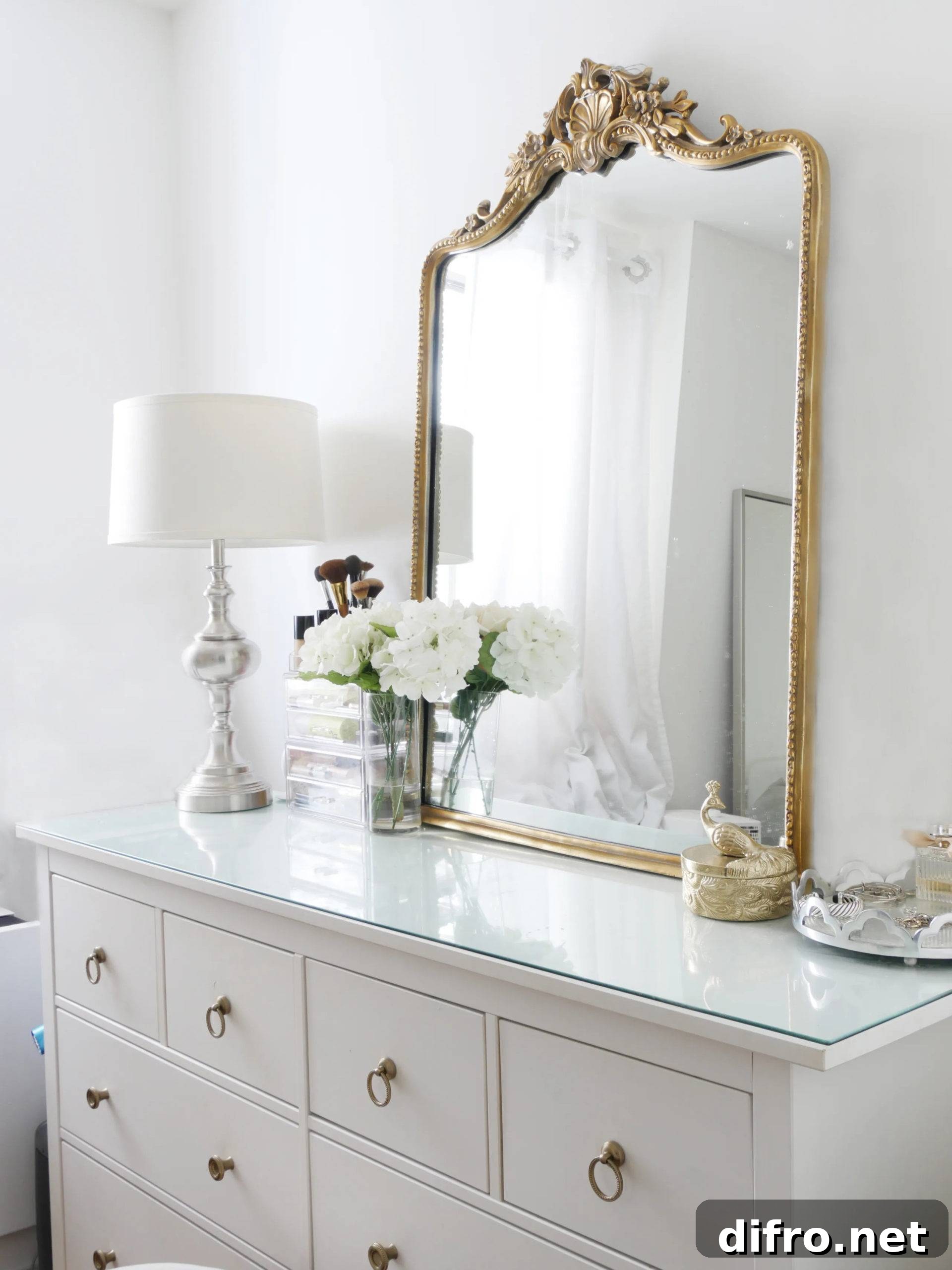
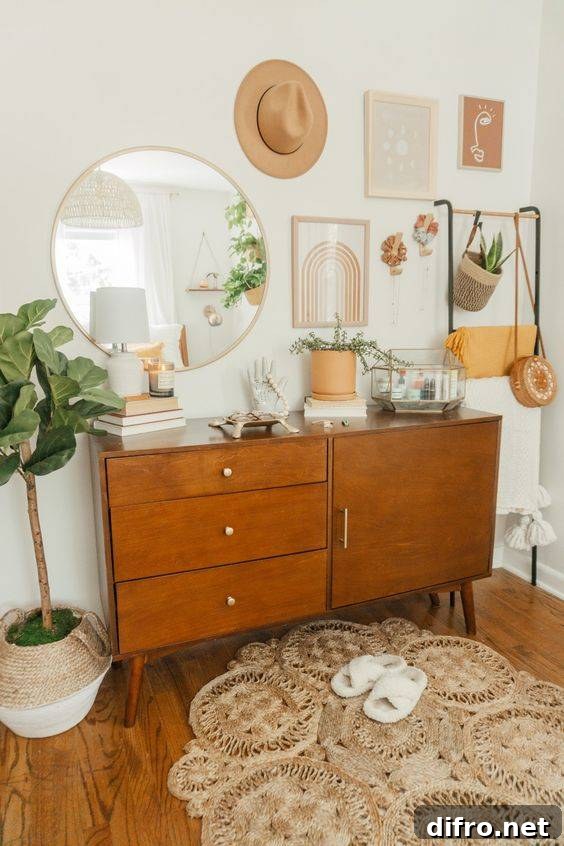
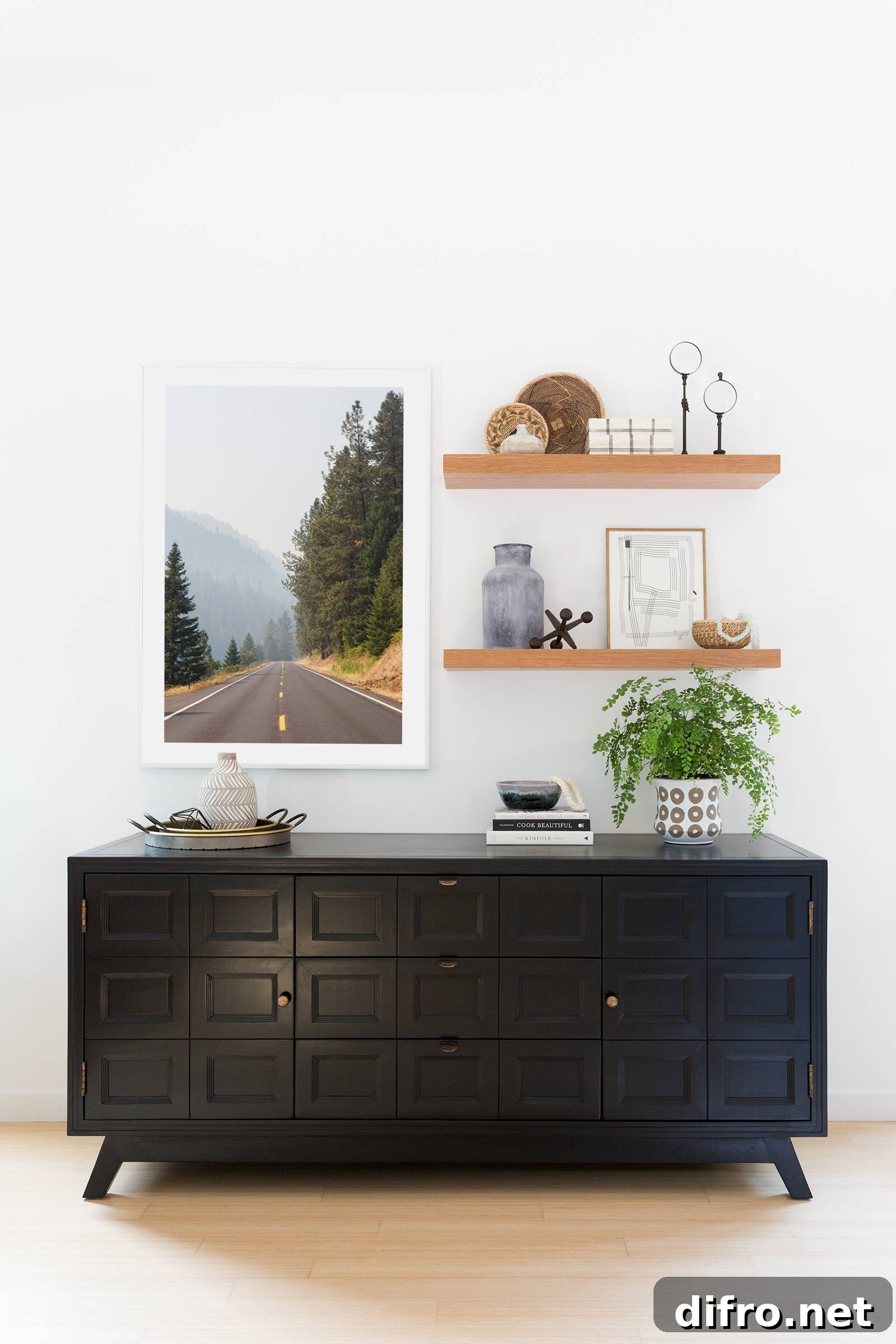
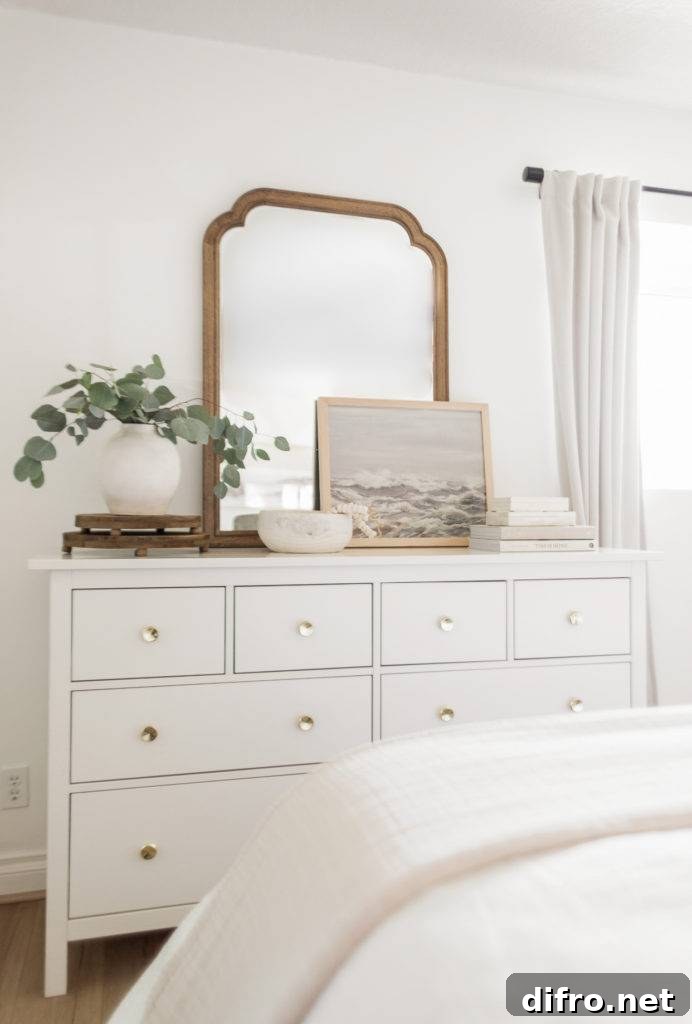
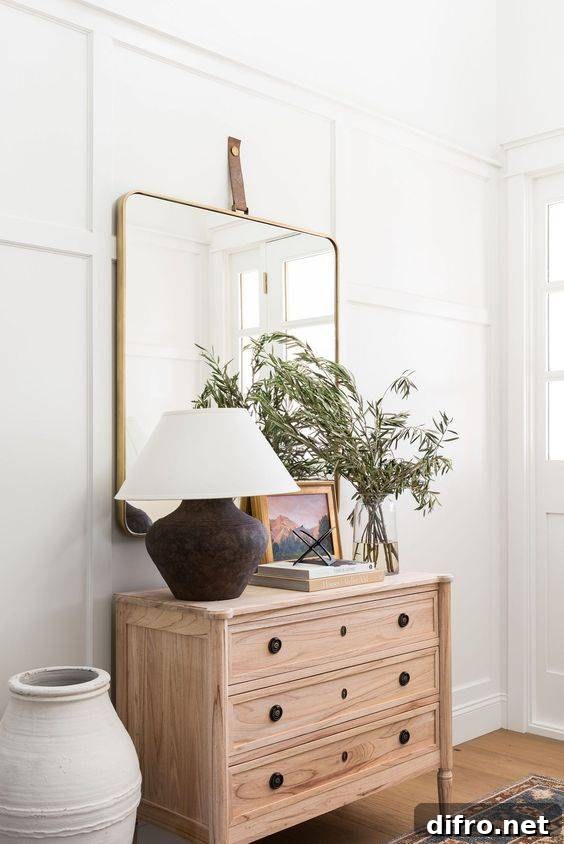
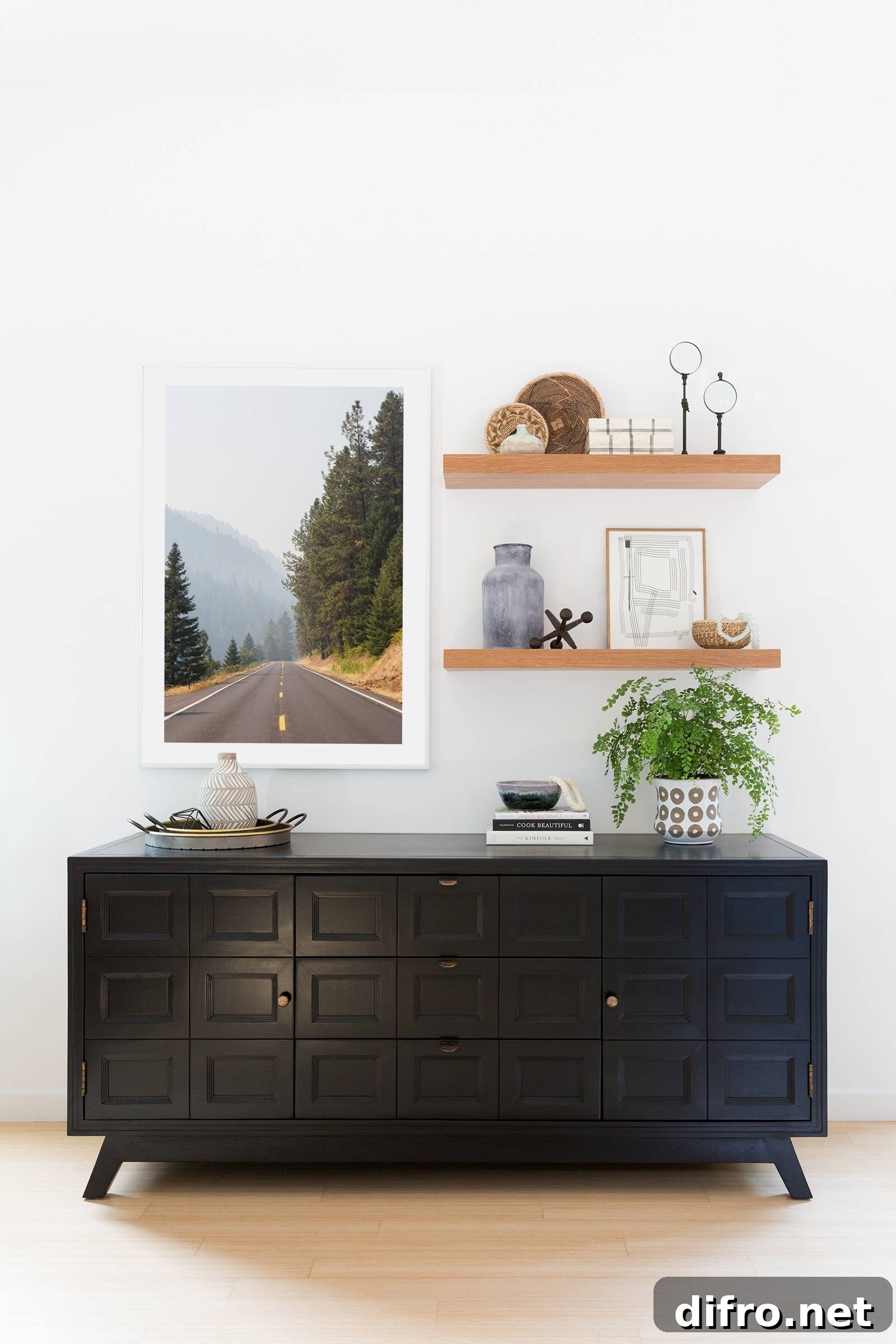
Start by choosing a single, larger background piece to anchor the arrangement. A large piece of wall art hung above the dresser, or a tall mirror leaning against the wall, gives the eye a focal point and connects the items on the surface. If you prefer a more curated gallery look, open shelves or a collection of smaller framed pieces can also provide a strong visual backdrop. Once the anchor is in place, arrange other objects around it to build depth and cohesion.
Cluster frames for layered interest
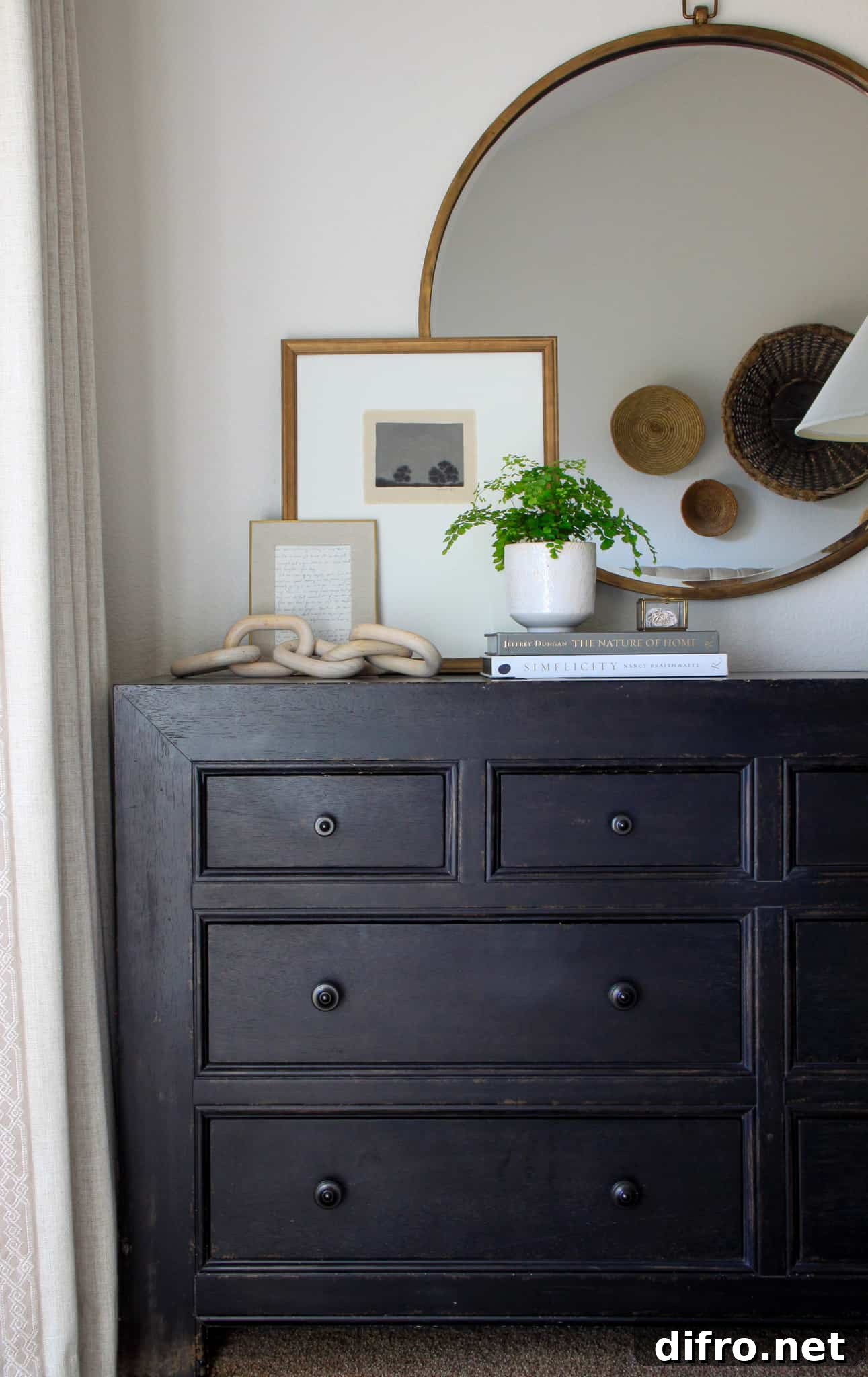
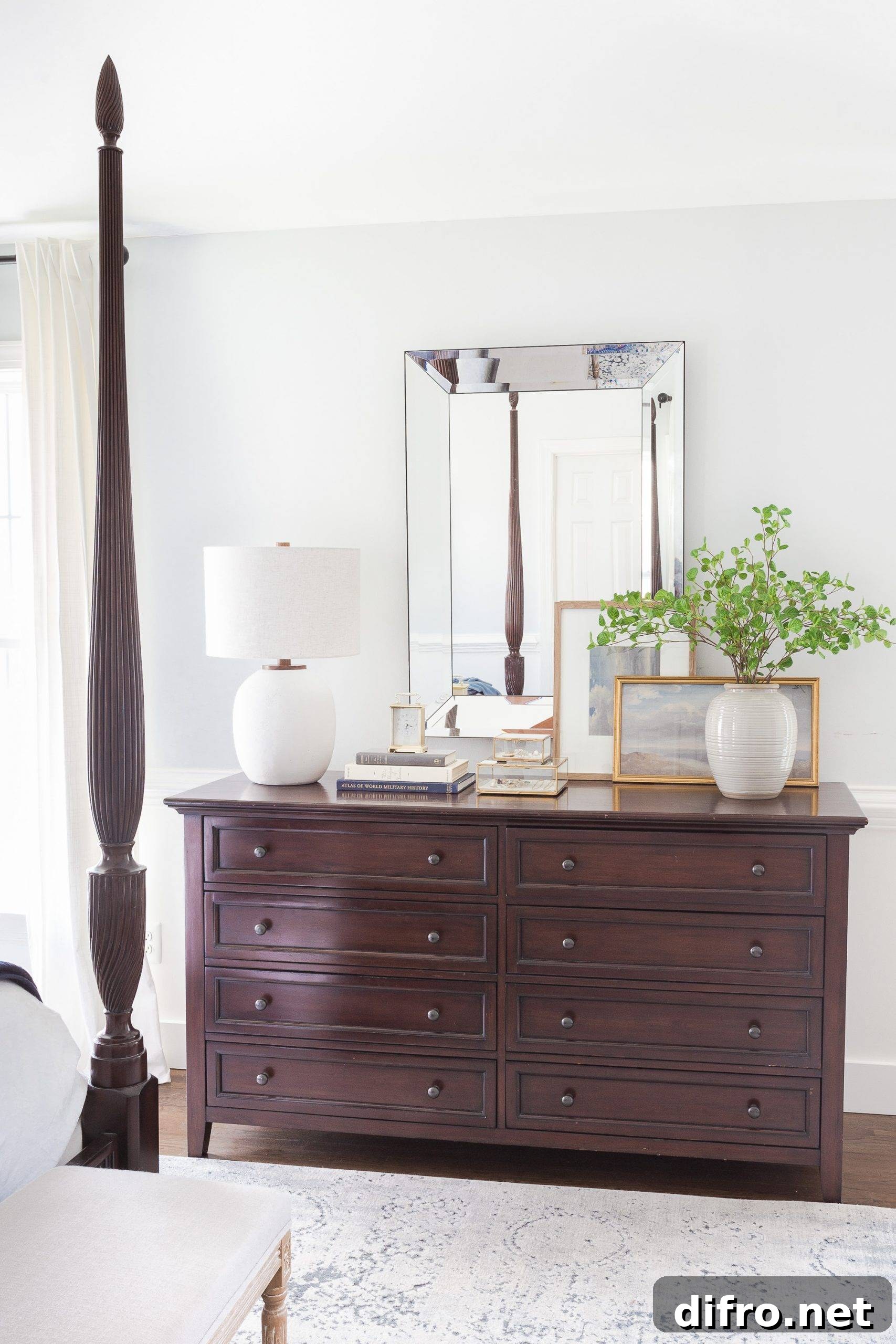
Grouping two or three frames creates depth and personality. Overlapping frames or arranging them at slightly different heights produces a relaxed, collected look. Choose frames and artwork that align with your room’s color palette to maintain harmony; repeating a color or material helps the display feel intentional rather than random.
Add a large object for scale
Introduce an element that brings height and scale to the composition. A substantial lamp, a sculptural vase, or a tall candleholder works well. The large piece anchors one side of the dresser and helps create a pleasing contrast with smaller items. If you use a lamp, pick one with a shade and finish that complements your room’s palette and textures.
Mix in smaller pieces
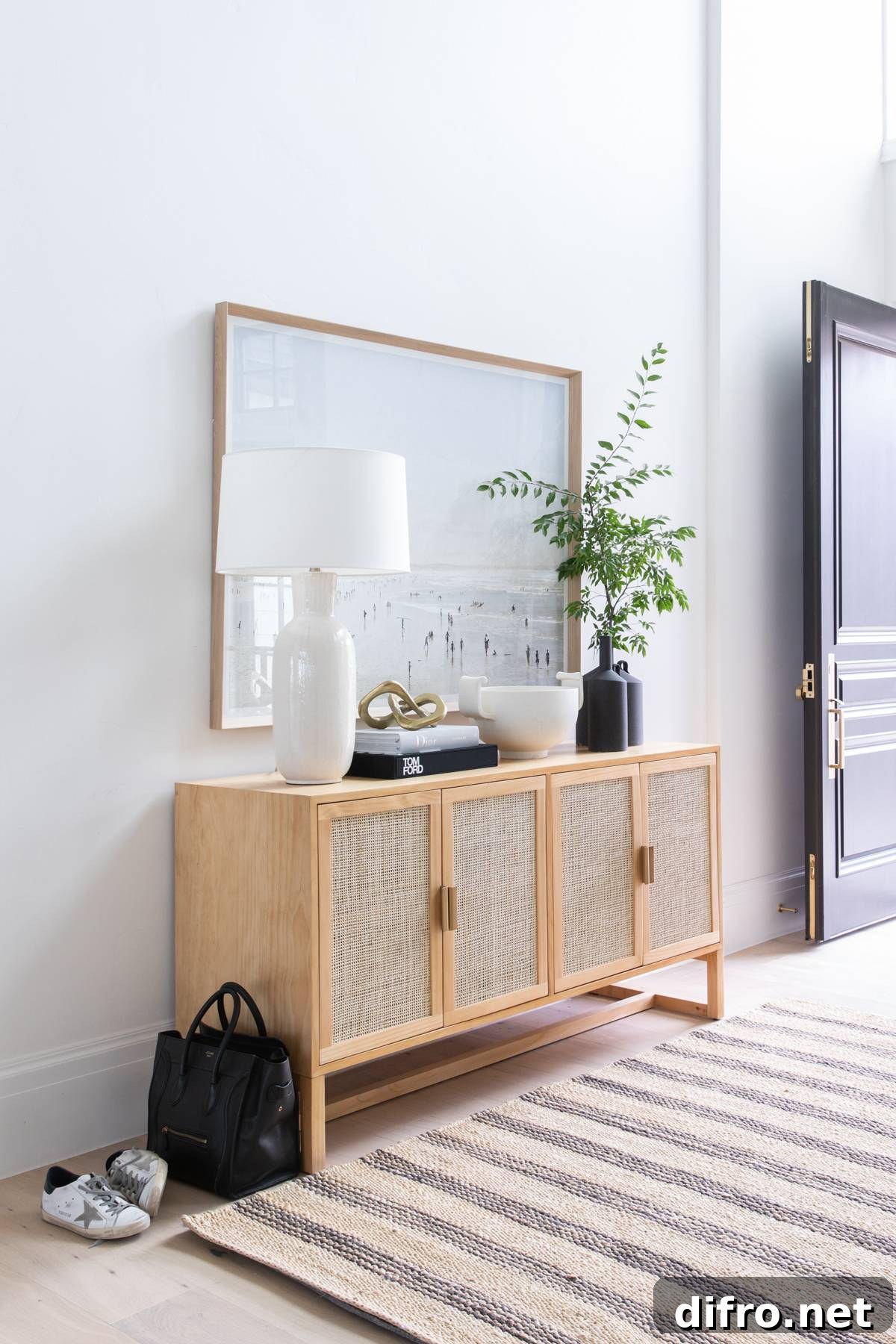
Smaller objects add character and personal touches. Look for items with interesting shapes, textures, or finishes — a small ceramic vessel, a decorative box, or a meaningful collectible. When items are very small, elevate them on a stack of books or a low tray so they remain visible and feel deliberate rather than lost on the surface.
Group your decor for balance
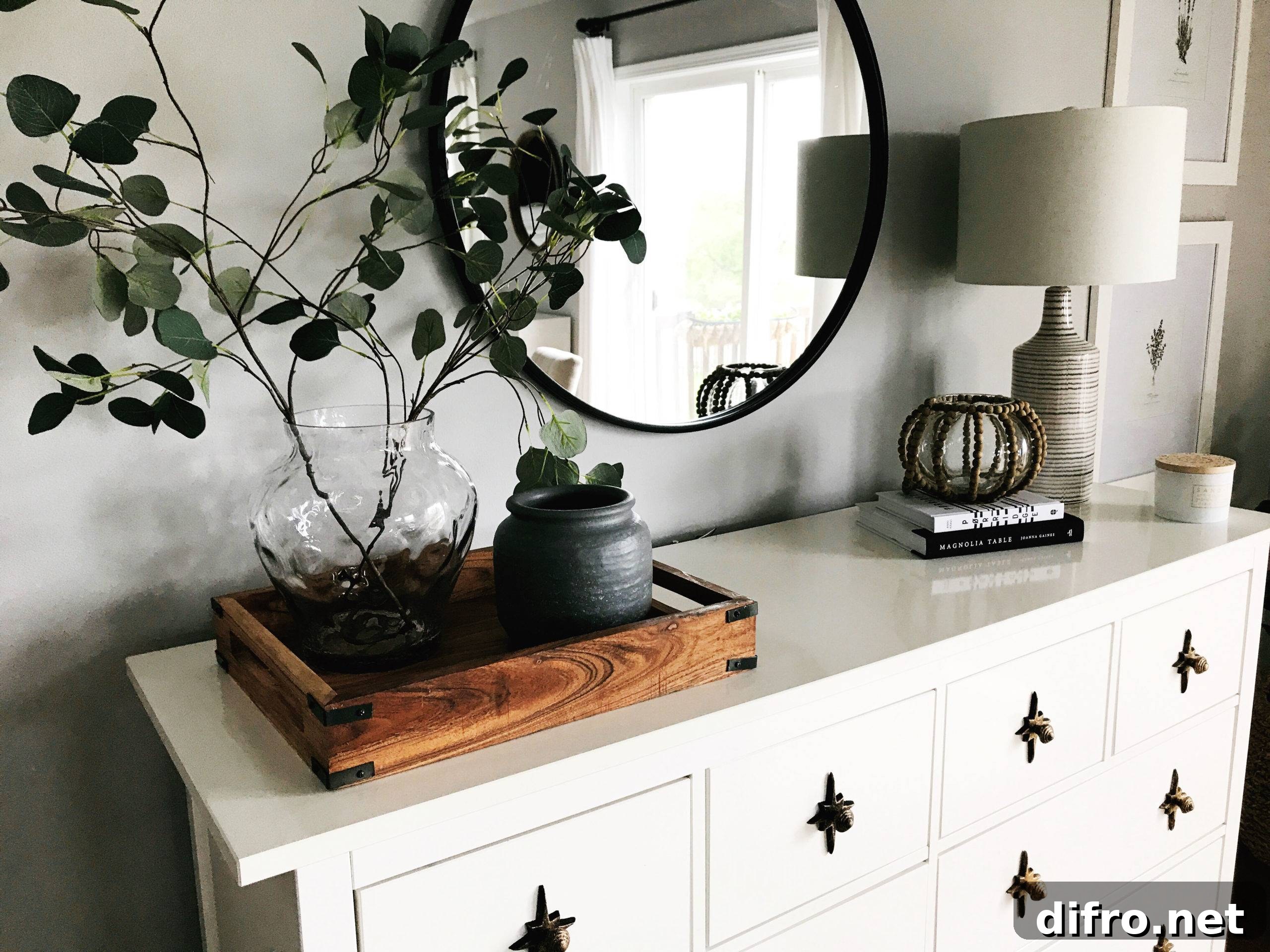
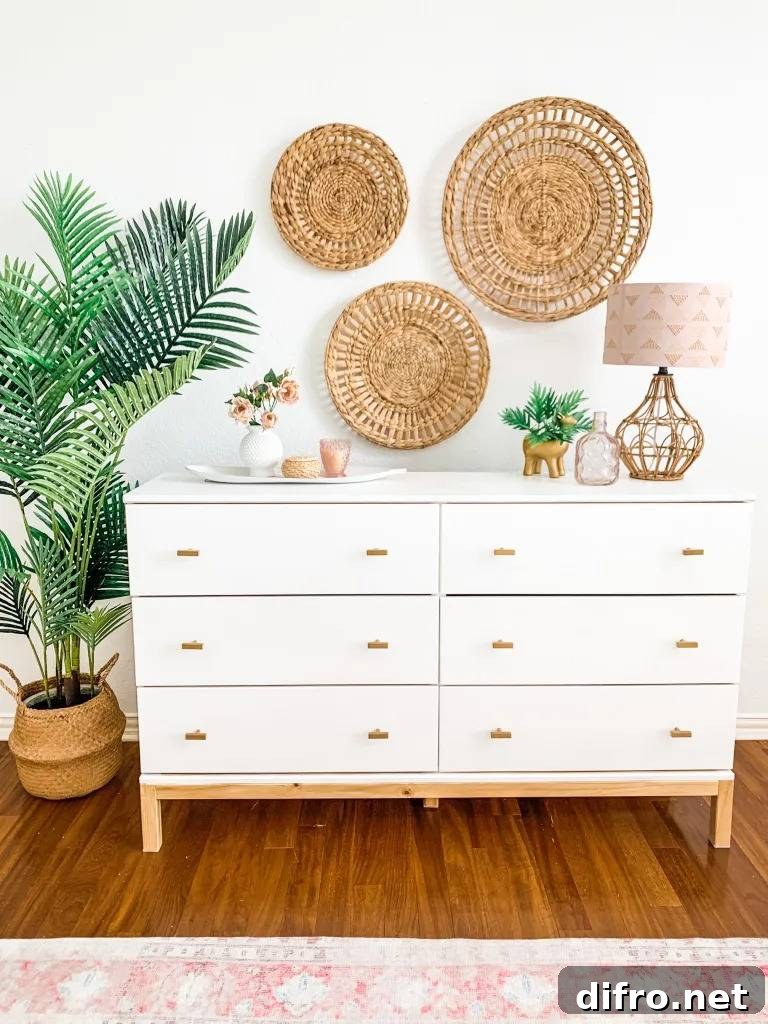
Organize the surface into simple groupings rather than scattering individual pieces across the entire top. Place two or three objects together on each side, or use a tray to corral smaller items. Trays are not just decorative; they define a zone, make the surface easier to clean, and let you move multiple items at once when needed.
Provide intentional storage
A curated dresser is also an organized one. Prevent clutter by including attractive storage solutions that match your vignette. A small jewelry tray, a ceramic bowl for loose change, or a decorative box keeps everyday items contained and out of sight while contributing to the overall look. Avoid leaving keys, cords, or miscellaneous objects strewn across the top.
Refine the arrangement
As you style, step back and assess balance, scale, and negative space. Aim for variety in height and texture, and keep one or two consistent elements—such as a repeating color or material—to tie everything together. Don’t overcrowd the surface; leaving some breathing room around groups makes the display feel sophisticated and intentional.
Maintenance and seasonal updates
Once your dresser is styled, maintain it by occasionally dusting and removing items to wipe the surface. Use the vignette as a place to rotate seasonal accents: fresh flowers in spring, warm-toned accessories in fall, or a new art print to refresh the look. Small updates keep your space feeling current without a full redesign.
Final tips
Keep proportions in mind and build layers from back to front. Mix functional items with purely decorative ones, and choose a limited color palette to maintain unity. With a large anchor, clusters of frames, a mix of scale, and a few elegant storage solutions, your dresser will become a polished focal point that enhances the entire room.