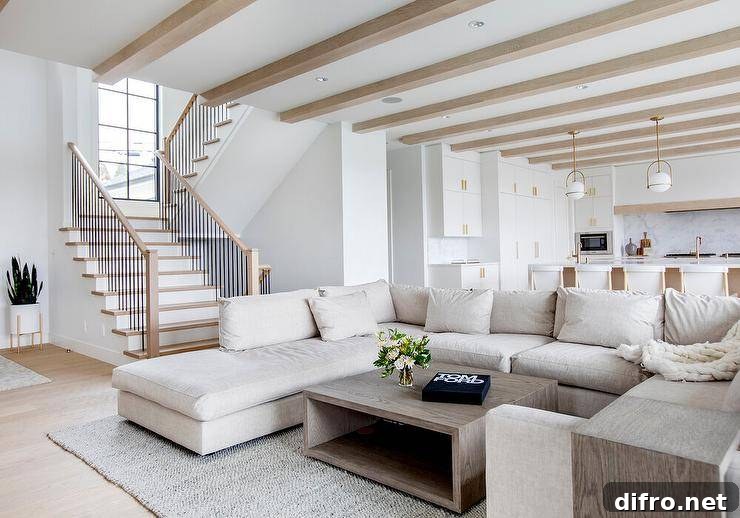
Everyone wants a home that feels pulled from the pages of a glossy magazine: personal, stylish, and effortlessly luxurious. You don’t need a huge budget to create that elevated look. With a few smart swaps and thoughtful touches, any house can read as expensive. Below are 36 practical, budget-friendly ideas to make your home feel high-end without breaking the bank.
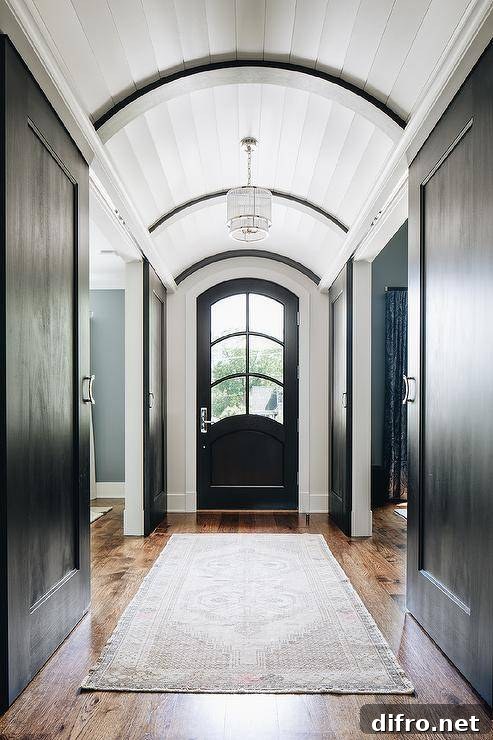
Paint Doors a Contrasting Color
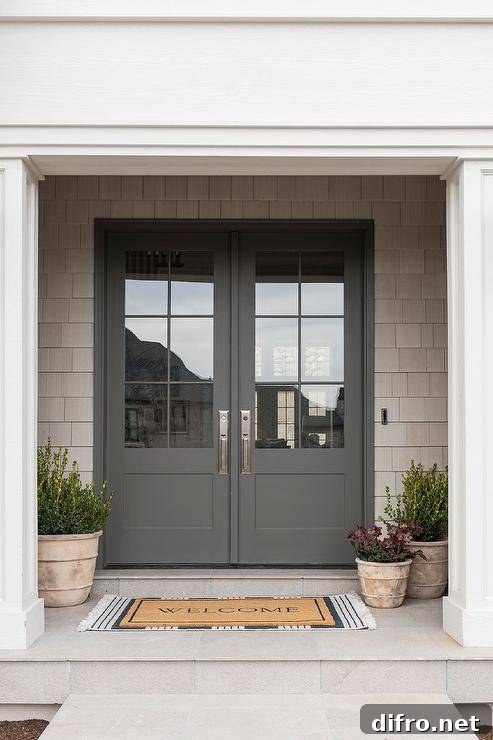
Swap plain white doors for a bold or moody shade—think charcoal, deep navy, or warm mushroom taupe. Even a single painted door creates a custom, designer feel that costs very little.
Add Molding, Wall Trim, or Architectural Details
Millwork instantly elevates a room. You can DIY crown molding or add picture-frame trim to walls for depth and sophistication. Even modest trim upgrades make spaces look built-in and bespoke.
Declutter
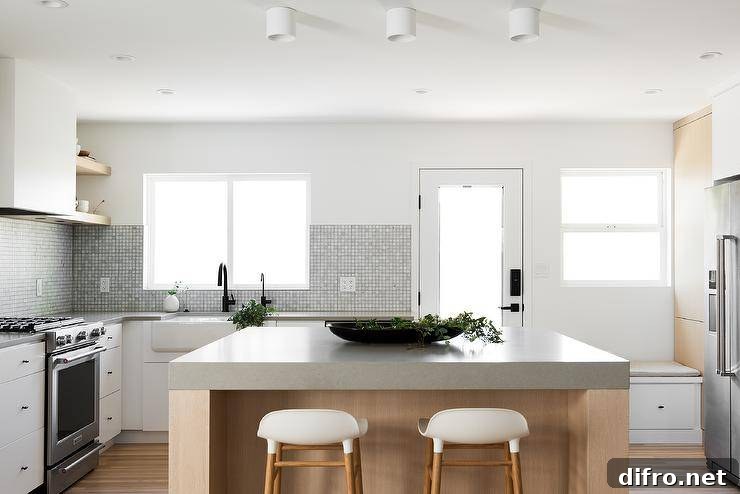
Decluttering is the most budget-friendly way to look more refined. Give every item a home, hide toys and everyday items in bins or cabinets, and keep surfaces calm. A tidy space reads as intentional and expensive.
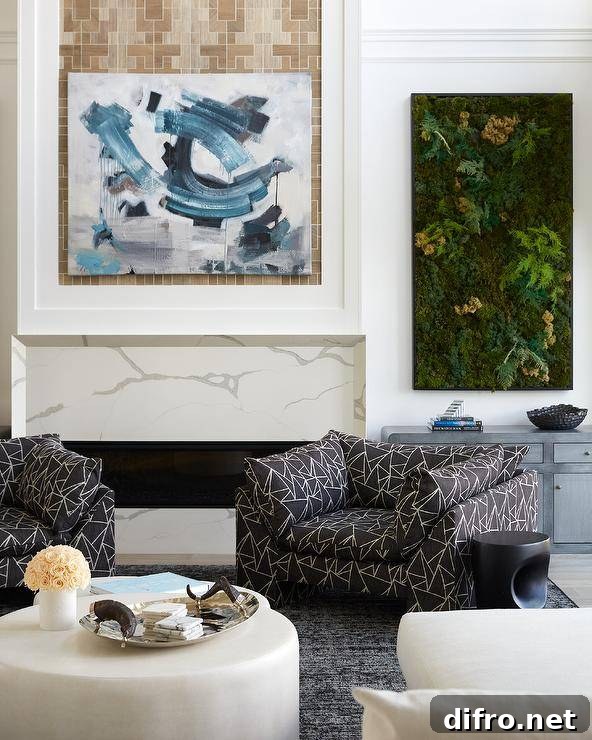
Go Large with Wall Art
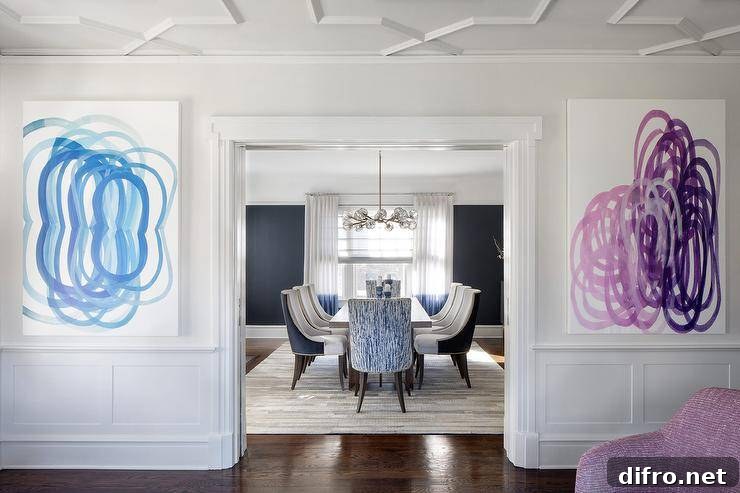
Big art makes a big impression. You don’t need original gallery pieces—oversized canvases, affordable prints, or DIY oversized art create scale and drama that suggest high value.
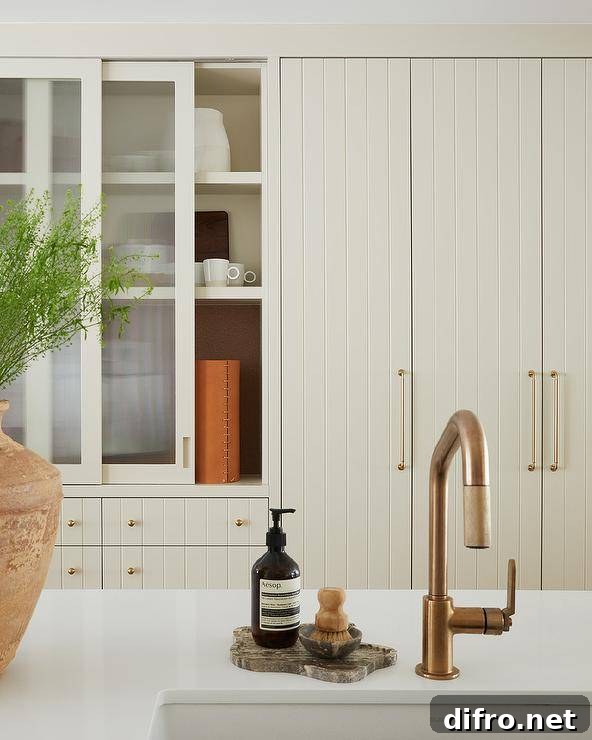
Change Out Your Hardware
Replacing knobs, pulls, and doorknobs is an inexpensive upgrade that dramatically changes the look of cabinets and furniture. Choose finishes like aged brass, matte black, or polished nickel to read more luxurious.
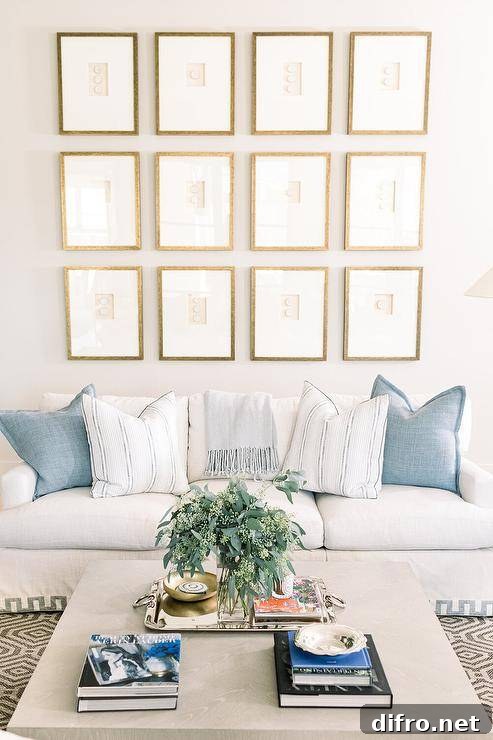
Streamline Your Gallery Walls
For a refined gallery wall, stick to a cohesive color palette and consistent frames. Arrange pieces in a grid or geometric layout to create symmetry and clarity—key indicators of a curated, expensive interior.
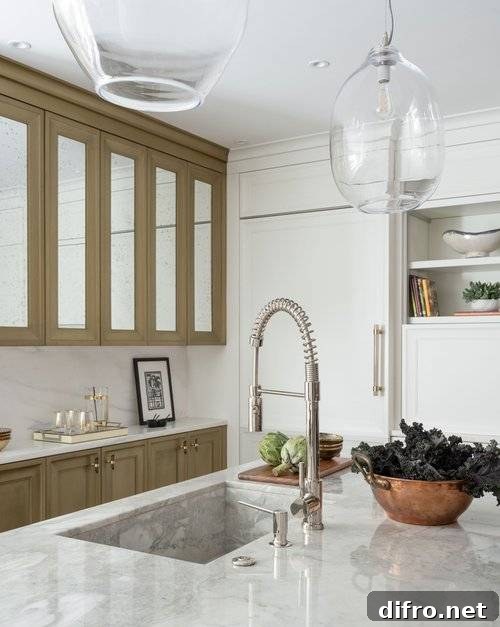
Choose Natural Materials
Natural surfaces like marble, solid wood, leather, and metal hardware read as high-end. You can often find these pieces gently used at thrift shops or online marketplaces for much less than retail.
Add Flowers or Plants
Living or realistic faux greenery breathes life into every room. Plants add color, texture, and a calming atmosphere—small details that heighten perceived luxury.
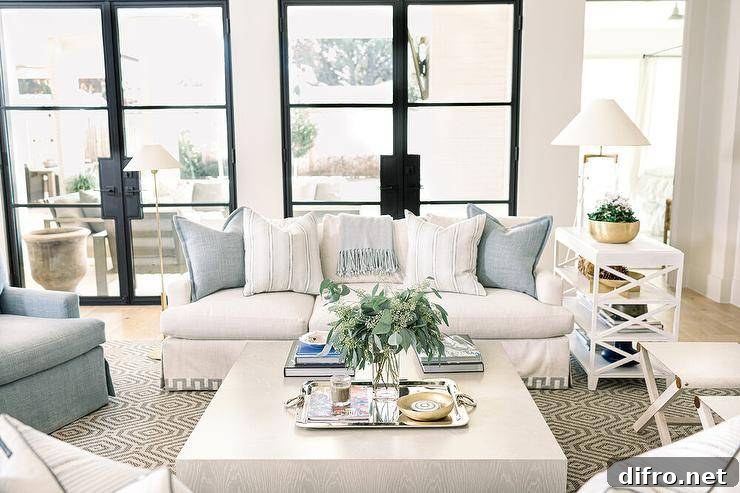
Use White Bed Linens and Towels
White sheets, duvets, and towels create the spa- or hotel-quality feeling that instantly looks clean and luxurious. White is easy to launder and refreshes a room visually.
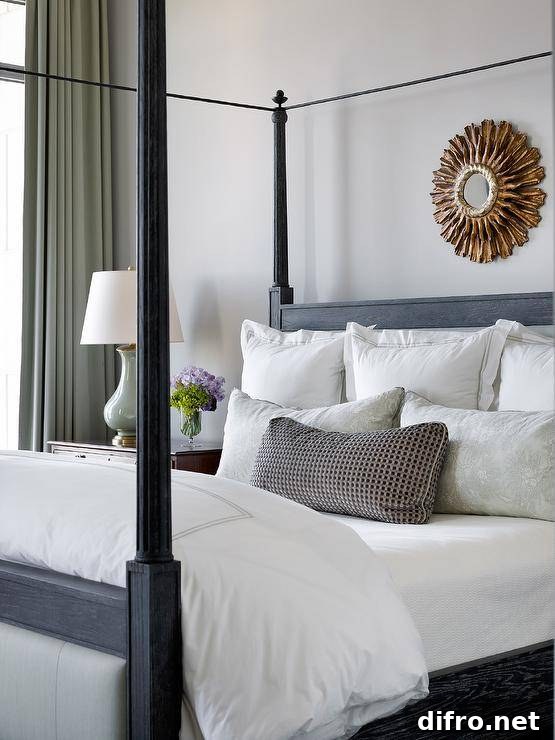
Use Two Duvets
Layering two duvets—either inside the same cover or in coordinating covers—adds volume and the cloudlike look you see in high-end hotels. Finish with oversized pillows and a few decorative cushions.
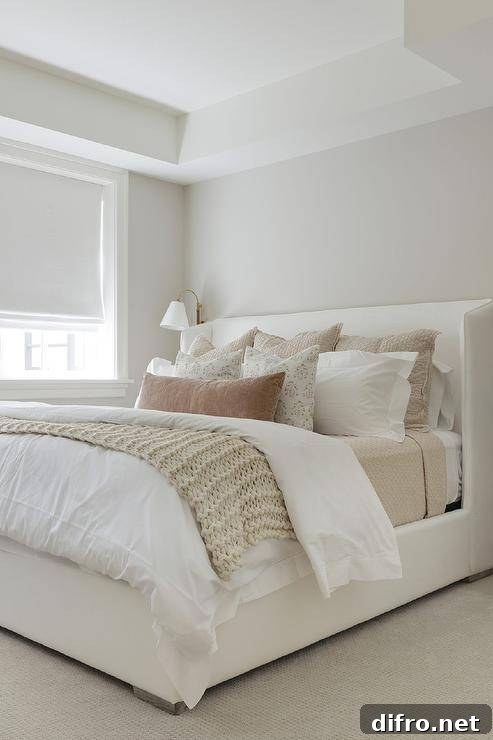
Hang Curtains High and Wide
Mount curtain rods close to the ceiling and extend rods beyond the window frame. Long, floor-grazing panels make ceilings look taller and windows grander. Light puddling at the floor adds a relaxed, elegant touch.
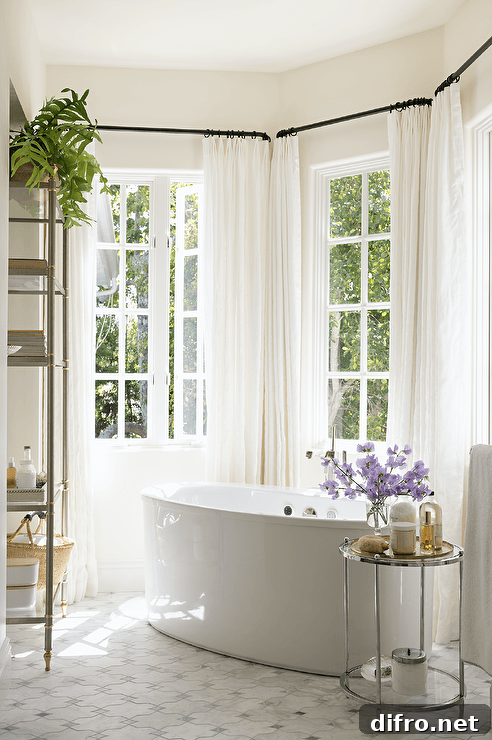
Customize Your Lighting
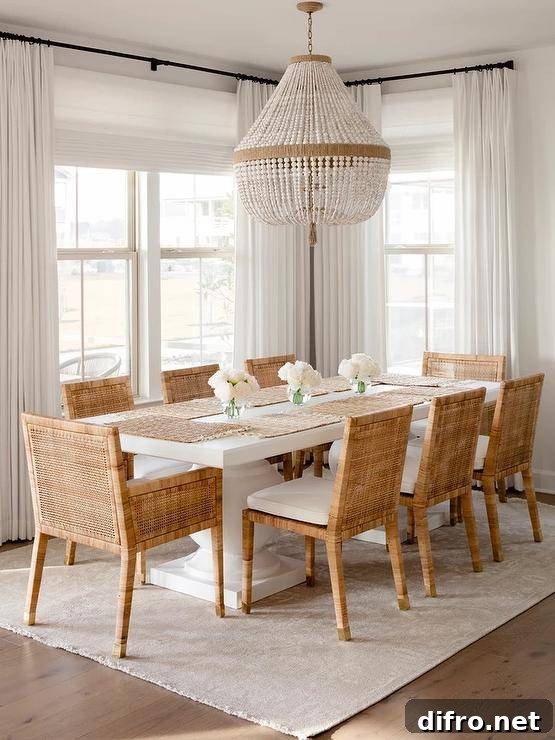
Replace builder-grade fixtures with statement chandeliers, oversized pendants, or bold sconces. When in doubt, choose a scale slightly larger than you think you need—approved by designers for adding drama and style.
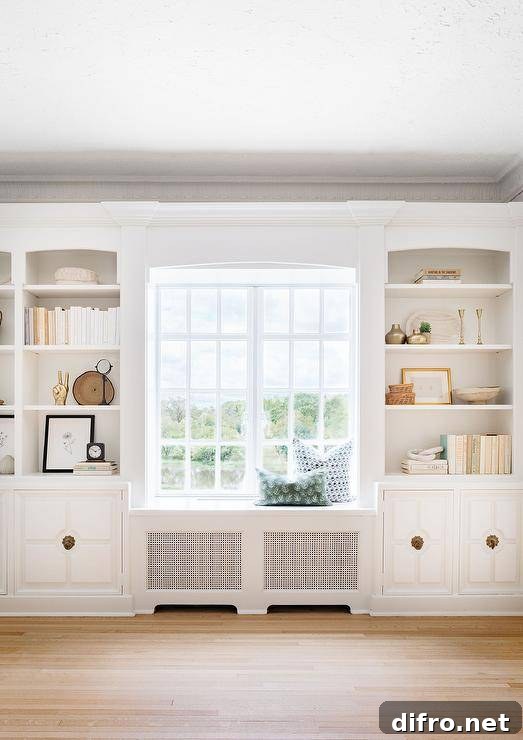
Add Built-Ins
Built-in shelves, window seats, and closet systems feel custom. If full carpentry is out of reach, use modular solutions or IKEA hacks to build a similar, tailored look at a fraction of the cost.
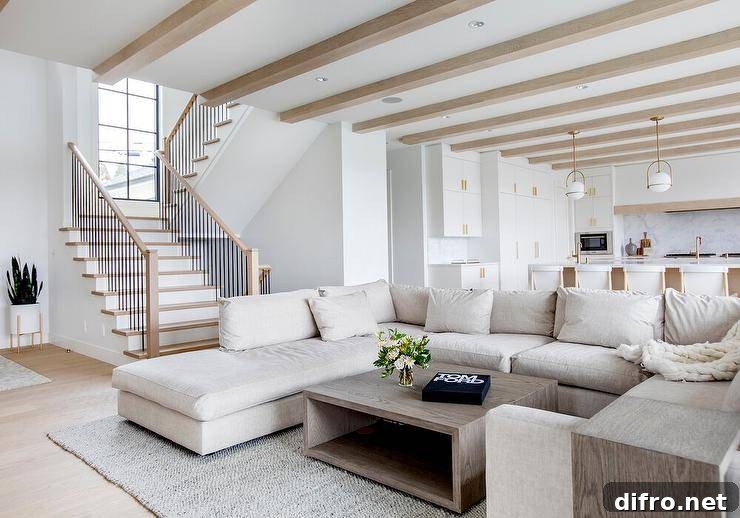
Use Appropriately Sized Rugs
Rugs should be scaled to furniture groups. Too-small rugs make rooms feel awkward; larger rugs unify seating areas and instantly read as intentional and polished.
Layer Your Lighting
Combine ambient, task, and accent lighting to add depth and atmosphere. Layered lighting makes rooms functional and flattering—key to that expensive, considered feel.
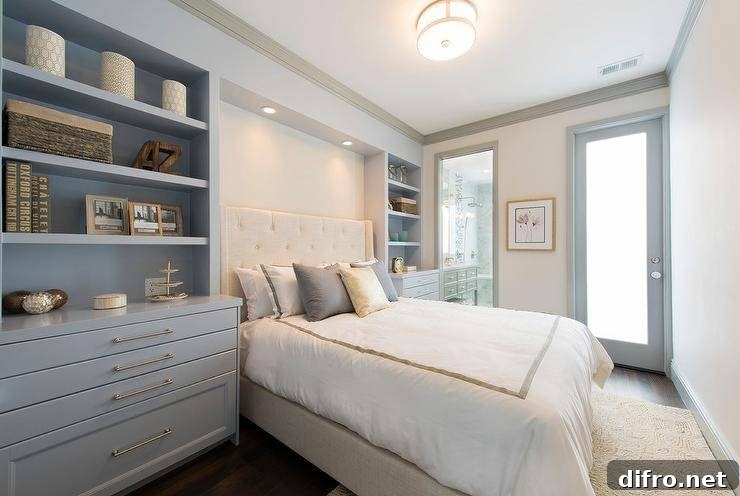
- Ambient lighting – chandeliers, recessed fixtures, and ceiling lights.
- Task lighting – reading lamps, under-cabinet lights, desk lamps.
- Accent lighting – picture lights, sconces, and candles for mood.
Choose Larger, Plush Pillow Inserts
Use down or down-alternative inserts one size larger than the cover to create full, luxurious cushions for sofas and beds. Avoid flat poly-fill inserts that look tired.
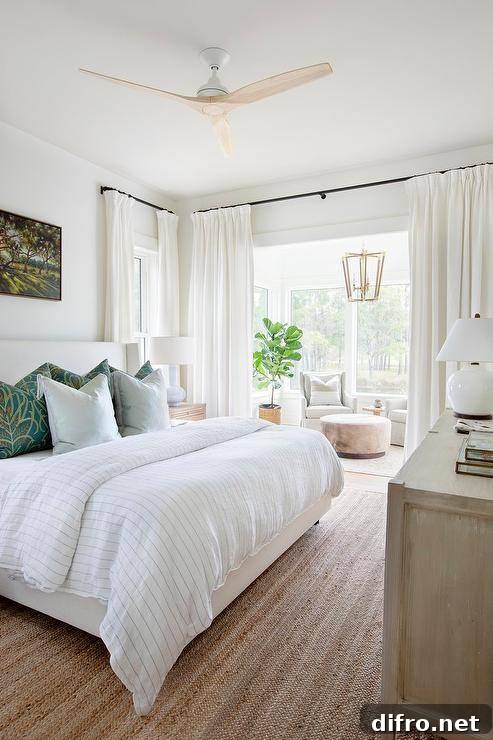
Paint Walls and Trim the Same Color
Painting trim and walls the same color simplifies a space and creates a seamless, modern look. Extending the color to the ceiling amplifies the effect and makes rooms feel larger.
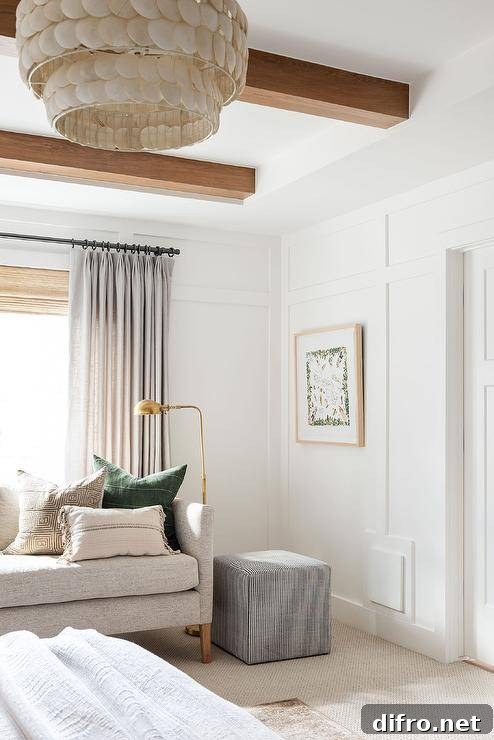
Incorporate Heirloom-Quality and Vintage Finds
Mixing well-made vintage pieces with modern items adds character and tells a story. Estate sales and thrift stores are great sources for solid, unique furniture that reads expensive.
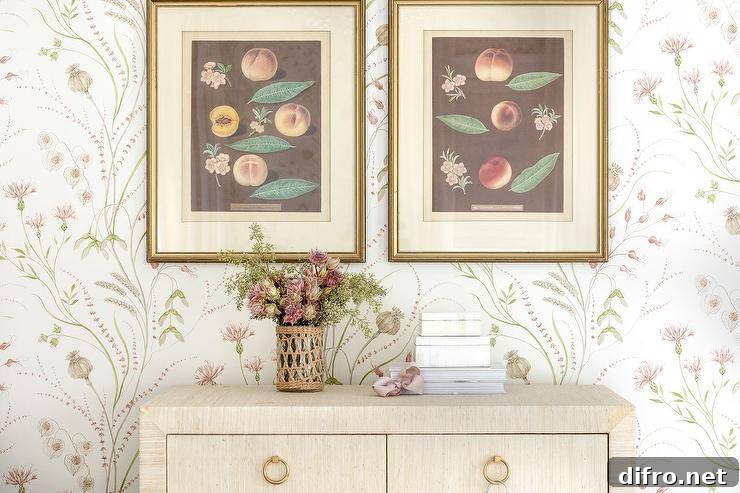
Update Lamp Shades
Replacing dated shades transforms lamps instantly. A modern drum shade or textured linen shade can refresh a lamp base without buying new lighting.
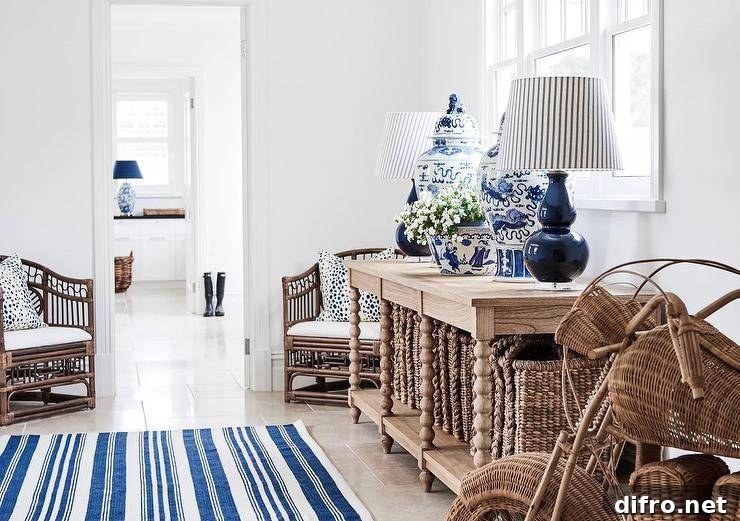
Use Neutrals as a Base, Add Color as Accents
Ground rooms in neutral palettes for longevity and flexibility, then layer in color with pillows, art, and accessories. Changing small accents is far cheaper than repainting or replacing large items.
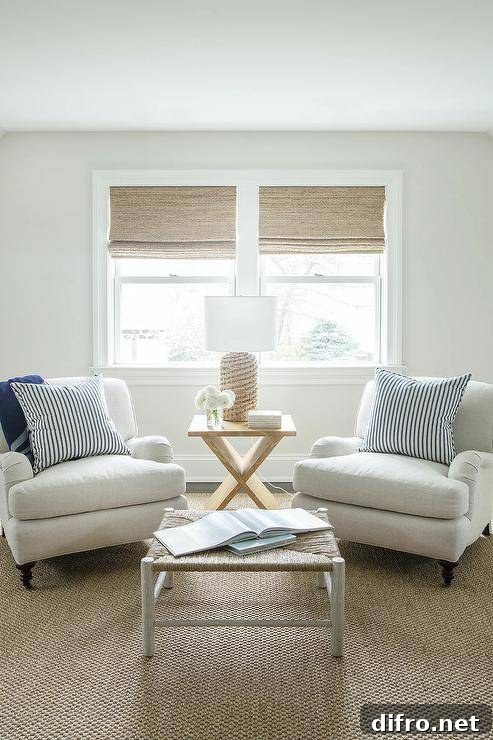
Don’t Be Afraid of Bold, Rich Hues
For dramatic impact, use saturated colors like navy, emerald, or deep green. These tones feel luxurious and can act like neutrals when balanced with lighter elements.
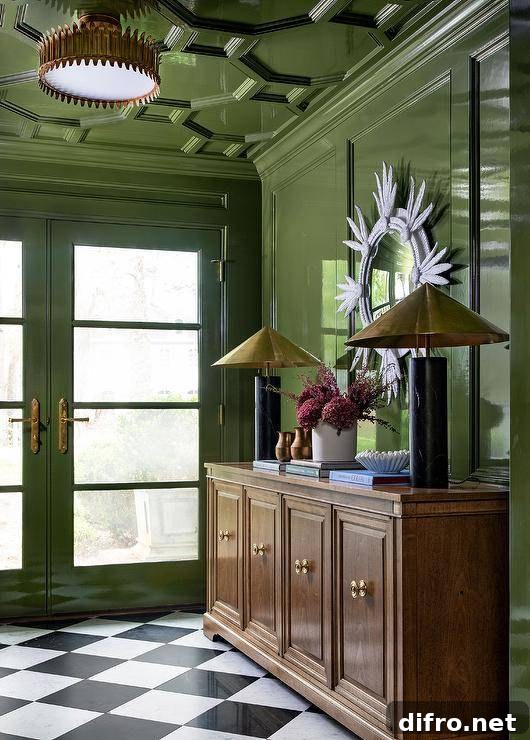
Mat Your Photos
Adding a white mat around photos makes them feel gallery-worthy. Mats are affordable and instantly improve the perceived value of framed photographs and prints.
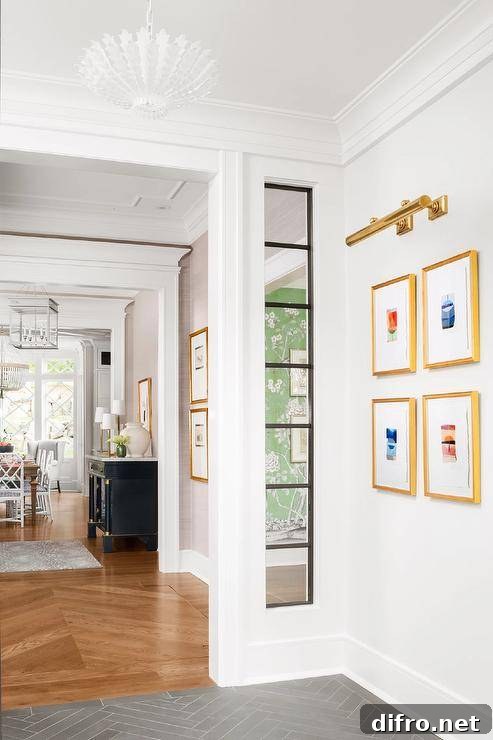
Make an Impact with Wallpaper
Wallpaper creates texture, pattern, and personality. Peel-and-stick options are a great, low-commitment route for renters or those unsure about a permanent change.
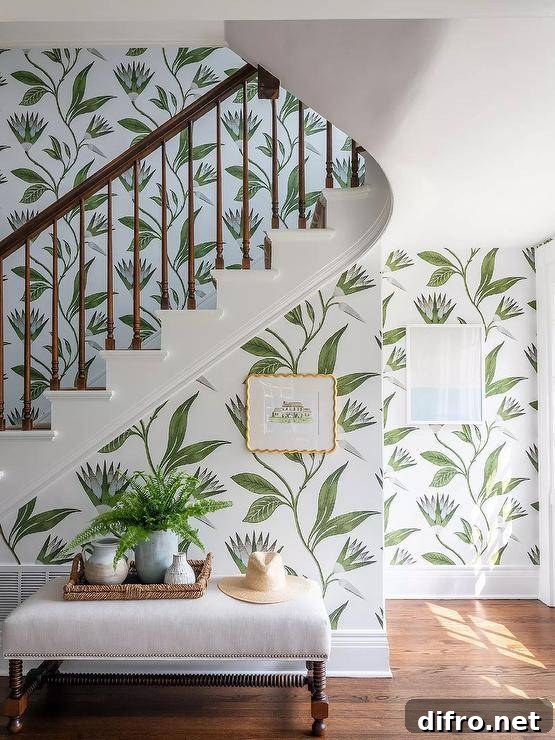
Add a Backsplash
A backsplash in kitchens or bathrooms finishes the space and protects surfaces. If tile is costly, consider affordable alternatives like pressed tin, beadboard, or peel-and-stick tiles for a high-end feel.
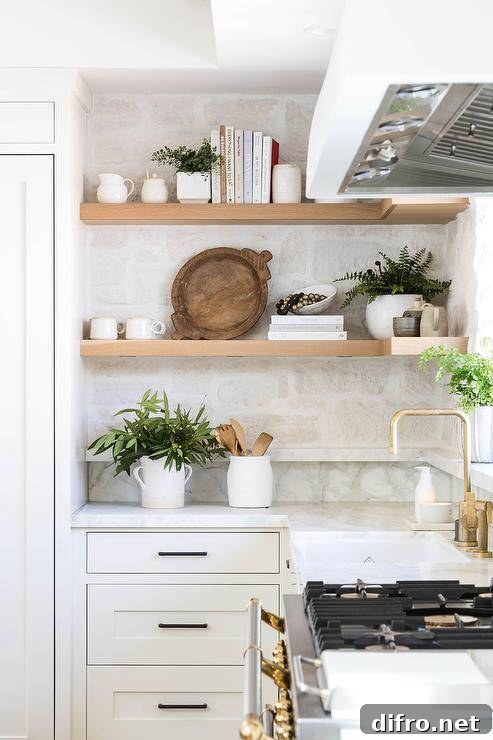
Be Mindful of Your Home’s Scent
A pleasant, consistent scent enhances perceived quality. Use diffusers, scented candles, or wax melts. Charcoal bags can help neutralize lingering odors and freshen the space.
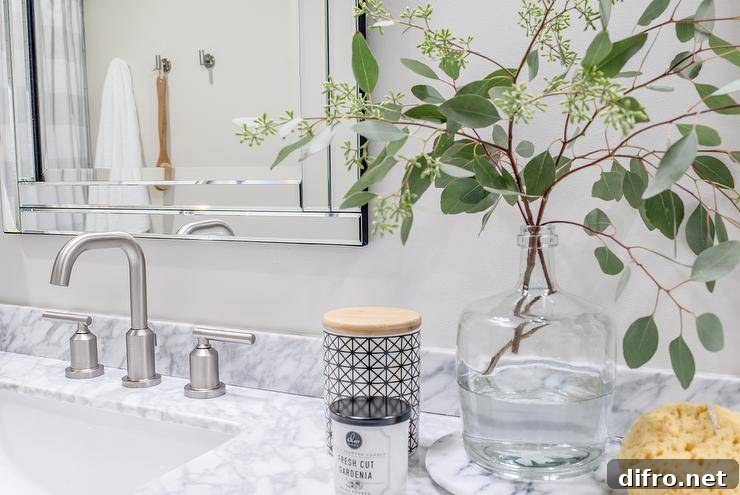
Mix and Mismatch Furniture
A room made entirely from one matching furniture set often reads as generic. Mix styles, eras, and finishes to create depth and a collected, upscale look.
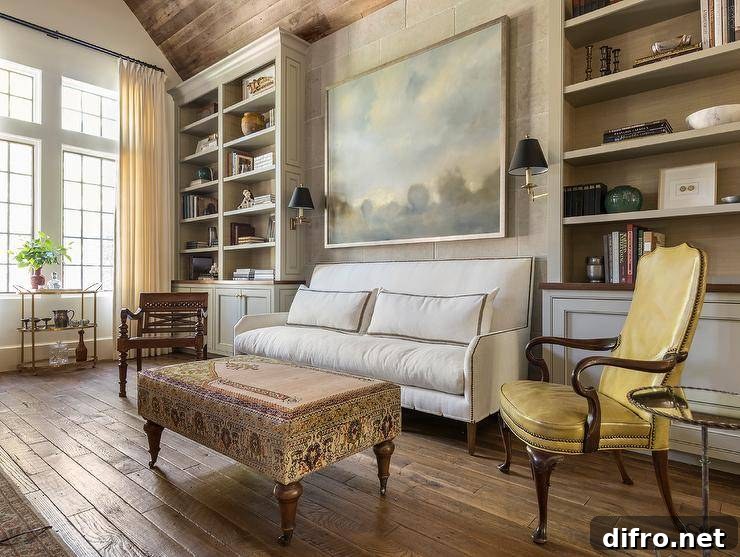
Reflect Light with Mirrors
Strategically placed mirrors amplify natural light and make rooms feel larger and more open—an easy trick to elevate dark or small spaces.
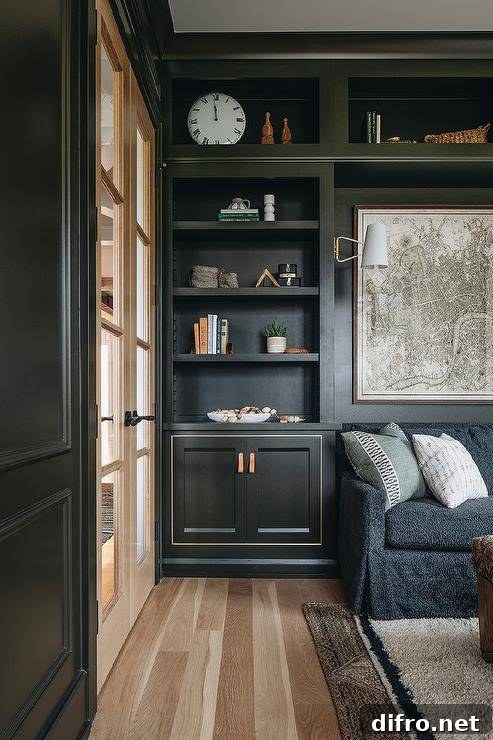
Store Toys Out of Sight
Use woven baskets, closed cabinets, and labeled bins to contain toys when they’re not in use. This keeps living areas tidy and instantly more sophisticated.
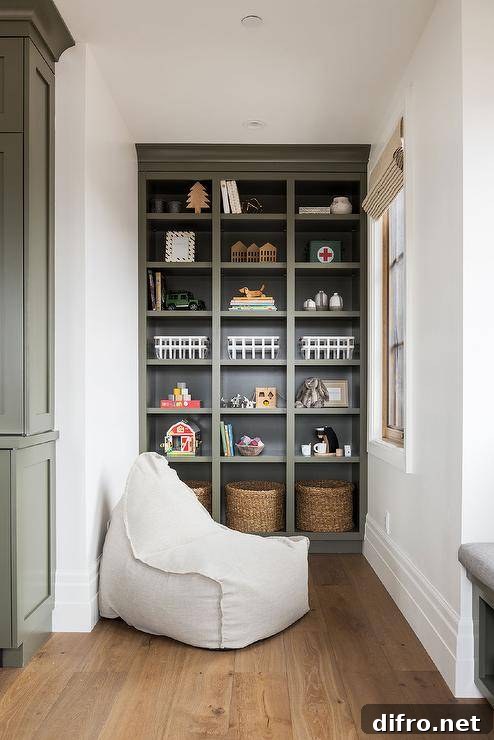
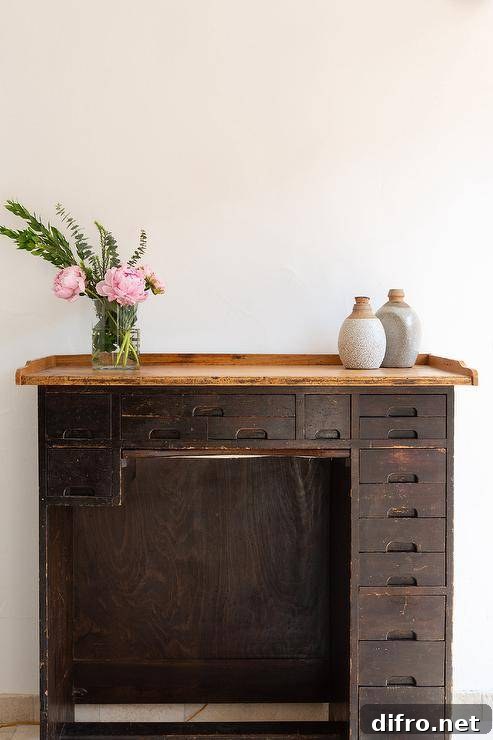
Thrift for Vintage Items
Thrifted and vintage finds add character and history that new mass-produced items can’t replicate. Hunt for quality pieces that bring authenticity to your decor.
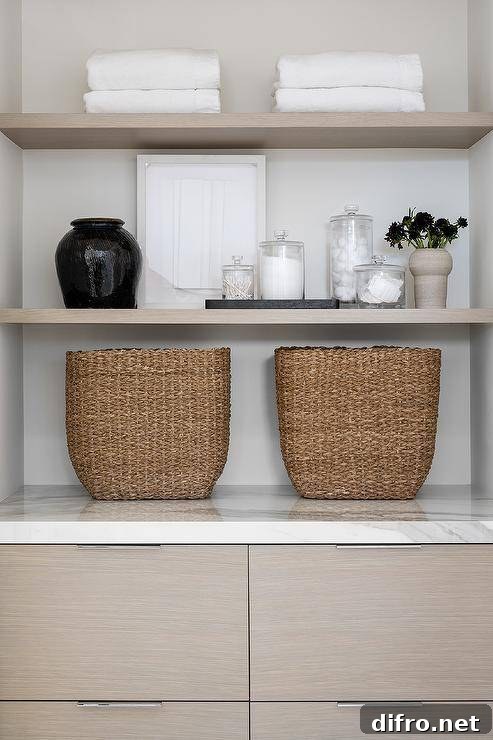
Be Intentional with Everyday Items
Swap plastic packaging for glass dispensers, apothecary jars, and pretty containers. Small, considered details reduce visual clutter and make the daily experience feel elevated.
Freshen Landscaping
Simple curb-appeal updates—mulch, perennials, potted plants, and a freshly painted front door—make a home feel more cared-for and valuable without huge expense.
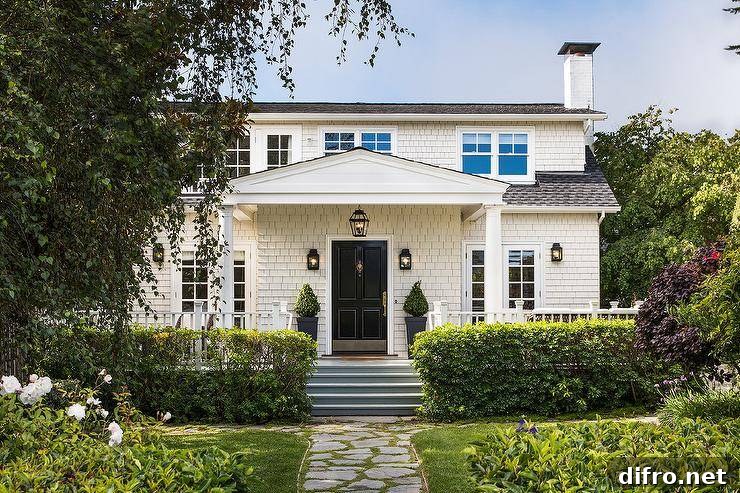
Update Your Entryway
Your entry sets the tone. A fresh coat of paint on the front door, layered welcome mats, and potted plants create a welcoming, designer-first impression.
Mix Textures
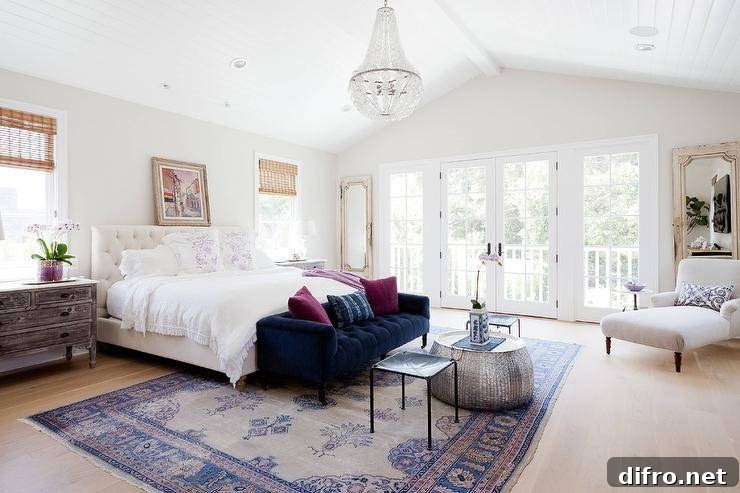
Layer wood, metal, glass, woven fibers, and plush textiles to add depth and interest. Varying textures creates a tactile, curated environment that reads expensive.
Go For Gold
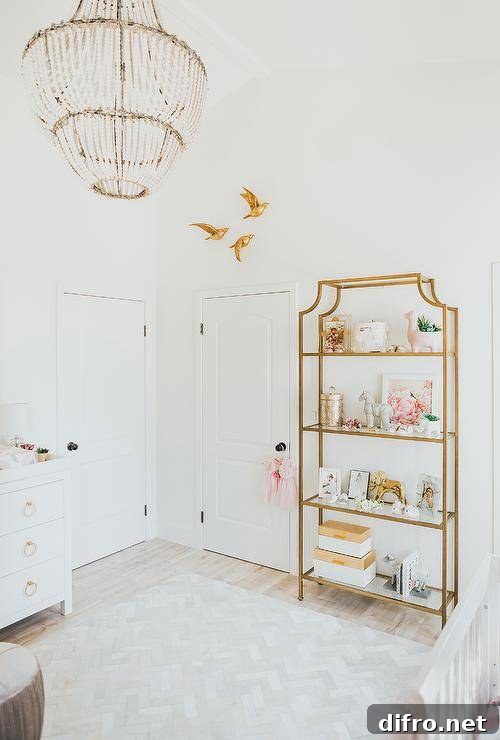
Gold accents—whether with spray paint or new accessories—add instant glamour. Update frames, trays, or vases to introduce warmth and sparkle affordably.
Maintenance Matters
Well-maintained spaces instantly feel premium. Regular cleaning, quick repairs, and fresh paint where needed keep your home looking cared-for and elevated.
Frequently Asked Questions
What makes an interior look cheap?
Too much matching furniture, visible clutter, and poorly scaled pieces can make a room feel cheap. Balance, quality finishes, and thoughtful styling avoid this pitfall.
How can I make my house feel like a luxury hotel?
Focus on comfort and crisp, high-quality linens—white sheets, plush towels, and well-styled bedding. Layer texture, add good lighting, and keep spaces tidy for that hotel feel.
What’s the difference between expensive and cheap furniture?
Higher-quality furniture uses solid wood, better joinery, and durable upholstery. Cheap pieces often rely on MDF, melamine, or low-grade veneers and lack long-term durability.
What makes a sofa look expensive?
Natural fabrics (linen, cotton), leather or velvet upholstery, tailored seams, and substantial cushion fill give sofas an upscale appearance. Pair with well-chosen curtains and lighting for a cohesive look.