A kitchen renovation is a major investment that can refresh your home, improve functionality and often boost resale value. A well-planned remodel creates a stylish, efficient space that suits your daily routines, but common mistakes can undermine the result. Below are practical tips to avoid frequent errors and ensure your kitchen remodel delivers the long-term performance and look you want.
Design for your lifestyle
Style matters, but function should always lead the design. A successful kitchen supports how you cook, entertain and live. Start by assessing your habits: do you cook elaborate meals regularly, or do you need quick, efficient prep space? Do you entertain large groups, or is the kitchen primarily for family breakfasts?
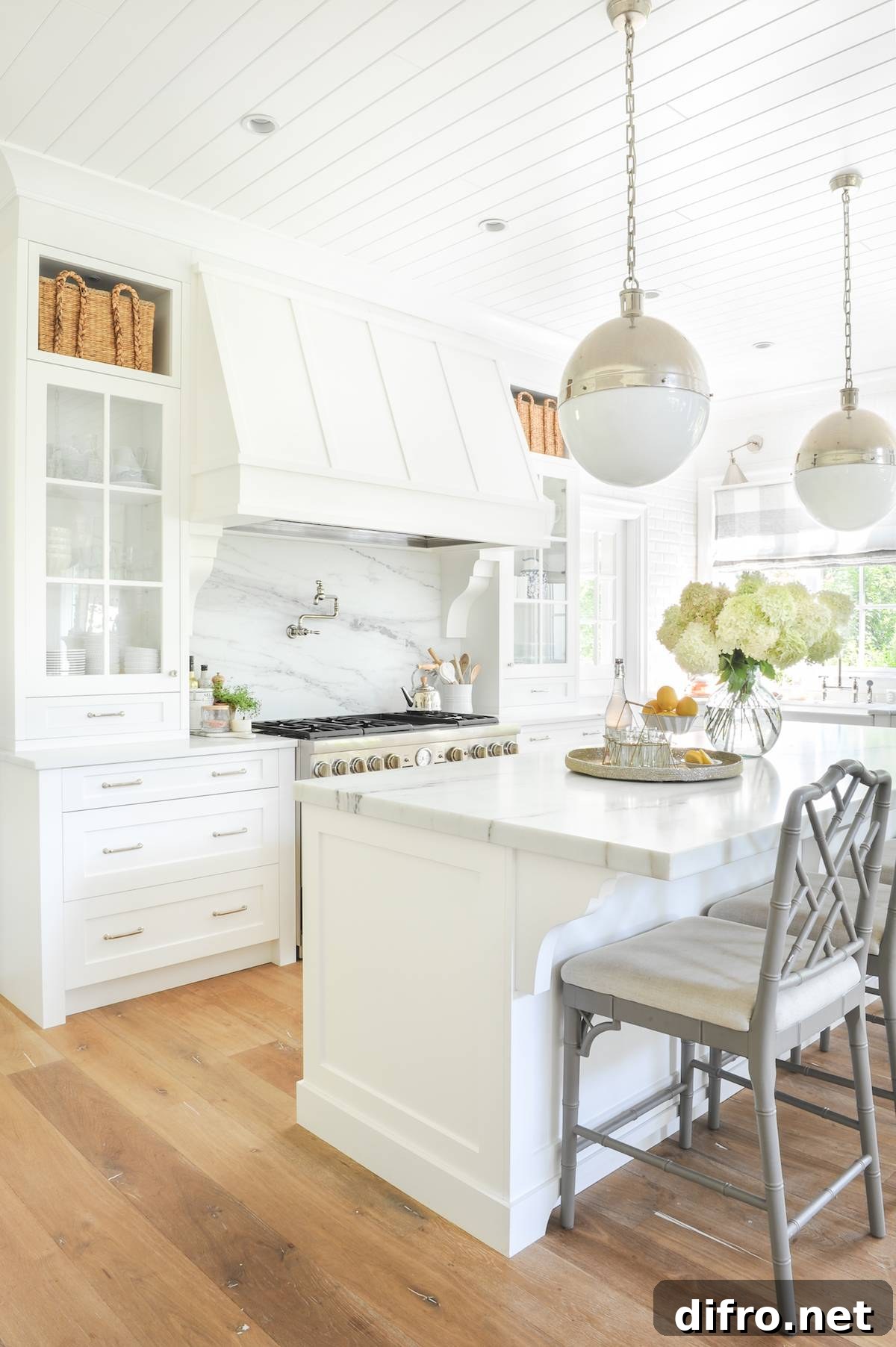
If you love cooking, prioritize upgraded appliances, a layout that supports efficient workflow, and durable work surfaces. If you collect cookware and serveware, plan for generous, organized storage so items are accessible without cluttering counters. For homes where the kitchen is the social hub, add comfortable seating and clear sightlines so guests aren’t left waiting in another room. An island with seating or a built-in banquette can create a welcoming gathering spot while keeping the workspace functional.
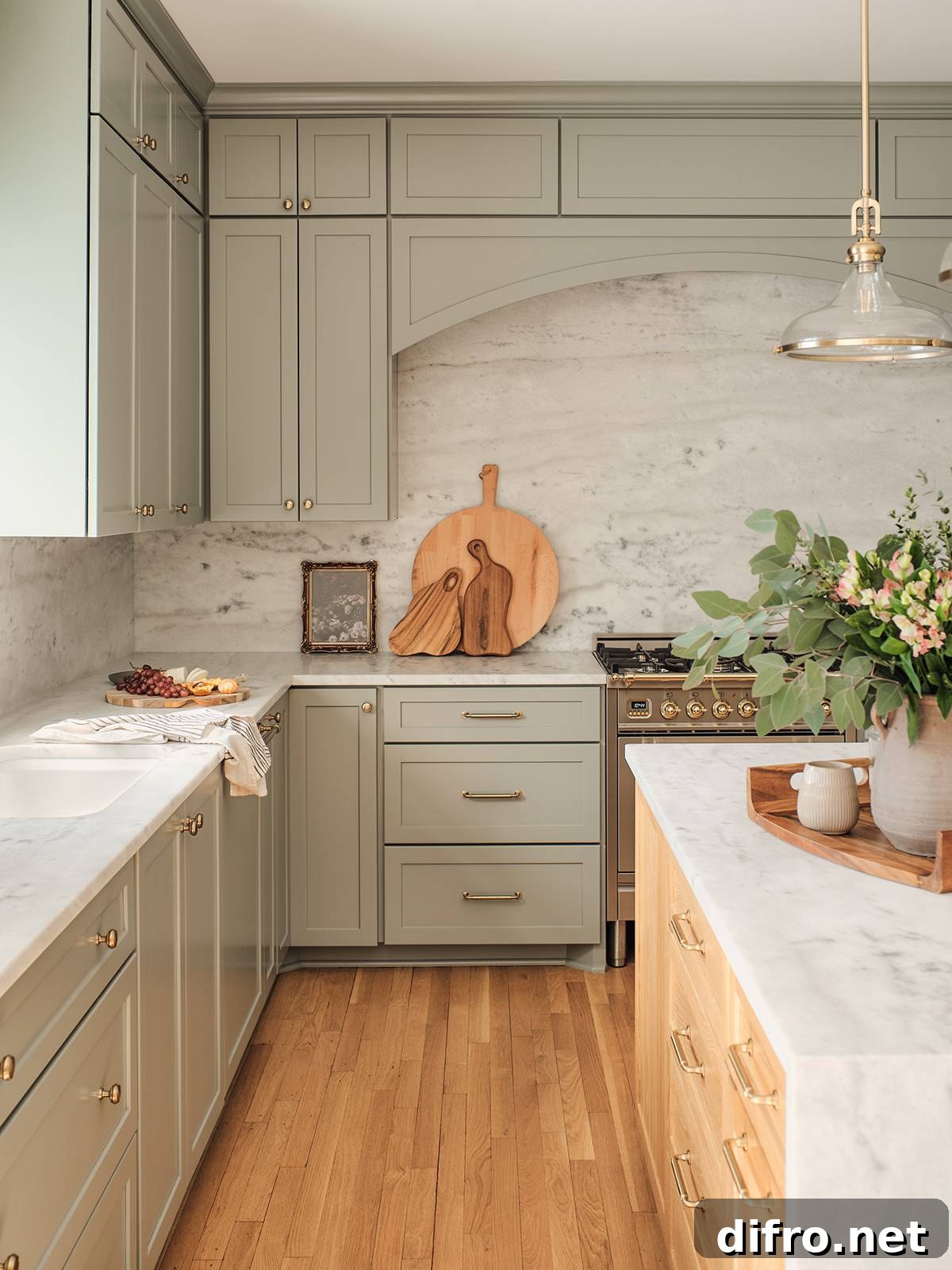
Avoid an island that’s too large
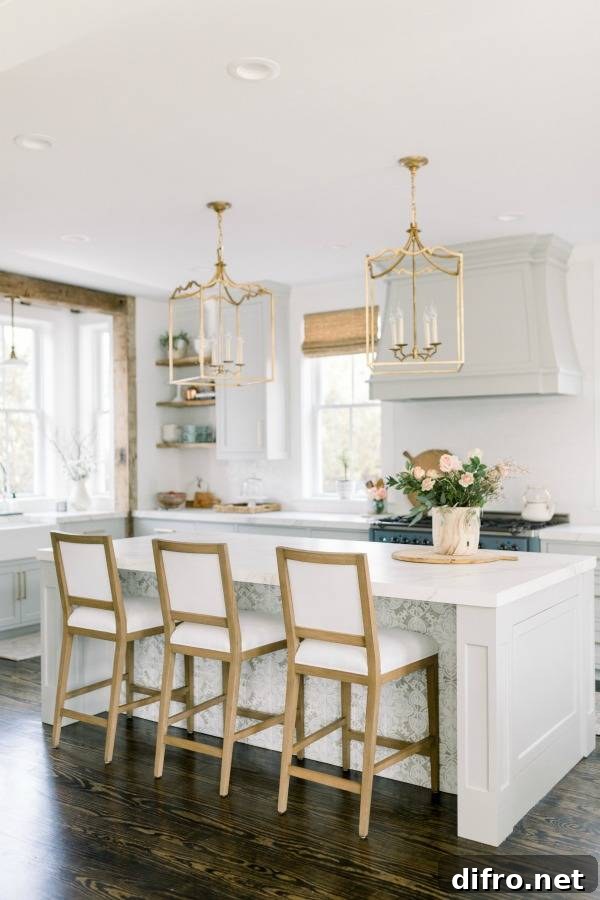
Kitchen islands add prep space, storage and a focal point for gatherings, but bigger isn’t always better. Oversized islands can block traffic, reduce usable workspace around appliances and make the kitchen feel cramped. A practical guideline is to keep clear walkways on all sides so people can move freely between work zones.
In smaller layouts, consider alternatives such as a narrower island, a peninsula, or a portable cart for extra surface area. These options provide flexibility without disrupting the kitchen’s flow. Match island scale to the room and the intended function—prep, dining, or both—so it enhances usability rather than becoming an obstacle.
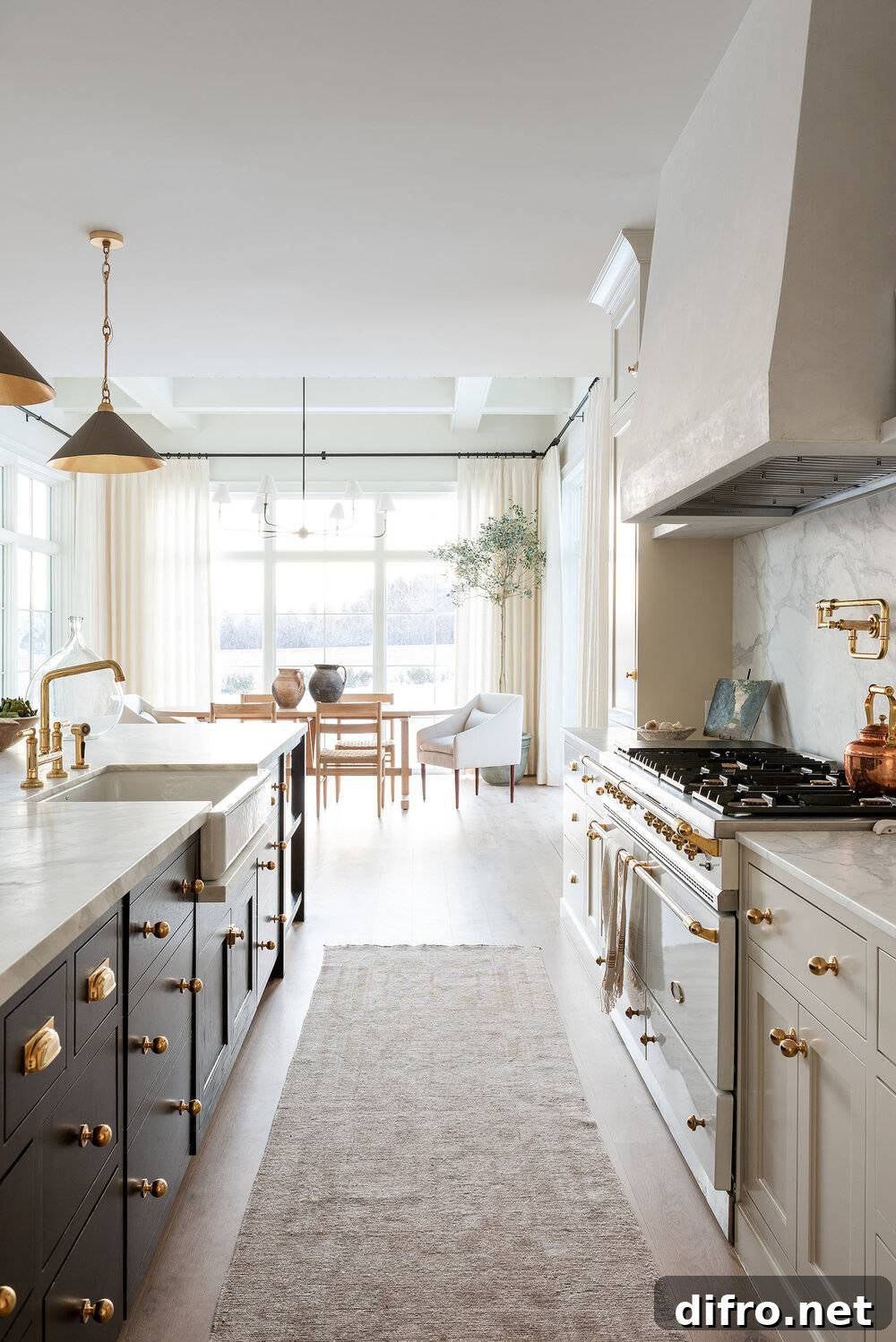
Plan sufficient storage
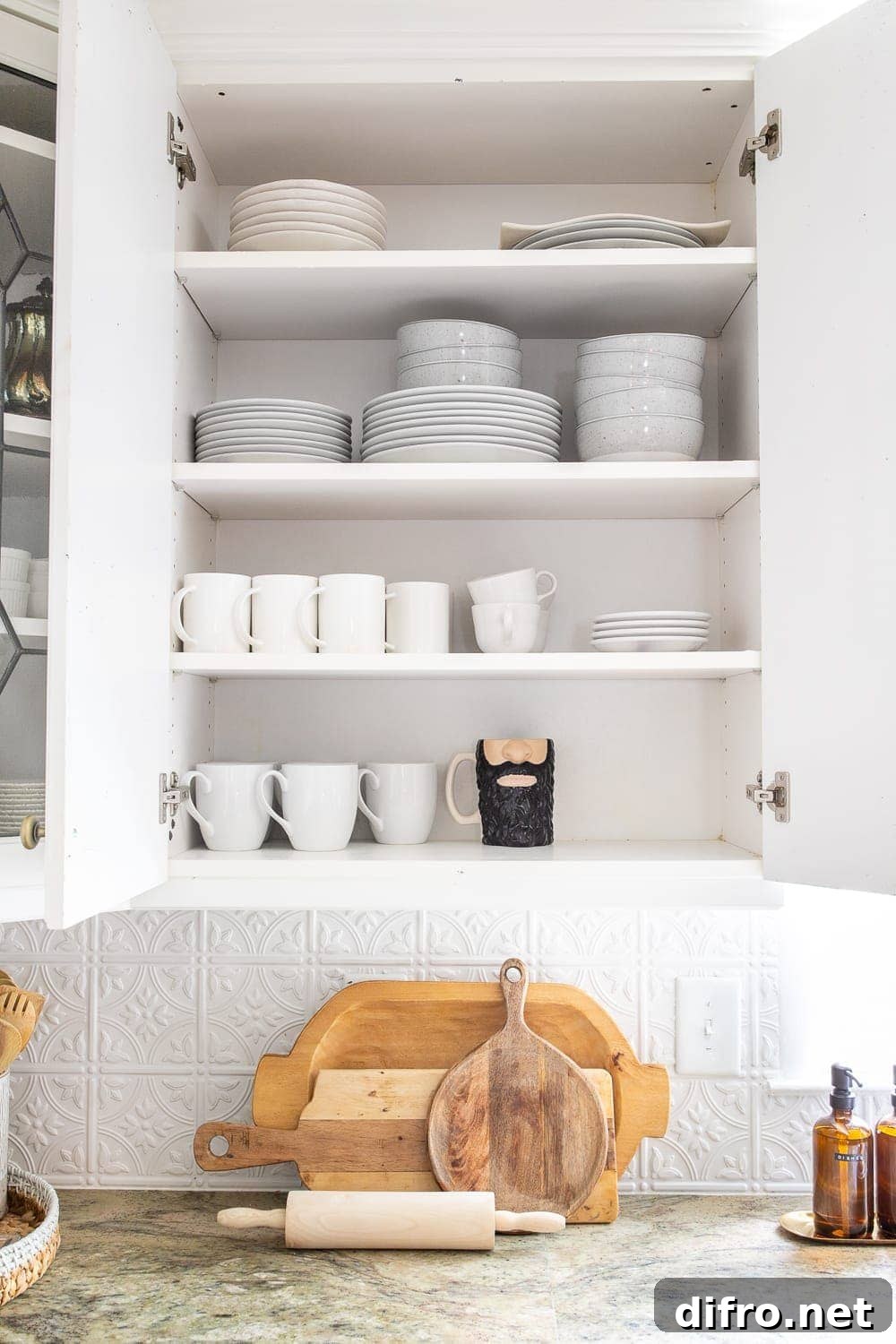
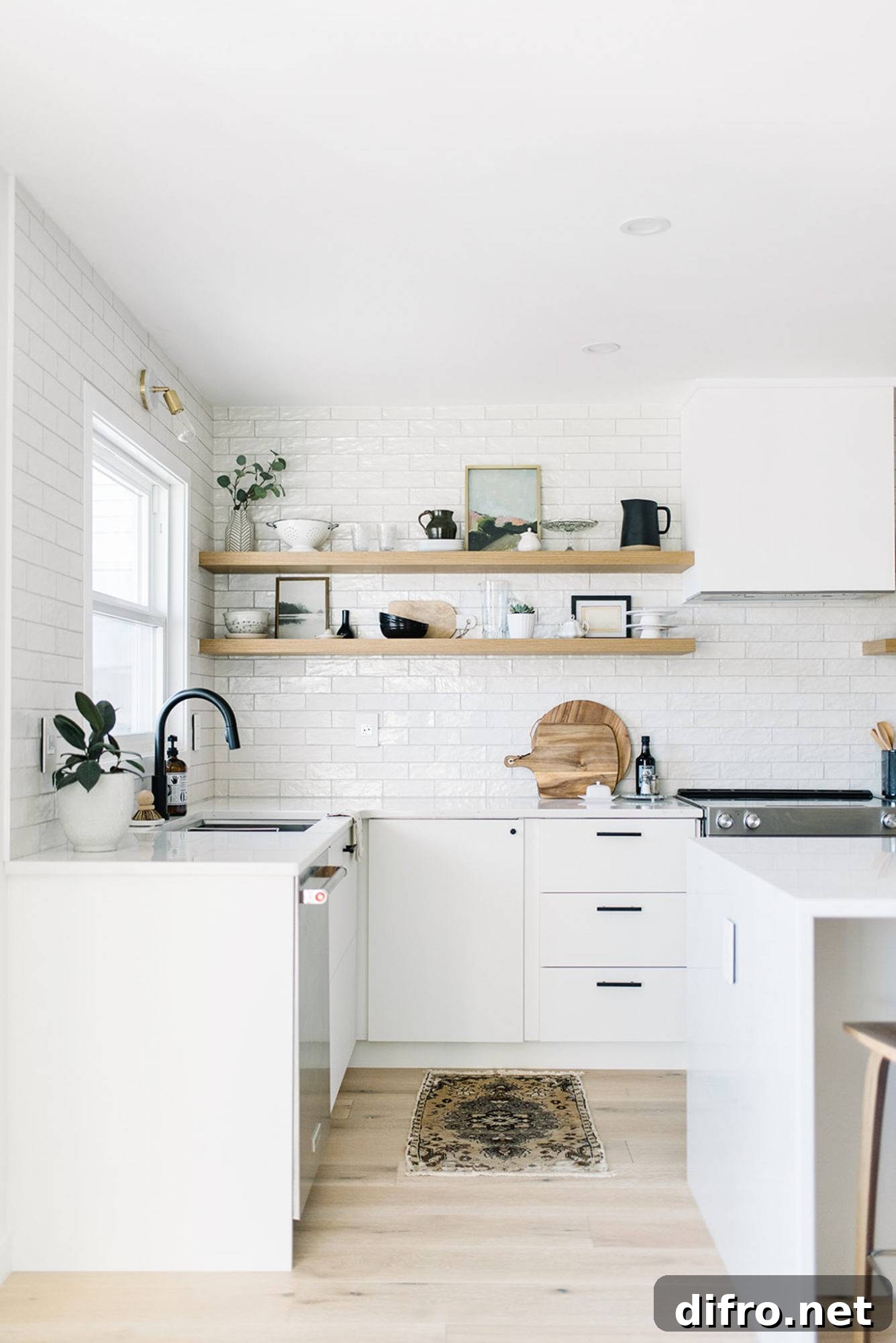
Storage mistakes are among the most common problems in kitchen remodels. Open shelving looks attractive in photos, but it requires careful curation and frequent cleaning. If you rely on everyday dishes and tools, closed cabinetry protects items from dust and keeps the kitchen feeling tidy.
Design a mix of drawer types, pull-out organizers and pantry storage to suit your needs. Deep drawers are excellent for pots and pans, vertical dividers keep baking sheets upright, and pull-out pantries maximize narrow spaces. Glass-front cabinets offer a compromise: they let you display attractive pieces while still providing protection, but keep the layout intentional to avoid visual clutter.
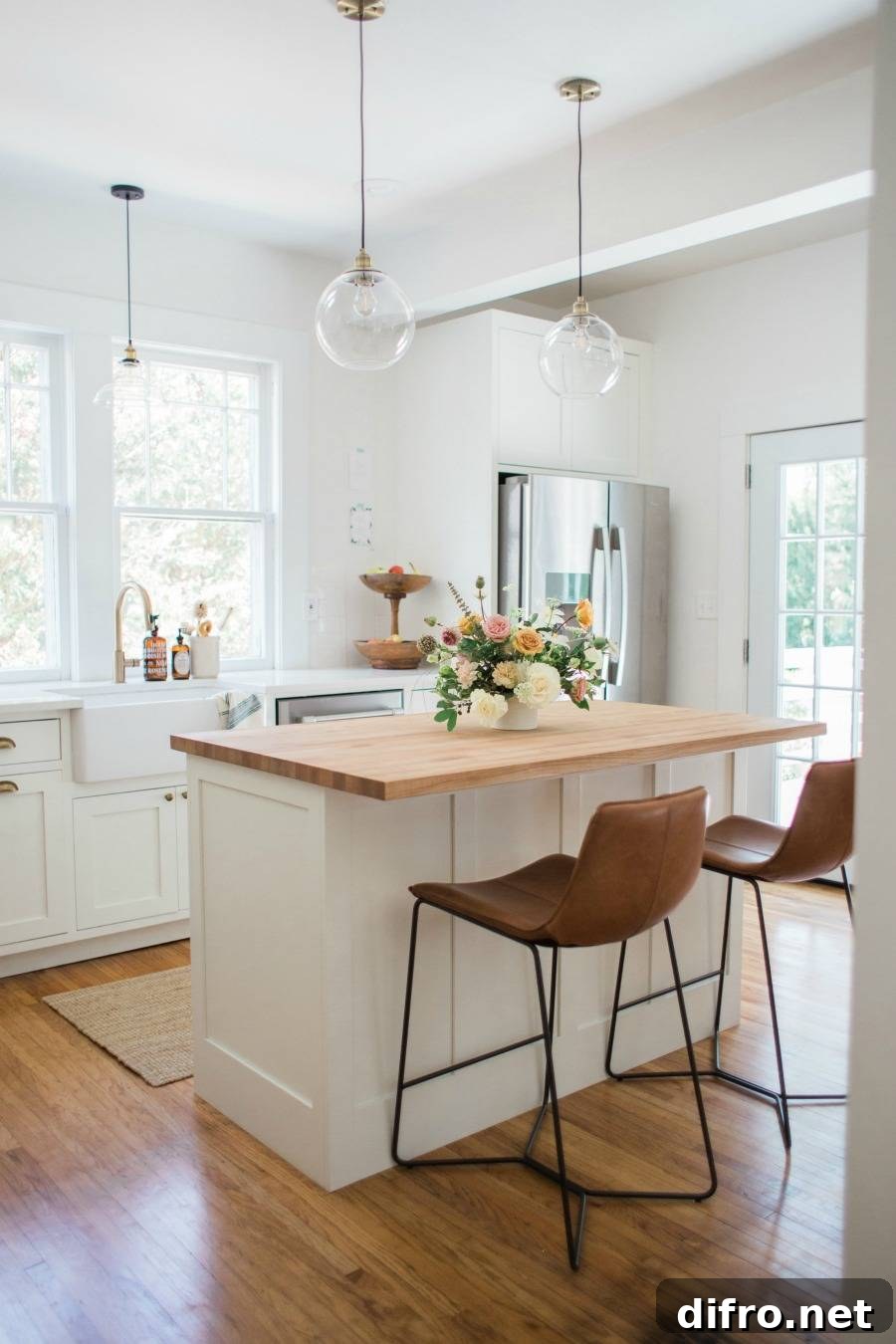
Test materials and finishes before committing
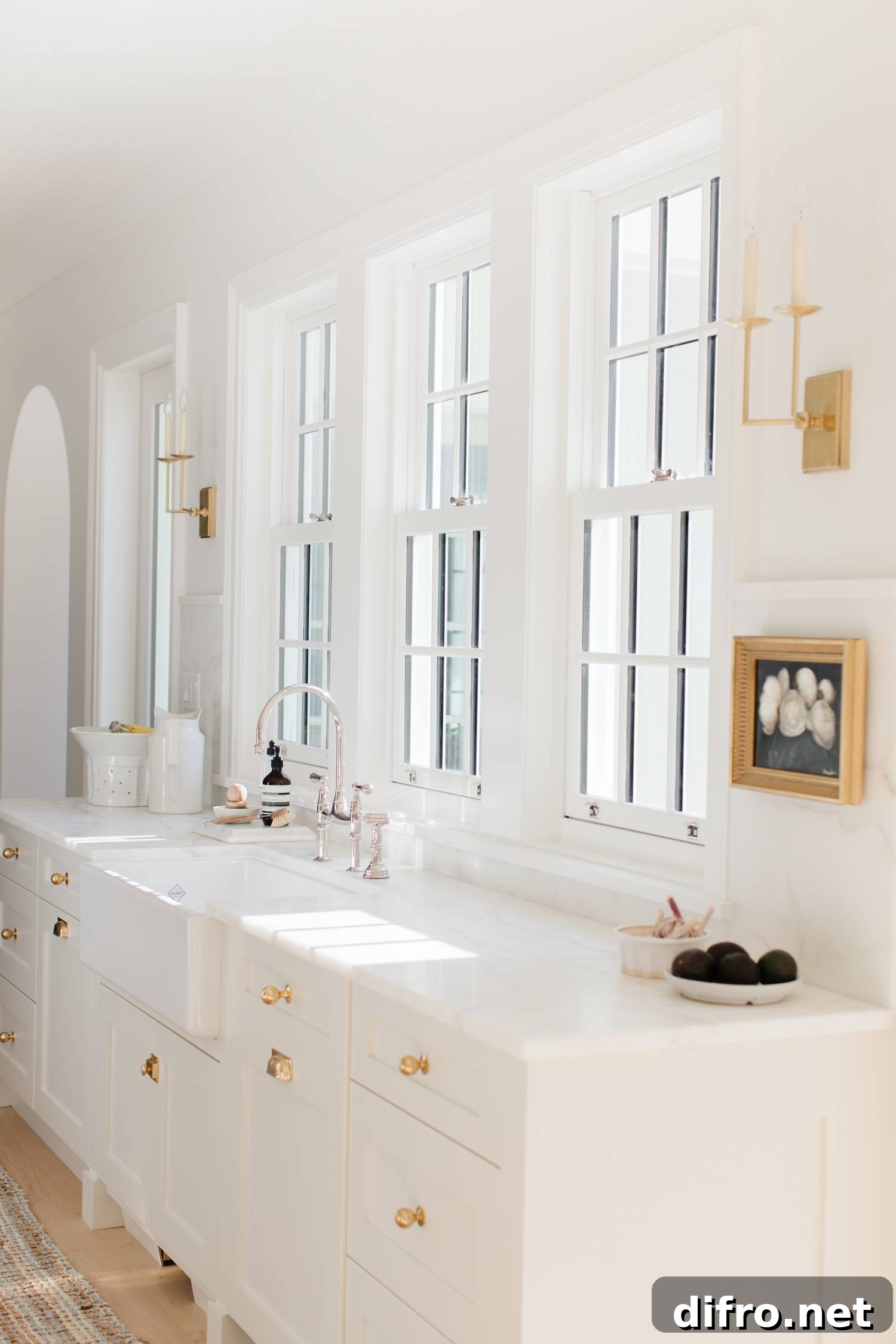
Colors and surfaces can look very different under varying light and next to other finishes. What looks perfect under retail lighting may read differently in your home’s natural or artificial light. Bring samples home and view them at different times of day next to the cabinets, countertops and flooring you plan to use.
Also consider texture and maintenance: matte surfaces hide fingerprints differently than glossy finishes, and some materials require more upkeep. Order or request full-size samples when possible and place them in situ—next to the sink, near task lighting and adjacent to the wall colors you’ll use—so you can evaluate the real-world combination before final decisions.
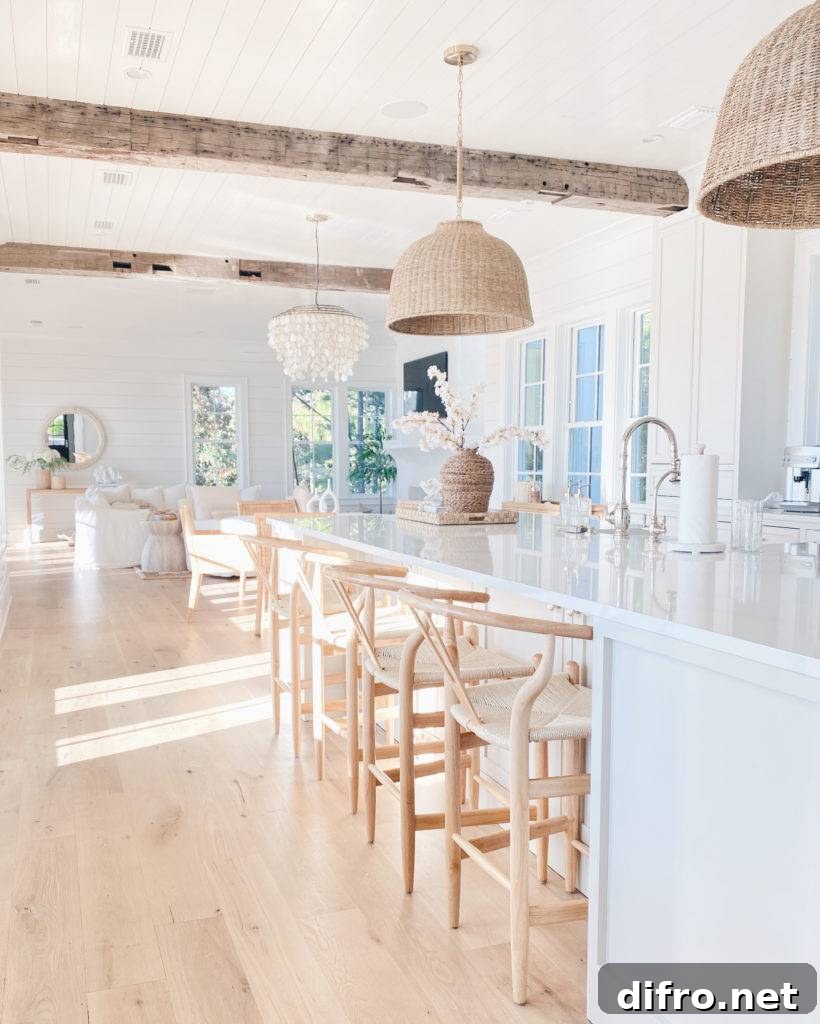
Additional practical tips
Create a realistic budget that includes a contingency for unexpected costs and prioritize elements that affect daily function: layout, storage and durable surfaces. Communicate clearly with contractors about timelines, access and finishes to reduce surprises. Think long term—durable, timeless choices often outlive trendy options and provide better value.
Summary
A thoughtful kitchen renovation balances style with practical needs. Design around your lifestyle, size an island appropriately, provide ample and well-organized storage, and test materials in your home’s lighting. These steps help you avoid common pitfalls and deliver a kitchen that looks great and performs well for years to come.