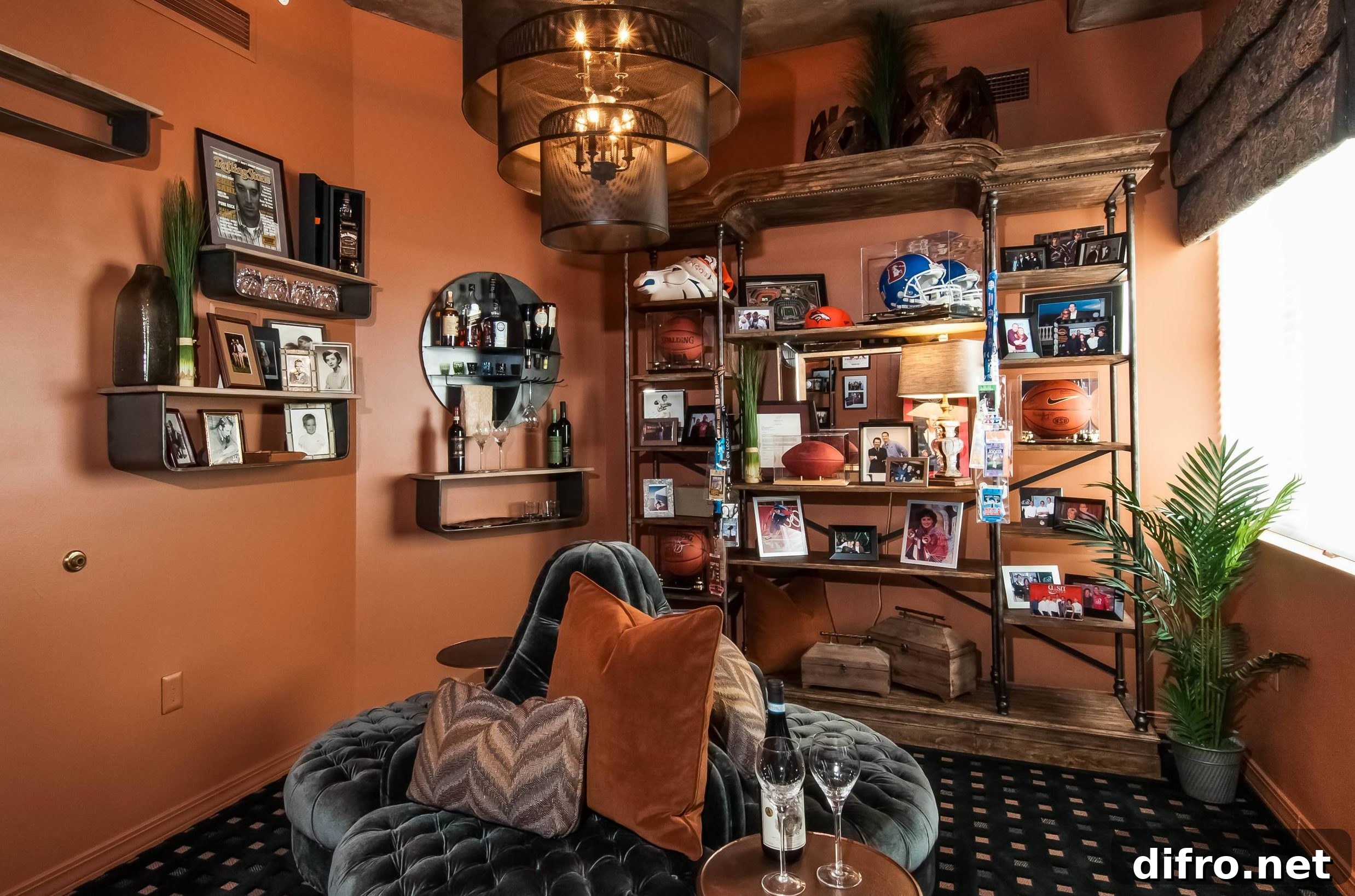
If you enjoy bold, unconventional interiors that bring strong personality and storytelling to a room, steampunk is a style worth exploring. Built around exposed industrial mechanics and complemented by elegant Victorian and gothic accents, steampunk creates spaces that feel both nostalgic and inventive. Below we outline the history, color palette, furniture choices, and finishing touches that help you create an authentic steampunk interior.
Origin
Steampunk emerged from a fascination with the 19th century and the era’s blend of craftsmanship, mechanics, and ornate design. Drawing from Victorian fashion and Gothic motifs while celebrating the visual language of the Industrial Revolution, steampunk exposes mechanical components, gears, and metalwork as deliberate decorative elements. The result is a layered aesthetic that honors both refinement and functional engineering.
Color scheme
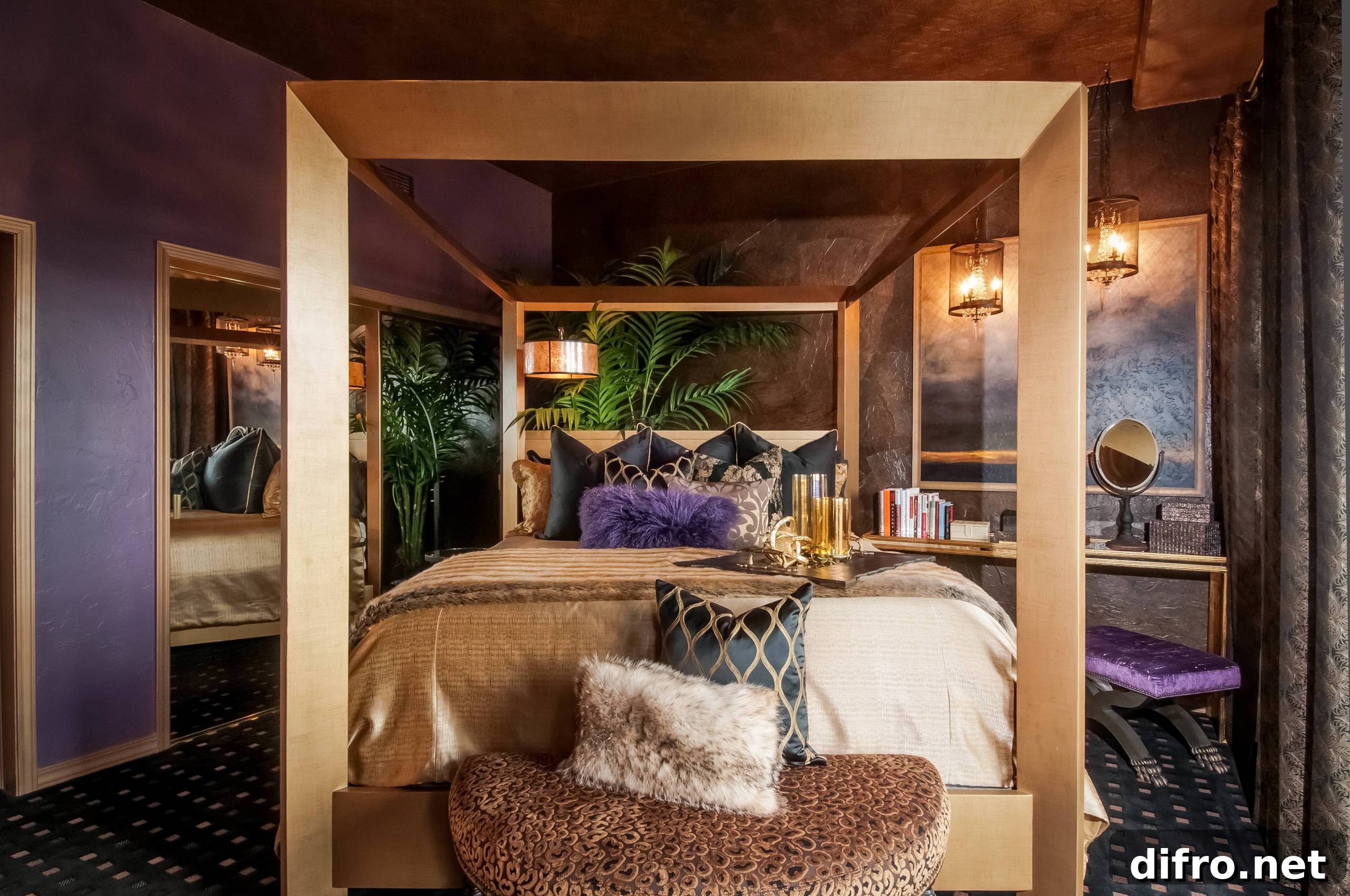
Choosing the right color palette is a key step to achieving a convincing steampunk environment. While Gothic influences might suggest predominantly dark tones, steampunk typically emphasizes warm, aged hues—sepias, burnt orange, muted coppers and bronzes, deep olive, teal, and soft violets. These colors mimic patina and aged metal, while also evoking the warm glow of gaslight and brass fittings.
For a refined look, combine these base tones with metallic accents. Copper, bronze, and aged brass finishes on fixtures, hardware, and accessories add luxury and depth. Upholstery and textiles in warm leathers, faded velvets, or woven wool help balance the harder metallic surfaces with tactile comfort.
Furniture choices to complement the steampunk style
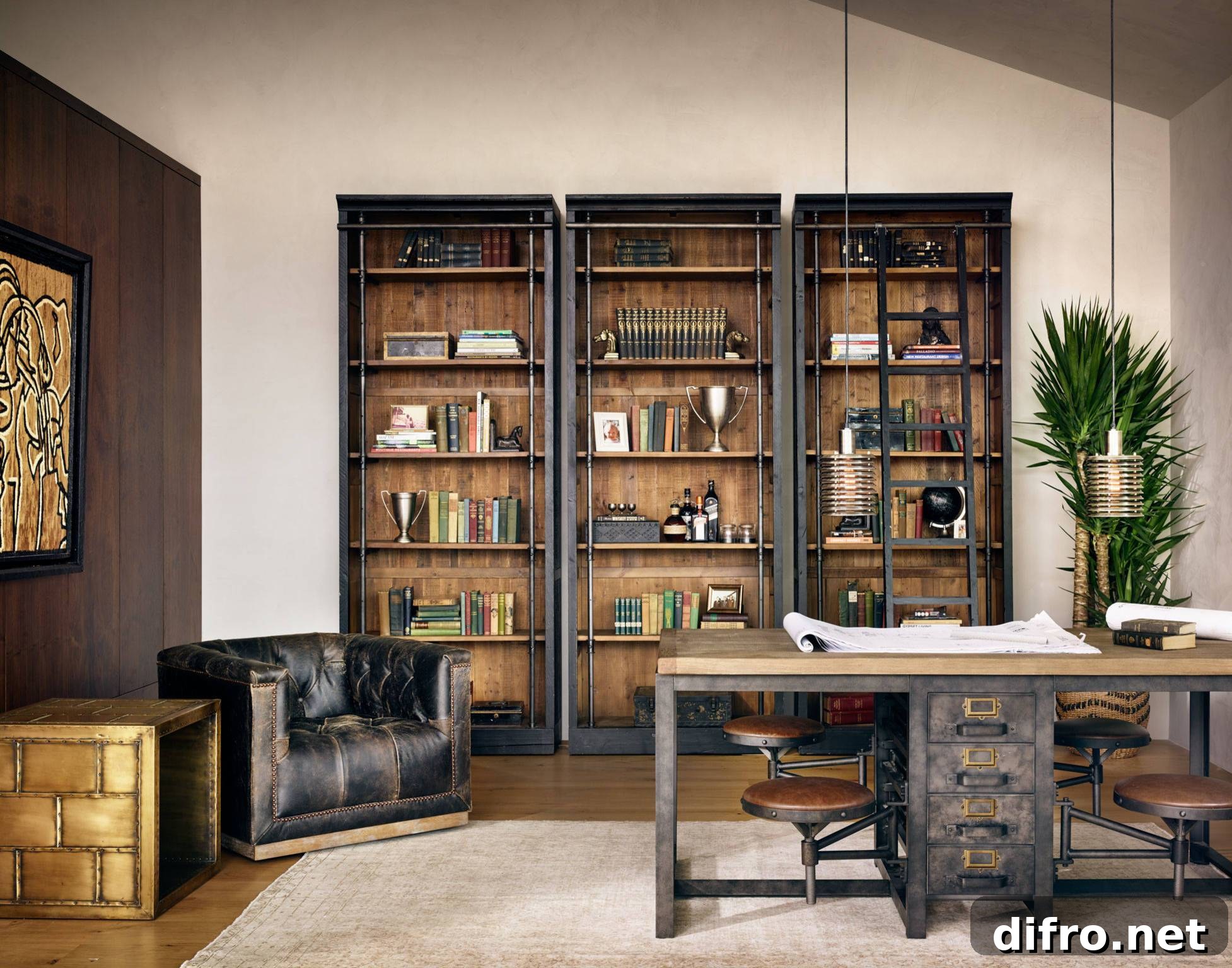
Furniture in a steampunk interior often draws on antique pieces and reclaimed materials. Dark woods such as walnut or mahogany, or reclaimed timbers with visible wear, create the sense of history central to this look. Look for substantial silhouettes, turned legs, carved drawers, and ornate hardware. These elements echo Victorian craftsmanship and give the room instant character.
Industrial-inspired furniture—think metal frames, riveted details, factory-style shelving, and heavy casters—pairs well with antiques to reinforce the mechanical narrative. Leather is another dominant material in steampunk design. A worn leather sofa anchors a living room, while leather-bound chairs, stools, or benches introduce a rugged, tactile quality. Combining bulky industrial pieces with refined Victorian forms creates a dynamic contrast that feels intentional rather than mismatched.
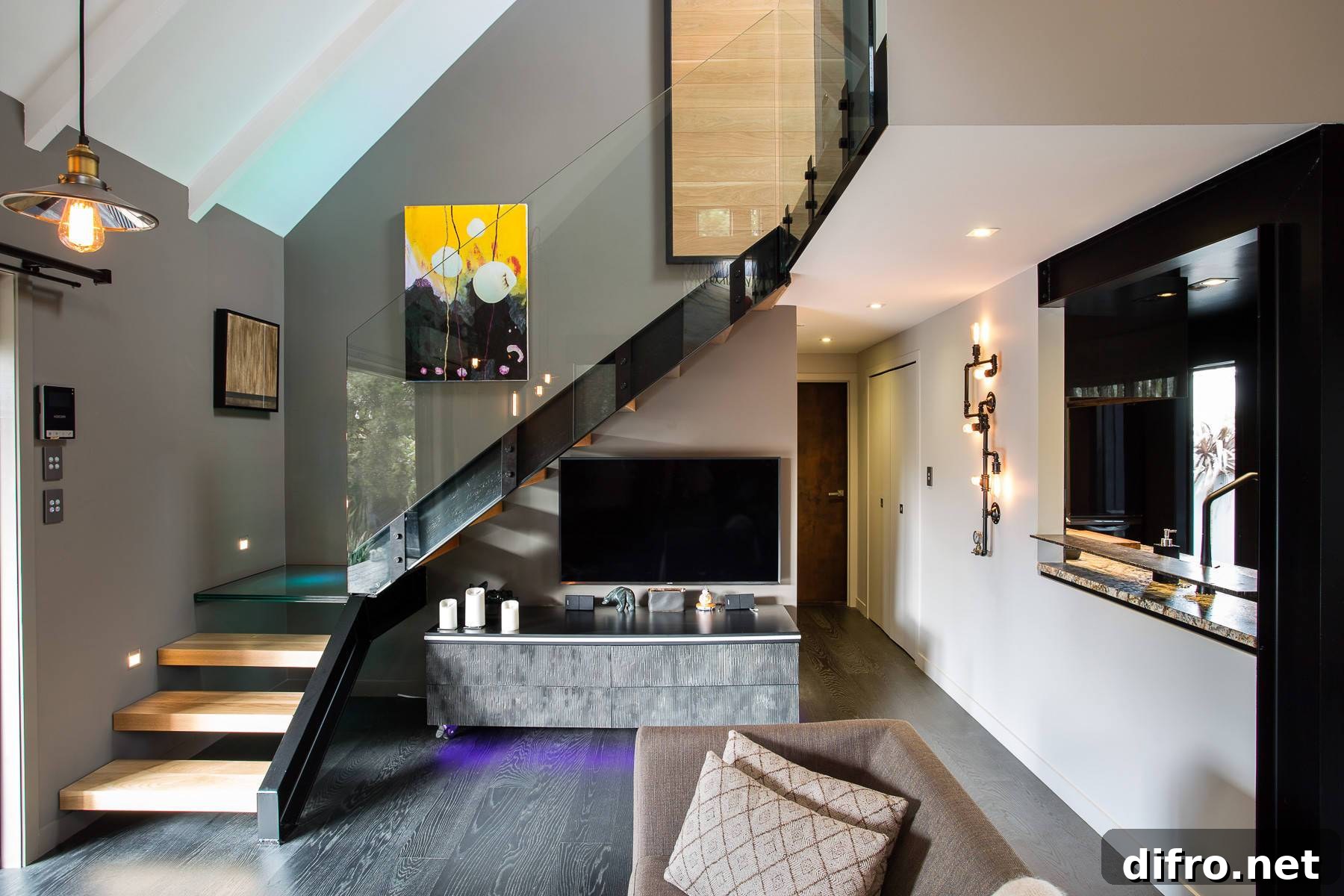
Home accessories
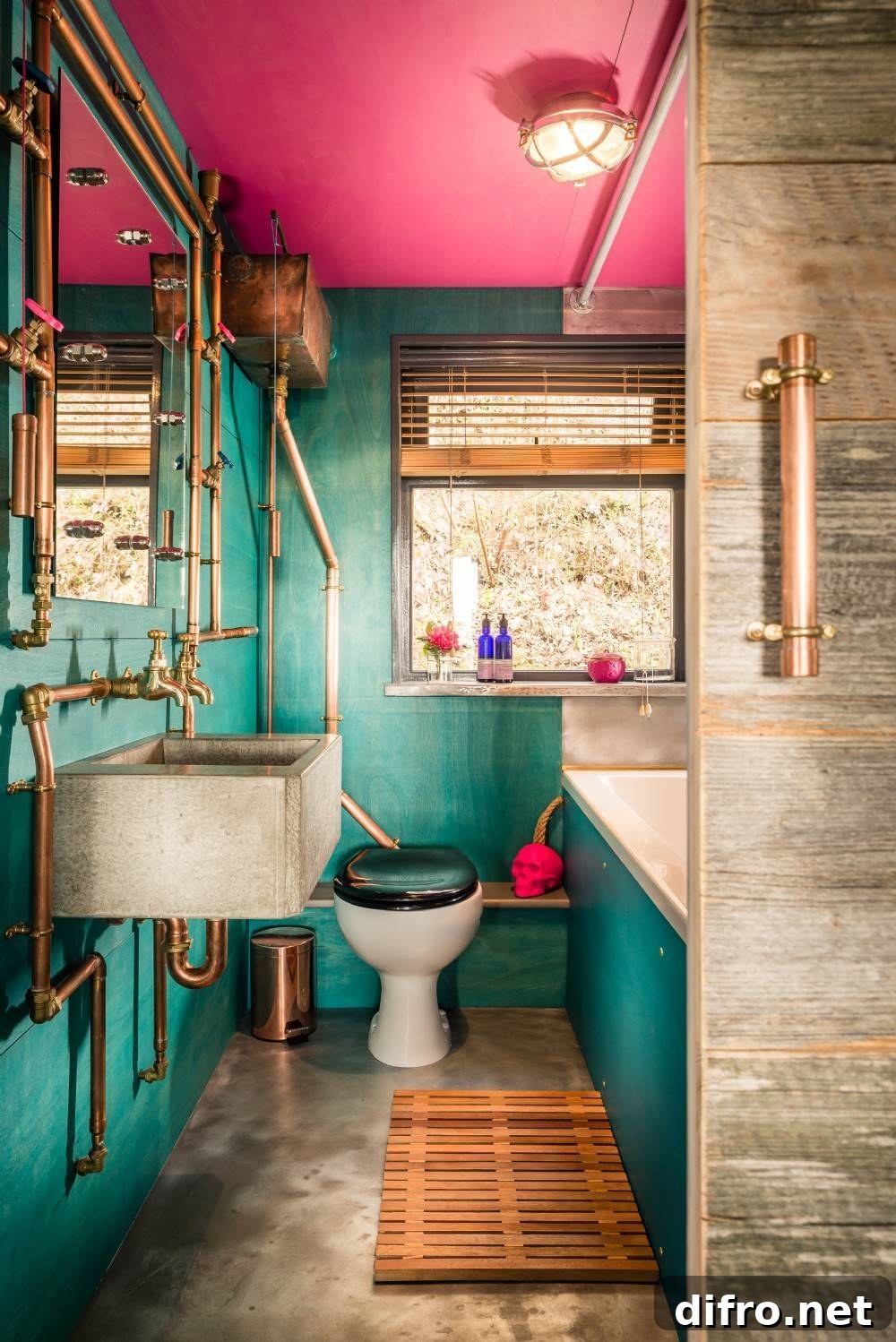
Accessories complete the steampunk story. Decorative machinery parts—gears, clockwork components, pipes, gauges, and brass fittings—work as art pieces, functional shelving brackets, or lighting elements. Authentic antiques or thoughtfully curated reproductions from the Industrial Revolution era lend character and narrative to each room.
Maps, globes, and framed technical drawings reinforce the exploratory, inventive spirit of steampunk. Textured surfaces such as exposed brick, distressed plaster, or textured wall panels add visual depth; if your space lacks original brickwork, consider wallpaper or panels that replicate the effect. Layer rugs, throws, and cushions in rich textures to soften hard surfaces and make the room comfortable.
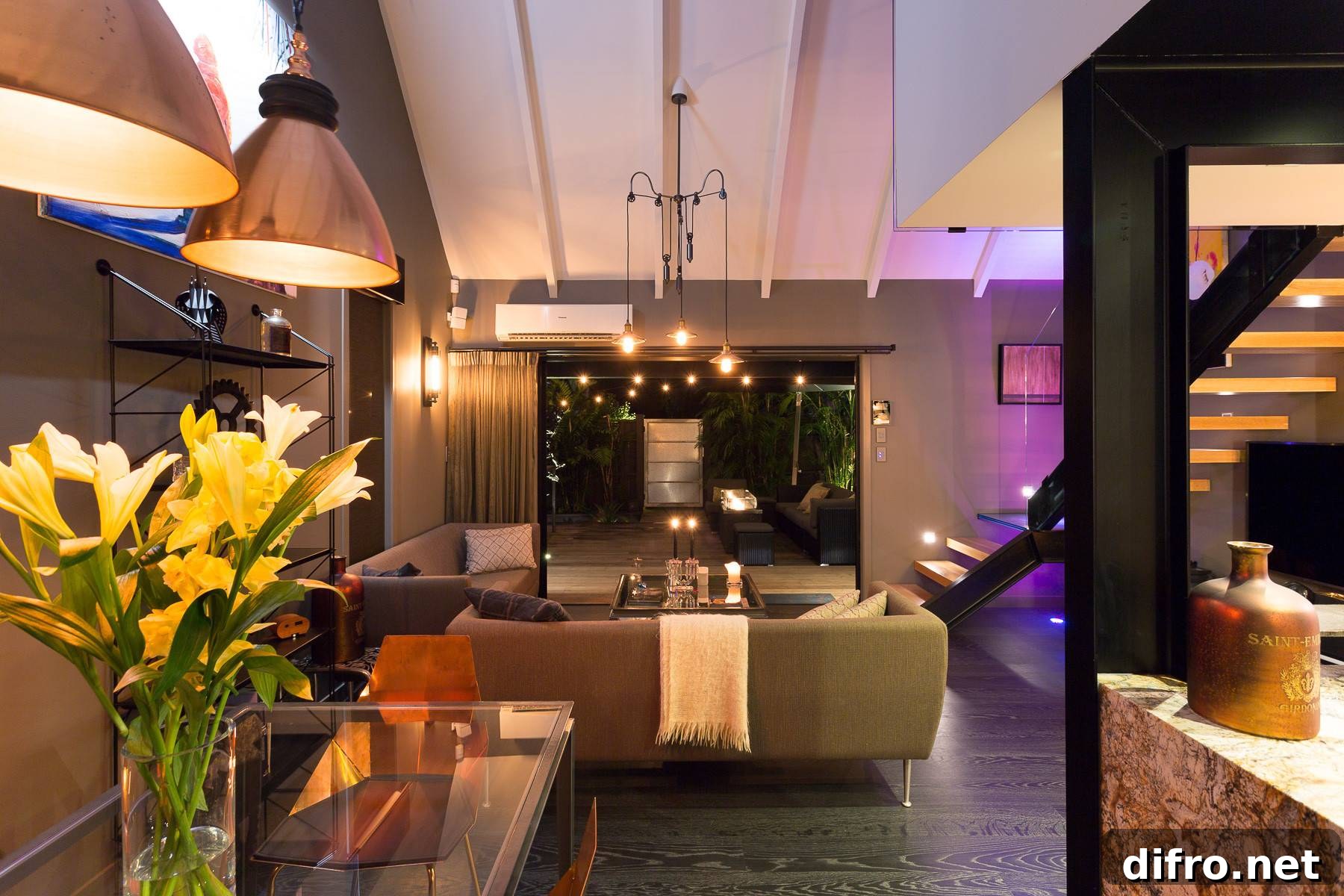
Lighting plays a crucial role in setting mood. Edison bulbs, lantern-style pendants, and adjustable task lamps in brass or copper bring warmth and highlight key features. Consider mixed lighting layers—ambient, task, and accent—to showcase metal finishes, carved wood details, and artwork.
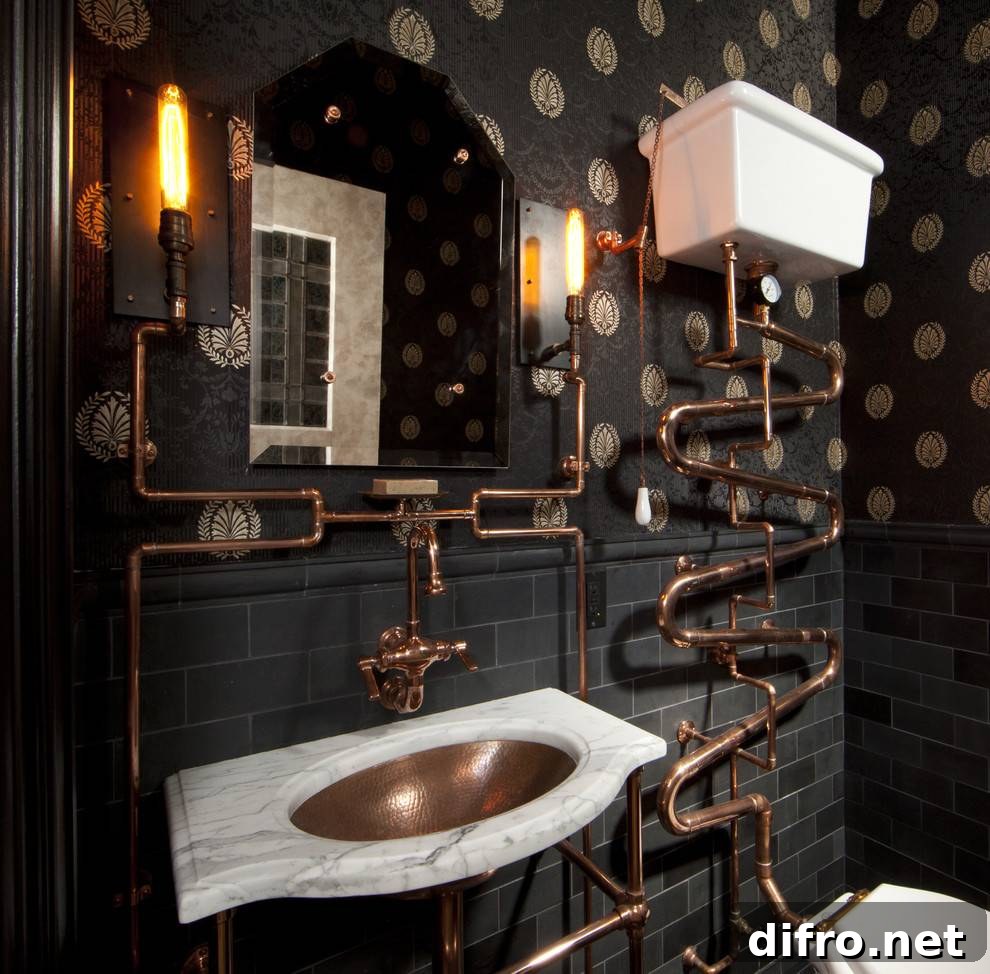
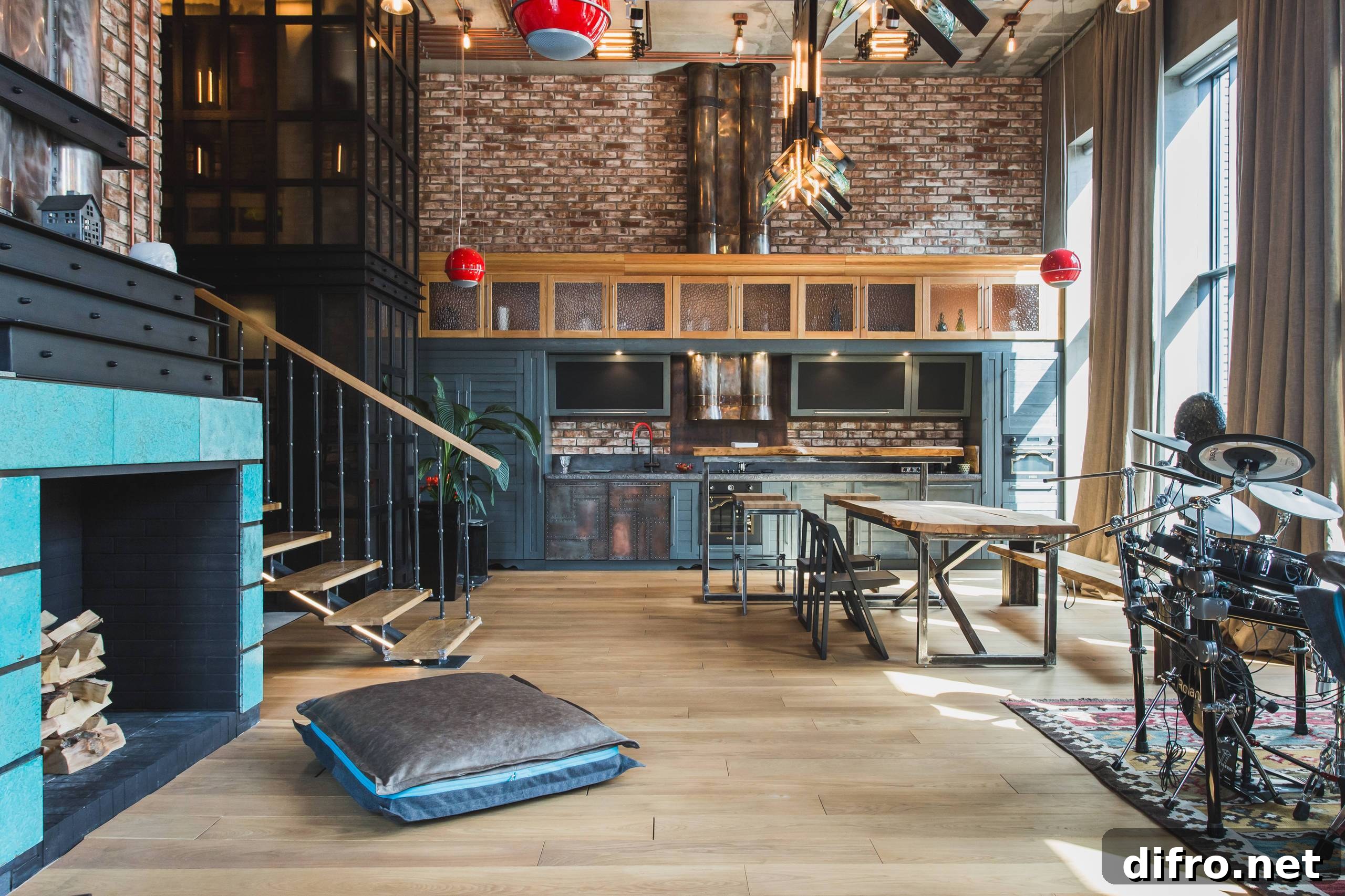
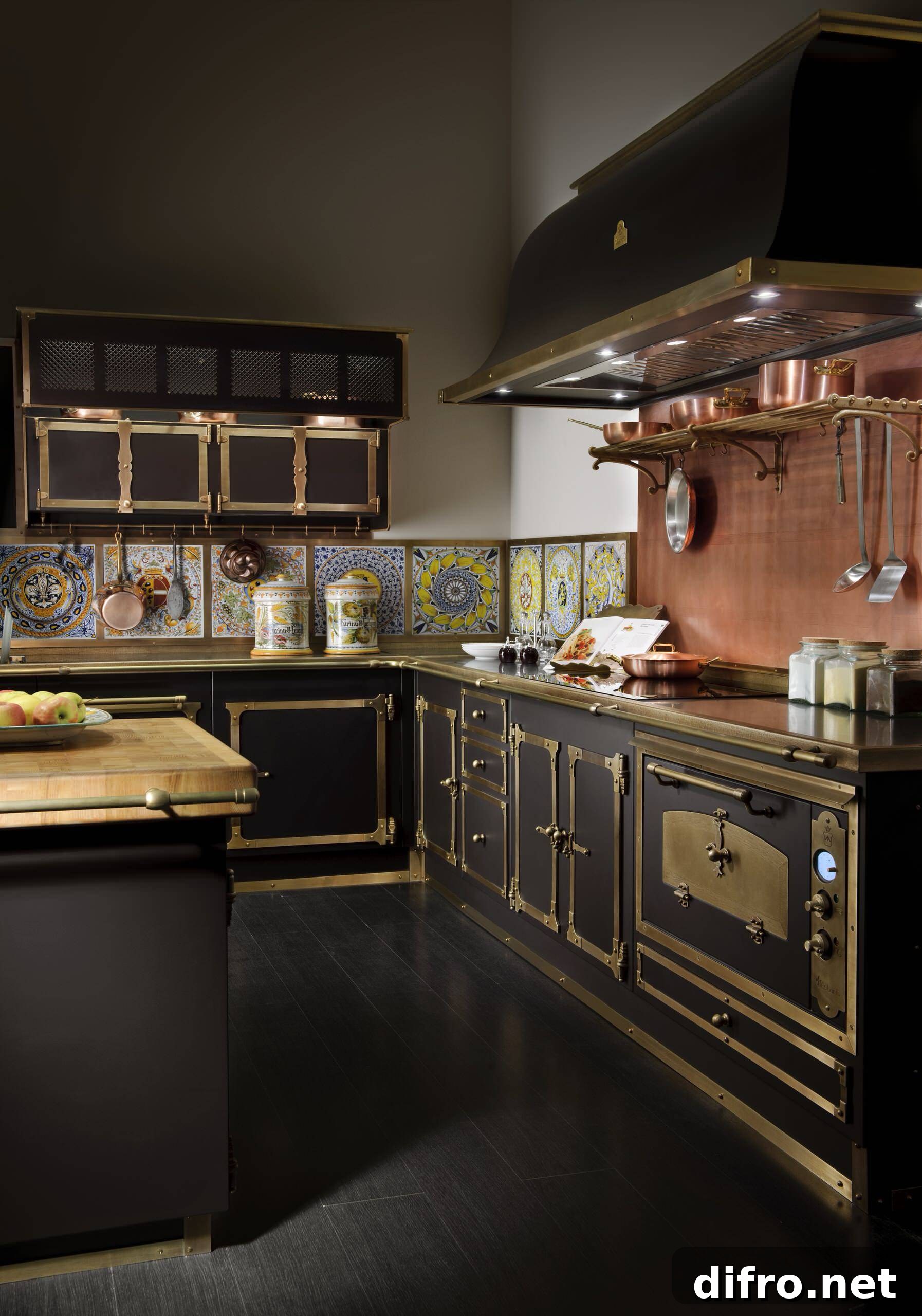
To build a coherent steampunk scheme, start with a clear color palette and a handful of signature pieces—an antique desk, a leather sofa, a brass light fixture—then layer in smaller mechanical accents and textiles. The style is inherently eclectic, so mixing eras and materials is encouraged, but keep balance by repeating key colors and finishes throughout the space. With thoughtful sourcing and a focus on texture, you can create a steampunk interior that feels both lived-in and deliberately designed.