It’s easy to miss the subtle shift between seasons when life is busy, but the move from warm summer days to crisp autumn air — and eventually to winter — is unmistakable. You can sense it in the temperature and in the changing landscape. Just as you switch wardrobes, your home benefits from a few deliberate changes to become warmer, cozier, and more inviting for colder months. Small, thoughtful updates can transform your house into a comfortable winter retreat.
1. Improve Your Home Insulation
Good insulation is the foundation of a warm, energy-efficient home. From window glazing and door seals to attic and wall insulation, each element helps keep heat where it belongs. Replace cracked or single-pane windows with energy-efficient panes when possible, and use heavier curtains to reduce heat loss at night. Inspect and service your heating system before temperatures drop to ensure reliable performance. If you have an attic, add or refresh insulation there — it’s one of the most cost-effective ways to reduce heat loss and lower heating bills while keeping living spaces consistently warmer.


2. Let in Natural Light and Heat
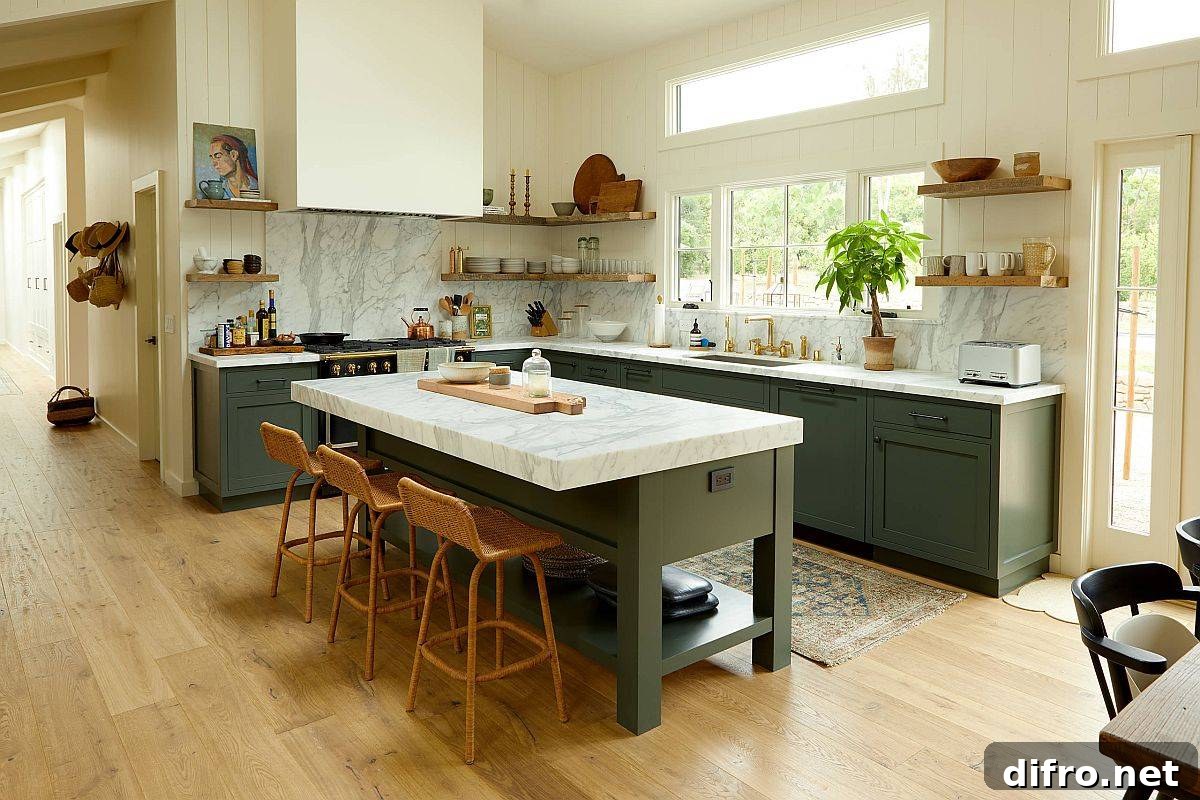
While you want to keep the cold out, daylight and solar heat are valuable allies during cooler months. Maximize sunlight by opening curtains and blinds during the day, then closing them at sunset to trap daytime warmth. Consider clerestory windows or other high glazing to bring light deeper into the home without creating excessive heat loss at ground level. Even a sunny corner in the living room can act as a makeshift sunroom for morning coffee, increasing both light and comfort without major renovations.
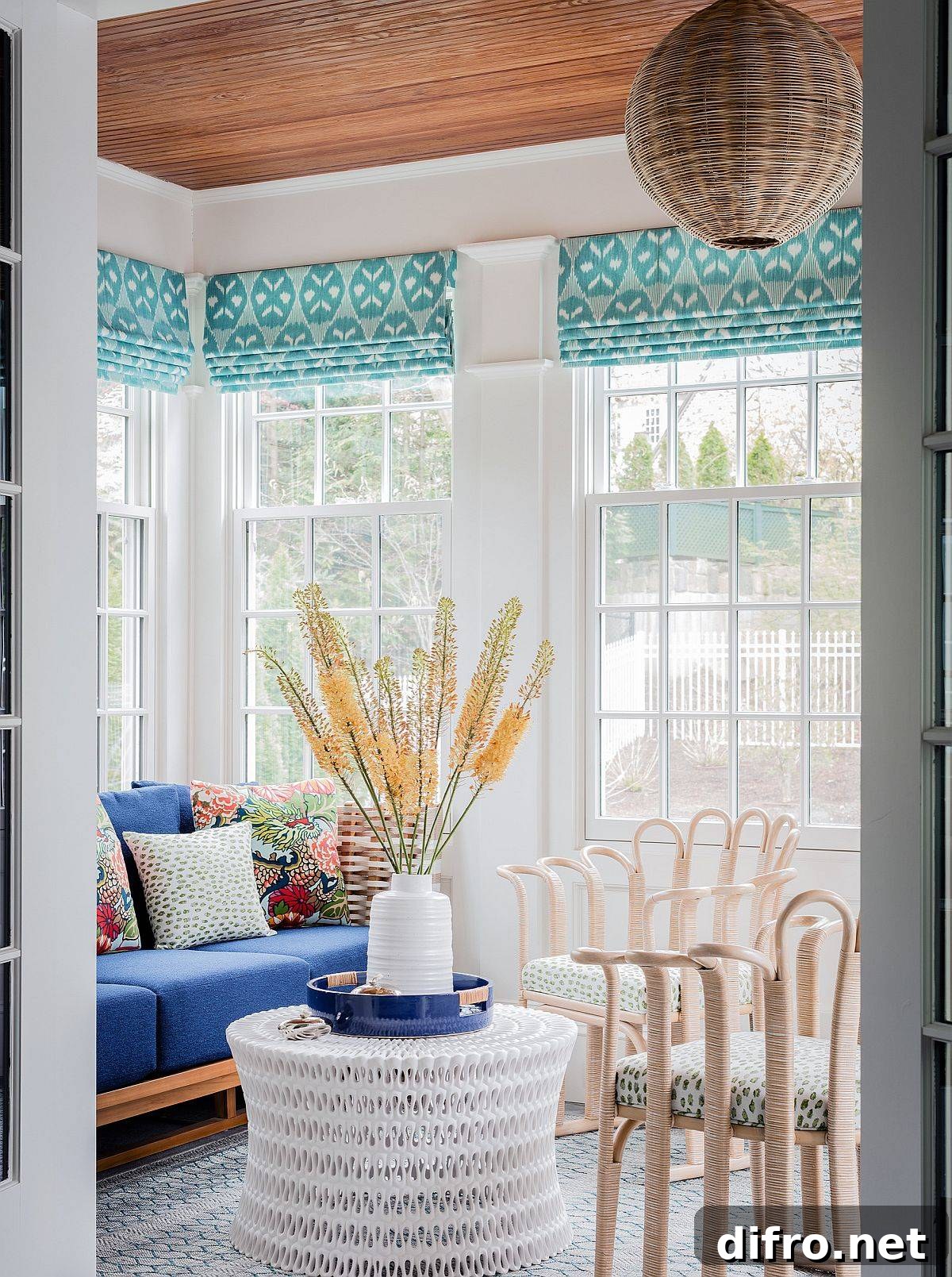
3. Bring Woodsy Warmth Indoors
Wood surfaces introduce both visual warmth and practical insulation. A wooden accent wall, reclaimed wood panels, or timber shelving add texture, depth, and a cozy cabin-like feel while also improving thermal performance in some cases. Wood tones contrast beautifully with soft textiles and layered lighting, creating a welcoming, tactile interior. Even small wood details — a mantel, a coffee table, or picture frames — contribute to a warmer atmosphere that feels intentional and grounded for the season.

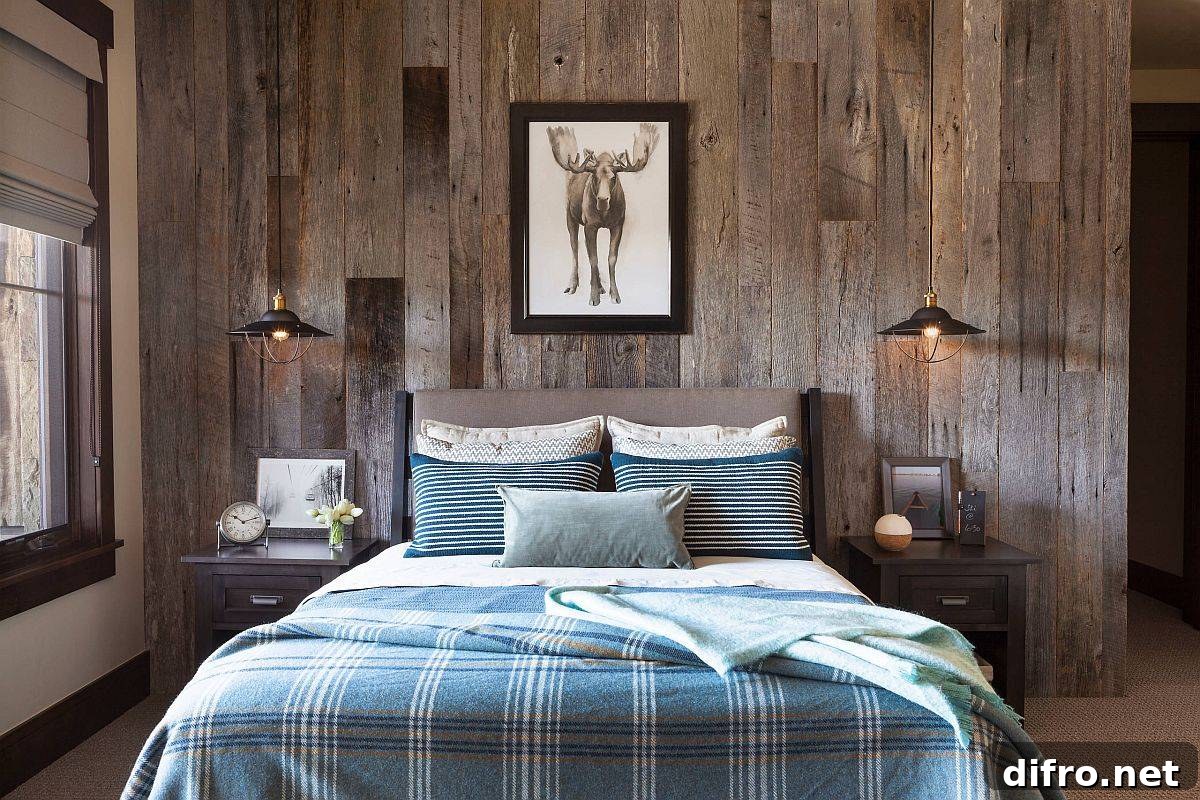
4. Add a Fireplace
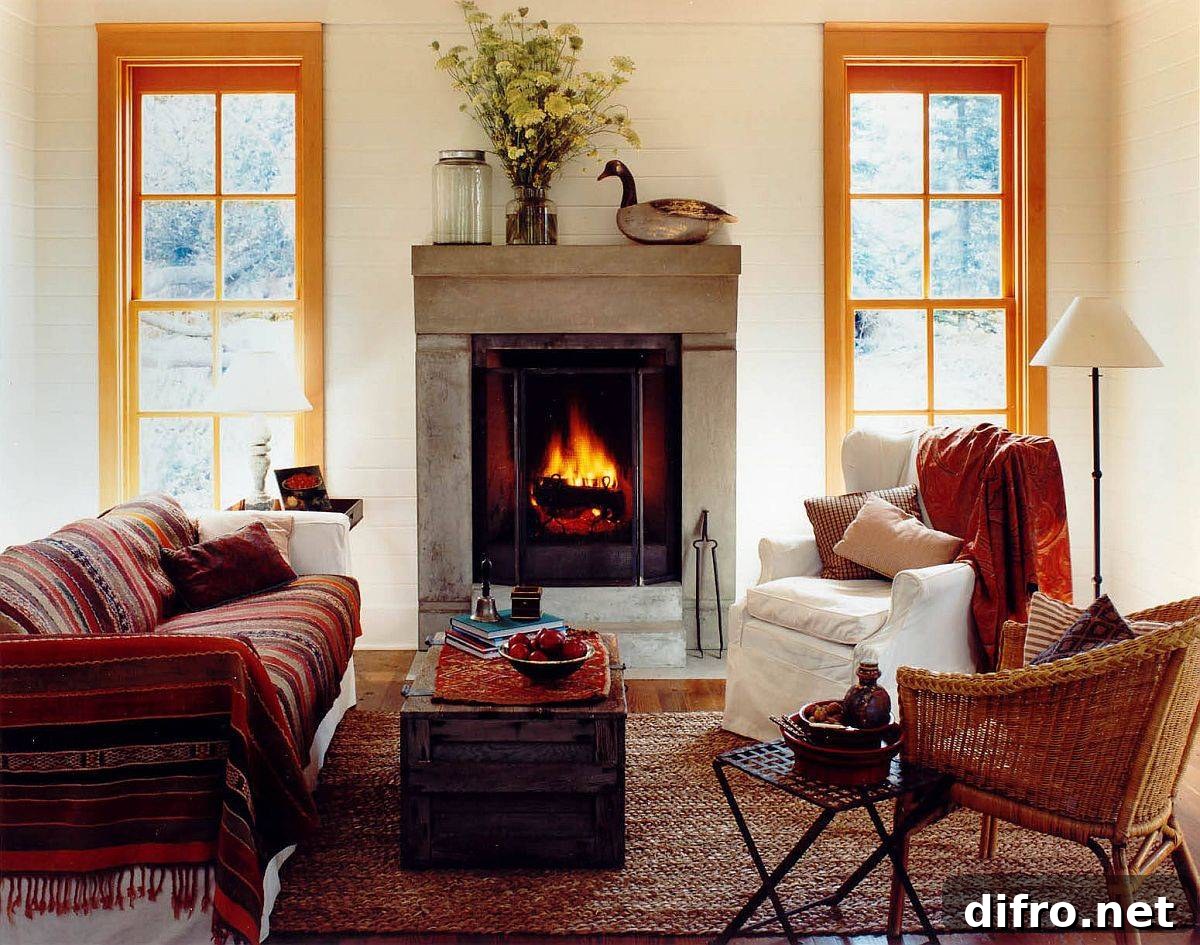
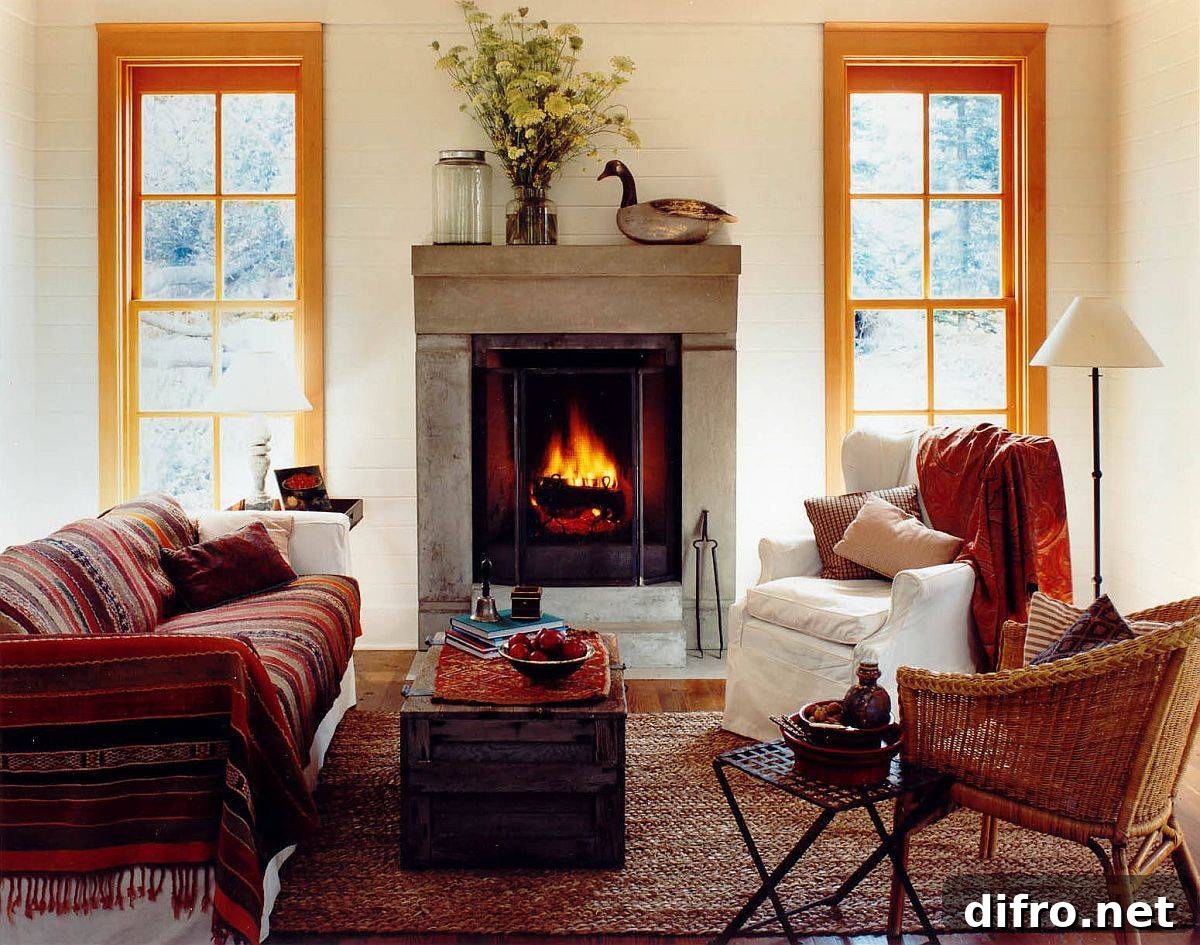
A fireplace is both practical and atmospheric. Whether traditional or contemporary, a fireplace provides immediate warmth and becomes a focal point that draws people together. Two-sided or multi-sided fireplaces work well in open-plan homes, sharing heat between living and dining areas. Stacked firewood by the hearth enhances the aesthetic and reinforces that comforting, lived-in feeling. If a built-in fireplace isn’t possible, consider a high-quality electric or gas unit to recreate the glow and warmth with minimal installation.

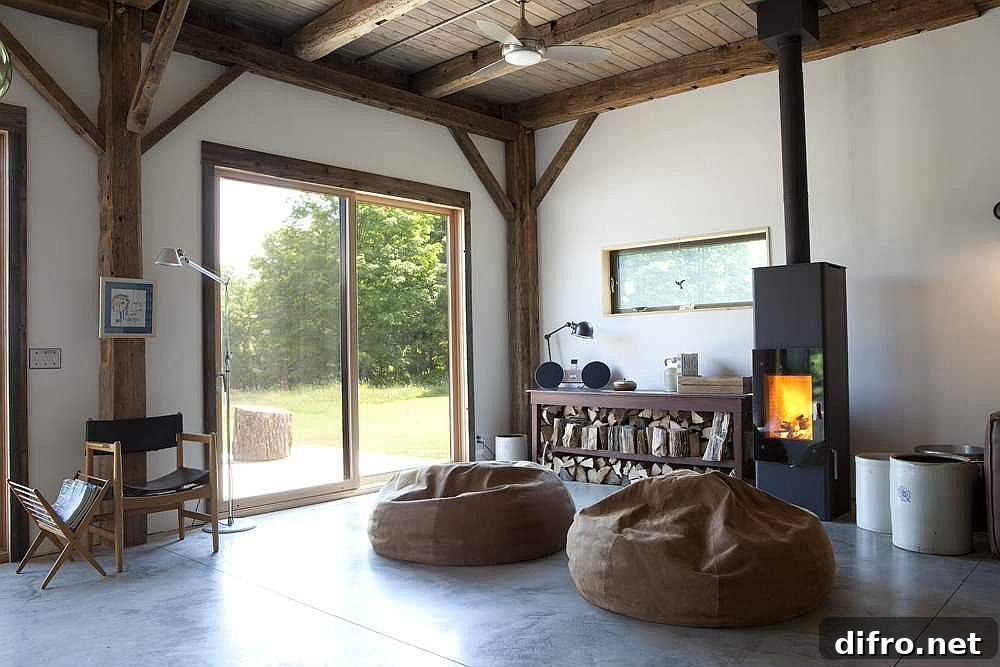
5. Create an Inviting Entry and Living Space
Your entryway and main living areas set the tone for the whole home. Prepare the entry for increased traffic with a durable rug, a bench for removing boots, and hooks or a small wardrobe for coats and hats. In the living room, arrange seating to face the fireplace or a cozy focal point, and add bookshelves or a curated stack of books to enhance the intimate, lived-in feeling. Mantels and shelves provide places to place seasonal decor — think natural elements, candles, and textured accents that complement the season without overcrowding the space.
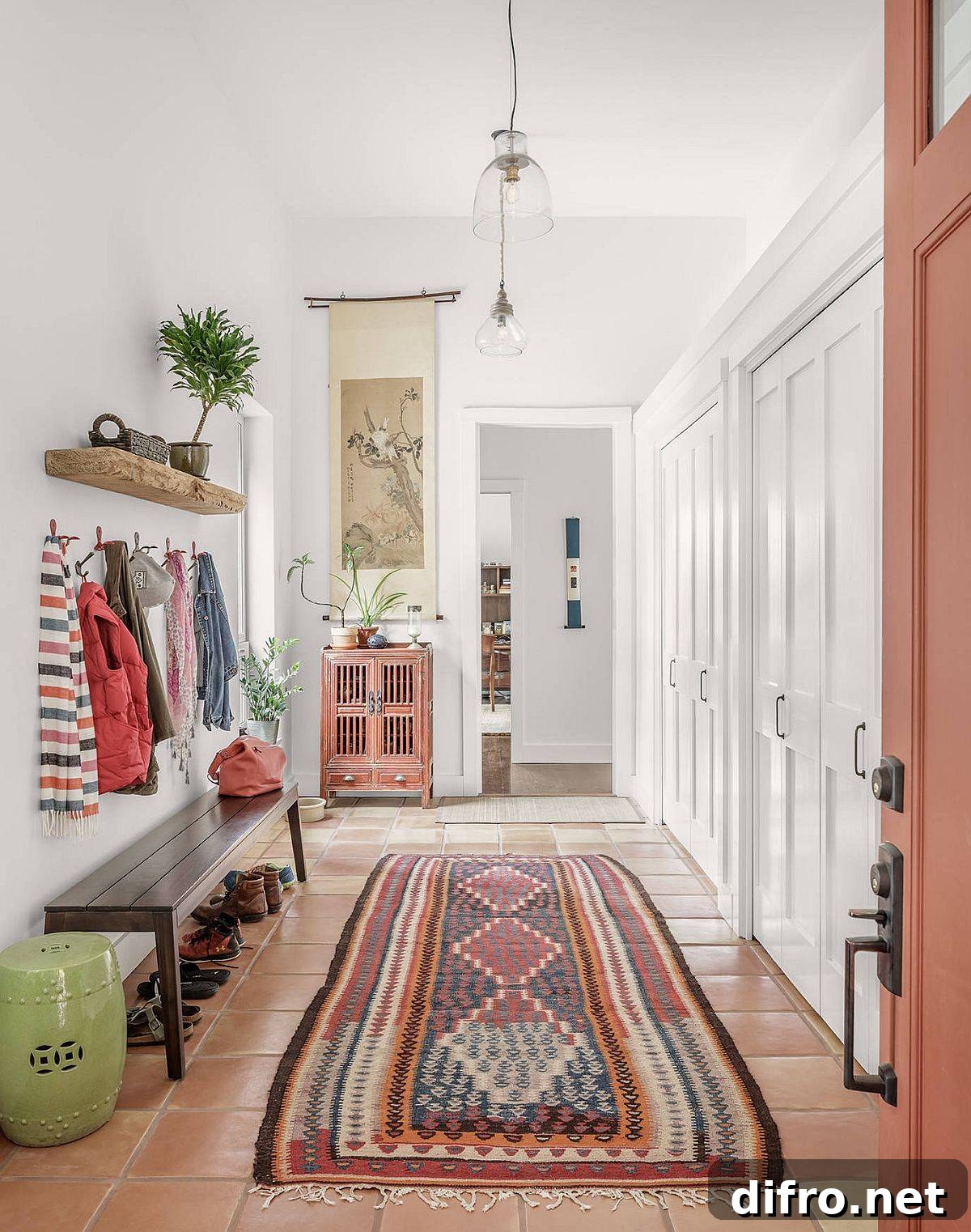

6. Make the Bedroom Pamper You
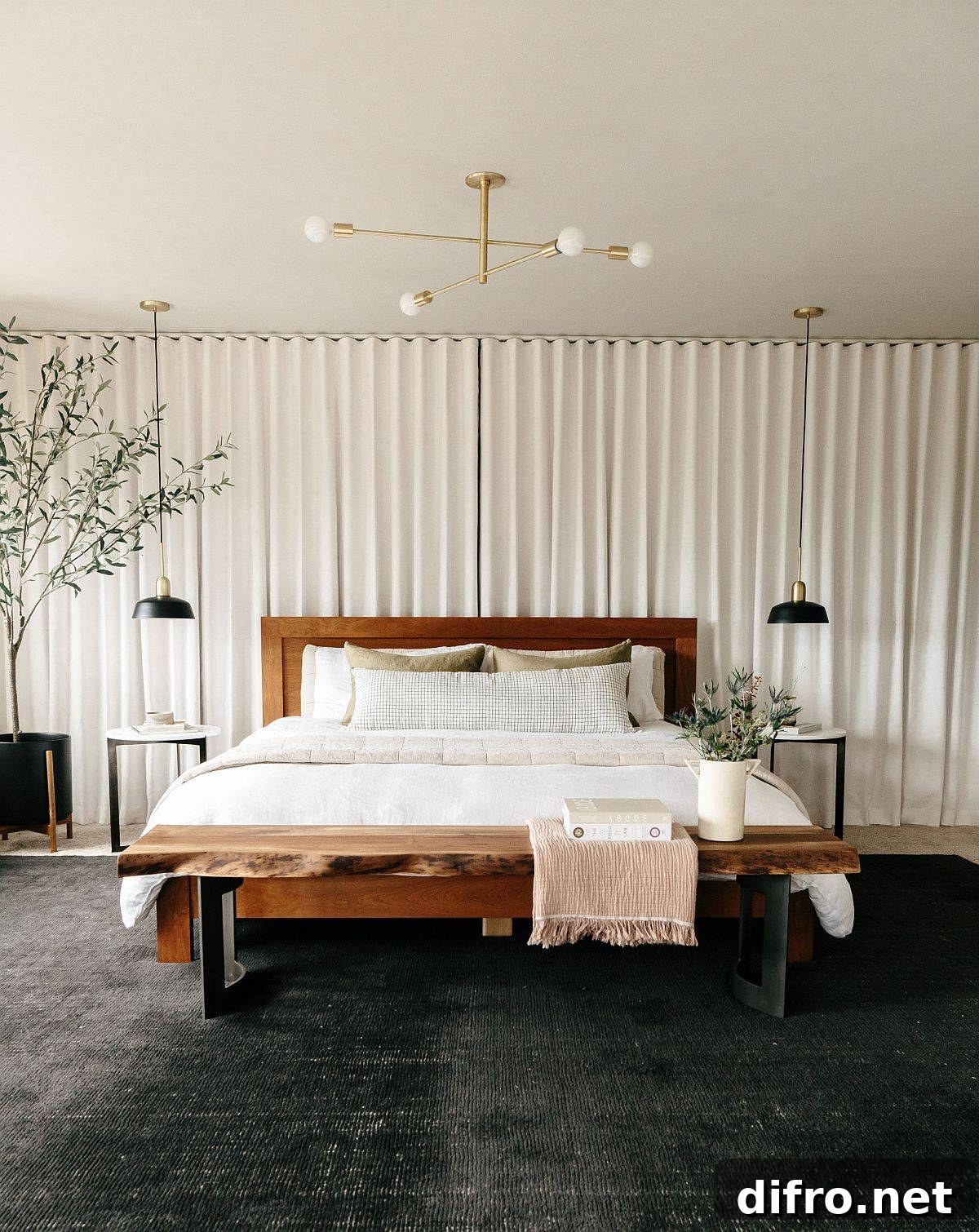
The bedroom should be a sanctuary from cold days. Layer soft, insulating textiles like thick duvets, wool blankets, and plush throws to increase warmth and visual comfort. Choose curtains that coordinate with bedding to improve insulation and block drafts at night. Add a window seat or an upholstered bench if space allows, and include multiple light sources — bedside lamps, wall sconces, or candles — to create a calm, inviting glow. Small details like a soft rug by the bed and a few carefully chosen cushions make a big difference in how cozy the room feels.