Choosing the right planters is one of the simplest ways to transform an outdoor space. While it’s easy to grab generic pots at the garden center, a thoughtful choice or a DIY project will elevate both the look and the health of your plants. Whether you prefer modern minimalism, vintage charm, or colorful DIY accents, these outdoor planter ideas offer creative, practical ways to showcase greenery and flowers.
Below are nine distinctive planter styles to inspire your next outdoor upgrade. Each concept works for different budgets and spaces, and most can be customized to match your taste and planting needs.
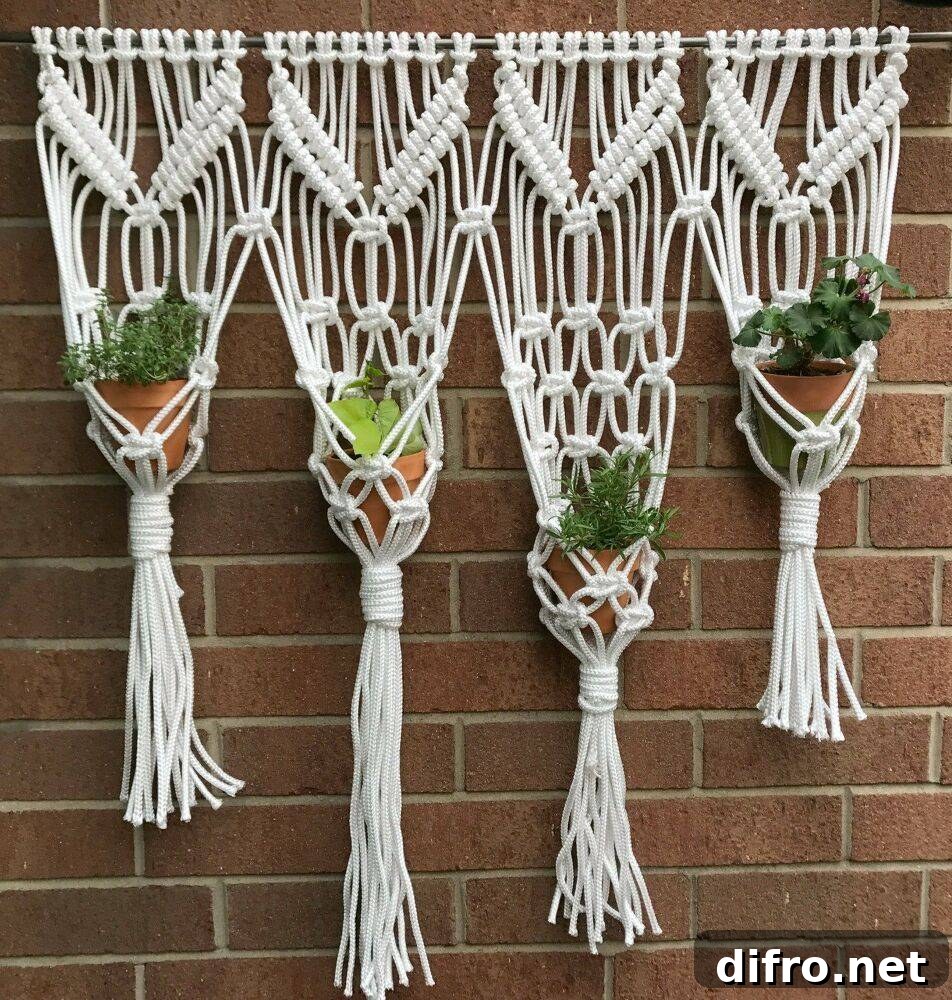
1. Hanging planters
Hanging planters are perfect for small yards, patios, balconies, or shaded corners. They add vertical interest and free up ground space while bringing eye-catching layers of foliage and flowers. You can choose manufactured metal or ceramic hanging pots, or craft your own from bottles, macramé, or upcycled containers. Group several at different heights for a lush, cascading effect that draws attention without crowding the floor.
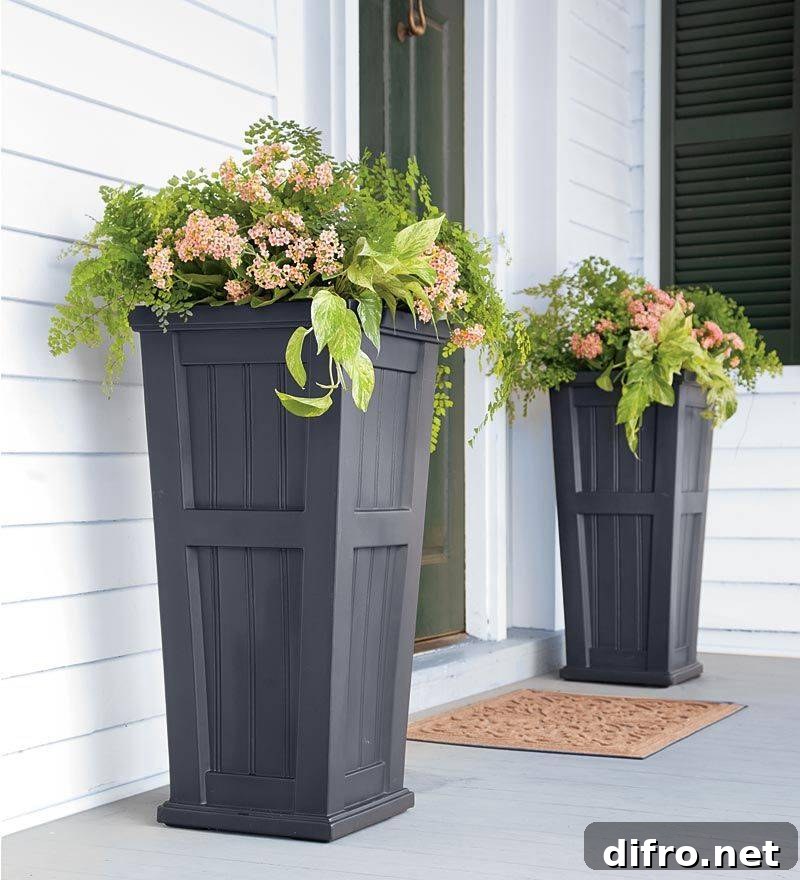
2. Freestanding planters
Freestanding planters sit directly on the ground or on pedestals and make strong style statements. Available in metal, wood, terracotta, concrete, and resin, these freestanding vessels fit entryways, patios, and garden focal points. Choose a dramatic large planter for a sculptural impact, or mix several sizes and materials for a layered, curated look.
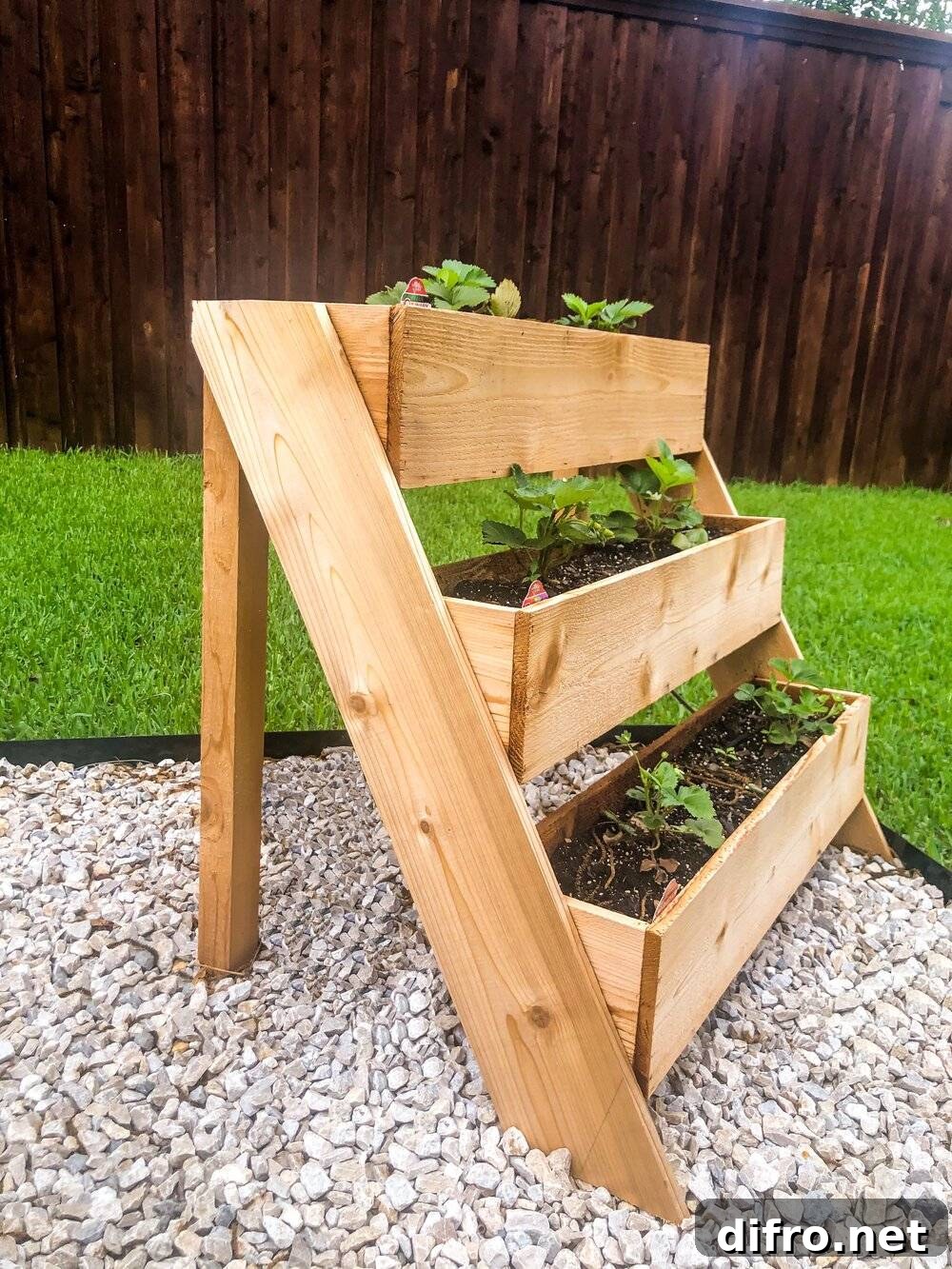
3. Tiered planters
Tiered planters add height and structure, making them ideal for creating visual interest in small or medium spaces. With stacked levels you can plant different varieties together—mix trailing plants on the top tiers with compact or mounded varieties below. Tiered designs are excellent for color coordination, seasonal displays, and maximizing planting area without expanding your footprint.
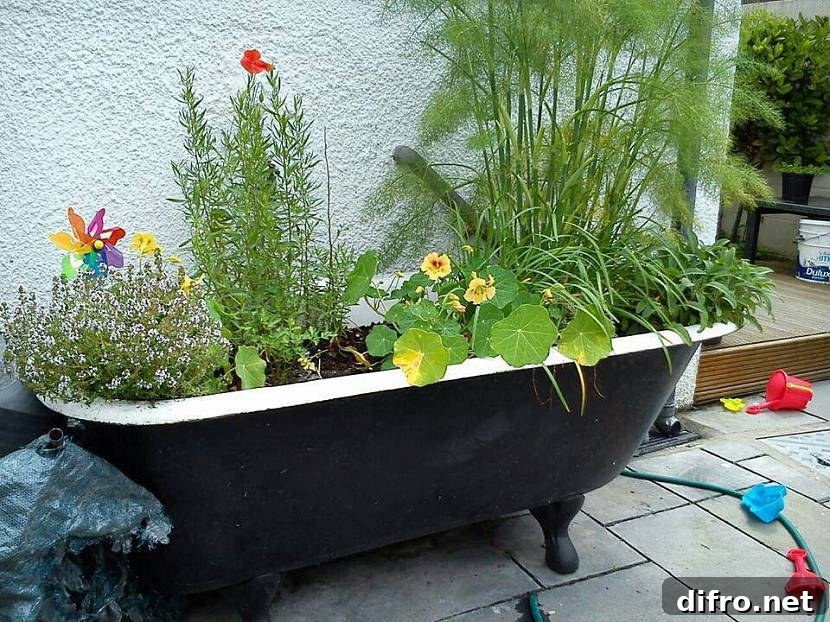
4. Antique tubs and sinks
Repurposed bathtubs, sinks, and troughs make striking vintage-inspired planters. Their generous capacity is perfect for creating a single, dramatic planting bed featuring a mix of perennials, annuals, and trailing plants. A weathered tub instantly gives a garden a rustic, nostalgic feel while offering plenty of soil depth for root development.
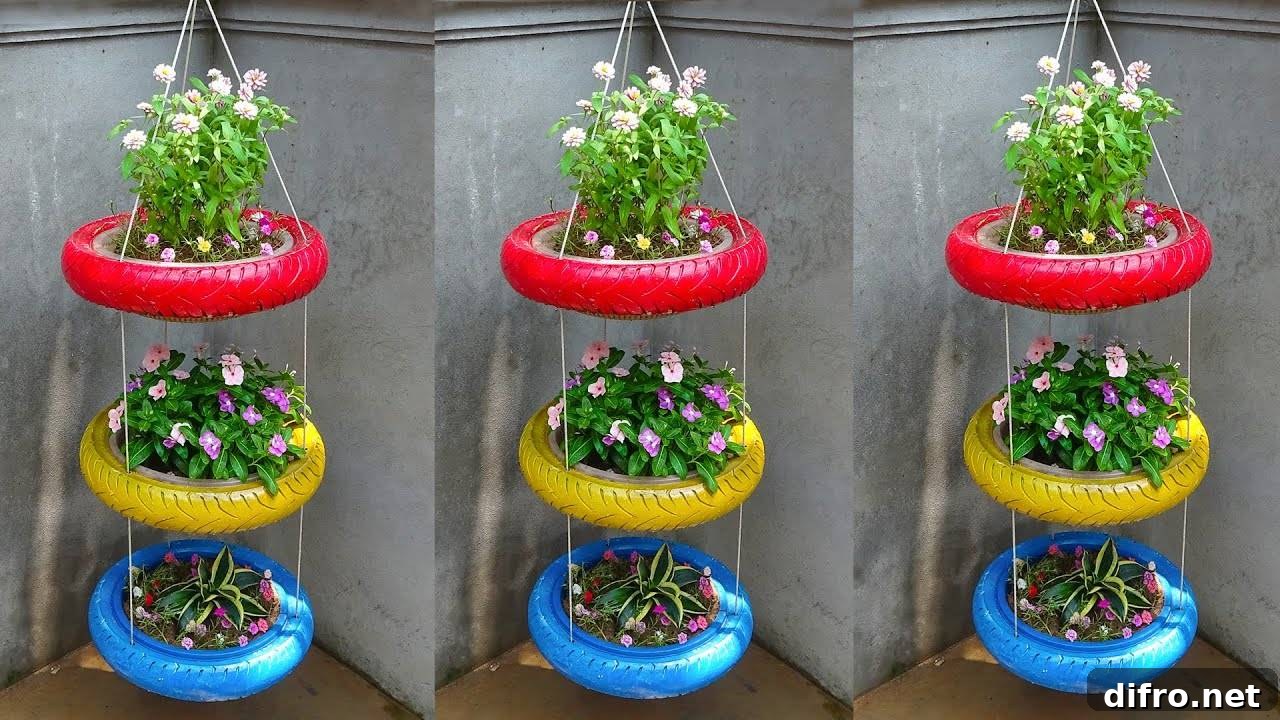
5. Painted tires
Recycled tires painted in bright hues are a playful, budget-friendly option for a cottage-style or eclectic garden. Stack them, hang them, or place them on the ground as mini raised beds. Fill with colorful annuals or hardy perennials to create portable bursts of color that are easy to rearrange and replace each season.
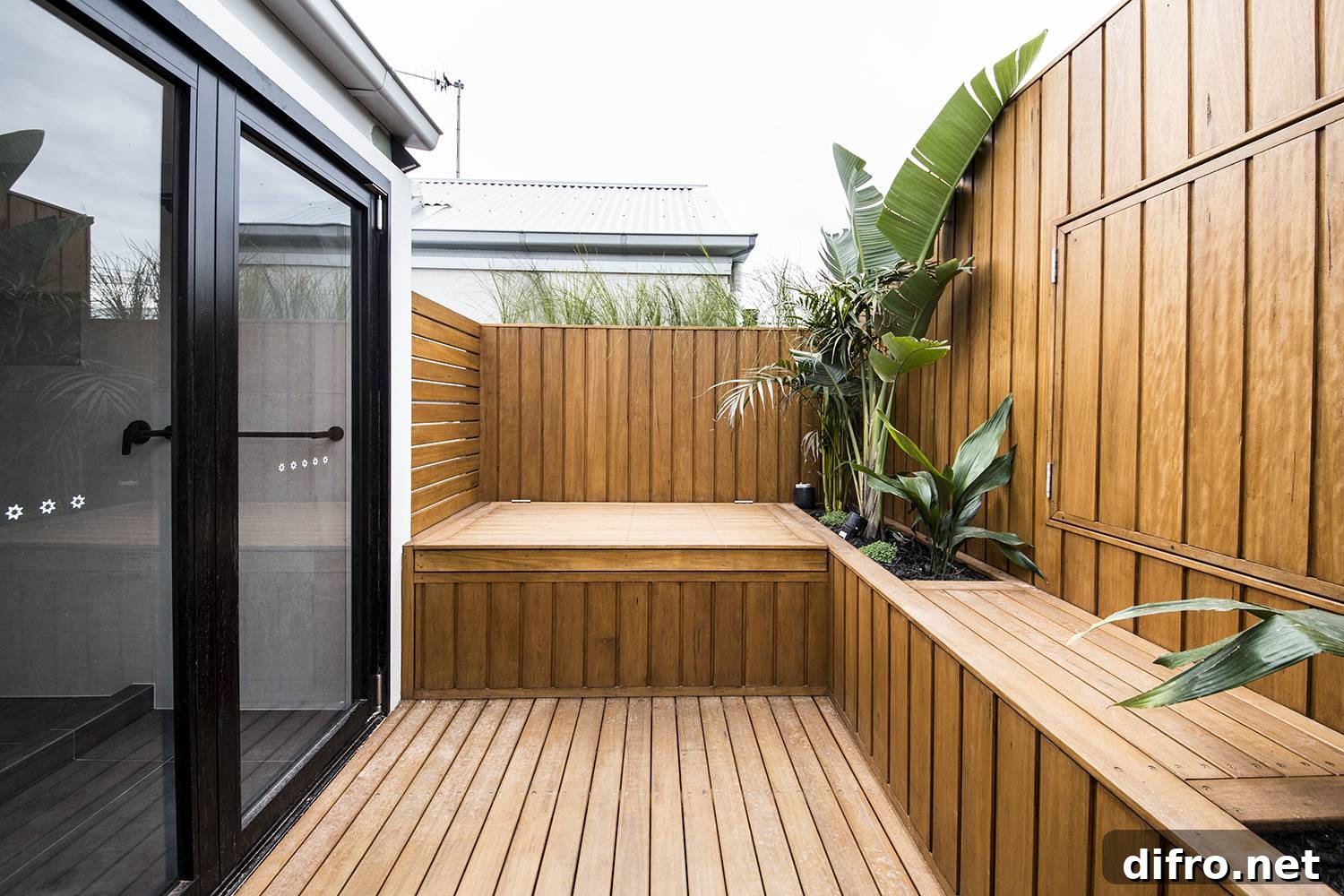
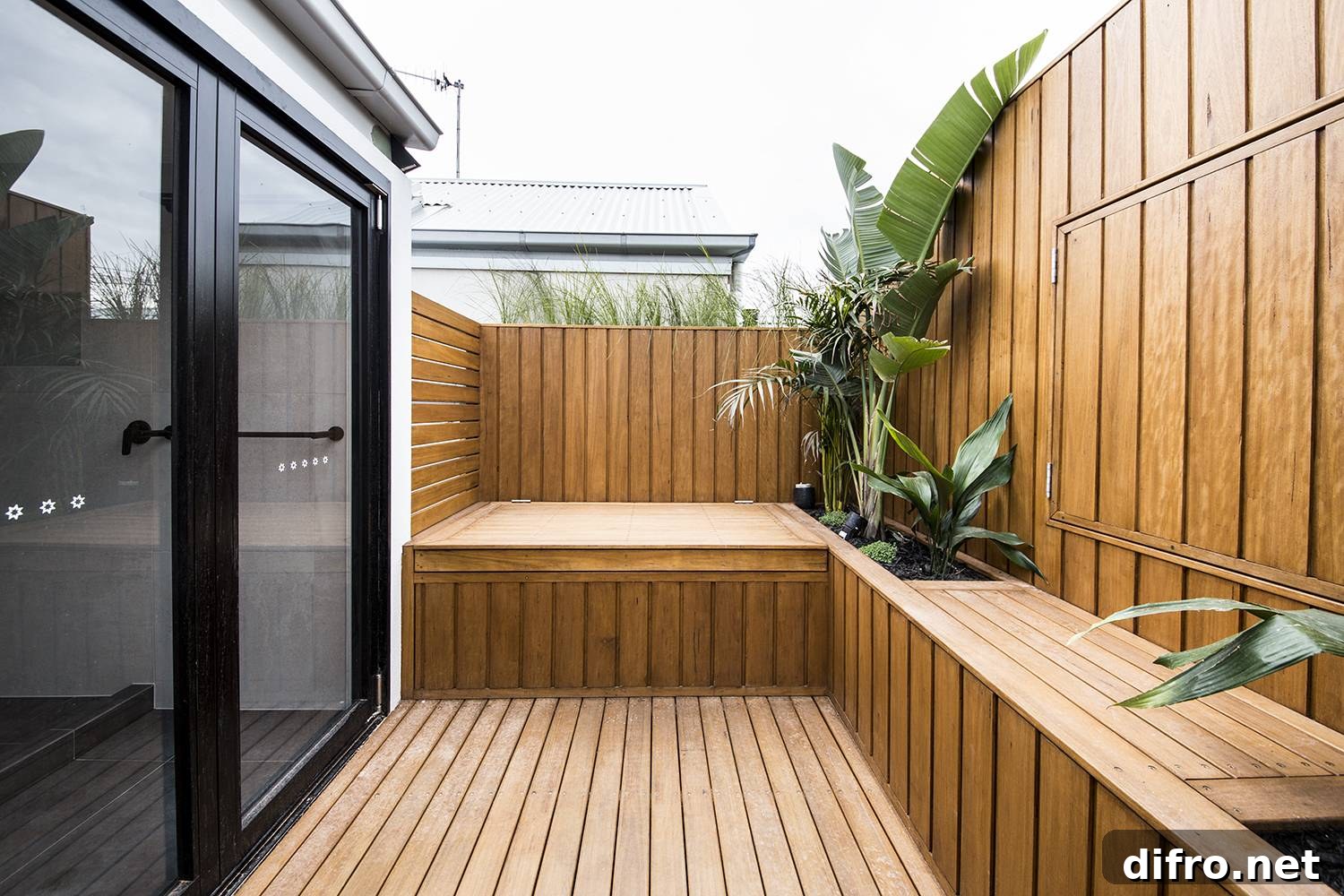
6. Planter boxes in benches
Integrating planters into seating combines form and function. Bench planters create a cozy, living seating area while helping define outdoor rooms. Choose insect-repellent plants like lavender or rosemary for relaxation areas, or use decorative blooms for a softer look. Built-in boxes are especially useful on balconies or small patios where space is limited.
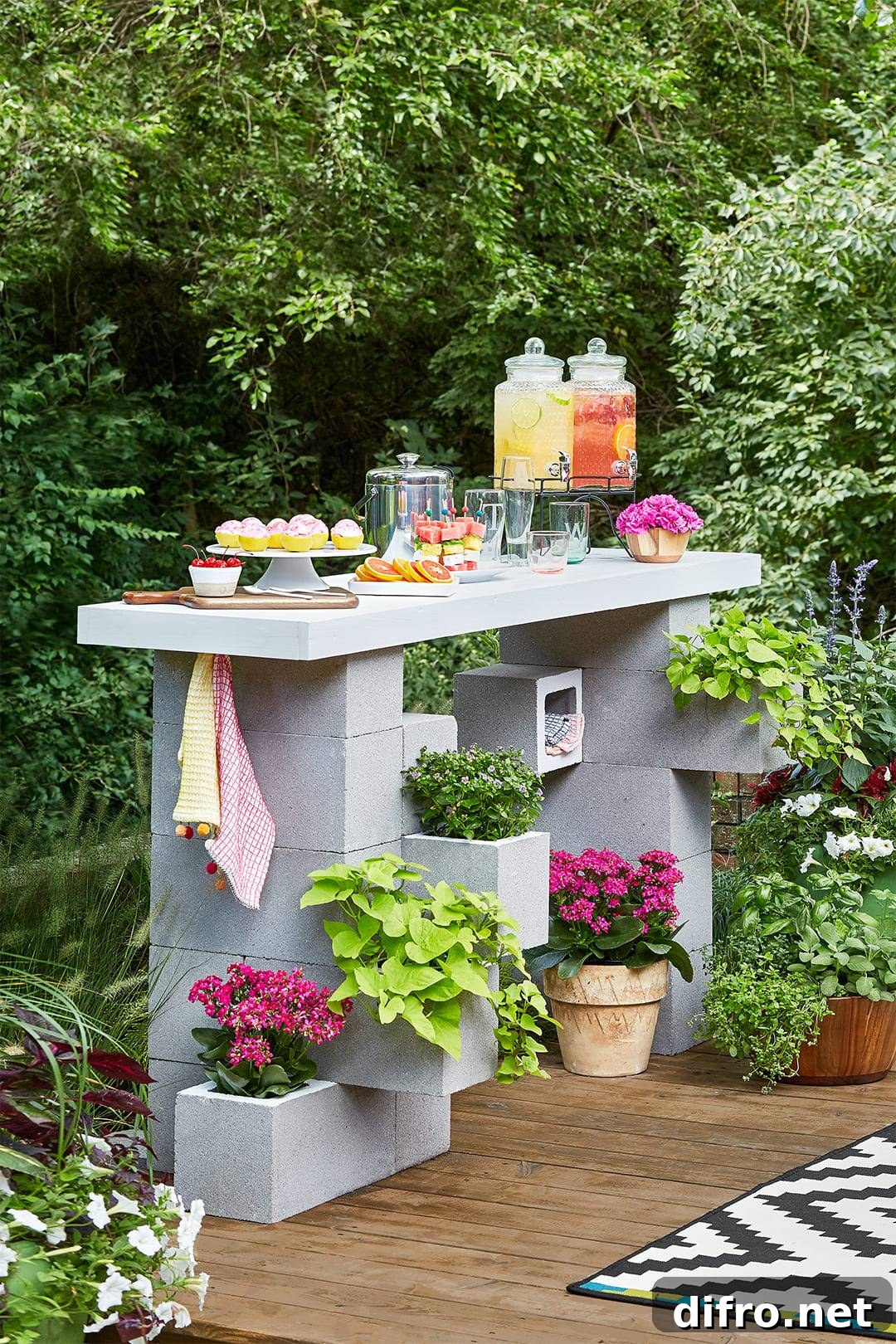
7. Cinder block planters
Cinder blocks are inexpensive, durable, and highly customizable. Stack them into straight lines, curves, raised beds, or tiered arrangements, and use the hollow cores as individual planting pockets. Paint them to match your palette or leave them raw for an industrial look—this modular approach is ideal for gardeners who want flexibility and low-cost creativity.
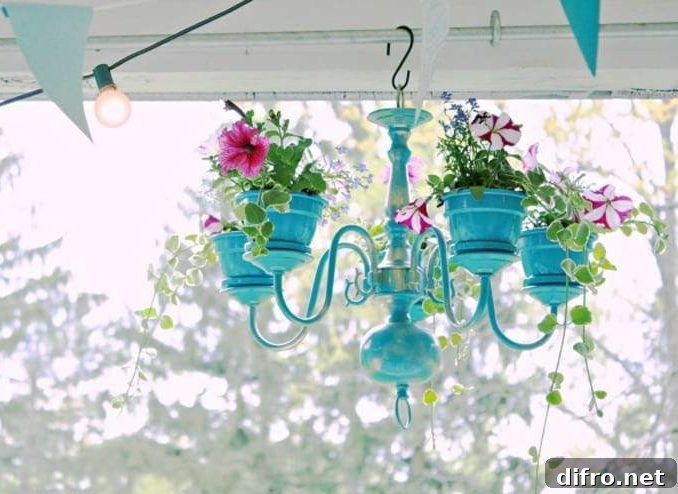
8. Old chandelier planters
Repurposed chandeliers make whimsical hanging planters that instantly become conversation pieces. Suspend one on a covered porch, beneath a pergola, or in a sheltered garden nook and plant trailing vines or cascading flowers for a dramatic, unexpected display. This upcycled idea highlights creativity and charm without a large budget.
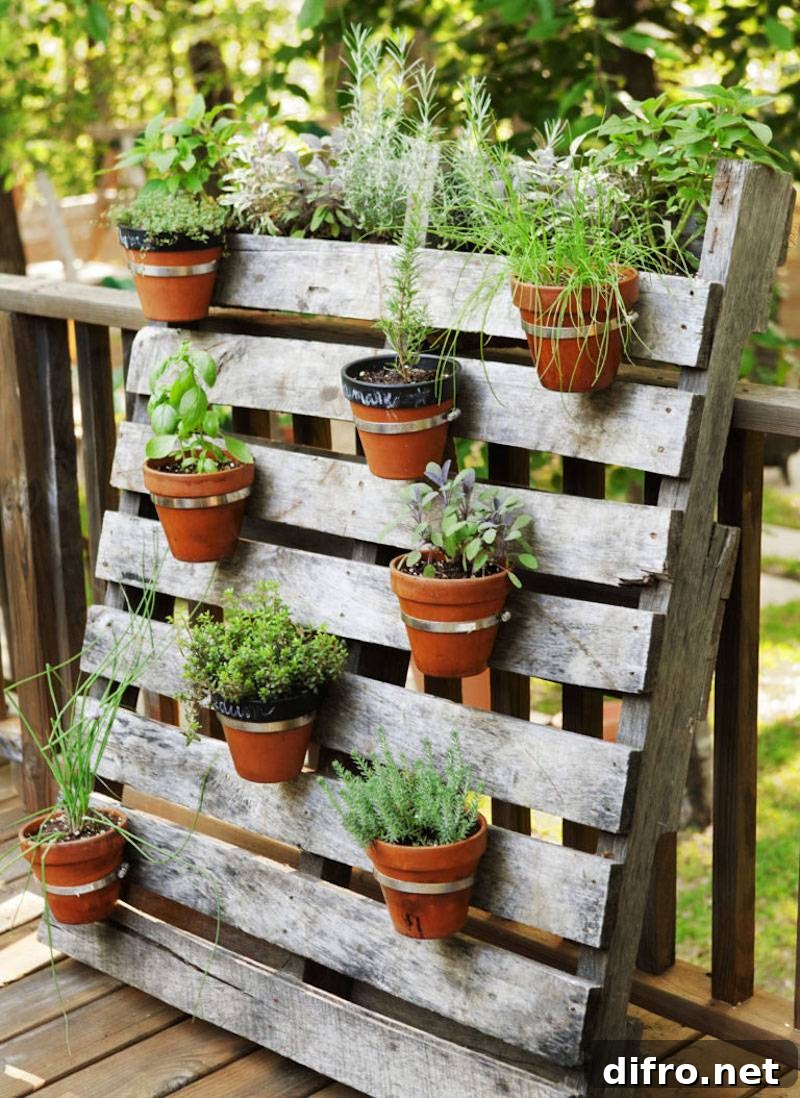
9. Pallet-and-pot planters for small spaces
Pallets provide a compact, flexible way to display multiple pots in a vertical or slanted arrangement. This is ideal for balconies, narrow patios, or small front porches. Swap pots seasonally, experiment with color themes, and arrange herbs, succulents, or flowering plants to create a rotating display that’s both practical and decorative.
These ideas are starting points—each style can be adapted with different colors, materials, and plant combinations to suit your climate and design goals. Many of these options are DIY-friendly and budget-conscious, letting you experiment and evolve your outdoor space over time. Try one approach or mix several to create a personalized, inviting garden that reflects your taste. Happy planting!