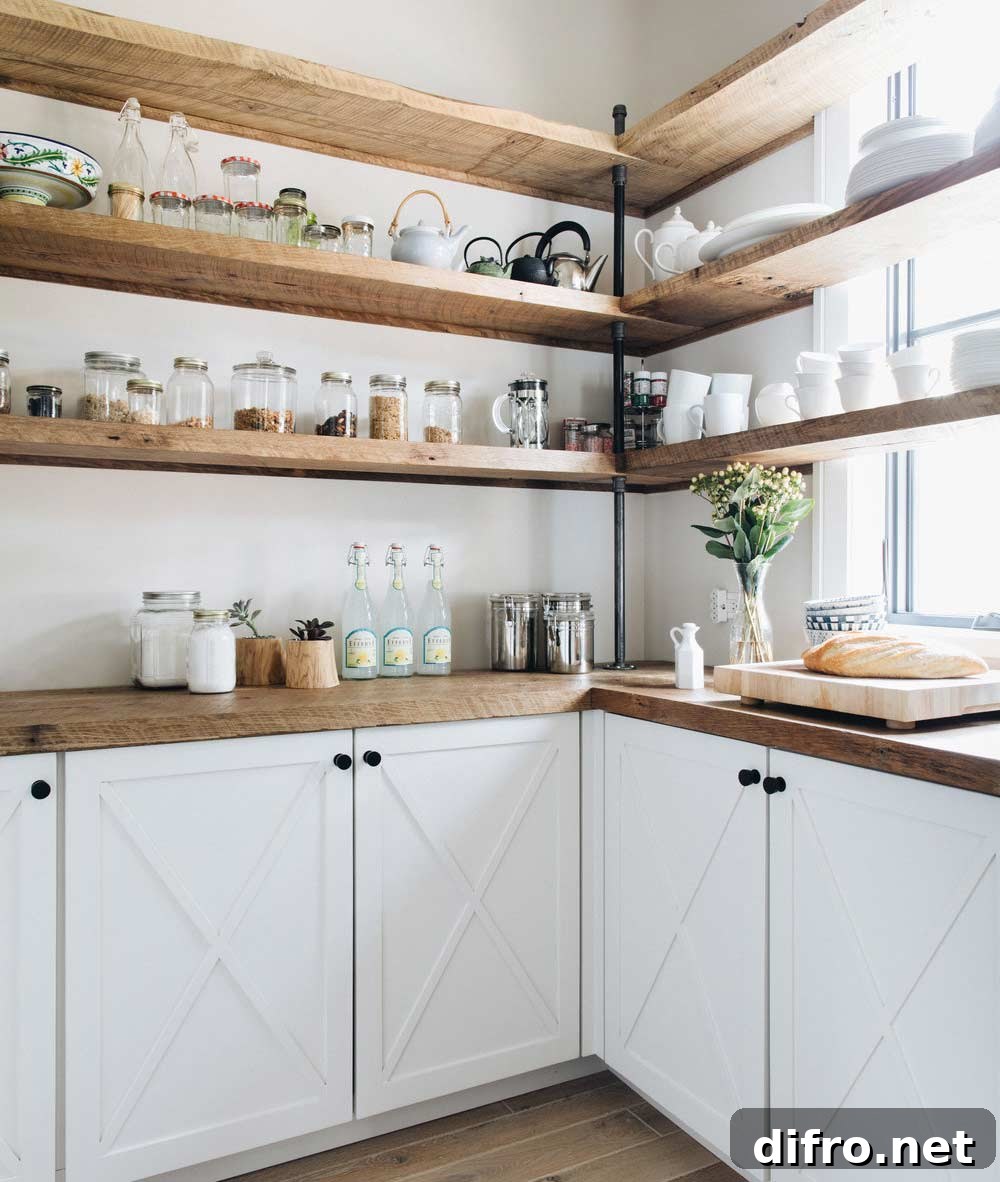
Open-concept shelving is a contemporary, stylish way to organize belongings throughout the home. Whether you place it in the kitchen, bathroom, living room, or bedroom, open shelving creates visible storage that can be both practical and decorative.
Well-planned open shelving requires attention to layout, materials, and styling, but it’s a fun opportunity to add personality while maximizing space. If you’re unsure where to begin, the following room-by-room guide offers practical inspiration and design ideas for incorporating open shelving into every part of your home.
Kitchen
Open shelving in the kitchen breaks from traditional closed cabinets and immediately introduces a modern, airy feel. Use shelves to display frequently used dishware, recipe books, and decorative accents like framed prints or small plants. Placing shelves near a window can brighten the space and create an attractive display with natural light.
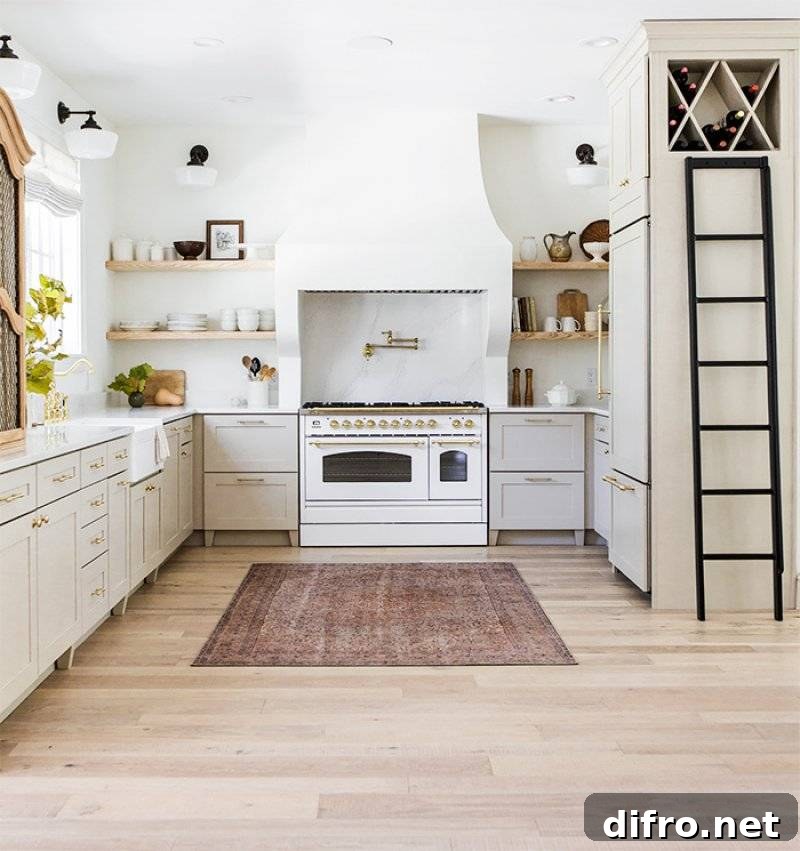
For a rustic look, show bulk goods in mason jars or glass containers; for a minimalist aesthetic, choose simple wooden shelves with clean white dishware. Open shelving also creates opportunities to add a seasonal centerpiece or a rotating display of colorful ceramics.
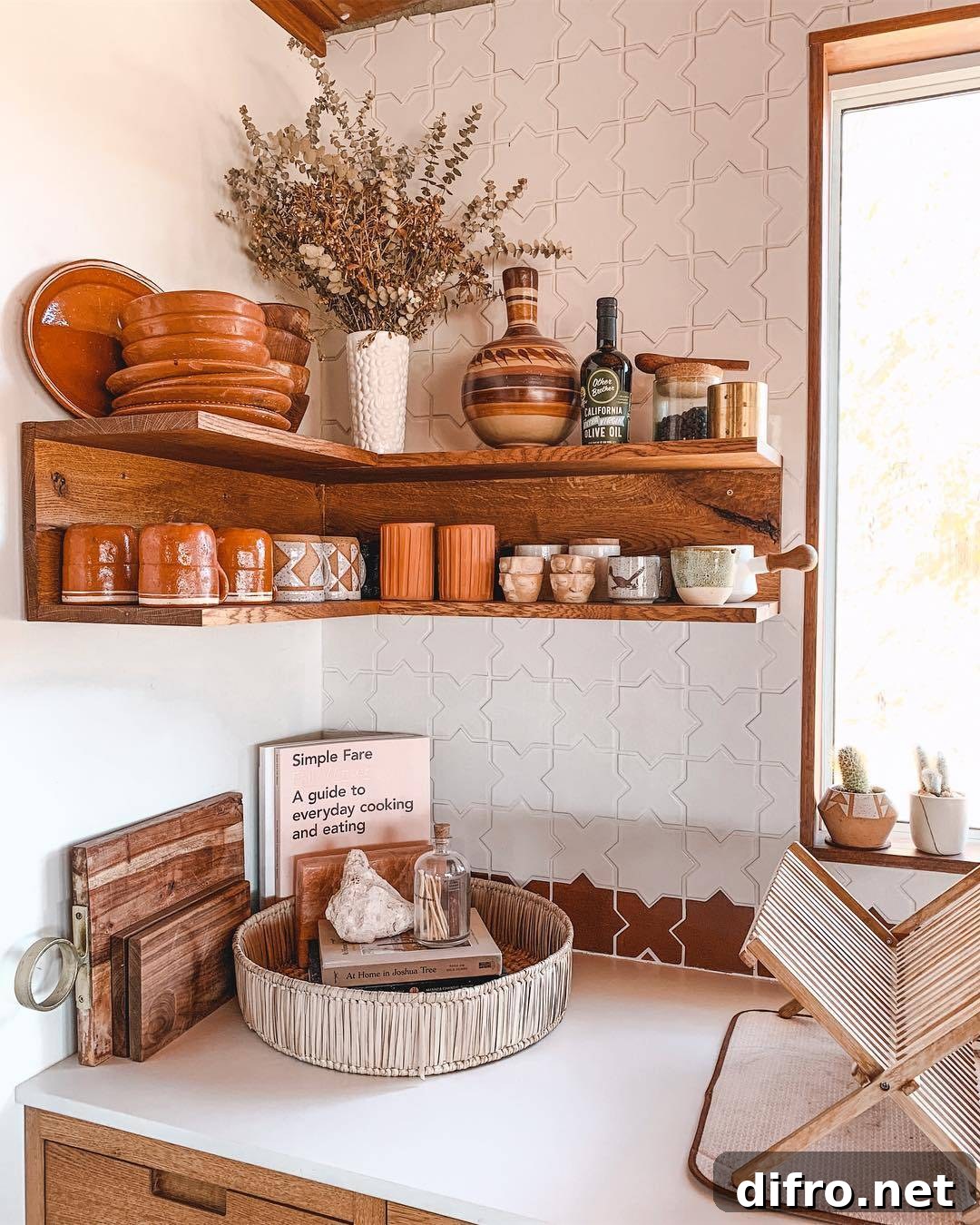
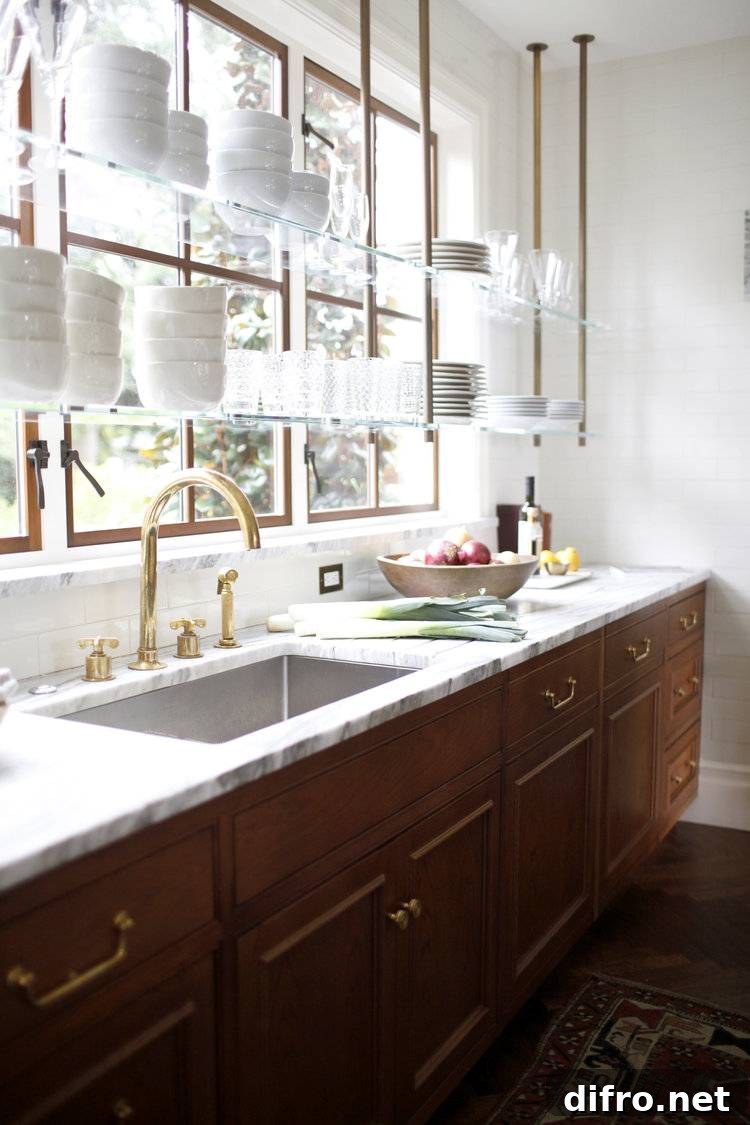
Open kitchen shelves can be entirely practical or highly styled. Use baskets or closed containers on lower shelves for less attractive items, and reserve eye-level space for the pieces you want to show off.
Bathroom
Open shelving works beautifully in bathrooms, where it can combine storage with style. Shelves provide space for towels, toiletries, and decorative elements like plants or candles. Wicker baskets and glass jars help keep small items organized and visually cohesive.
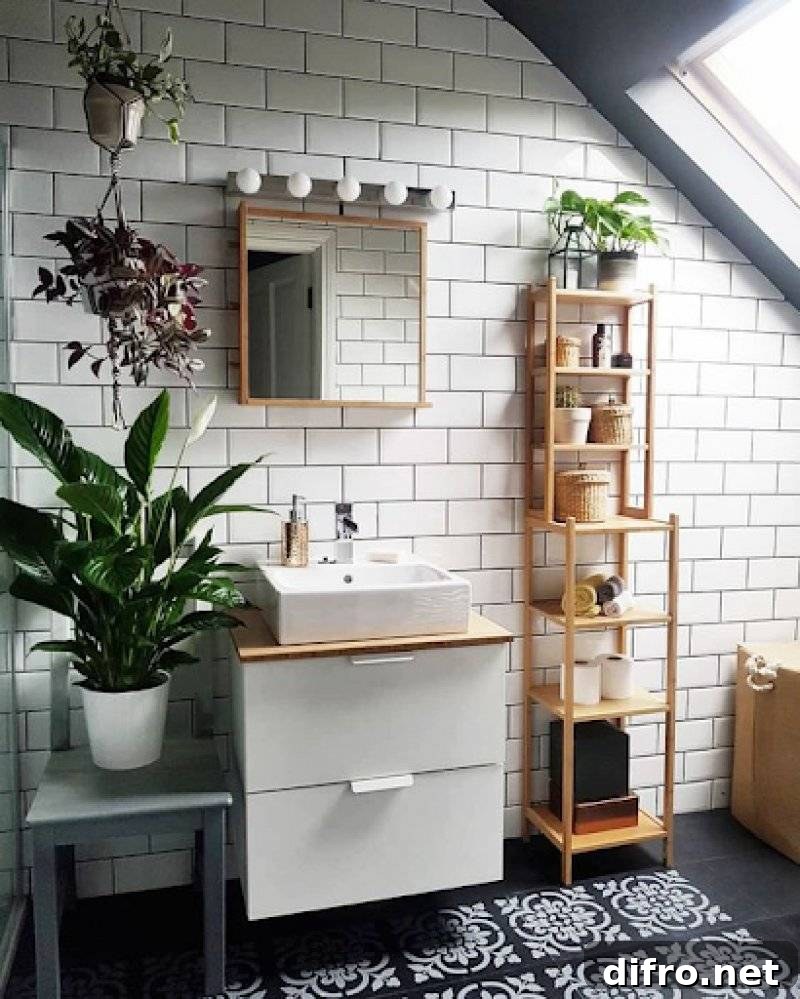
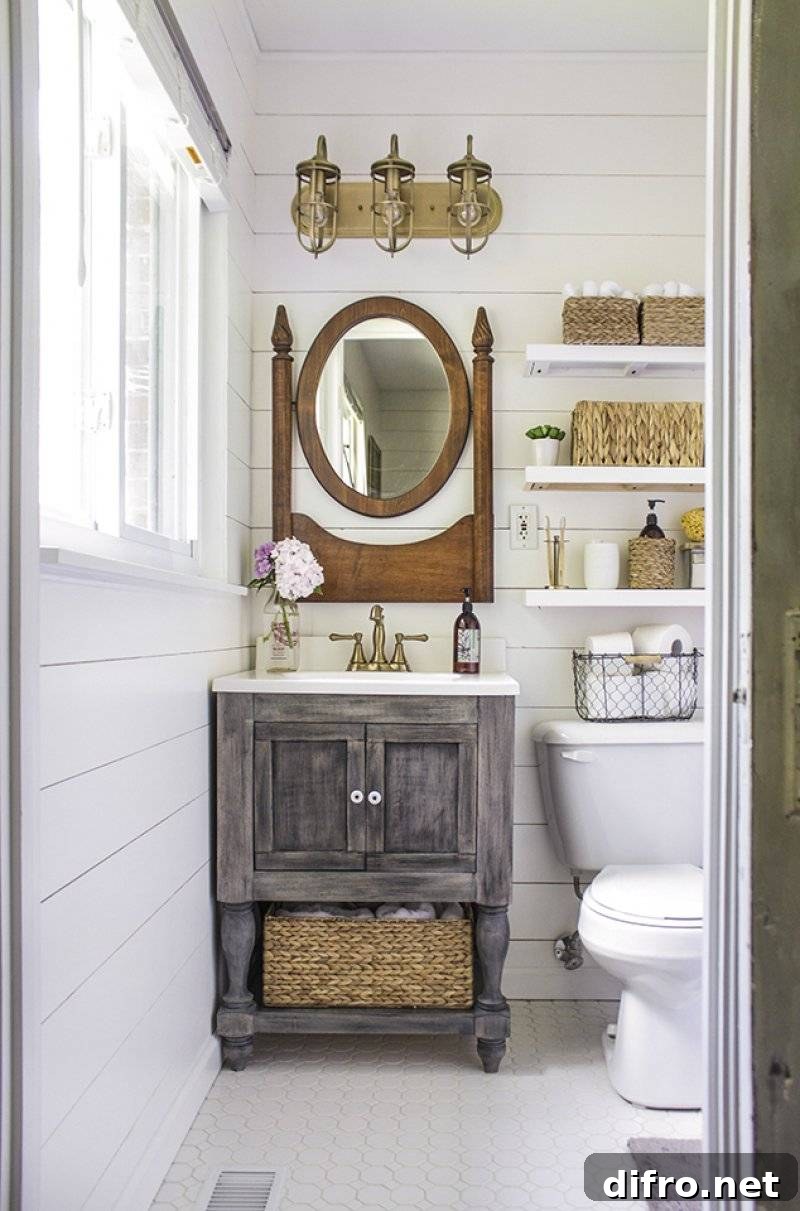
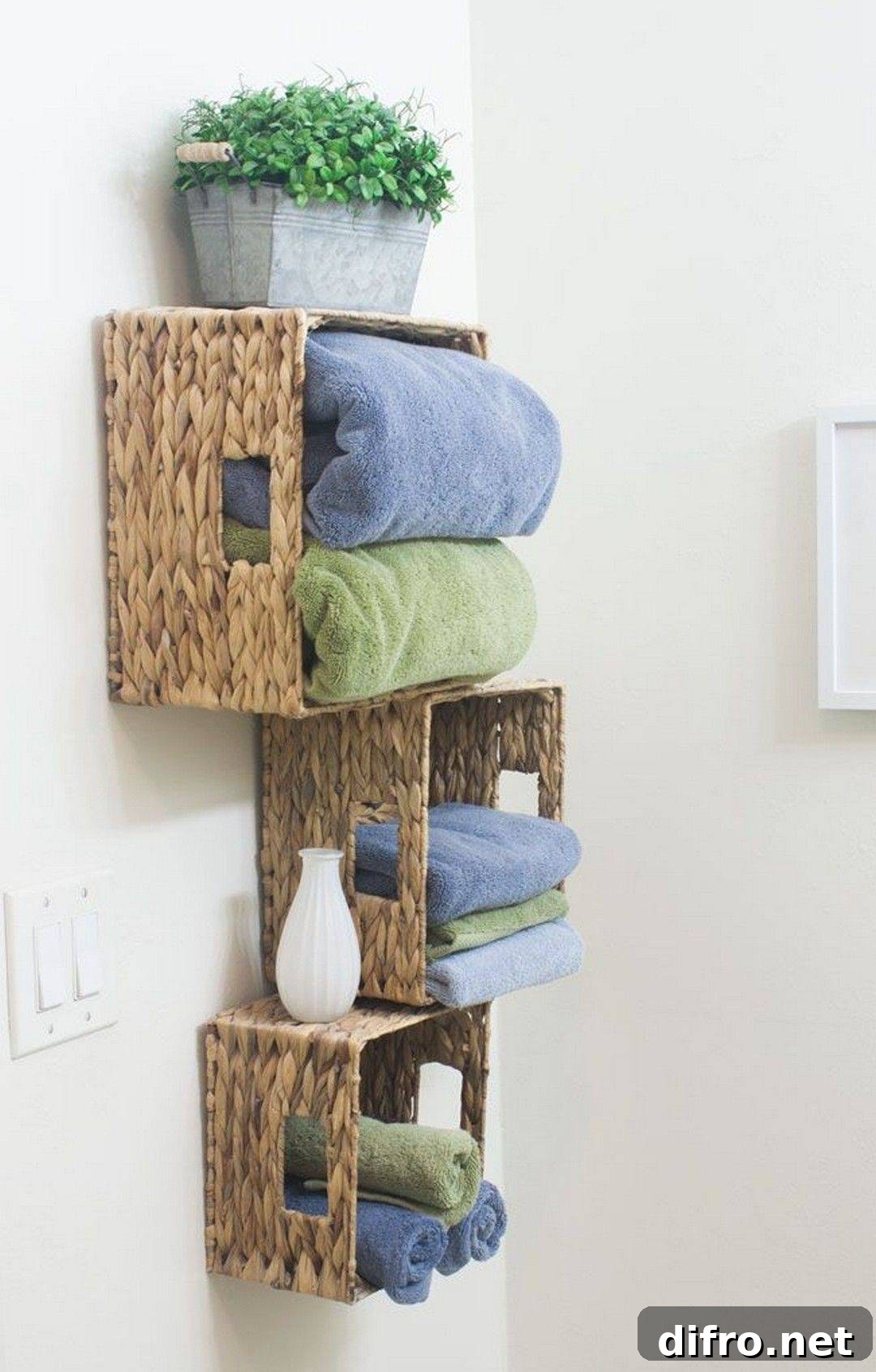
A simple DIY—such as turning a basket into a mounted shelf—can add character without a large budget. Open bathroom shelving encourages tidy, intentional displays that make items easier to find and keep the room feeling open and organized.
Living Room
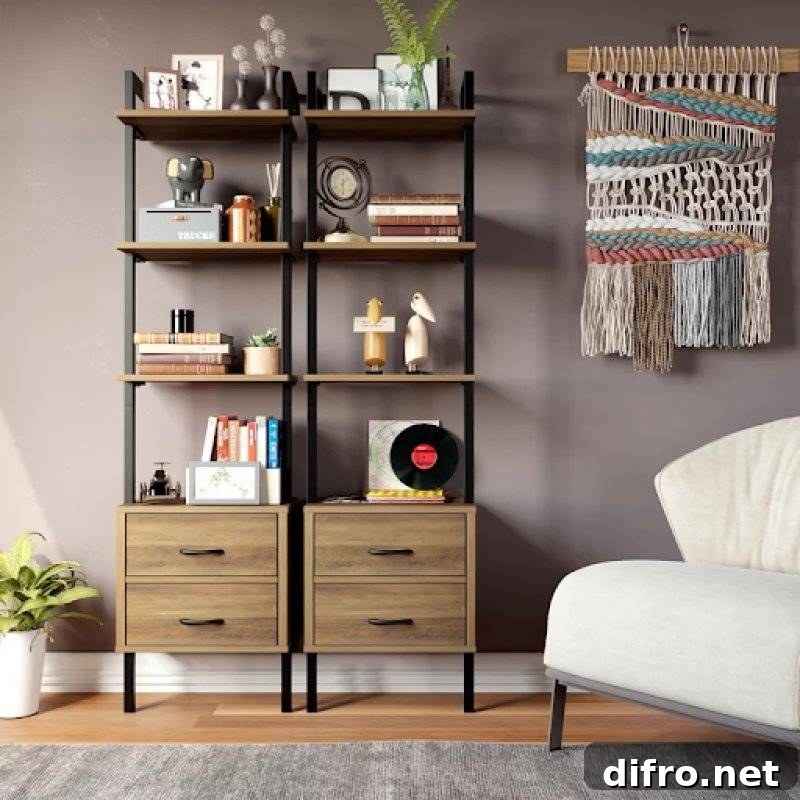
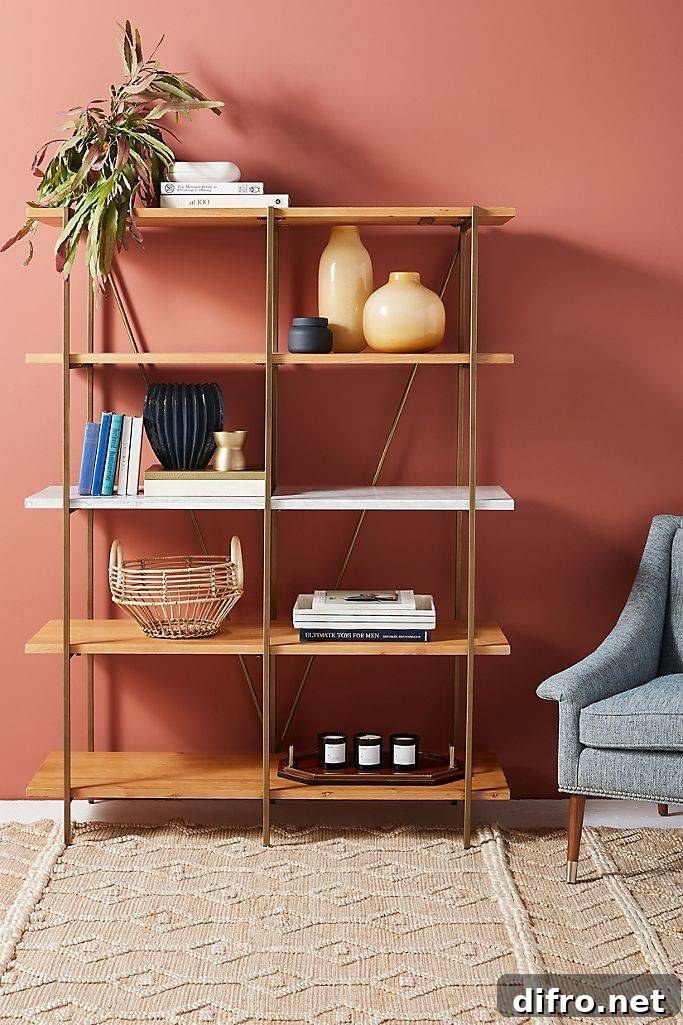
In the living room, open shelving is a versatile design element. Use shelves to display books, sculptures, framed photos, and plants to reflect your personality. Mix densely styled shelves with a few intentionally empty spaces to create balance and a curated look.
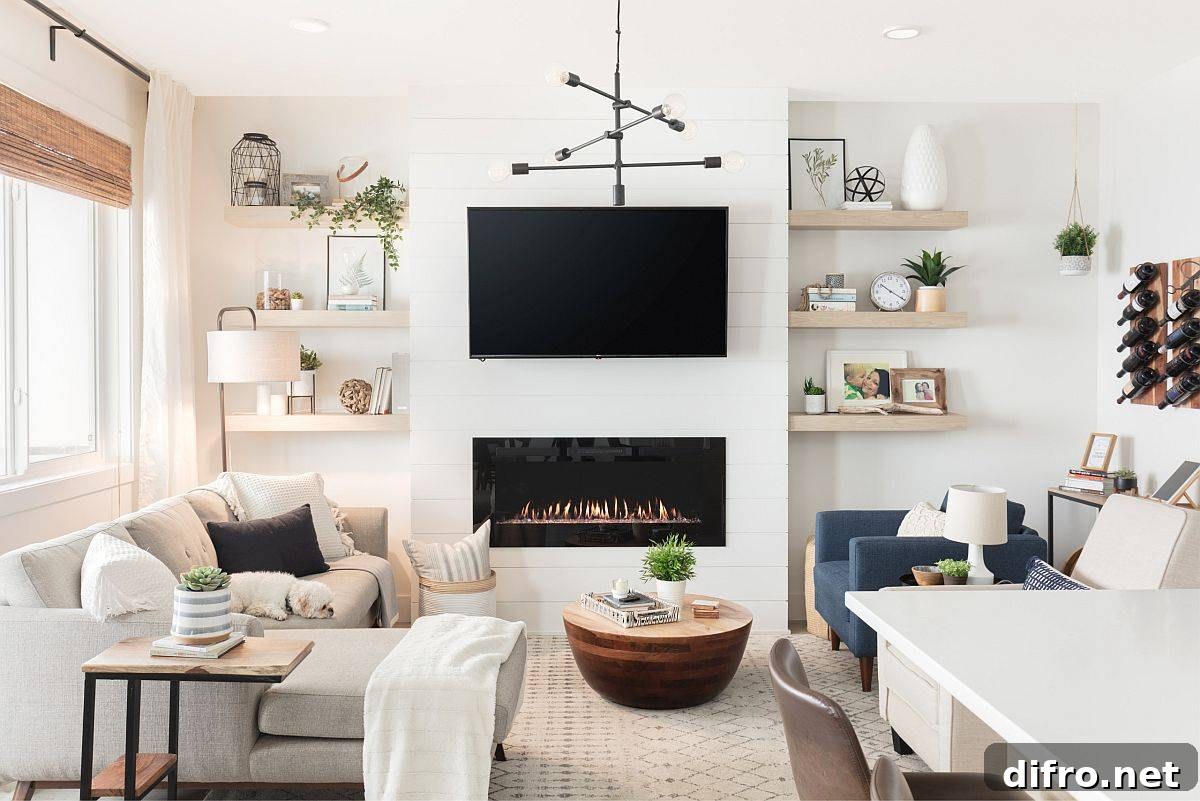
Open shelving can also become a stylish drink display—an alternative to a bar cart—showcasing glassware and bottles as part of the room’s décor. Consider shelving units with mixed materials (wood and metal, for example) to anchor a modern living room.
Bedroom
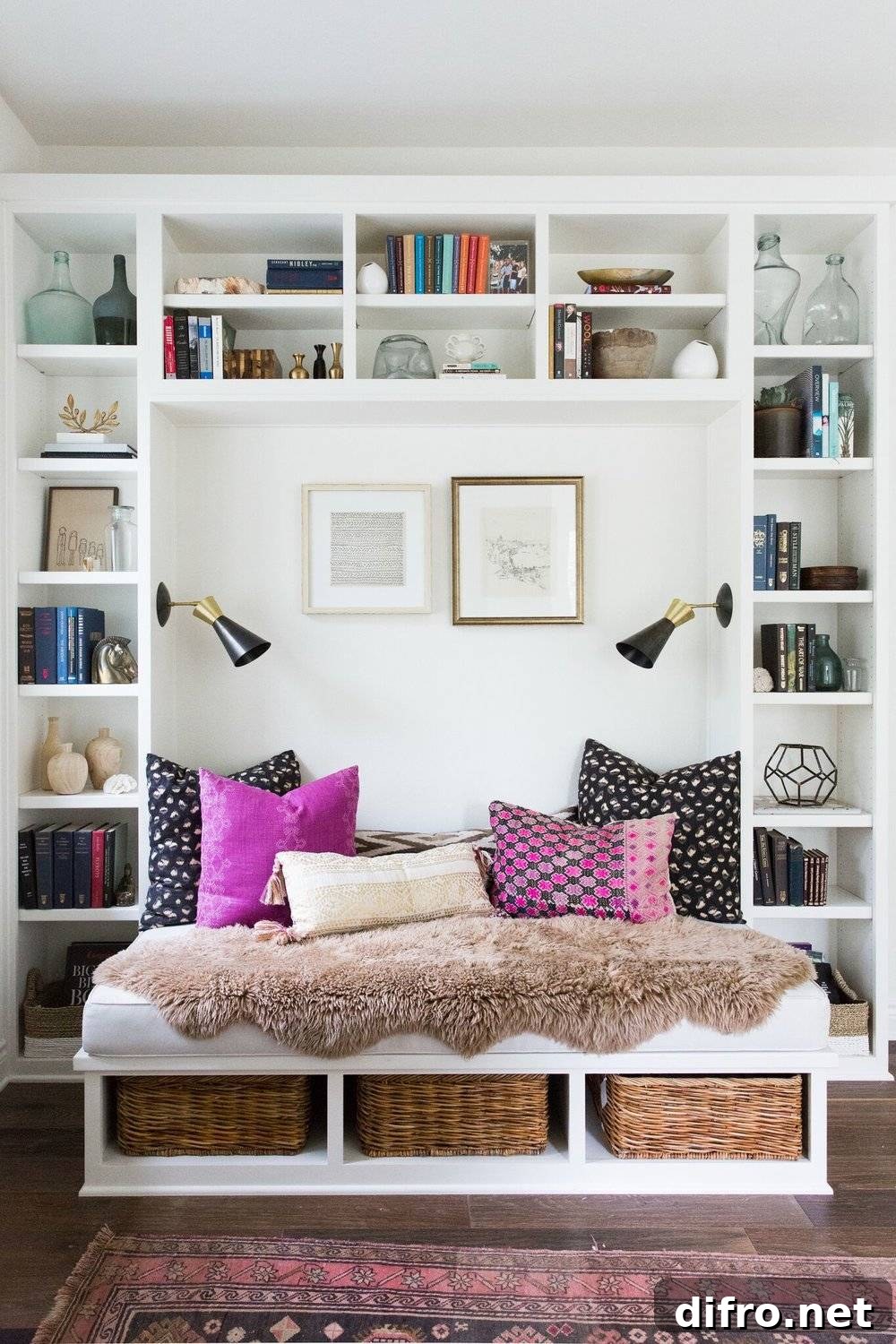
Open shelving in the bedroom can elevate your design identity and become a focal point. Shelves can function as headboards, nightstands, or closet-style storage, offering flexible display and storage options. A headboard with built-in shelving creates storage for books, a lamp, and small decorative items without sacrificing bedside surface area.
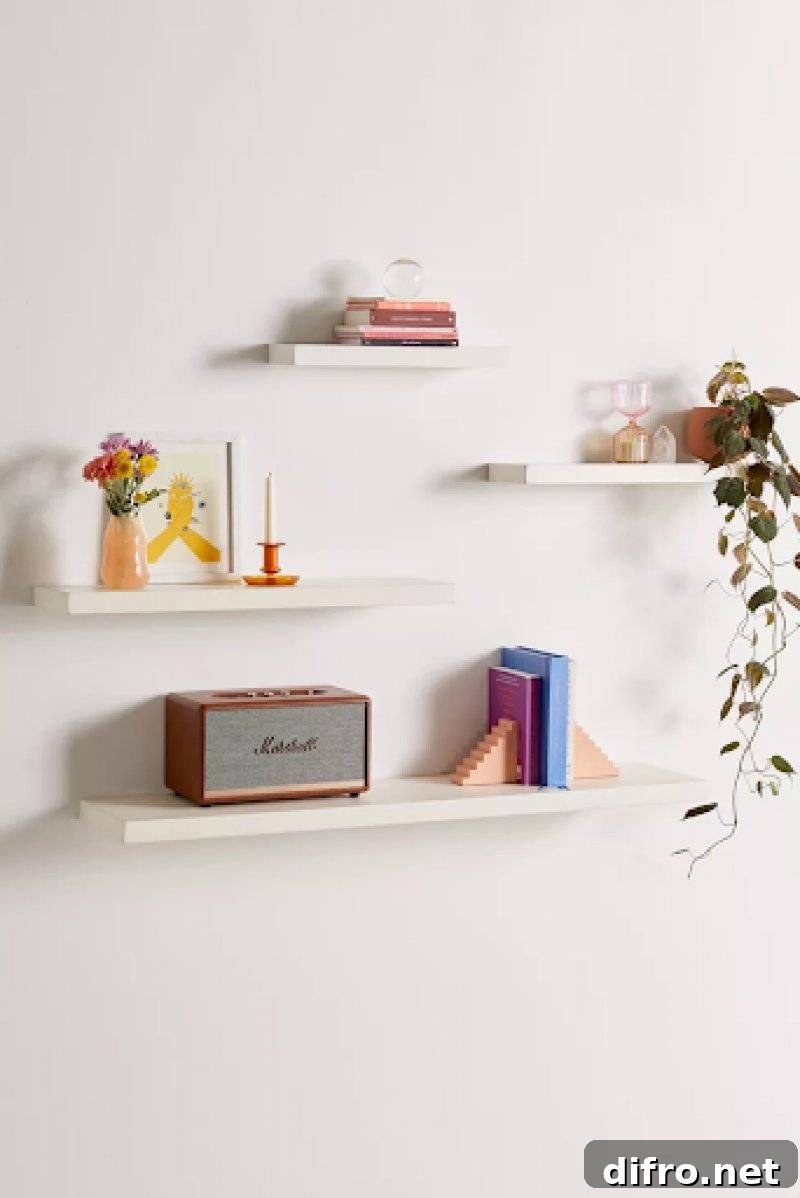
Floating shelves are ideal for small bedrooms, providing storage without taking up floor space. You can even transform a closet into open shelving to create a boutique-style wardrobe with visible, easily accessible clothing and accessories.
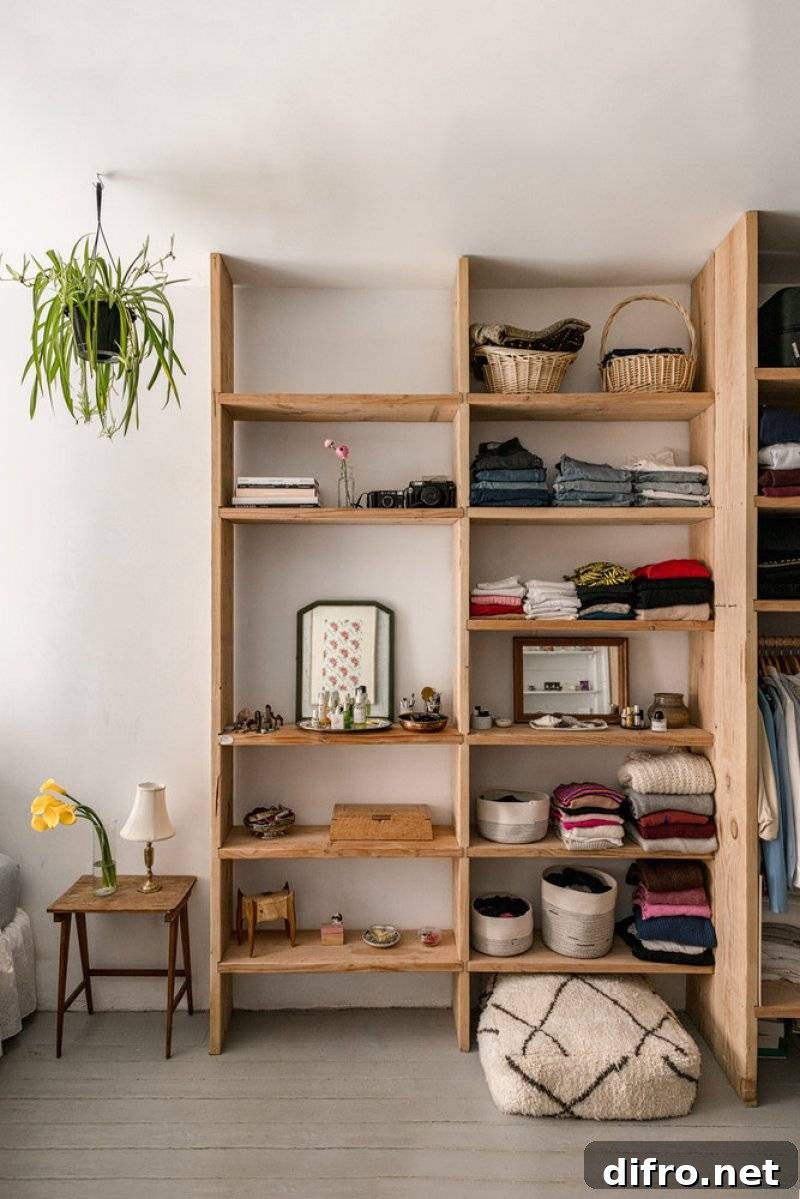
Open concept shelving encourages intentional styling and organized living. When thoughtfully arranged, open shelves make everyday items part of your décor and give rooms a curated, lived-in look. They work in any room and suit both practical organizers and dedicated decorators, offering a simple way to refresh and elevate your home.
Try open shelving in one room first to refine your approach—materials, spacing, and a mix of functional and decorative items will help you create a cohesive look that can be extended throughout the house.