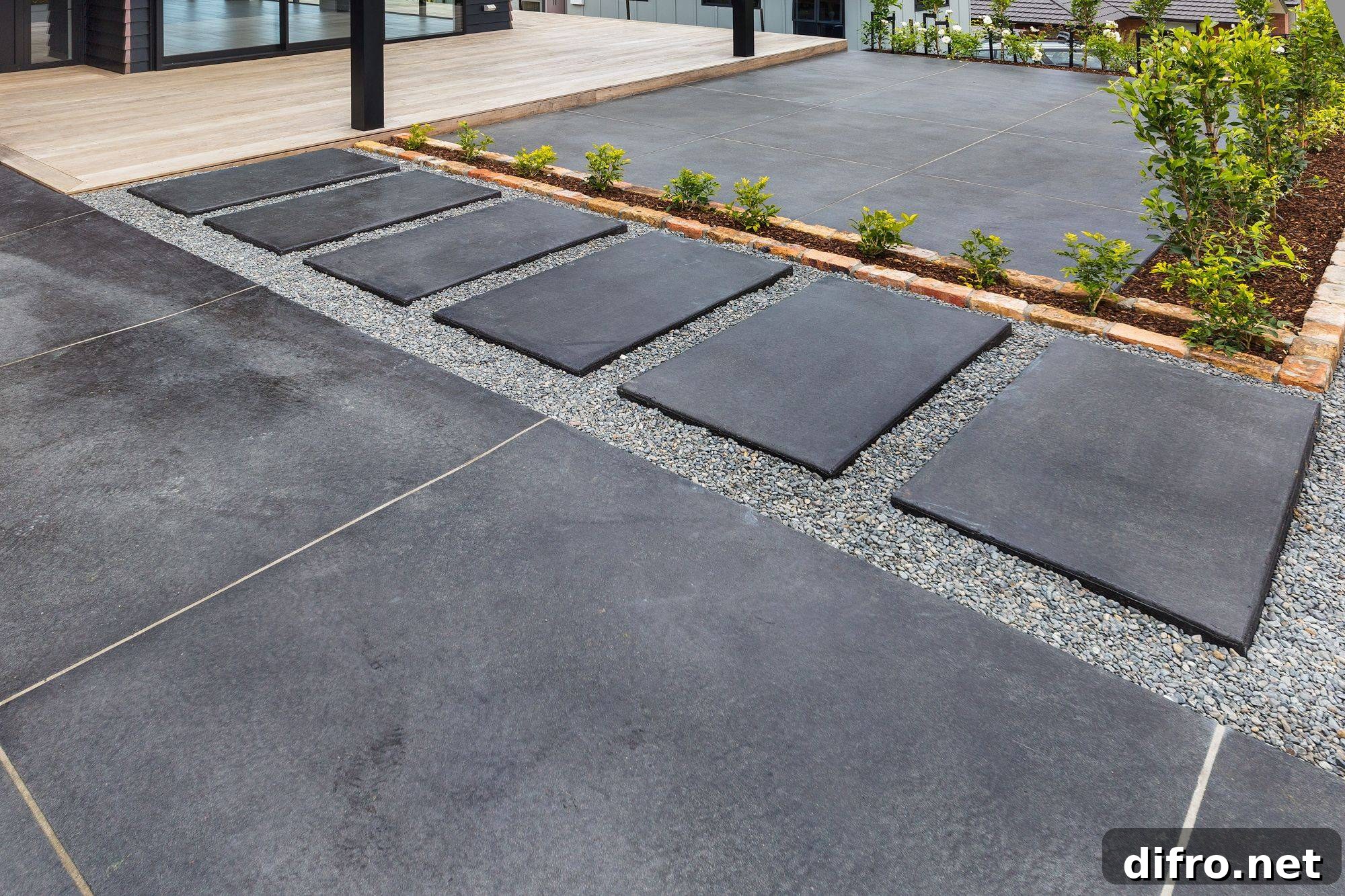
Decorative stepping stones transform a simple garden path into a memorable approach to your home. Beyond curb appeal, they guide visitors, protect flower beds from trampling, and add personality to your outdoor space. Whether you prefer ready-made designs or a hands-on DIY project, there are many creative options to suit every yard and style. The ideas below will help you choose stepping stones that fit your home or inspire your next garden project.
Mickey Mouse Inspired Stepping Stones
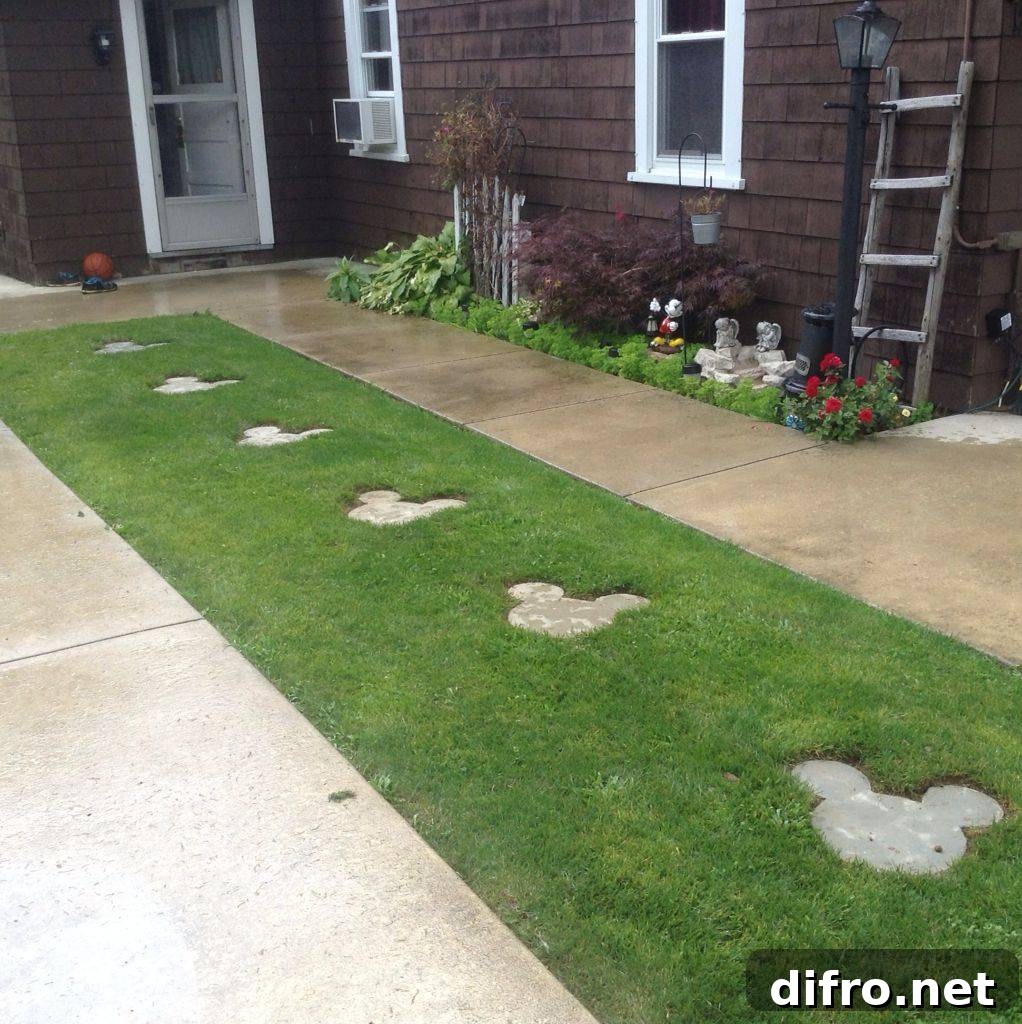
For fans of classic cartoons, a Mickey Mouse–shaped stepping stone brings a playful, nostalgic touch to the front walk. Use a Mickey-shaped concrete mold to cast the stones, then place them along the path for a whimsical, child-friendly route to the door. These themed slabs are ideal for family gardens, play areas, or anyone who wants a cheerful, personalized walkway.
Molded Stepping Stones
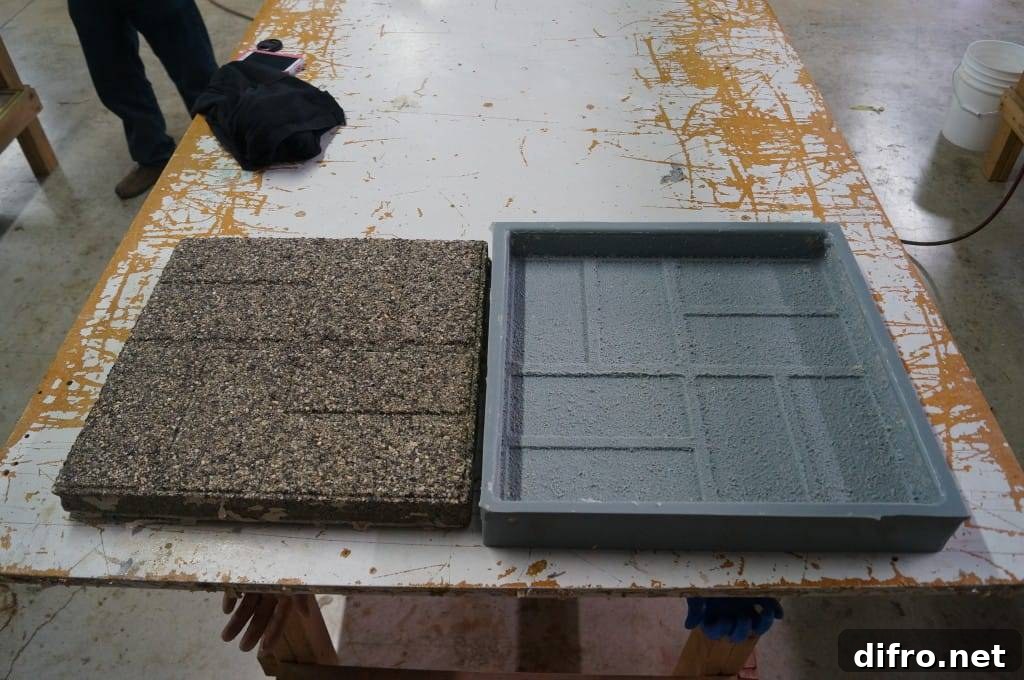
Rubber molds let you create uniform concrete stepping stones in classic shapes—circles, squares, or hexagons—with plenty of room for personalization. Mix colorful pebbles, crushed ceramics, sea glass, or small tiles into the wet concrete for texture and color. Molds are inexpensive and easy to use, making molded stones a great entry-level DIY project that produces polished, durable results.
Foot-Shaped Steps for Sandy Yards
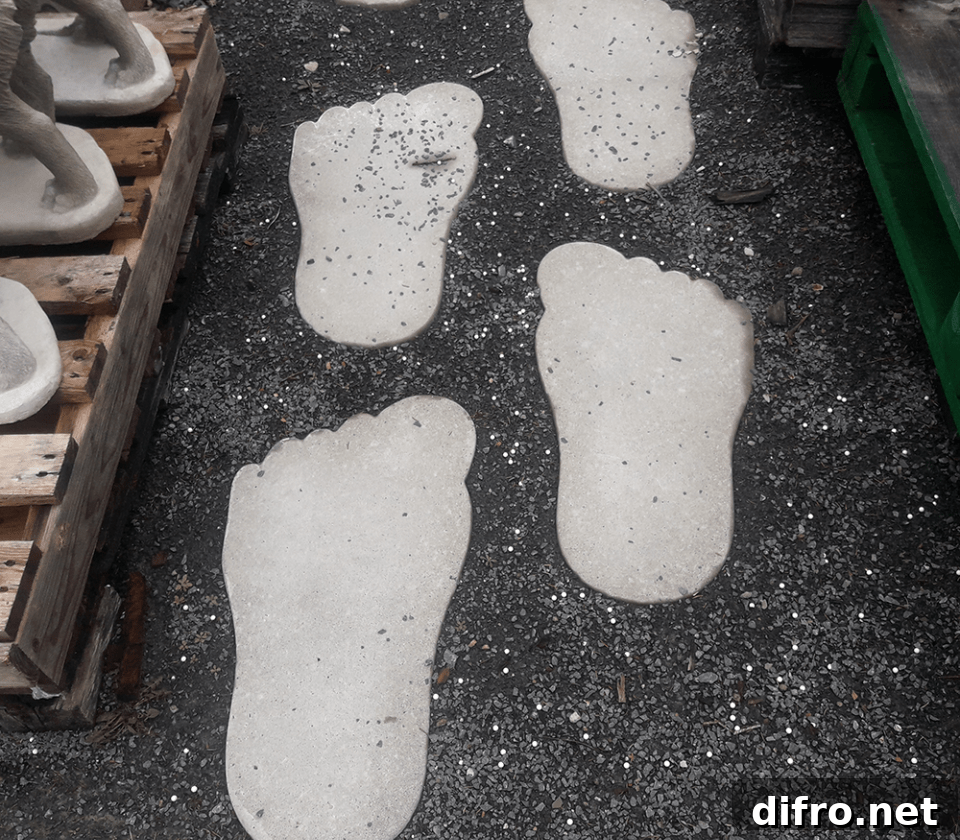
Foot-shaped slabs add a playful, quirky element to a garden path—perfect for sandy yards or casual outdoor spaces. Large foot forms in concrete or molded materials become natural “safe spots” that kids can step on during games. Keep them simple for a subtle effect, or decorate with colorful stones or paint for a bolder look.
Recycled Wood Log Slices
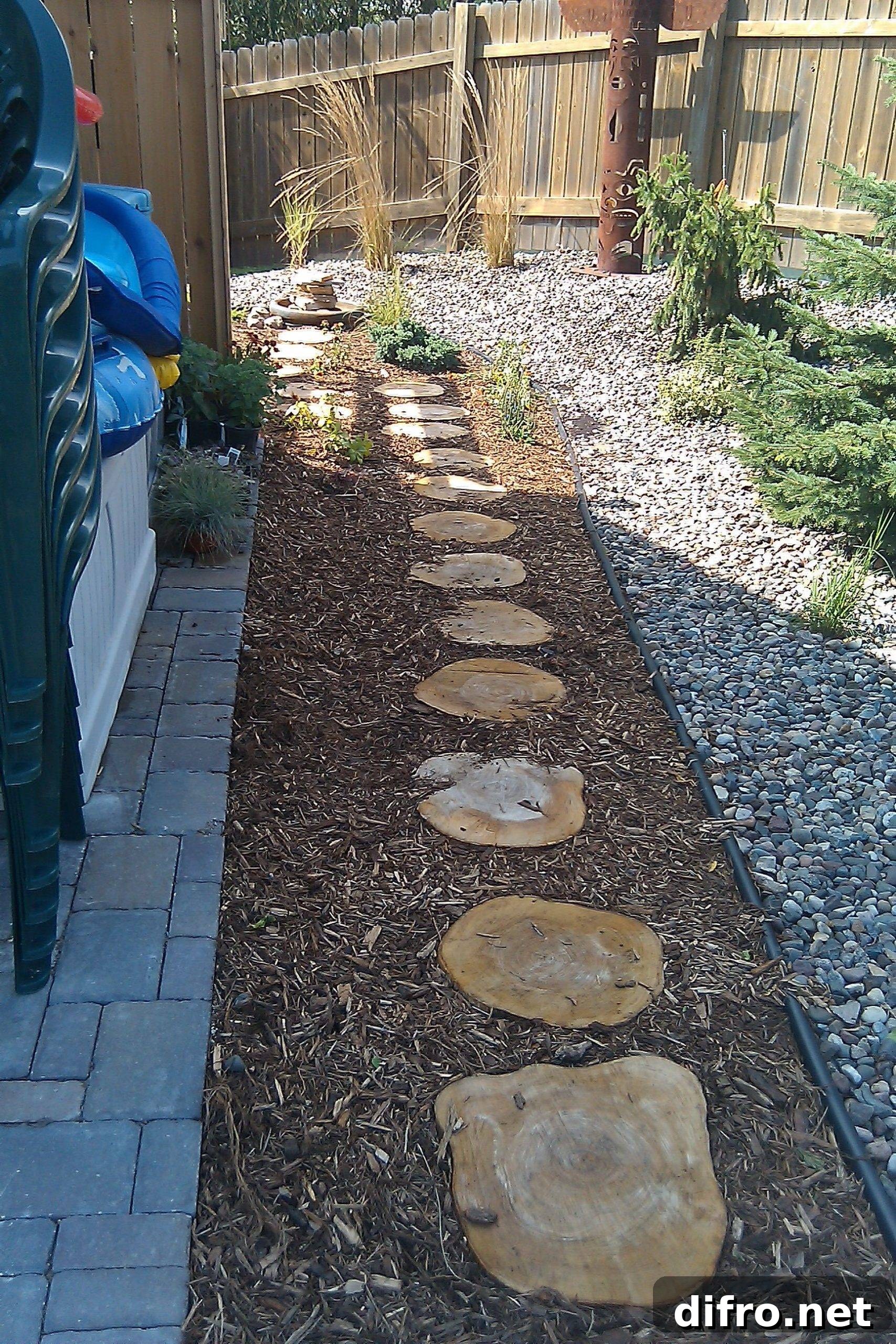
Turn felled logs into natural stepping stones by slicing them into horizontal disks. Varying slice thickness and diameters creates an organic rhythm along a path. To ensure longevity, treat and seal each round to protect against moisture and rot. Wood slices pair especially well with rustic landscapes or woodland gardens and can be arranged tightly or spaced with groundcover between them.
Wood and Stone Pathway
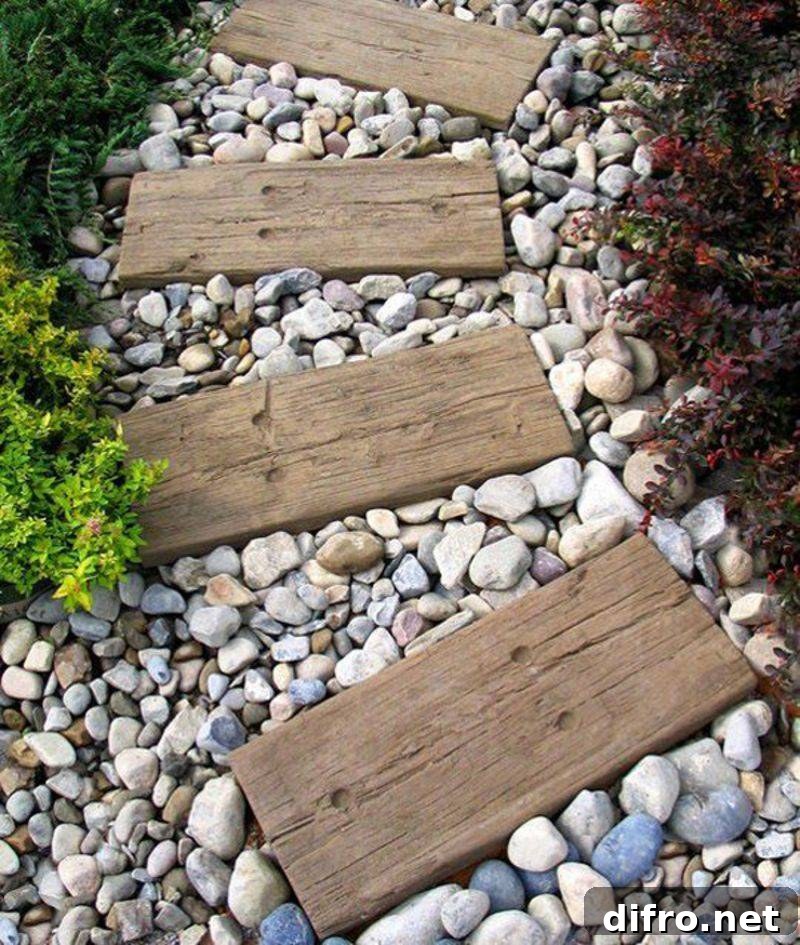
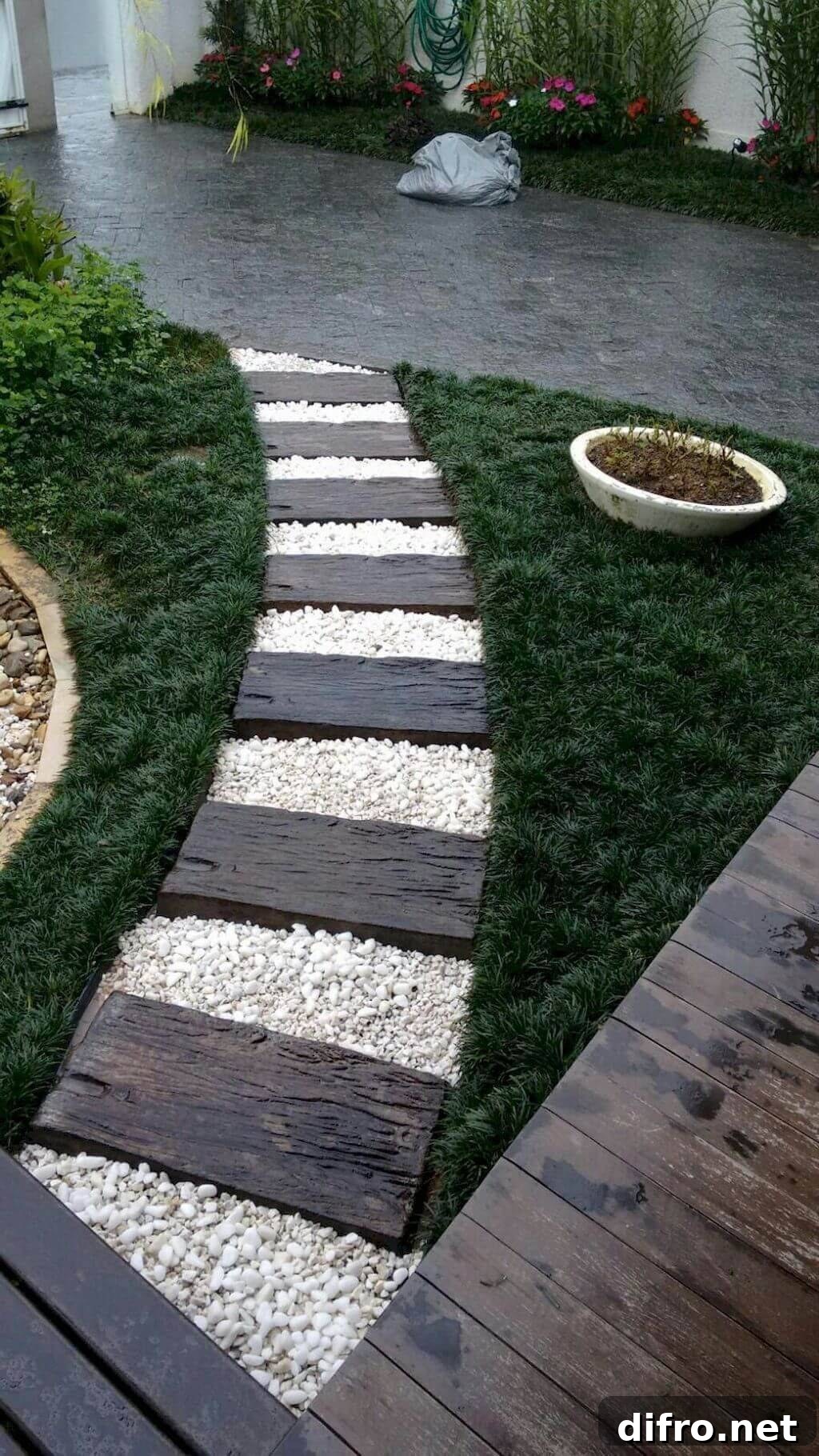
Combine treated wood planks or log slices with flat stones for a durable, textured walkway. Properly sealed wood resists the elements, while stones placed between wood pieces help stabilize the base and prevent erosion. This mix of materials creates a rugged, naturalistic path that works well in cottage or contemporary gardens alike.
Painted Concrete
Concrete stepping stones are highly durable and become even more attractive when painted. Use paint formulated for concrete and apply a proper primer to ensure adhesion and longevity. Painting opens endless possibilities—solid hues, patterns, or faux finishes—while preserving the strength and weather resistance of concrete.
Mosaic Stepping Stones
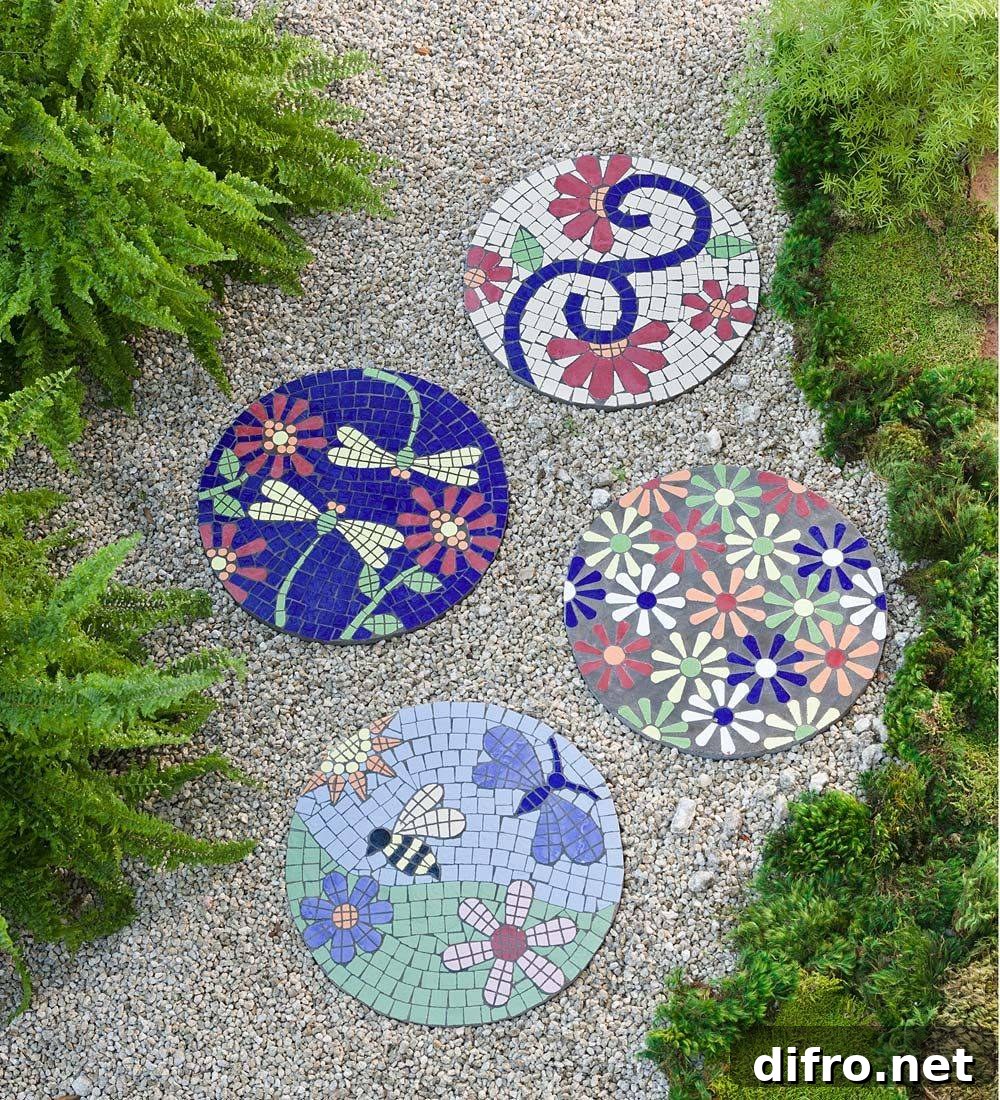
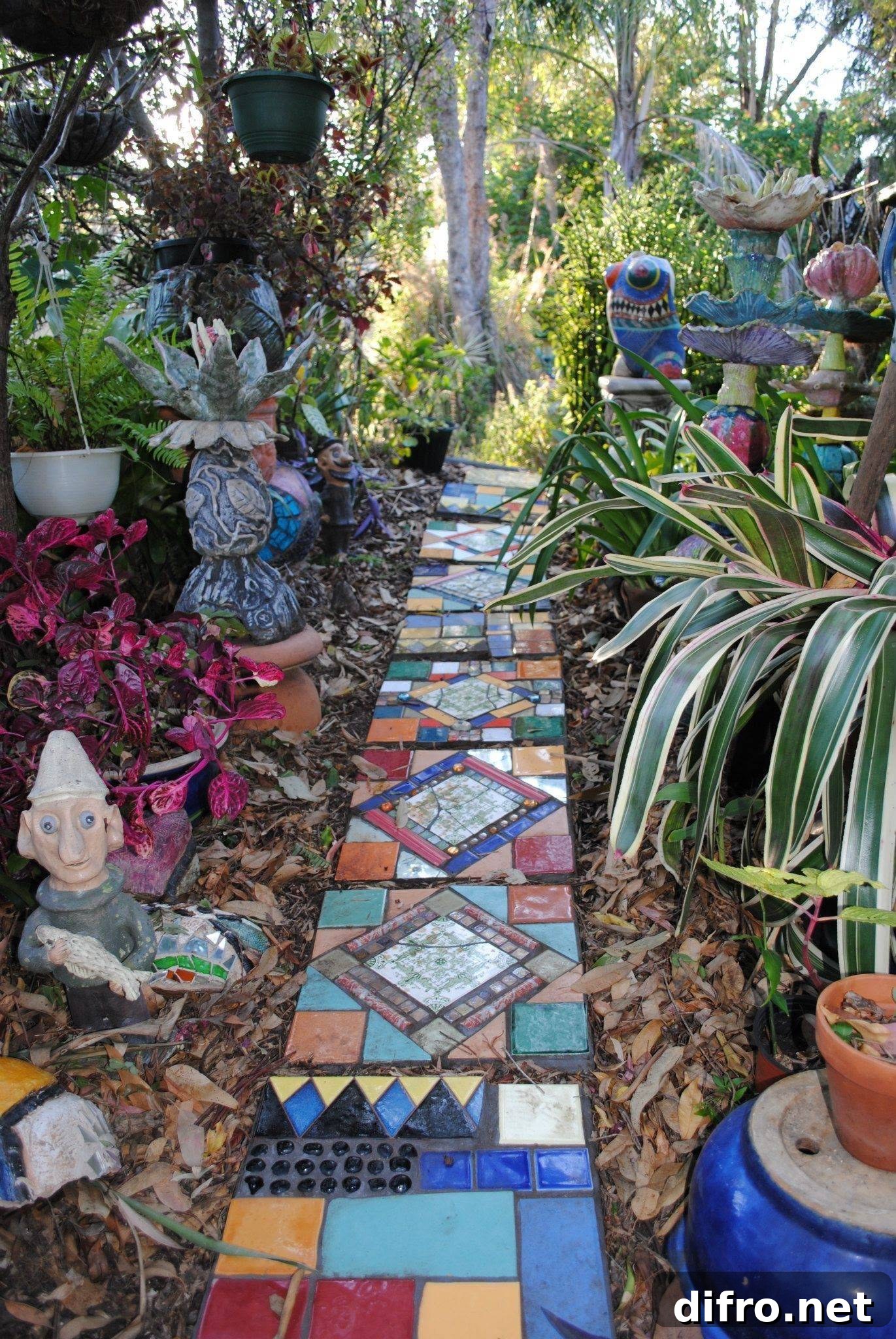
Mosaics are a brilliant way to reuse broken tiles, ceramics, and pottery. Arrange colorful fragments into patterns or images set into concrete or mortar to create distinctive stepping stones. Mosaics add sparkle and detail to a path and let you repurpose small decorative items for a beautiful, eco-friendly finish.
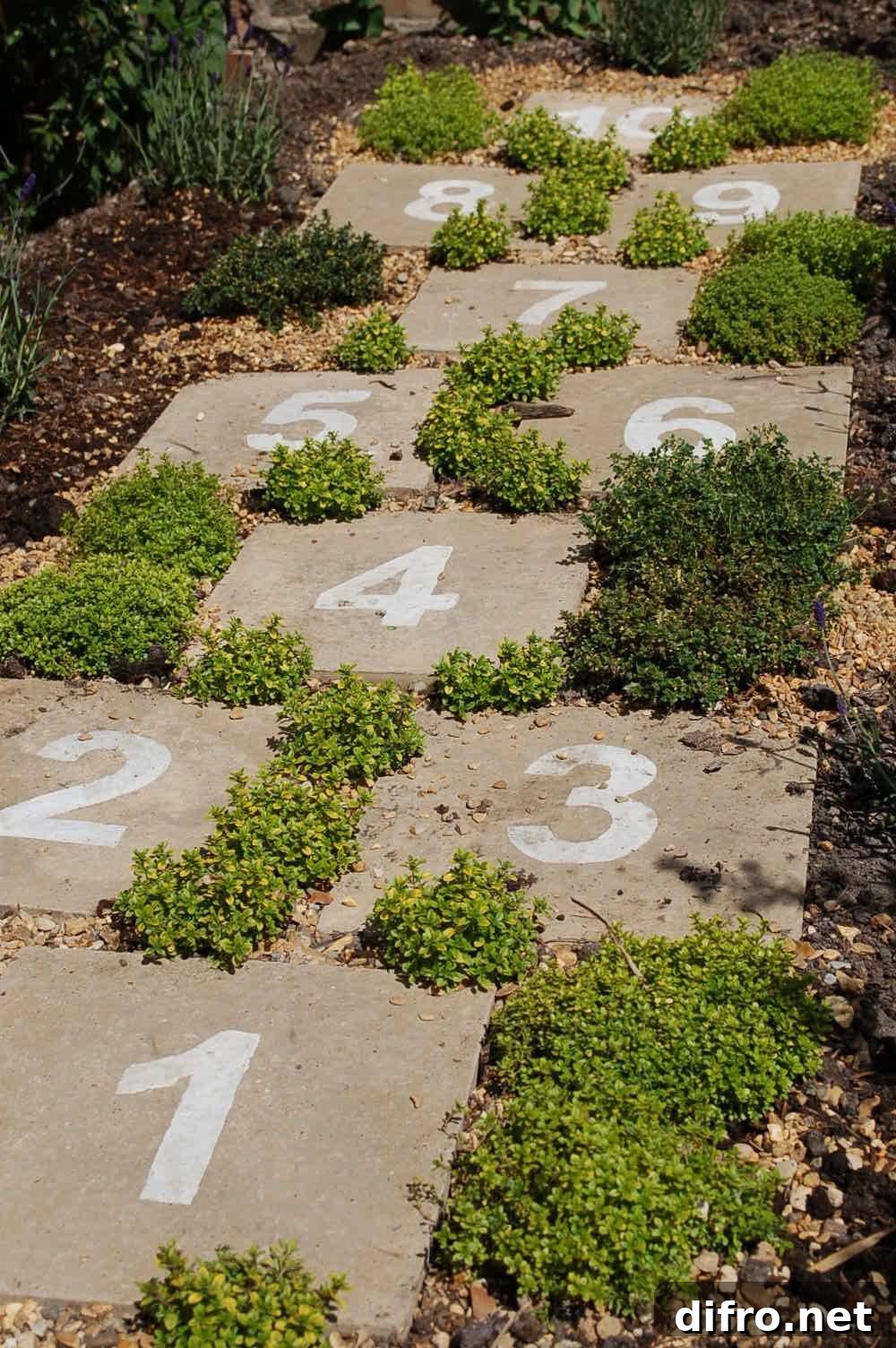
Counting Steps
Numbered stepping stones make a playful, interactive pathway. Paint numerals on individual stones to create a stepping sequence that invites guests—especially children—to count their way to the front door. Bright colors and bold type enhance visibility and give the path a cheerful, whimsical character.
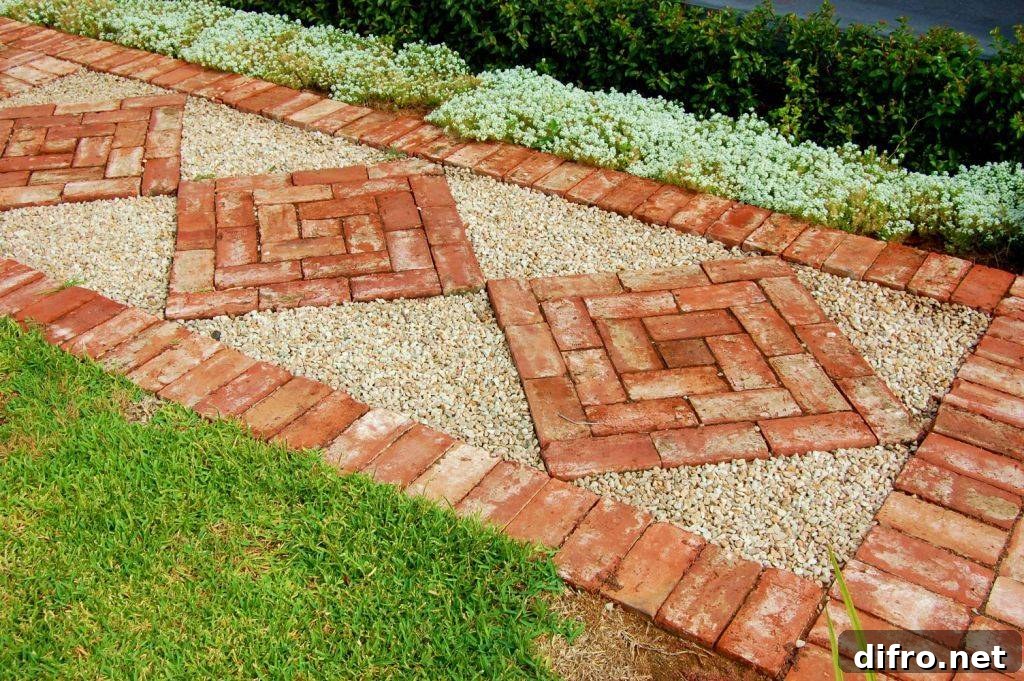
Interlocking Red Brick Stepping Stones
Red brick offers a classic, timeless look and excellent durability. Use interlocking patterns or arrange bricks to form geometric shapes for a refined, cohesive path. Bricks are especially useful as a border material around a central design or as the primary surface when you want a traditional, low-maintenance walkway.
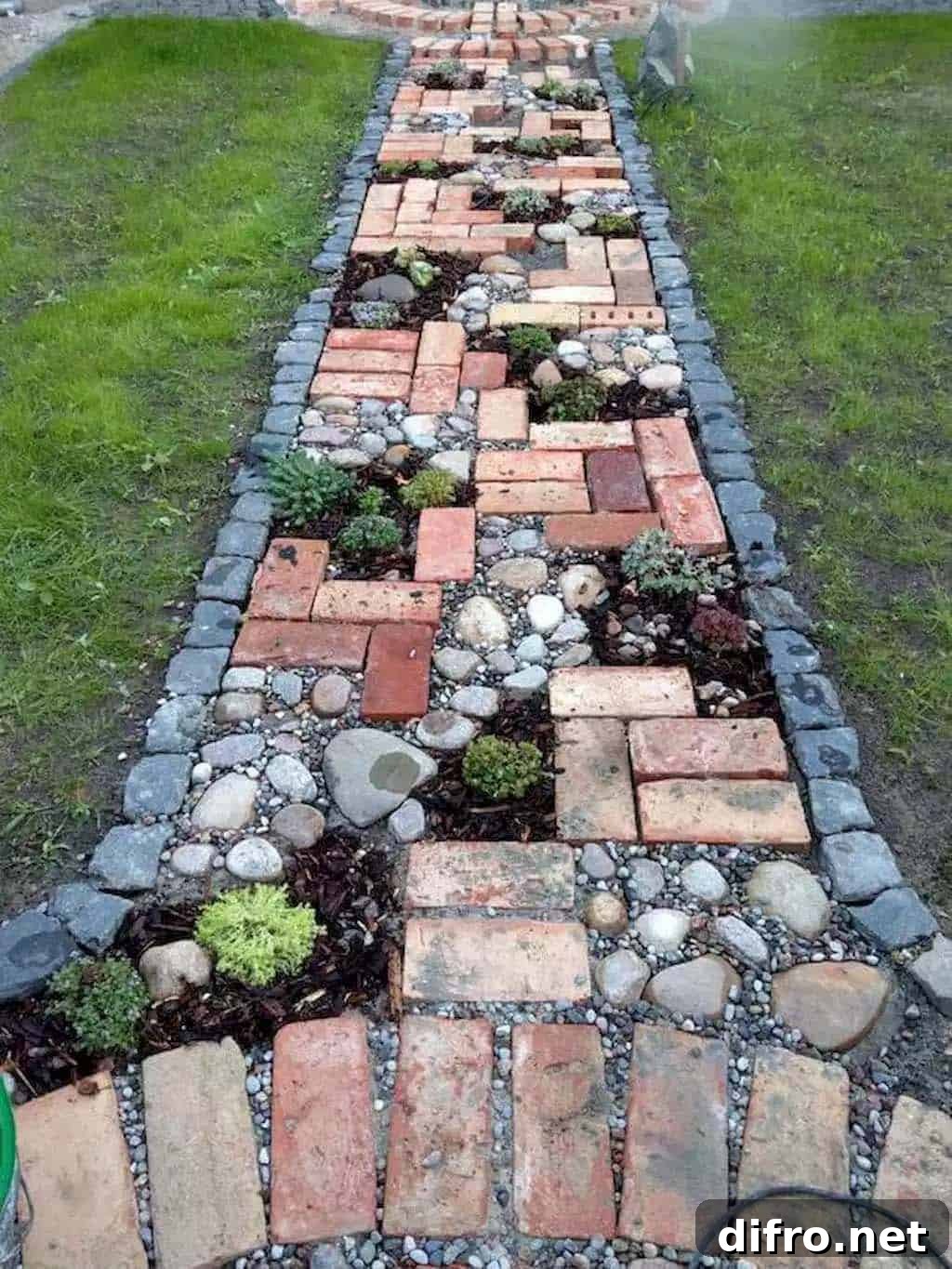
Mixed Pebbles and Concrete Pattern
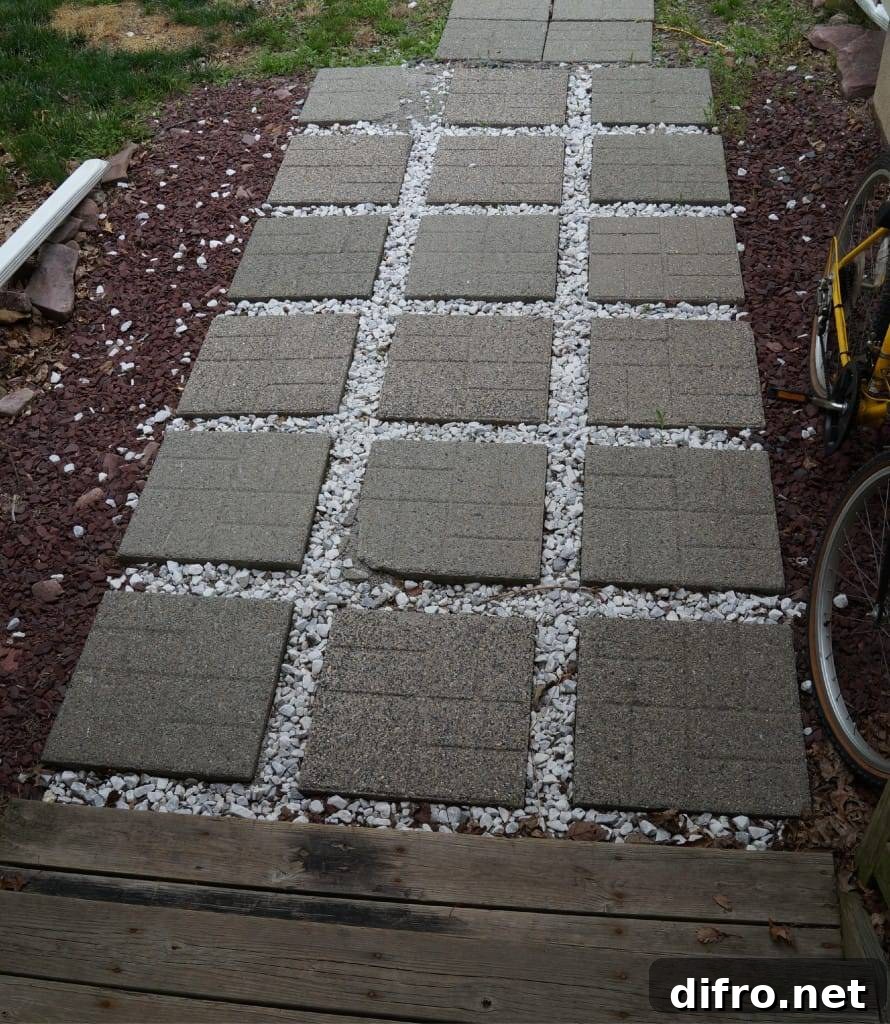
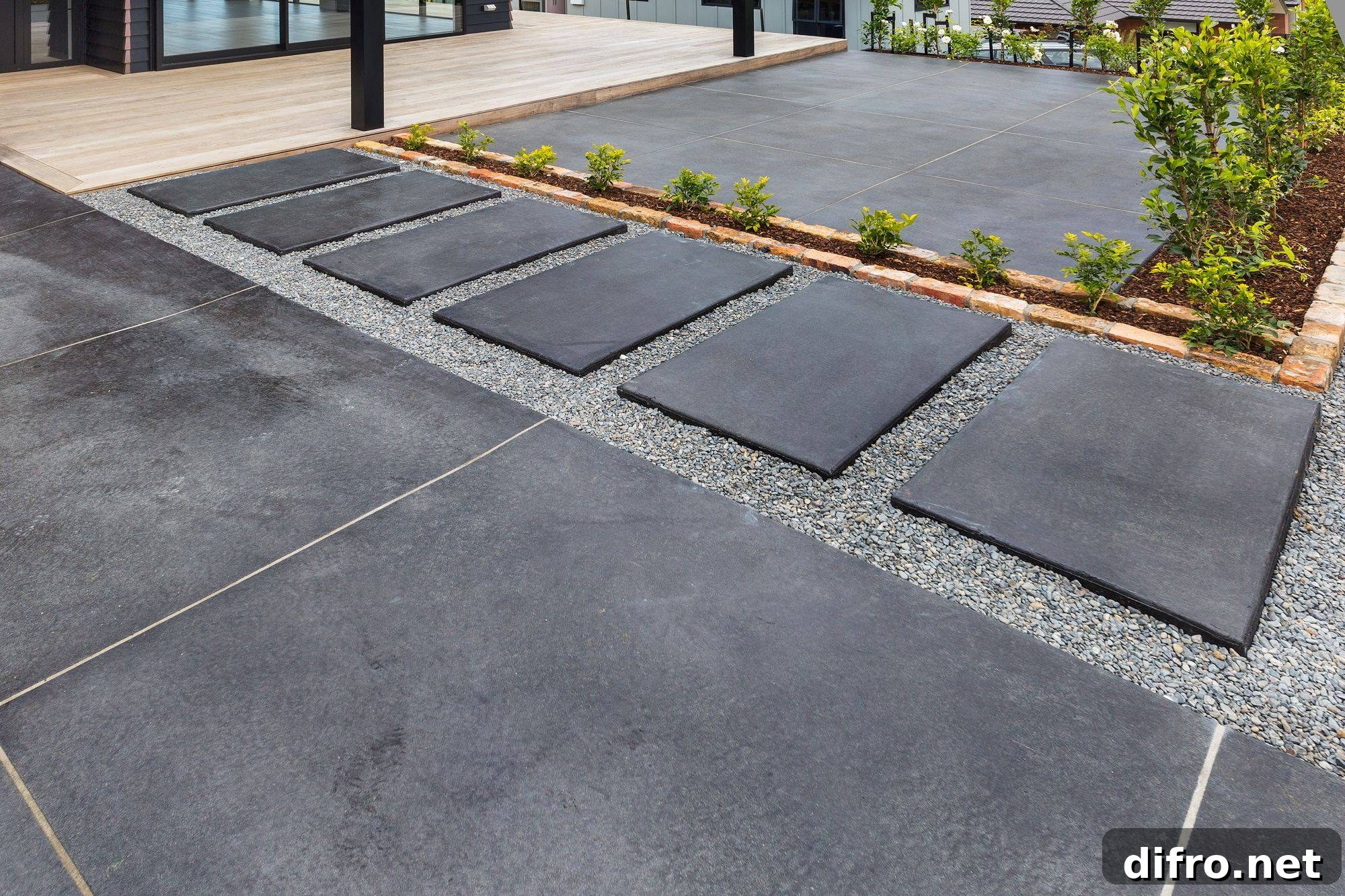
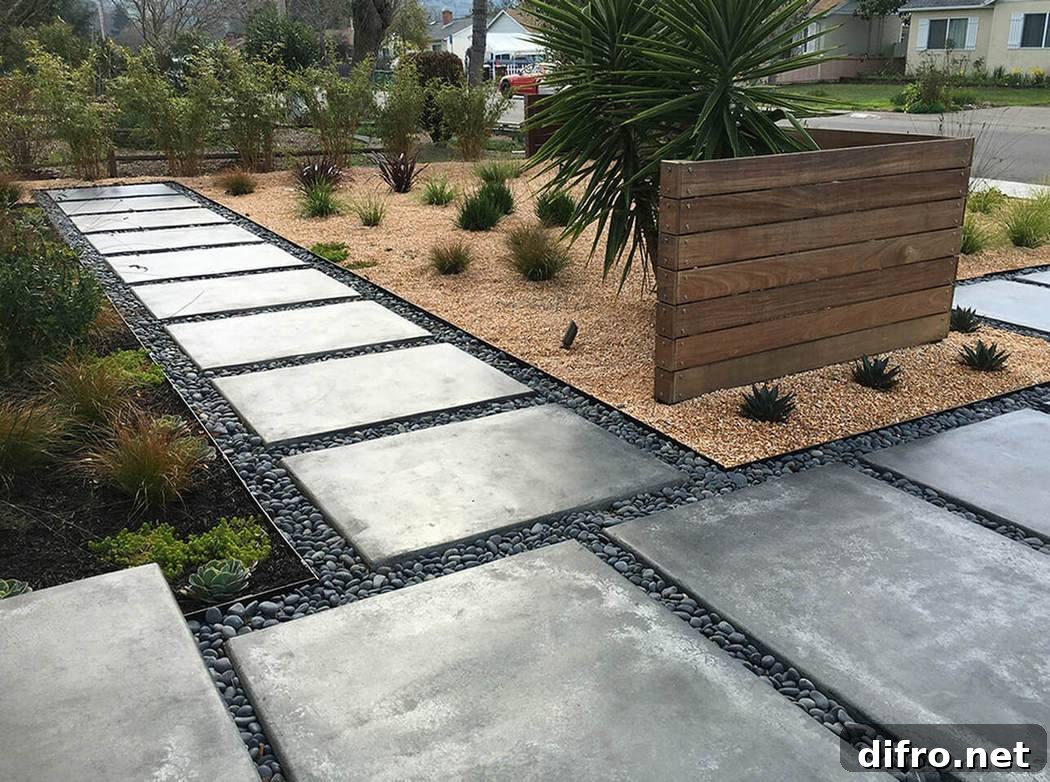
Small pebbles bring natural color and texture to paths. Use them to fill spaces between slabs, create center patterns, or embed them in concrete for a speckled, tactile surface. Combining pebbles with concrete slabs yields a balanced look—durable underfoot and visually interesting—especially when different pebble tones are mixed for contrast.
Stepping stones are an accessible, effective way to enhance your landscape. Many designs are simple enough for a weekend DIY, while others are best completed with professional help. Choose materials that suit your climate and traffic, and consider sealing or treating natural elements to extend their life. With the right choice, decorative stepping stones will add charm, protect your planting beds, and create a path that visitors will remember.