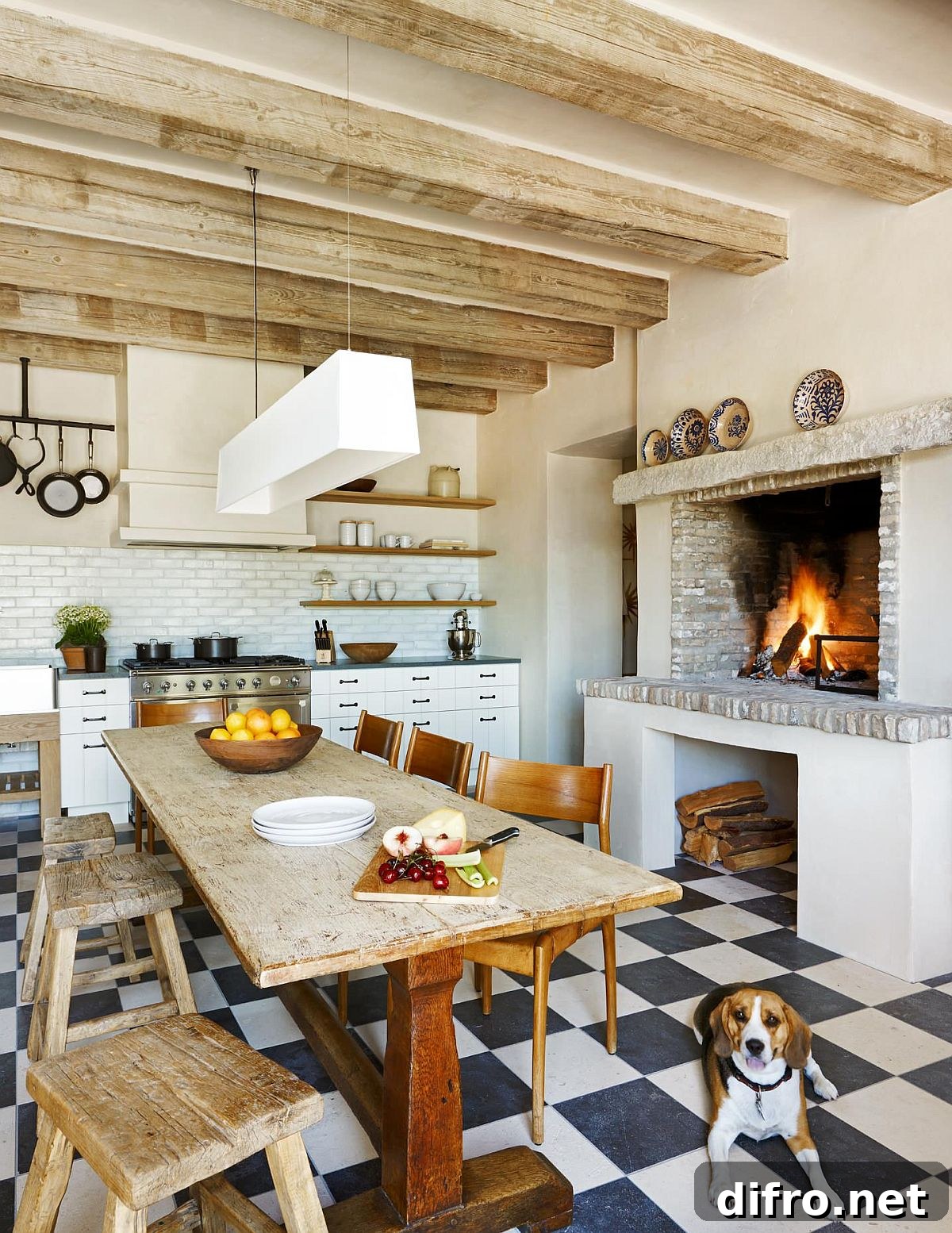
Every kitchen has its own personality, and one of the most enduring and inviting looks today is rustic. Rooted in country charm, the rustic kitchen softens modern spaces with natural textures and a lived-in feel. In a world of glossy, manufactured surfaces, a rustic kitchen brings warmth, character and authenticity. If you love the idea of a cozy, timeless kitchen, here’s a practical guide to creating a picture-perfect rustic space that feels both comfortable and purposeful.
The essence of a rustic kitchen is straightforward: favor durability, texture and authenticity over slick perfection. You can easily add rustic elements to a modern kitchen to create a balanced, inviting environment. Below are practical ideas and stylistic approaches to help you introduce rustic charm without forcing the look.
Function Precedes Form
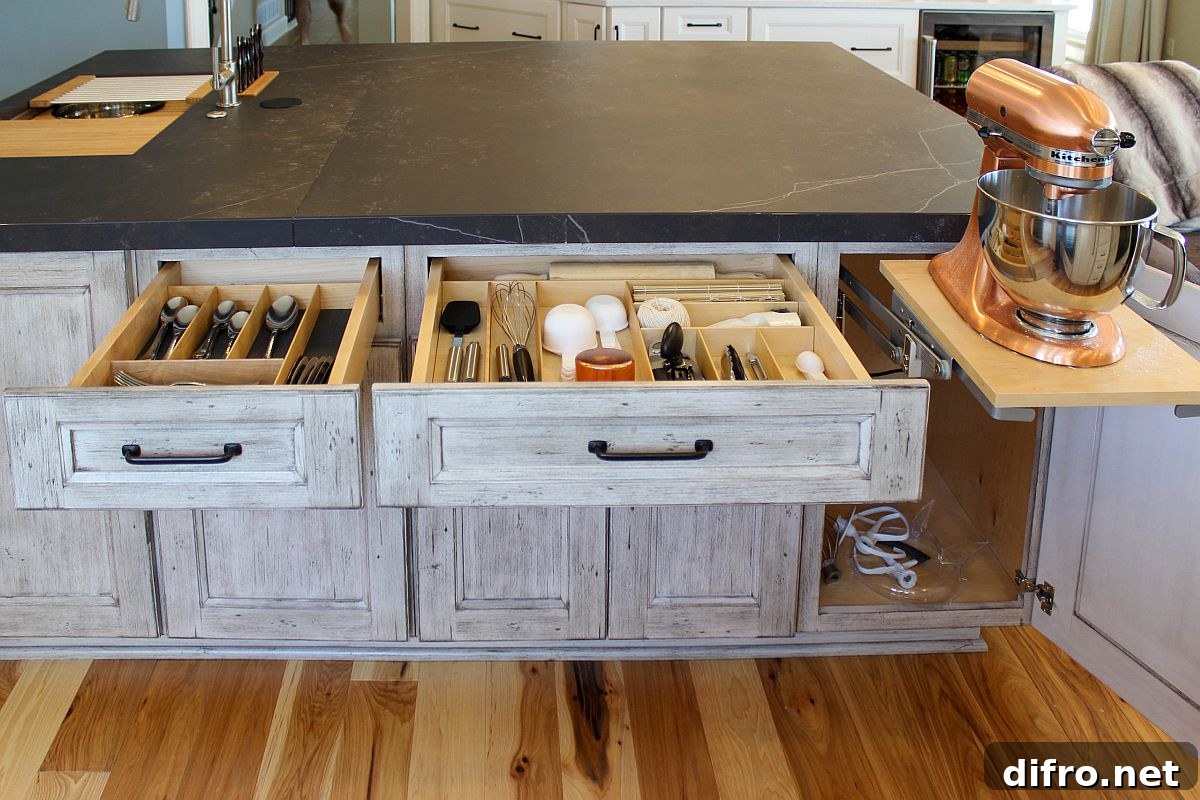
In a rustic kitchen, practical use should come first. Plan your layout carefully—appliances, workstations and the island should all support how you actually cook and move through the space. Rustic style tolerates a bit of visual clutter and a mix of furniture pieces, but that relaxed, collected look only succeeds when the kitchen functions well. Start with flow and ergonomics, then layer in finishes and decorative details.
Reclaimed Wood and Weathered Finishes
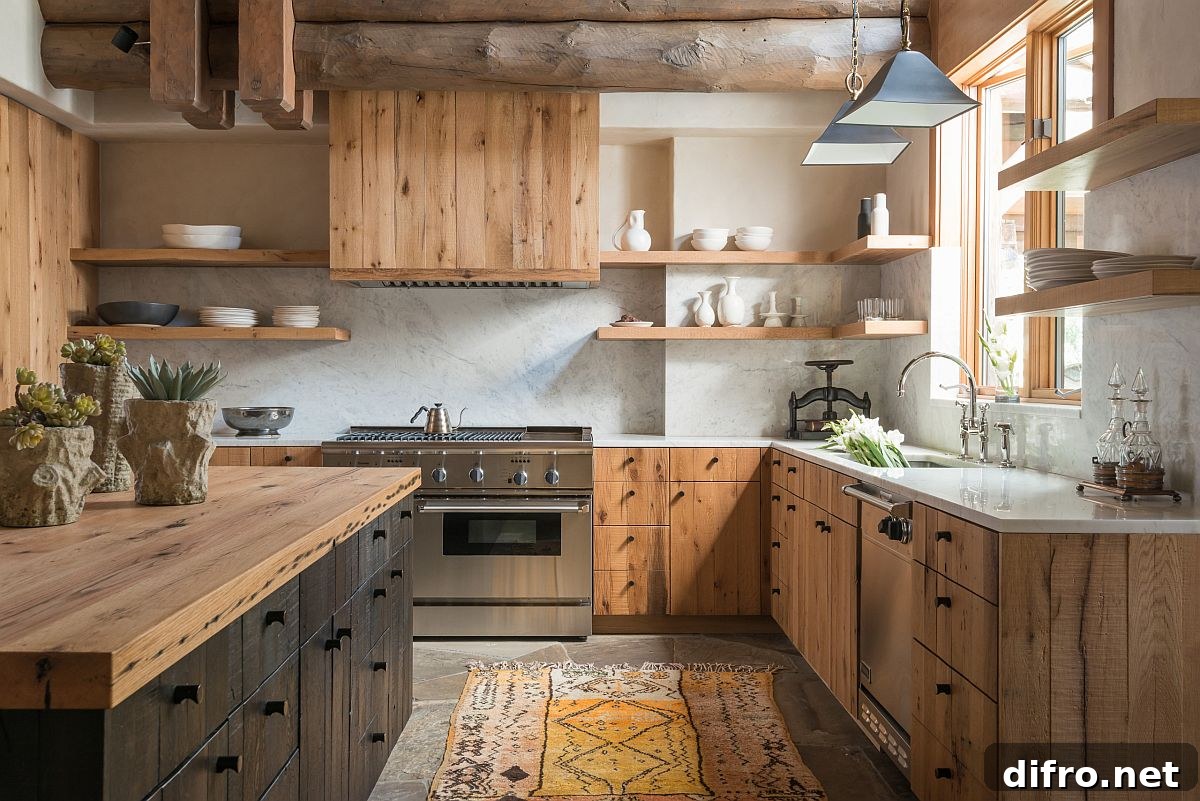
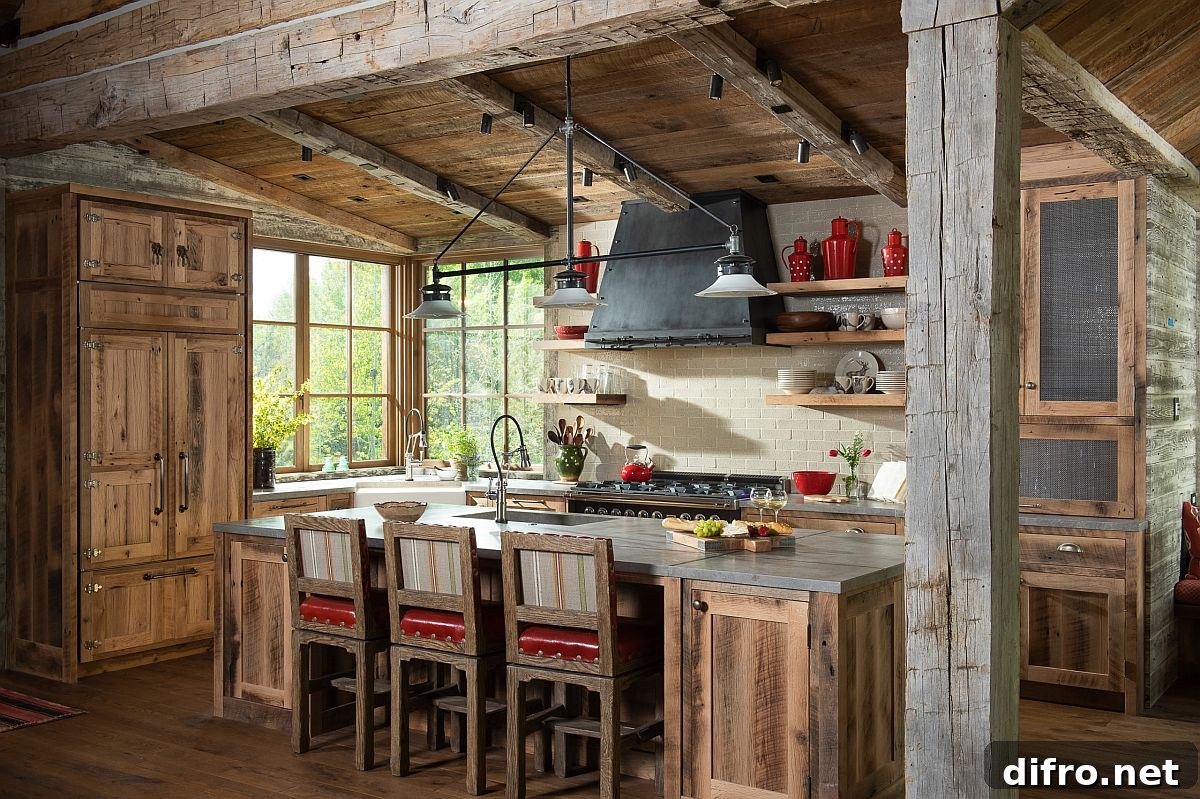
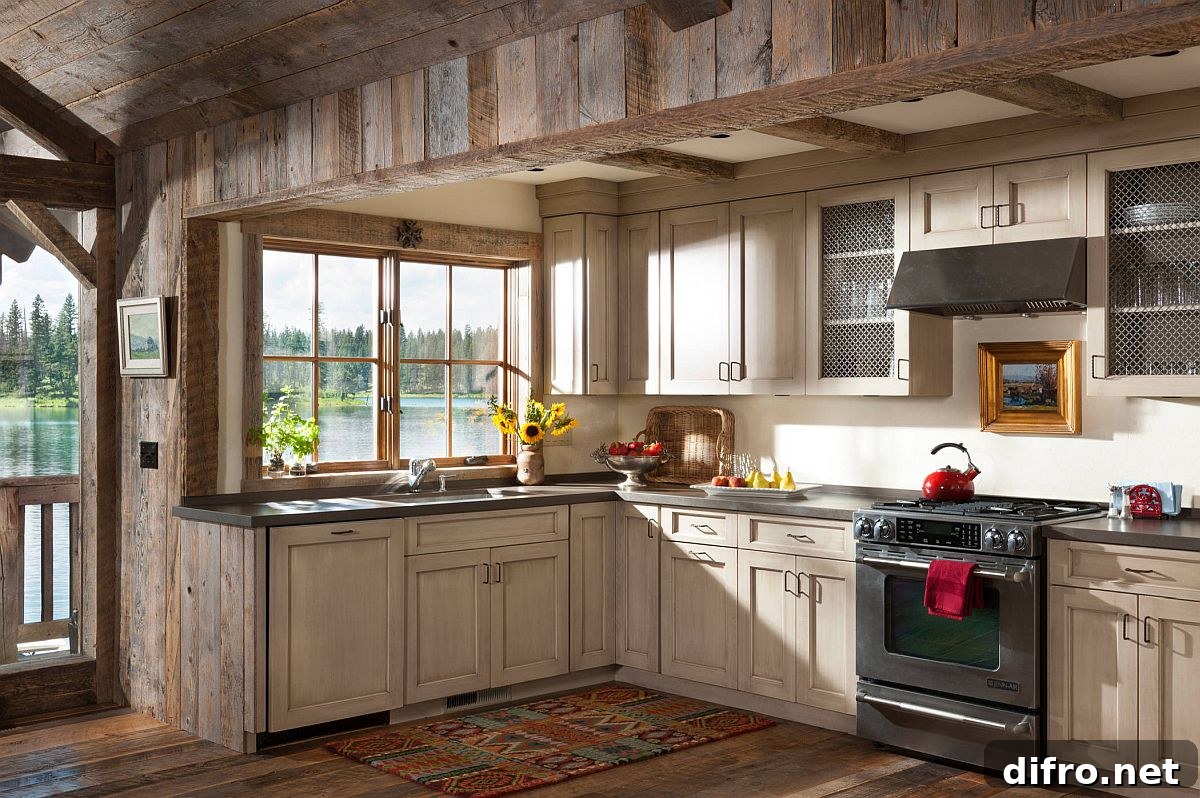
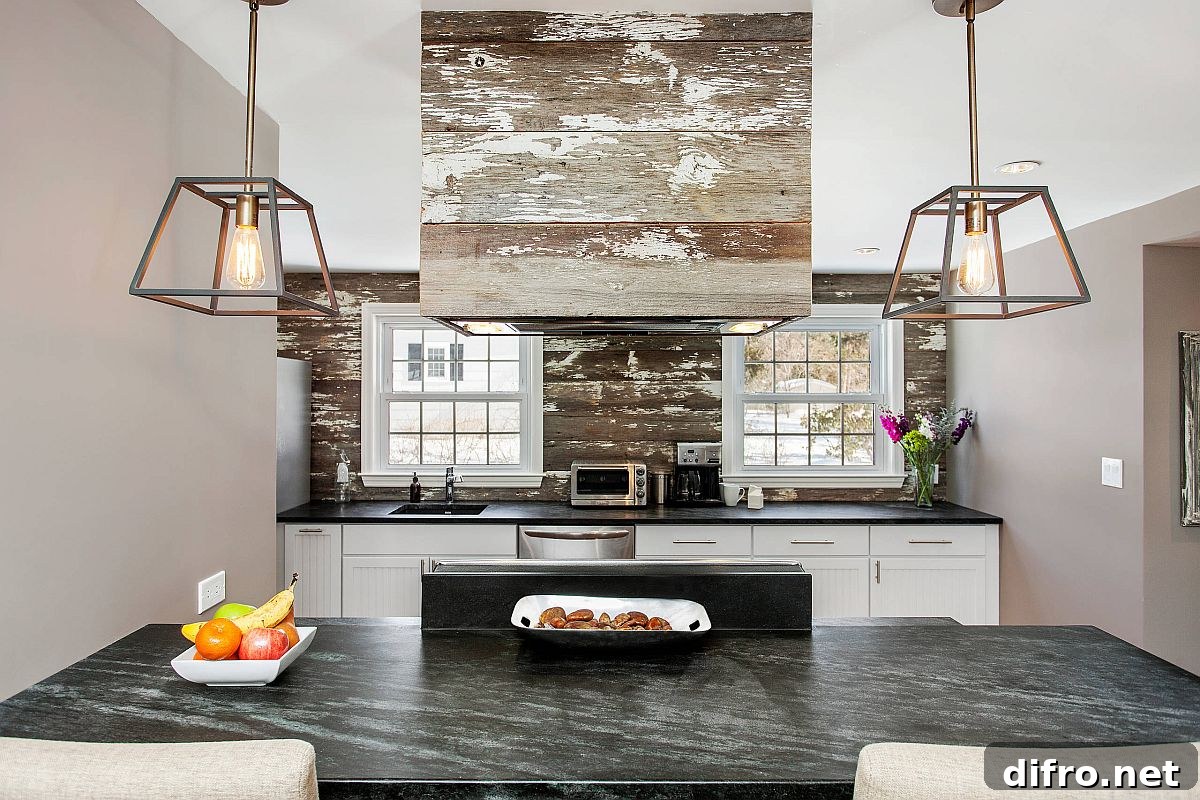
Wood is at the heart of the rustic kitchen. Reclaimed timber, distressed finishes and cabinets that look gently aged add immediate authenticity. Choose deeper, richer wood tones or weathered surfaces that read as substantial and durable. Besides aesthetic appeal, reclaimed wood is often an environmentally thoughtful choice that brings unique character through knots, grain and patina.
Wood with a Pop of Red
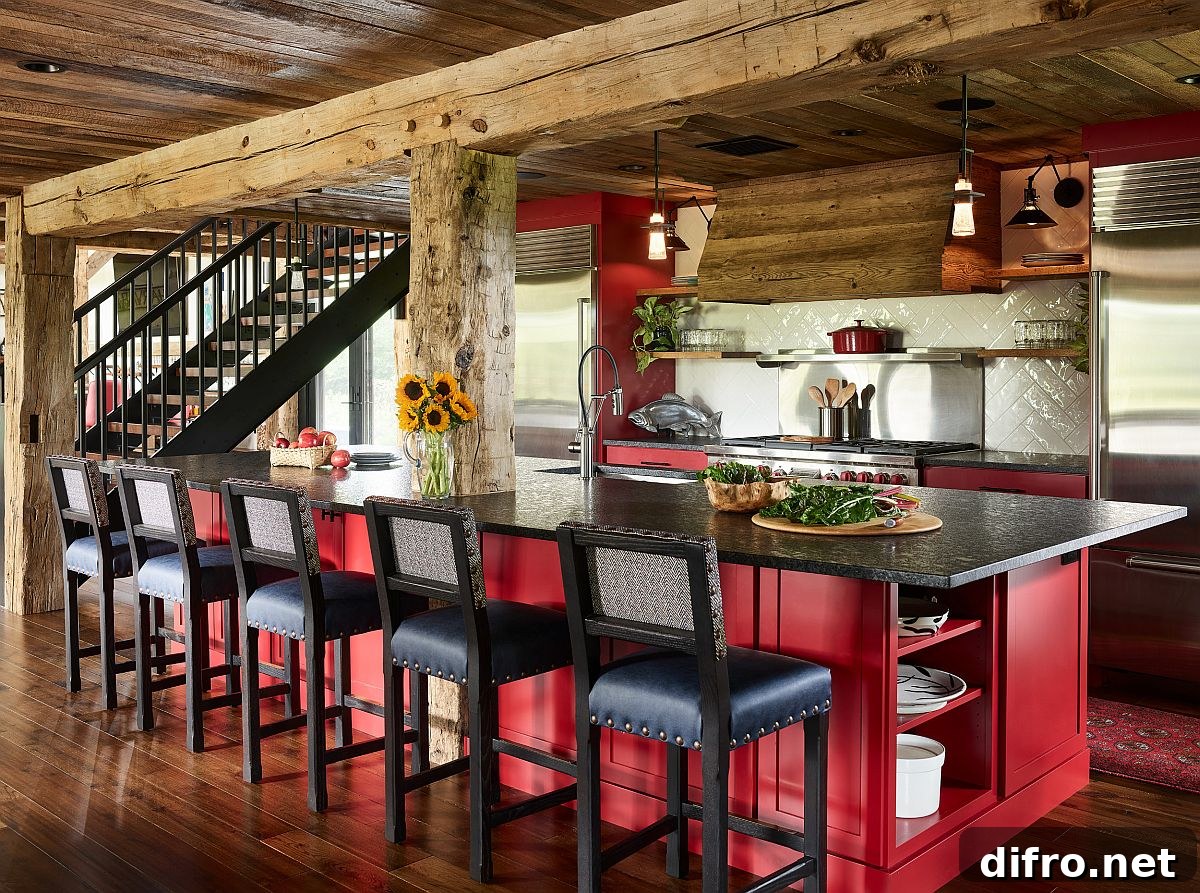
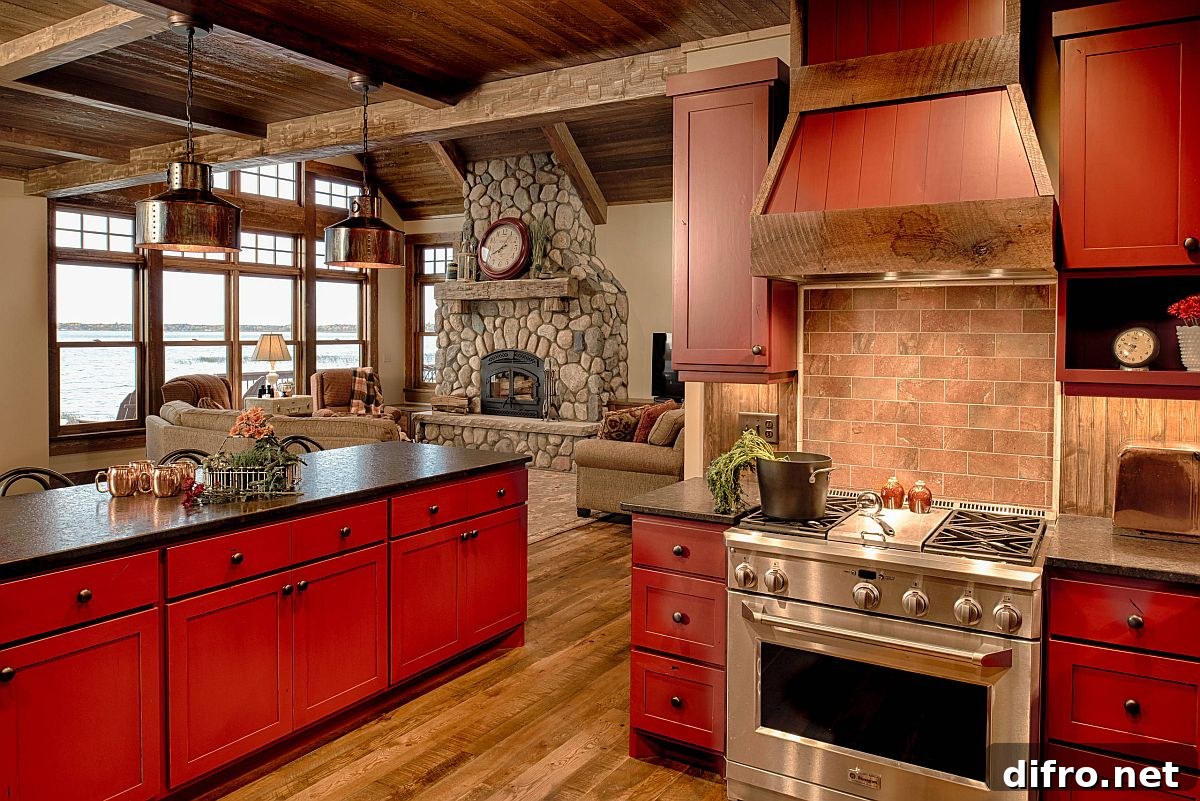
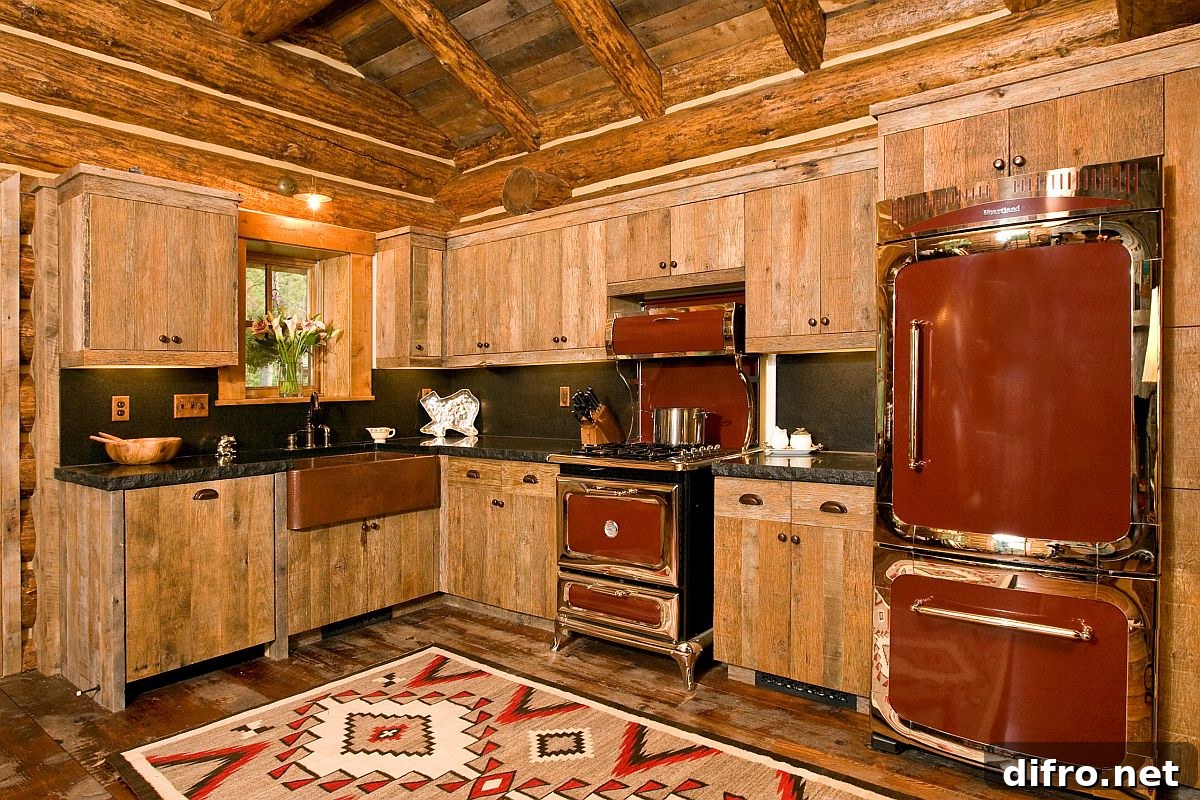
If you’re experimenting with the rustic look, try combining warm wood with accents of red. A painted red island, a few red cabinet doors or red accessories add visual interest and energy without overwhelming the natural palette. This simple color strategy highlights the wood’s warmth and gives the room a timeless, approachable personality.
Hoods and Appliances with a Difference
Instead of standard stainless steel, consider appliances and range hoods with textured finishes, muted colors or custom metalwork that blend with rustic materials. Today’s market offers ranges, hoods and sinks in finishes that evoke vintage charm or handcrafted quality. Choosing appliances with tactile appeal helps the kitchen feel intentional and cohesive.
Stone Countertops and Organic Lighting
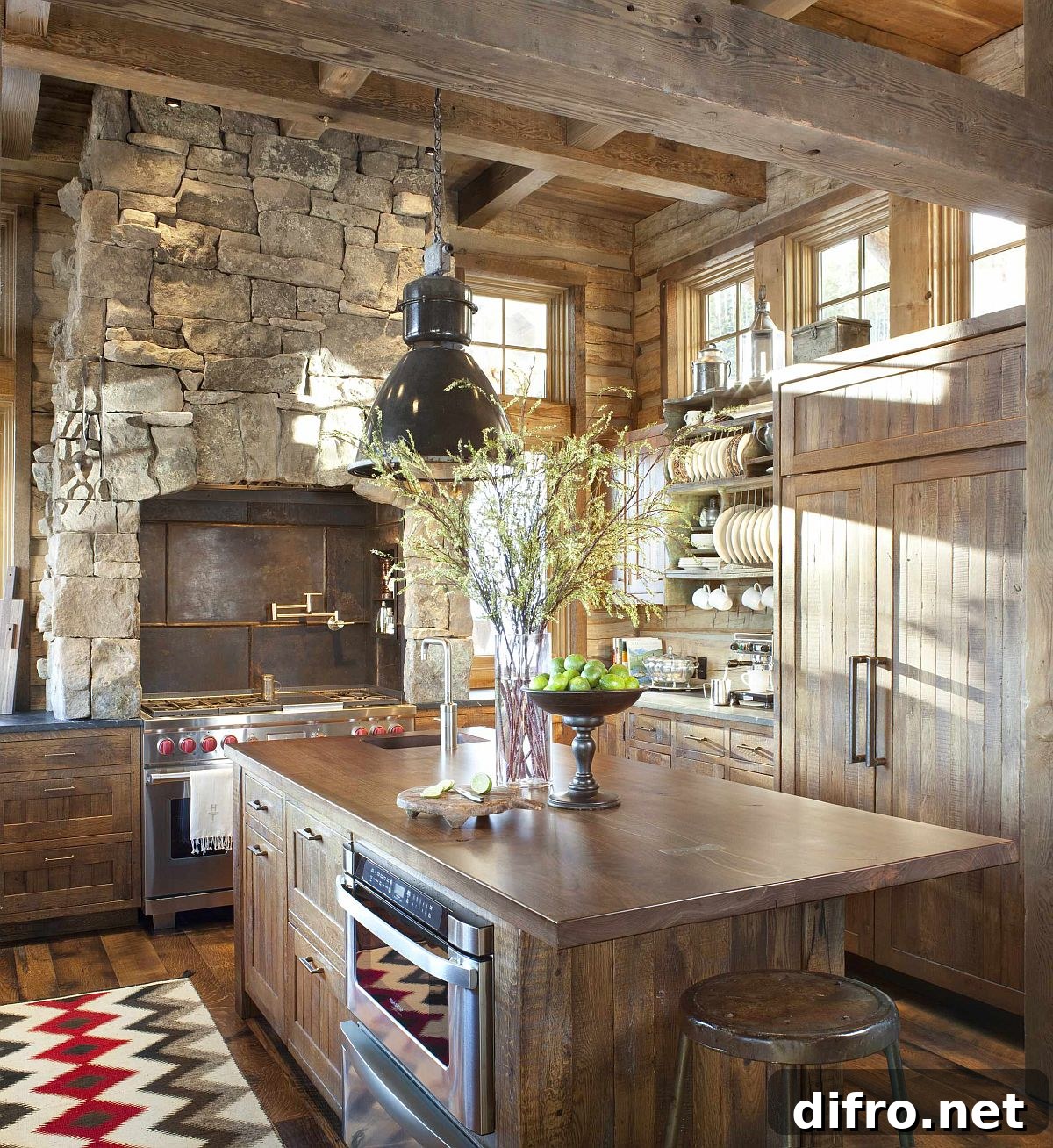
Stone countertops—granite, soapstone or honed limestone—anchor a rustic kitchen with their tactile weight and natural variation. Pair stone tops with exposed beams, brick or plaster walls and warm, layered lighting to emphasize texture. Pendants with a hand-forged or aged look, wall sconces and shaded lamps create an organic, comfortable glow that complements the materials.
Fireplace, Industrial Touches and More
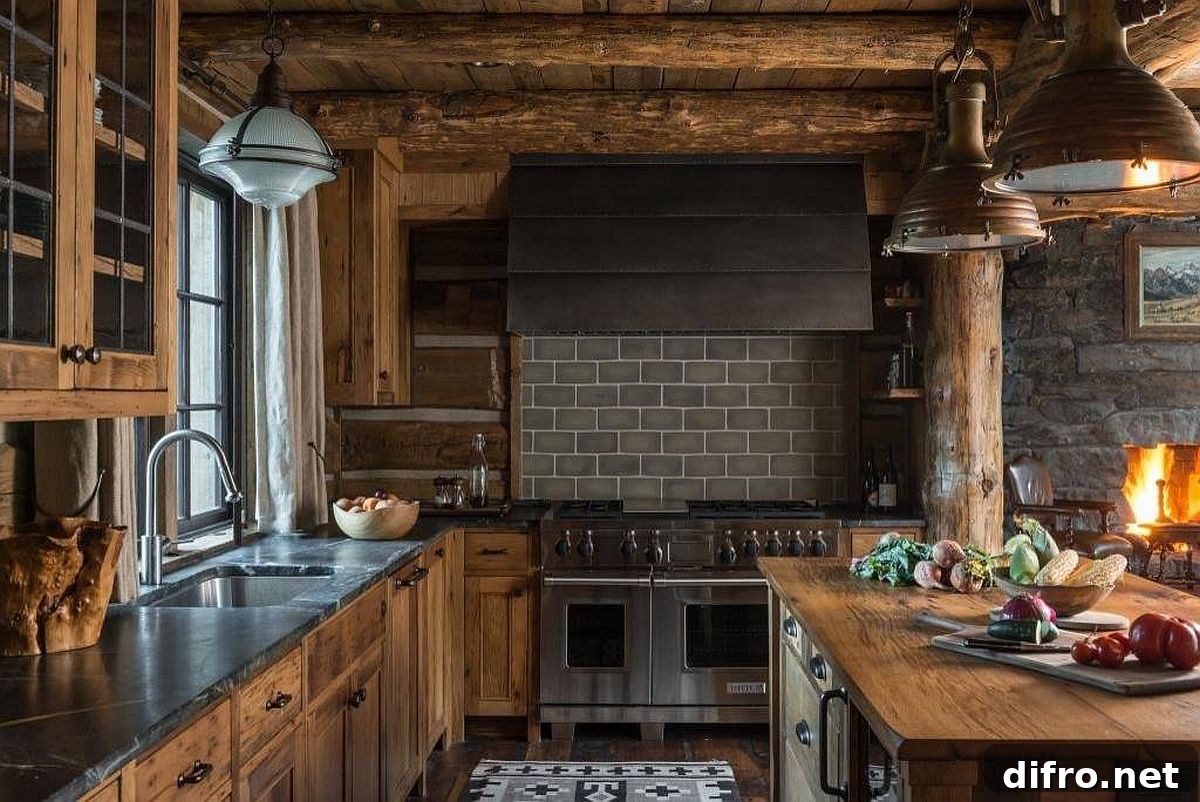
A fireplace instantly makes the kitchen a destination for gathering and conversation. Mixing industrial elements—exposed ductwork, metal shelving, and forged hardware—can sharpen the rustic palette and add visual contrast. Layer in vintage finds, textured walls and heirloom pieces to build a collected, personal atmosphere. The goal is a kitchen that feels lived-in, welcoming and built to last.
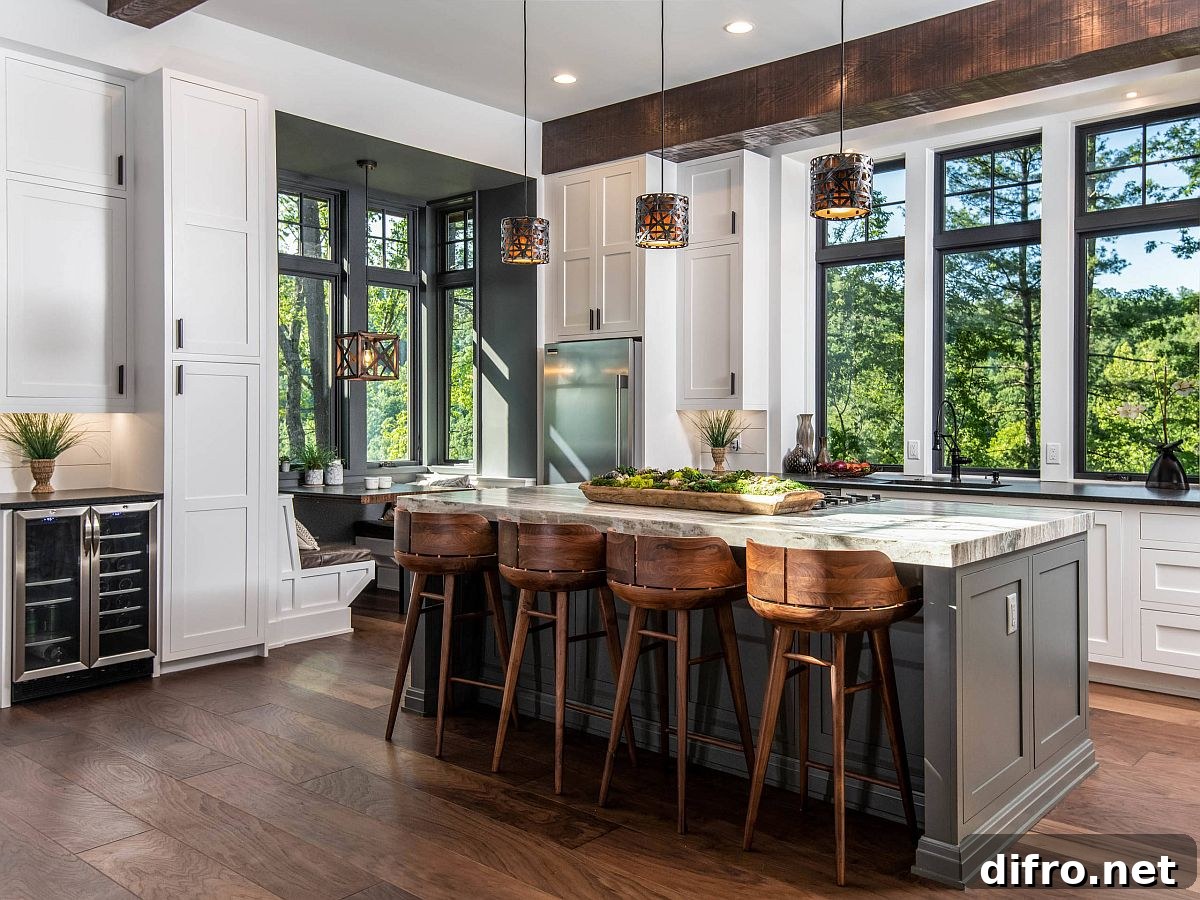
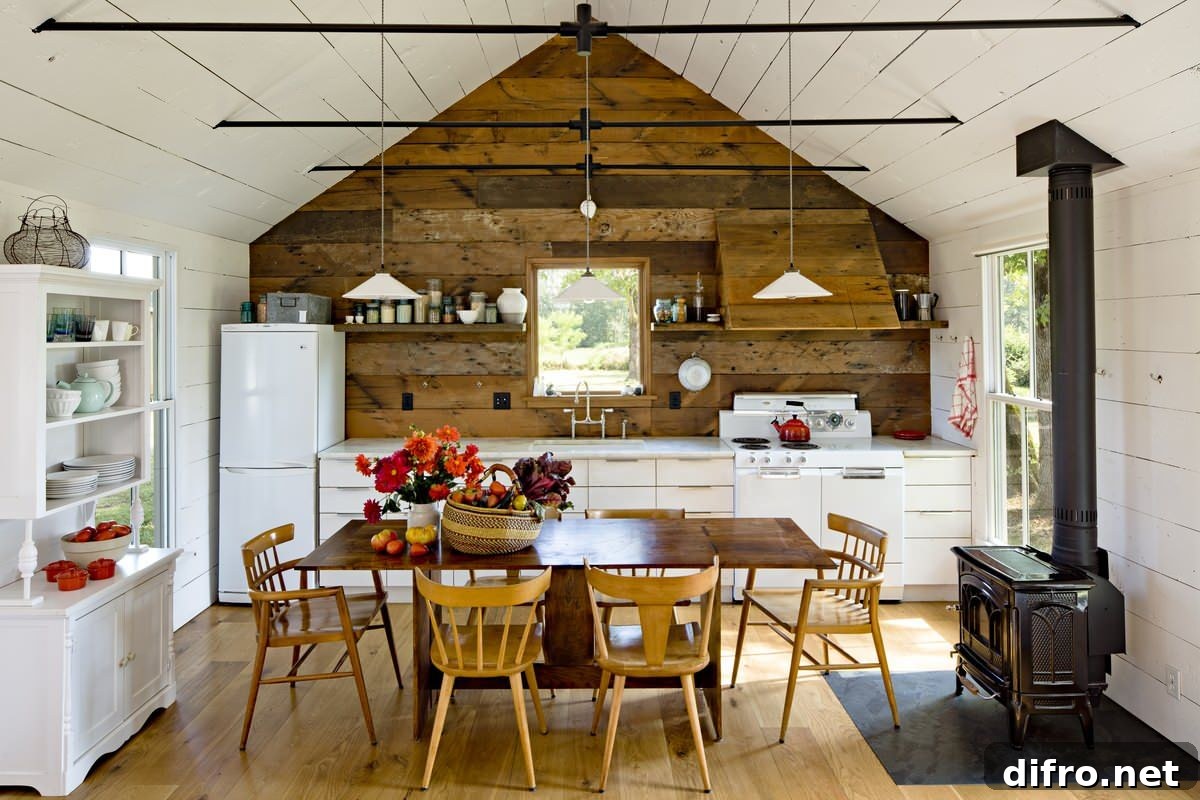
Whether you favor reclaimed wood, stone surfaces, a red accent or a custom range, a successful rustic kitchen balances comfort and function. Prioritize a thoughtful layout, choose durable natural materials, and layer in lighting and vintage details to create a kitchen that both looks and feels timeless.