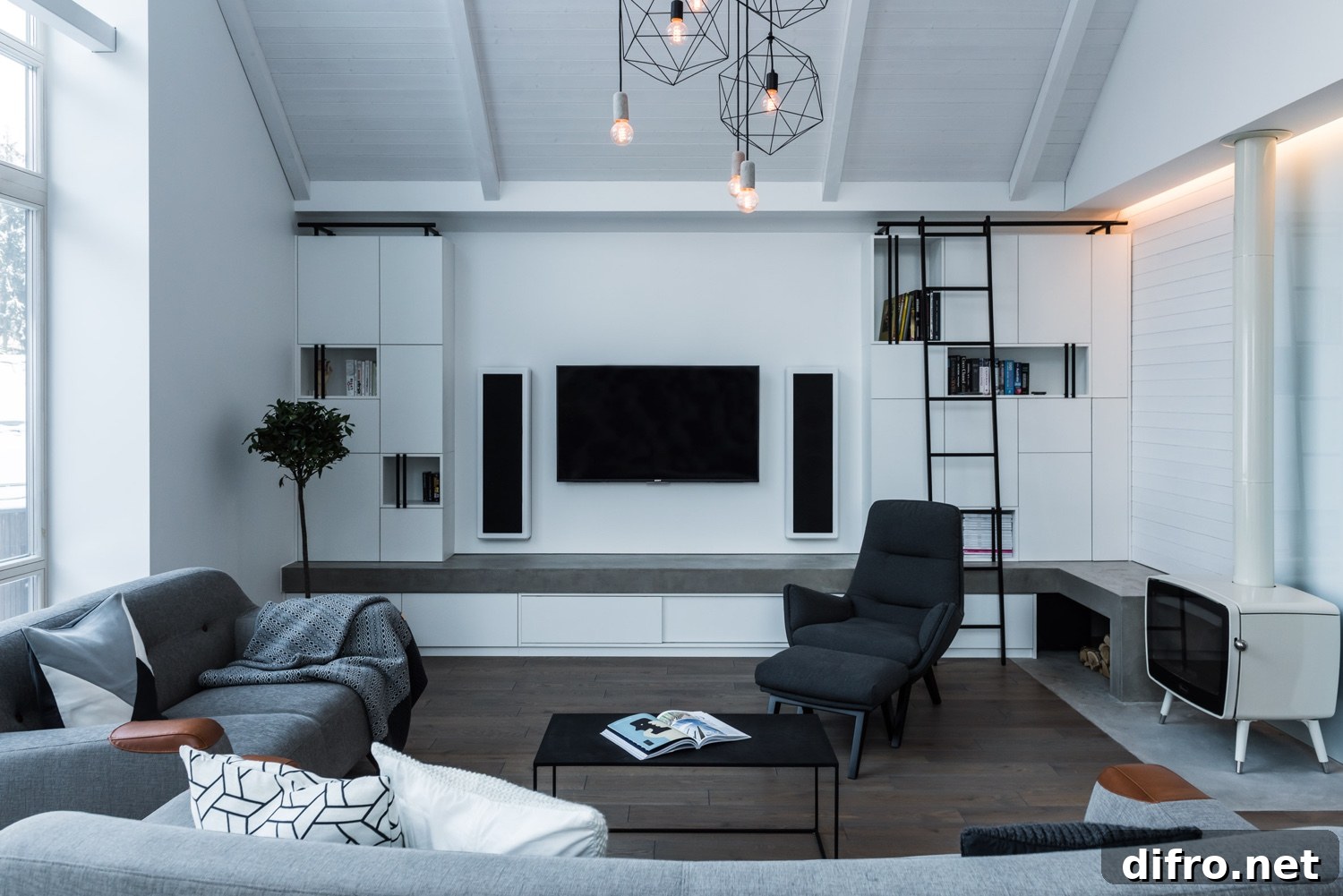
Monochrome design is often associated with black and white, but the term also embraces grayscale — a spectrum of grey tones from deep charcoal to whispering white — as well as unified palettes that focus on variations of a single hue. The word itself comes from the Greek monochromos: monos (single) and khroma (color), which captures the essence of a restrained, cohesive aesthetic. Monochrome interiors and objects rely on nuance: texture, light, proportion and material to create interest without relying on contrasting or complementary colors. This gallery highlights a selection of monochrome approaches in both architecture and product design, each demonstrating how a singular color family can deliver depth, atmosphere and timeless style.
Monochrome interiors
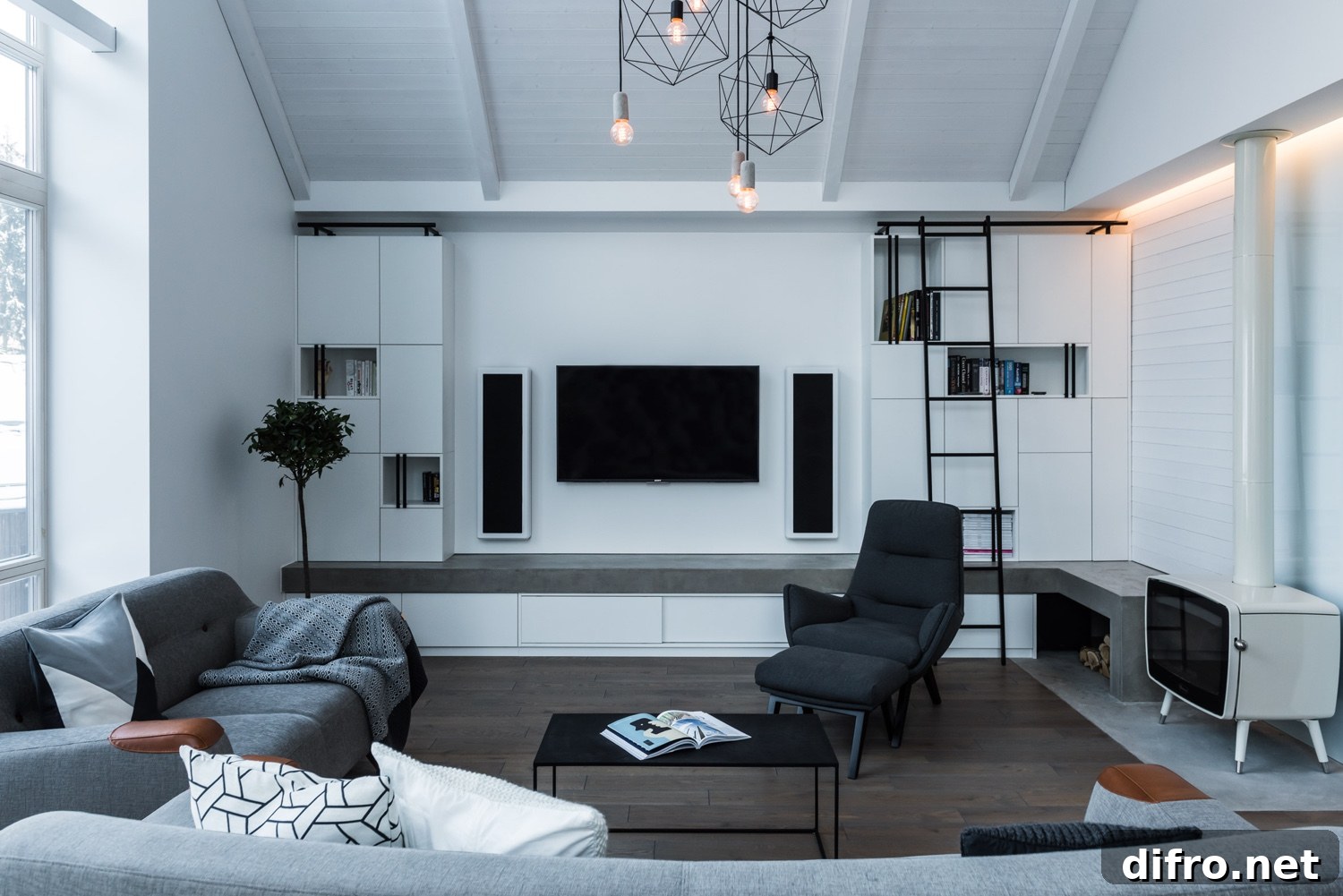
The ‘House on Stilts’ image shows how layered greys can establish mood and continuity. Natural wood, matte painted surfaces and charcoal accents work together to form a calm, cohesive space where material contrasts take the place of color contrast. In monochrome interiors, subtle shifts in tone and finish — satin versus matte, smooth plaster versus textured wood — become the primary language of design.
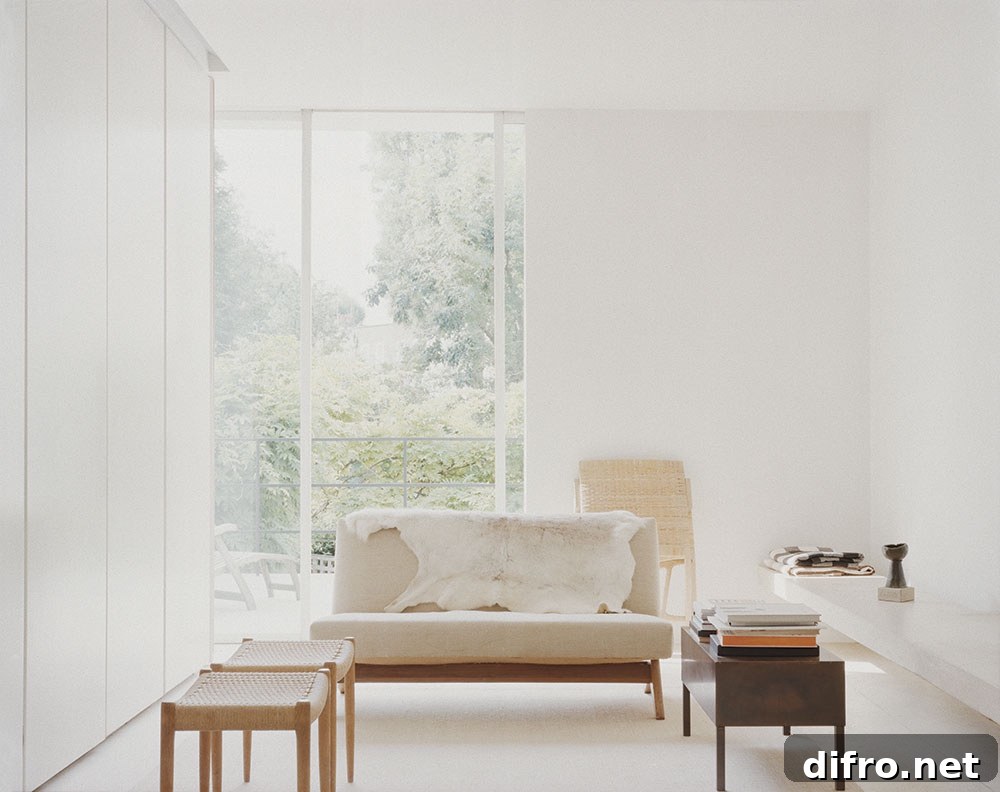
Architect John Pawson’s minimalist Notting Hill interior demonstrates the power of an all-white scheme: clarity of form, amplified daylight and a tranquil, gallery-like atmosphere. White-on-white spaces rely on light and shadow to reveal volume and detail, and they often incorporate natural materials and carefully chosen furniture to avoid sterility.
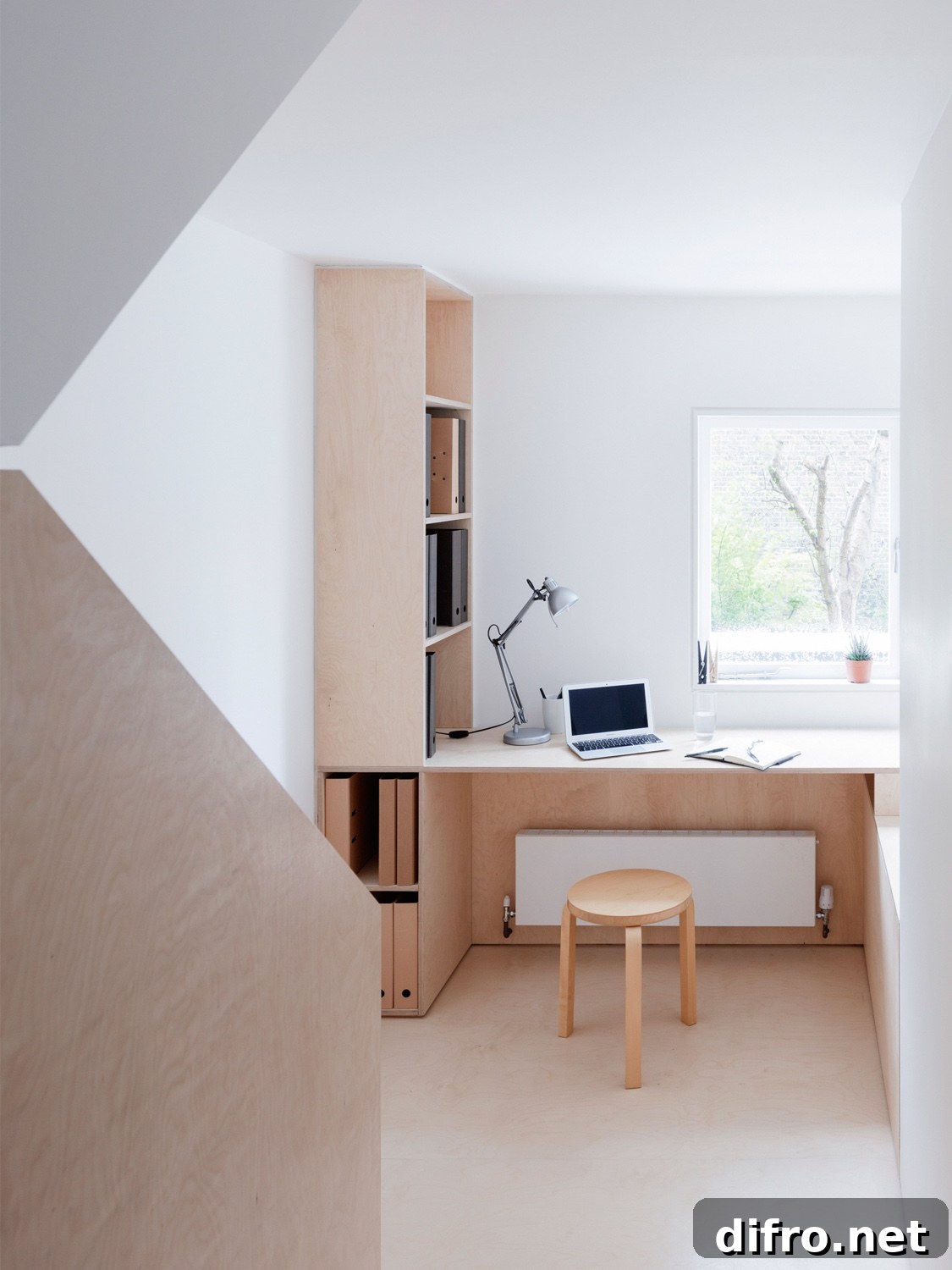
Combining white with a single natural material, such as plywood, is a common monochrome strategy that introduces warmth without breaking the tonal narrative. The plywood and white office plan emphasizes functional simplicity while allowing the grain and joinery to become focal points.
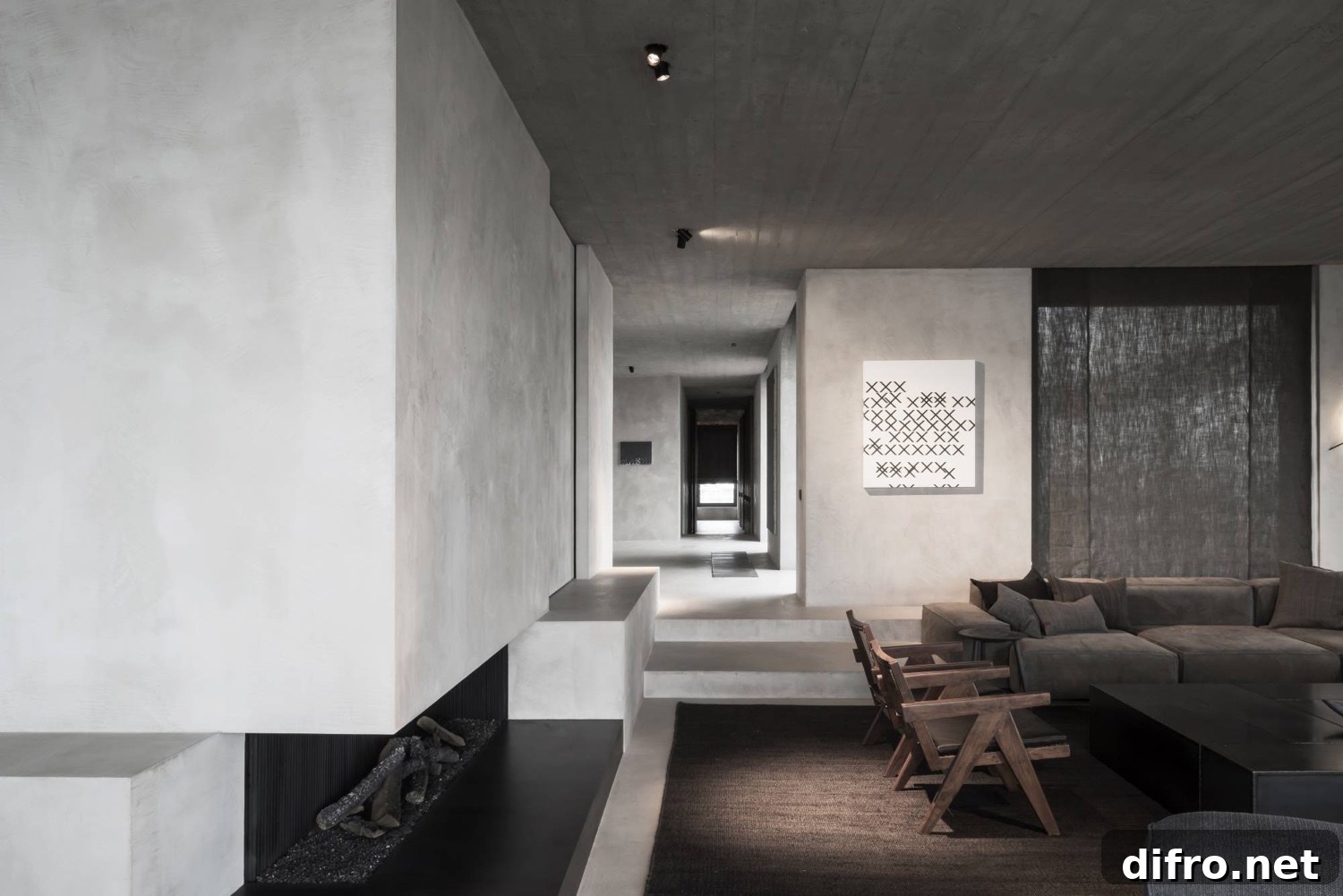
Monochrome doesn’t mean limited textures. Concrete, stone, plaster and textiles in a similar tonal range create a layered, tactile environment. The C Penthouse showcases how a restrained palette can feel sophisticated and modern, with materiality providing the sensory richness.
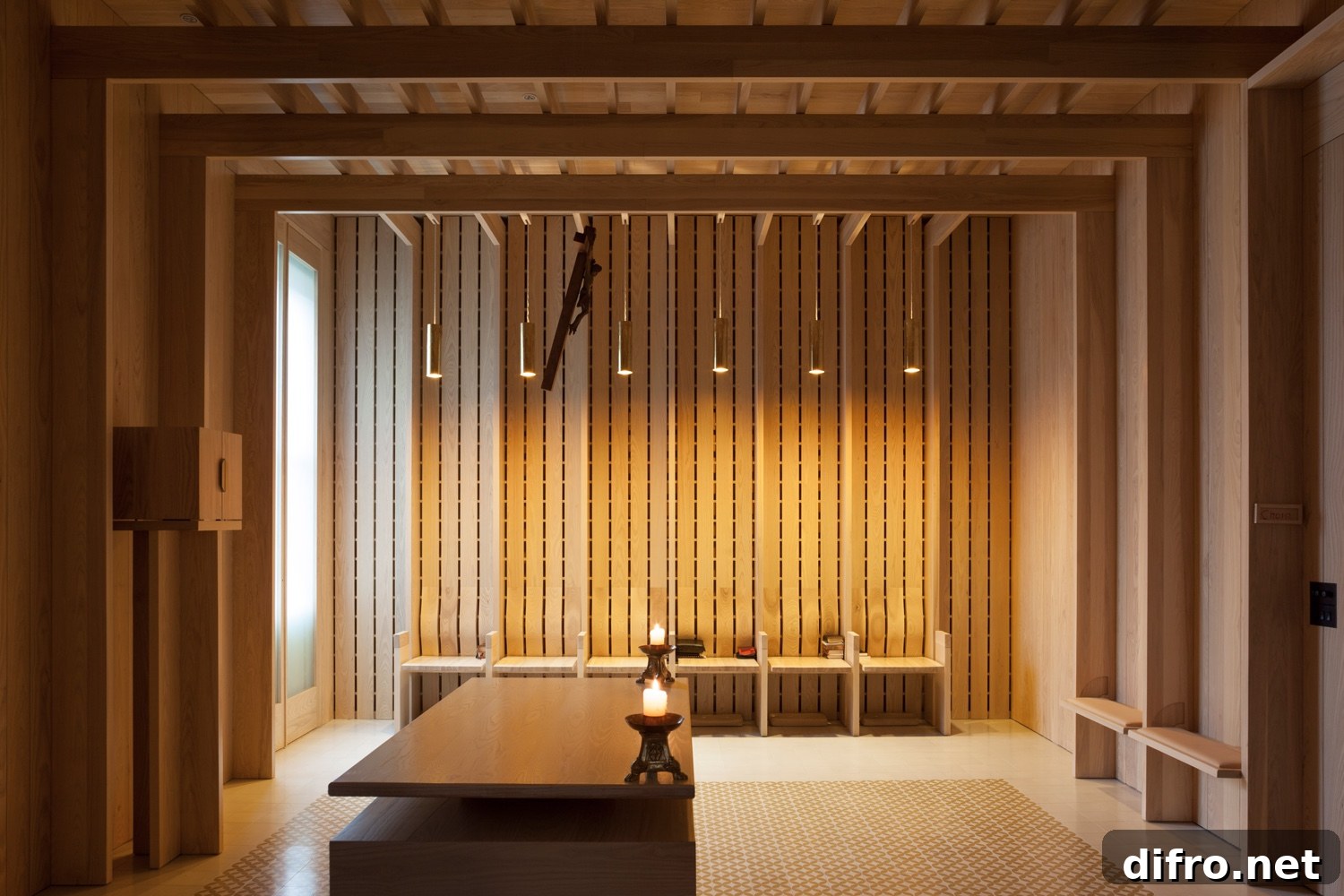
An ash-wood prayer room shows how a single color family—here warm, neutral wood tones—can create a contemplative space. Monochrome schemes are often used in religious and meditative interiors because they minimize distraction and emphasize the act of being in the space.
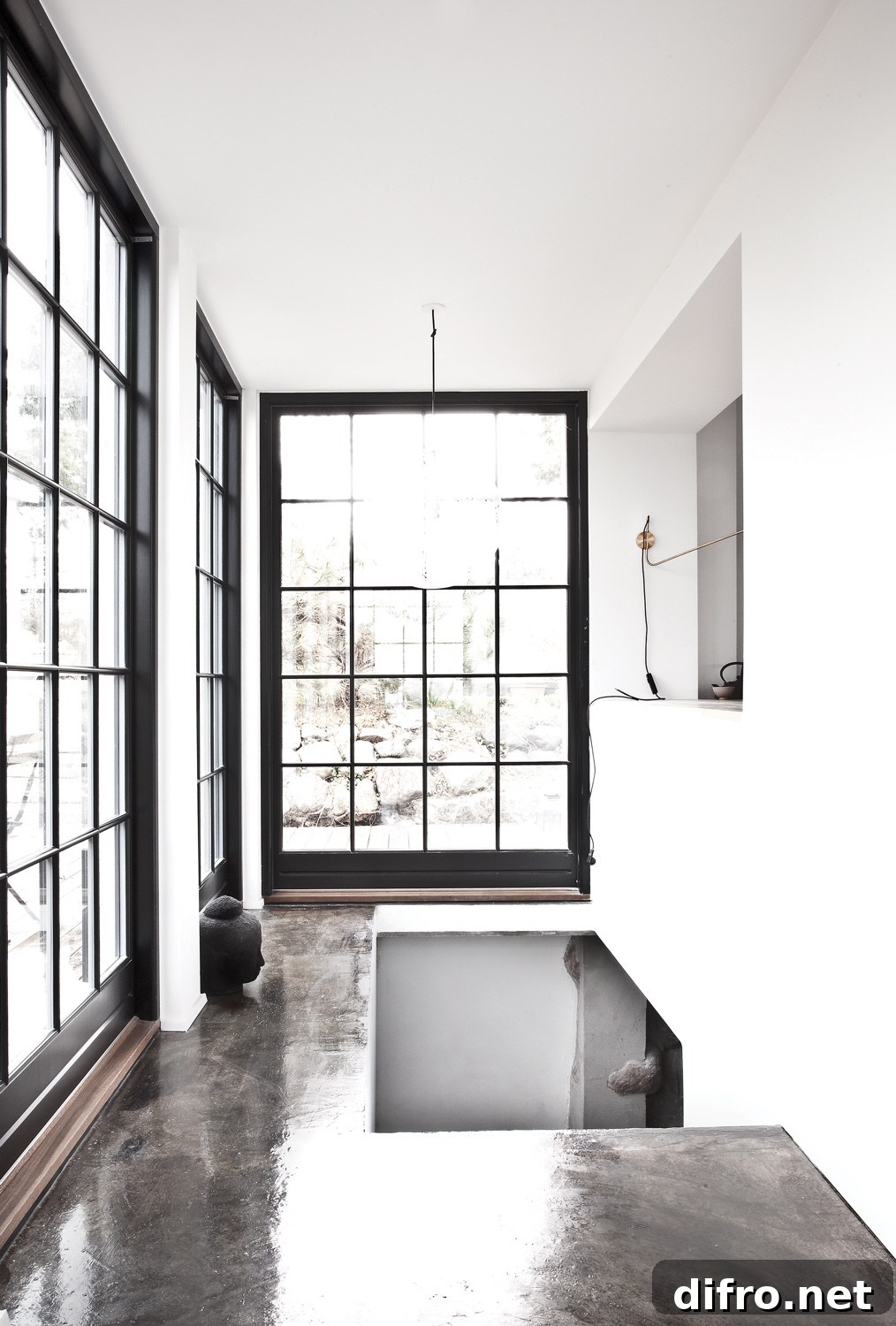
High-contrast monochrome, such as black and white, offers graphic clarity and can be used to highlight architectural features. It requires careful balance so that bold contrasts feel intentional rather than jarring.
Monochrome objects
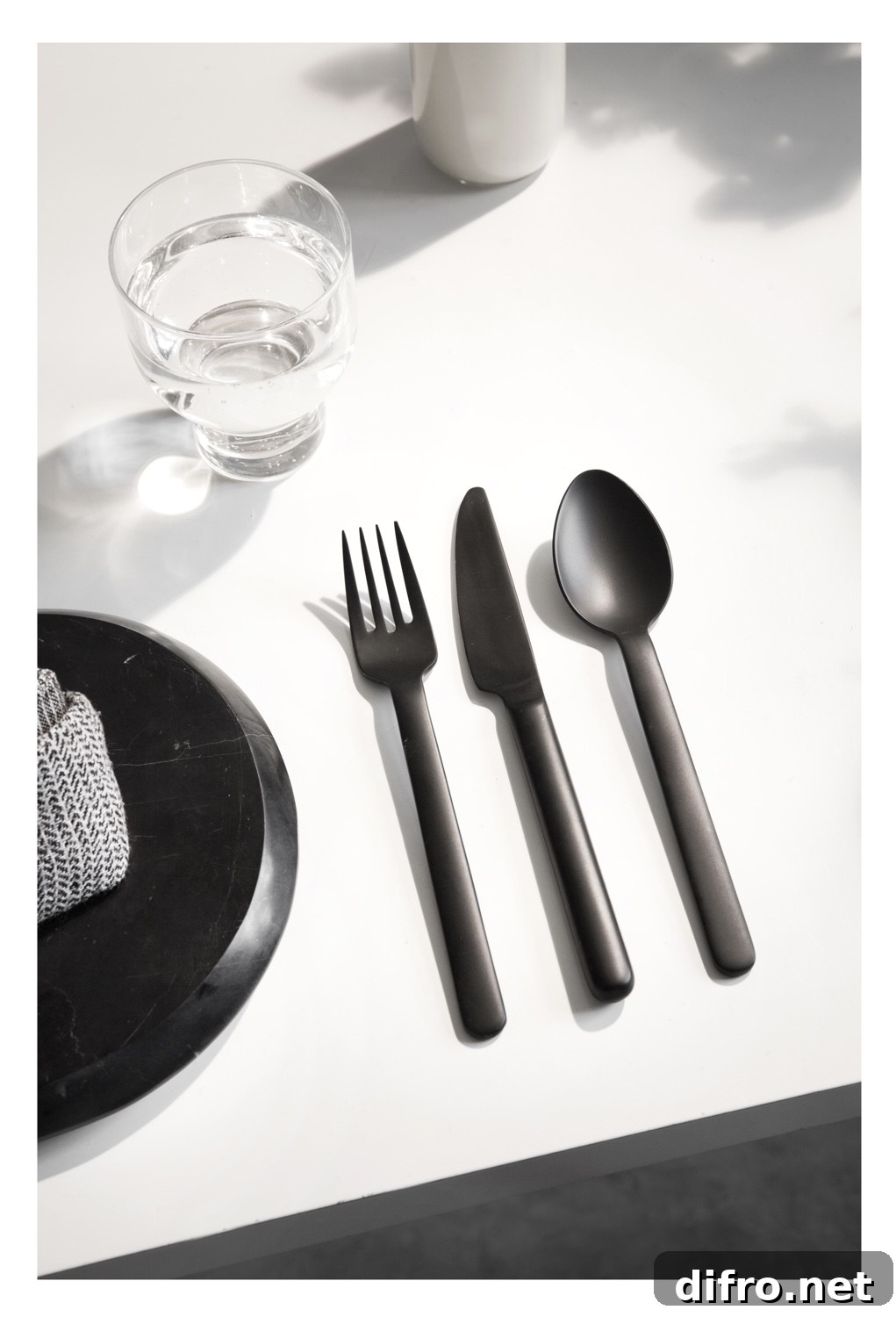
Monochrome extends into product design, where a single-tone finish can unify an object’s appearance and emphasize form and proportion. Black cutlery, for example, reads as bold and contemporary, with finish and silhouette doing the visual work.

Furniture executed in a single tone—whether stained wood, lacquered metal or painted MDF—lets craftsmanship and profile take center stage. The Snaregade Bench is an example of how silhouette and joinery become the focus when color is consistent.
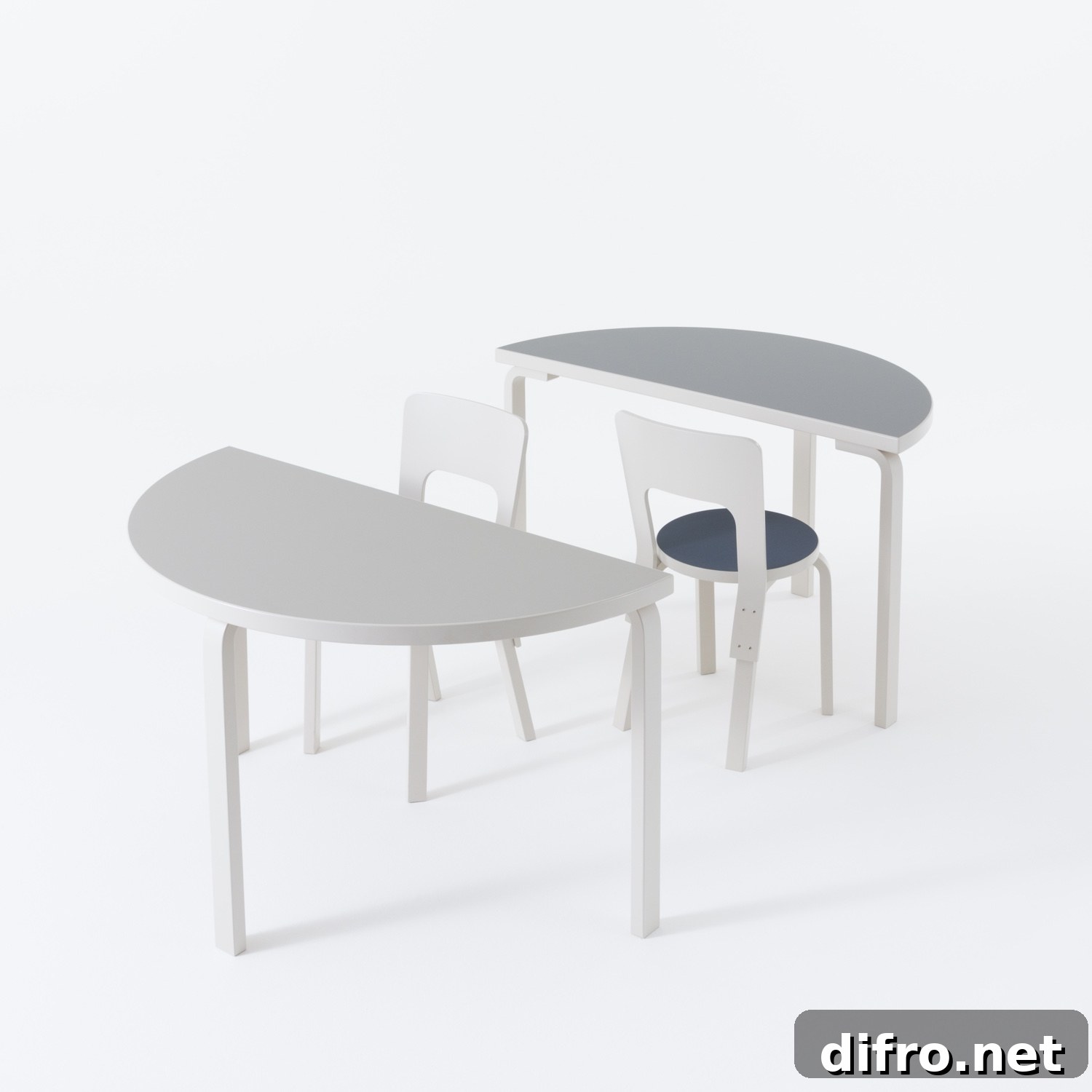
Classic furnishings in neutral tones prove that monochrome can feel warm and inviting. Iconic Scandinavian pieces often use natural finishes and soft greys to create enduring interiors.
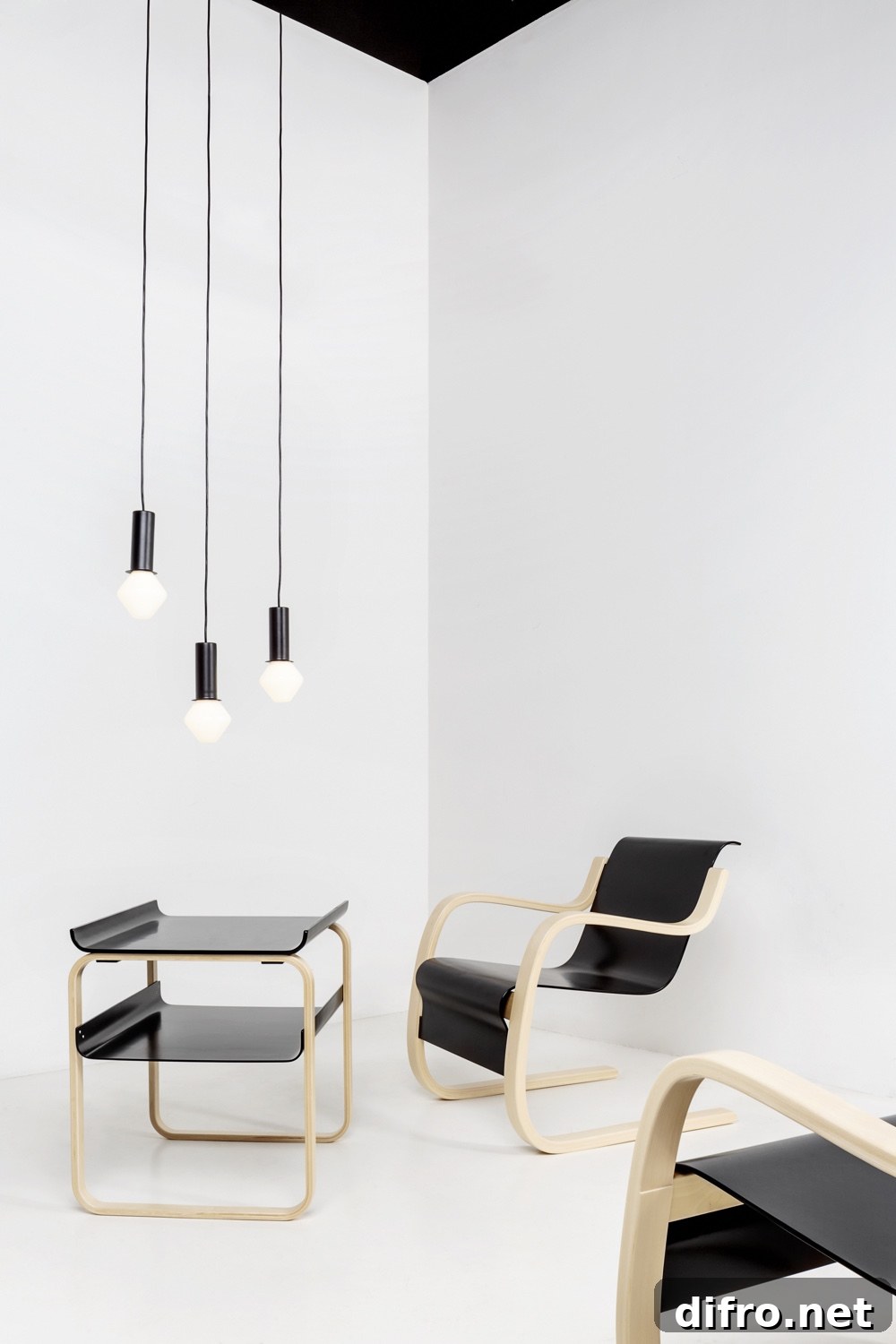
Lighting fixtures in monochrome help maintain a consistent visual rhythm and can become sculptural elements when their finish matches the surrounding palette.

Everyday objects in a single hue offer a calm, collected aesthetic on shelves and tabletops. The simplicity of monochrome dishware and accessories supports layered styling without visual clutter.
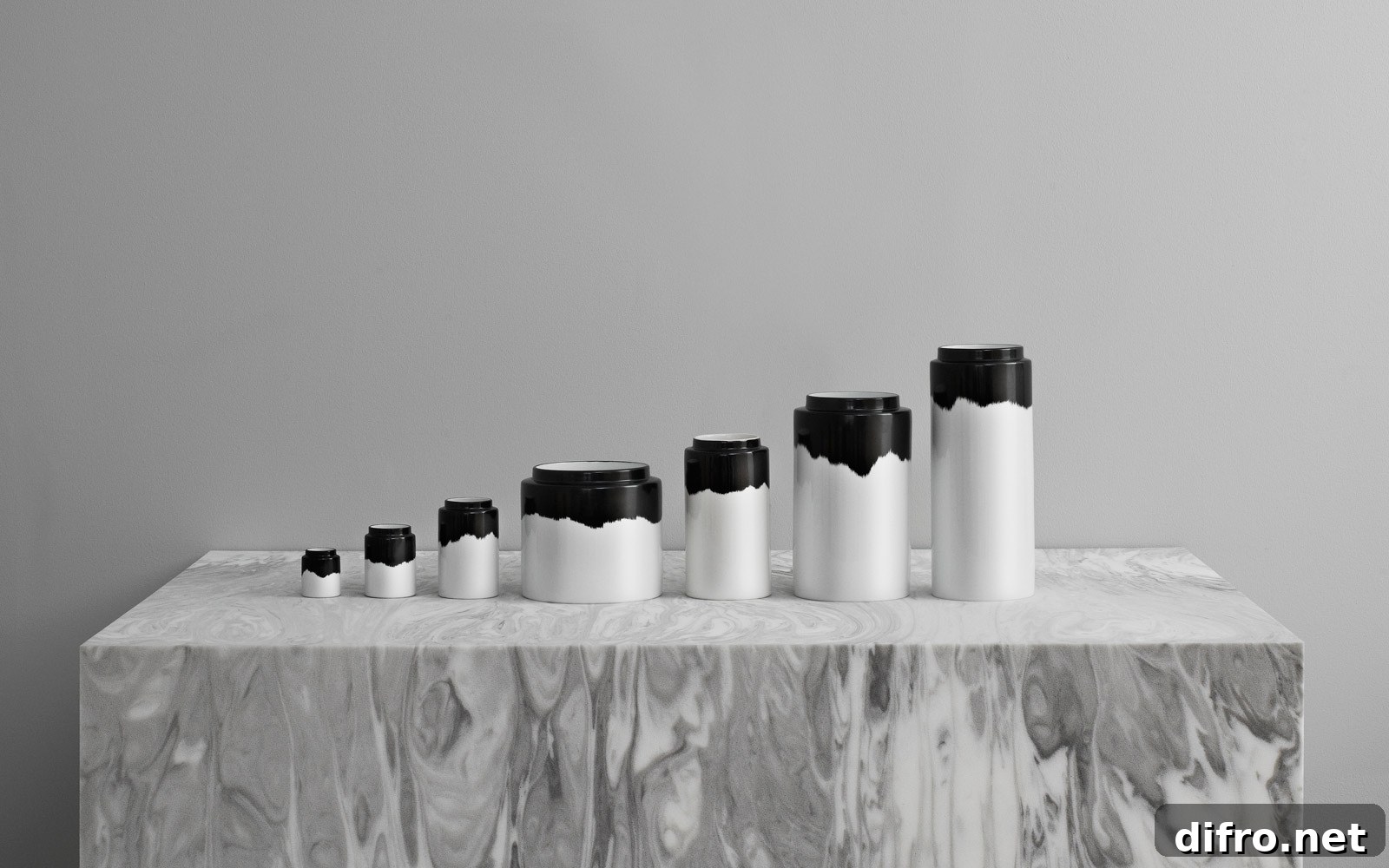
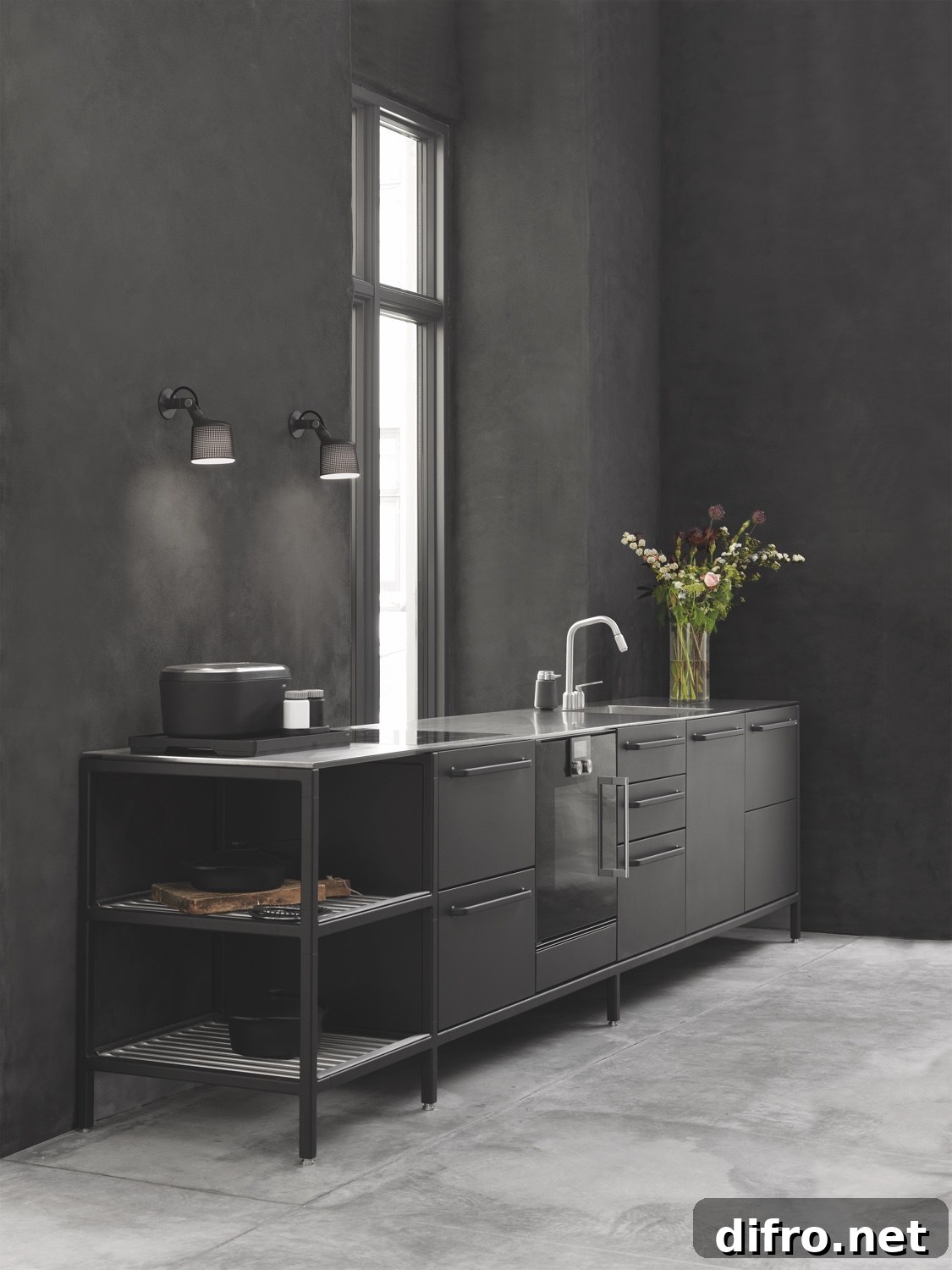
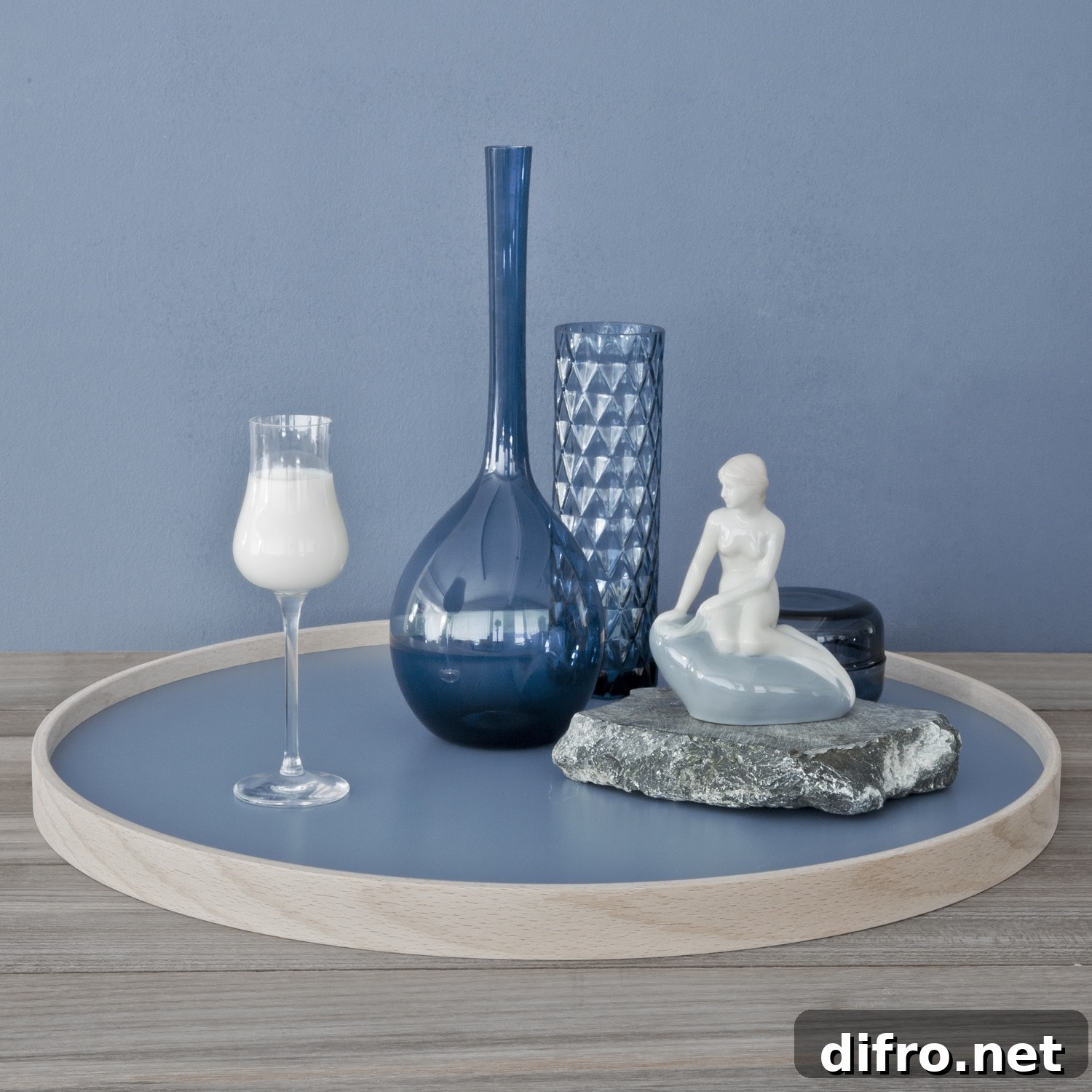
Whether the palette is black and white, varying greys, warm neutrals or a single color family like storm blue, monochrome design emphasizes coherence and purposeful restraint. To work successfully, focus on texture, lighting, proportion and carefully curated accents. The images above illustrate how architects and designers use material, light and form to create compelling monochrome spaces and products that feel considered, calm and enduring.