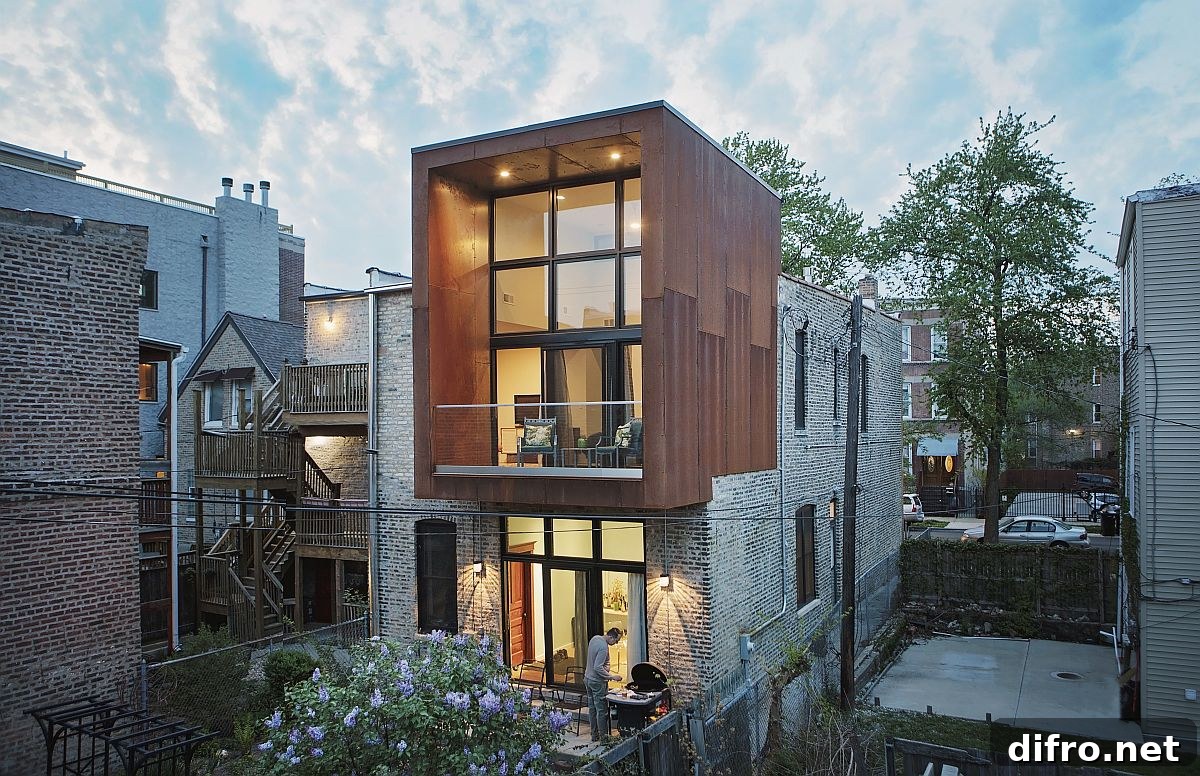
Cortez House, Chicago — Adaptive Reuse of a Historic Butcher Shop with a Corten-Clad Addition
There was a time when nearly every city block featured a small corner shop: a neighborhood store where locals could buy groceries, pick up supplies, and find whatever they needed. These shops often occupied the ground floor of mixed-use buildings, with the proprietor living above. While that typology is becoming less common, the Cortez House in Chicago, renovated by moss Design, revives the character and practicality of those older storefront homes. The project transforms a former retail space in a busy Chicago neighborhood into a contemporary residence that preserves the building’s historic essence while adding modern comfort and efficient living spaces.
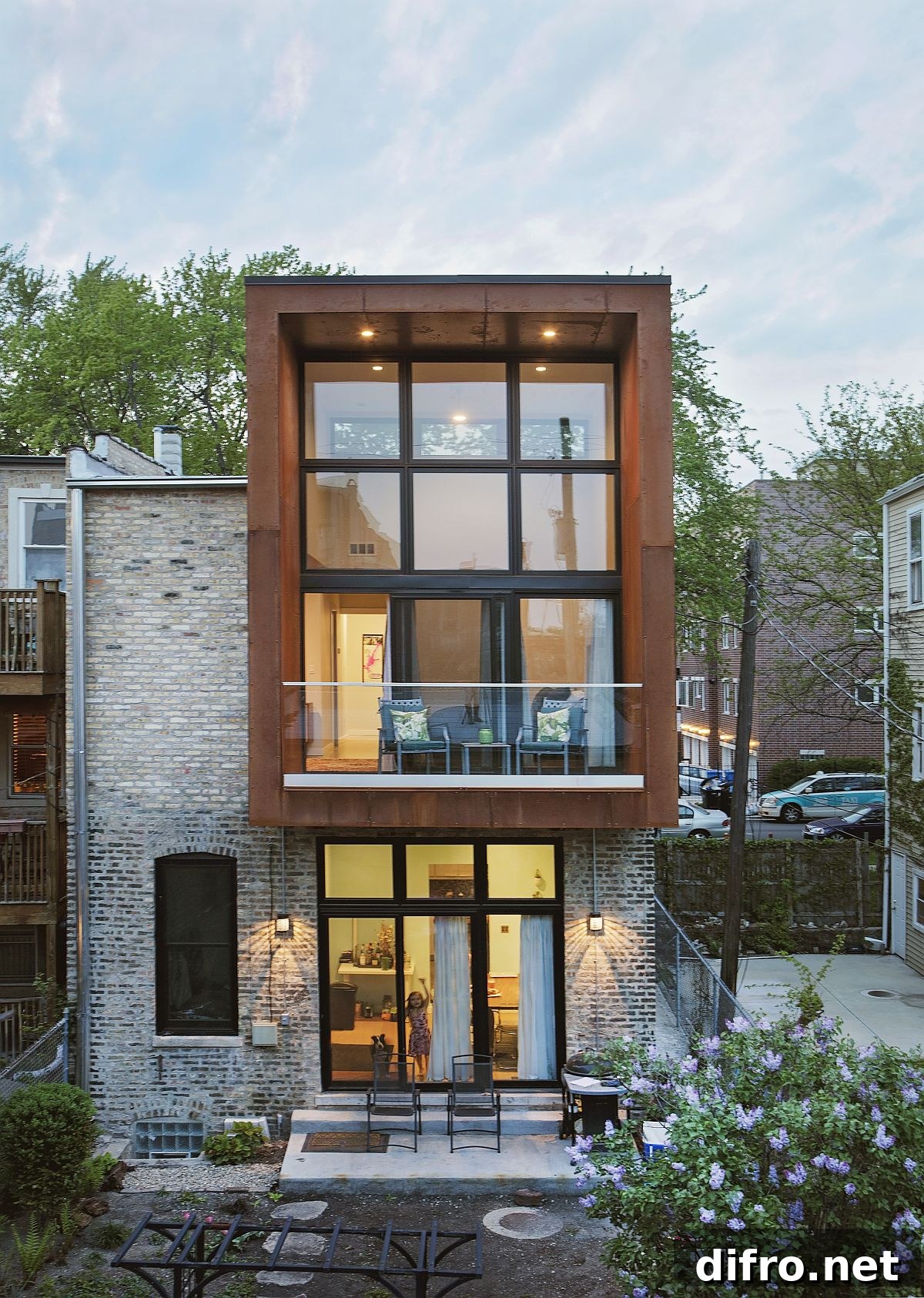
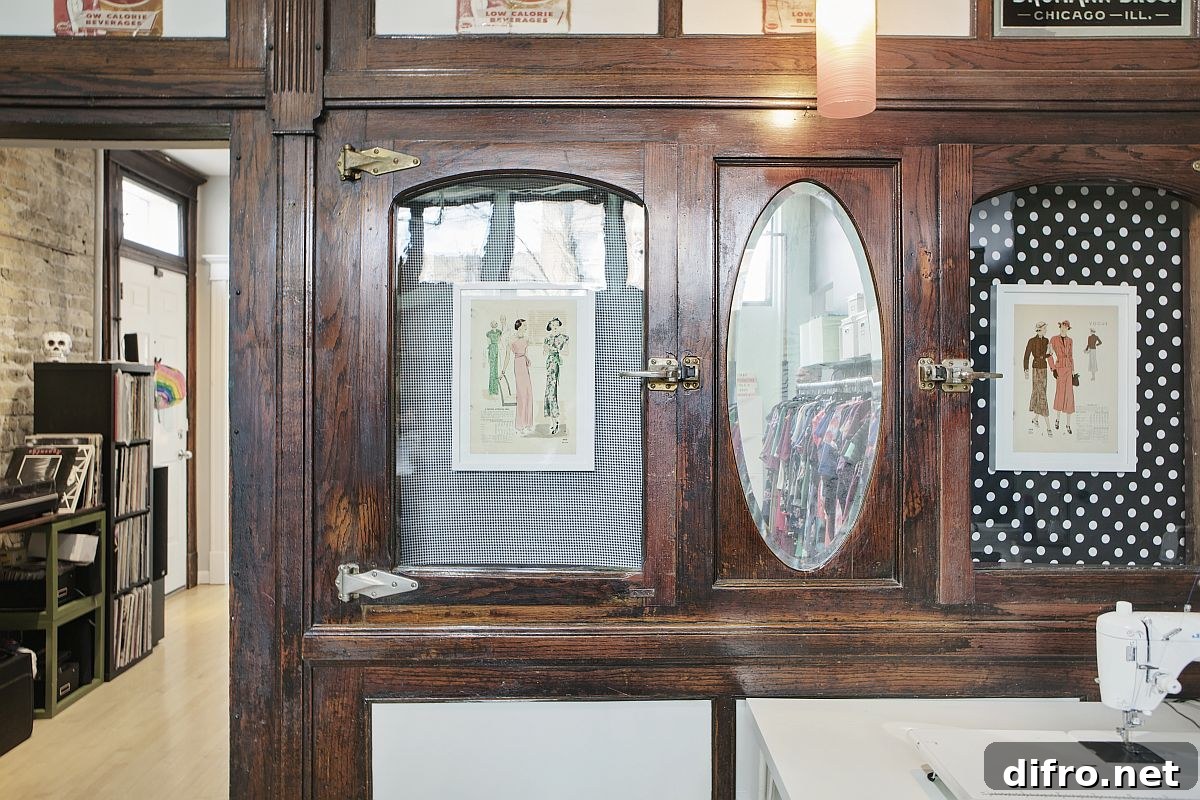
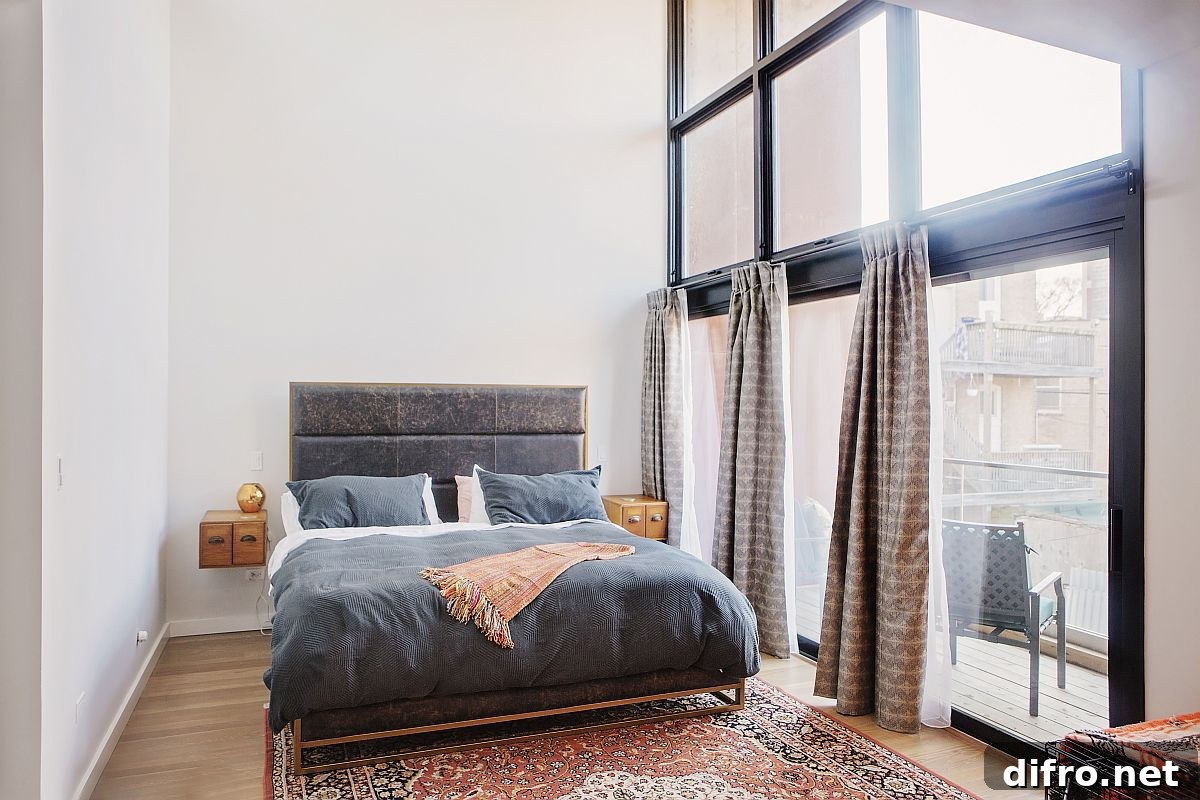
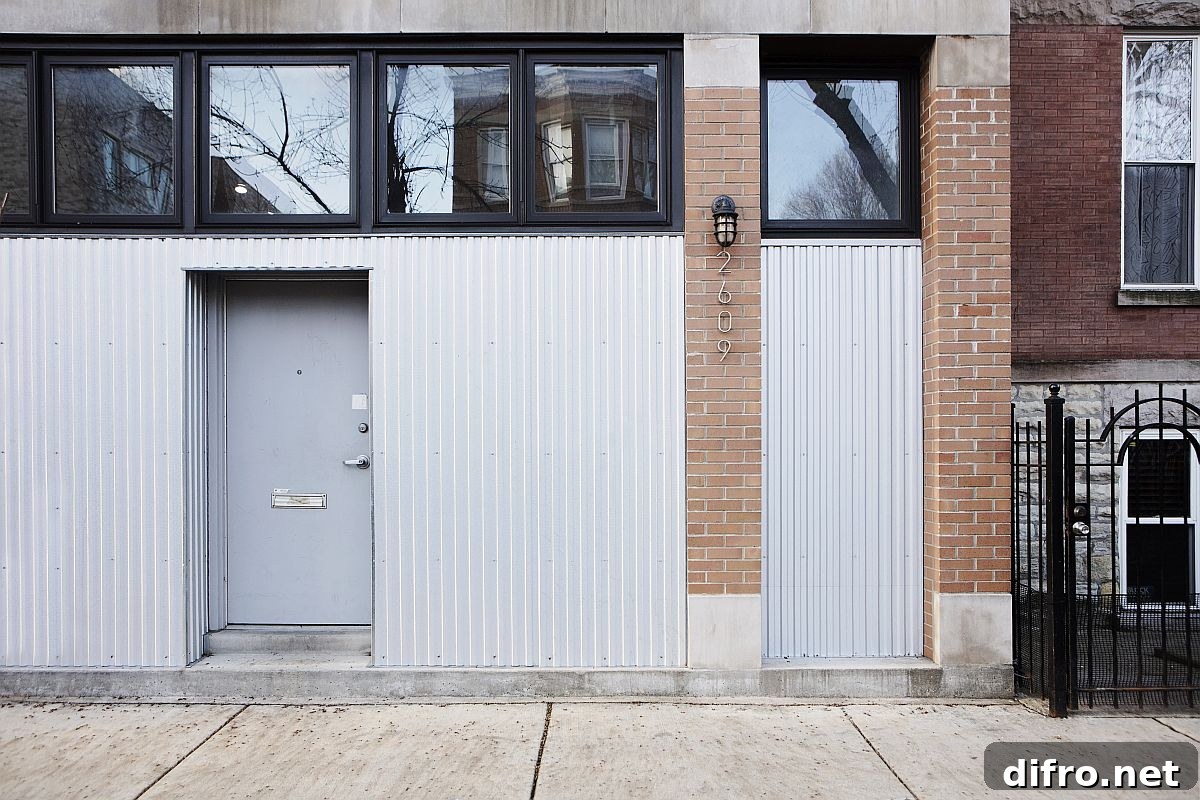
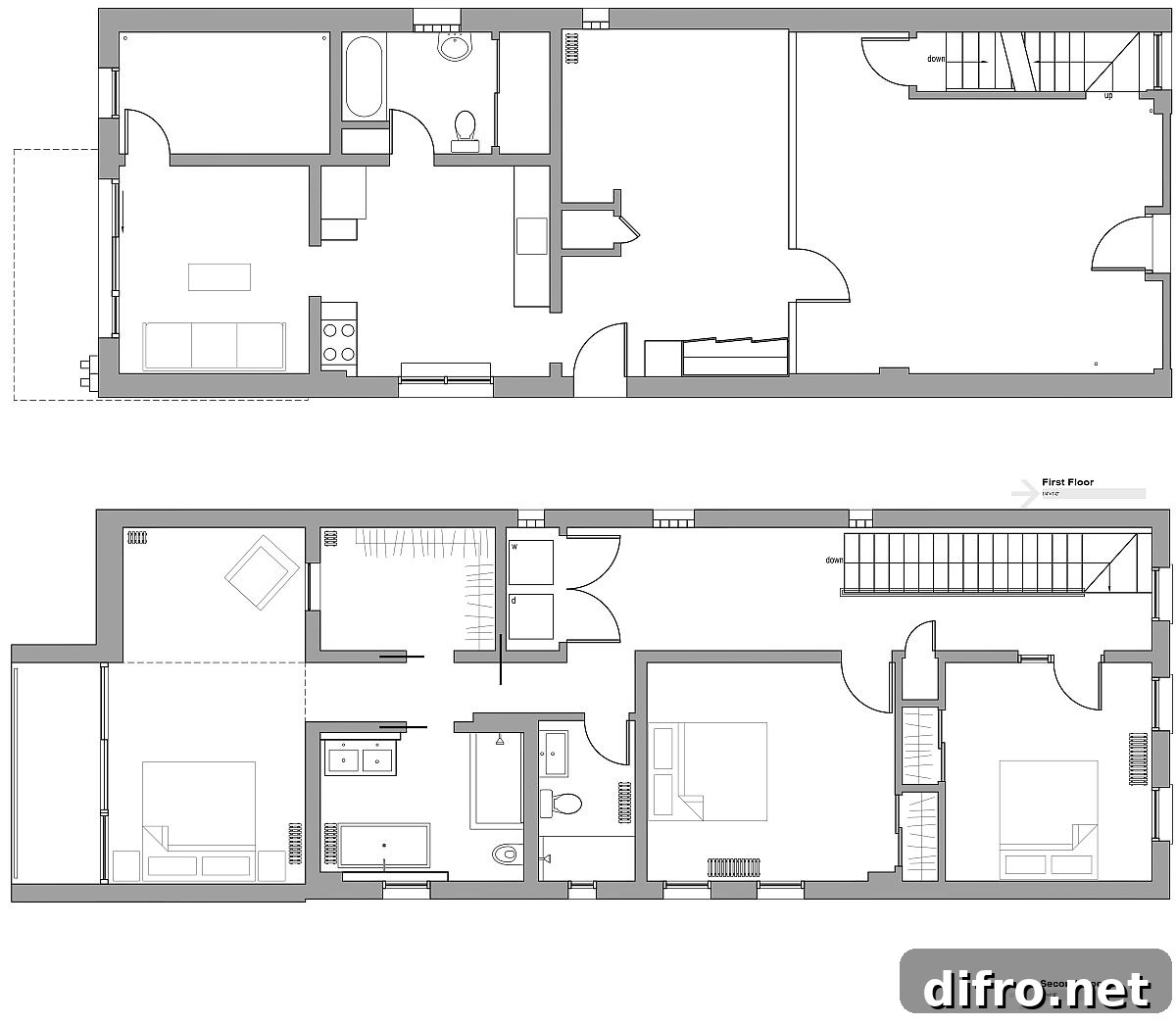
The renovation honors the building’s past by restoring key features of the original retail space. A historic Bromann Brothers cooler remains intact, preserved as a nod to the site’s previous life and repurposed to suit the needs of the new homeowners. Beyond these preserved elements, the house opens up into a more contemporary interior. A corten-clad addition now extends from the rear, creating additional volume and accommodating a new upper-level master suite with two bedrooms and a bathroom. Brick, metal, and glass are combined thoughtfully to bridge the historic Chicago common brick facade with the warmer, minimalist interiors.
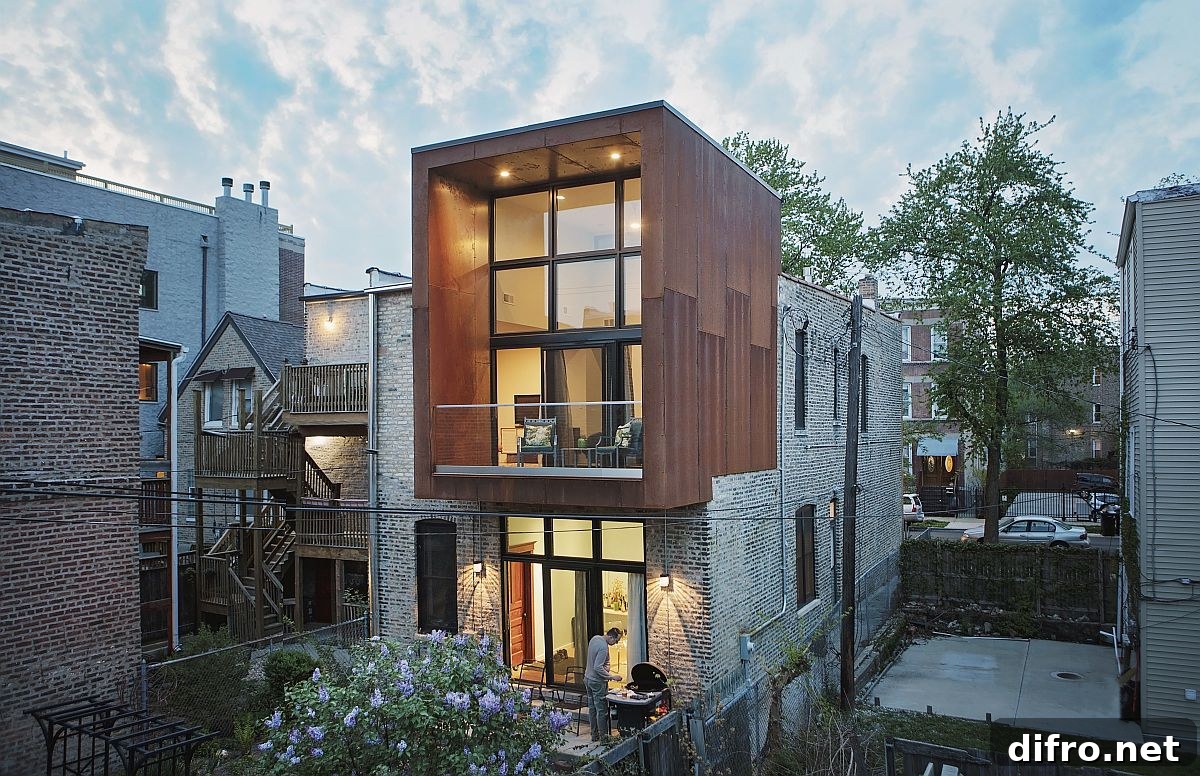
Inside, the palette remains neutral and restrained, emphasizing daylight, natural materials, and clean lines. The corten steel exterior develops a protective, rust-like patina over time that visually connects to the weathered Chicago brick, while a careful wall assembly ensures moisture drains away from the structure rather than into the home. This balance of old and new—restored elements paired with contemporary additions—creates a residence that feels at once rooted in the neighborhood and tailored to modern living.
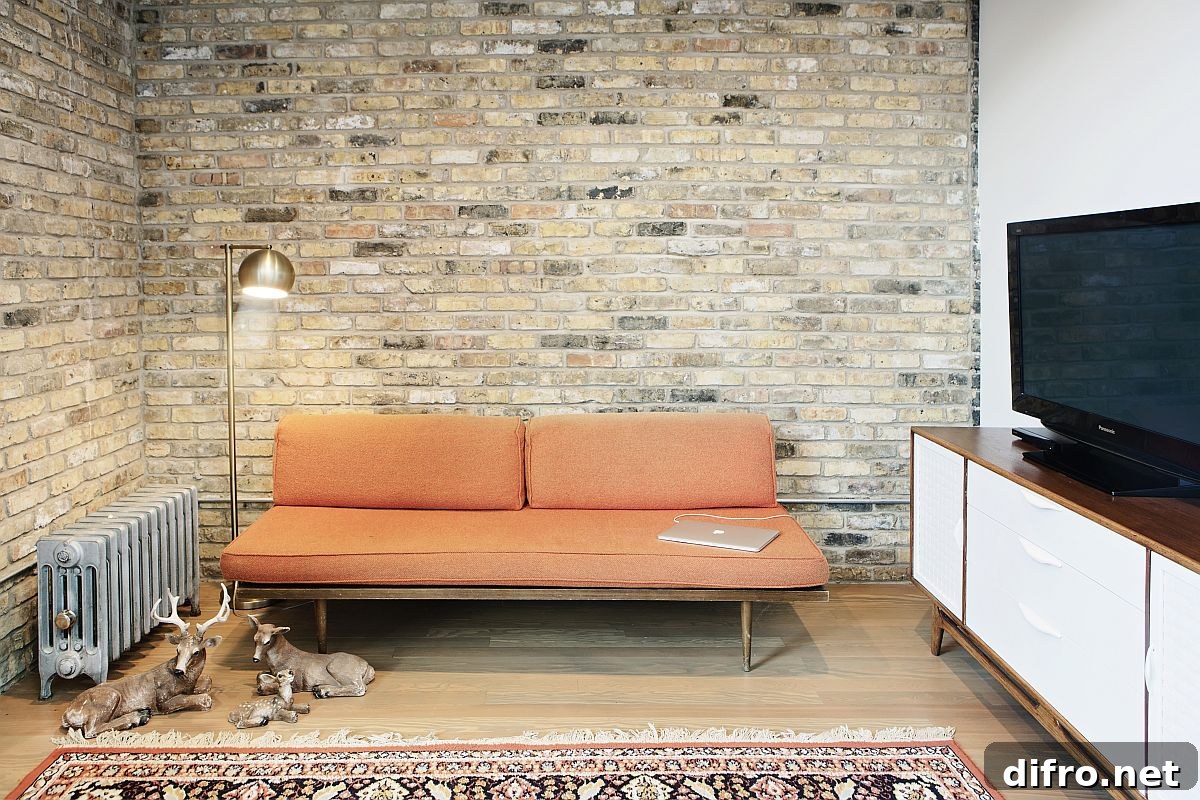
The layout retains traces of the building’s former program while adapting the floor plan for contemporary domestic functions. Generous glazing and interior glass walls invite daylight into deep plan spaces, especially in the upper-level master suite where glass partitions allow light to wash across sleeping and living areas. Original brick surfaces are left exposed in places to provide texture and a tangible connection to the building’s past; in other areas, warm wood finishes and simple white walls keep interiors bright and serene.
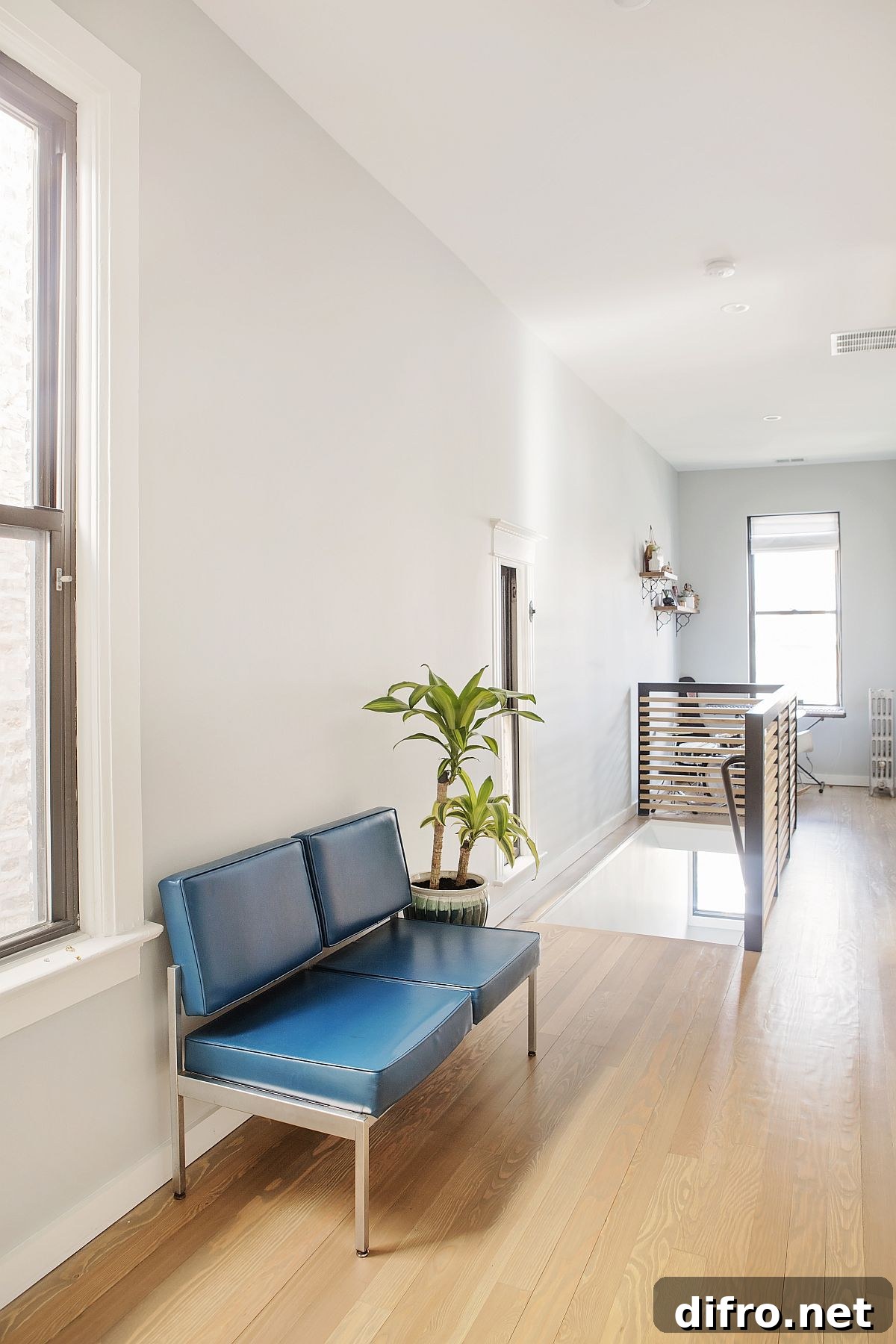
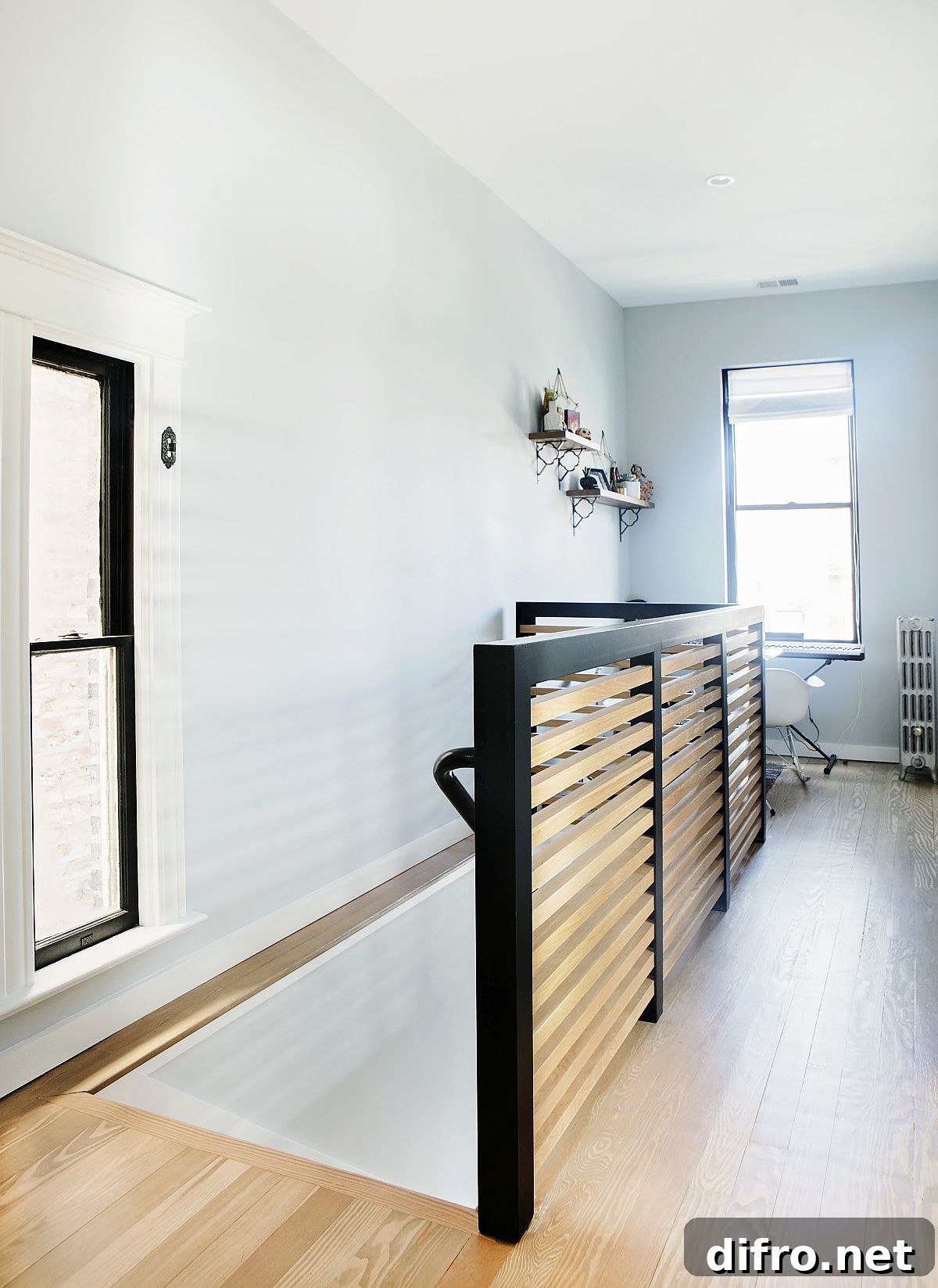
Furring strips were attached to the exterior face so the corten could be mounted to them. This detailing creates a drainage plane behind the corten siding, allowing water that gets behind the panels to escape safely rather than enter the building. Beyond its visual appeal, corten develops a stable, protective surface over time that harmonizes well with the existing Chicago common brick on the rest of the structure.
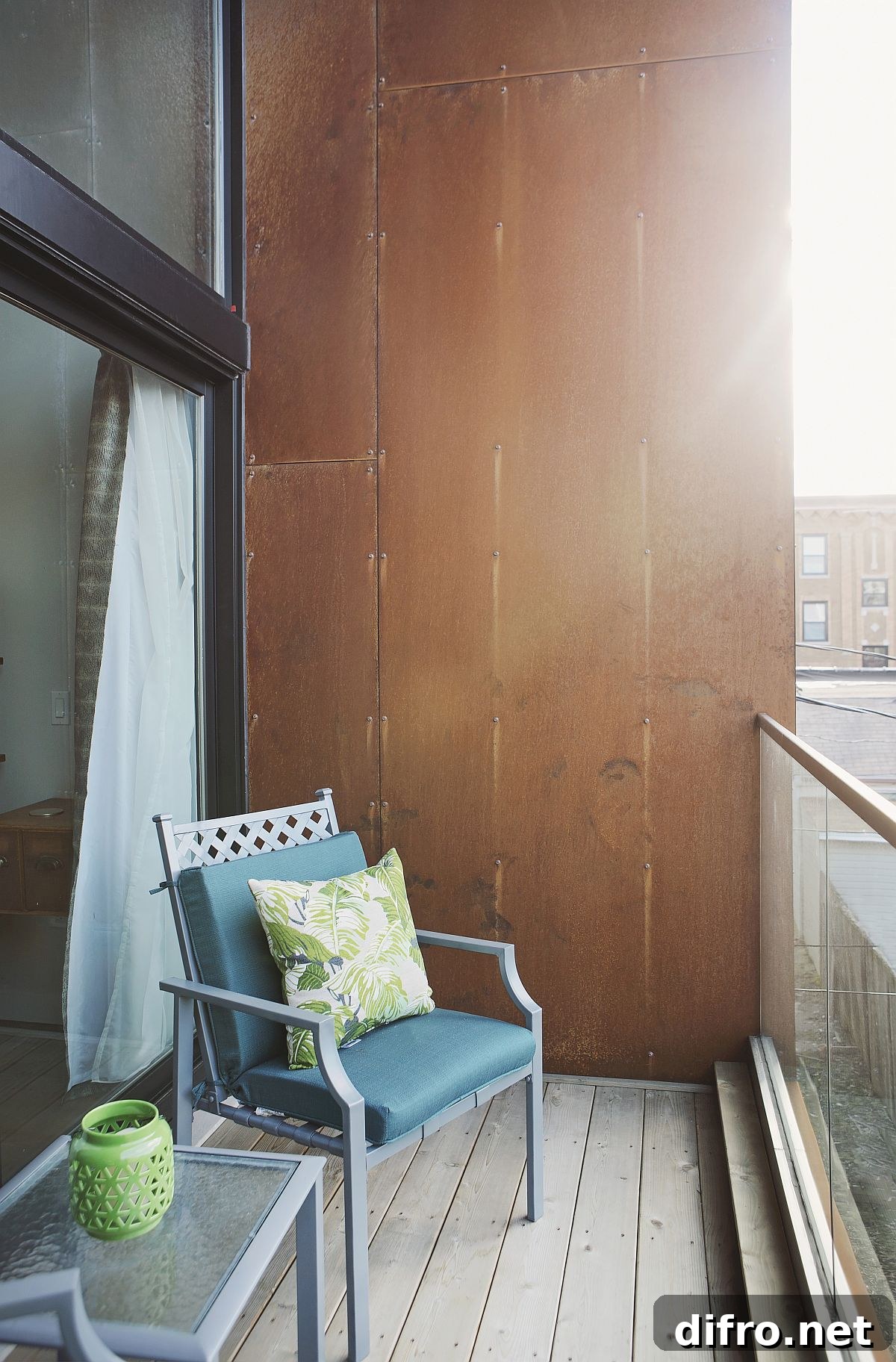
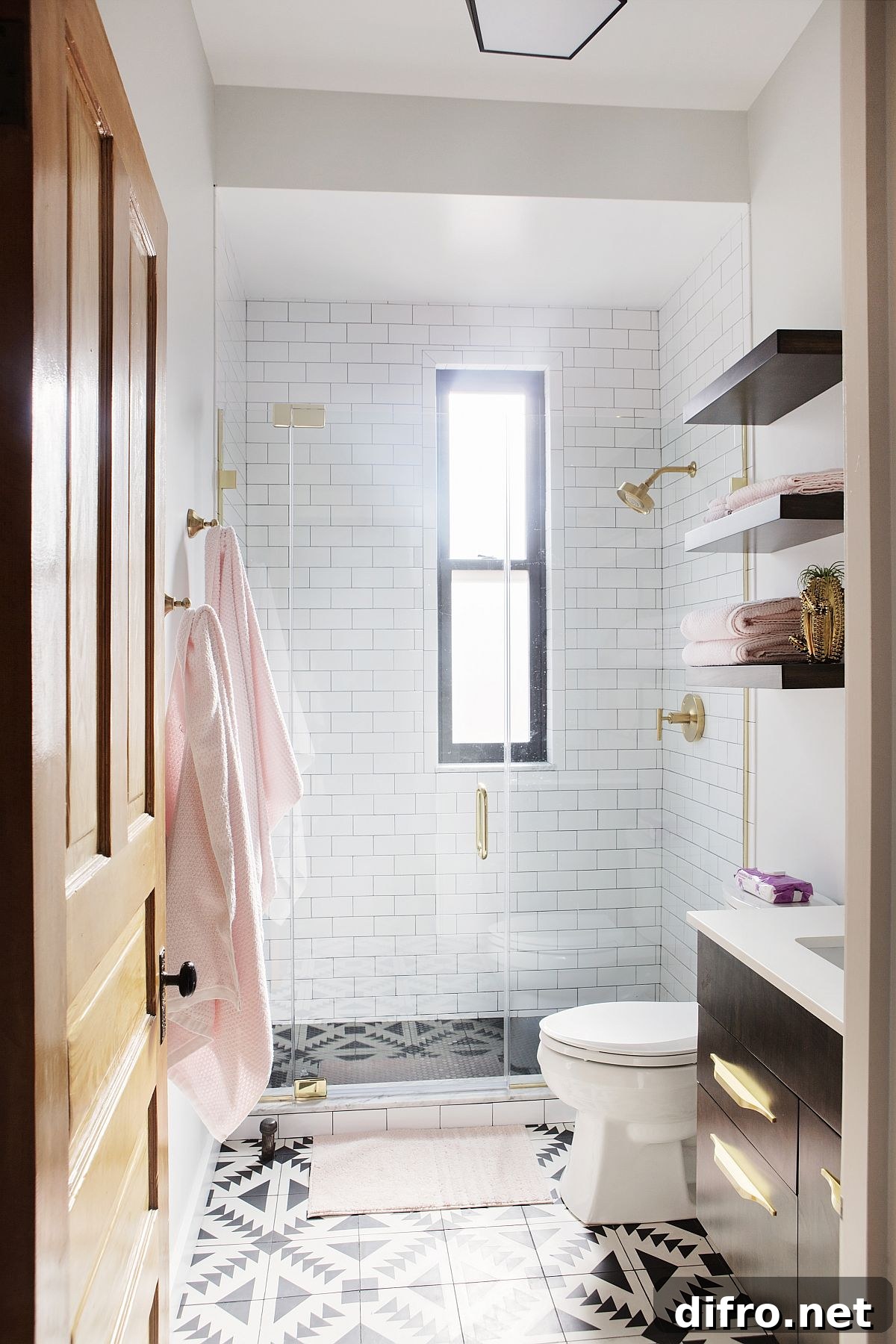
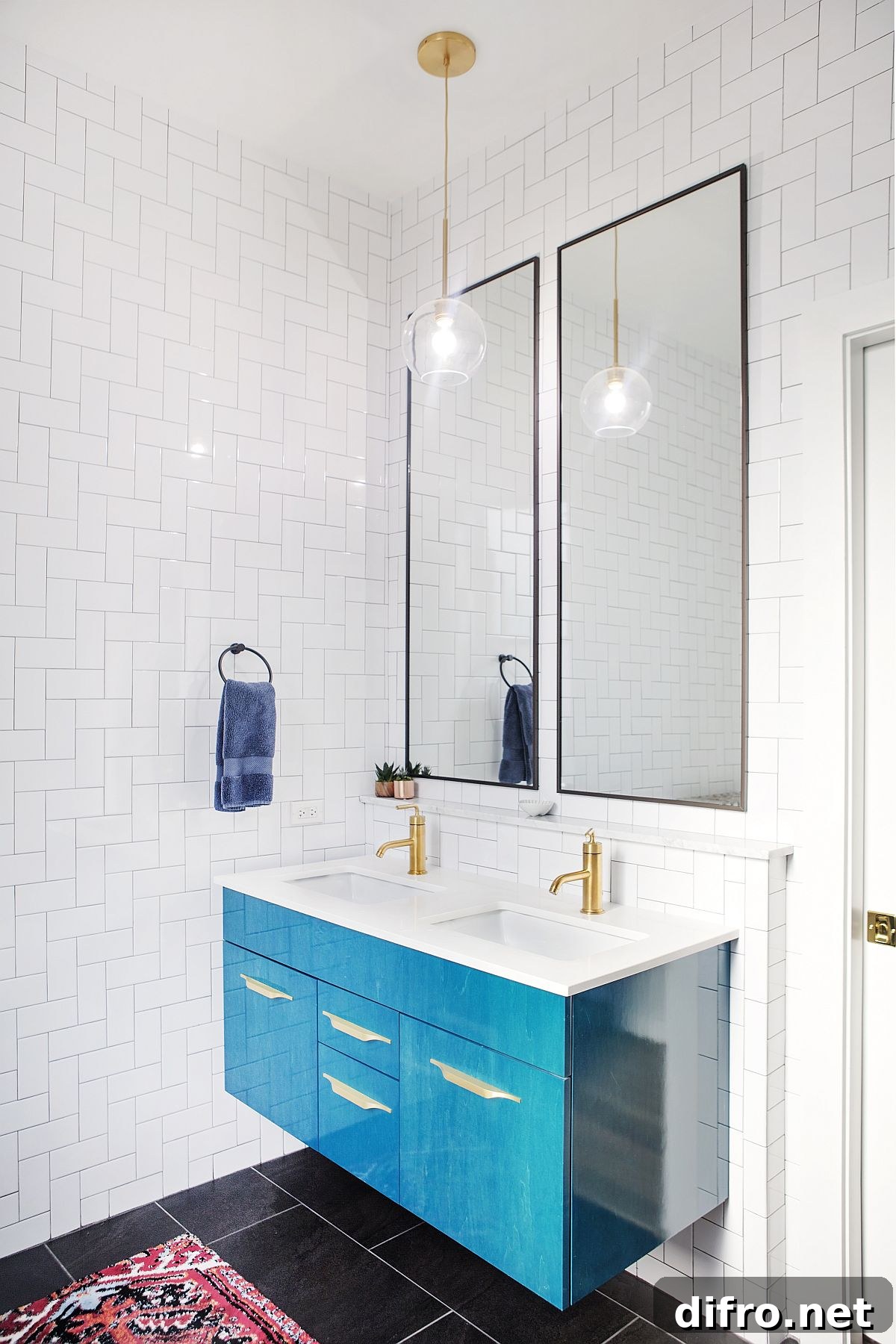
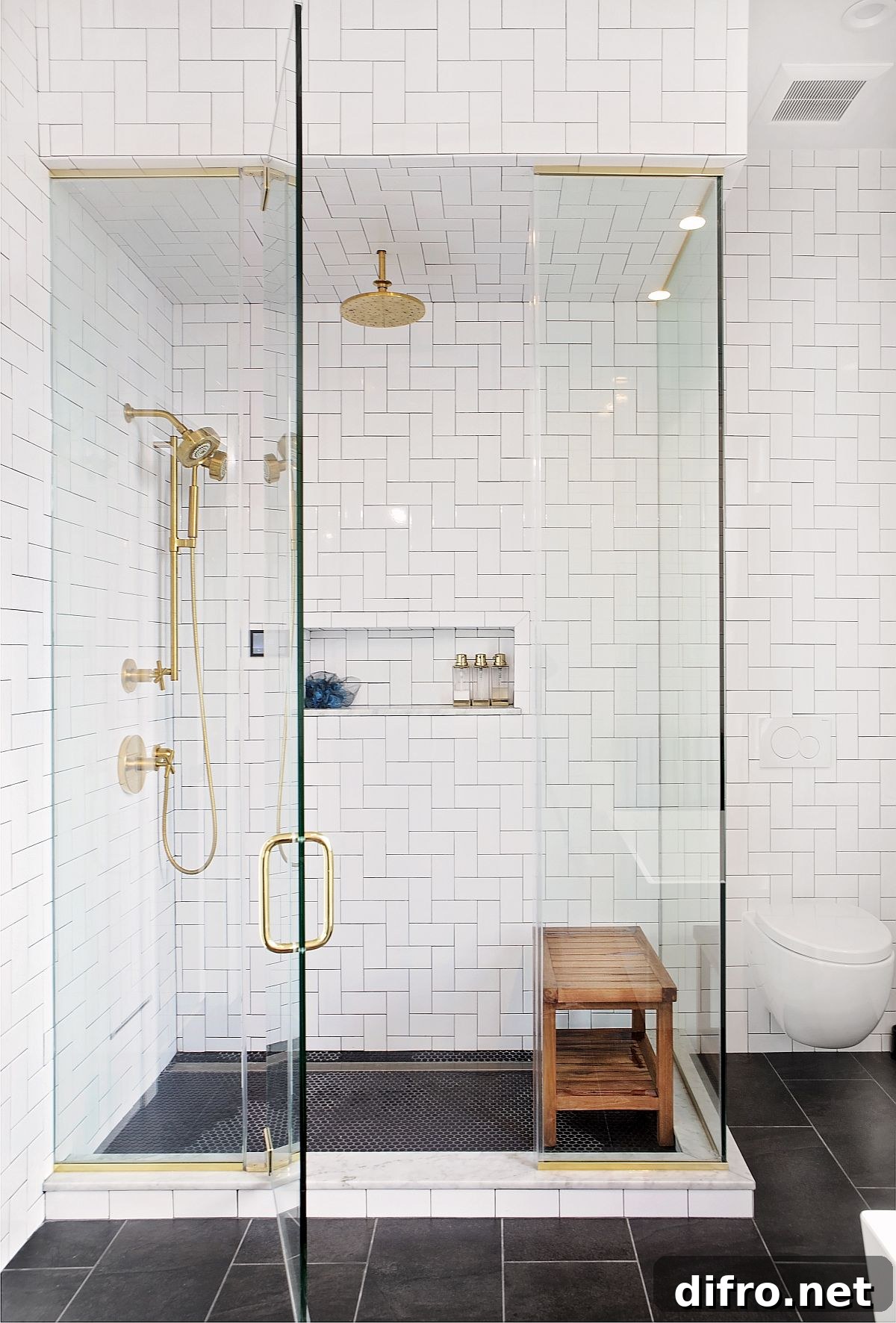
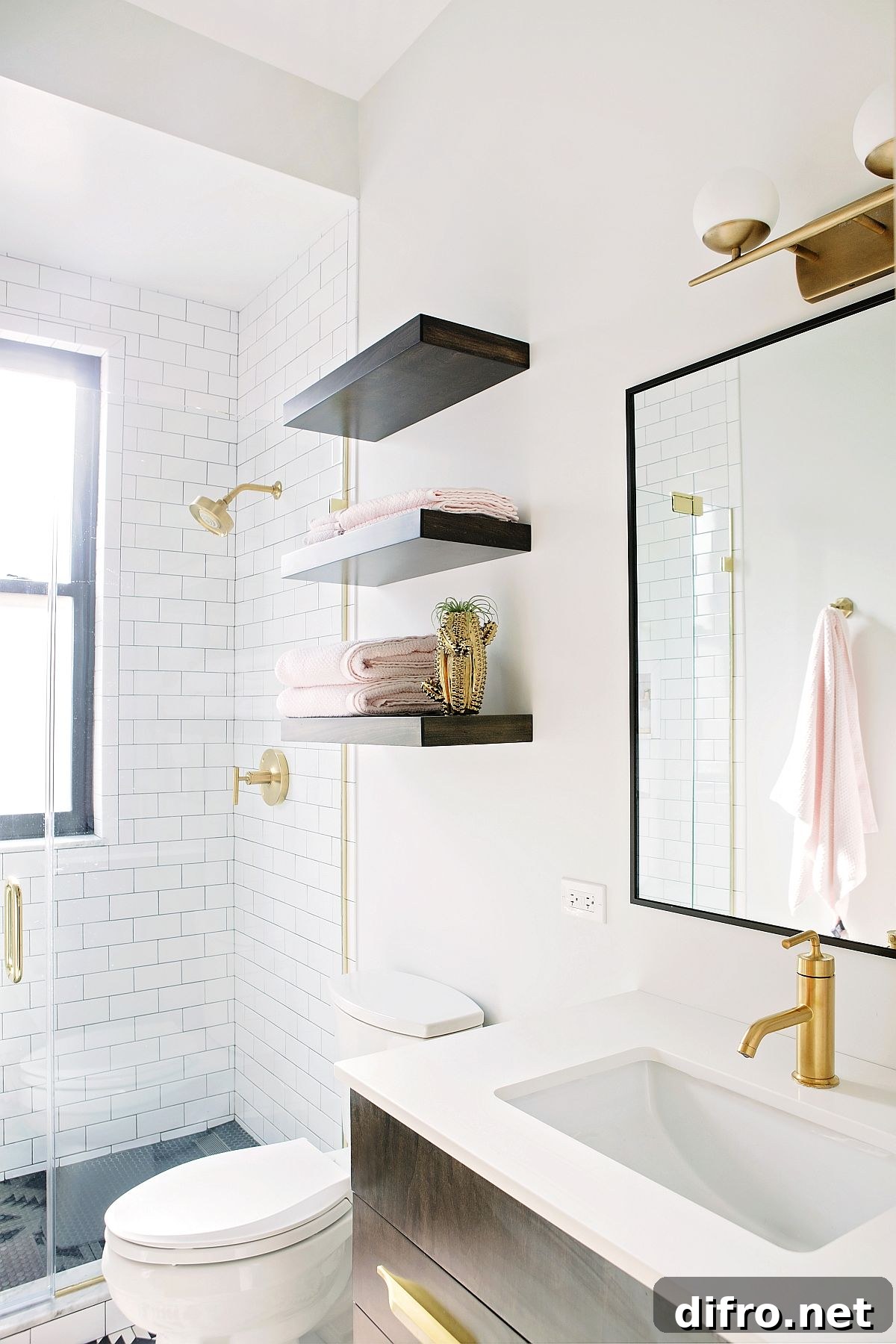
Bathrooms and finish details echo the house’s thoughtful contrast between heritage and contemporary design. Patterned black-and-white floor tiles, a bold blue vanity, and glass-walled showers are paired with simple, high-quality fixtures that support day-to-day living. A compact upper-level sitting area offers a cozy retreat, framed by exposed brick and carefully considered daylighting.
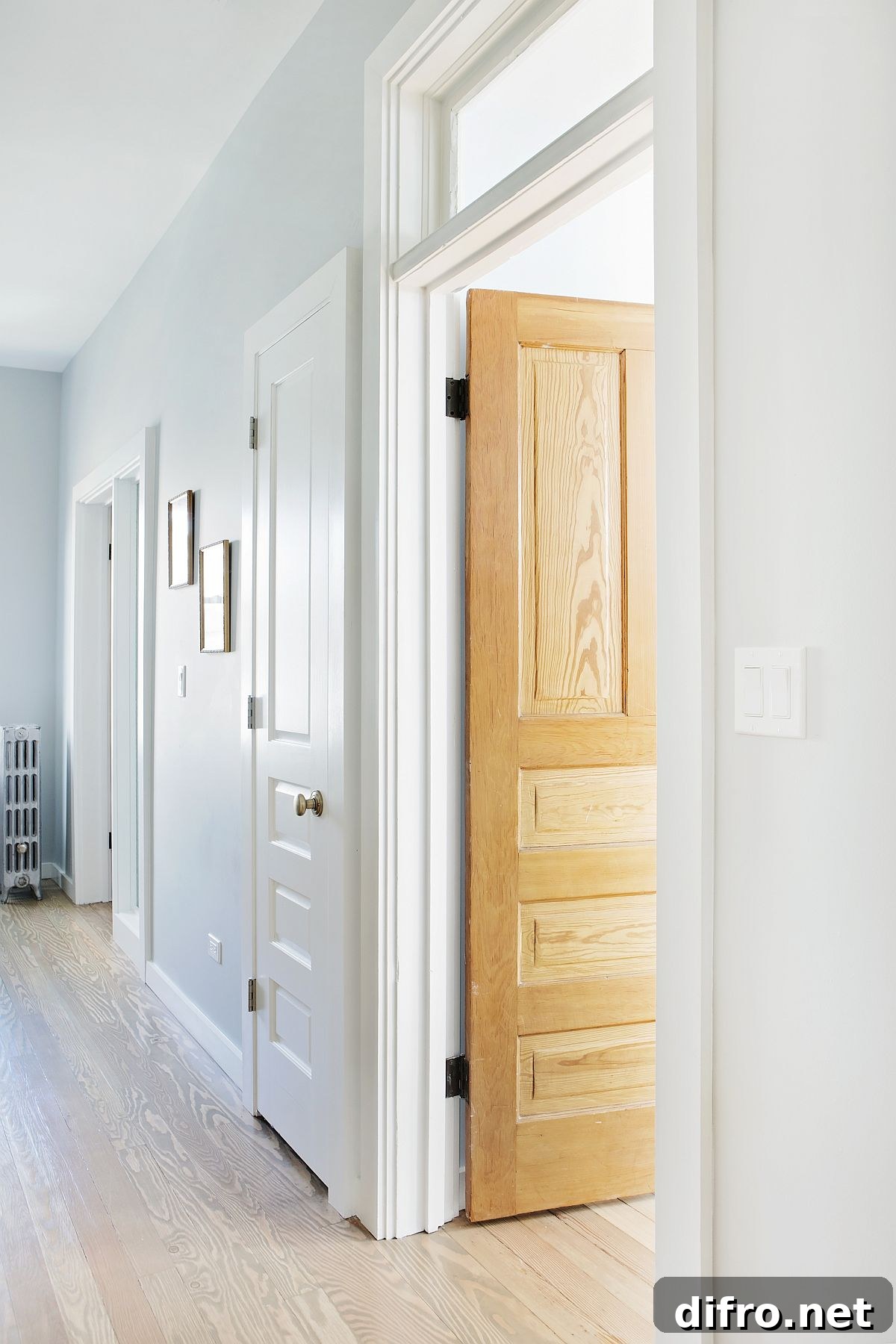
The Cortez House is a strong example of adaptive reuse in an urban setting: it preserves and highlights historical features while introducing new construction that responds to contemporary needs. By thoughtfully integrating the old cooler and storefront elements with a carefully detailed corten addition, the project achieves a layered architectural narrative—celebrating the building’s past, improving its performance, and offering a comfortable, modern home for the present.