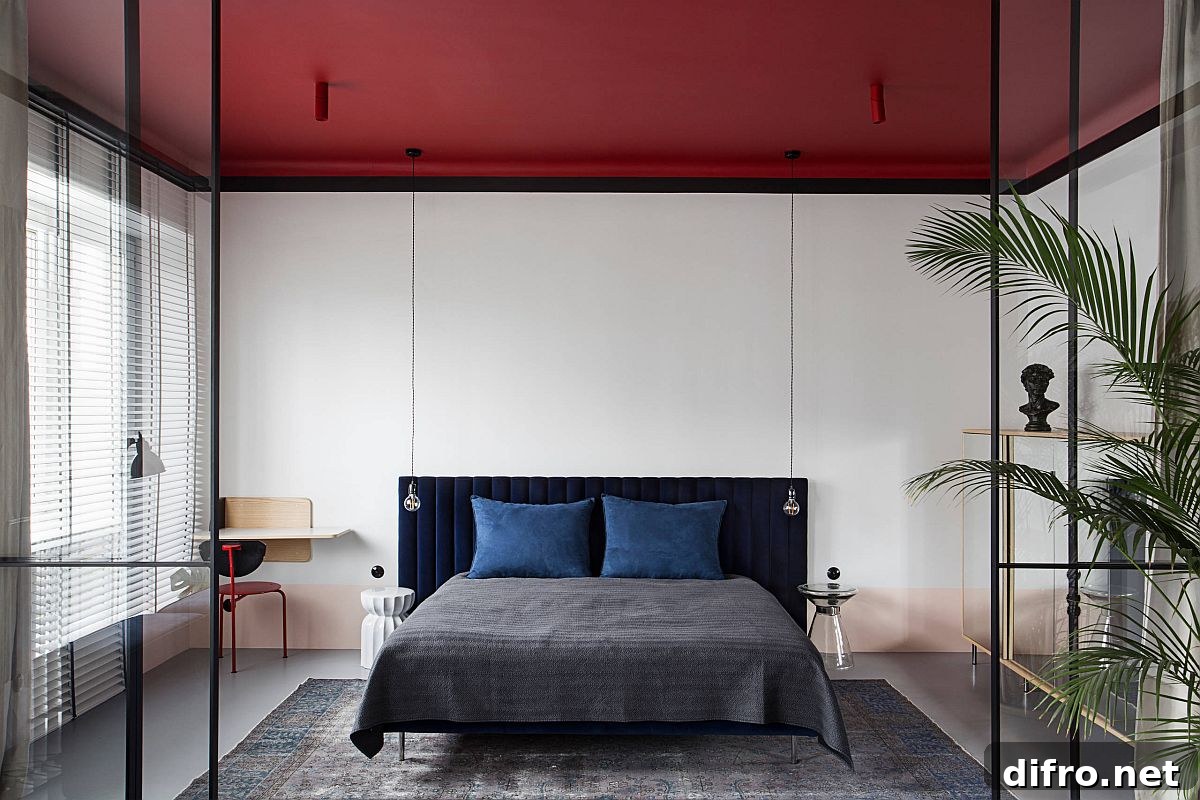
Space — often the first concern in home design — shapes how we plan and decorate every room. For many, maximizing limited space means choosing smart, multi-functional pieces or commissioning custom solutions that reshape interiors. Decorating a small bedroom is especially challenging, and creating a modest modern bedroom that feels open, calm and stylish is even trickier. One reliable strategy that brightens compact spaces is pairing a predominantly white palette with bold color blocks. These small white bedrooms with focused splashes of color demonstrate how restraint and creativity can combine to create rooms that feel larger, livelier and deeply personal.
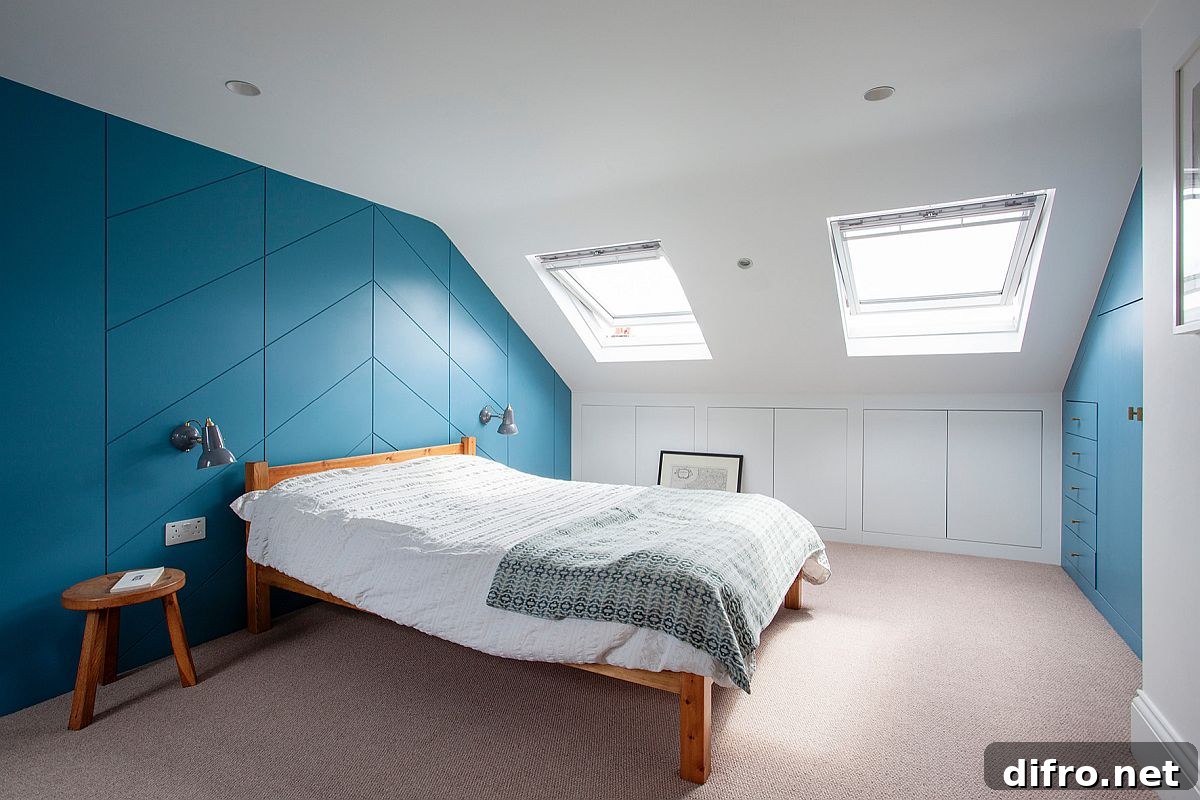
Color blocking has become a popular design tactic for injecting brightness and personality into a neutral room. Sometimes a single bold hue paired with white is enough to change the mood of a compact bedroom without adding visual clutter. Used thoughtfully, a pop of color can feel understated yet modern, cutting across styles while shaping a welcoming retreat. Below are ideas and principles to help you apply color blocks in small white bedrooms in ways that enhance scale, light and comfort.
More than One Color
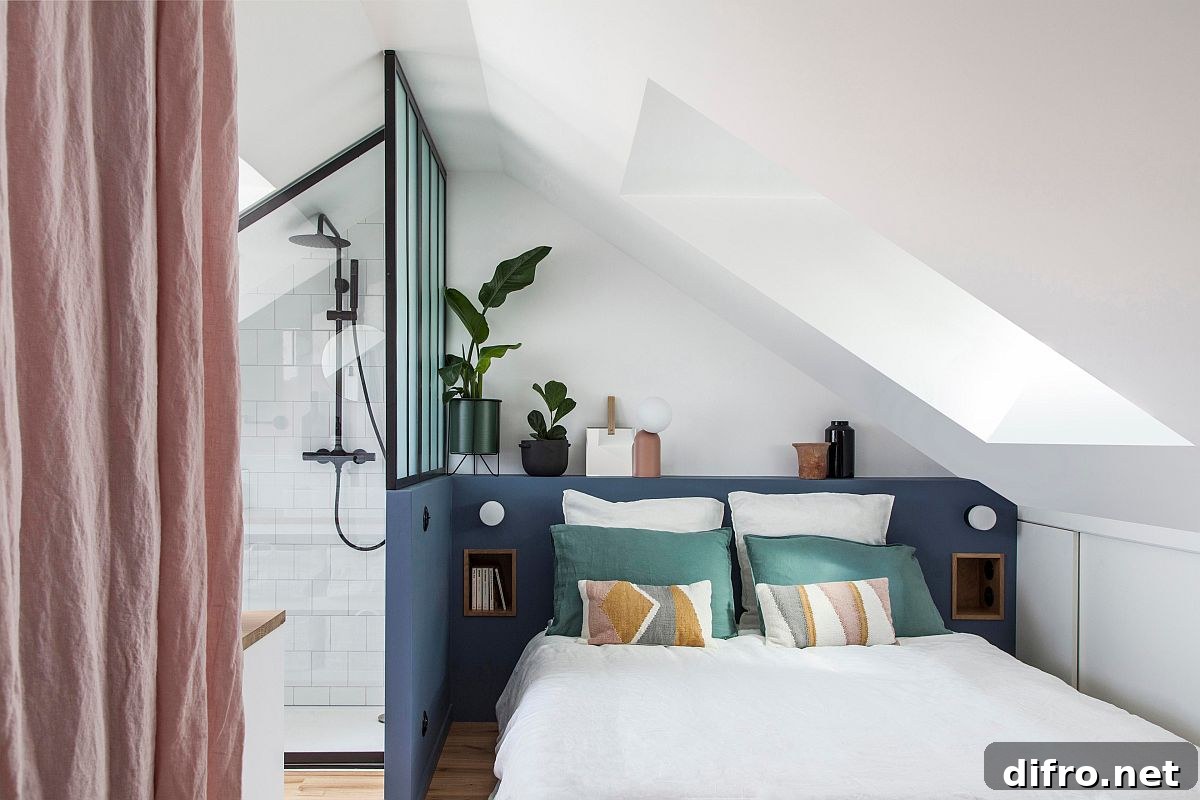
True color blocking usually involves more than one bold hue. When applied in a small bedroom, the trick is to keep the backdrop as neutral as possible so the chosen colors read clearly and confidently. Limit your palette to two or three complementary or contrasting shades; too many colors can create visual chaos, while overly scattered accents won’t achieve the same impact. Consider creating deliberate color fields on an accent wall, on a ceiling, or via flooring details. Pair those painted zones with bedding, rugs or storage fronts in coordinating colors to reinforce the scheme and create a cohesive, visually arresting look.
An Easy Way of Adding Color
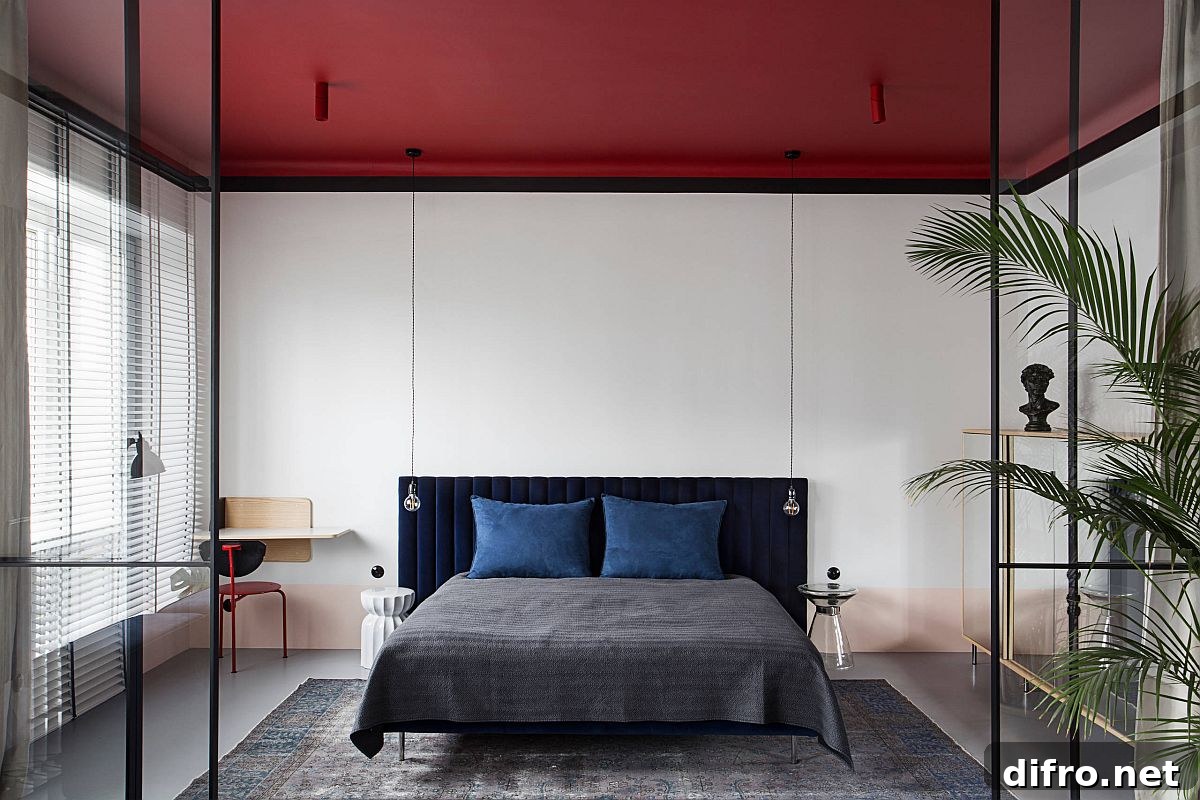
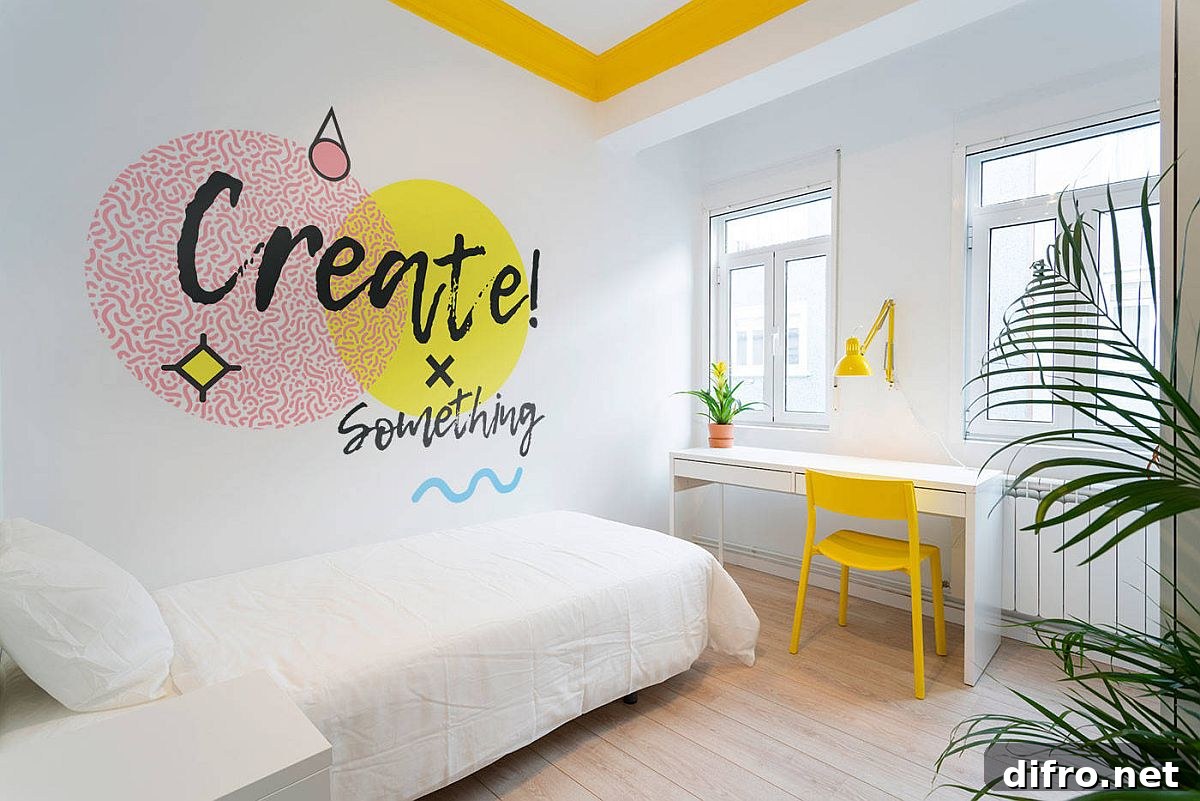
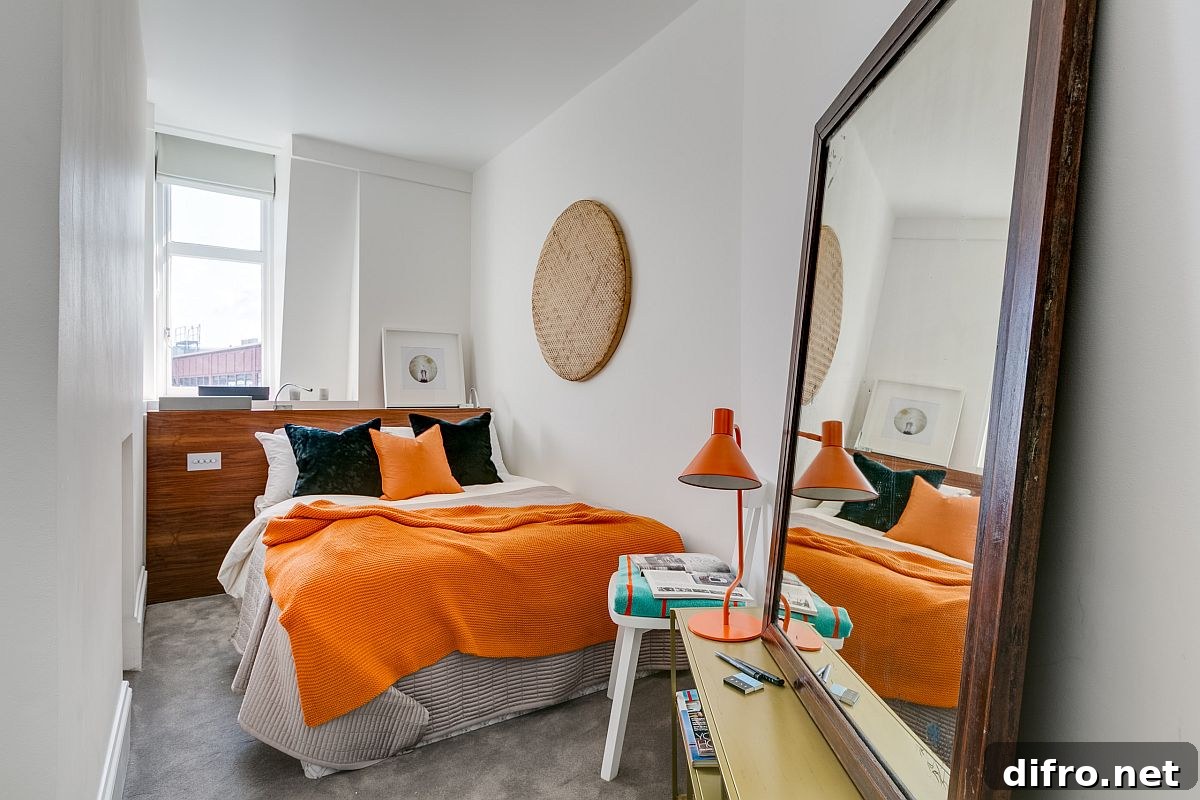
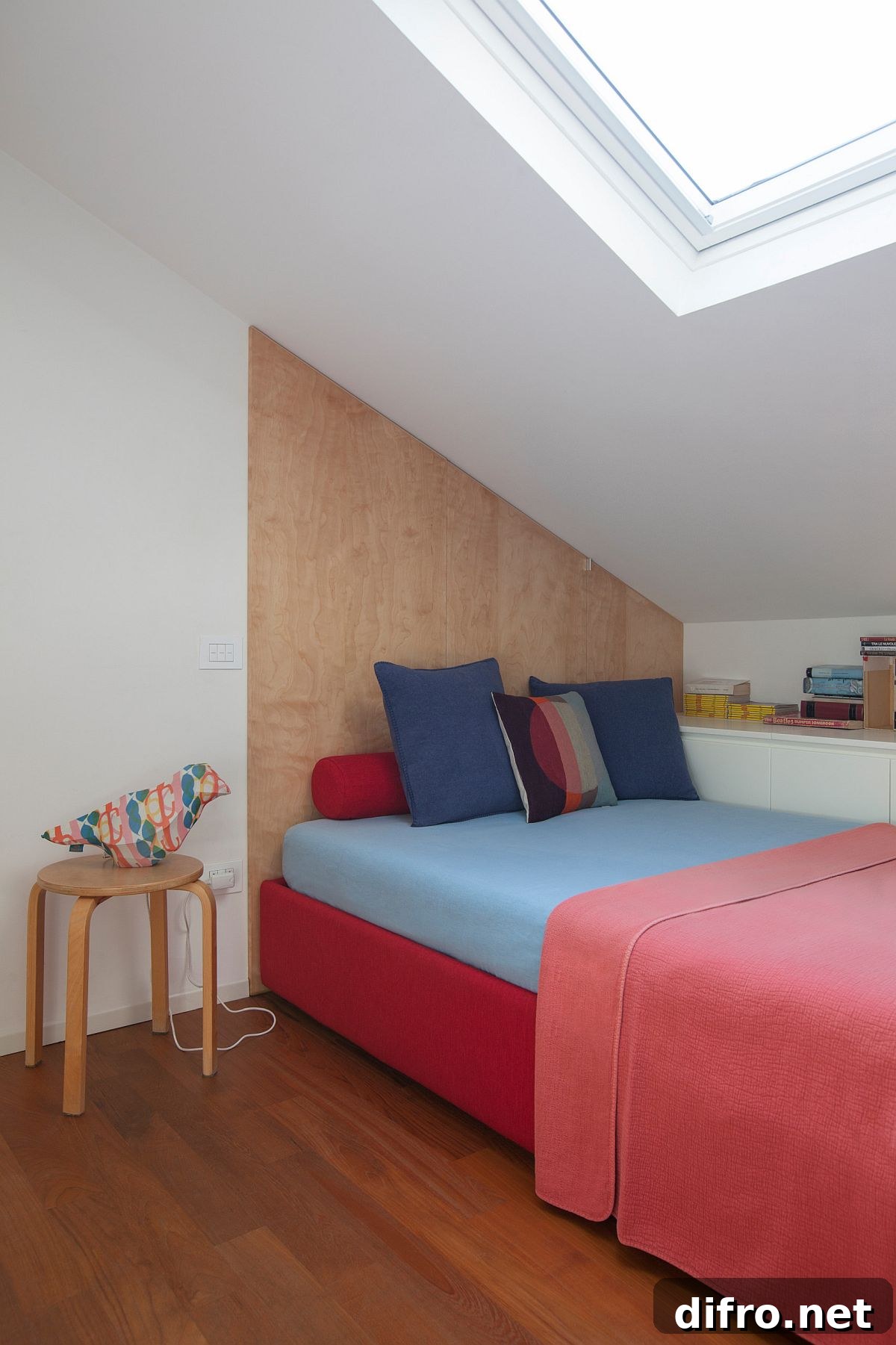
One of the simplest, most effective ways to bring a sizable amount of color into a white bedroom is through bedding. Duvets, throws and layered pillows can create a dramatic focal point without the commitment of paint. Bedding is also cheap and easy to change seasonally or when you want a fresh look, so it’s ideal for anyone who likes to experiment. Choose rich tones or playful patterns to complement or contrast a white backdrop, and use smaller accessories—like a bedside lamp or a rug—to tie the palette together.

Light, Bright and Beautiful
To maximize the effect of white and color, keep the overall room as uncluttered and monochromatic as possible. Overfilling a small space with items or competing patterns diminishes the calm, airy quality white provides. Aim for clean surfaces, integrated storage and a limited accessories palette so the strategic color blocks remain the room’s visual anchors. Layer your lighting—ambient, task and accent—to ensure the space feels warm and expansive at all hours. Natural light is especially important in small rooms: open windows, add a skylight if feasible, and use a large mirror to bounce daylight and visually enlarge the space.
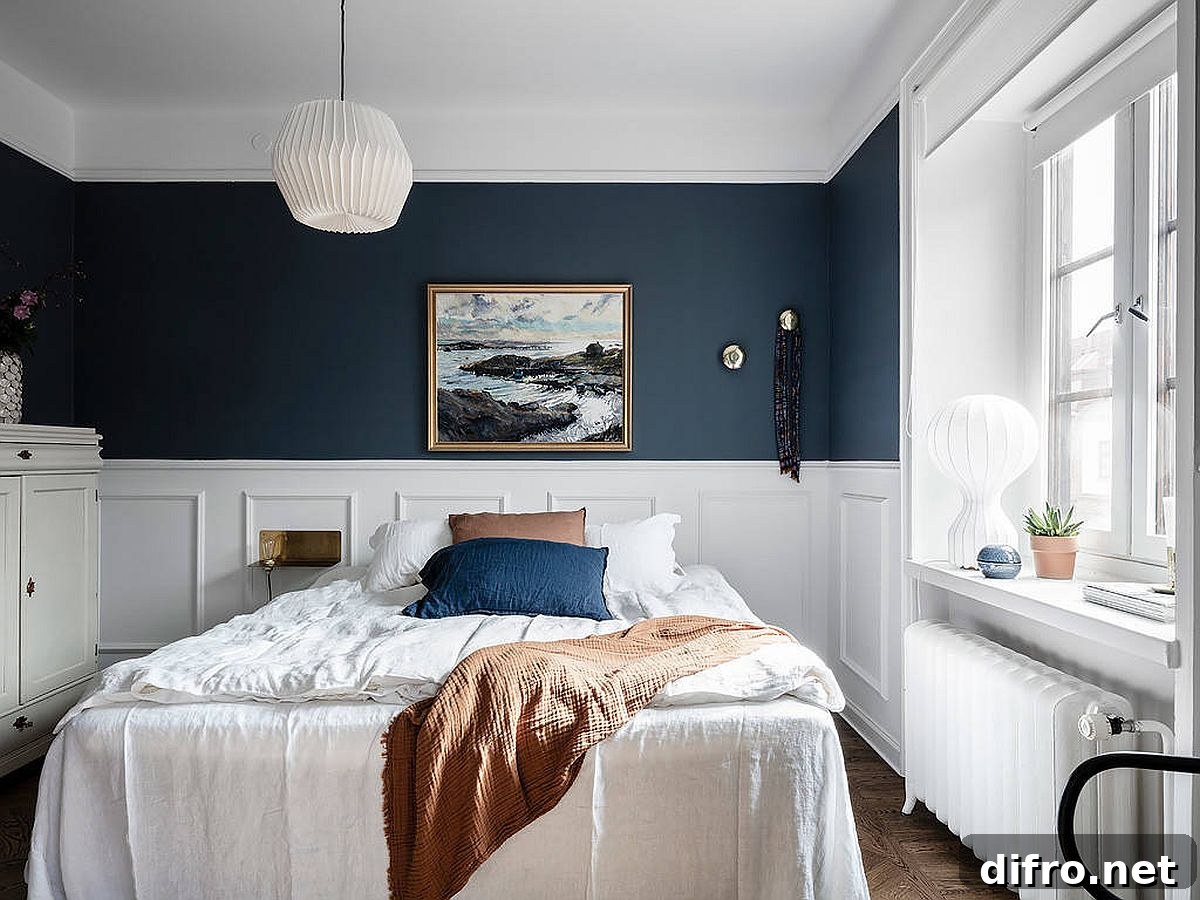
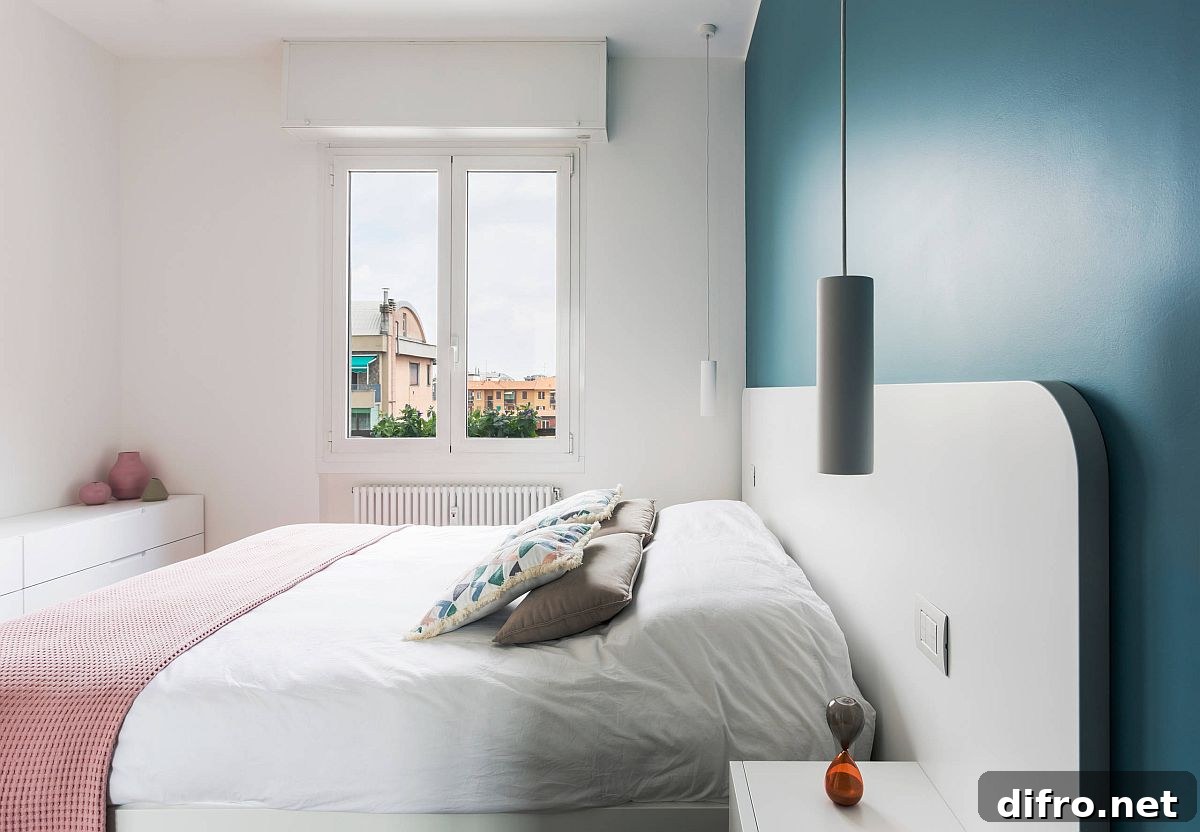
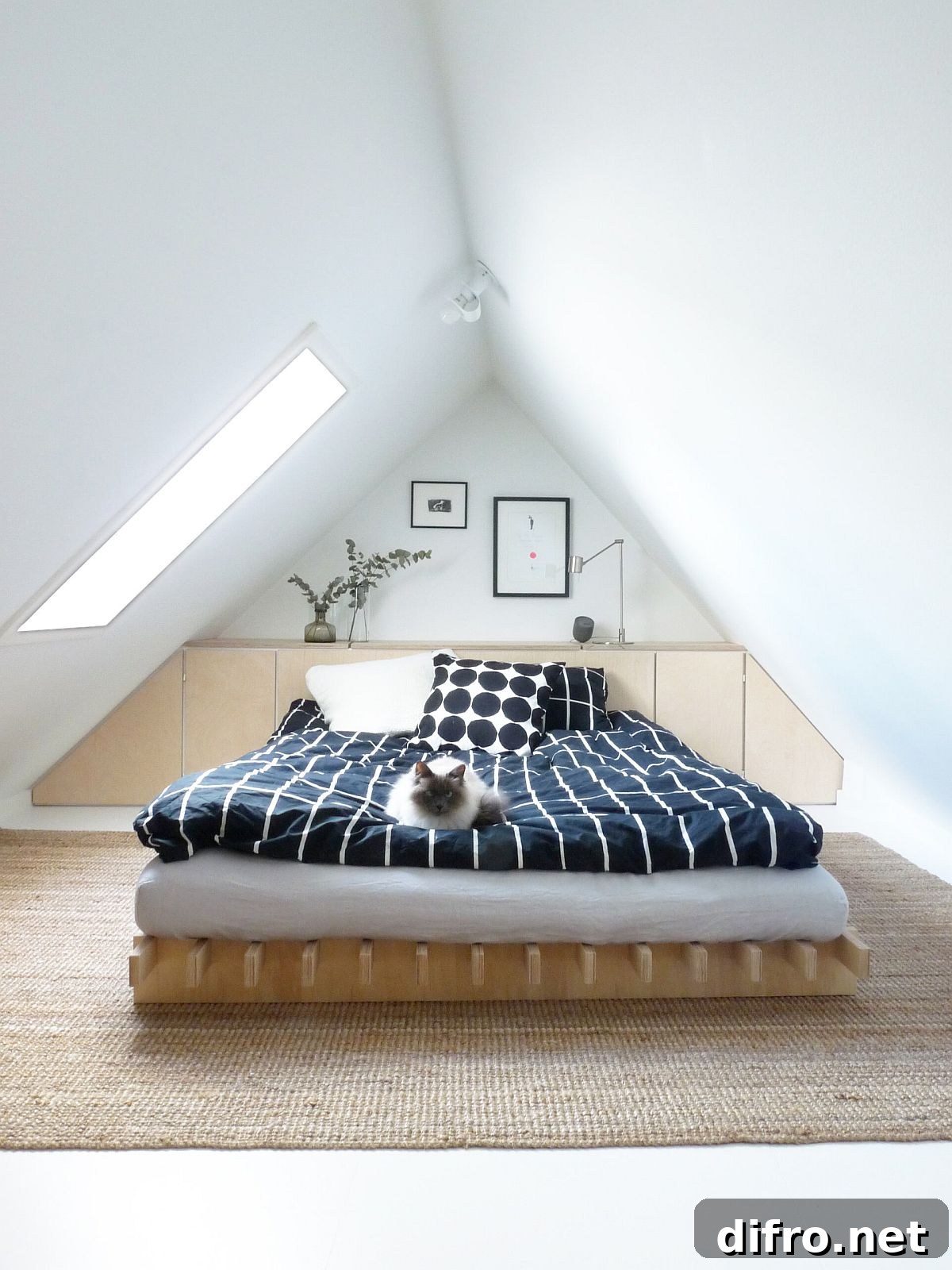
Ready to try white with thoughtful color blocks in your bedroom this winter? Start with a neutral foundation, pick one or two bold colors, and introduce them in large, confident shapes—on a wall, the ceiling or the bed—while keeping the rest of the room calm, well-lit and clutter-free. The result is a small bedroom that feels both spacious and full of personality.