Every house has its own character and needs when it comes to extensions or renovations. Some projects replace the original façade and erase much of a building’s historic identity. Others take a more restrained approach, preserving the street-facing elevation while creating new, functional space at the rear. The Neui House Extension, designed by Benoit Rotteleur Architecte in the eastern suburbs of Paris, is an example of the latter. This sensitive 35-square-metre addition to a 1960s home expands the living space without altering the home’s original street presence.
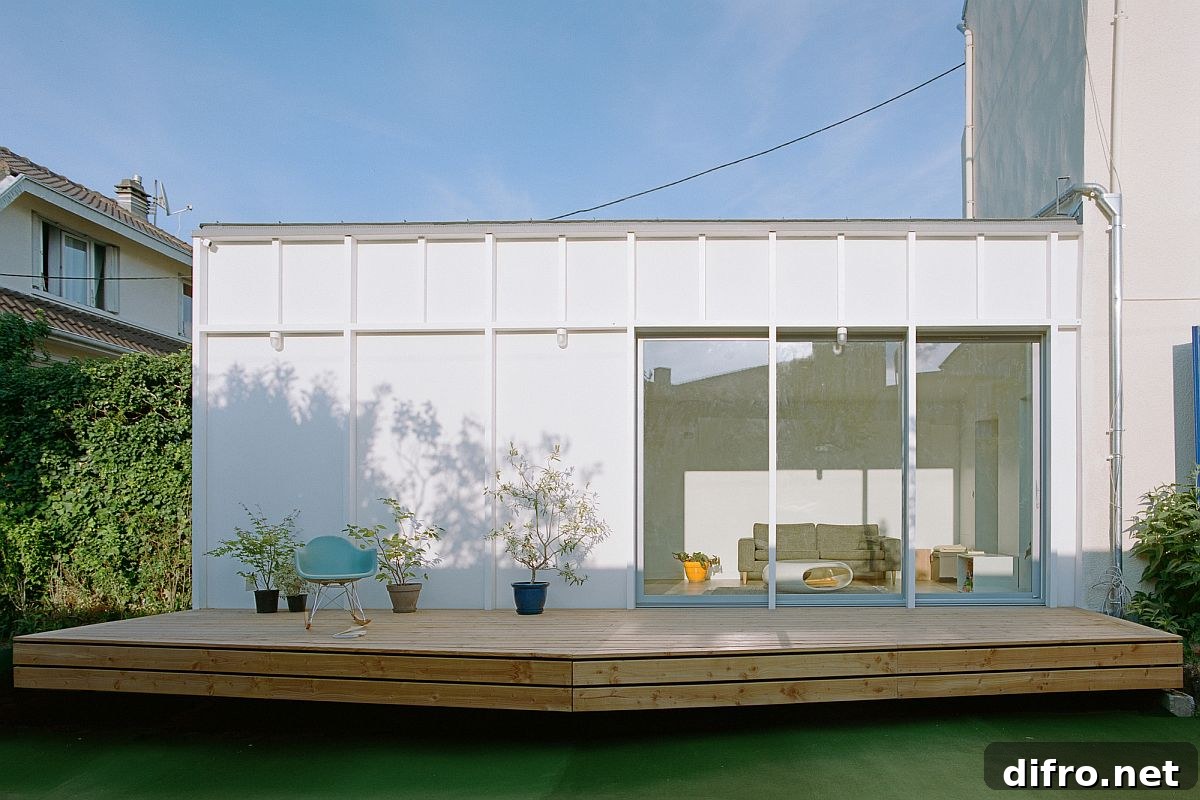
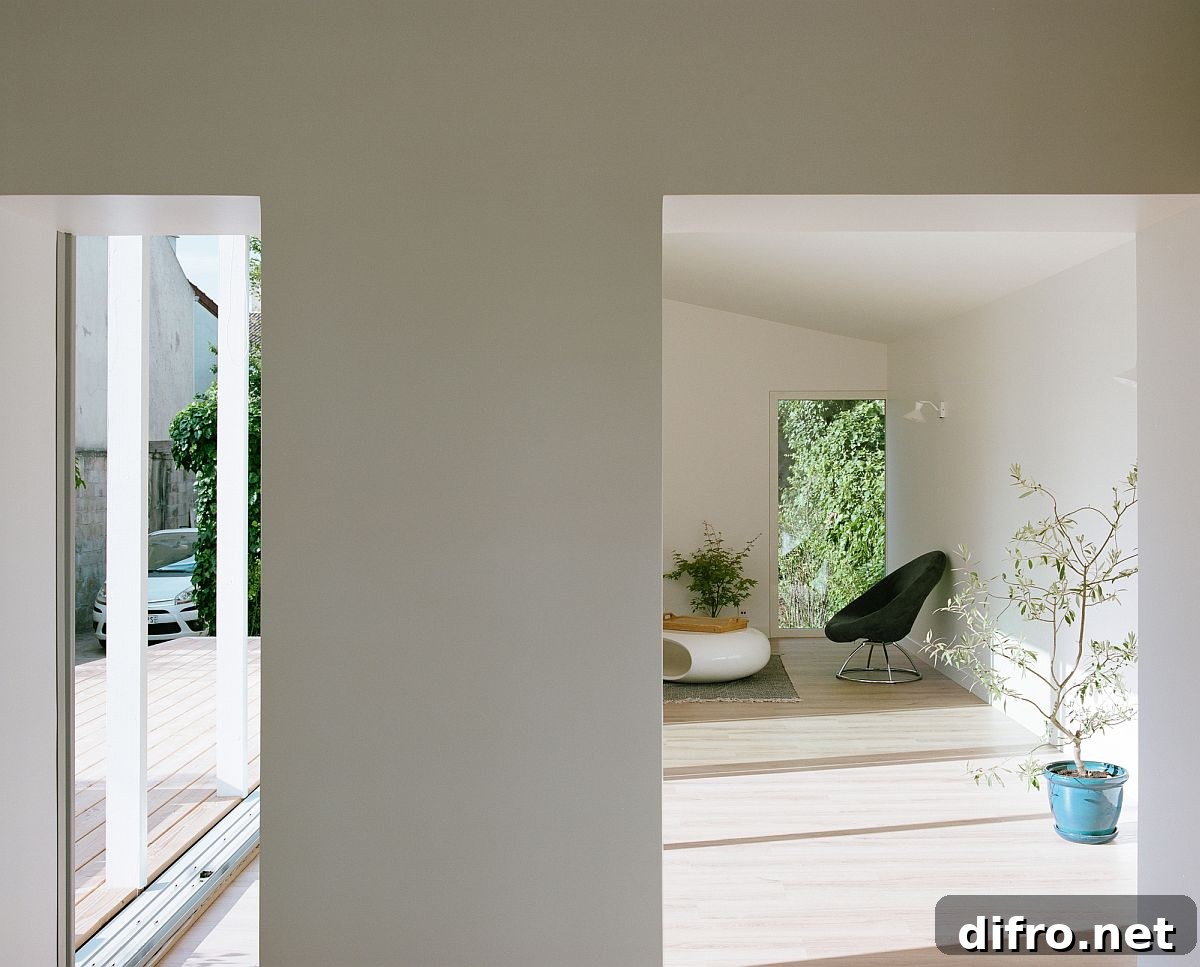
The new rear volume is deliberately simple and contemporary: a box-shaped form finished in warm wood tones and clean white surfaces. Inside, the extension adopts a wood-and-white palette that complements the existing home while giving the new space a calm, contemporary feel. The result is a light, relaxed interior that reads as distinctly modern yet respectful of the house’s original fabric.
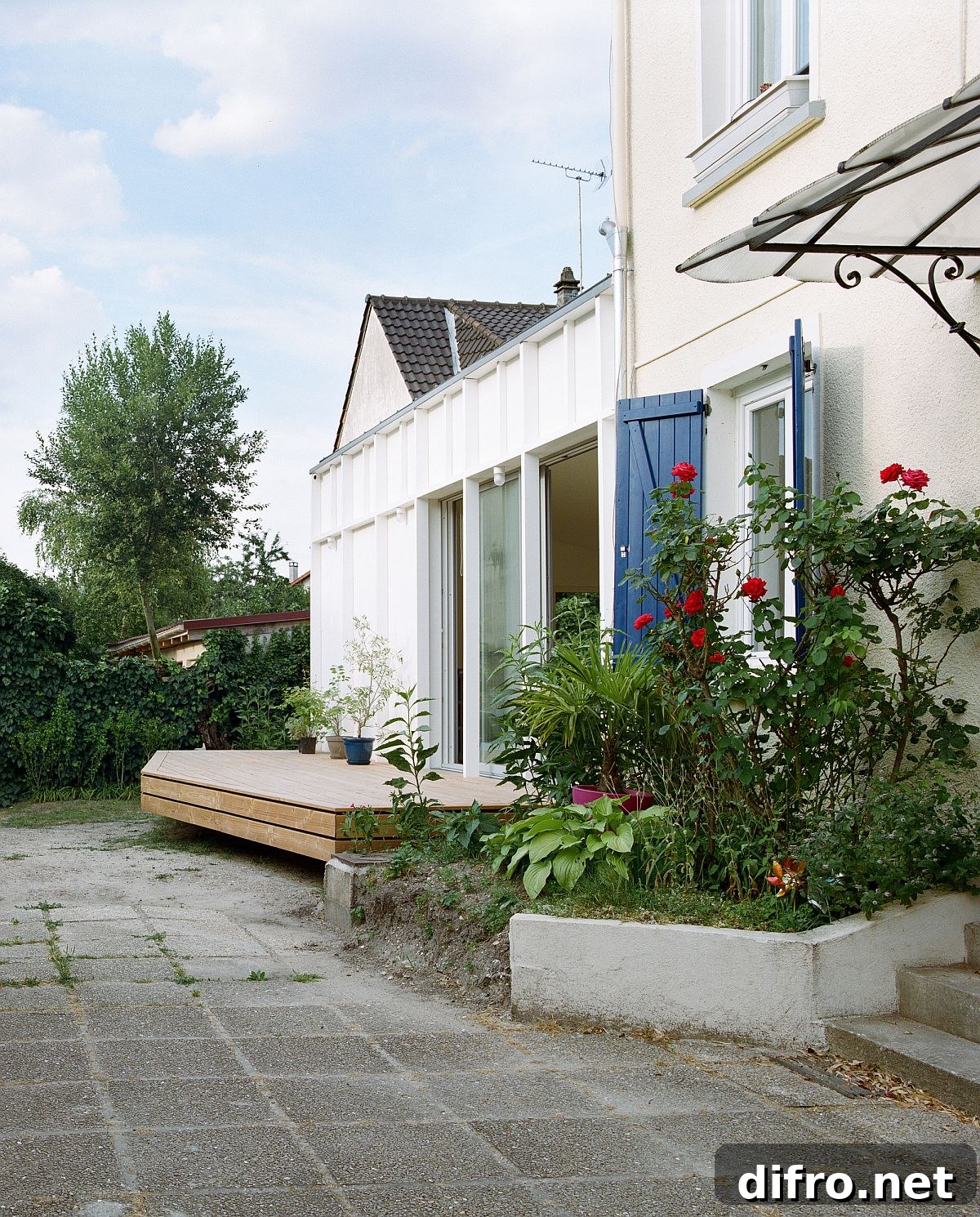
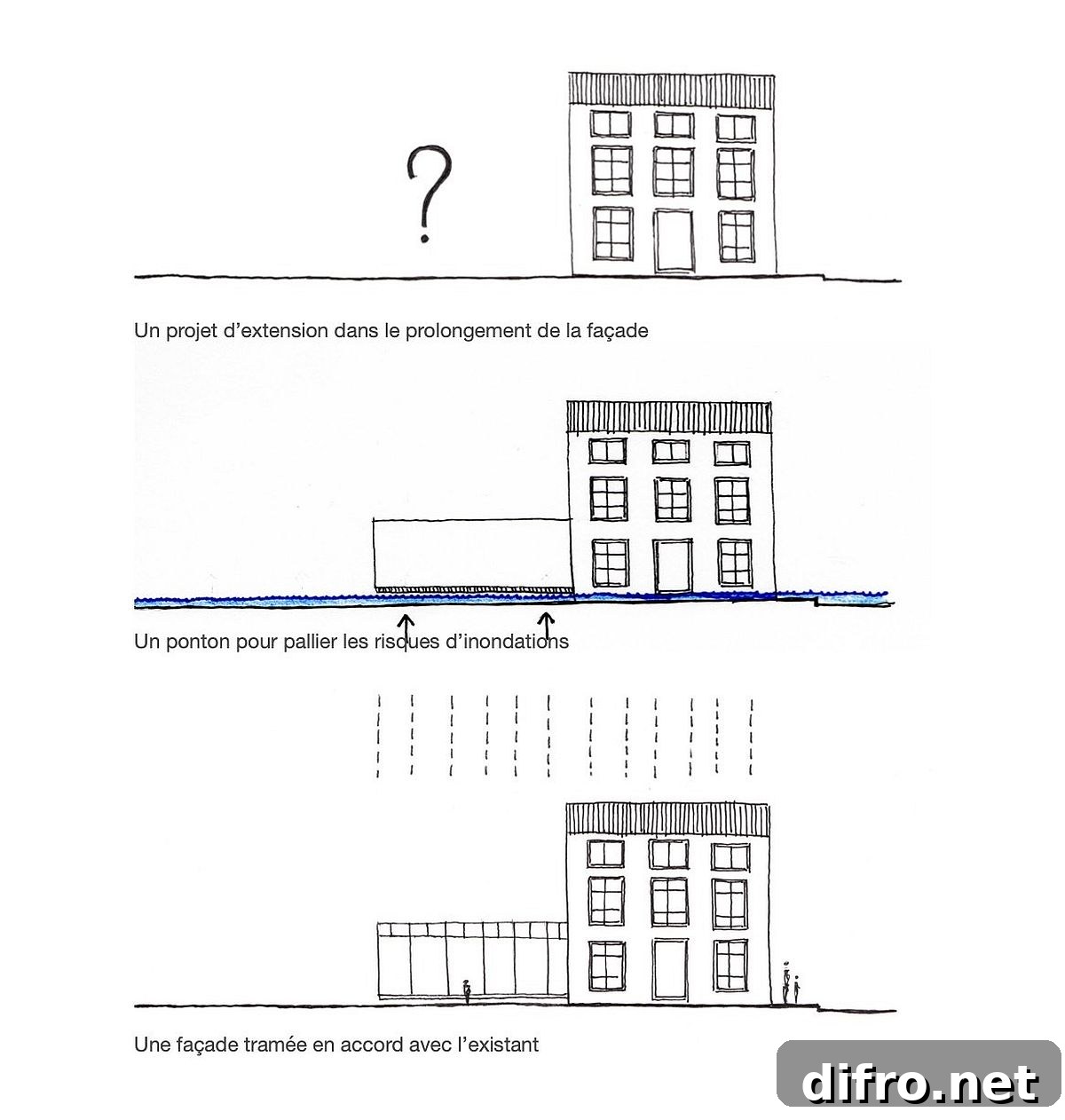
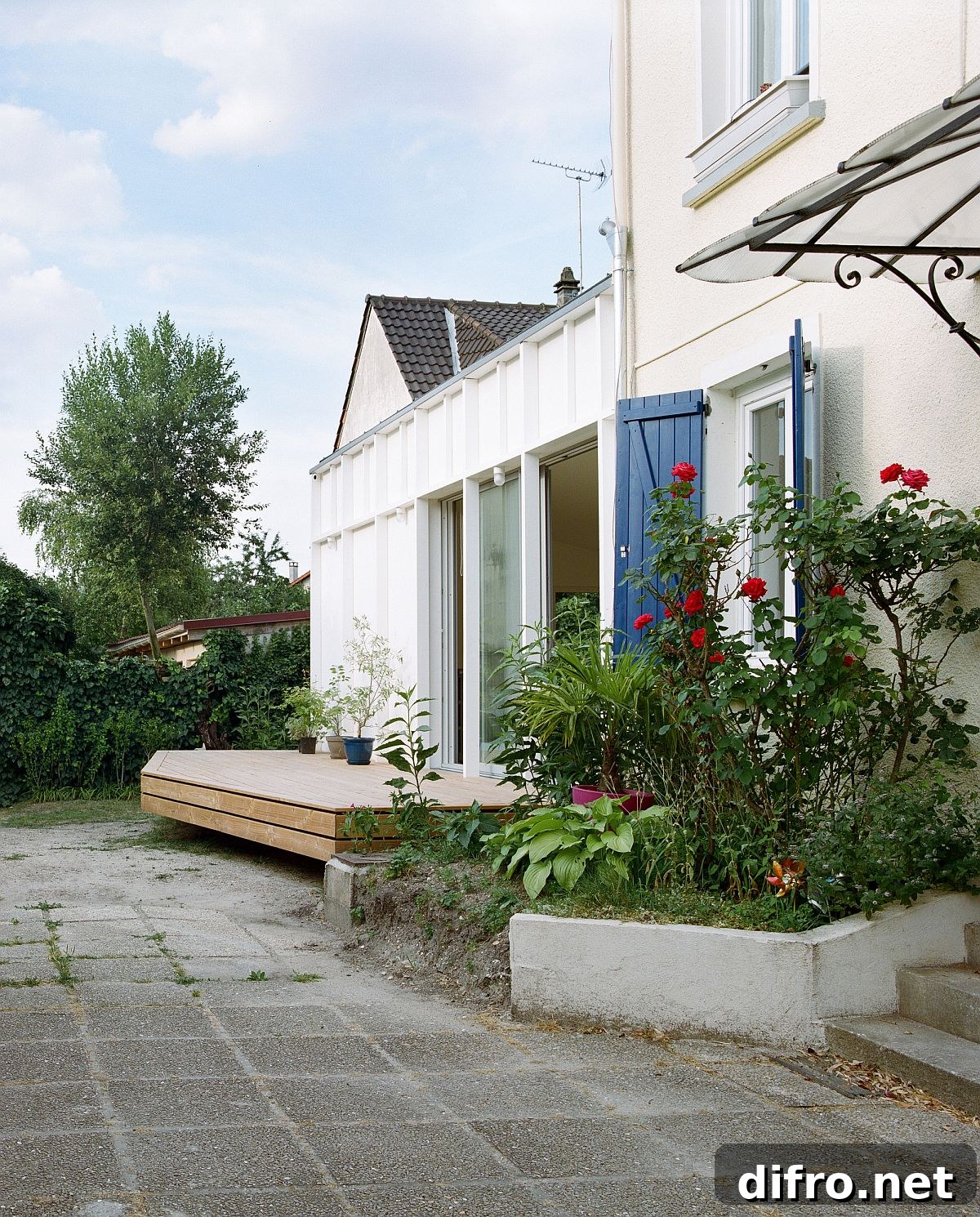
One of the project’s most striking features is the elevated wooden platform that forms the extension’s base. The neighborhood is prone to flooding, so the architects raised the new volume on a jetty-like deck. This elevated platform protects the addition from high water while creating a distinct indoor-outdoor threshold. Sliding glass doors open the living area onto the decking, allowing the space to flow outward on warm days and offering a pleasant connection with the exterior.
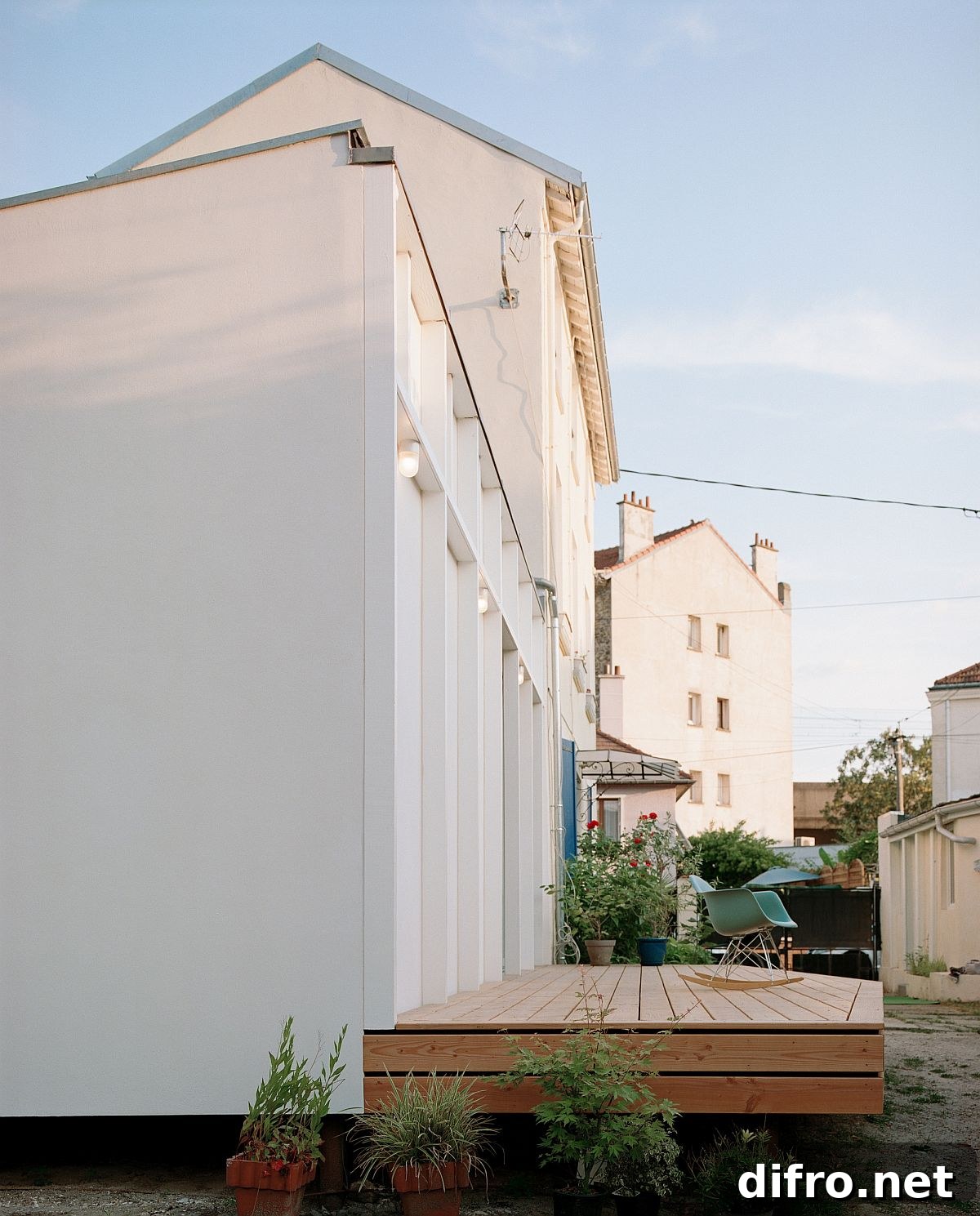
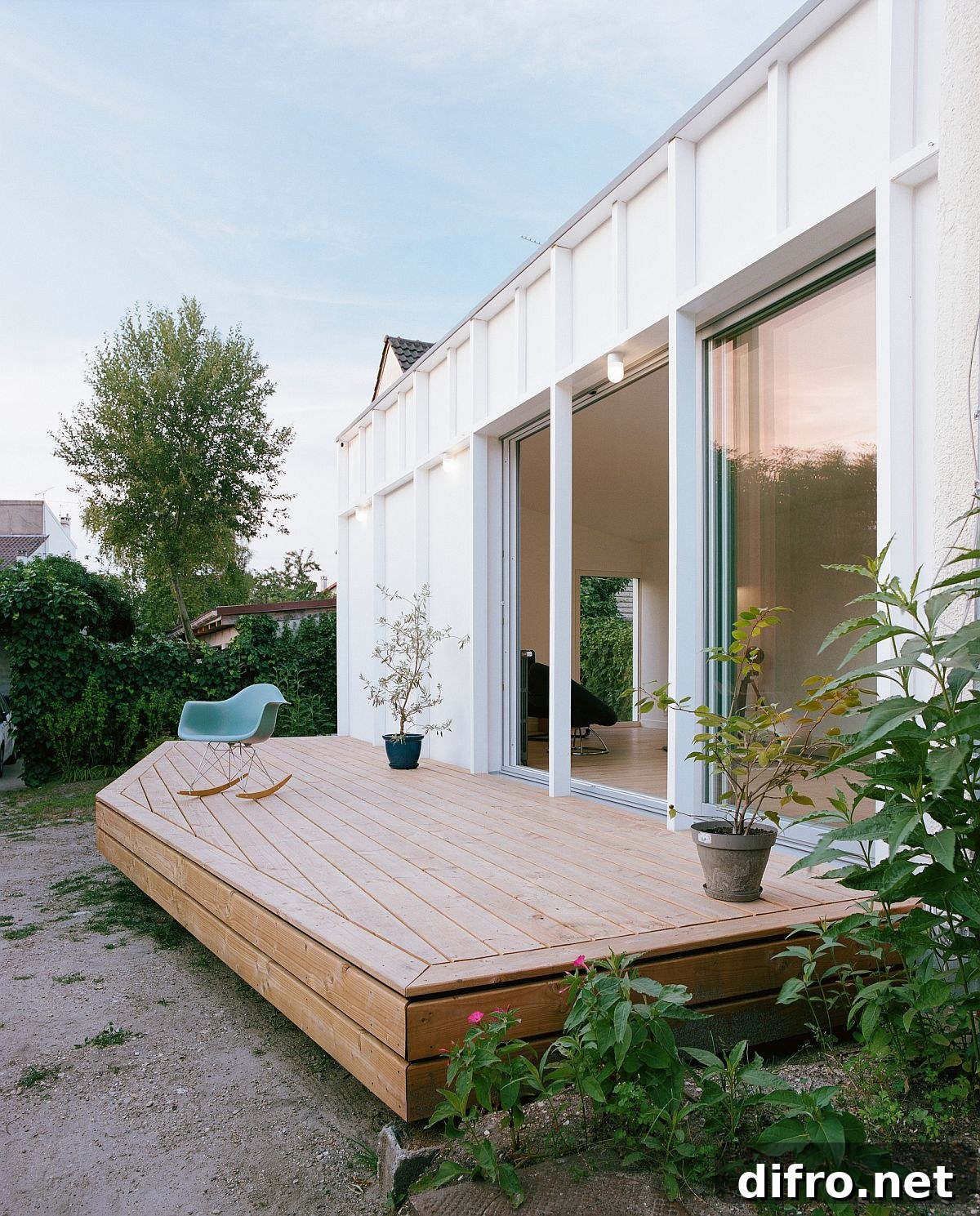
The extension accommodates an open-plan living area with a kitchen and dining space, plus bathrooms. The original 1960s house continues to contain the main bedroom and other private rooms, so the addition serves to modernize and expand day-to-day living without relocating sleeping quarters. Thoughtful placement of windows captures natural light, and the combination of white finishes and timber surfaces enhances brightness and warmth throughout the new rooms.
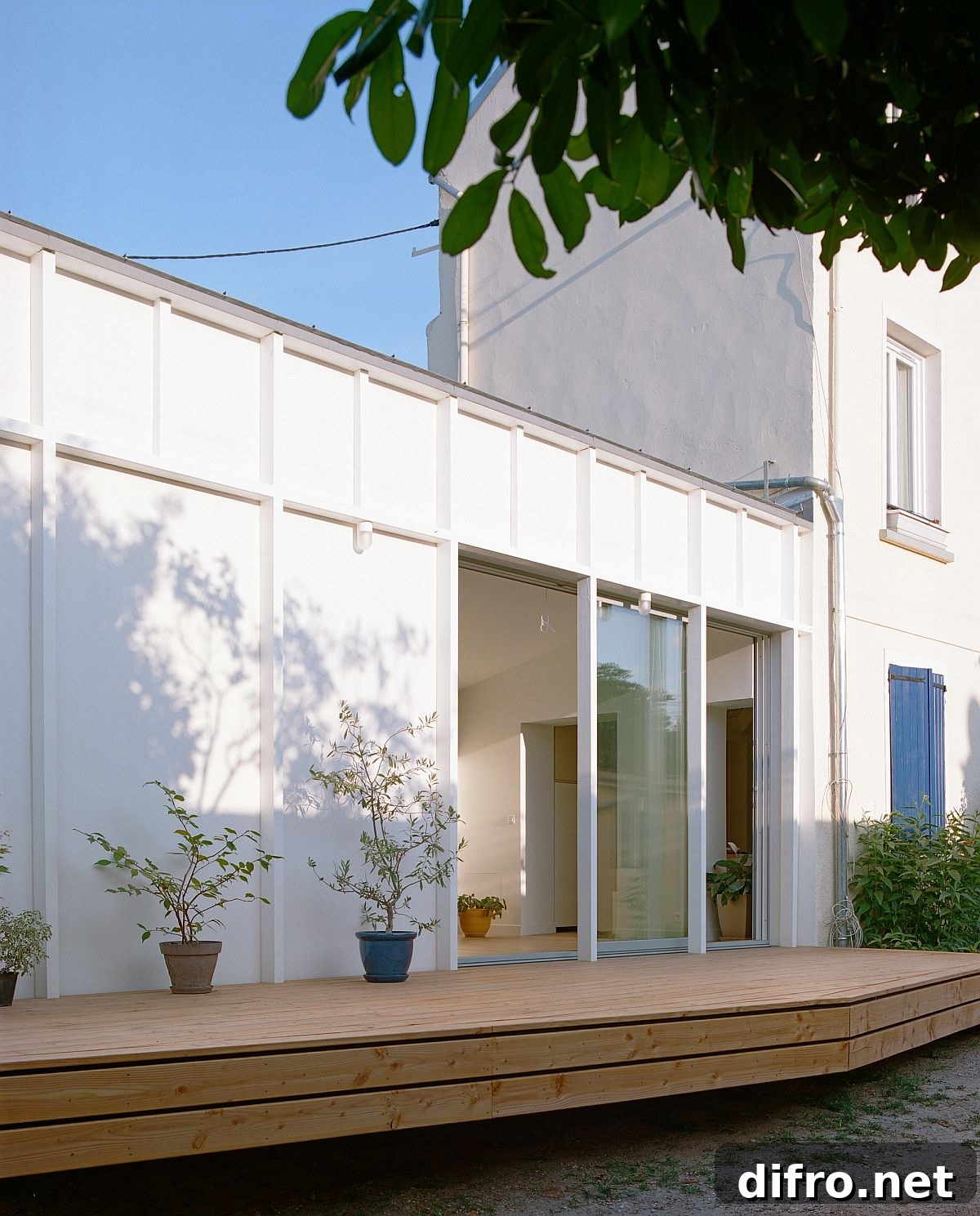
The aesthetic strategy is deliberately minimal and urbane: clean lines, restrained color, and natural materials create a contemporary yet timeless interior. Sliding doors and carefully positioned glazing strengthen the indoor-outdoor relationship and improve daylighting, while the elevated deck maintains resilience in a flood-prone setting. These practical decisions contribute to a cohesive design that feels both functional and elegant.
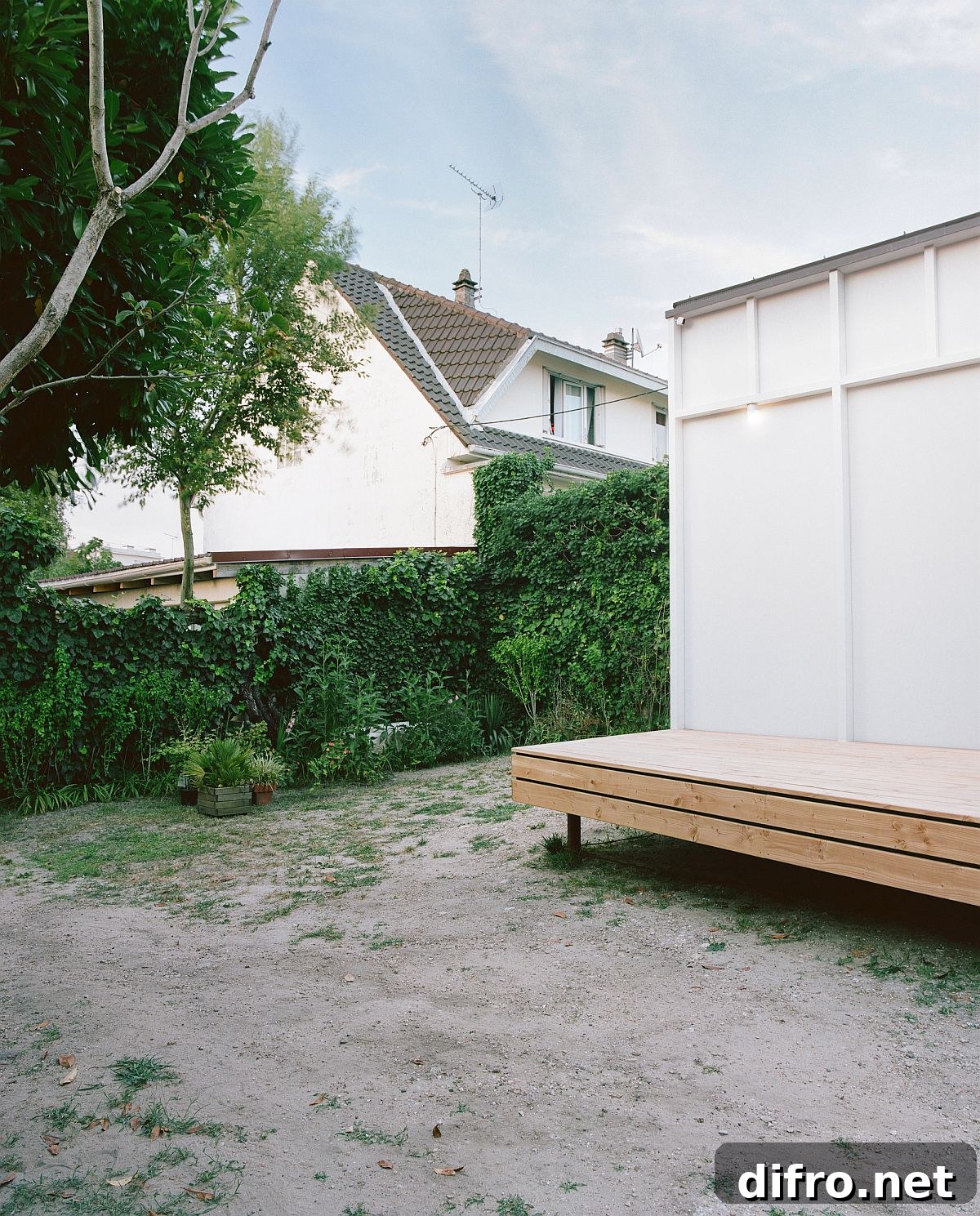
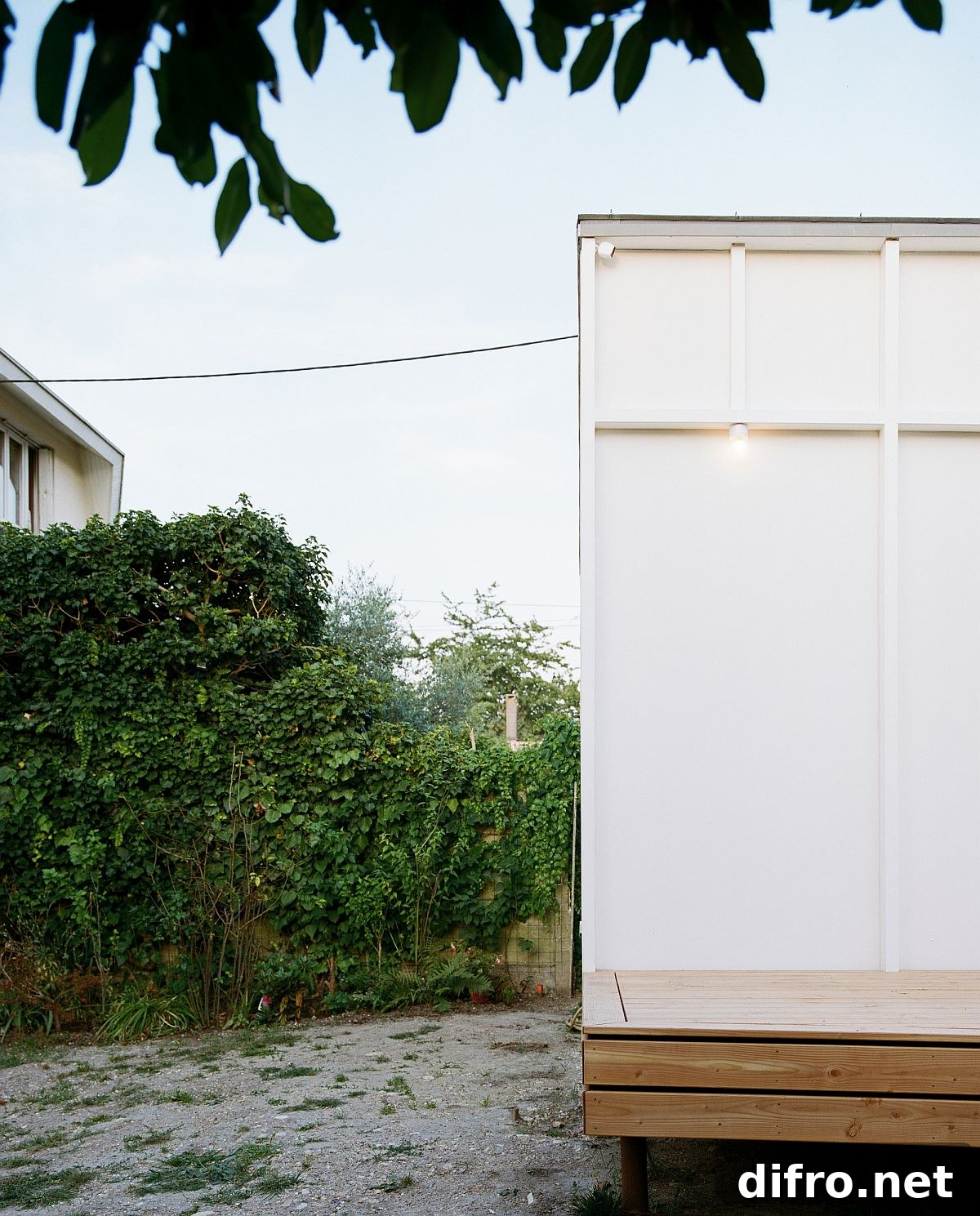
By choosing a discreet rear extension rather than a full façade overhaul, the project preserves the home’s original street identity while delivering contemporary comfort and practicality at the back. The addition’s modest footprint makes efficient use of the available site and brings renewed light and function to an aging house without erasing its history.
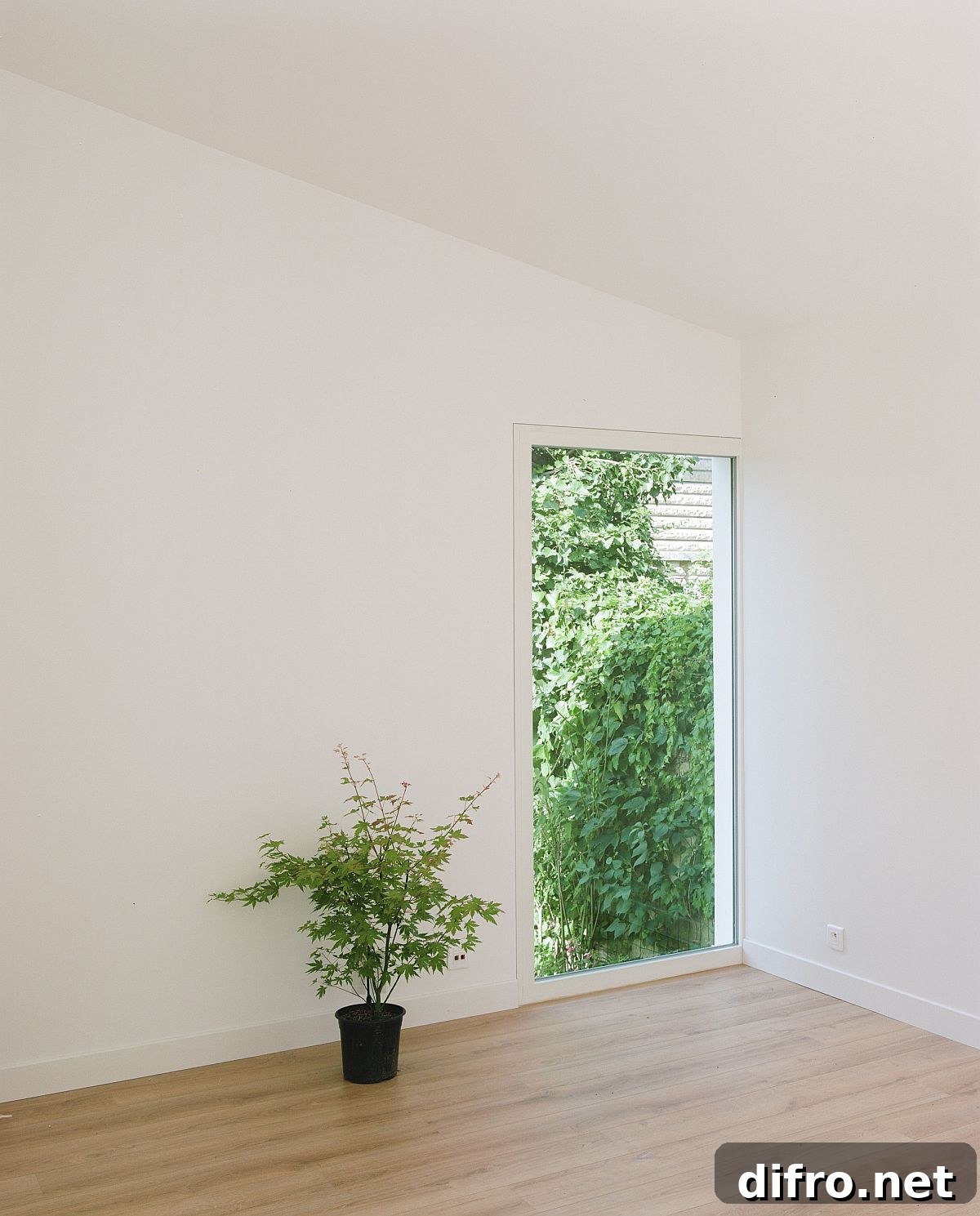
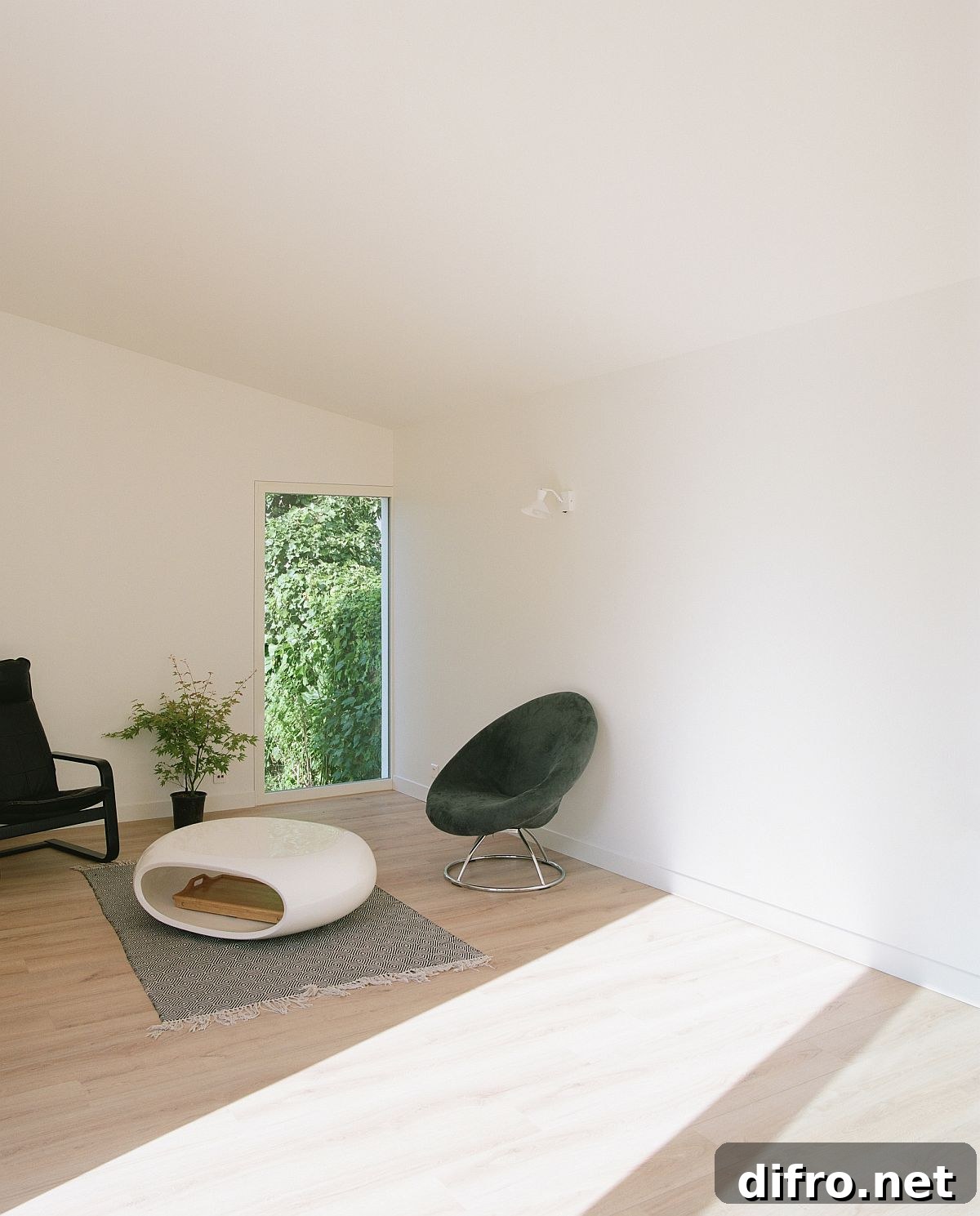
The Neui House Extension demonstrates how a small, well-considered intervention can transform the way a home functions and feels. It brings modern living standards, flood resilience, and enhanced indoor-outdoor connections to a modest 1960s property without sacrificing the house’s original character. Photography by Antoine Séguin captures the clarity and calm of the project, highlighting how light, material choice, and a simple elevated form combine to create a refined, practical addition to this Paris home.