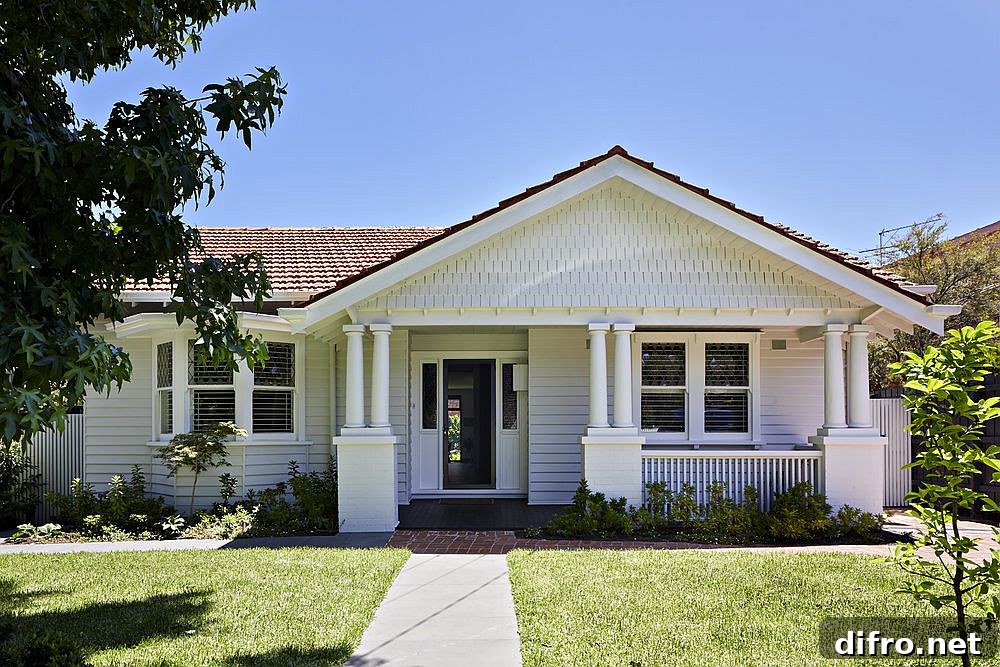
The coastal city of Melbourne and its surrounding suburbs have become a rich source of smart, elegant home renovations in recent years. Many original homes date from the 1950s and 1960s, and as new owners move in they often choose to update interiors to suit contemporary lifestyles. A common and successful approach is a concealed rear extension that preserves the original street-facing façade. The Hide House in Hampton—an upscale beachside suburb—illustrates this strategy beautifully. The renovation and large-scale interior makeover by MANI Architecture deliver a refined, contemporary home that feels fresh while respecting its Californian bungalow roots.
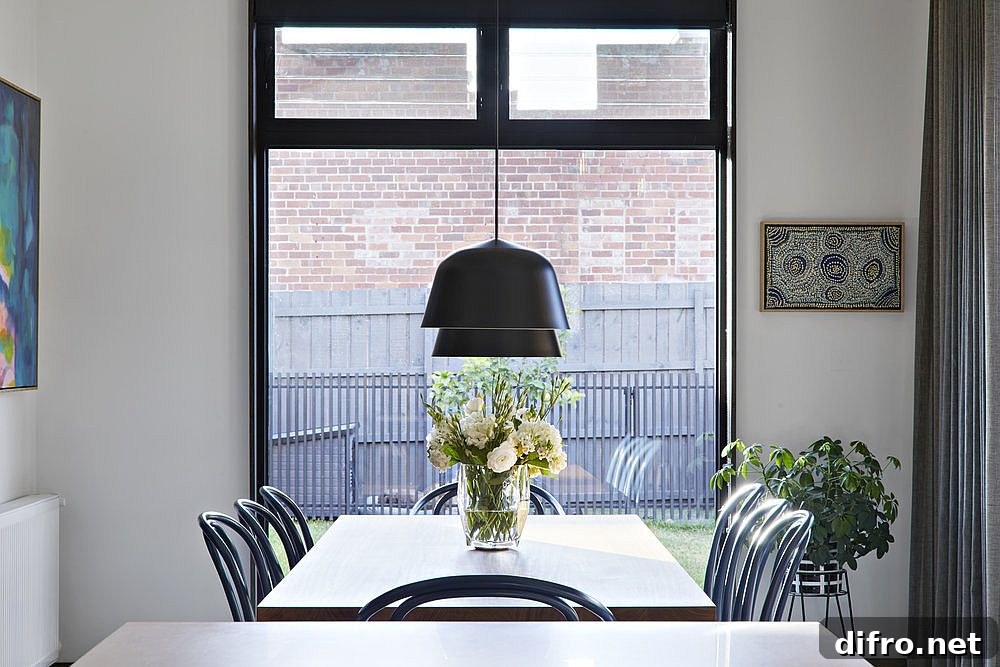
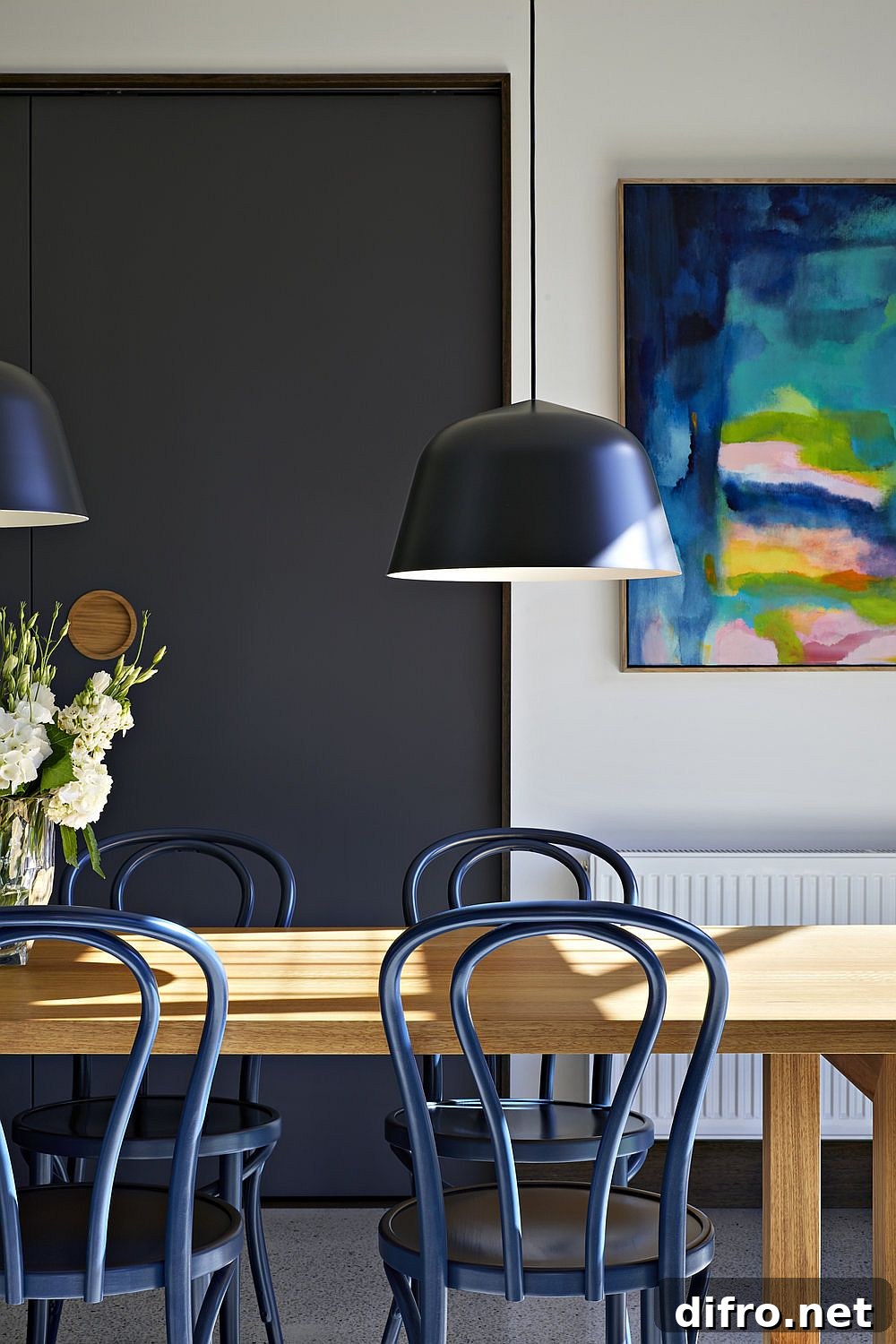
The interior palette relies on neutral tones to form a calm, sophisticated backdrop. Bluish-grays and a restrained black-and-white scheme dominate, allowing carefully chosen furnishings, wall art and indoor plants to provide lively accents. This balance—between a serene base and vibrant, personalized elements—preserves the charm of the original bungalow while giving the home a contemporary feel. Thoughtful material choices and tonal contrasts create layered visual interest without overwhelming the rooms.
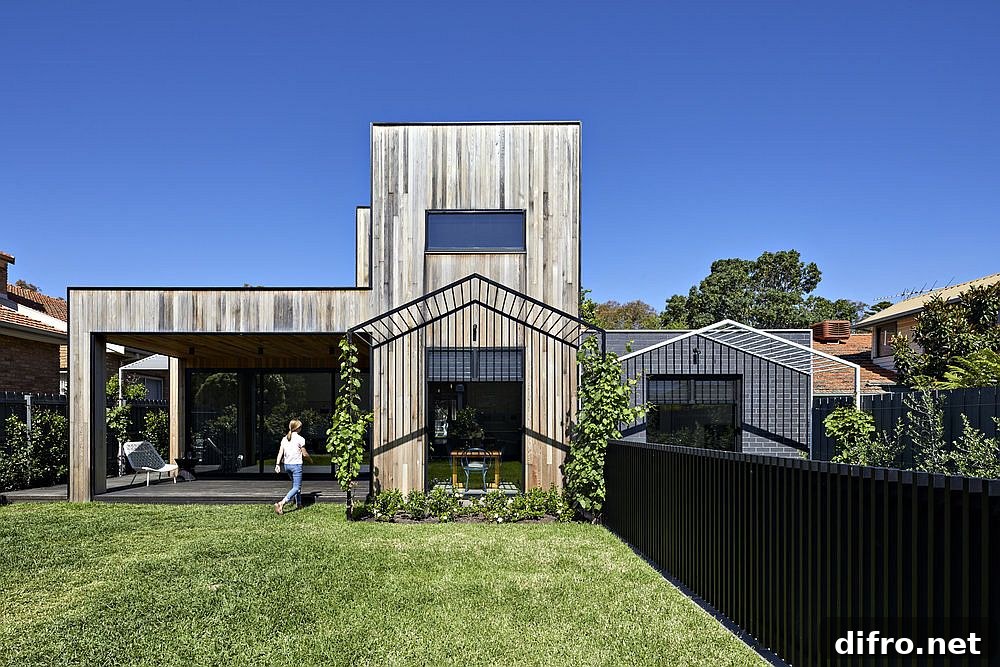
Sliding glass doors and large windows blur the line between inside and out. The main living areas open directly to a timber deck and backyard, making the home feel more spacious and encouraging a flow that suits modern family life and entertaining. From the street, the wood-clad rear extension is discreet and unobtrusive; from the backyard it reveals a generous, light-filled volume that transforms everyday routines.
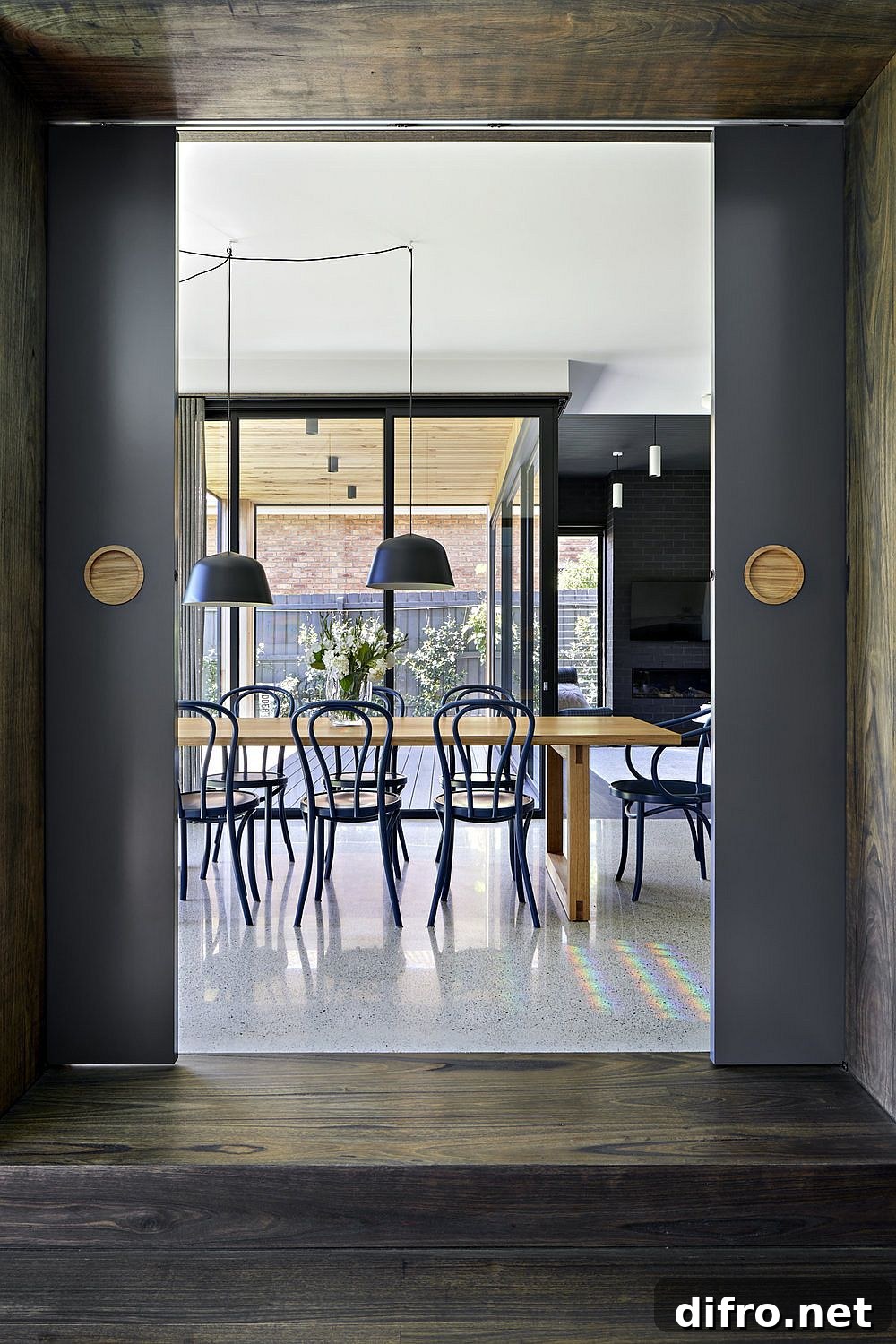
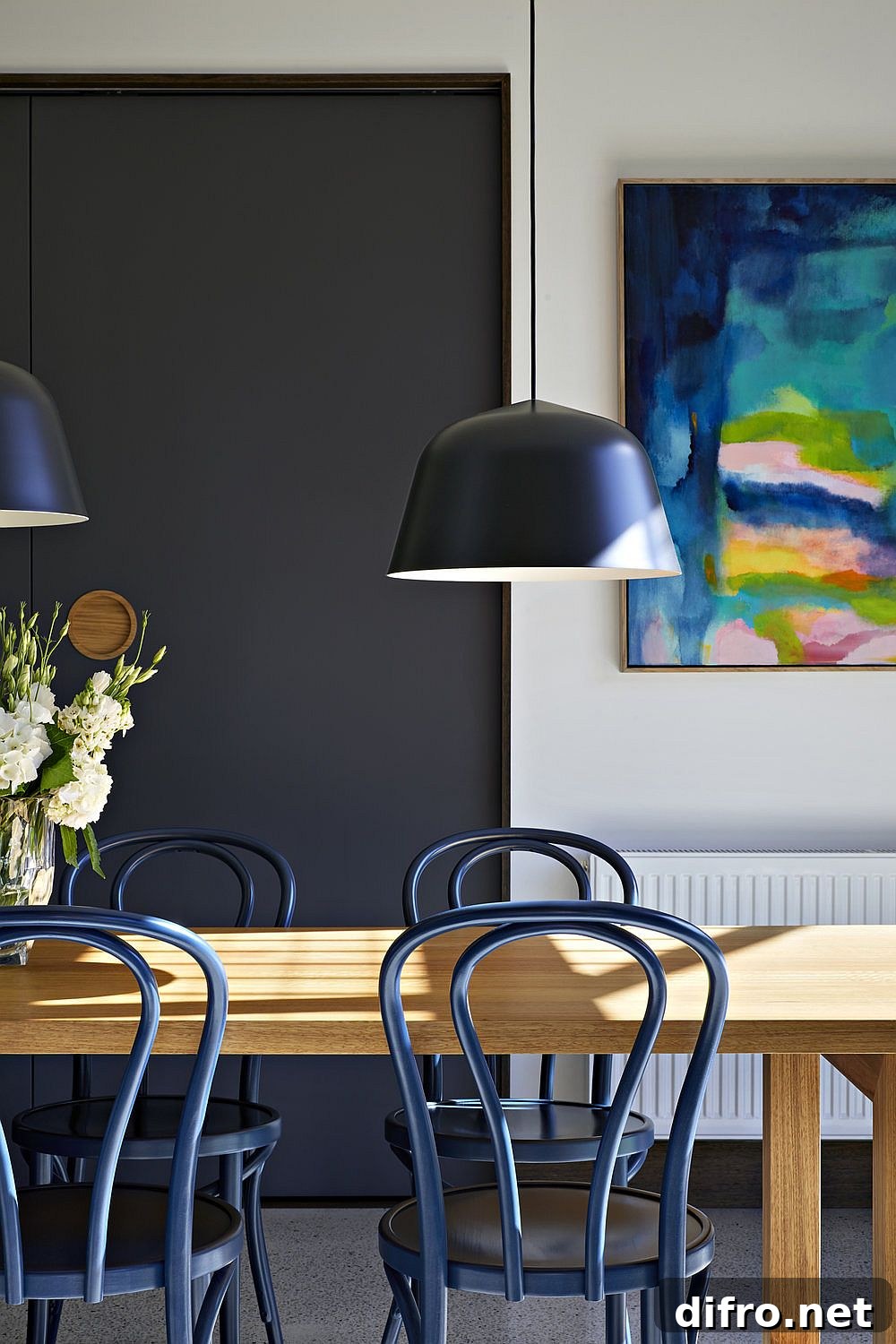
Lighting and fixtures are used to accentuate the neutral scheme. Dark pendant lights introduce a striking visual counterpoint above the dining table, while carefully selected chairs and wall art inject color and personality. These elements bring warmth and texture to otherwise muted spaces, ensuring each room feels intentional and inviting.
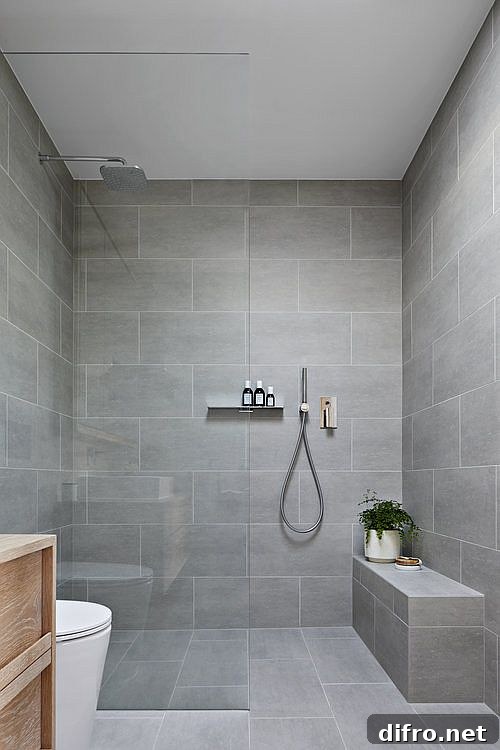
Bathrooms and service areas follow the same contemporary language, using natural materials and muted stone tones to create a calm, spa-like atmosphere. Gray stone and clean lines give bathrooms a timeless quality while remaining in keeping with the overall palette of the house.
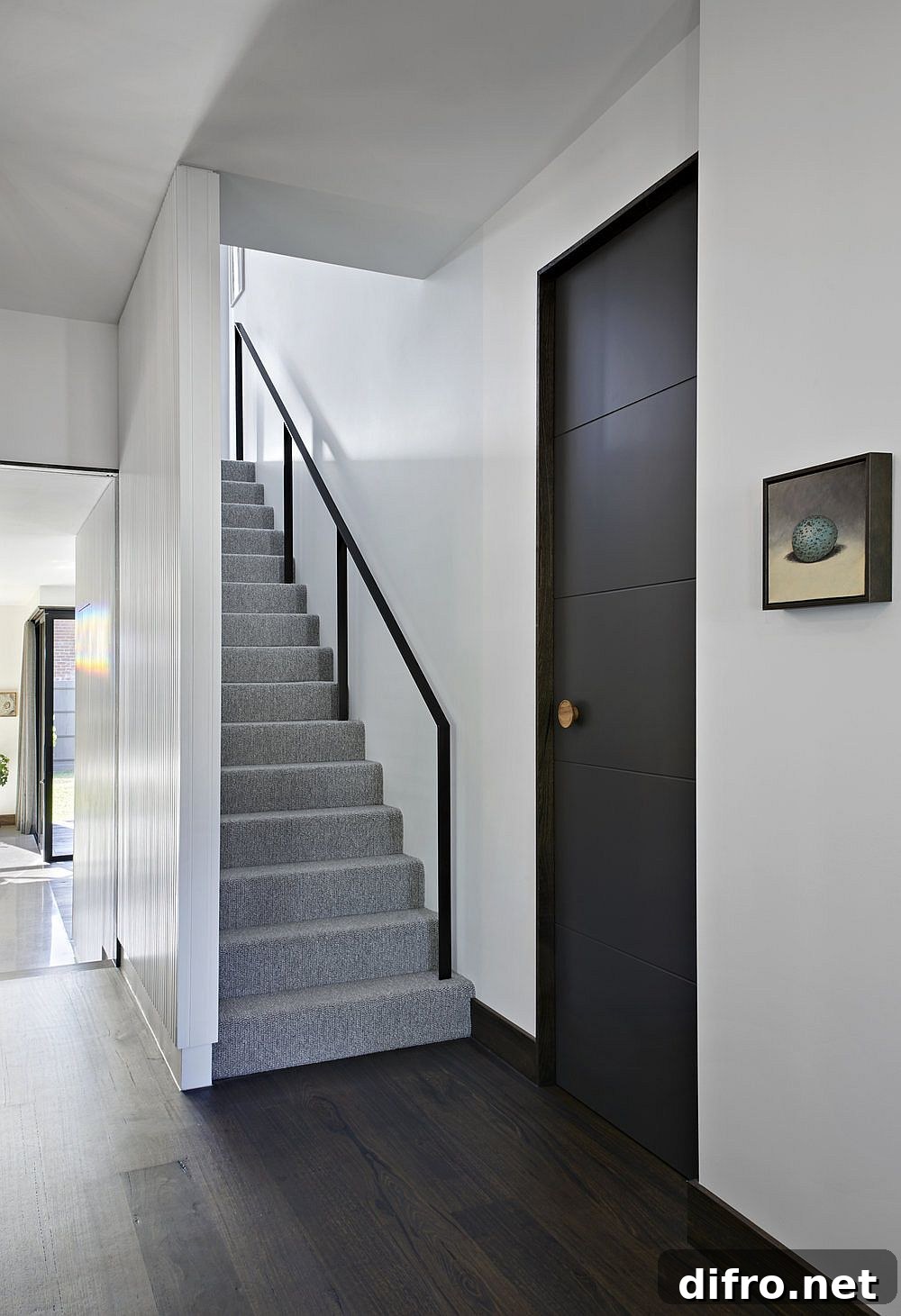
Despite its modest original footprint, the renovated house now accommodates four bedrooms and multiple bathrooms. A large social kitchen forms the heart of the home, opening to a covered rear patio and a pool area that extend the living space outdoors. This layout supports everyday family life and gives the house a relaxed, generous feel when entertaining guests.
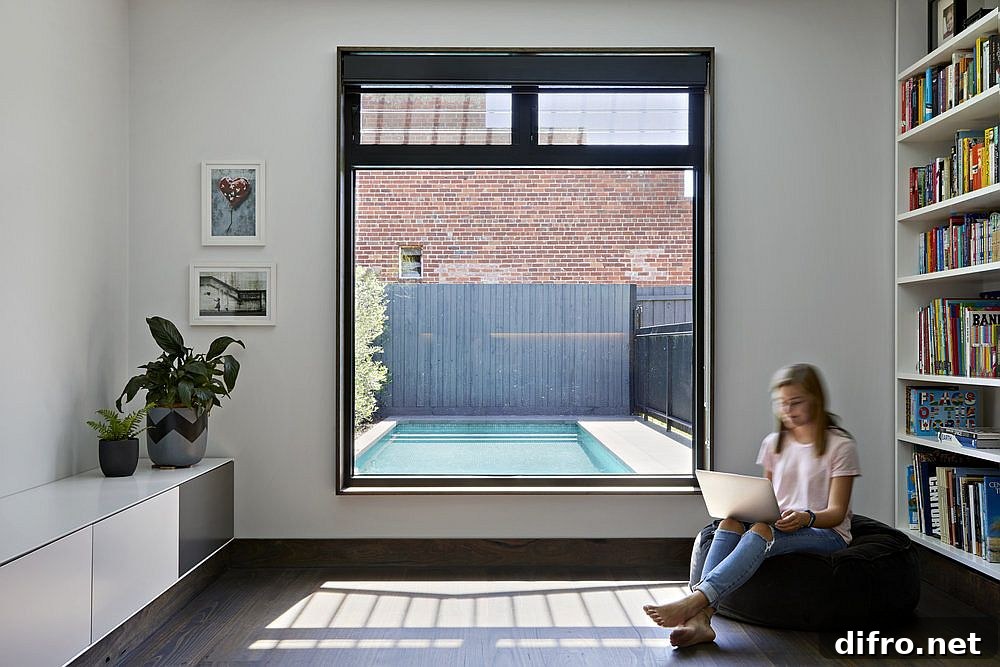
Natural light plays a central role throughout the redesign. Large windows, sliding doors and carefully positioned openings maximize sunlight and cross-ventilation, producing bright, airy interiors that feel both space-efficient and welcoming. Soft textiles and layered lighting contribute to the comfortable atmosphere, while durable finishes make the home practical for daily use.
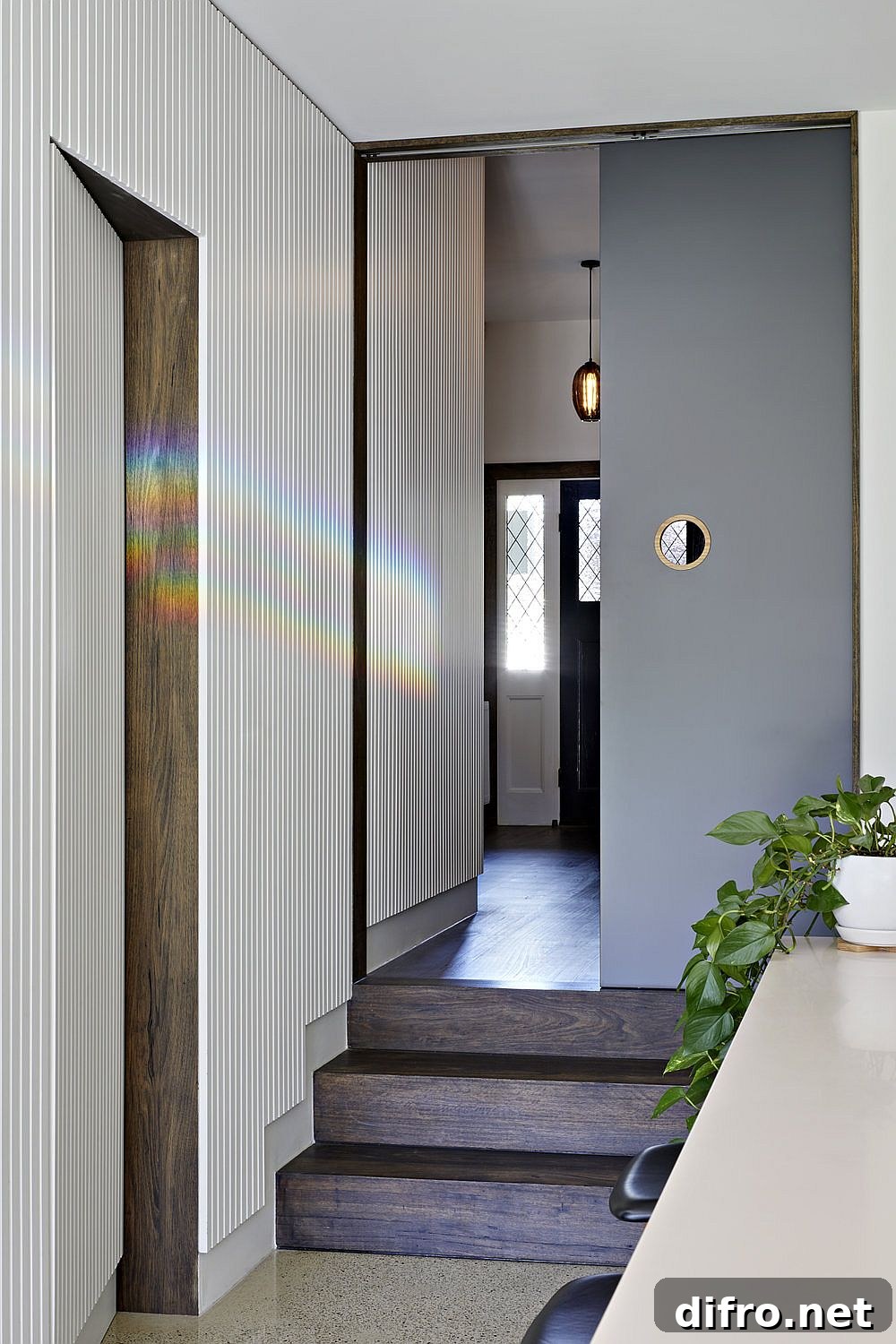
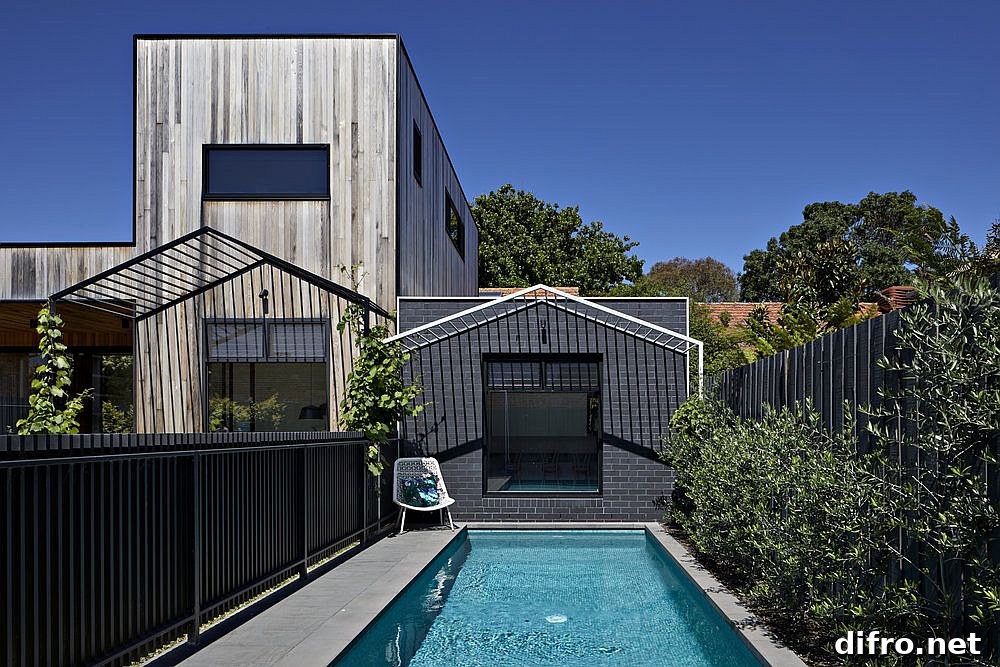
The timber-clad rear addition blends contemporary detailing with a respectful approach to the original bungalow form. From the street, the classic façade remains intact; from the garden, the extension reveals itself as a warm, modern living area that celebrates indoor-outdoor connection. The deck and pool create a private backyard retreat perfectly suited to Hampton’s seaside lifestyle.
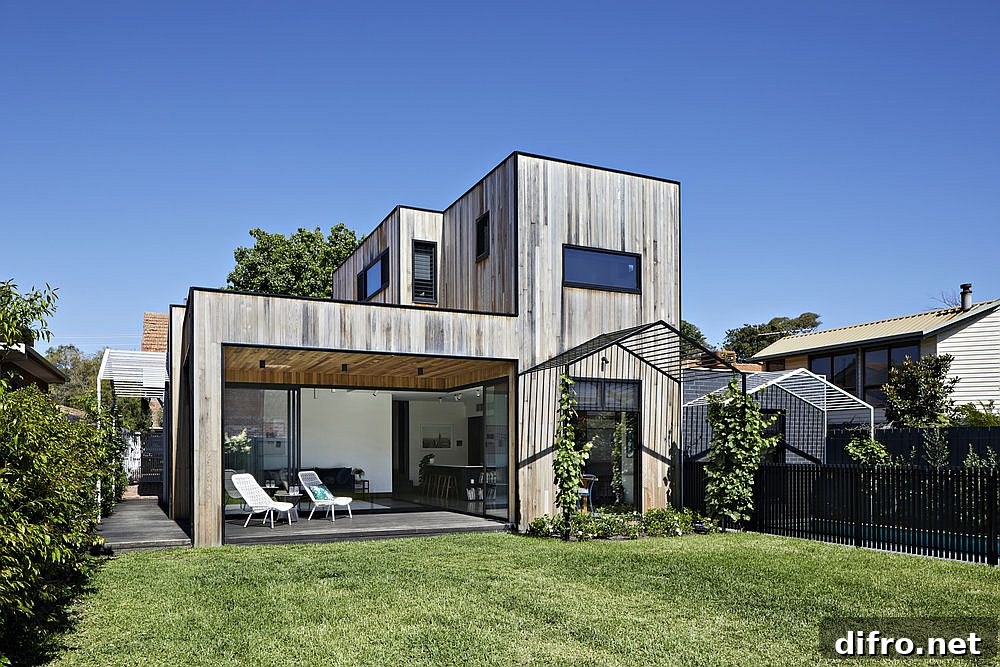
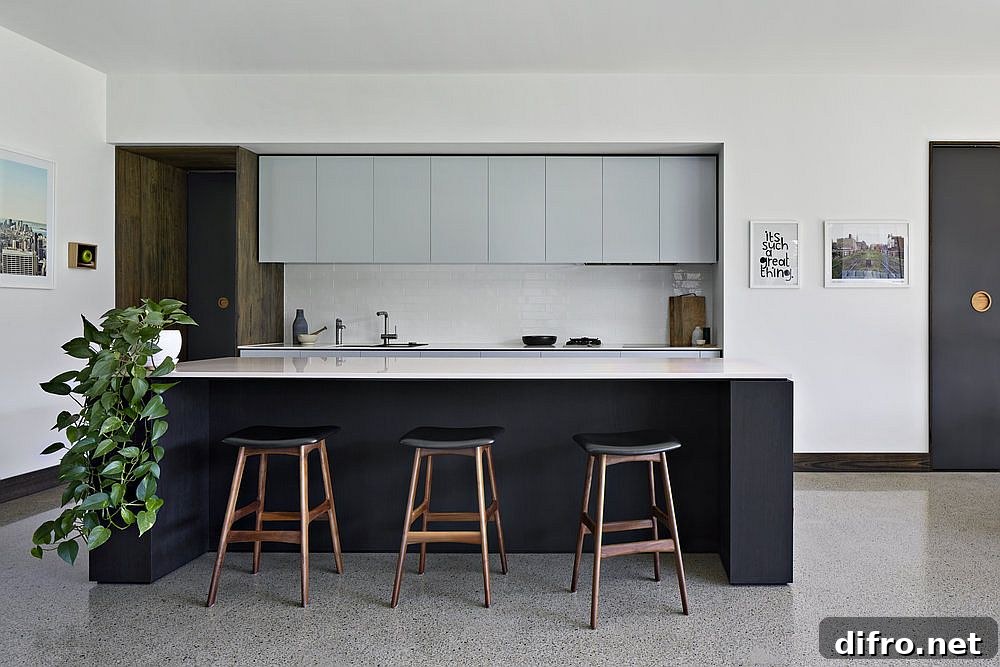
The Hide House demonstrates how careful design choices—respectful preservation of the original façade, a discreet timber extension, a neutral but layered interior palette, and strong indoor-outdoor connections—can turn a modest bungalow into a contemporary family home. The result is a timeless, comfortable residence that feels both considered and relaxed. Photography: Tatjana Plitt.