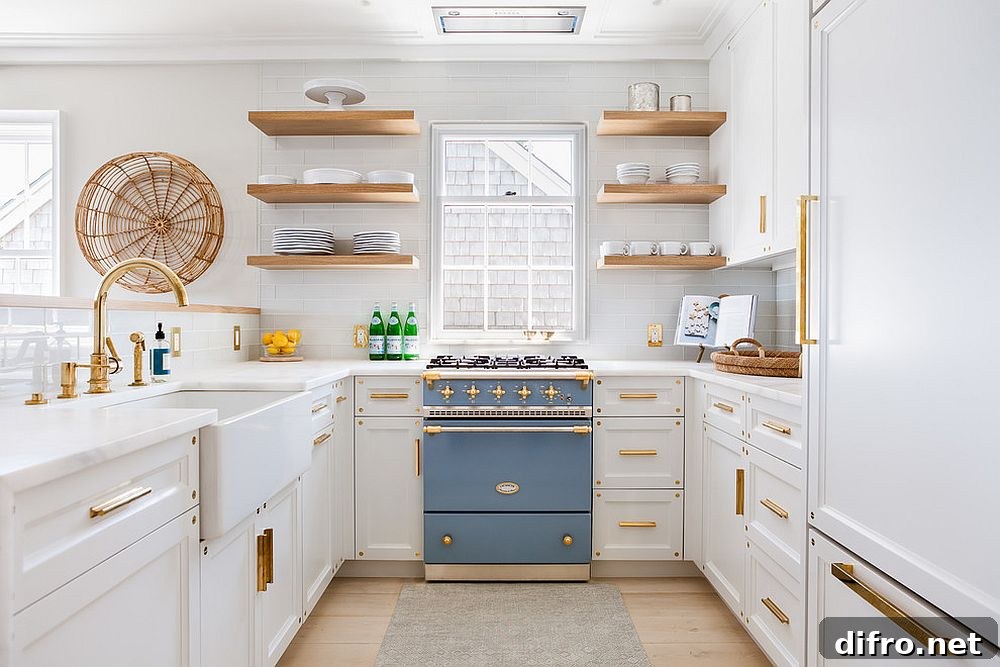
The kitchen is undeniably the heart of every home, the engine that keeps daily life running smoothly. In modern homes, open-plan living has transformed kitchens into versatile social zones that connect to dining areas, living rooms and even outdoor spaces. When a kitchen shares sightlines with other living areas or doubles as a workspace, choosing the right color scheme becomes essential. Below are thoughtfully curated white-based color combinations and ideas to inspire your next kitchen color palette and makeover.
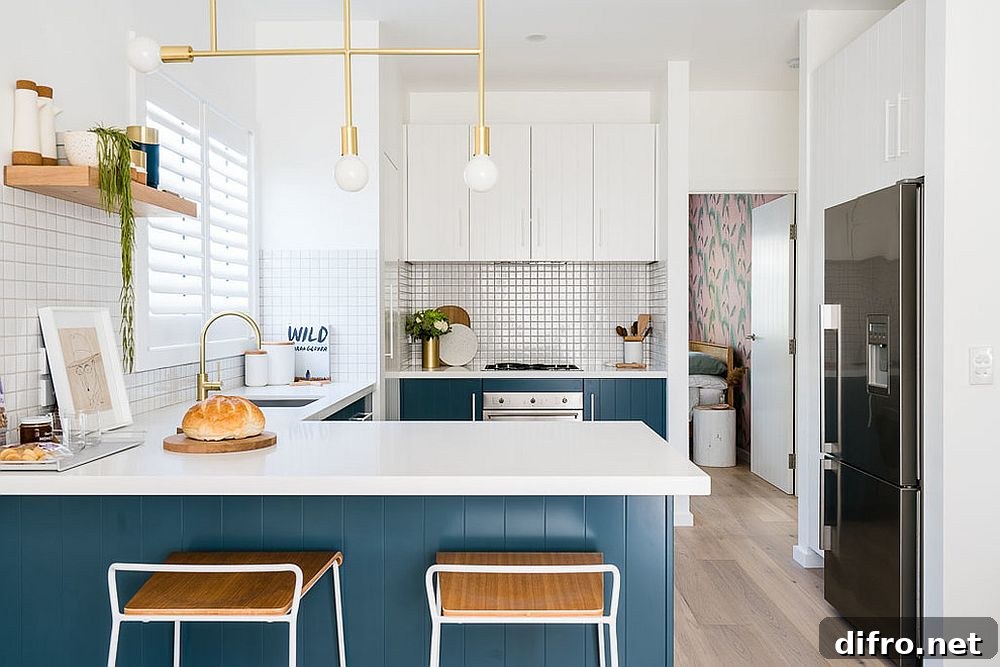
White is a natural starting point for contemporary kitchens. It creates a clean, bright canvas that makes open layouts feel cohesive and expansive. Below are some of the most appealing and adaptable white-based kitchen color combinations—from warm wood accents to cool grays, classic blue pairings and textured brick backdrops. Each palette is flexible across styles, from farmhouse and rustic to modern and minimal, and is designed to spark ideas as you plan your kitchen refresh.
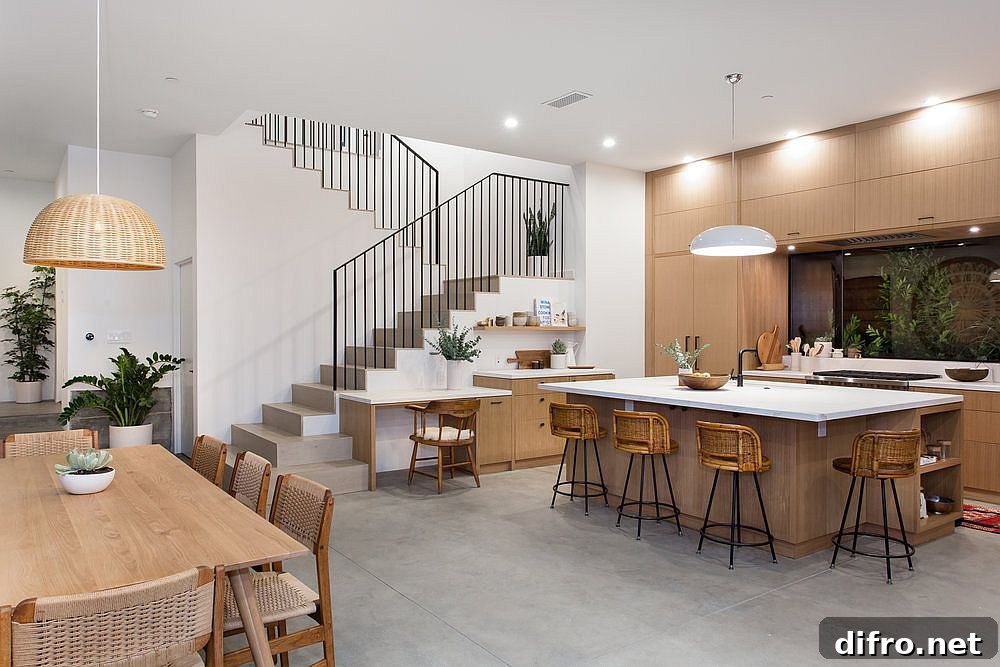
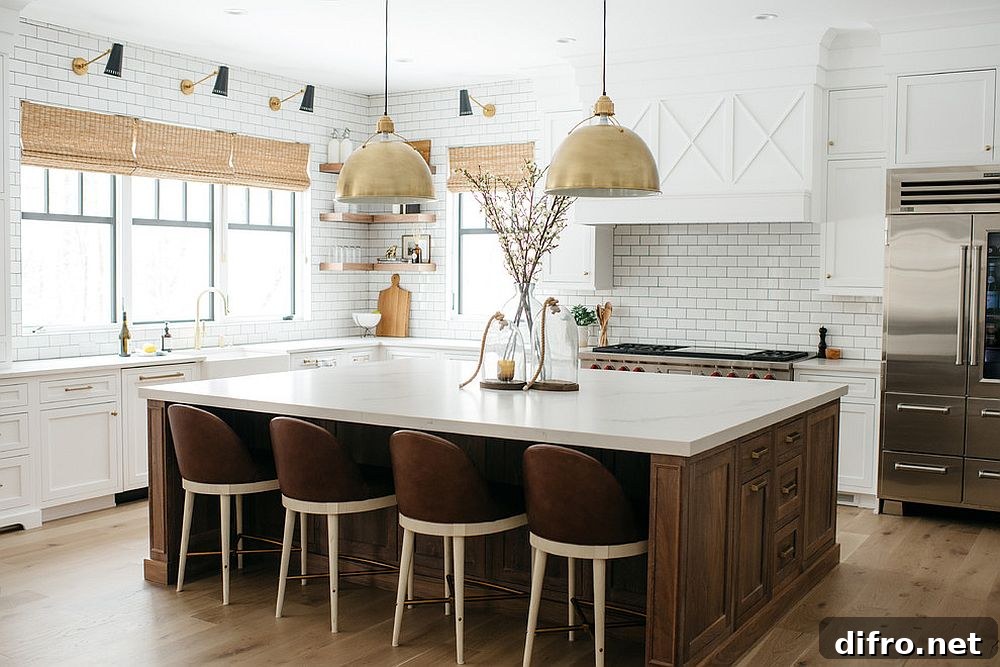
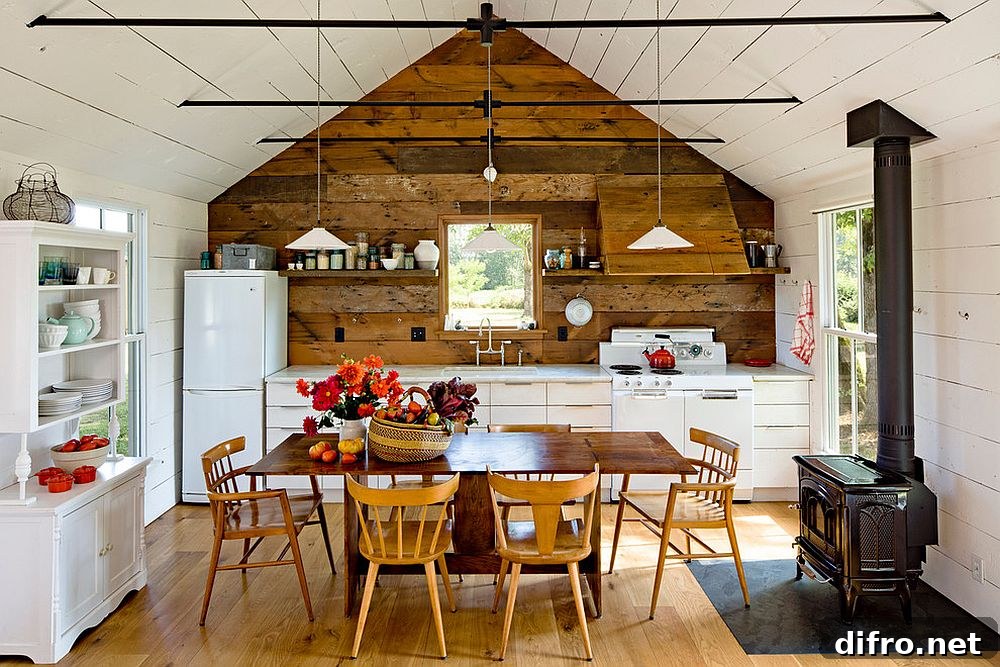
Classy Wood Coupled with White
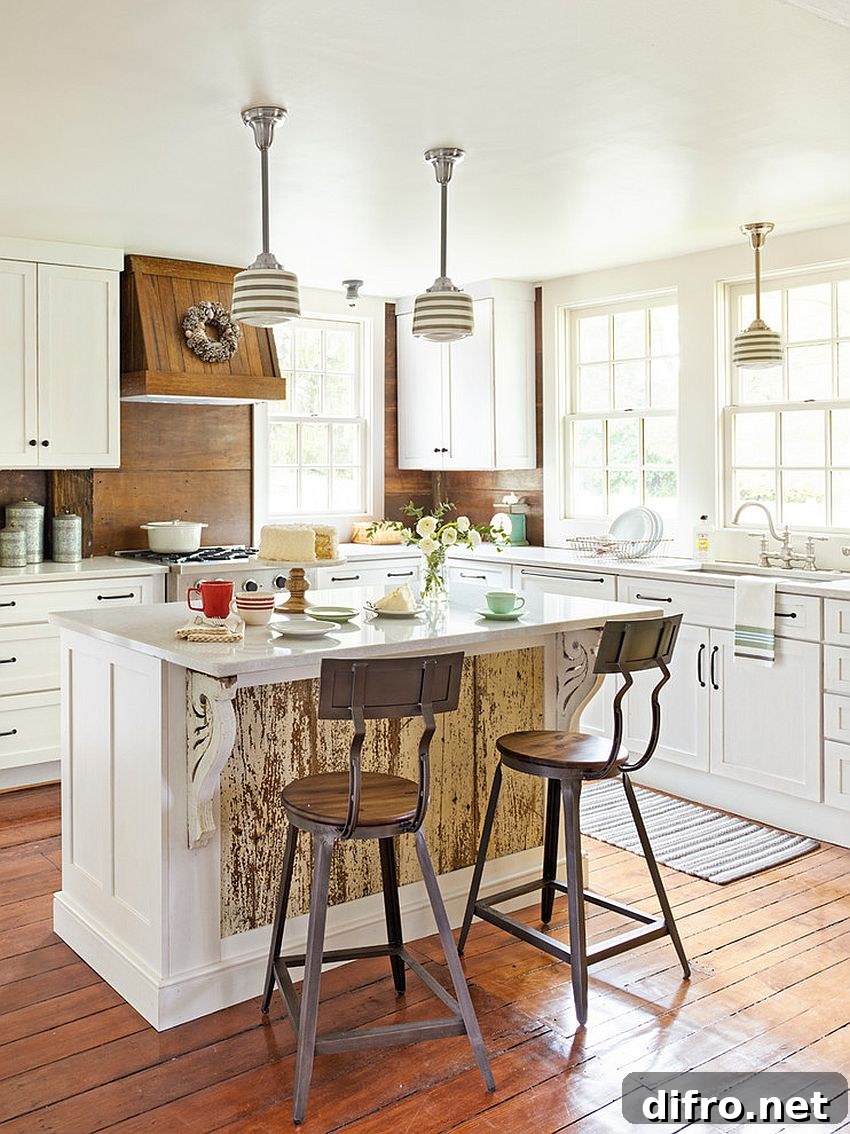
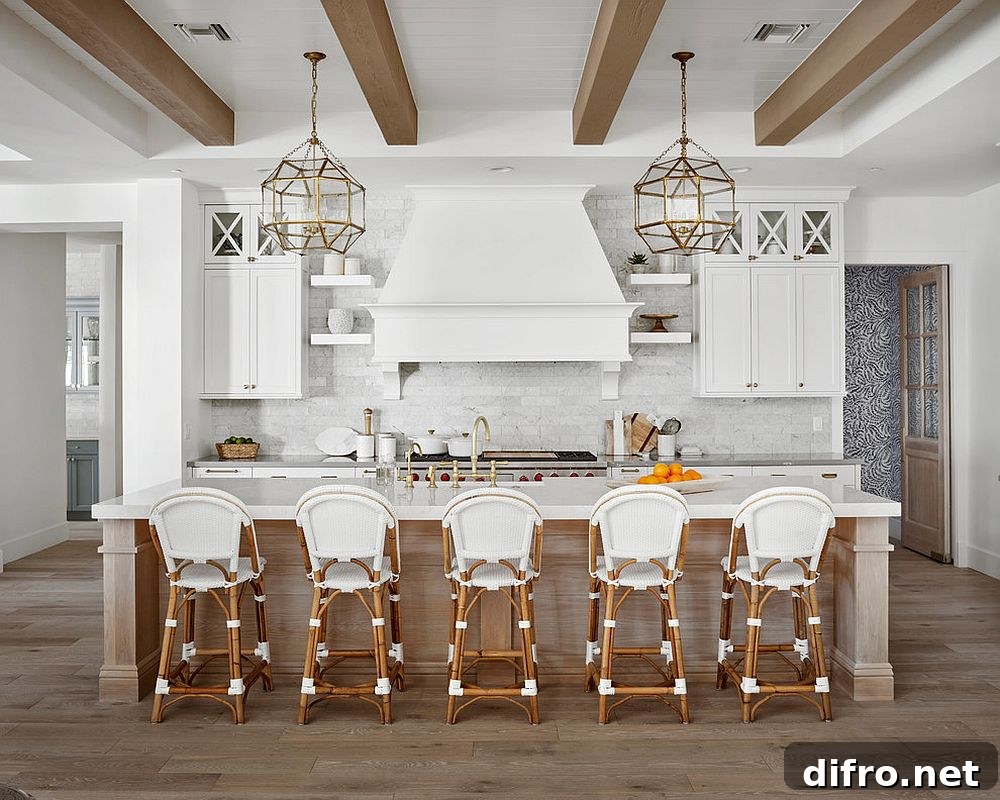
The pairing of white and wood remains one of the most popular kitchen color palettes because it balances modern freshness with natural warmth. White cabinetry, walls or backsplashes keep the room feeling bright and clean, while wood finishes—whether light oak, reclaimed boards or warm walnut—introduce texture, depth and a timeless quality. This combination works well in open-plan homes where the kitchen flows from the living area, and it gives you opportunities to introduce small pops of color through textiles, accessories or an accent island without changing the overall calm aesthetic.
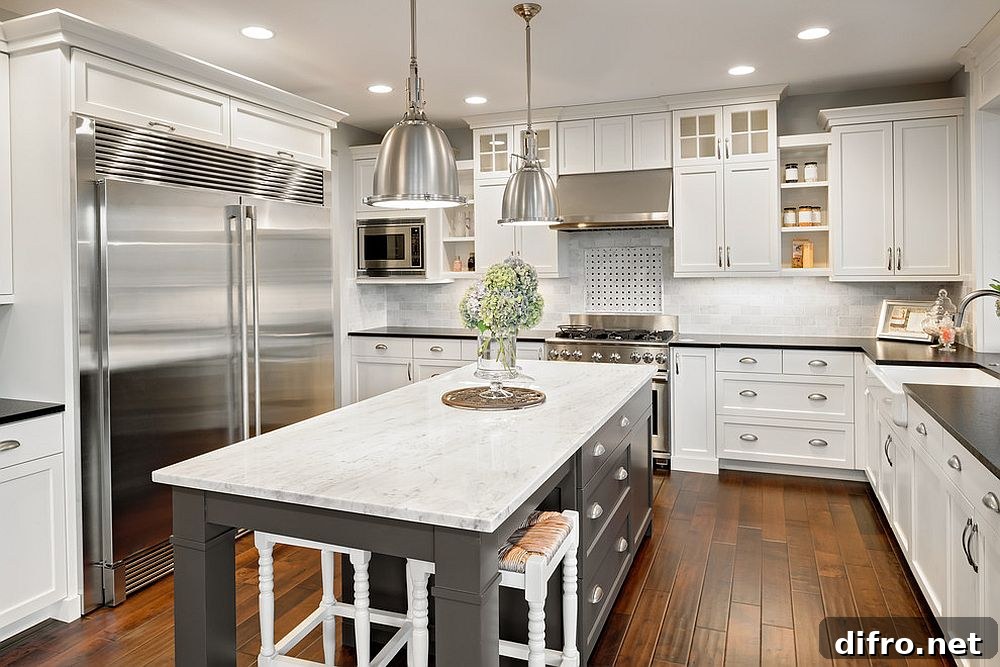
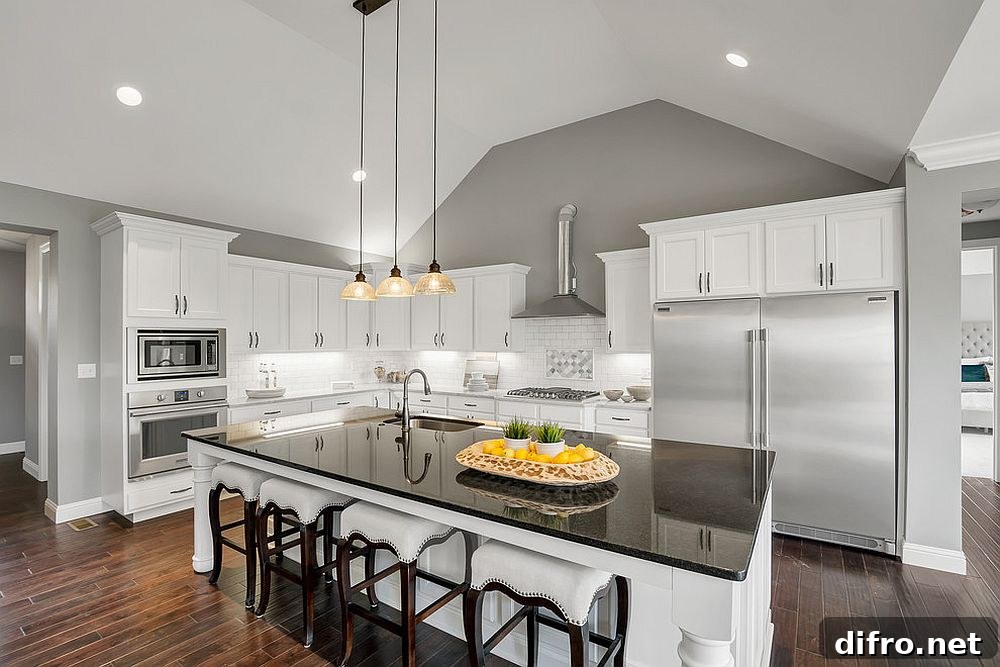
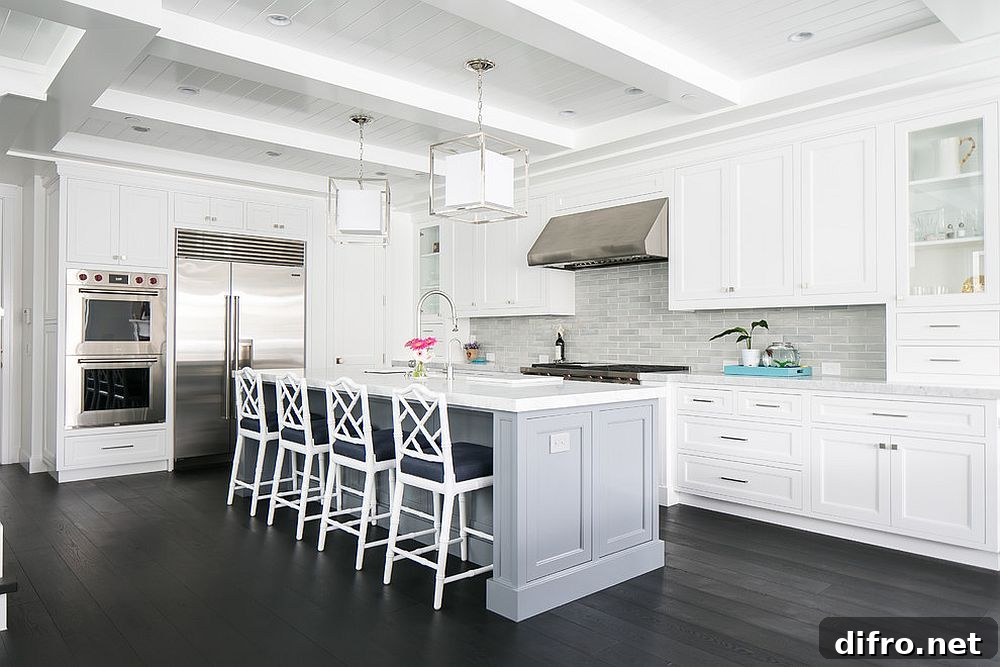
Sophistication of Gray and White Kitchens
Gray and white is a refined, contemporary combination that brings urban polish to the kitchen while retaining brightness and visual calm. Gray adds depth and a sophisticated edge—especially when used on cabinets, islands or tile—while white softens the overall scheme to keep the space welcoming. Mixing various gray tones, from soft dove to deeper charcoal, lets you tailor the mood from serene and soft to bold and dramatic. Accent materials such as brass, wood countertops or textured tiles can warm the palette and prevent a sterile look.
Timeless Blend of Blue with White
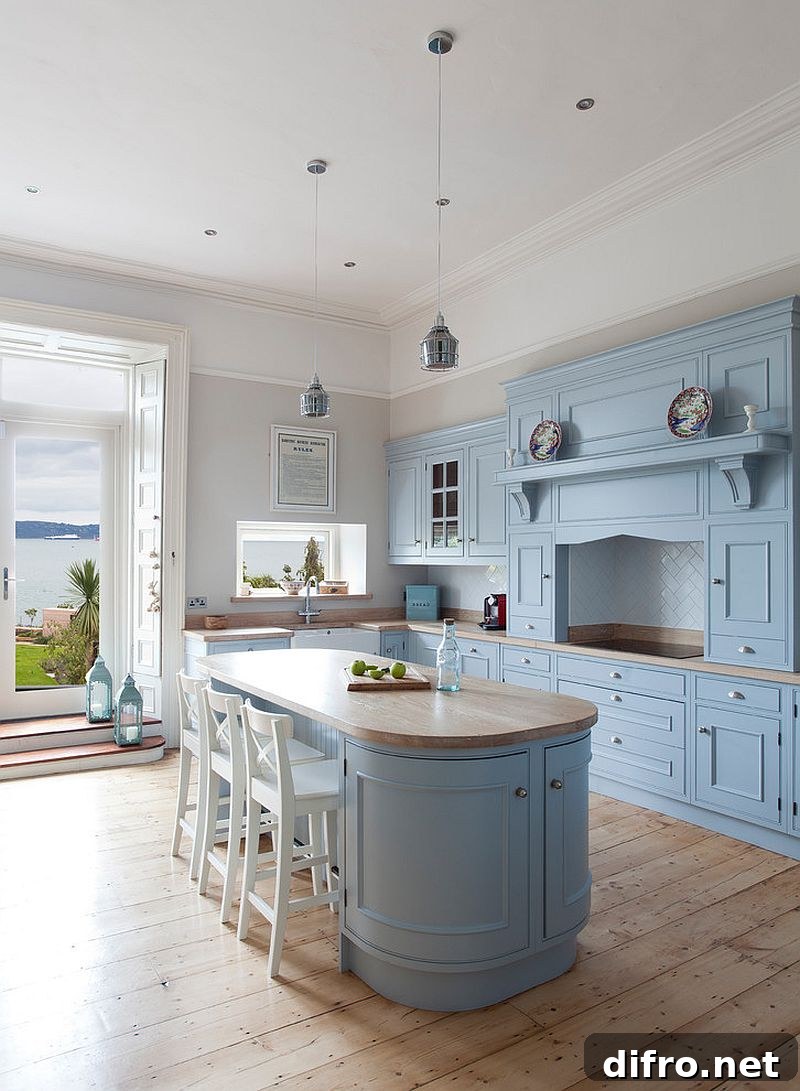
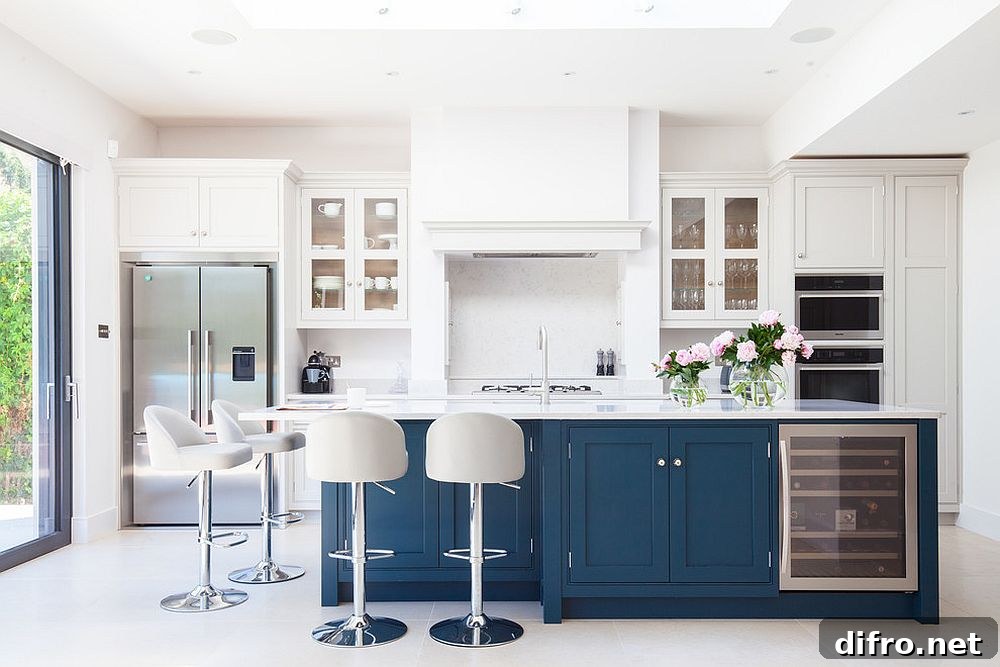
Blue and white is a timeless duo that feels fresh, elegant and widely adaptable. From soft coastal blues and pale aqua to deep navy and teal, blue paired with white can create tranquil, classic or dramatic looks depending on the shade. Use blue for cabinetry, islands or accent walls and let white maintain brightness through countertops, backsplashes, and walls. Blue also pairs well with wood, brass or patterned tiles for a layered, personalized look.
Giving it a Textural Brick Upgrade
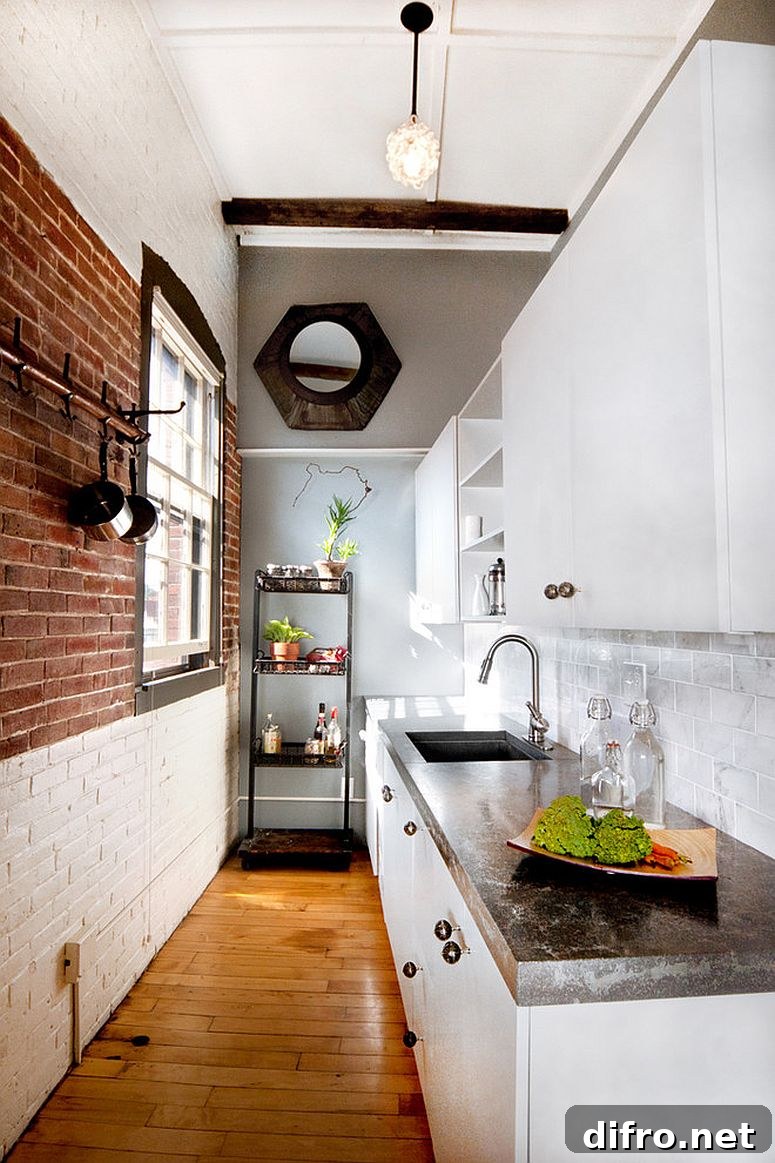
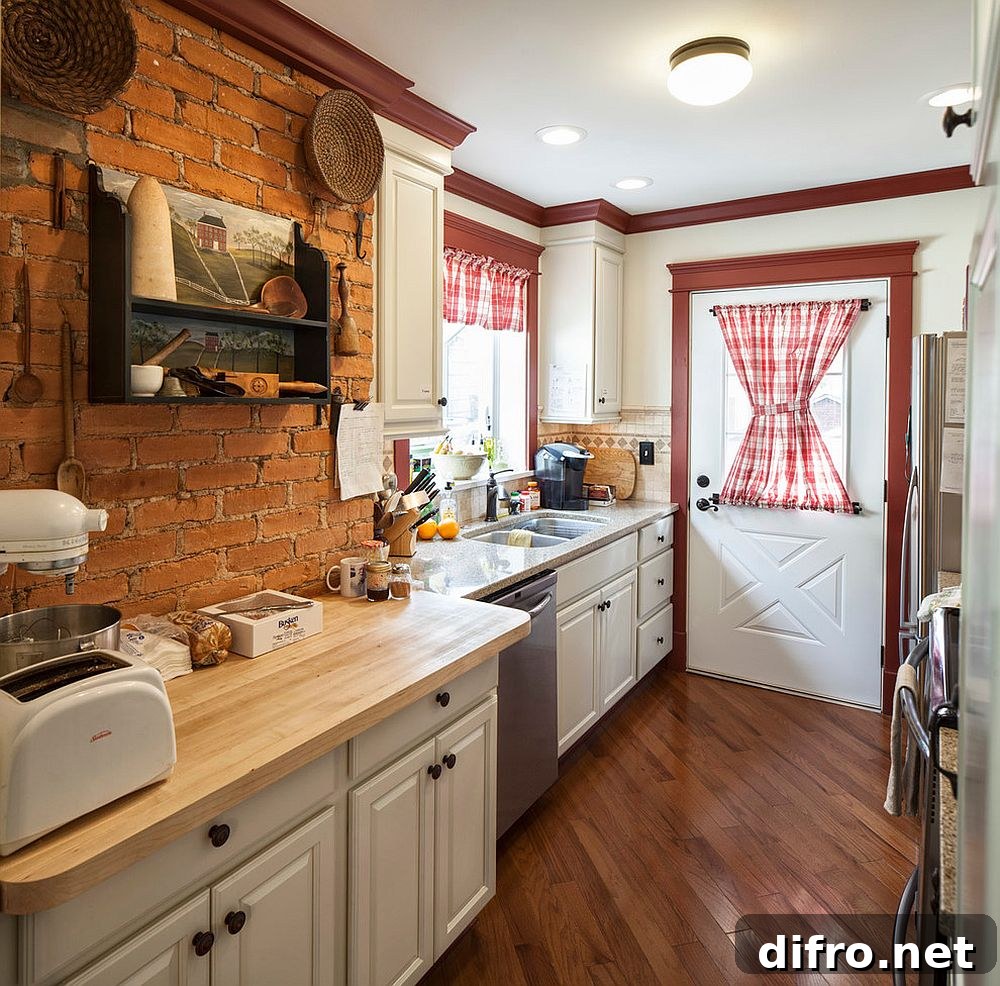
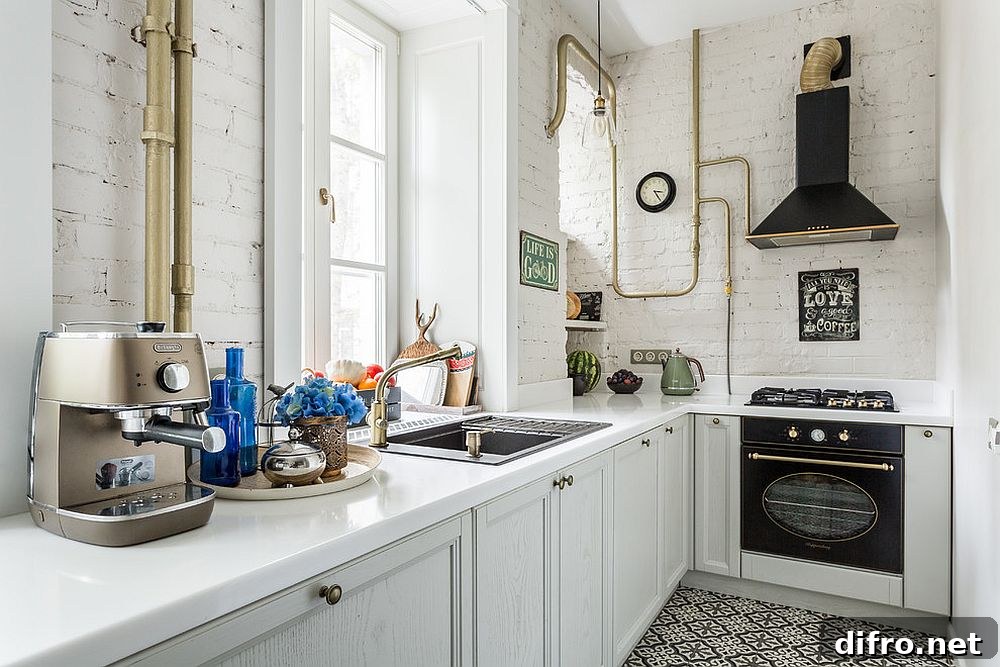
Exposed or reclaimed brick adds instant texture and character to a white kitchen, creating a striking contrast that suits industrial, farmhouse and rustic interiors, and can also complement contemporary spaces when balanced with sleek fixtures. Whitewashed brick can soften the look for a distressed, lived-in feel, while raw exposed brick delivers a raw, tactile backdrop. Brick works best when used sparingly as an accent wall, backsplash or niche so the kitchen’s overall style remains cohesive.
Black and White Makes a Statement
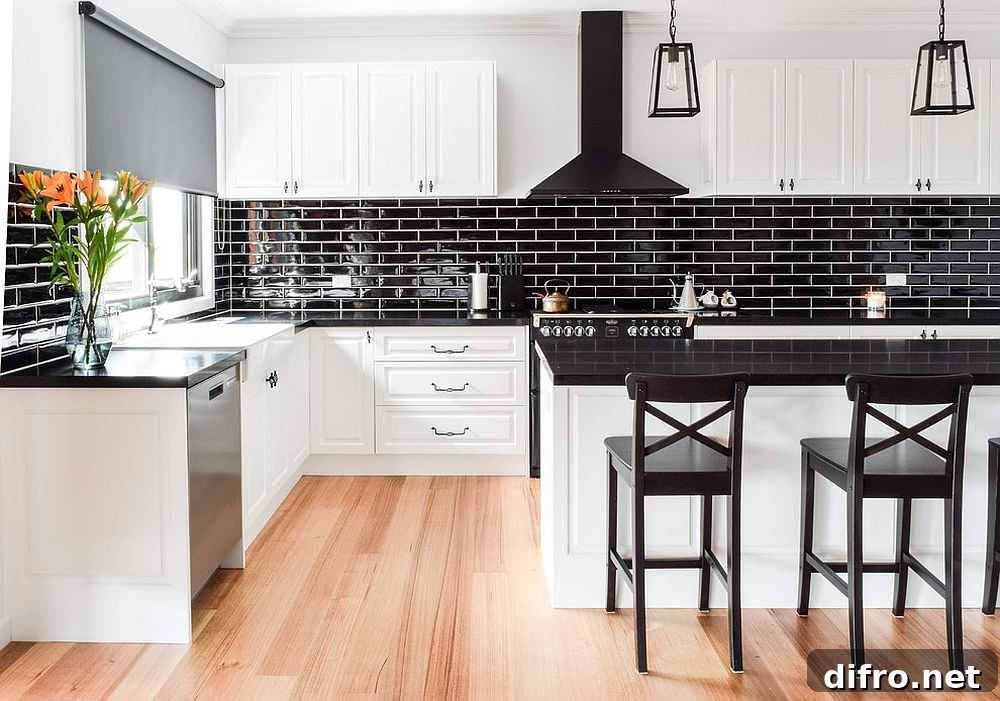
Black and white creates a bold, graphic statement that reads as modern, classic or even dramatic depending on the balance of tones. This pairing delivers strong contrast—black cabinetry, islands or tile set off by pristine white counters and walls—to create a sculptural, refined space. To avoid a cold or heavy feel, integrate warm materials like brass, wood or marble and ensure layered lighting to keep the room inviting.
Whether you prefer the soft warmth of wood, the sleek edge of gray, the classic serenity of blue, the tactile charm of brick or the drama of black and white, starting with white as the base makes it easier to adjust tones, textures and accents over time. Use white to maximize light and space, then layer in one of these complementary palettes to give your kitchen personality, balance and longevity as design choices evolve.