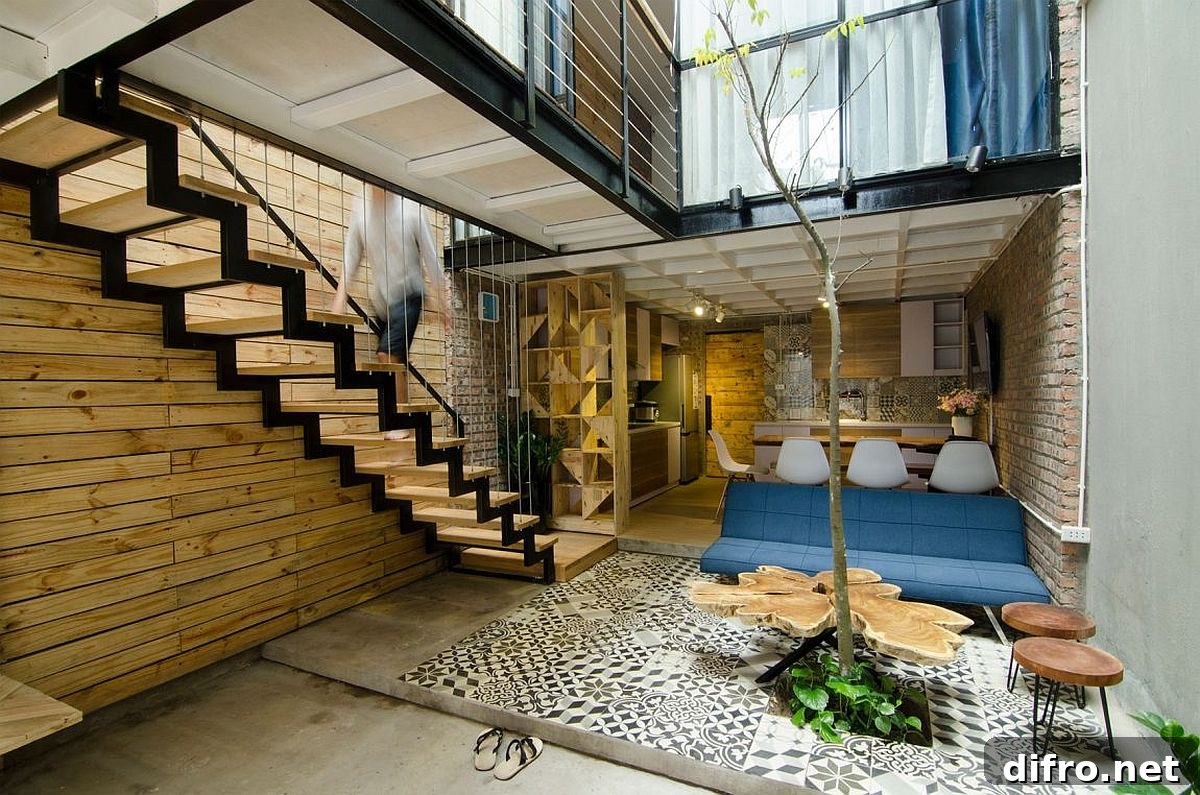
The global pandemic has reminded many of us that a healthier home life includes access to natural light and a stronger connection to nature. In dense urban settings, creating a rear garden or outdoor hangout is often impossible, and in multi-level homes bringing light to lower floors can be a persistent challenge. A modern solution that addresses both issues is the atrium. While atriums trace their roots to ancient Roman architecture, contemporary designs have reinterpreted these light-filled spaces to fit modern living, privacy needs, and sustainable goals.
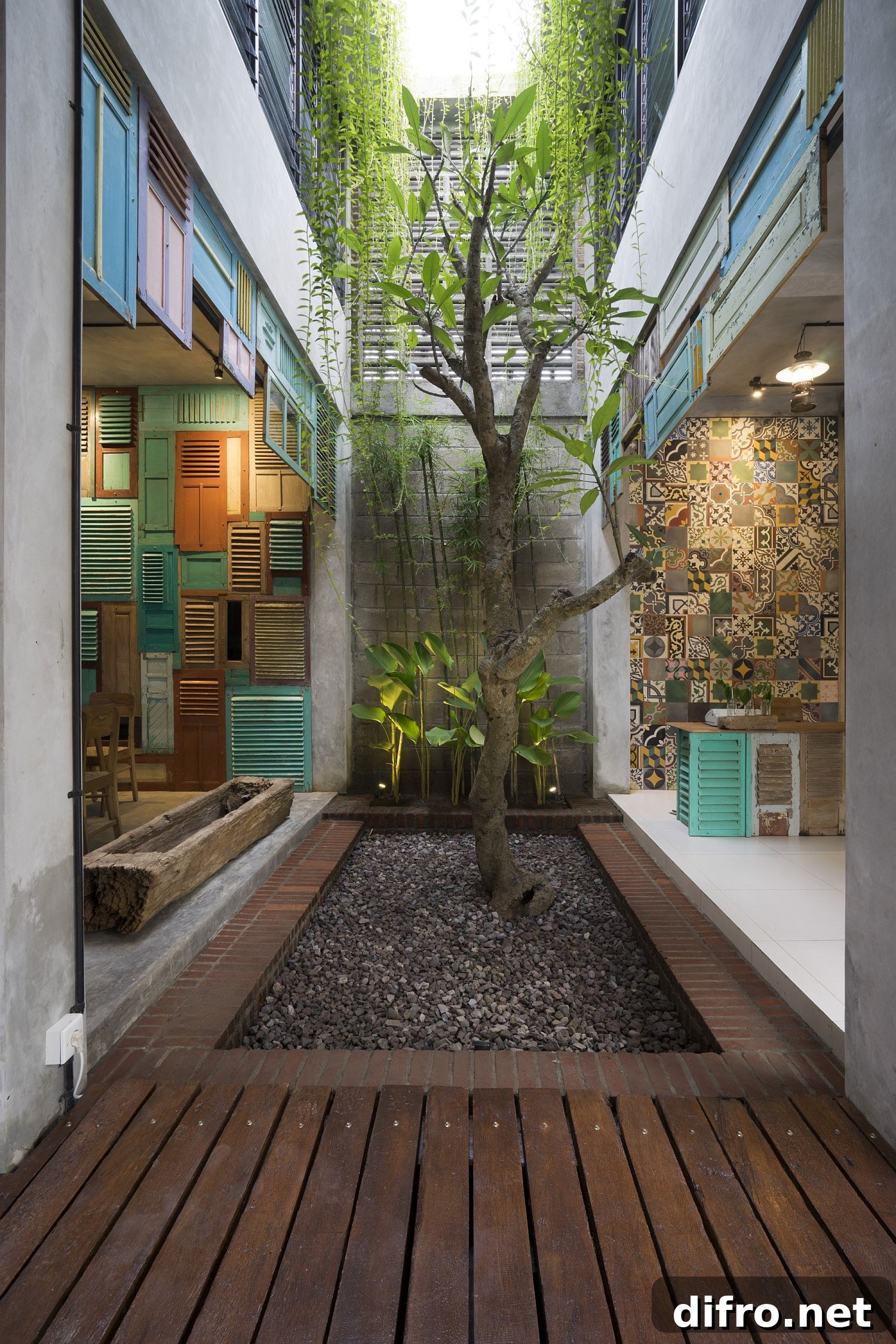
Today’s atriums are more than central light wells: they act as multi-functional zones that connect interior rooms while preserving privacy and improving indoor environmental quality. Atriums come in many forms and sizes — from compact courtyards that bring daylight into a bedroom and a home office, to dramatic multi-level atriums that serve as the organizing element of a house’s floor plan. Whether placed next to an entryway stair or at the very core of a home, a well-designed atrium enhances daylighting, ventilation, and the overall sense of wellbeing.
Atriums in Modern Homes
Atriums have a long history in architecture beyond Rome: variations of central courtyards appear in traditional houses across India, China, and other parts of Southeast Asia, where rooms are arranged around a protected outdoor space. Over the centuries, changing construction methods and space pressures reduced the prominence of these features, while gardens and patios took over as preferred outdoor solutions. Recently, however, architects and homeowners have revived the atrium as a flexible, private outdoor room that brings the outdoors inside without sacrificing seclusion. Contemporary innovations — from geometric atrium shapes to glazed vertical gardens — allow atriums to adapt to diverse styles and layouts.
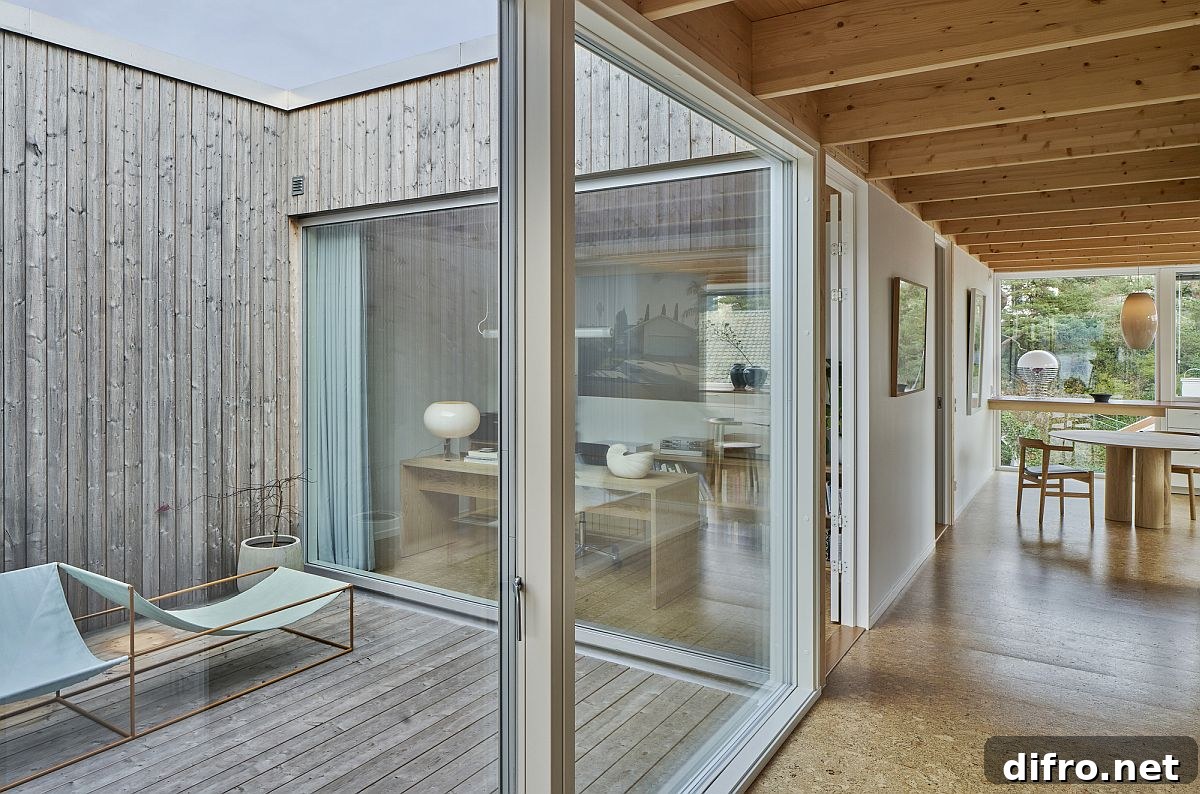
Indoor-Outdoor Living with Privacy
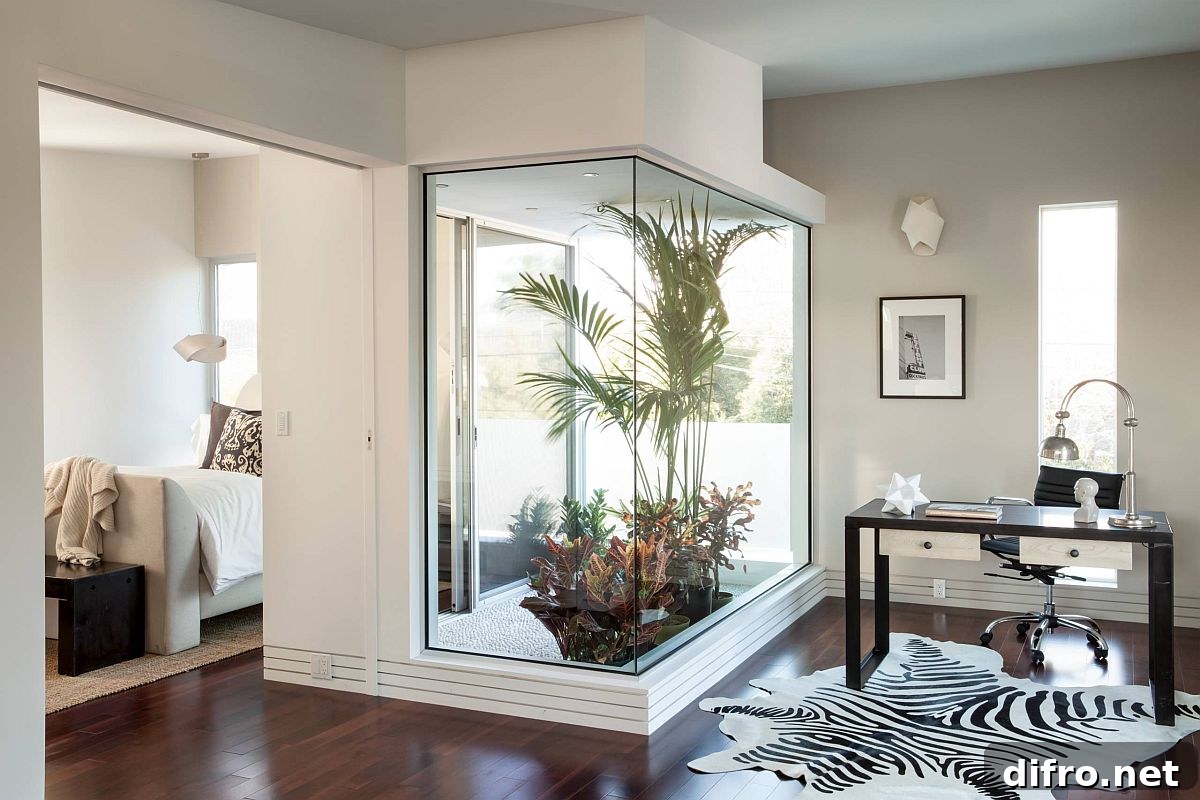
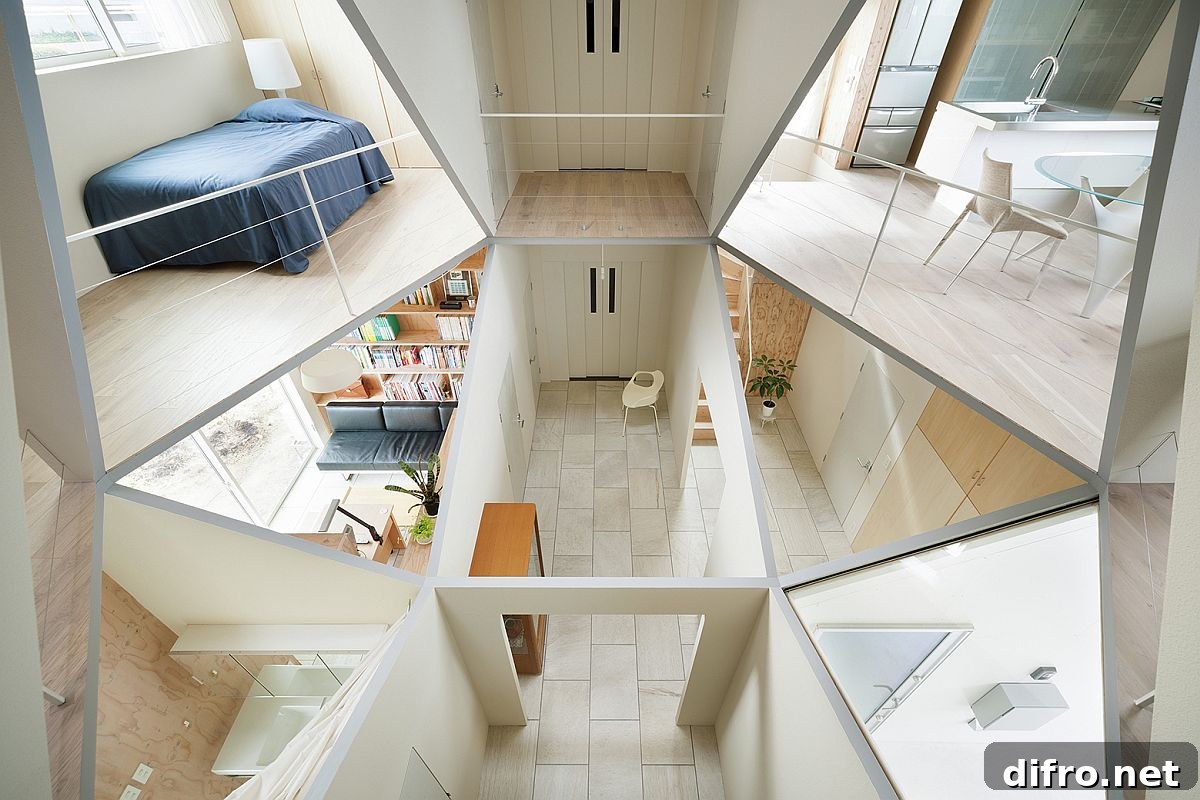
Not every property can include a backyard, and in dense neighborhoods building a visible outdoor area often compromises privacy. An atrium solves this by creating an enclosed outdoor space that becomes an extension of interior rooms: living areas, dining spaces, kitchens, or even small seating nooks can open directly onto the atrium. Even compact atriums can accommodate chairs and a small table, offering an intimate retreat that feels connected to nature while remaining private from neighbors. Entryway atriums can also function as welcoming, light-filled foyers that redefine circulation without requiring a traditional four-walled courtyard.
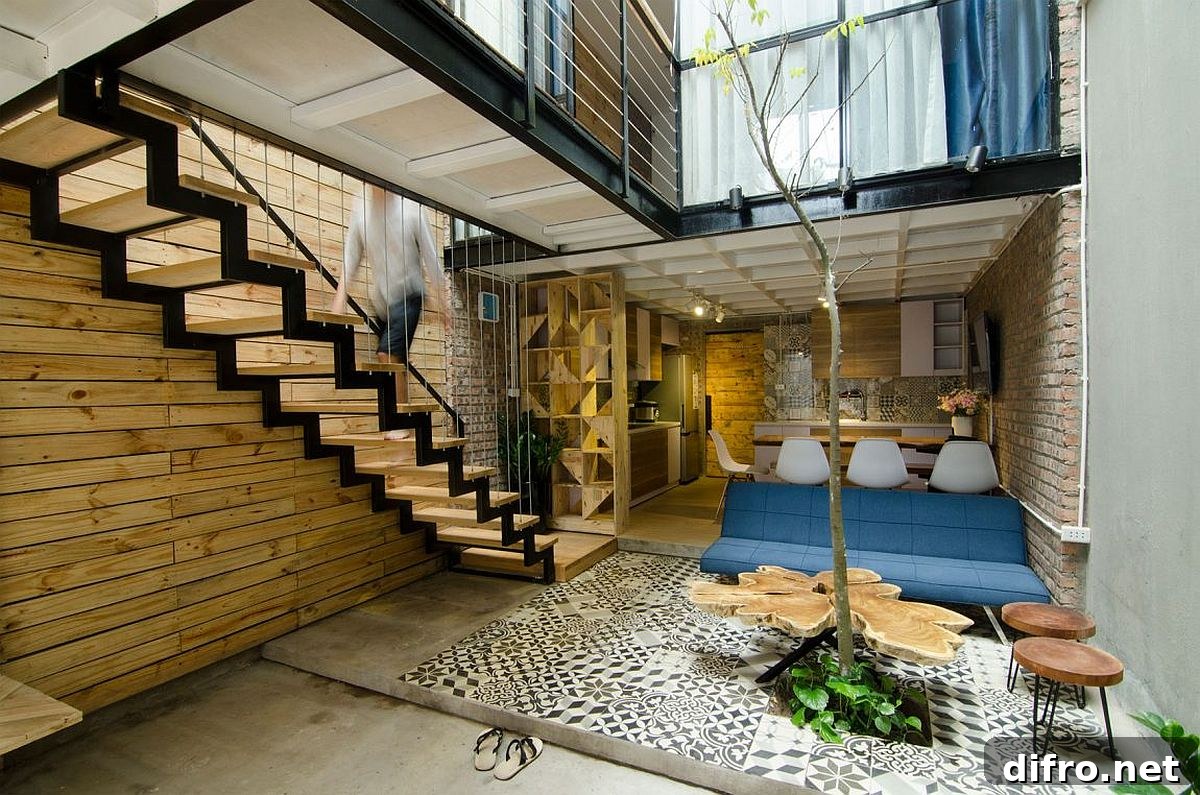
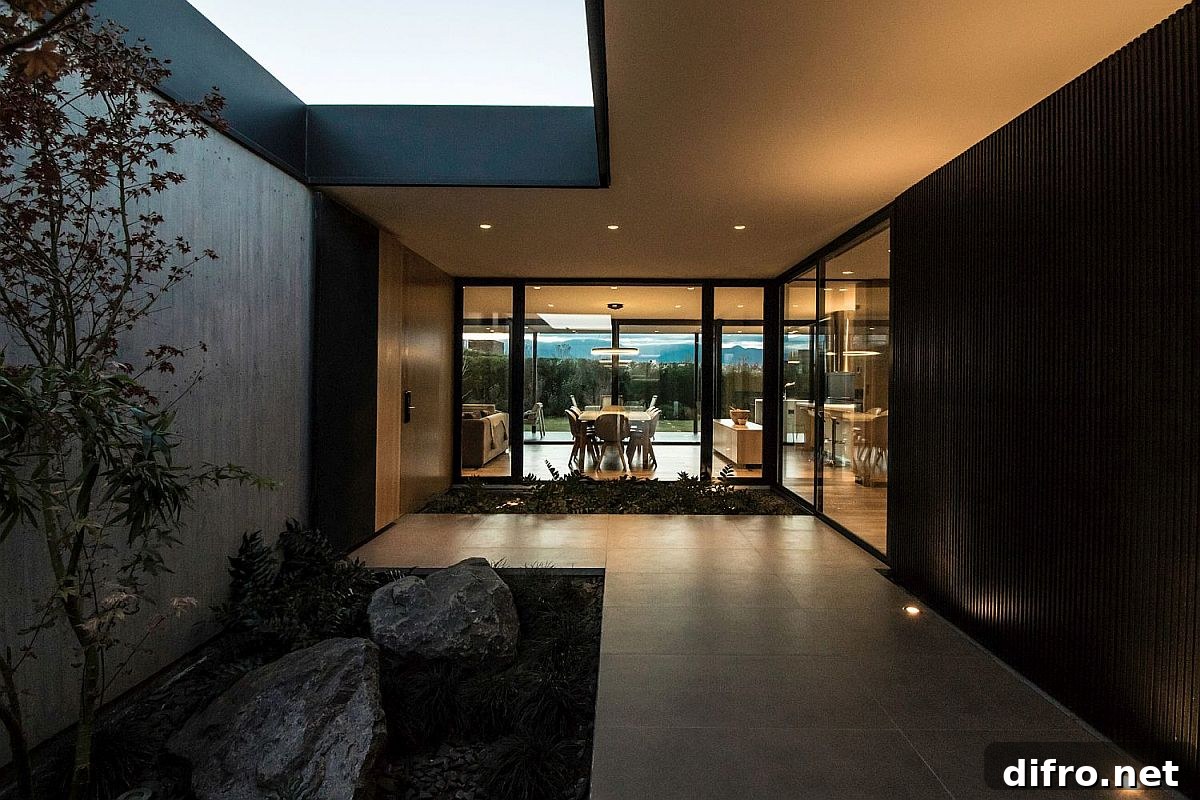
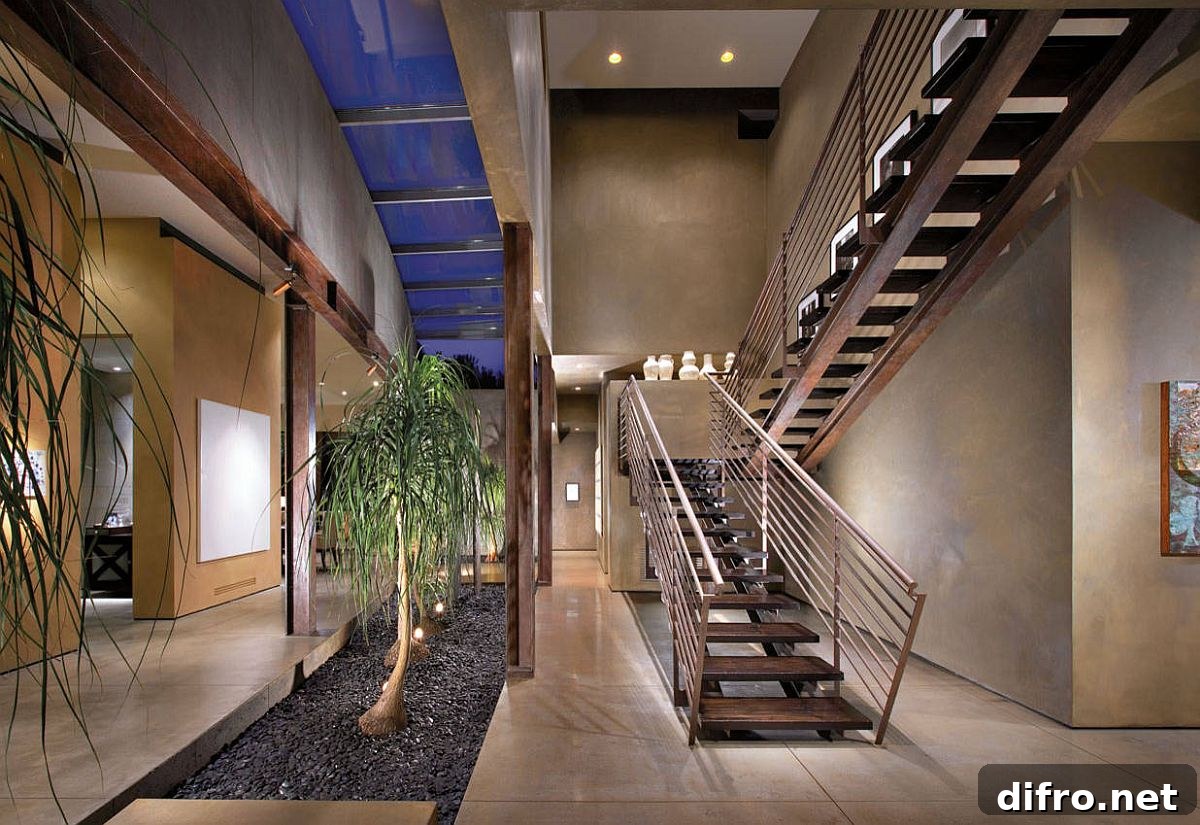
Green in More Ways than One
Many contemporary atriums are planted with trees, shrubs, or vertical greenery. Plants improve indoor air quality, provide a calming visual backdrop, and create a seasonal, living feature within the home. Beyond aesthetics, atriums reduce dependence on artificial lighting by admitting abundant daylight, lowering daytime electricity use. They also enhance natural ventilation and can improve passive heating and cooling performance by promoting air circulation. Properly designed, an atrium reduces overall energy use while making interior spaces healthier and more comfortable.
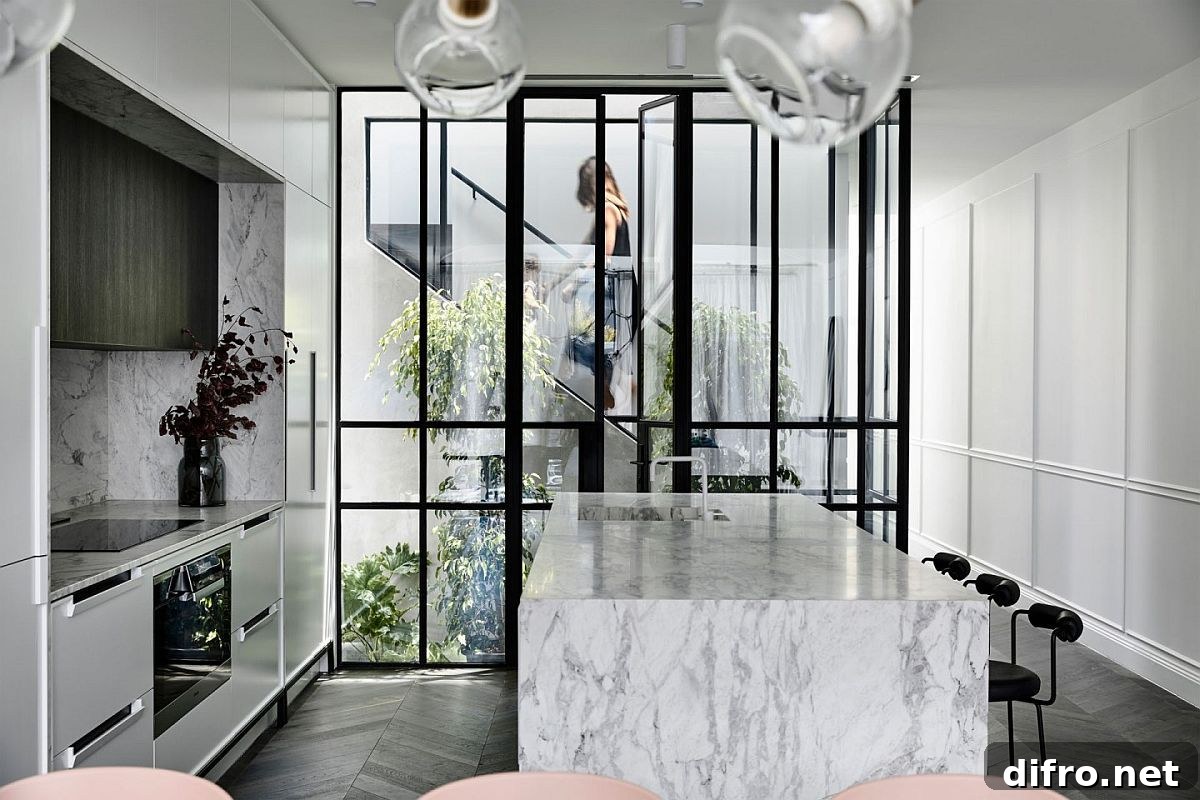
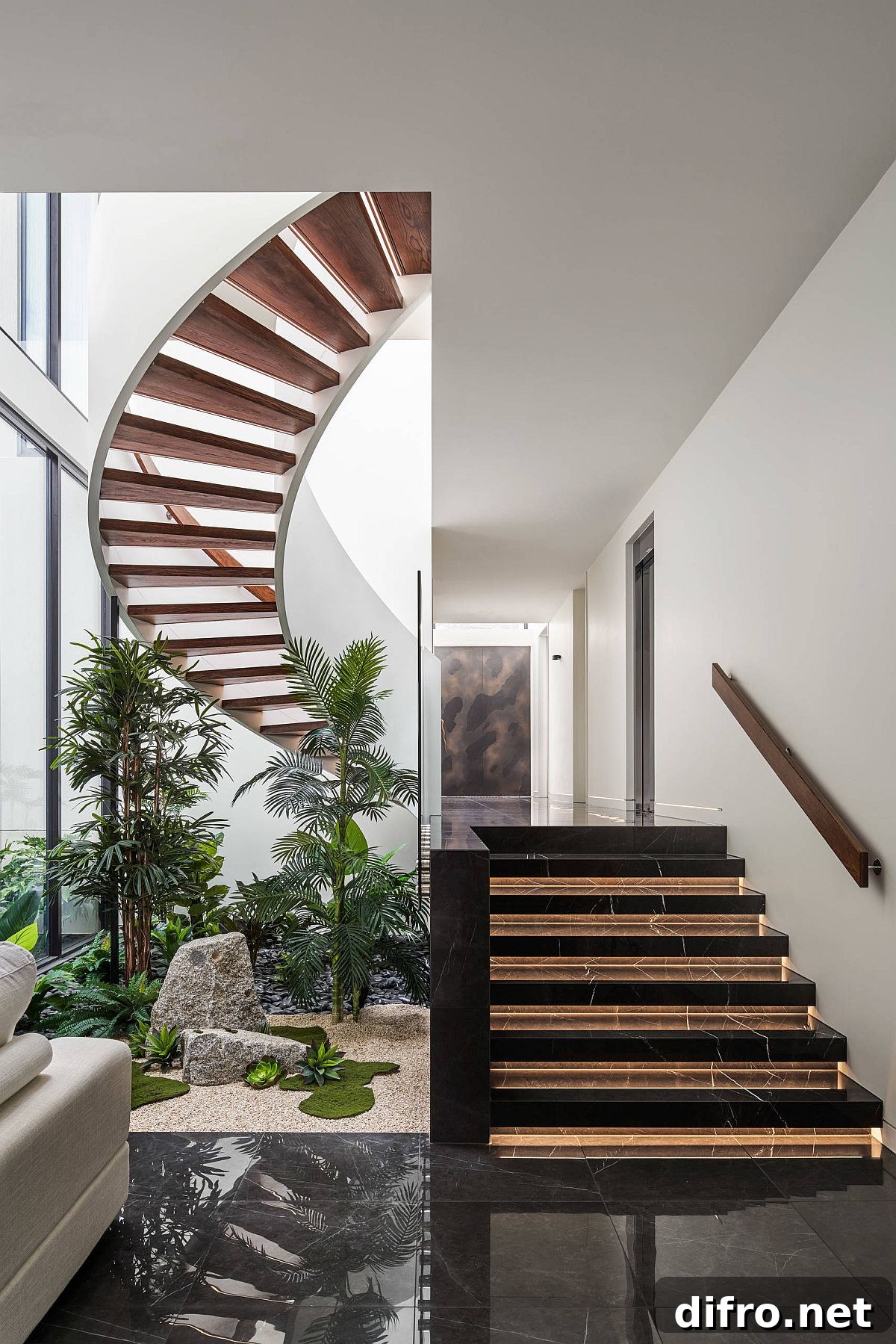
Design tips for a successful atrium include choosing durable materials for floors and walls, planning drainage and irrigation for planted areas, installing operable skylights or vents for airflow, and selecting plants suited to the available light levels. Integrating seating, subtle lighting for evenings, and glazing options that balance privacy with daylight will make the atrium a functional everyday space. Whether your home is compact or sprawling, an atrium can be tailored to fit stylistic preferences — from minimalist Scandinavian wood finishes to bold tile and brick compositions — while delivering measurable benefits in comfort, daylighting, and energy efficiency.
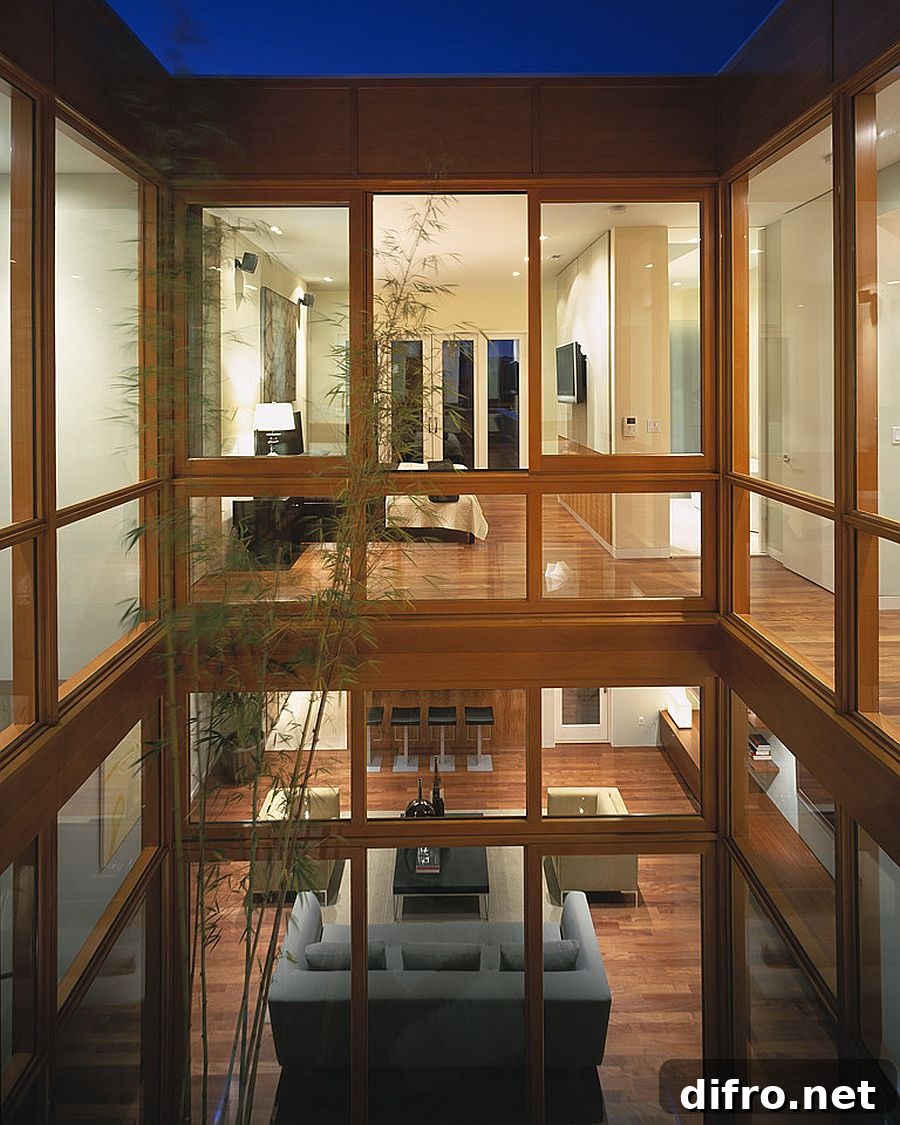
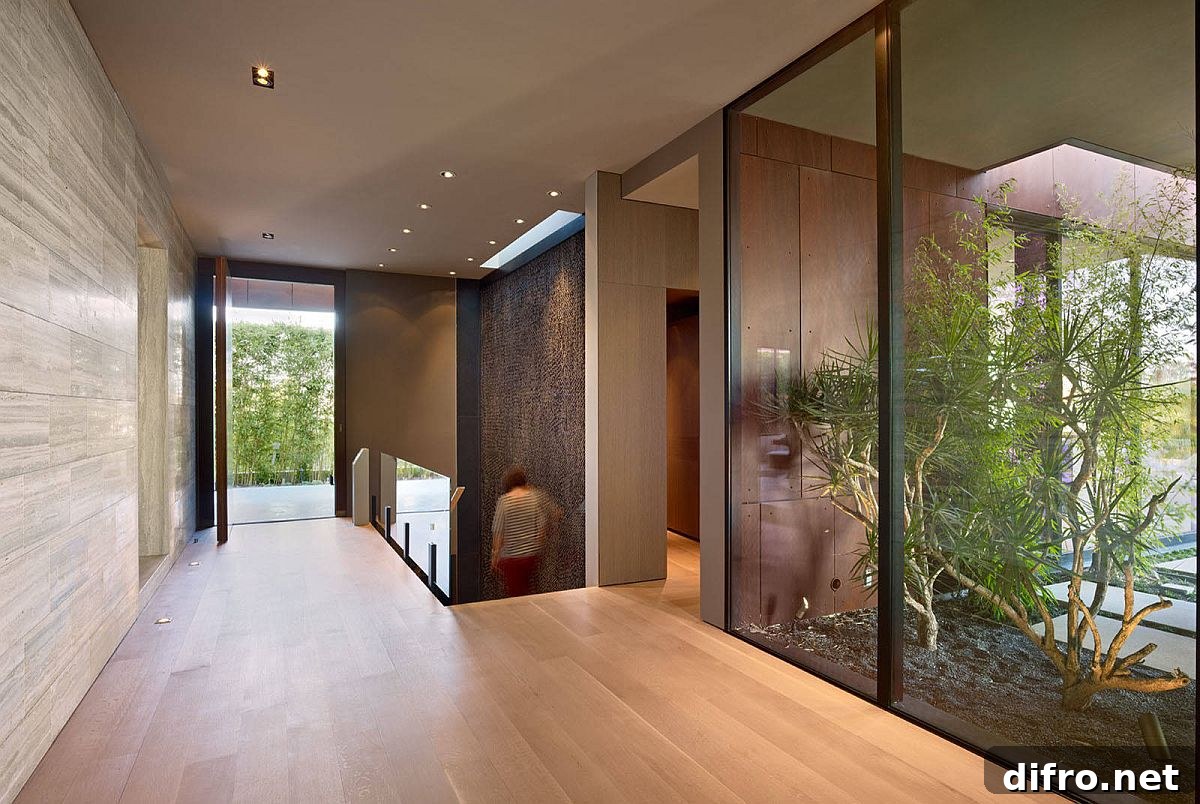
With thoughtful planning, an atrium is a versatile architectural feature that improves daylighting, ventilation, and wellbeing while creating a private, green refuge inside the home. Whether you aim to brighten lower levels, add a private outdoor room, or reduce daytime energy use, an atrium can be adapted to suit almost any modern residence.