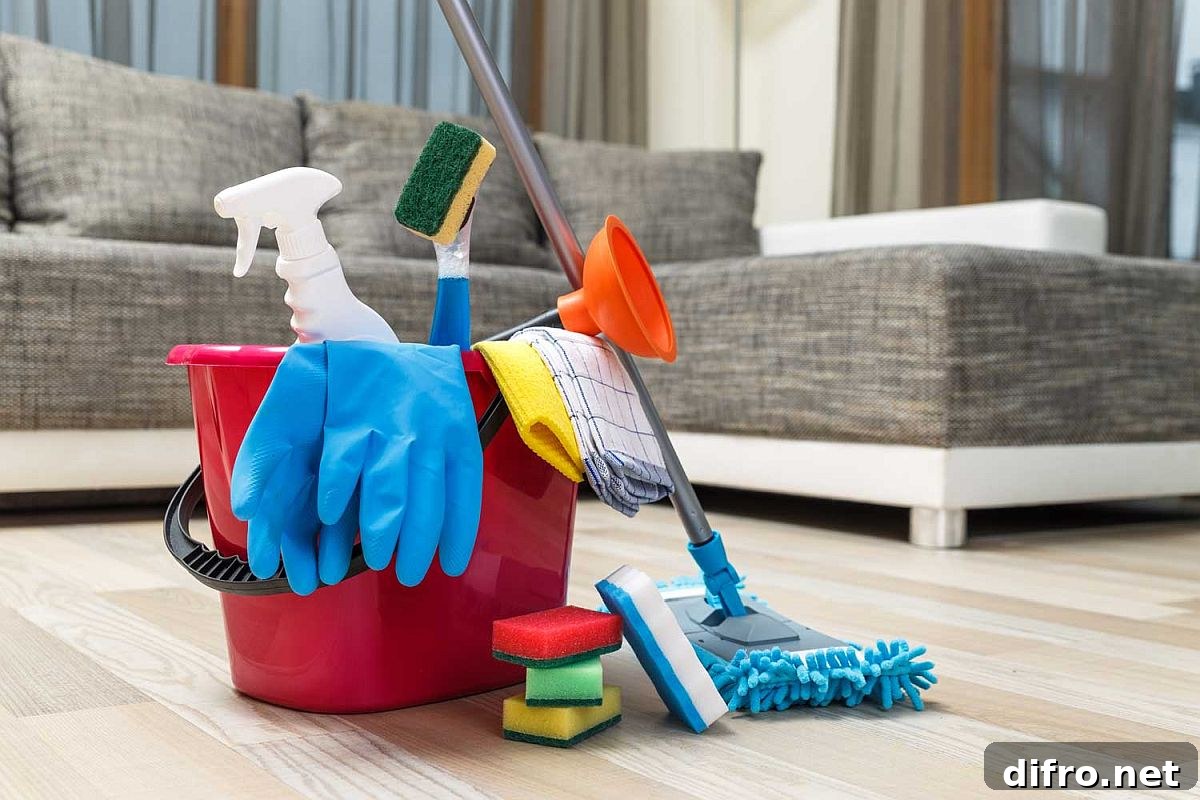
If you wake up each morning to more worrying headlines about the spread of the coronavirus, your anxiety is understandable. There are, however, a few encouraging signs reported from some areas that are beginning to see cases stabilize, and many communities are taking social distancing and lockdowns more seriously. For now the most practical step you can take is to stay home as much as possible and to reduce the chance you or others bring the virus into your living space. A key part of that is keeping your home clean and as free from contamination as possible.
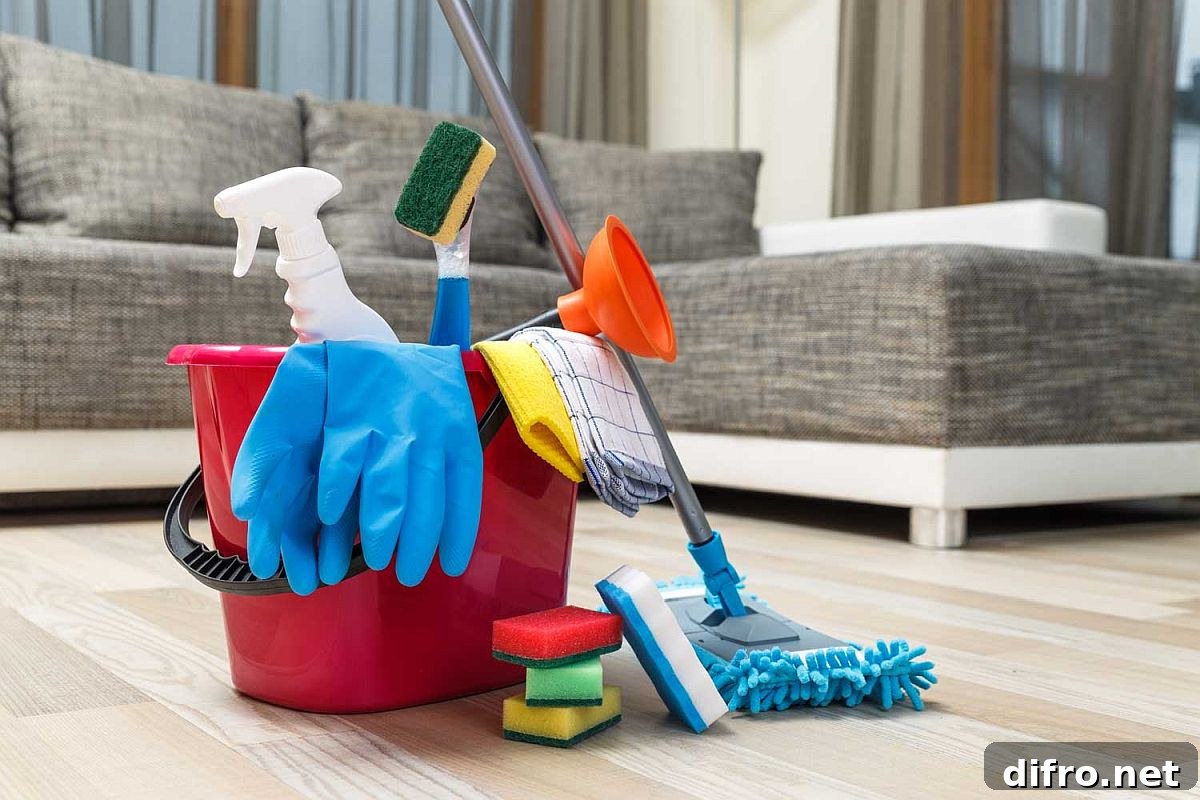
Keeping your home safe does not require complicated procedures or expensive products—mostly it means repeating and refining familiar cleaning habits. Below are seven practical, easy-to-follow tips to help you maintain a cleaner, lower-risk living environment during the COVID-19 outbreak.
1. Start with Basic Personal Hygiene
Good personal hygiene remains the foundation of preventing viral spread. Wash your hands frequently with soap and water for at least 20 seconds, especially after returning from outside, touching deliveries, or after coughing or sneezing. When soap and water aren’t available, use an alcohol-based hand sanitizer that contains at least 60% alcohol. Cover your mouth and nose when you cough or sneeze, and avoid touching your face with unwashed hands. These simple habits are your first line of defense and greatly reduce the chance of contaminating surfaces in your home.
2. Mail and Food Deliveries Are Low Risk
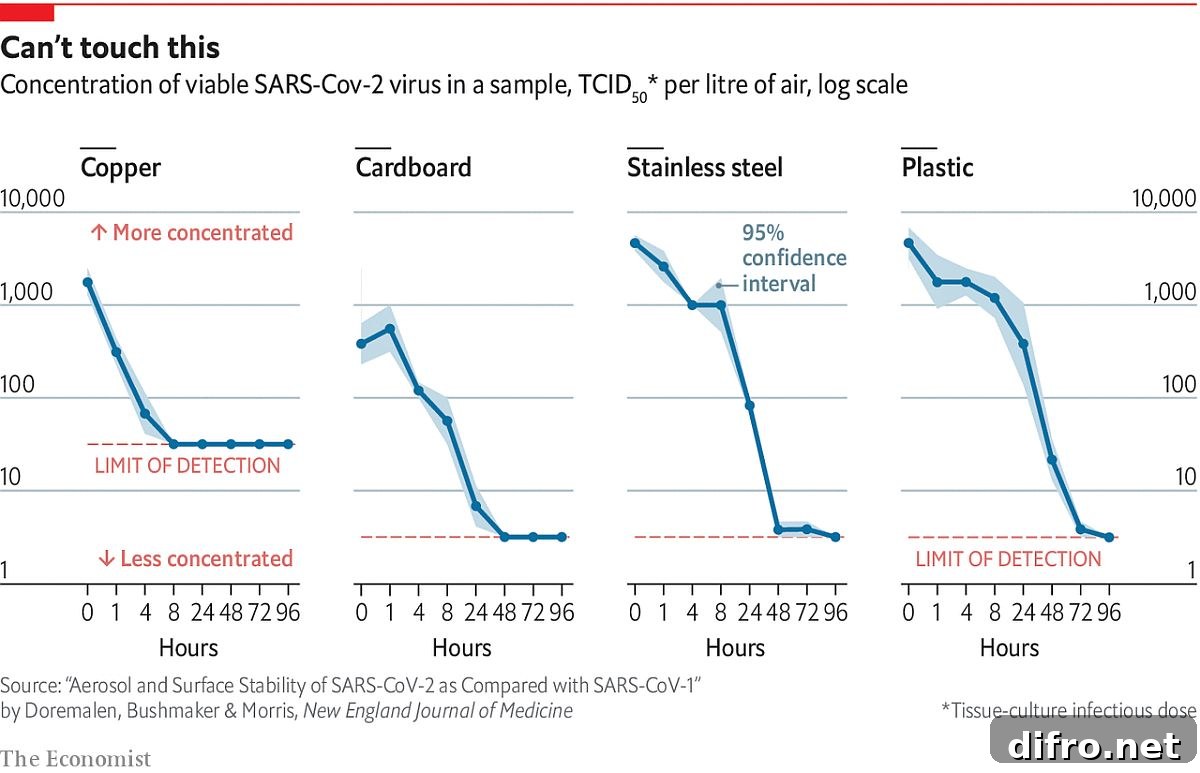
Although some studies have shown that viral particles can survive for a time on cardboard and other surfaces, the risk of catching COVID-19 from mail or food packages is generally considered low. The most common route of transmission is person-to-person contact. Still, it’s wise to be cautious: leave packages in a designated area, wash your hands after handling deliveries, and wipe down containers or grocery items if it makes you more comfortable. There’s no need to panic or discard food products; basic precautions are usually sufficient.
3. Remove Shoes at the Door
One simple habit that reduces the amount of dirt and potential contaminants brought into your living area is leaving footwear near the entryway. Placing shoes on a mat or in a dedicated bin keeps outdoor grime out of carpets and floors. If members of your household need to move around the house after coming in from outside, consider changing into indoor-only slippers or socks to minimize the spread of debris.
4. Focus on High-Touch Surfaces
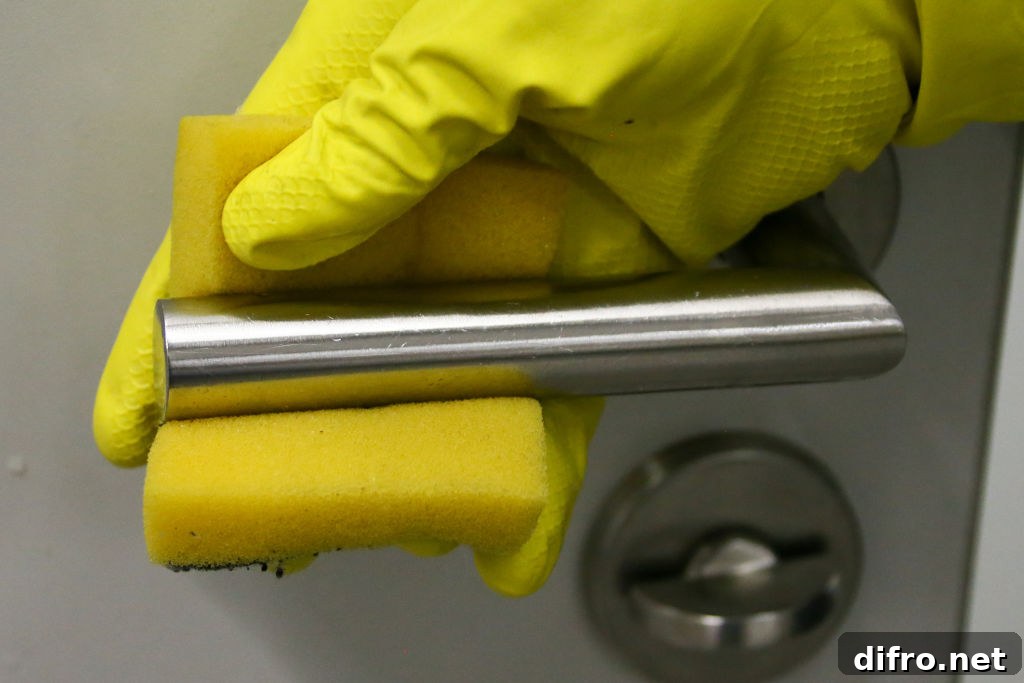
Concentrate cleaning efforts on “high-touch” surfaces that people contact frequently throughout the day. These include doorknobs, light switches, handrails, countertops, refrigerator handles, faucets, keyboards, and remote controls. Clean these areas regularly with soap and water or a household cleaner, then follow with a suitable disinfectant according to the product instructions. Regularly disinfecting these spots reduces the chance that a contaminated surface will transmit infection to someone who touches it.
5. Clean Before You Disinfect
For the disinfectant to work effectively, remove visible dirt and grime first. Wipe surfaces with soap and water or a general household cleaner to eliminate grease and other residues, then apply a disinfectant approved for use against viruses. Follow the manufacturer’s instructions for contact time—the period the surface should remain wet—to ensure proper disinfection. This two-step approach (clean then disinfect) is more effective than spraying disinfectant onto a dirty surface.
6. Use Common, Effective Cleaning Products
You don’t need specialty items to keep your home safe—many common products are effective when used correctly. Household cleaners containing hydrogen peroxide, bleach (diluted per instructions), or alcohol solutions with at least 60% alcohol are commonly recommended for disinfecting hard surfaces. Always follow label directions, ensure proper ventilation when using chemical cleaners, and store cleaning products out of reach of children and pets. If you prefer milder options, basic soap and warm water followed by handwashing remain a key preventive measure.
7. Don’t Forget Electronics and Accessories
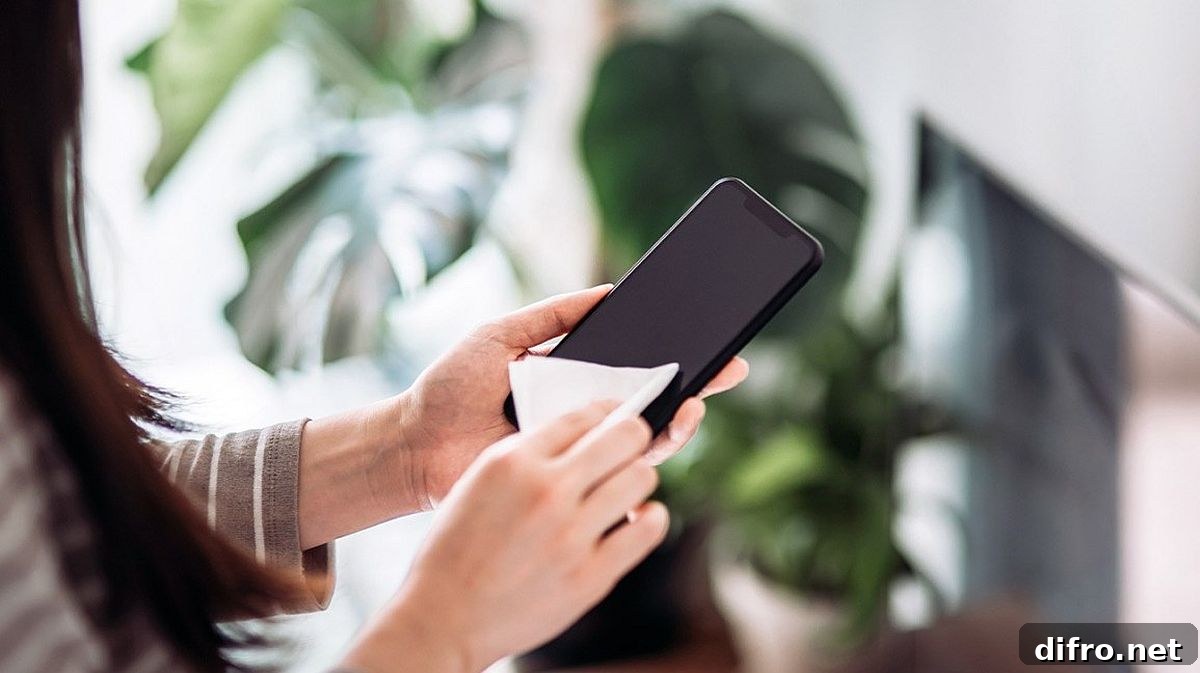
Electronic devices and accessories are handled frequently and can collect germs. Wipe down phones, tablets, keyboards, remote controls, headsets, and chargers with appropriate cleaners or disinfectant wipes that are safe for electronics. Avoid spraying liquids directly onto devices; instead, apply a disinfectant to a soft cloth and gently clean surfaces. Give extra attention to items used by multiple household members.
Maintaining a clean home during a public health event is largely about consistent habits: wash your hands, limit what you bring in from outside, focus cleaning on the surfaces people touch most, and use disinfectants correctly. These steps, taken together, reduce the likelihood that the virus will spread within your household and help protect the people you live with. Stay calm, stay informed from reputable health sources, and keep your cleaning routine consistent to create a safer home environment.