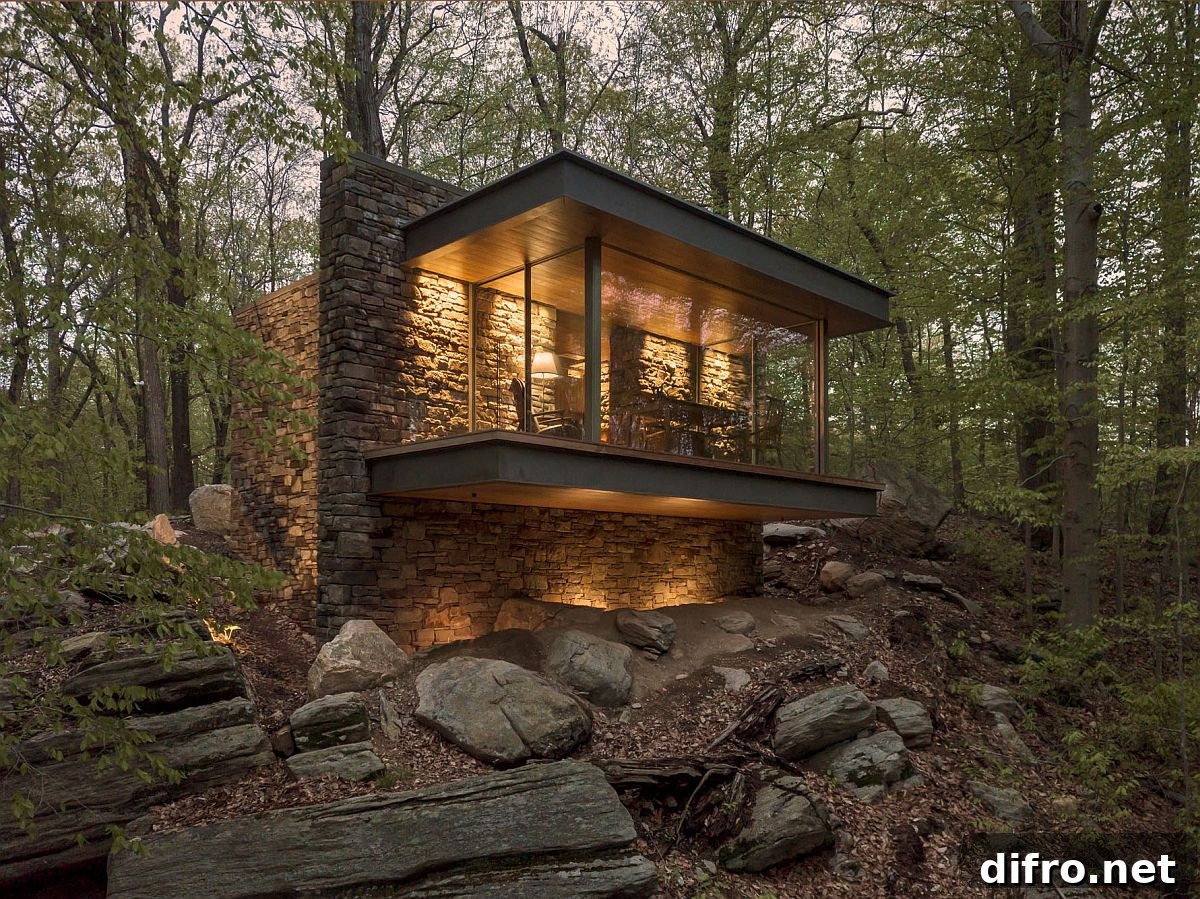
As the Coronavirus pandemic forced many of us to slow down, social distancing and isolation became essential. Staying at home for long stretches is a challenge for almost everyone, but having a dedicated retreat on the property can make that solitude more productive and far more pleasant. One outstanding example is the Writer’s Studio designed by Eric J. Smith in Connecticut — a serene, well-crafted escape that doubles as an inspirational workspace for anyone who writes, reads, or simply needs quiet.
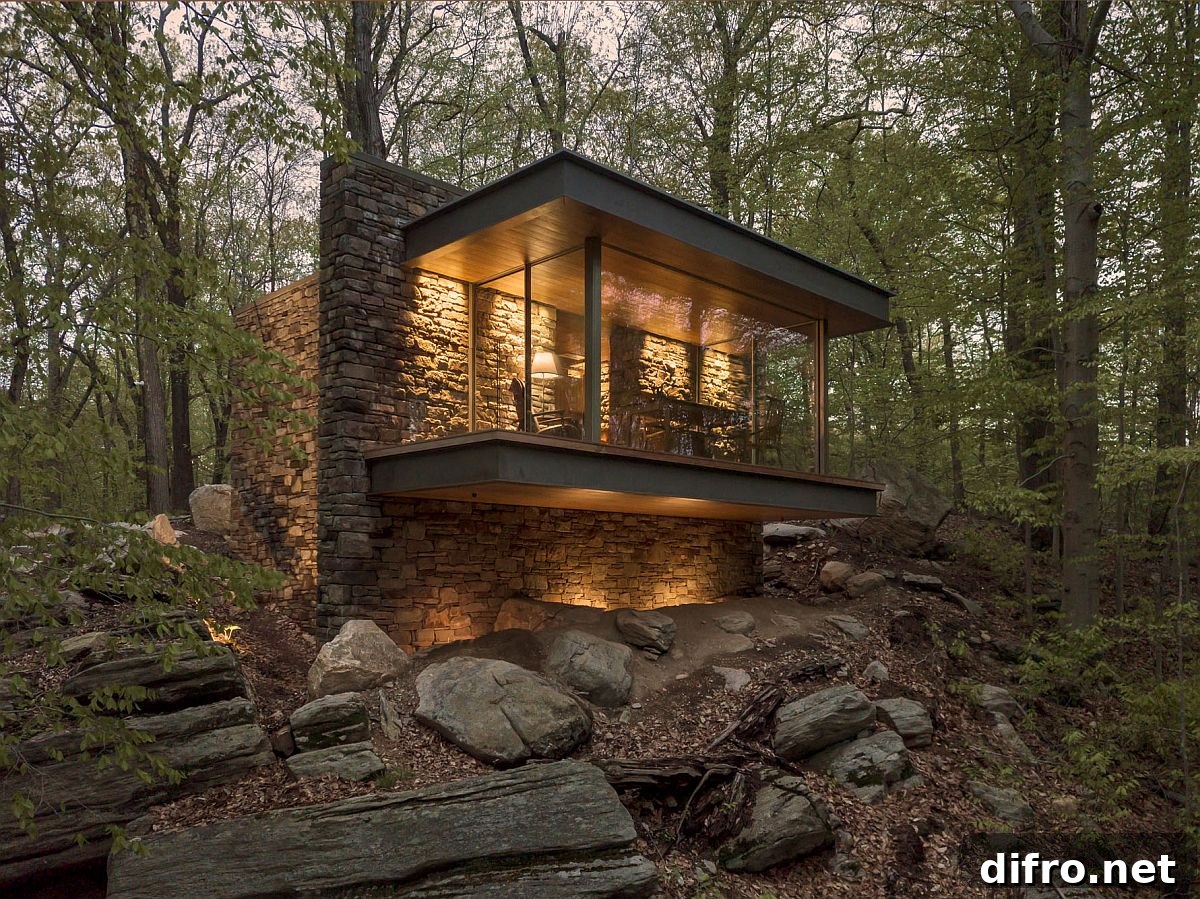
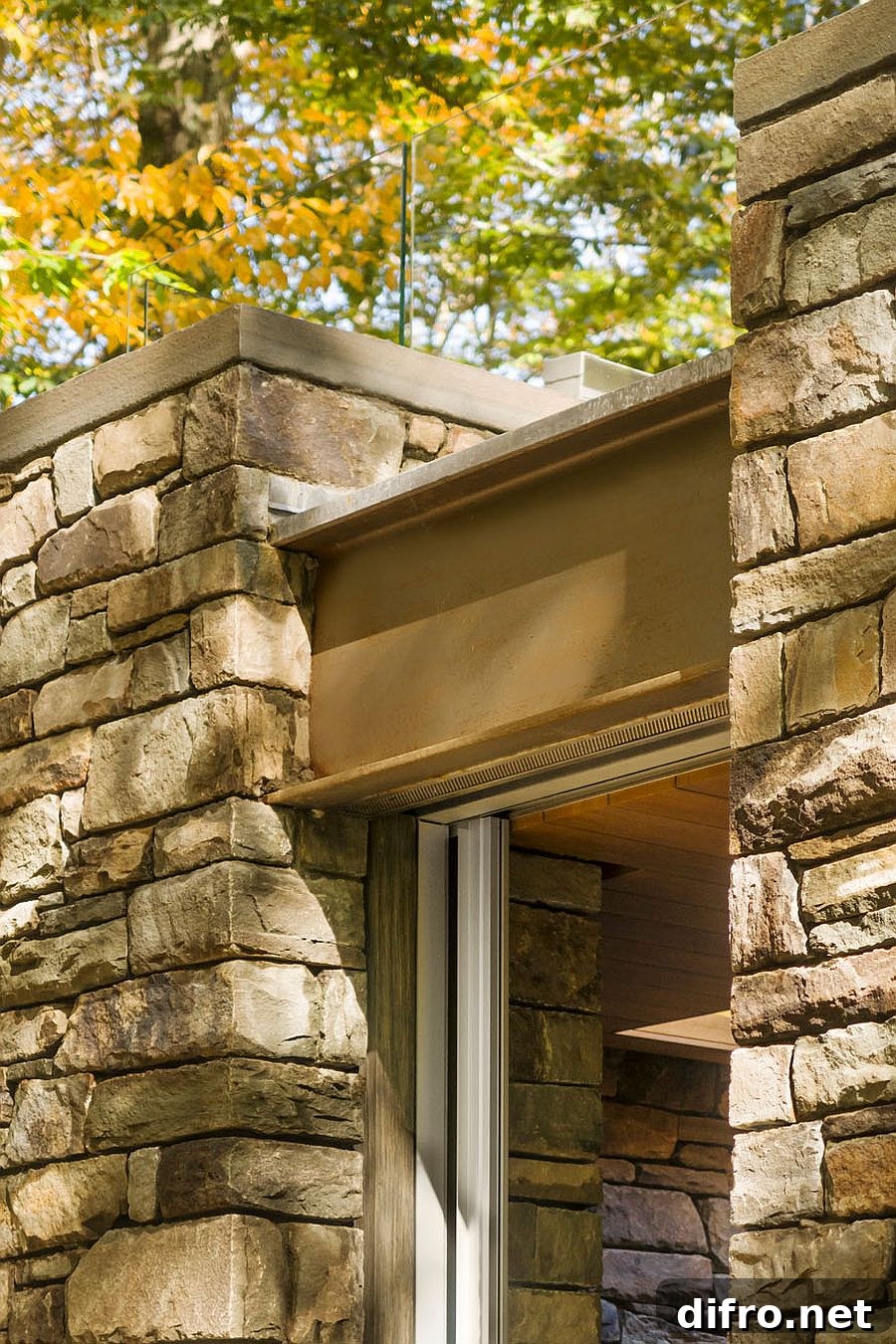
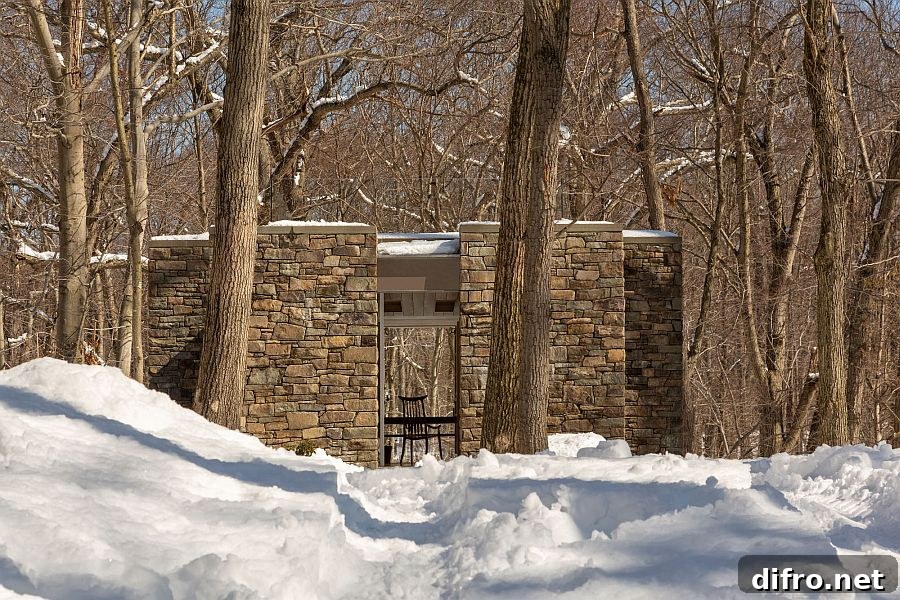
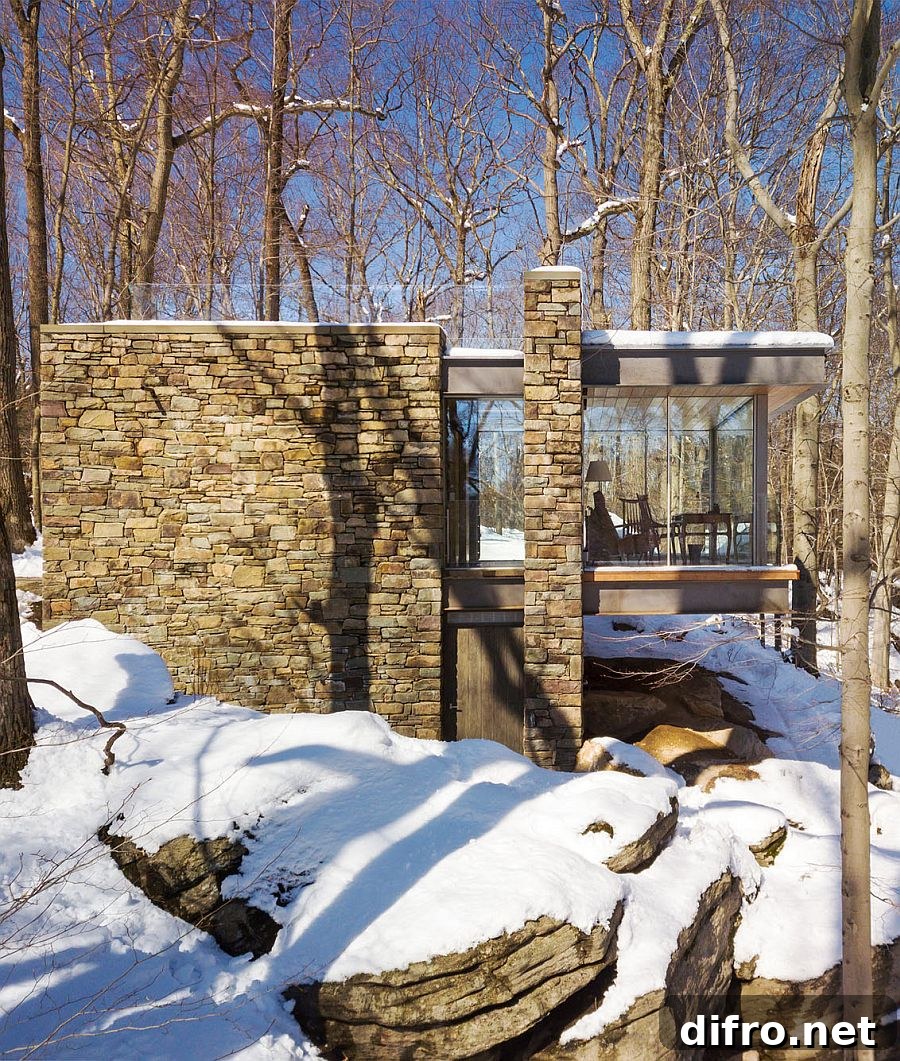
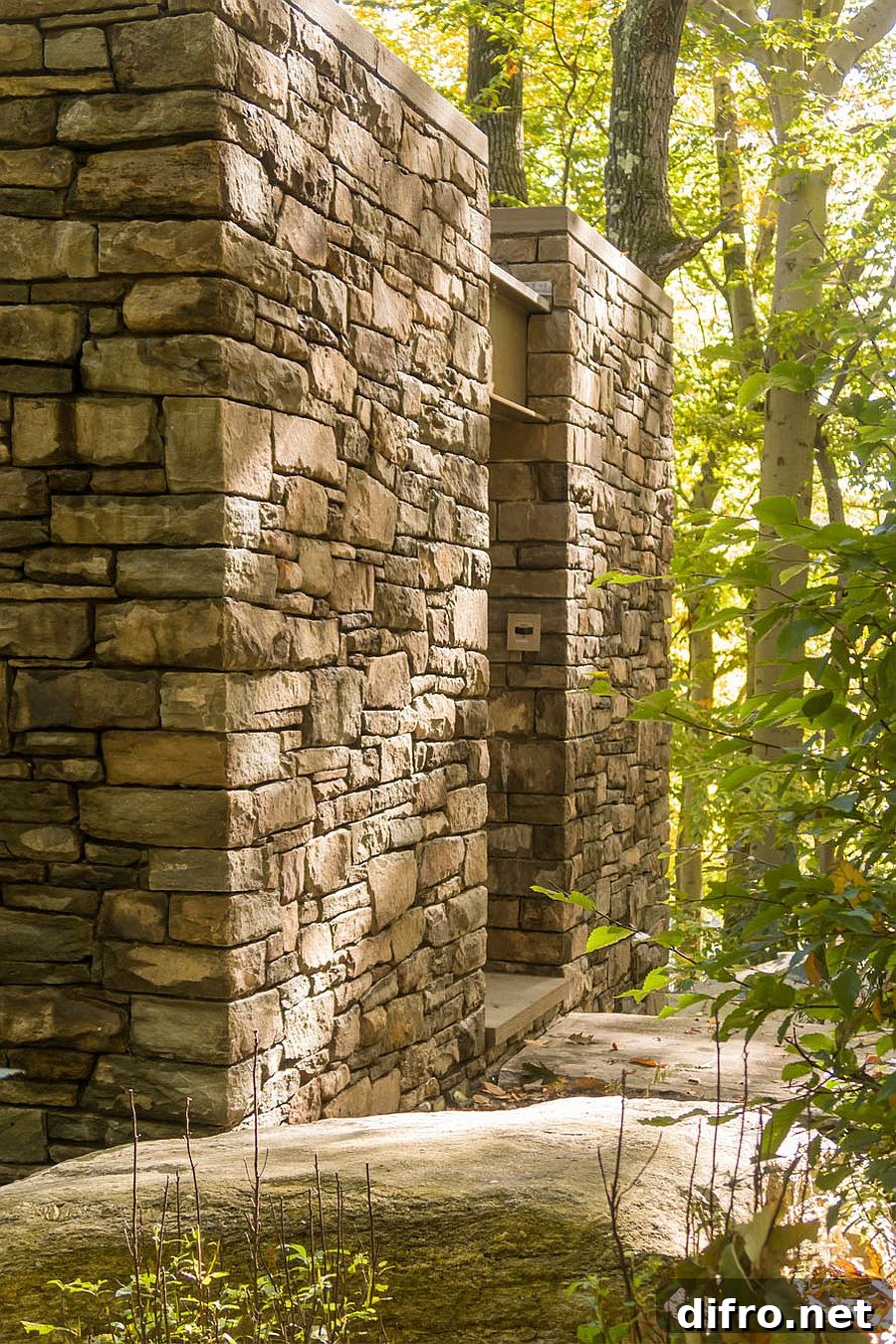
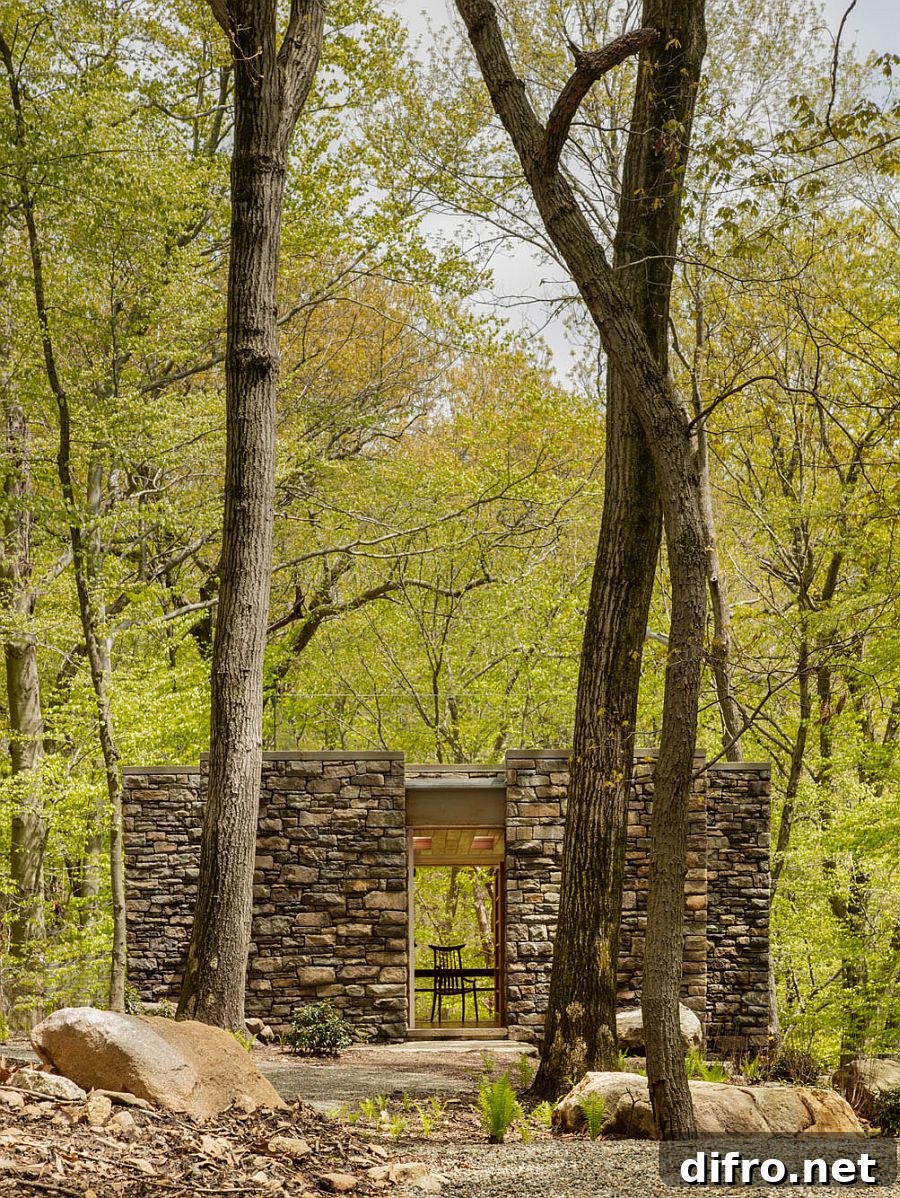
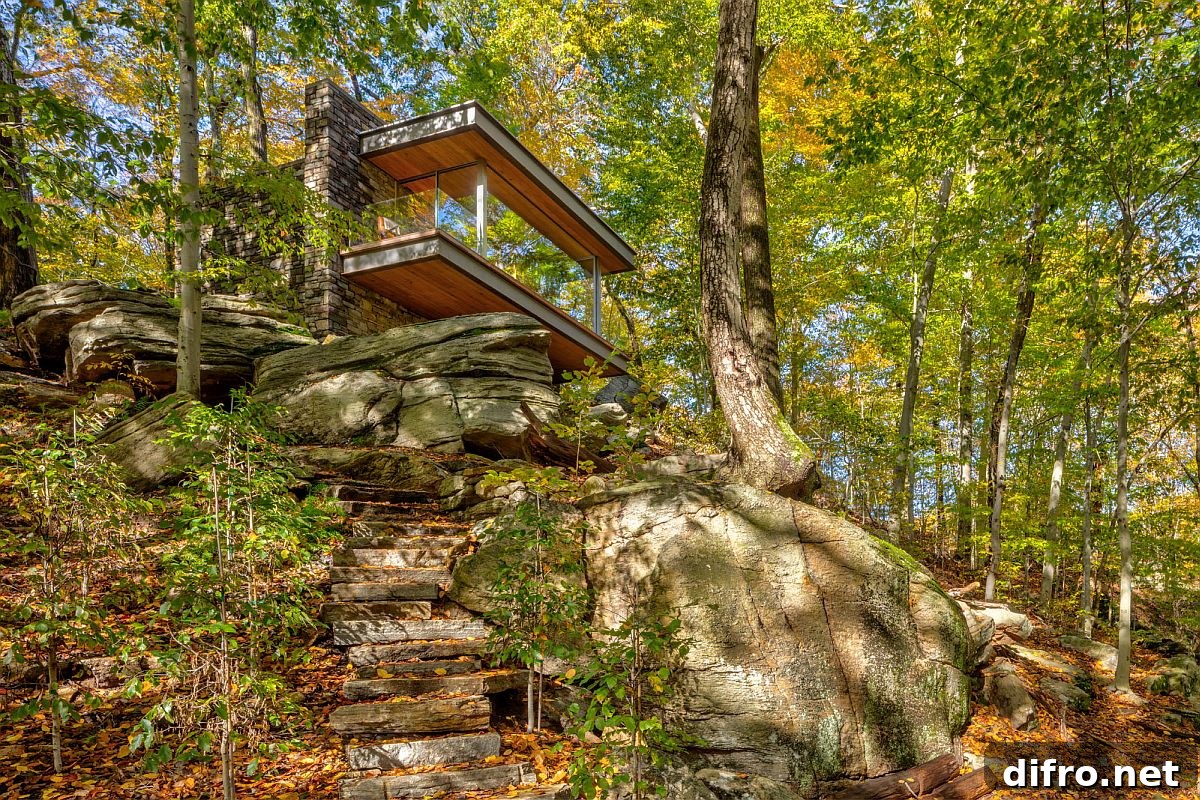
This backyard studio blends traditional masonry with contemporary glass to create an atmosphere that feels both rooted and open. Natural stone—fieldstone and bluestone—gives the exterior a dry-stacked, almost historic character, while expansive glass walls on the upper level bring light and views deep into the interior. Wood finishes on the lower level add warmth and contrast, making the building read as a natural extension of the oak forest that envelopes it.
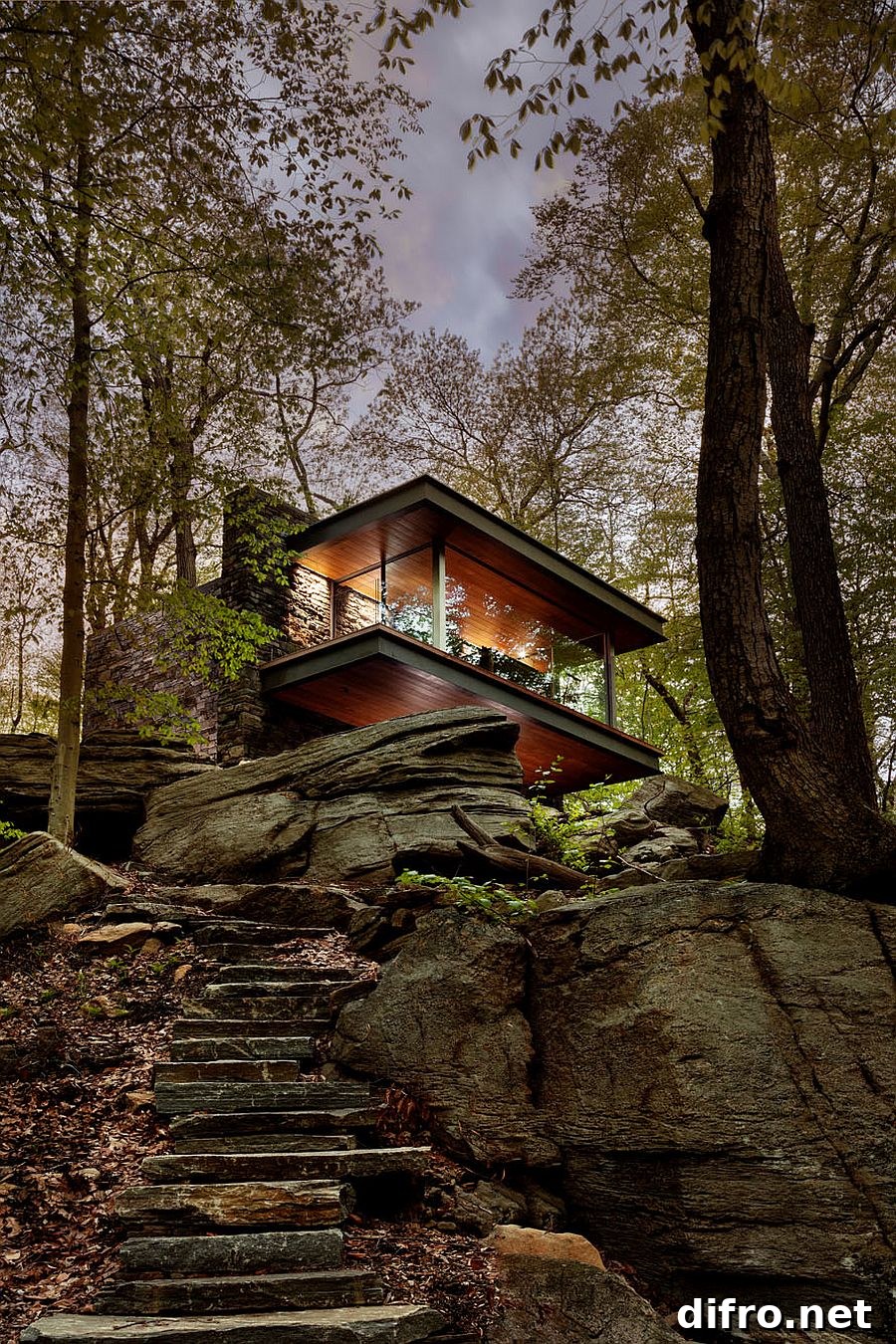
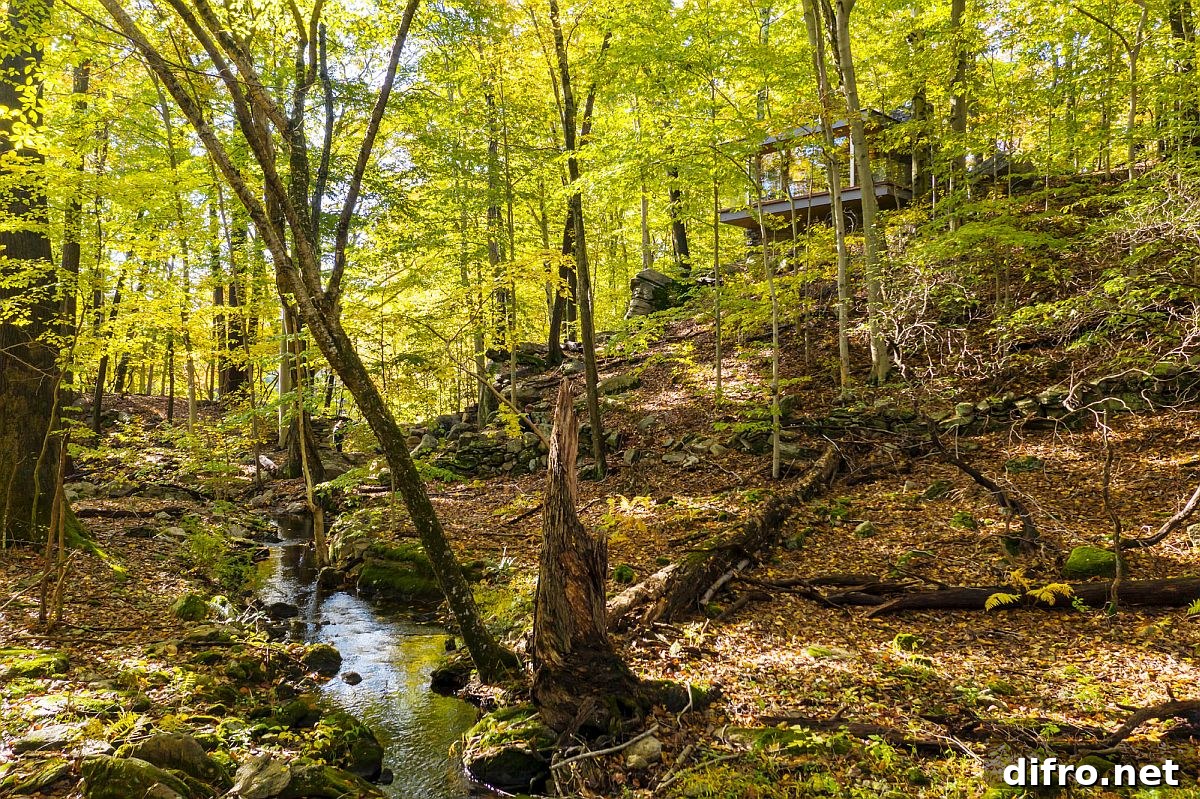
One of the studio’s strongest qualities is how it frames the surrounding landscape. Large, high windows and a series of glass panels visually extend the interior into the trees, letting occupants enjoy the seasonal colors, birdlife, and the subtle movement of branches without stepping outside. A carefully composed landscape, including a small water feature and native plantings, enhances the feeling of privacy and calm while inviting moments of inspired reflection.
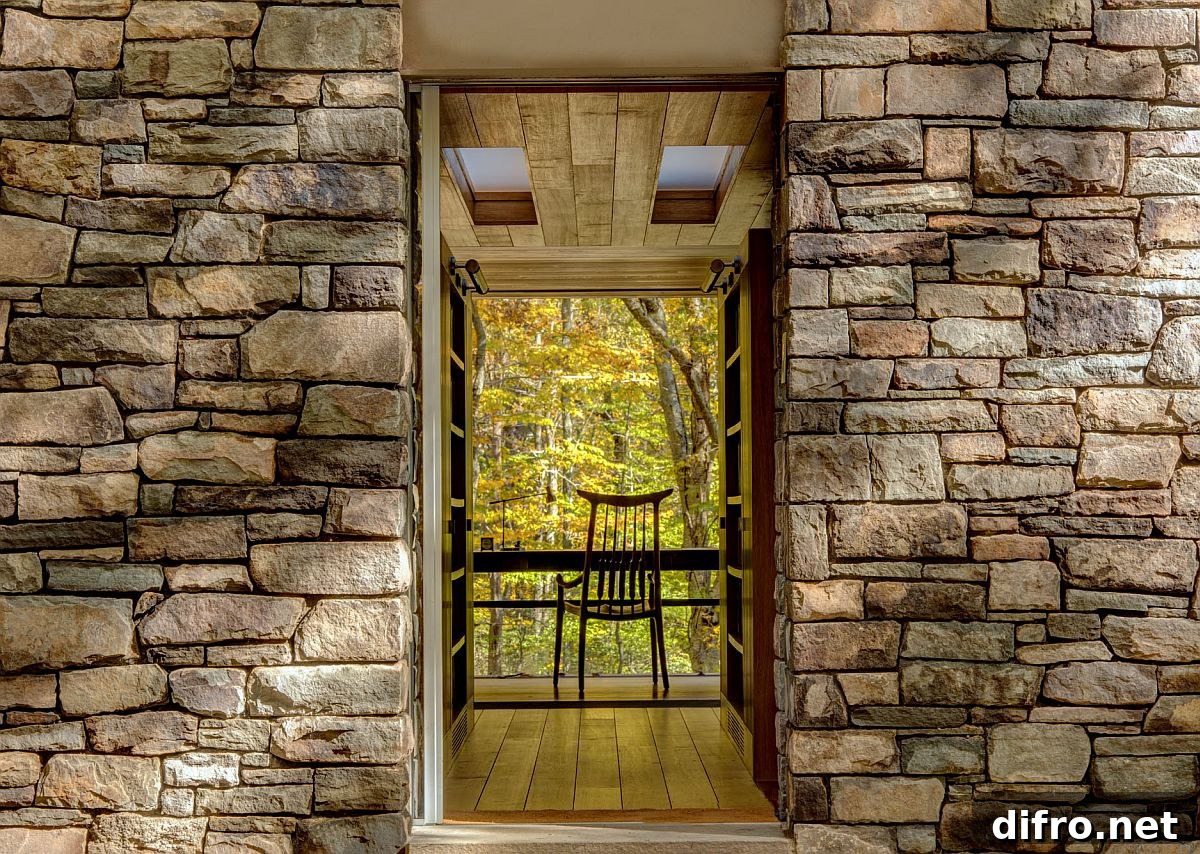
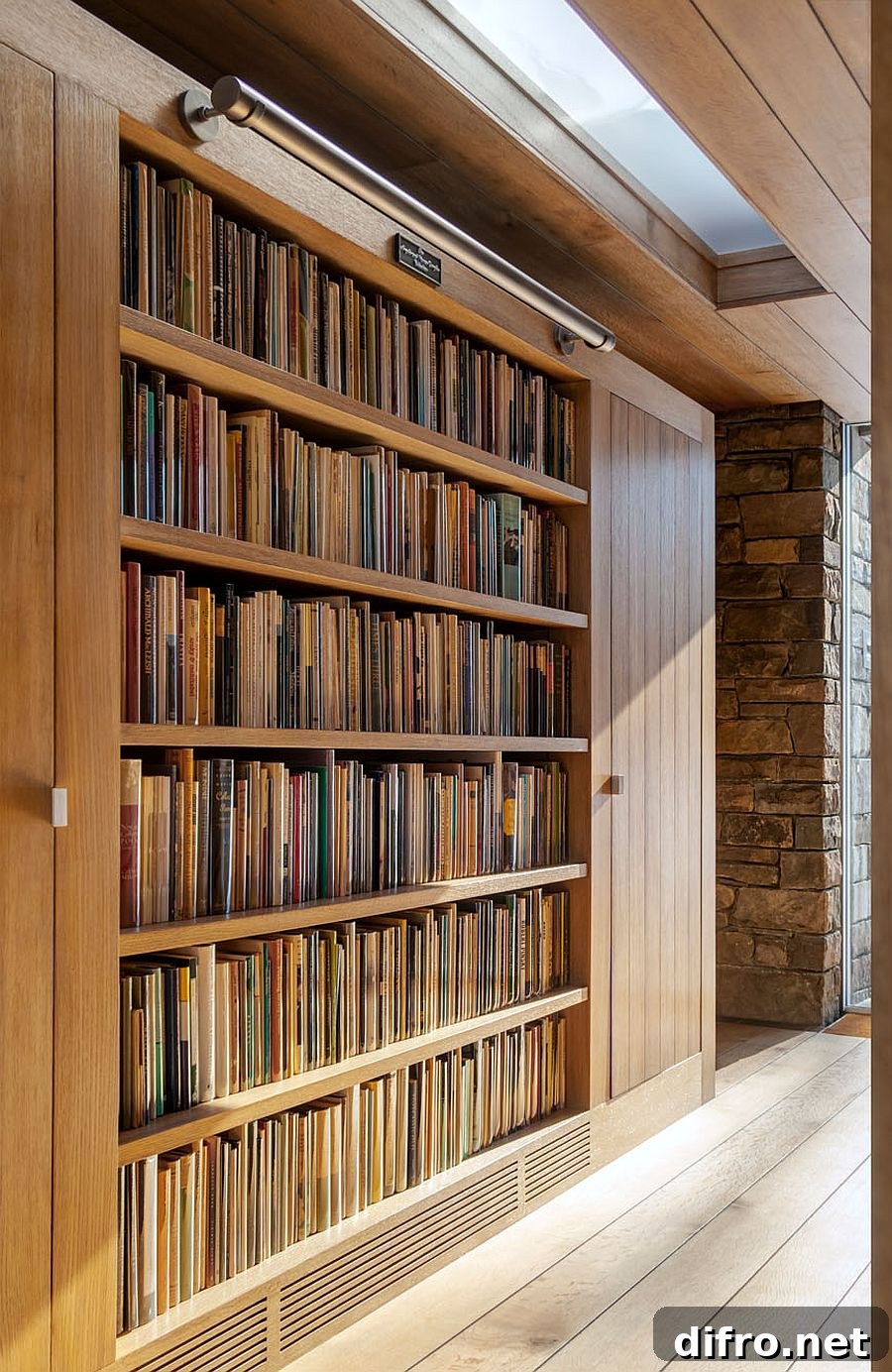
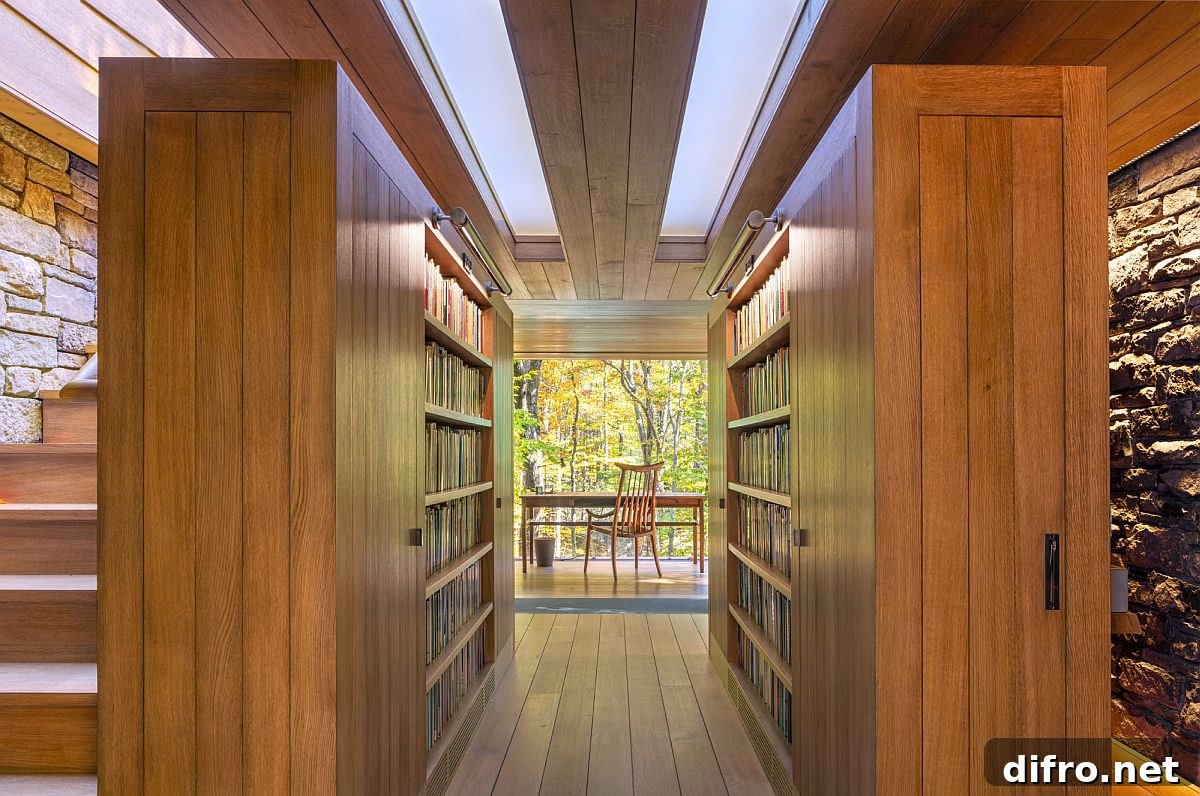
Inside, the plan is simple and purpose-driven. A clean, minimal workspace takes center stage, complemented by custom wooden bookshelves that house an extensive collection of volumes. These built-ins bring texture and a sense of permanence to the interior, while also supporting a clear functional program: a place to write, read, and think. Natural materials—stone, wood, glass—are balanced to create a calm palette that reduces distraction and encourages focus.
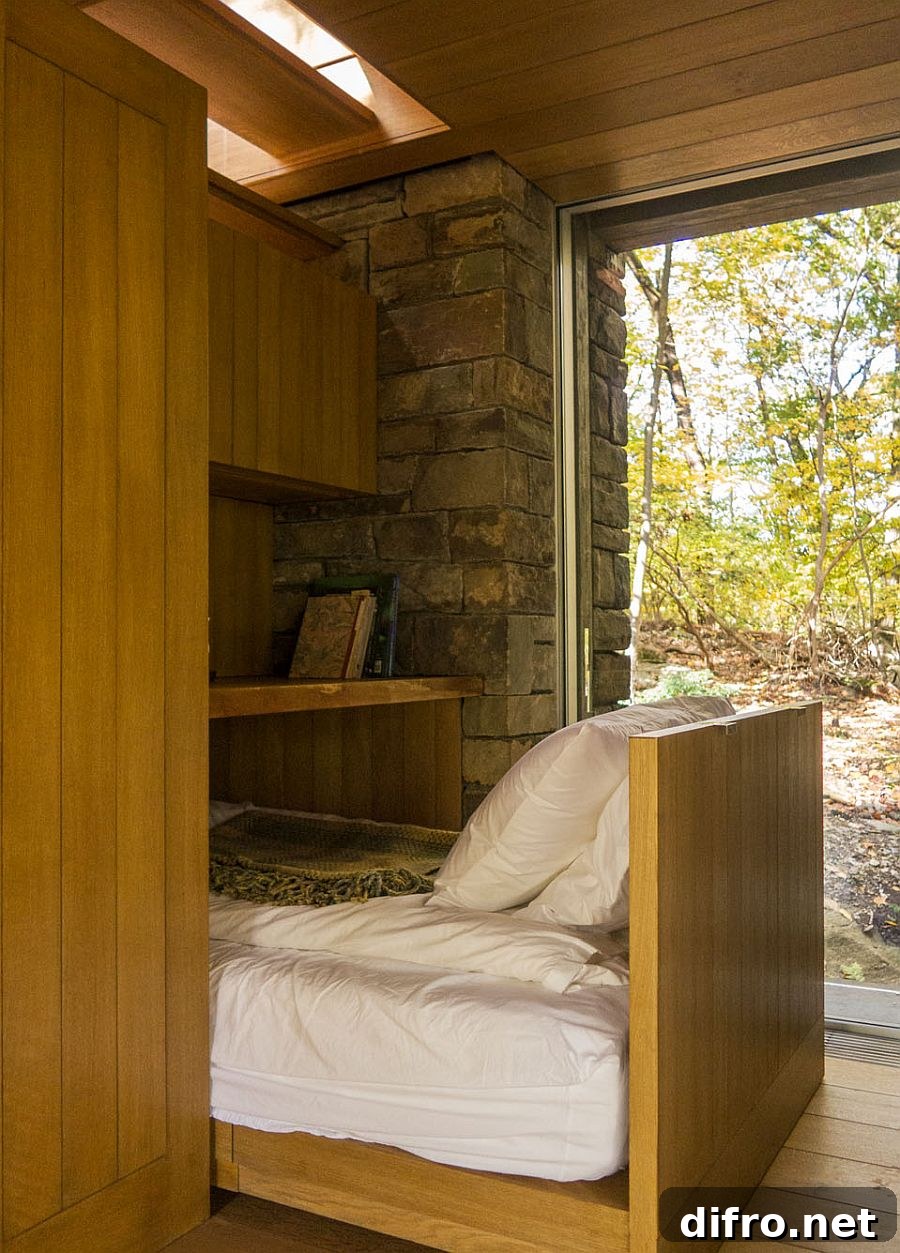
Practical comforts make the studio livable for extended stays: a compact kitchenette and a coffee station allow for simple meal prep and refreshment, and a cleverly integrated slide-out bed converts the living area into a sleeping nook when needed. These features create a self-sufficient refuge where a bibliophile can work uninterrupted and still enjoy basic comforts close at hand.
The shelving system is a defining interior element: tall, custom-made wood shelves organize a large, curated book collection and provide cozy reading niches. According to the documentation, the studio stores an impressive collection of books — more than 17,000 volumes — each finding a place on these warm, tactile shelves. The design balances storage and display so the books become part of the aesthetic, not just the function.
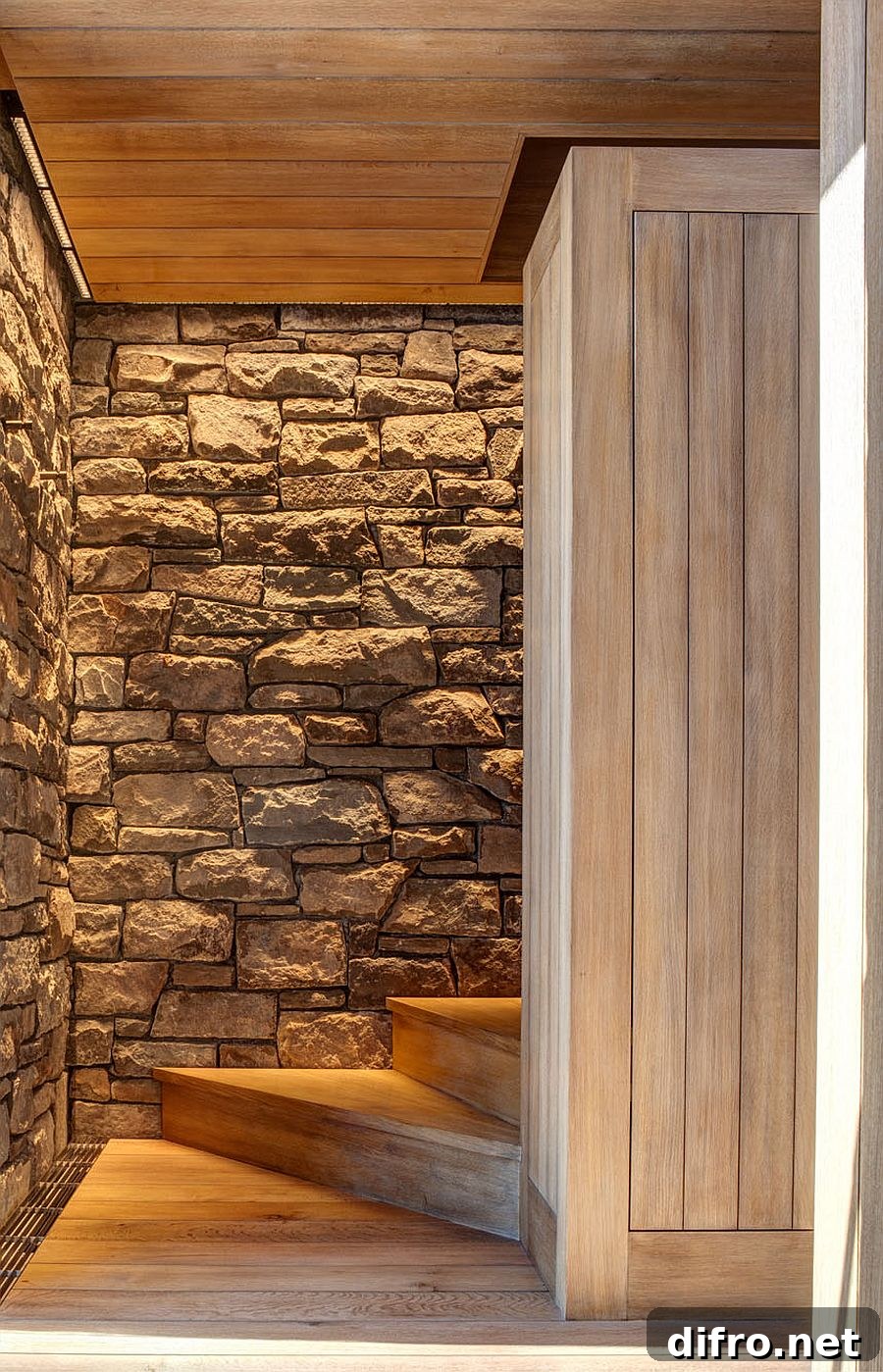
Small architectural moves—like the staircase leading to an upper-level “zen” space—create a sequence of rooms that support different modes of work and rest. In each zone, daylight and framed views are used intentionally to enhance concentration and well-being. Photography for the project is credited to Durston Saylo, whose images capture the quiet detail and material richness of the studio.
For anyone looking to create a backyard studio or a small, dedicated workspace, this project offers several useful takeaways: prioritize natural light and views, use durable, tactile materials that age gracefully, integrate storage so it becomes part of the design, and include basic amenities that make the space livable without compromising its primary function. Above all, the Writer’s Studio demonstrates how a small, well-considered building can offer both shelter and creative freedom, a private retreat that still feels connected to the natural world outside.