Partition walls have been used for centuries to divide living spaces into distinct areas. Unlike structural walls, these dividers are primarily decorative and functional, creating privacy, defining zones, and improving flow without committing to full-height construction. If you want to carve out separate areas while keeping a light, open feel, there are many creative room divider ideas that deliver privacy, style, and flexibility without the permanence of traditional walls.
Simple solutions range from furniture and open shelving to half walls with columns, curtains or fabric panels, and even sculptural elements or water features. Below are inspiring options, practical tips for choosing the right divider, and ideas for styling each solution to suit modern interiors.
Half walls with columns
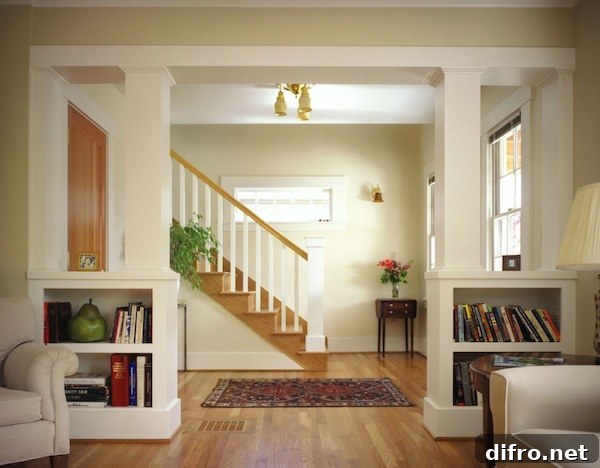
Half walls with columns add architectural interest and clearly define different zones—such as an entryway from the living area—without closing off sightlines. These dividers typically rise partway from the floor and can be topped with a shelf or ledge for display items. Materials such as painted drywall, natural stone cladding, or slate tiles suit different decor styles. You can inset niches for vases, sculptures, or framed photos to personalize the divider and keep it functional.
Use of curtains and fabric
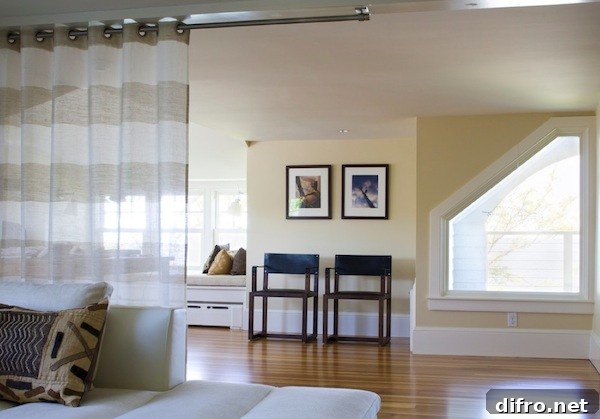
Curtains or suspended fabric panels are one of the most versatile and cost-effective ways to divide a room. Hung from ceiling-mounted tracks or tension rods, fabric dividers can be drawn open or closed for flexible privacy and light control. Sheer fabrics keep the space bright while heavier textiles offer noise damping and visual separation. Consider patterned or textured panels to introduce color, softness, and a sense of movement to the room.
Bookshelves as dividers
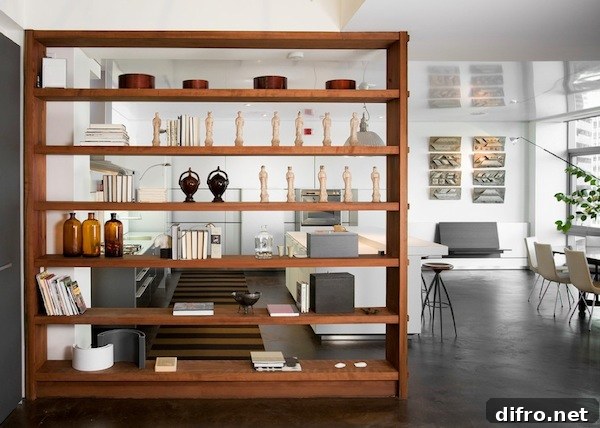
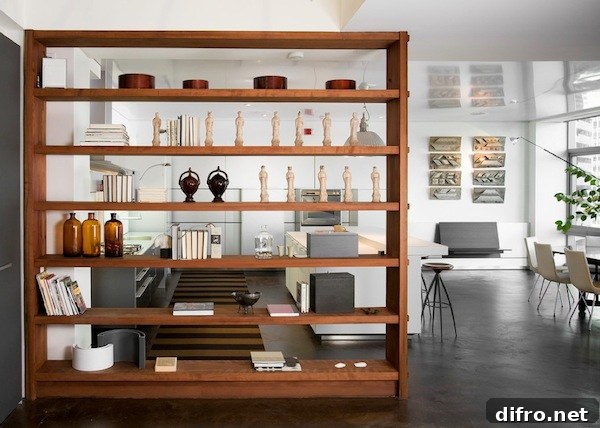
Open bookshelves are practical and stylish room dividers. They create separation while providing storage and display opportunities for books, plants, and decorative objects. A double-sided shelving unit preserves light and sightlines, and modular or freestanding units allow you to reconfigure the layout as needs change. Choose adjustable shelving or mixed-height compartments to accommodate larger pieces and add visual rhythm.
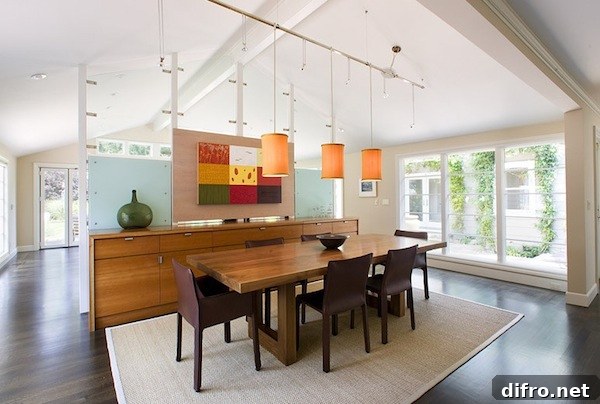
Sculptural and natural dividers
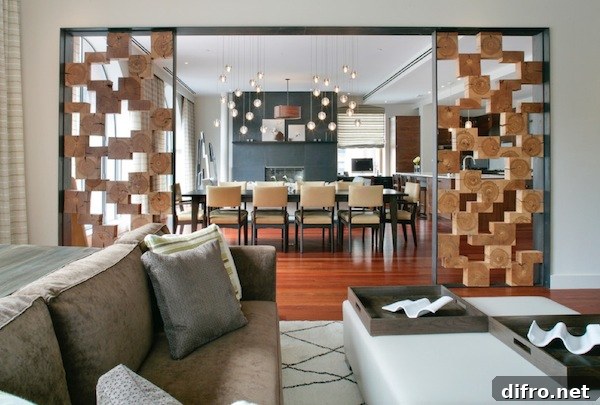
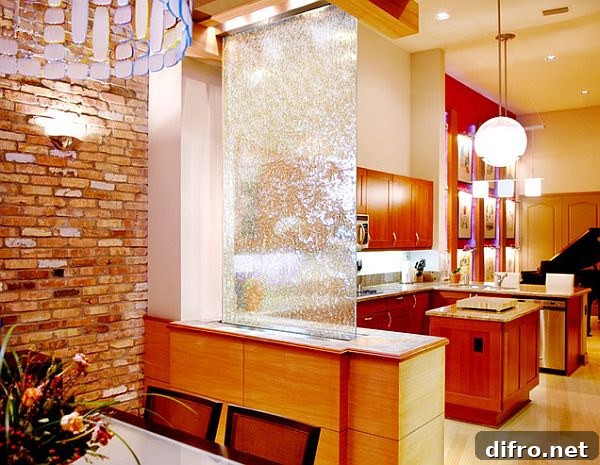
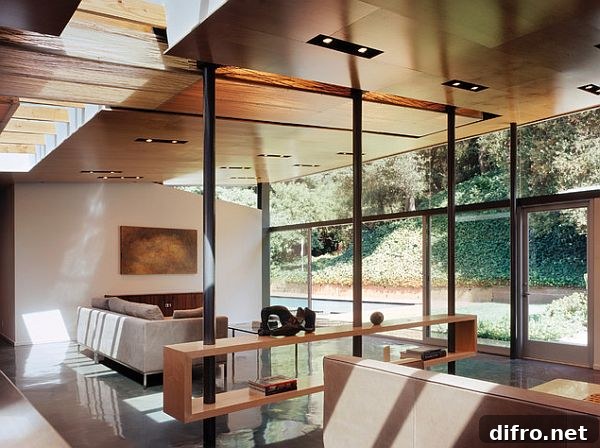
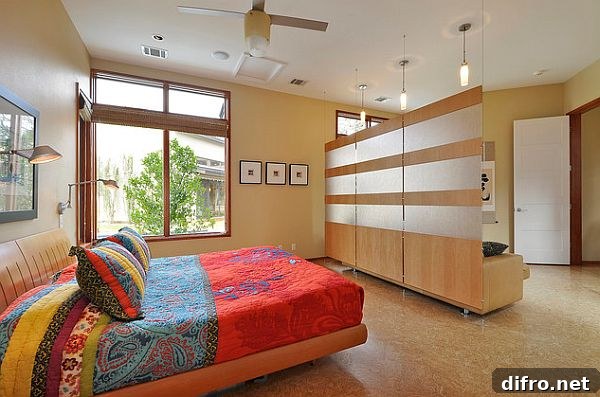
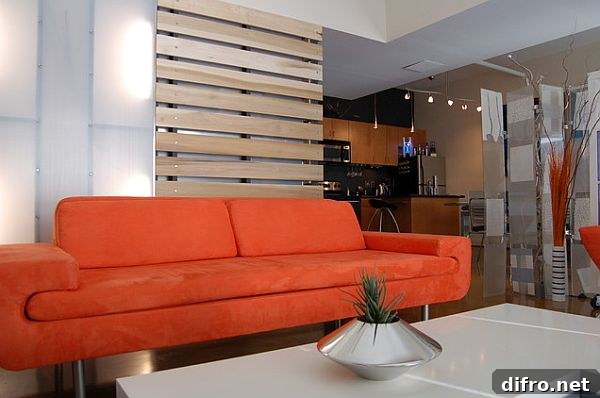
Beyond conventional options, consider sculptural dividers that introduce texture and movement—wooden slats, suspended panels on cables, or even indoor water features. These elements provide a dramatic focal point while breaking large, open-plan spaces into more intimate zones. Materials such as warm timber slats or metal screens suit minimalist and contemporary interiors, while glass or translucent panels preserve light and make the area feel airy.
Practical tips for choosing a divider
- Consider function first: choose storage-heavy solutions like bookshelves for practical needs, or soft fabric for temporary privacy and sound absorption.
- Match scale and sightlines: taller dividers create more separation while lower options maintain openness—measure furniture and ceiling height before installation.
- Think about light and airflow: translucent panels, slatted designs, and open shelving preserve natural light, whereas solid partitions block it.
- Choose materials that fit your style and maintenance needs: wood and metal are durable, while fabrics provide color and texture but may require cleaning.
Room dividers are especially useful in studio apartments and open-plan homes, where a few well-chosen elements can delineate zones for sleeping, cooking, working, and entertaining. With flexible designs and a range of materials, you can create both functional and beautiful separations that evolve with your lifestyle.