It seems Danish architect Bjarke Ingels has become the architectural world’s current figure of influence. As founder of BIG (Bjarke Ingels Group), a multidisciplinary design practice with offices in Copenhagen and New York, Ingels was named one of Time magazine’s 100 Most Influential People. In a citation accompanying that recognition, Dutch architect Rem Koolhaas wrote: “Contrary to many, maybe including himself, I do not consider Bjarke Ingels the reincarnation of this or that architect from the past. On the contrary, he is the embodiment of a fully fledged new typology, which responds perfectly to the current zeitgeist.”
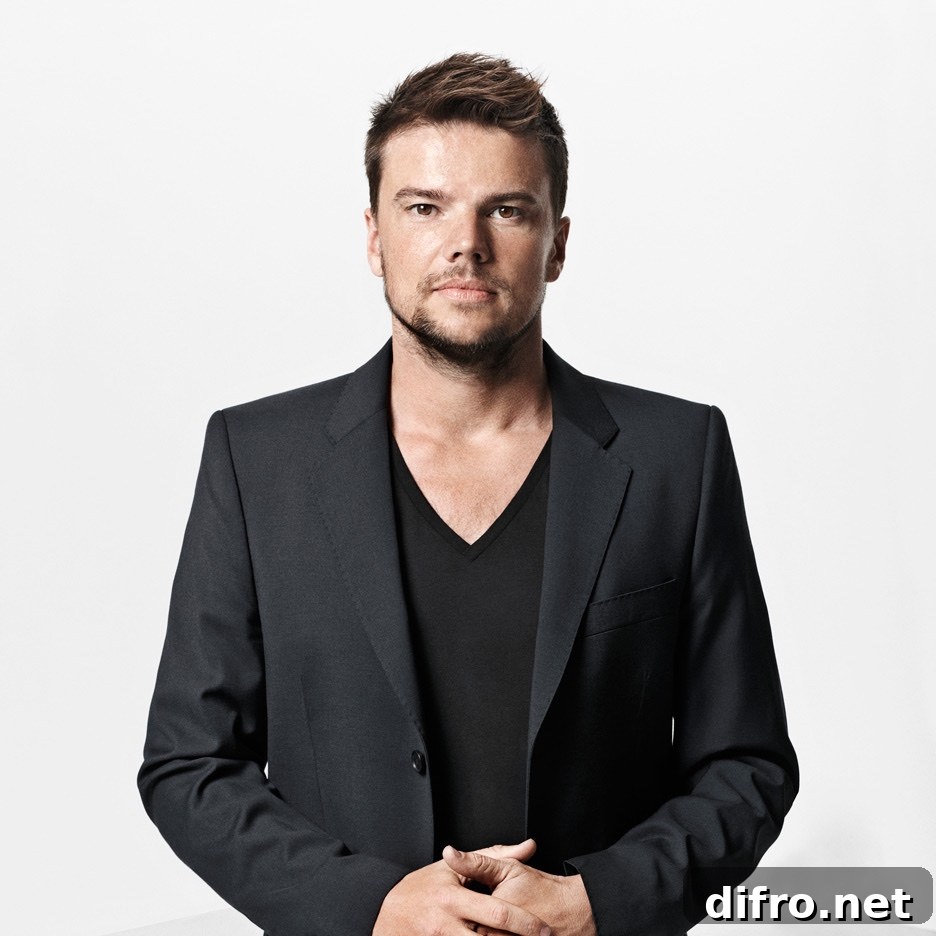
Portrait by Jonas Bie. Image credit: Dezeen.
BIG
Bjarke Ingels founded BIG in 2005 at the age of 31. The practice quickly developed a reputation for designing buildings that are both programmatically and technically inventive while remaining mindful of costs and resources. Before founding BIG, Ingels worked with Rem Koolhaas at OMA and later formed the studio PLOT with architect Julien De Smedt in 2001. PLOT was disbanded at the start of 2006 when both partners established their own independent firms.
In just over a decade, BIG has assembled a significant portfolio of built and proposed projects across Europe, North America, Asia and the Middle East. The firm employs approximately 300 architects, designers and specialists from more than twenty-five countries, reflecting its global reach and collaborative approach to complex urban and architectural challenges.
Programmatic Alchemy
BIG rejects one-dimensional “boxes” and the sterile perfection of some digitally driven formalism. The firm frames architecture as a form of “programmatic alchemy,” blending everyday functions—how we live, work, move, park and shop—into cohesive, adaptive places. BIG acknowledges that urban life and building programs constantly shift under the influence of culture, economics, politics, technology and climate, and it seeks flexible solutions that respond to those shifts.
More than stylistic experimentation, many of BIG’s projects pursue what the firm calls “Information Driven Design,” using data and analysis to convert visionary ideas into tangible, resilient infrastructure and social spaces for contemporary cities.
Selected future and recent projects
Hualien Residences
Hualien Residences in Taiwan is a resort development whose silhouette echoes the surrounding mountainous landscape, integrating built form with natural topography to create a cohesive holiday destination.
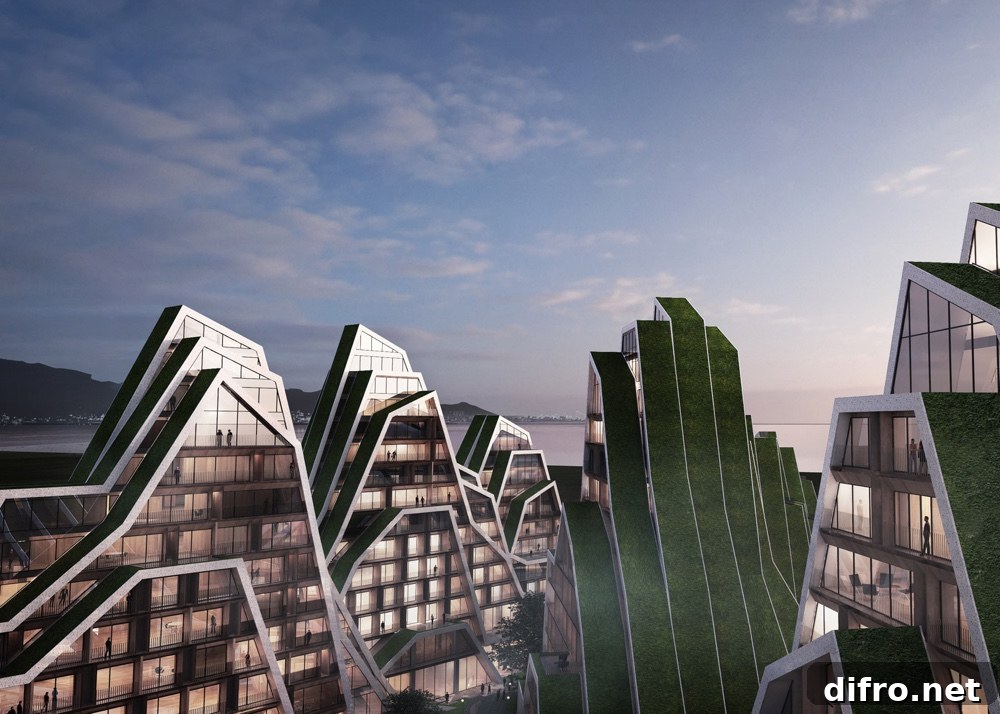
Photo credit: Jinho Lee. Image presented by Dezeen.
Vancouver House
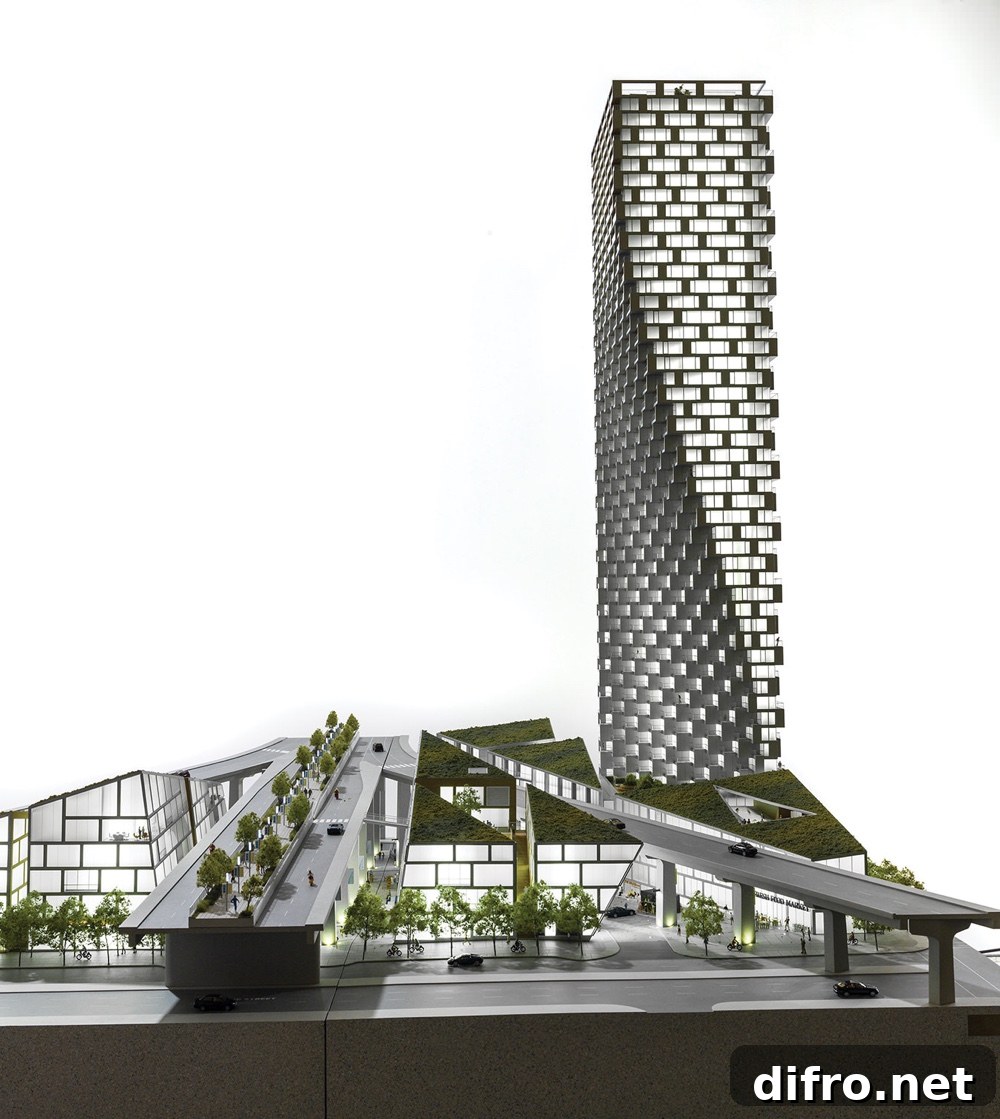
Vancouver House is a twisting 52-storey tower that transforms a conventional skyscraper silhouette into a dynamic, sculptural form. The project aims to redefine its skyline location and won “Future Project of the Year 2015” at the World Architecture Festival. The tower was scheduled for completion in 2018 and is notable for its distinctive massing and structural approach.
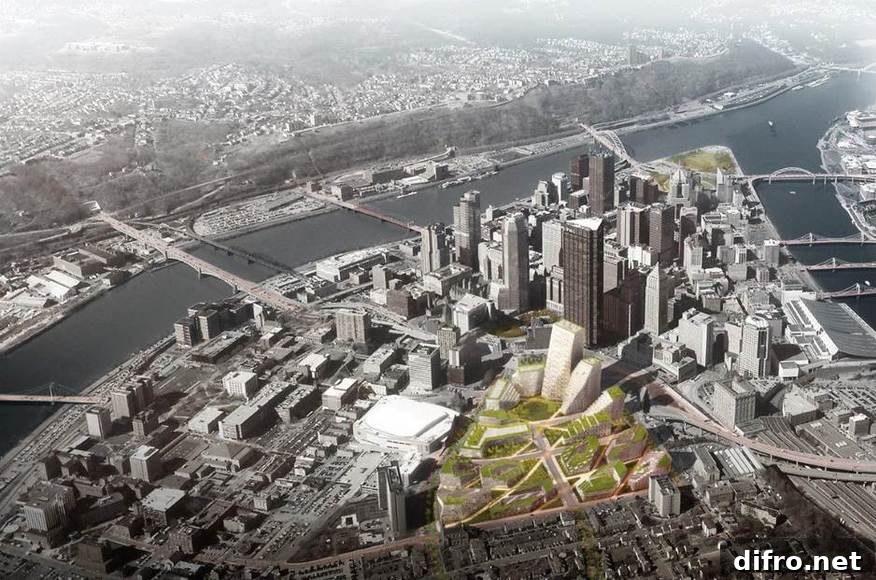
Pittsburgh Lower Hill District Master Plan
In collaboration with landscape and environmental specialists, BIG is part of a master plan to revitalize Pittsburgh’s Lower Hill District. The scheme focuses on reconnecting neighborhoods, creating mixed-use development, and strengthening community cohesion through public realm improvements and investment in infrastructure.
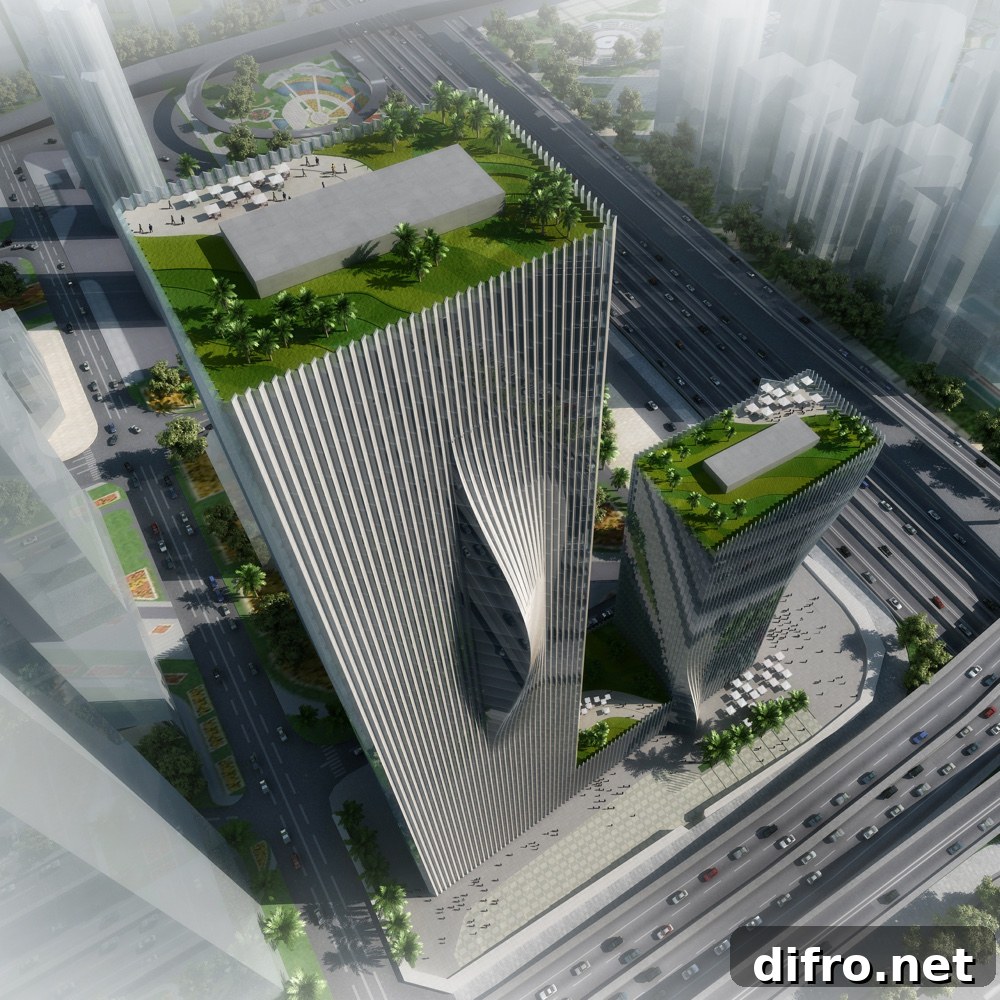
Shenzhen Energy Headquarters
The Shenzhen Energy Headquarters features an undulating façade designed to optimize daylight while reducing direct solar heat gain. The building combines technical sustainability strategies with a sculptural, expressive form.
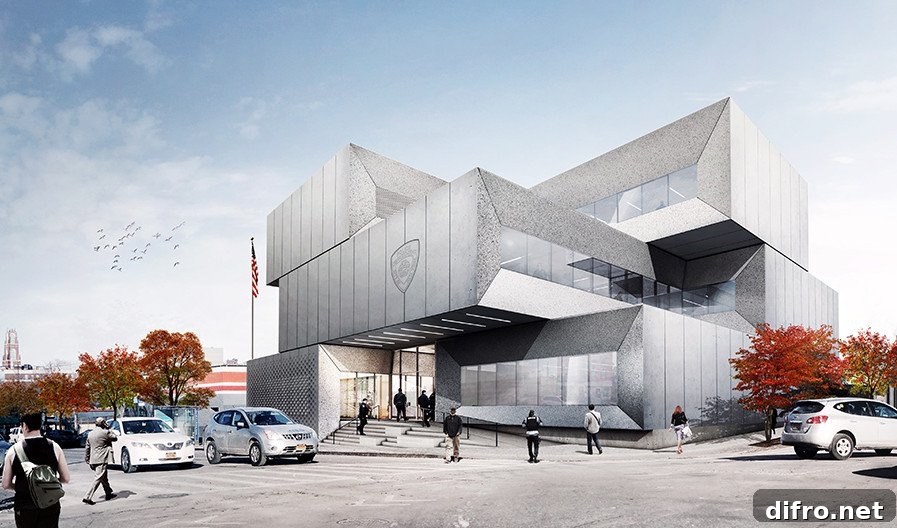
NYPD 40th Precinct Station House
BIG designed a new station house for the NYPD’s 40th Precinct in the South Bronx. The $50 million facility is an example of the firm applying its design approach to municipal infrastructure, aiming to create a functional, community-oriented public building.
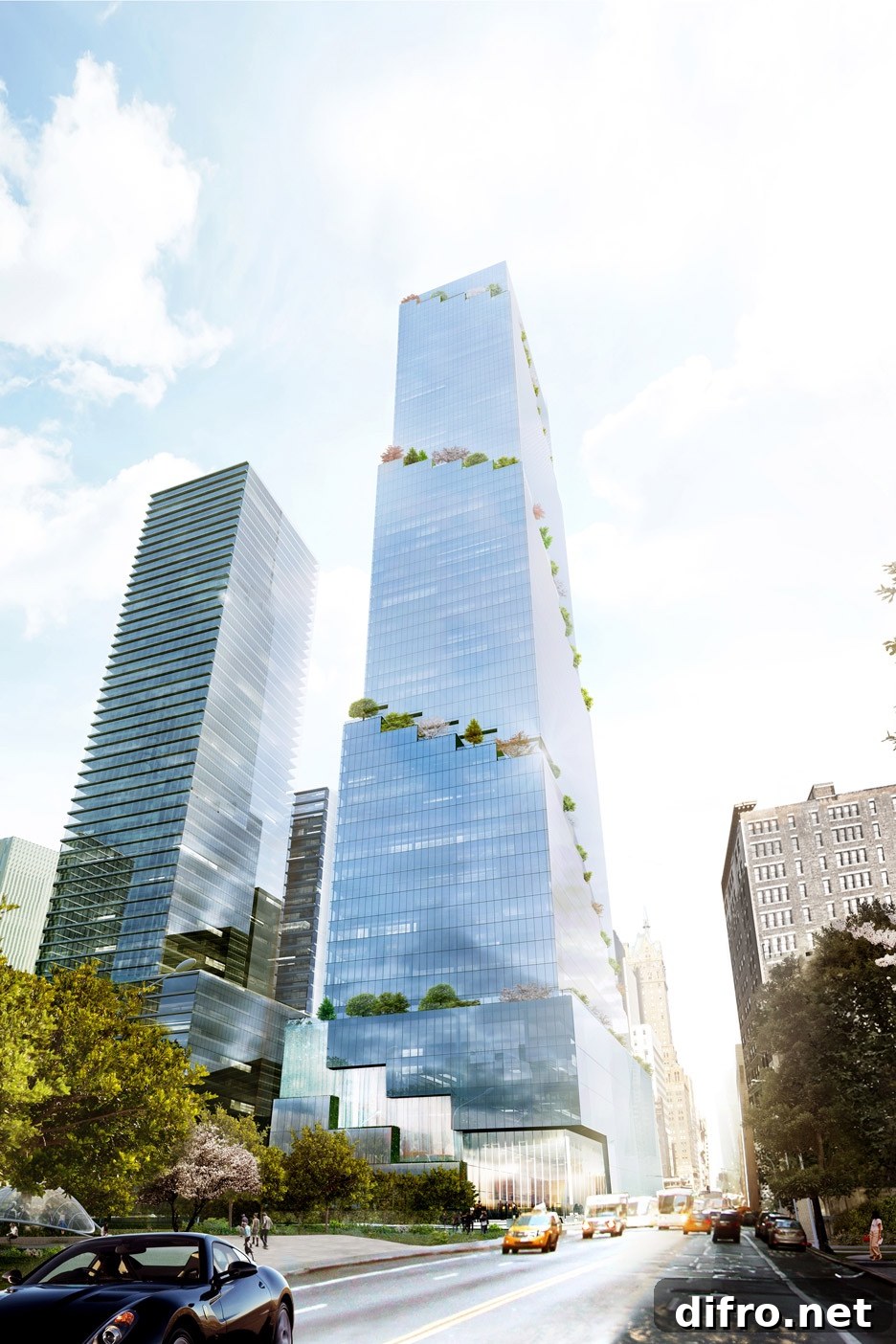
The Spiral
The Spiral is a New York office tower wrapped in a continuous ribbon of green terraces that spiral up the façade. The design creates stacked, accessible outdoor spaces for occupants while introducing vegetation into the high-rise environment.
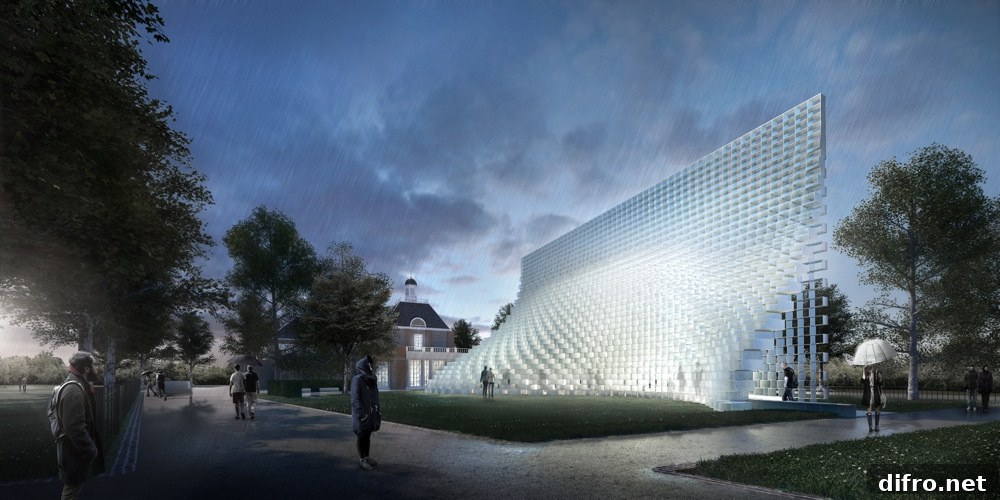
Serpentine Gallery Pavilion (2016)
Bjarke Ingels designed the 2016 Serpentine Gallery Pavilion in London. The transient structure was conceived as an “unzipped wall” that houses a café by day and hosts evening events. Constructed from stacked pultruded fiberglass frames, the pavilion plays with contrasts between transparency and opacity, orthogonal and curvilinear forms.
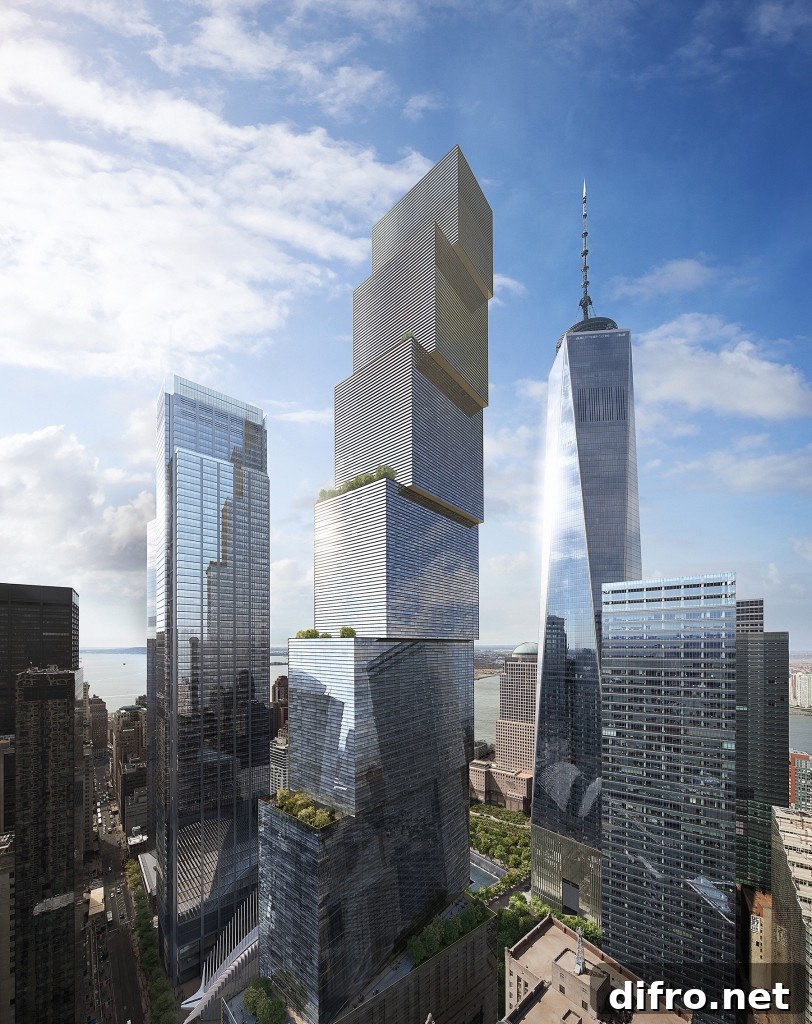
Two World Trade Center
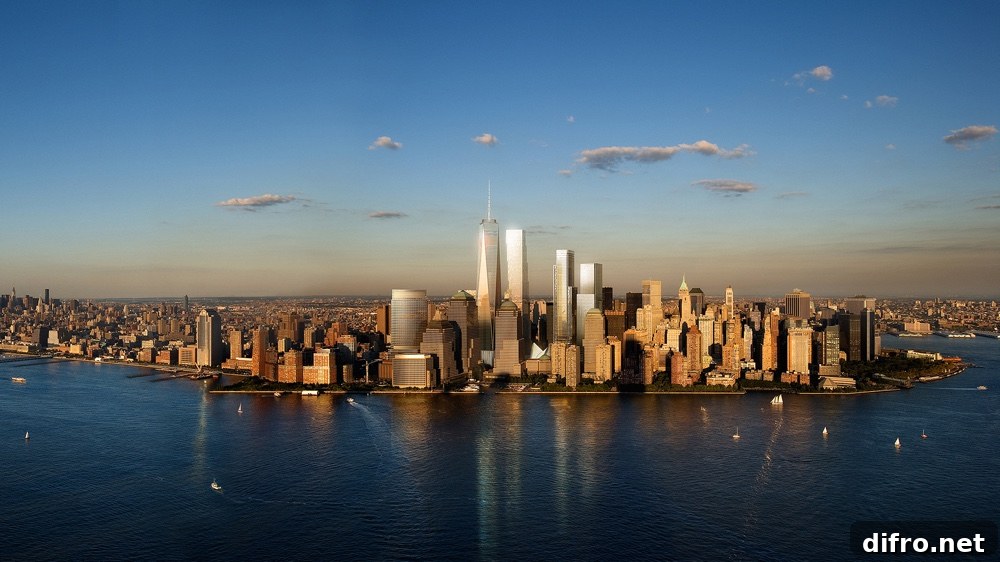
BIG was selected to design Two World Trade Center, proposing a glass tower composed of stacked cuboids that step back toward the top. The design integrates contemporary office requirements with a distinct massing concept intended to contribute to the Manhattan skyline.
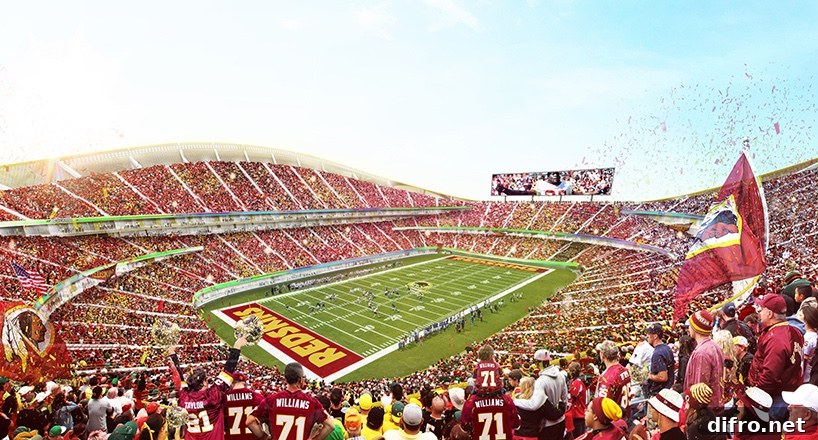
Washington Redskins Stadium
BIG’s stadium design for the Washington Redskins explores new ways to enhance the game-day experience. Proposals include a multifunctional moat and wave pool, an adaptable park and exhibition spaces, and facilities that support both sporting events and large-scale performances.
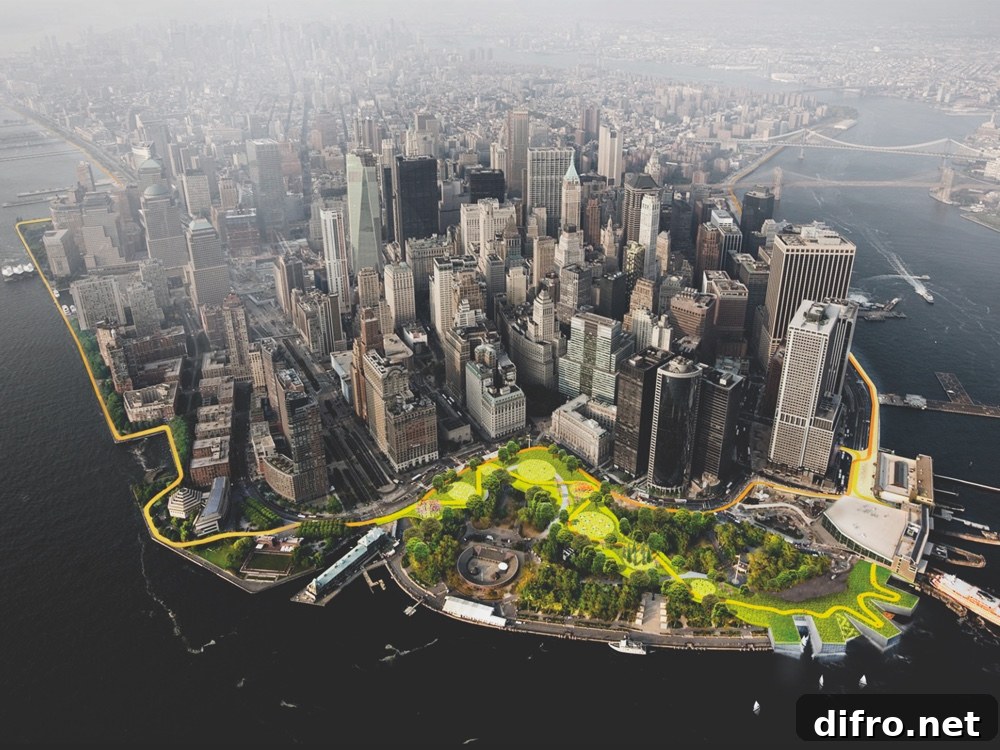
The Dryline
The Dryline is a proactive coastal resilience project for New York City that responds to flooding risks highlighted by Hurricane Sandy. Stretching along the shoreline, the design incorporates retractable floodwalls, salt-tolerant vegetation, berms and a series of public amenities—parks, seating and skateboard ramps—designed to both protect and enliven the waterfront.
Bjarke Ingels and BIG continue to explore the intersections of architecture, urbanism and sustainability, producing designs that combine technical innovation with social ambition. Whether working on cultural pavilions, commercial towers or large-scale resilience infrastructure, BIG’s projects aim to transform ideas into practical, future-ready places that serve communities and shape city life.